Trust Change Beneficiaries With Appointment Scheduling
Description


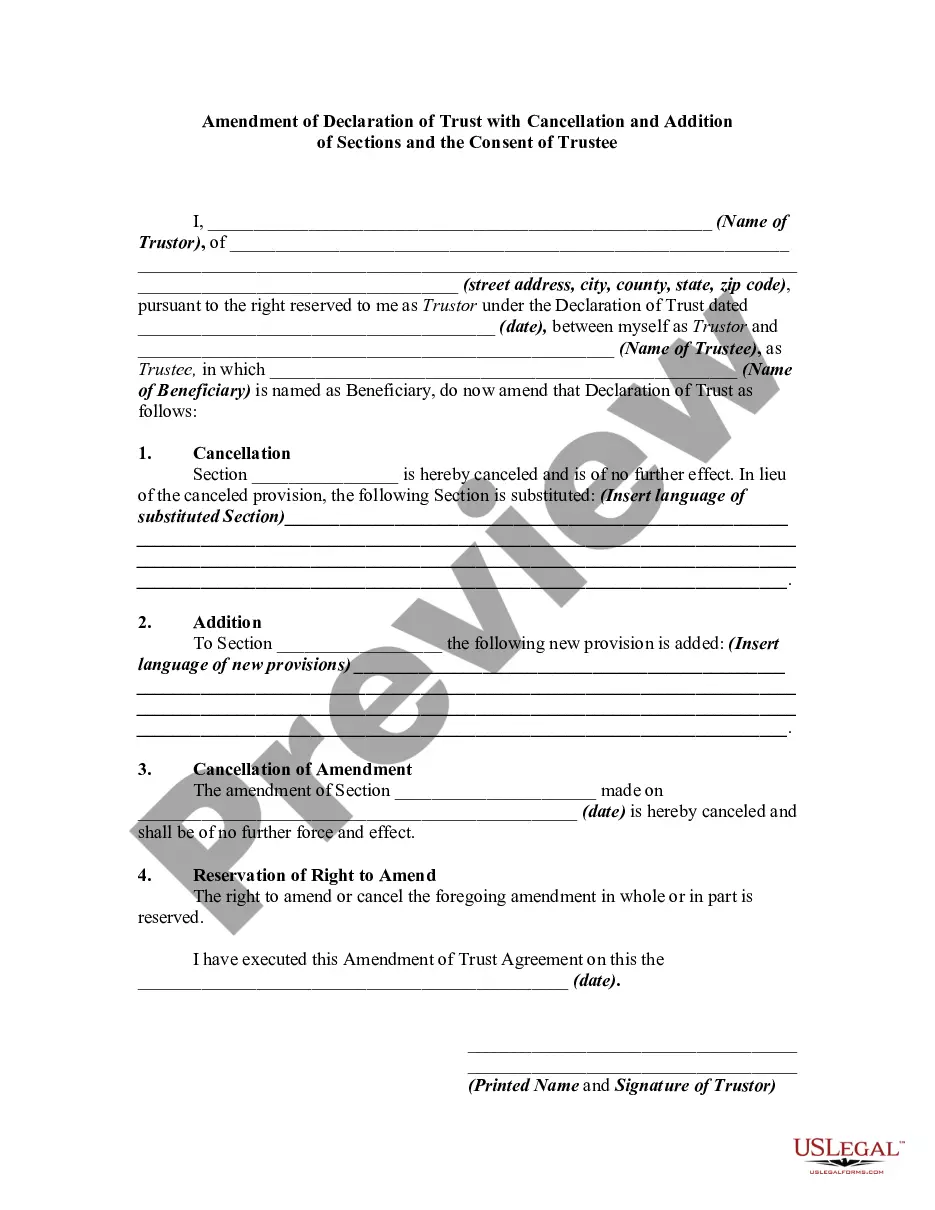
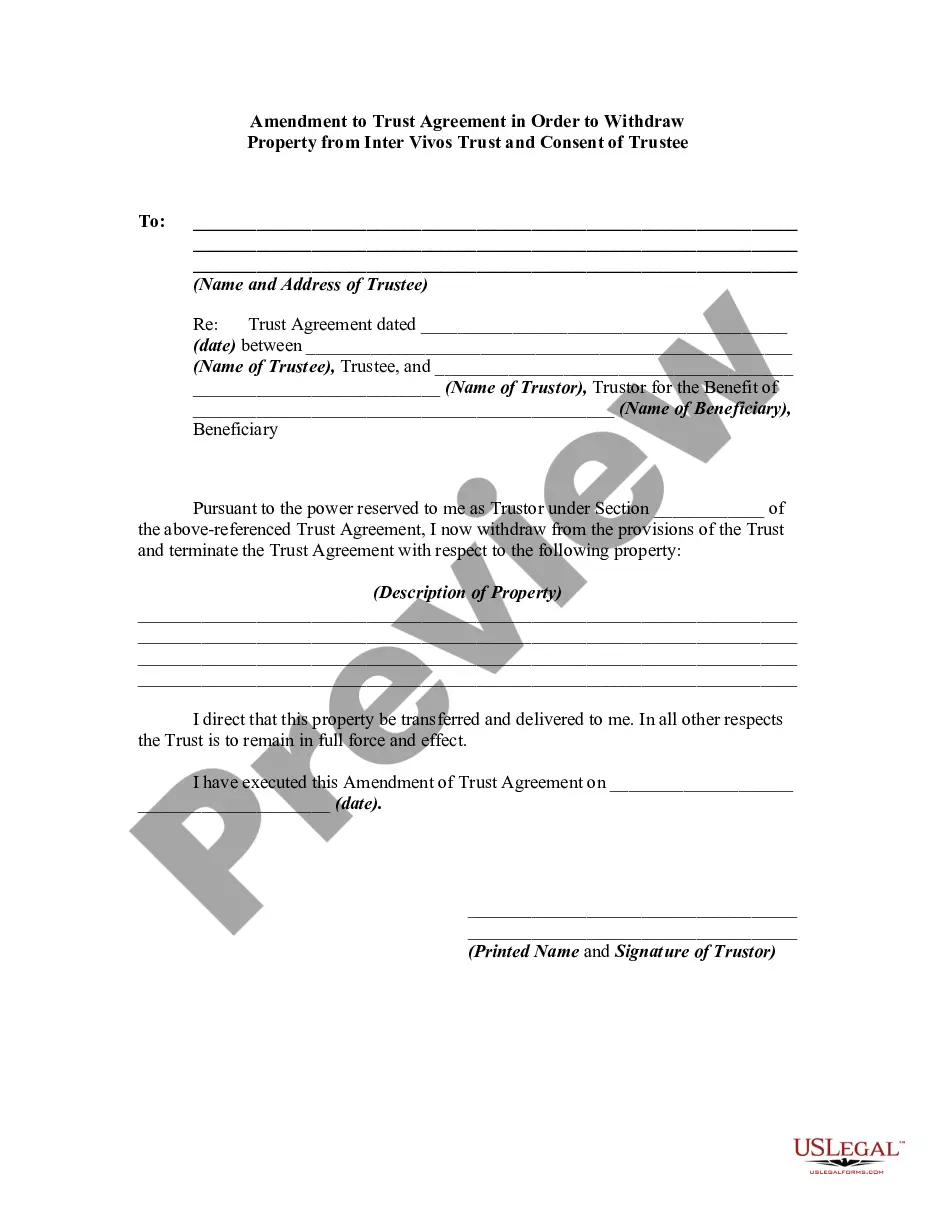
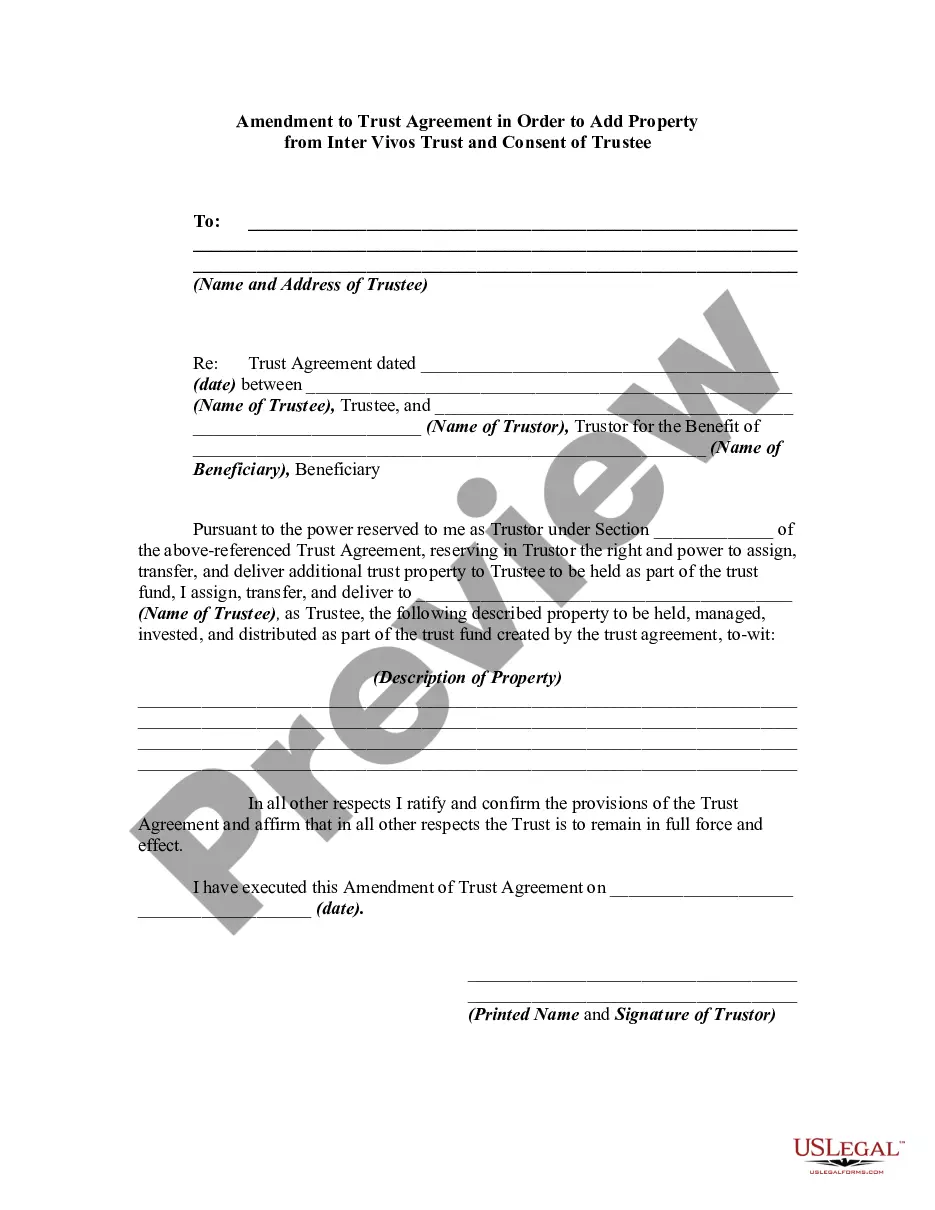
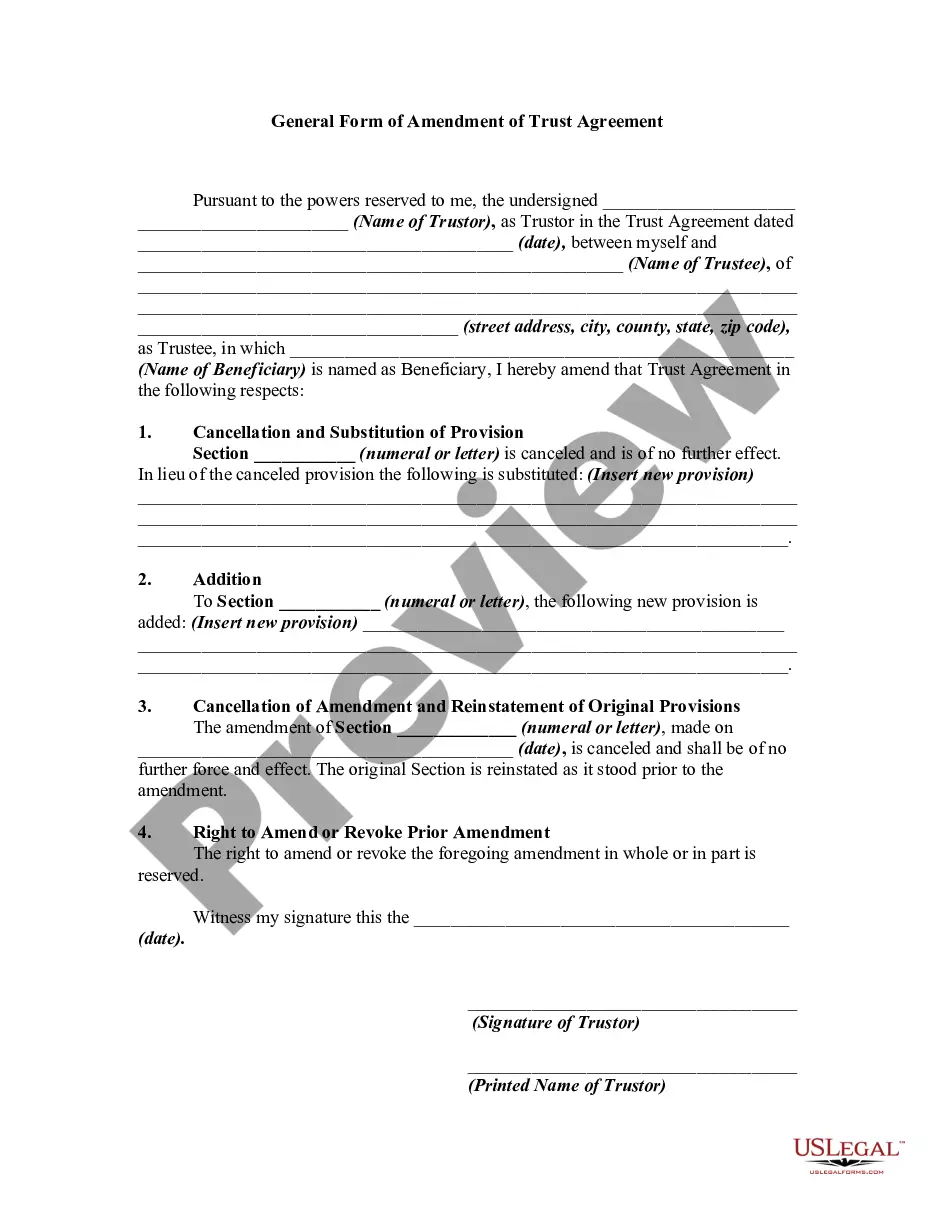
Get your form ready online
Our built-in tools help you complete, sign, share, and store your documents in one place.
Make edits, fill in missing information, and update formatting in US Legal Forms—just like you would in MS Word.
Download a copy, print it, send it by email, or mail it via USPS—whatever works best for your next step.
Sign and collect signatures with our SignNow integration. Send to multiple recipients, set reminders, and more. Go Premium to unlock E-Sign.
If this form requires notarization, complete it online through a secure video call—no need to meet a notary in person or wait for an appointment.
We protect your documents and personal data by following strict security and privacy standards.

Make edits, fill in missing information, and update formatting in US Legal Forms—just like you would in MS Word.

Download a copy, print it, send it by email, or mail it via USPS—whatever works best for your next step.

Sign and collect signatures with our SignNow integration. Send to multiple recipients, set reminders, and more. Go Premium to unlock E-Sign.

If this form requires notarization, complete it online through a secure video call—no need to meet a notary in person or wait for an appointment.

We protect your documents and personal data by following strict security and privacy standards.
Looking for another form?










How to fill out Amendment To Trust Agreement In Order To Change Beneficiaries?
Managing legal documents and processes can be a lengthy addition to your entire day.
Rely on Change Beneficiaries With Appointment Scheduling and similar forms that typically necessitate searching for them and figuring out how to fill them out correctly.
For this reason, if you are handling financial, legal, or personal affairs, utilizing a comprehensive and functional online collection of forms when needed will greatly assist.
US Legal Forms is the leading online platform for legal templates, offering over 85,000 state-specific documents and an array of resources to help you complete your paperwork promptly.
Is this your first time using US Legal Forms? Sign up and establish your account in a few minutes, and you’ll gain entry to the form library and Trust Change Beneficiaries With Appointment Scheduling. Then, follow the steps outlined below to complete your form: Ensure you have located the correct form using the Preview feature and reviewing the form description. Select Buy Now when ready, and pick the monthly subscription plan that suits your requirements. Choose Download then fill out, sign, and print the form. US Legal Forms has 25 years of experience aiding users in managing their legal documents. Acquire the form you need right now and streamline any process effortlessly.
- Explore the collection of relevant documents available to you with just one click.
- US Legal Forms provides state- and county-specific forms available anytime for download.
- Safeguard your document management processes with a premium service that enables you to create any form in just a few minutes with no extra or concealed fees.
- Simply Log In to your account, search for Trust Change Beneficiaries With Appointment Scheduling, and download it immediately from the My documents section.
- You can also retrieve previously downloaded forms.
Form popularity
FAQ
Provide the following information on the beneficiary designation: The full name of the trust as it shows on the trust document. The date the trust was created. The name of the trustee, followed by the word ?trustee?, or if you cannot provide a trustee, ETF may accept another contact person. The trustee's address.
Write only one beneficiary on each line. Make sure that you write the full names of all beneficiaries. For example, if you name you children as beneficiaries, DO NOT merely write ?children? on one of the lines; instead write the full names of each of your children on separate lines.
How to Remove and/or Appoint Beneficiaries. Typically, the beneficiaries in a discretionary trust can be changed by preparing a Deed of Amendment. However, many older discretionary trust deeds fail to make it clear whether a specific person can be removed and/or appointed as a beneficiary.
In most cases, a trust deed generally offers two processes for the removal of a beneficiary. Most commonly, the beneficiary can sign a document to renunciate all interests as a beneficiary. Otherwise, the trustee may have discretionary power to revoke the beneficiary.
How to Complete the Beneficiary Change Form - YouTube YouTube Start of suggested clip End of suggested clip But you should contact the pensions and benefits office for the correct. Form. After you haveMoreBut you should contact the pensions and benefits office for the correct. Form. After you have completed this section all that's left is to sign your name and date. The form in the designated. Space.