Trust Revocation Document For The Application
Description
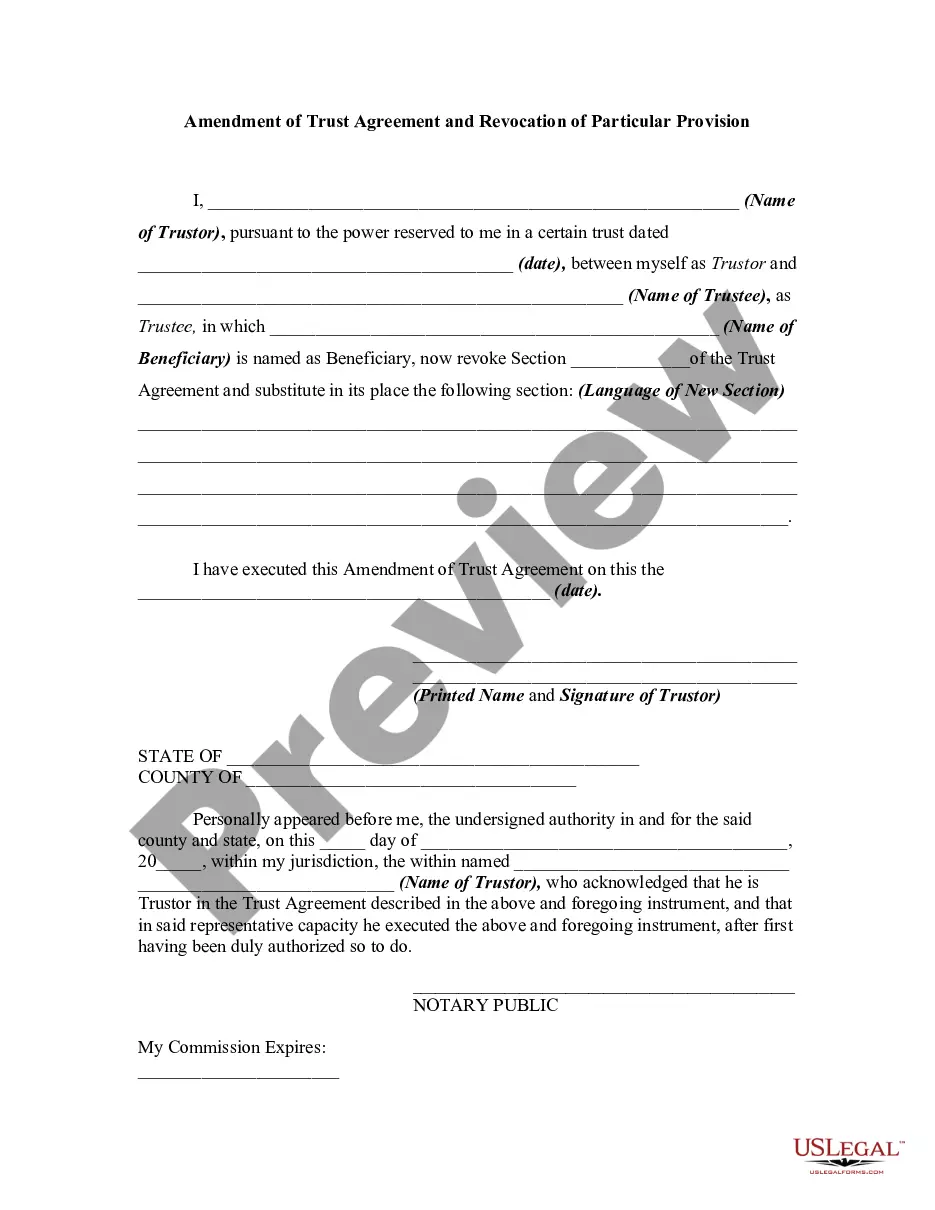
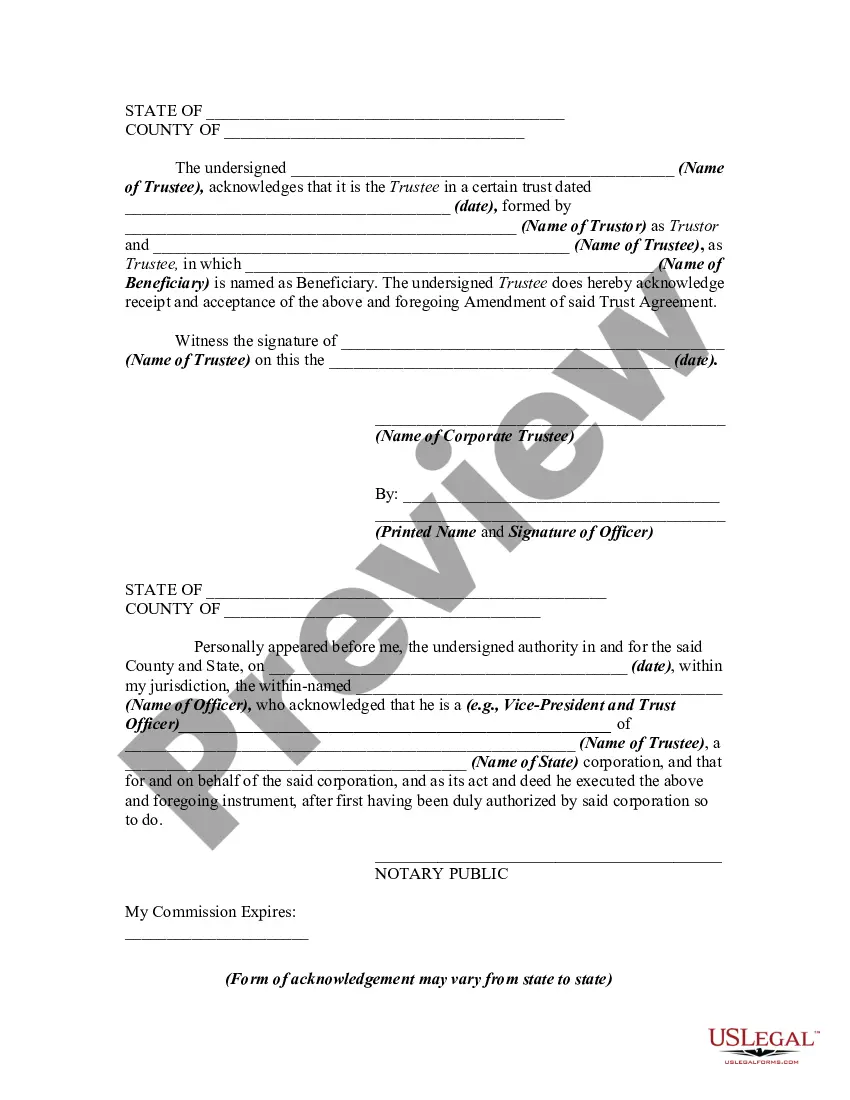
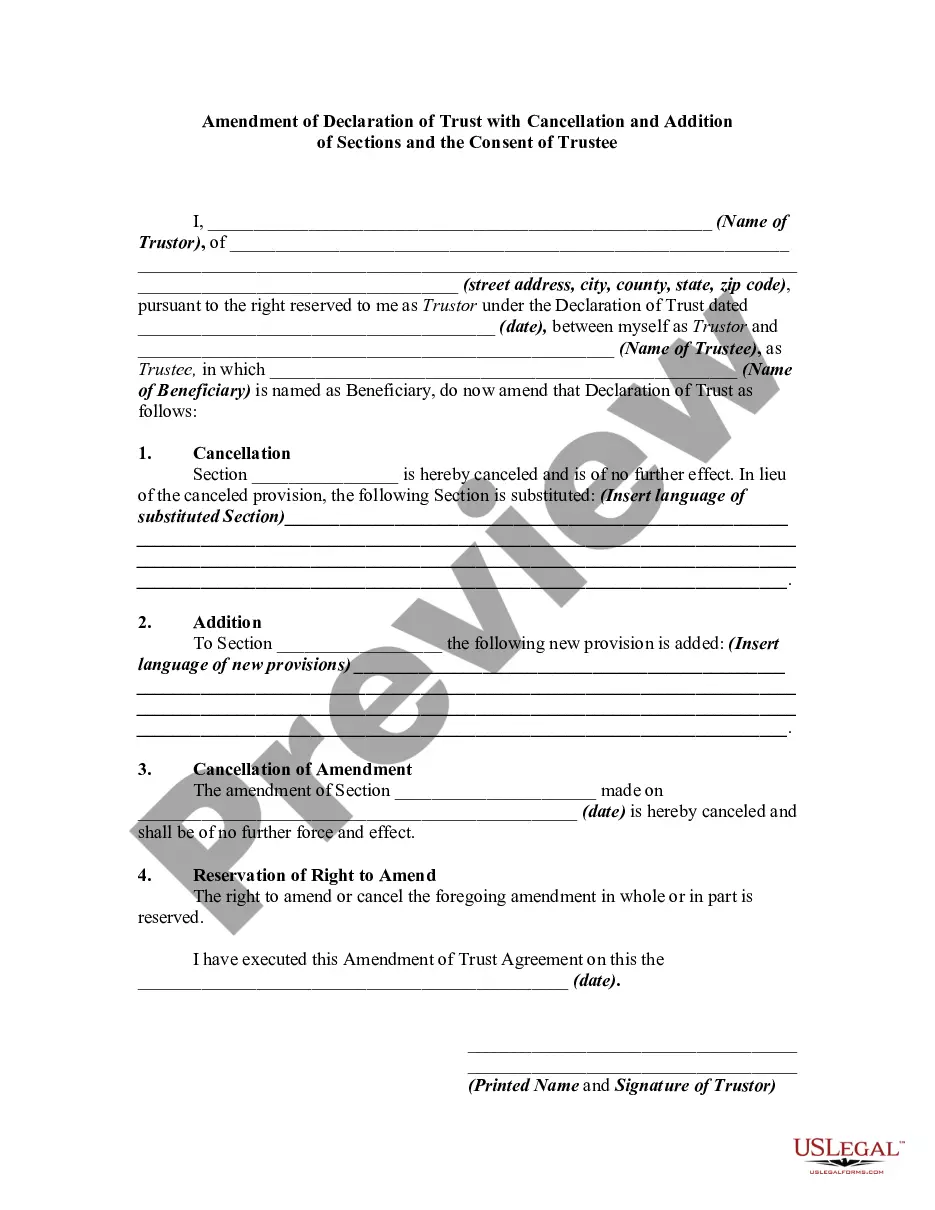
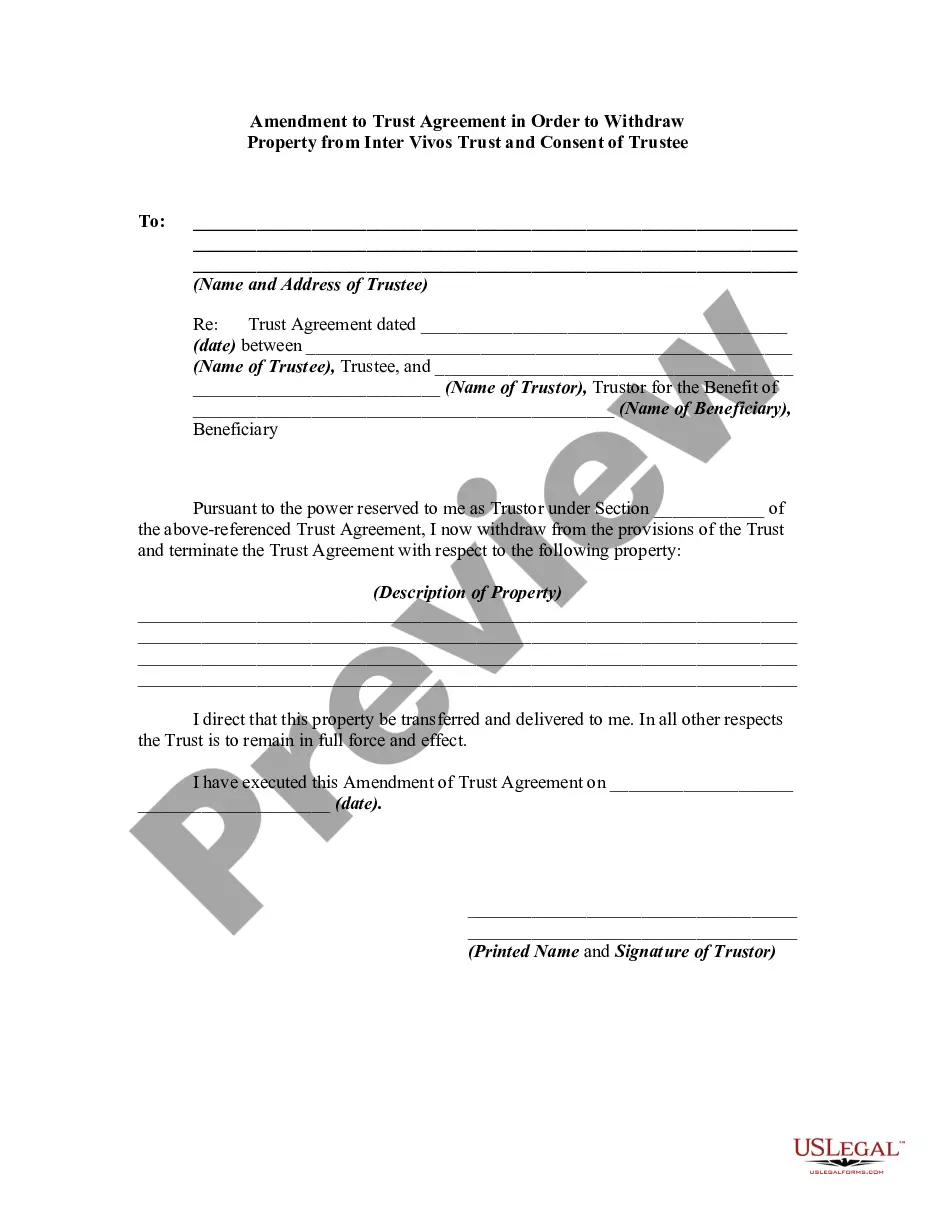
Get your form ready online
Our built-in tools help you complete, sign, share, and store your documents in one place.
Make edits, fill in missing information, and update formatting in US Legal Forms—just like you would in MS Word.
Download a copy, print it, send it by email, or mail it via USPS—whatever works best for your next step.
Sign and collect signatures with our SignNow integration. Send to multiple recipients, set reminders, and more. Go Premium to unlock E-Sign.
If this form requires notarization, complete it online through a secure video call—no need to meet a notary in person or wait for an appointment.
We protect your documents and personal data by following strict security and privacy standards.

Make edits, fill in missing information, and update formatting in US Legal Forms—just like you would in MS Word.

Download a copy, print it, send it by email, or mail it via USPS—whatever works best for your next step.

Sign and collect signatures with our SignNow integration. Send to multiple recipients, set reminders, and more. Go Premium to unlock E-Sign.

If this form requires notarization, complete it online through a secure video call—no need to meet a notary in person or wait for an appointment.

We protect your documents and personal data by following strict security and privacy standards.
Looking for another form?
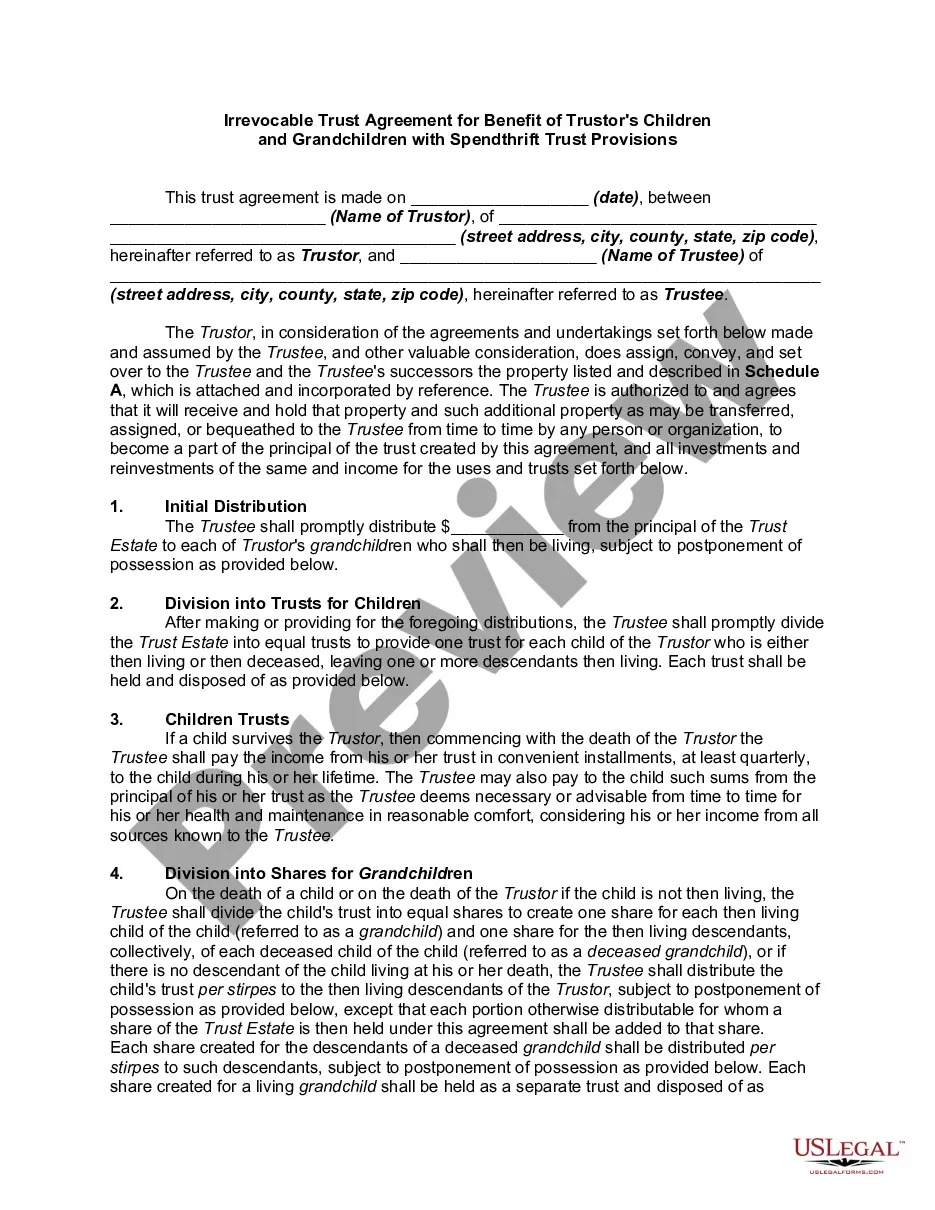


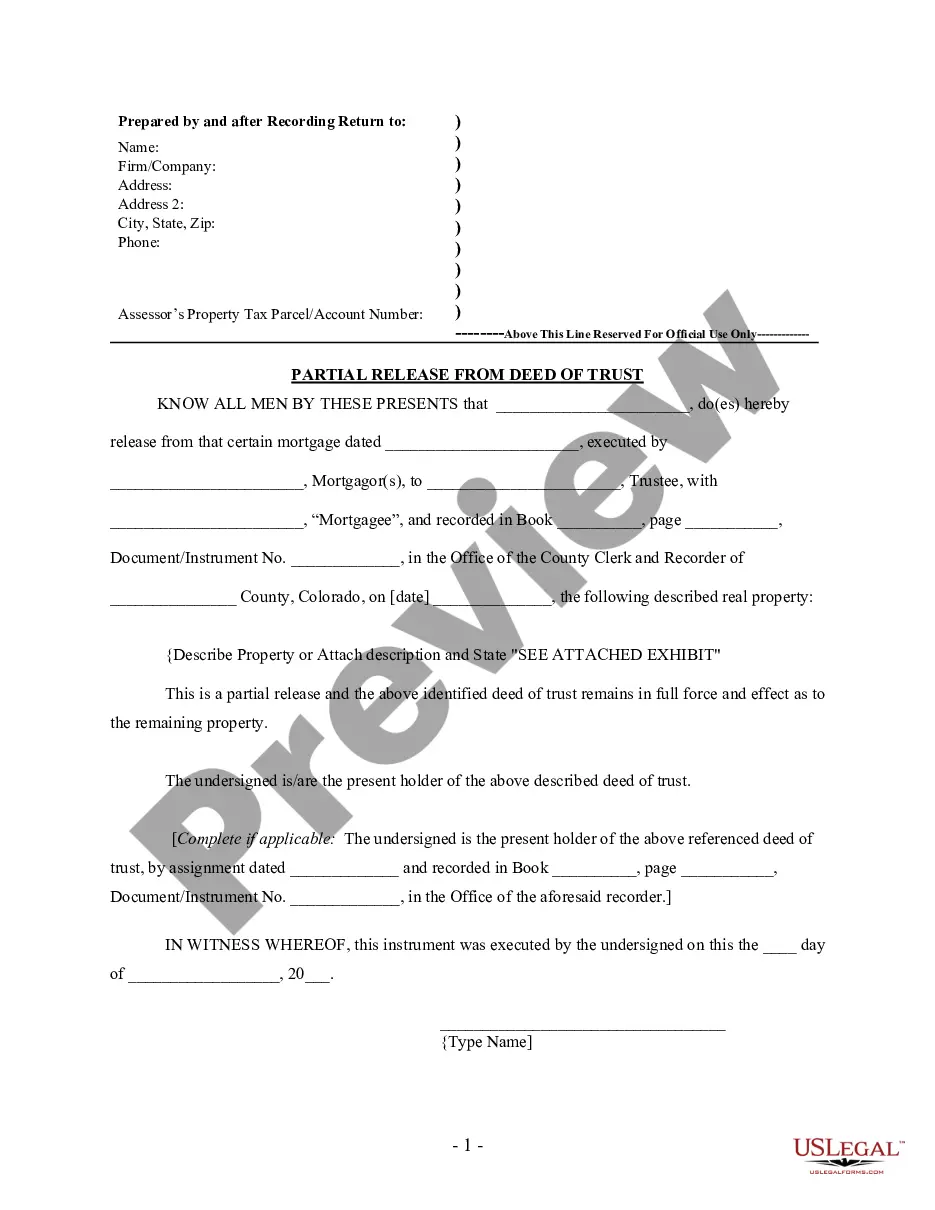


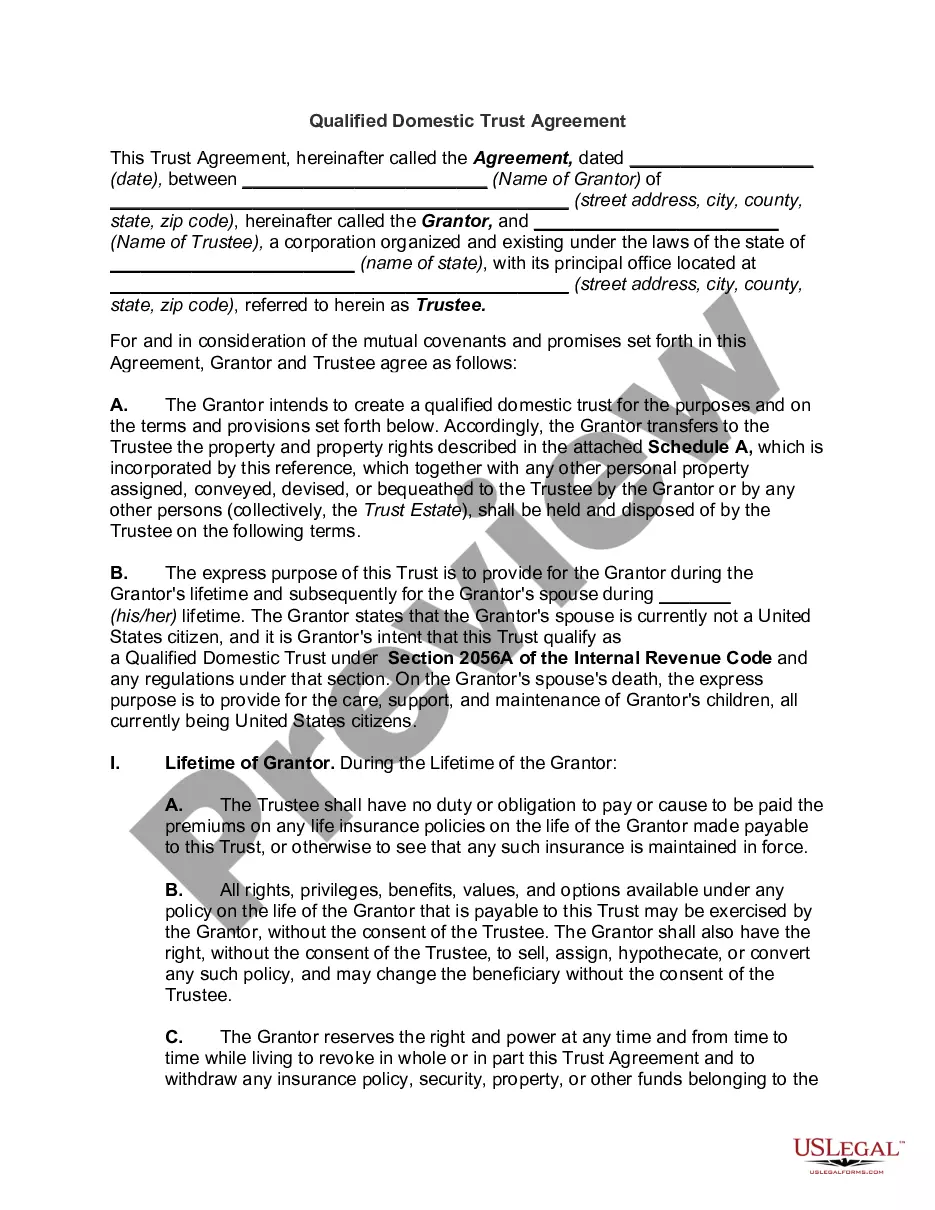
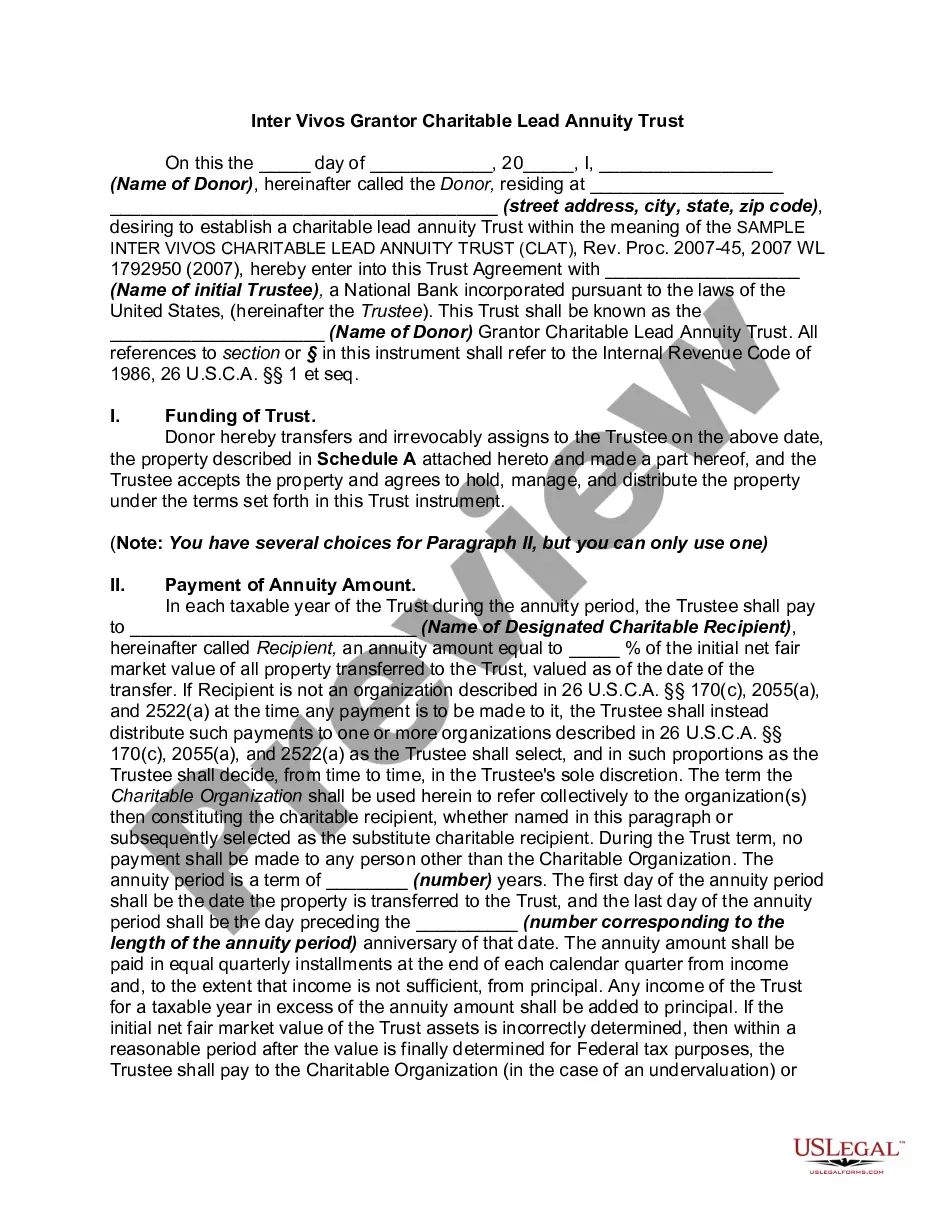
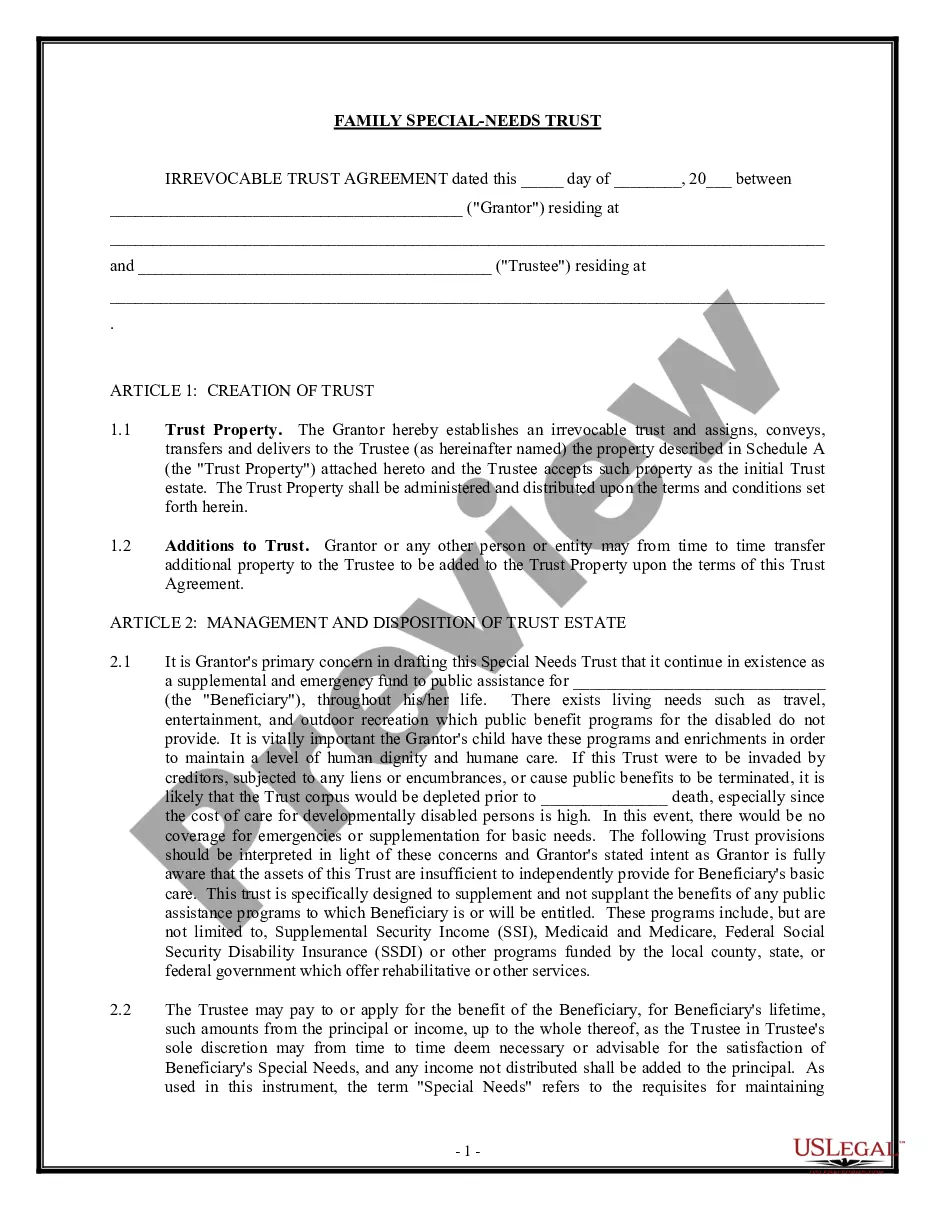
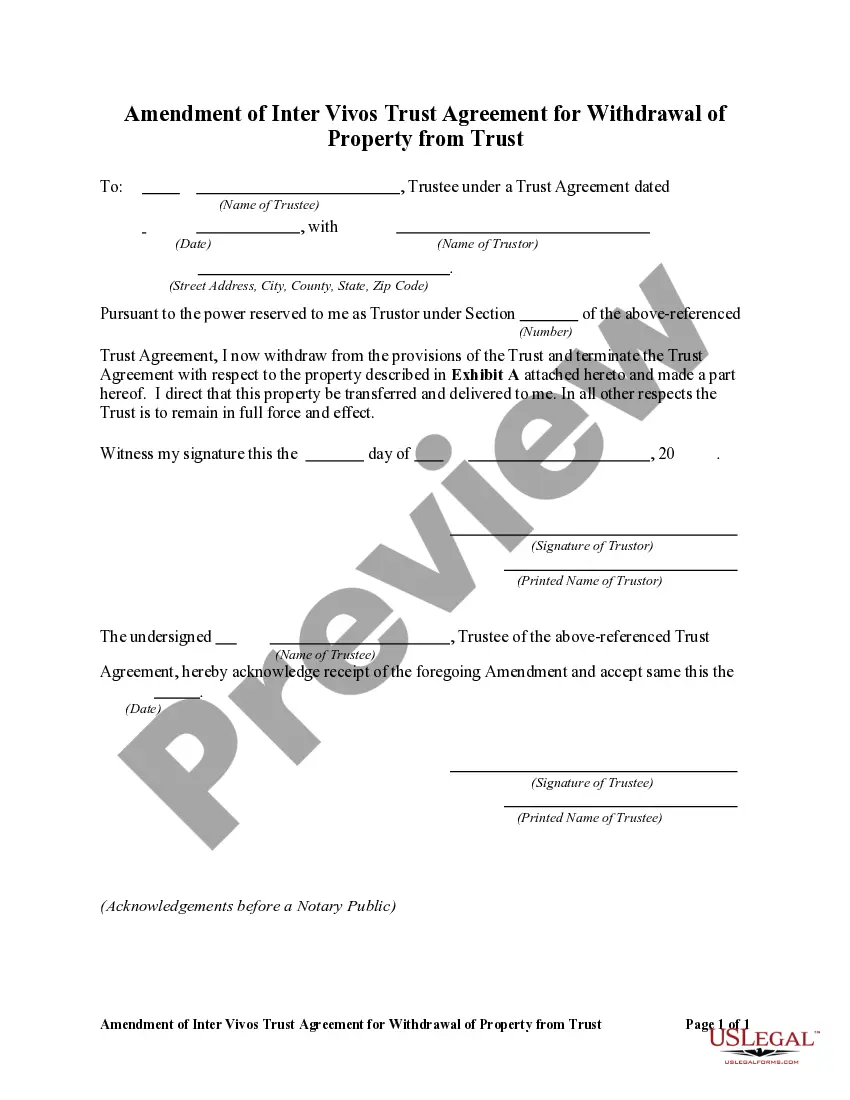
How to fill out Amendment Of Trust Agreement And Revocation Of Particular Provision?
- If you're already a US Legal Forms user, log in to your account and locate your desired form. Verify your subscription status to ensure continued access.
- For first-time users, begin by browsing the available documents. Review the Preview mode and descriptions carefully to select the form that precisely matches your needs.
- If you need to refine your search, utilize the Search feature to find alternative documents that may better suit your requirements.
- When you've identified the correct form, click the Buy Now button, select your preferred subscription plan, and create an account to unlock access.
- Complete your purchase by entering your credit card information or using PayPal for a seamless transaction.
- Finally, download your completed form and save it on your device. Access it anytime through the My Forms section of your profile.
By leveraging US Legal Forms, you gain access to over 85,000 fillable and editable legal documents, ensuring you can easily find the one that meets your jurisdiction’s requirements.
Start your hassle-free legal documentation process today. Choose US Legal Forms for enhanced convenience and support in navigating the complexities of legal documents.
Form popularity
FAQ
To revoke a revocable trust in California, you should create a trust revocation document for the application that details your decision to revoke the trust. You'll need to sign the document and ensure it complies with California’s legal requirements. It's crucial to inform all beneficiaries and relevant institutions about the revocation to prevent any confusion. US Legal Forms offers user-friendly templates to help you draft an effective and legally sound document.
In California, a revocable trust does not necessarily need to be notarized, but having a notarized trust revocation document for the application can strengthen its validity. Notarization ensures that the signatures on the document are authentic and can help avoid disputes later on. While it’s not a legal requirement, it is a recommended best practice. Consider using US Legal Forms for a reliable template that guides you through the notarization process.
To invalidate a trust in California, you need to execute a trust revocation document for the application. This document must clearly state your intent to revoke the trust and should be signed according to California law. It's advisable to notify all beneficiaries and relevant parties about the trust revocation. Using US Legal Forms can simplify the process by providing templates tailored for this purpose.
The main purpose of a revocable trust is to provide flexibility in asset management while avoiding probate upon death. It enables the trust creator to maintain control over their assets during their lifetime, and easily modify or revoke the trust if necessary. Proper documentation, using a trust revocation document for the application, is vital to ensure that the trust serves its intended function.
People revoke trusts for several reasons, including changes in personal circumstances, shifts in financial status, or simply because they wish to update beneficiaries. If someone no longer feels the trust meets their needs, they might choose to revoke it. Creating a trust revocation document for the application ensures clarity and protects all rights involved.
A revocable trust document is a legal file that outlines the terms of a trust that can be altered or terminated by the trust creator at any time. This flexibility allows individuals to change beneficiaries or modify terms as their circumstances change. To revoke it, a proper trust revocation document for the application must be drafted to ensure the process is legally binding.
Revocation of trust means that the individual who created the trust decides to dissolve it, effectively returning the assets to their personal ownership. This process involves formal documentation, typically a trust revocation document for the application, to ensure that all parties recognize the termination. This declaration protects the individual’s interests and clarifies the legal status of the assets.
The revocation of trust refers to the process of officially nullifying a trust and removing its legal effects. This action allows the trust creator to reclaim control over the assets initially placed in the trust. It's essential to document this properly, using a trust revocation document for the application to safeguard your interests and maintain transparency.
In California, a trust revocation does not necessarily need to be notarized, but it is recommended for added legal protection. While you can revoke a trust with just a written document, having it notarized can make it easier to validate the trust revocation document for the application if any disputes arise later. Therefore, considering notarization is a prudent step for peace of mind.
A trust revocation declaration is a legal document that formally terminates a trust. For example, an individual may create a simple declaration stating their intent to revoke a specific trust, outlining all relevant details such as the trust's name and the date it was created. This trust revocation document for the application ensures clarity regarding the revocation and allows an easier process for asset management in the future.