Revoke A Trust With A Trust
Description
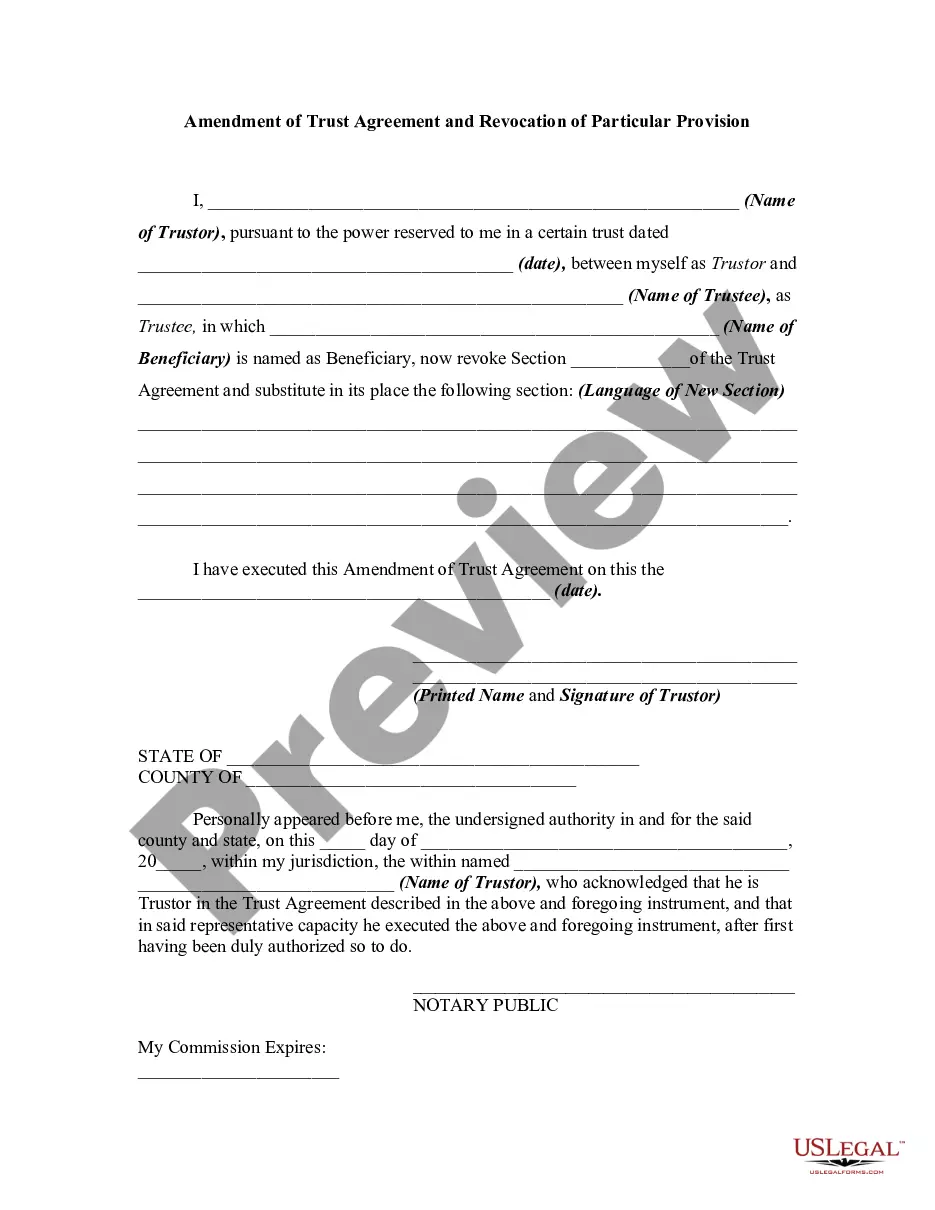
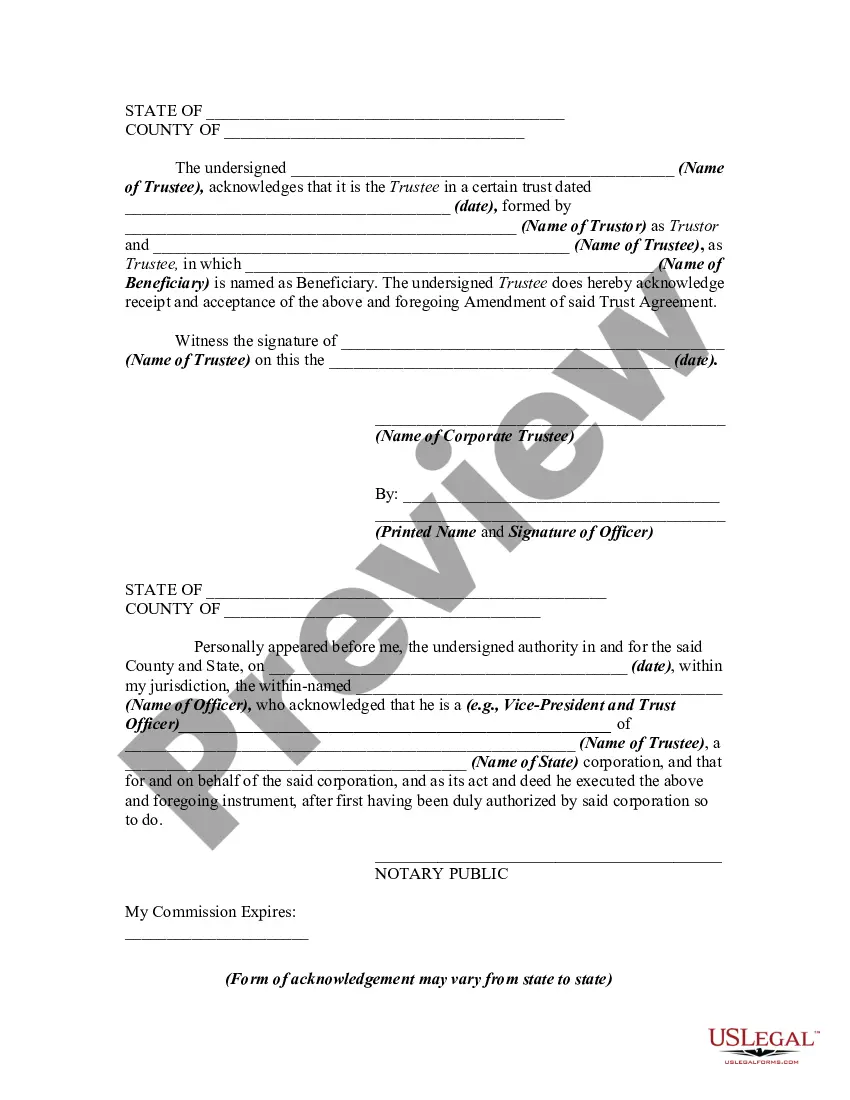
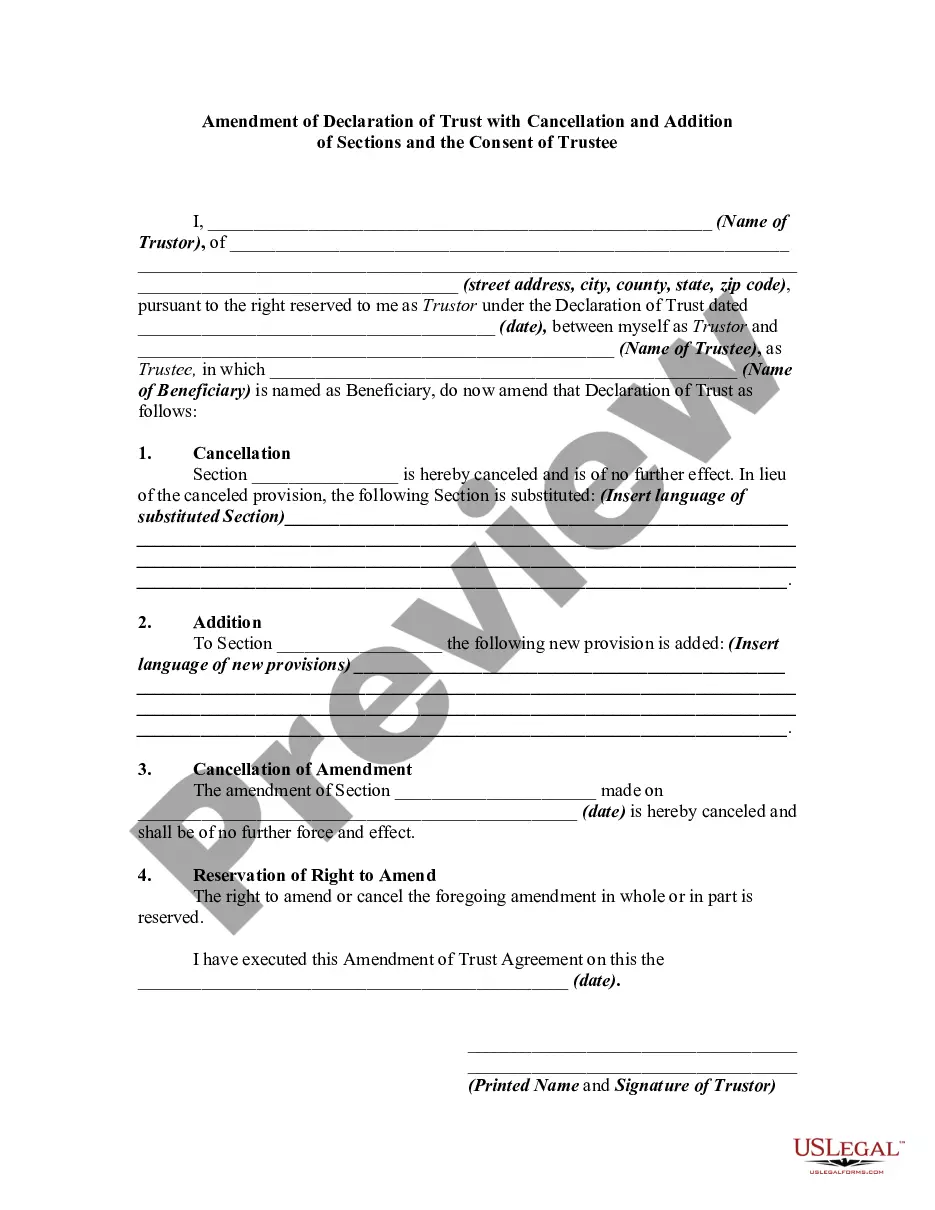
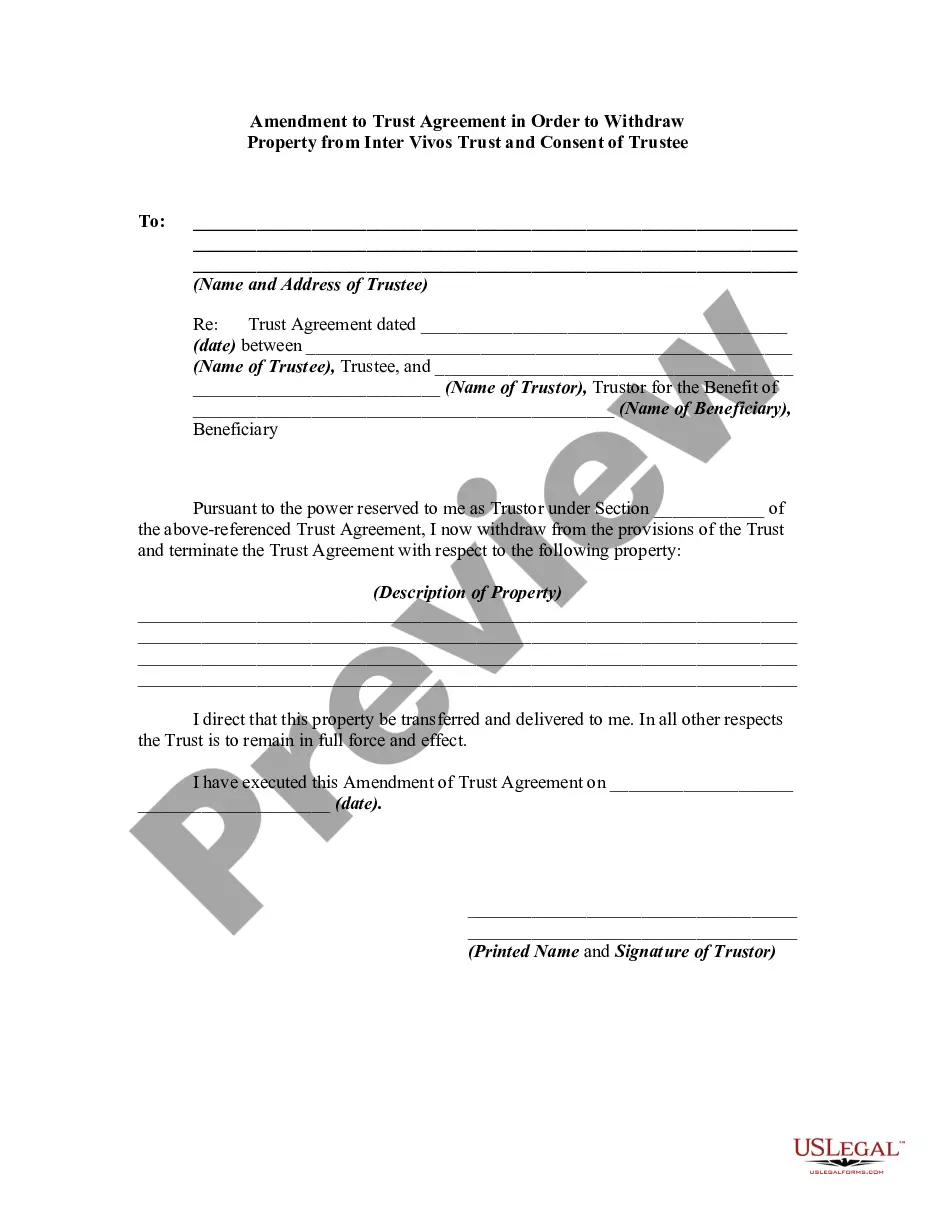
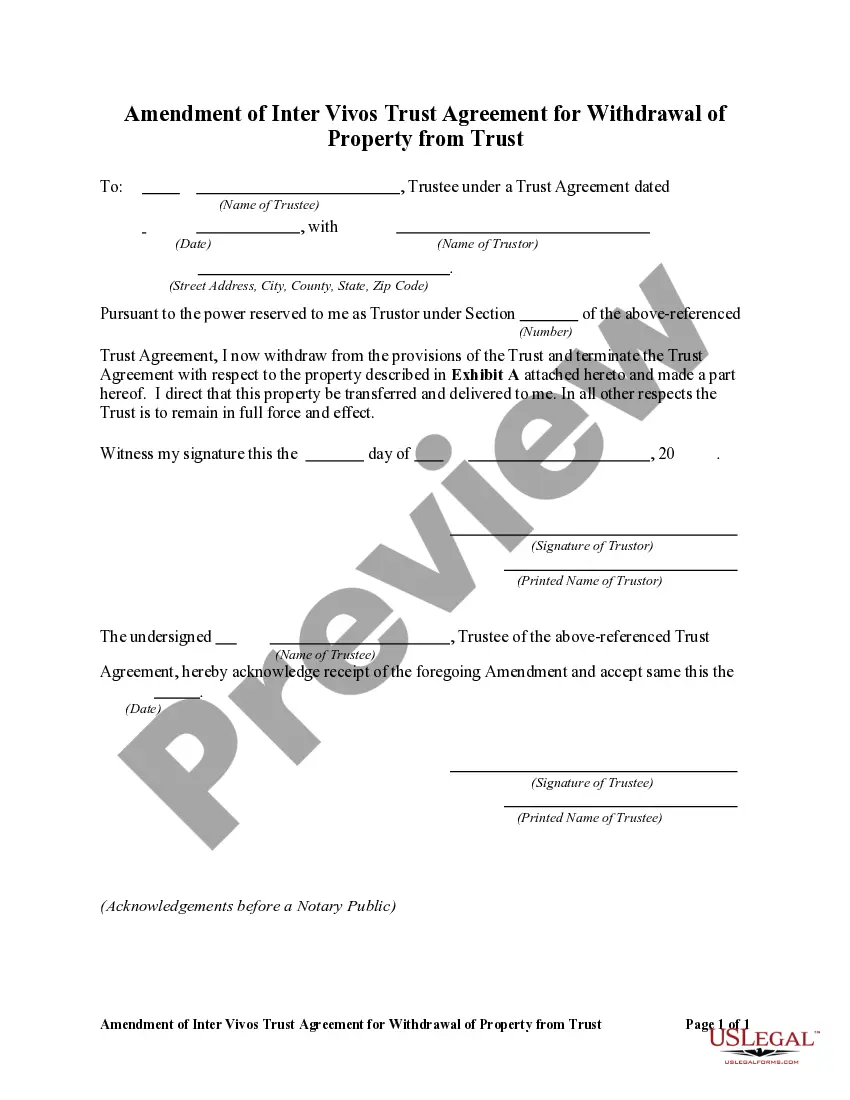
Get your form ready online
Our built-in tools help you complete, sign, share, and store your documents in one place.
Make edits, fill in missing information, and update formatting in US Legal Forms—just like you would in MS Word.
Download a copy, print it, send it by email, or mail it via USPS—whatever works best for your next step.
Sign and collect signatures with our SignNow integration. Send to multiple recipients, set reminders, and more. Go Premium to unlock E-Sign.
If this form requires notarization, complete it online through a secure video call—no need to meet a notary in person or wait for an appointment.
We protect your documents and personal data by following strict security and privacy standards.

Make edits, fill in missing information, and update formatting in US Legal Forms—just like you would in MS Word.

Download a copy, print it, send it by email, or mail it via USPS—whatever works best for your next step.

Sign and collect signatures with our SignNow integration. Send to multiple recipients, set reminders, and more. Go Premium to unlock E-Sign.

If this form requires notarization, complete it online through a secure video call—no need to meet a notary in person or wait for an appointment.

We protect your documents and personal data by following strict security and privacy standards.
Looking for another form?
How to fill out Amendment Of Trust Agreement And Revocation Of Particular Provision?
- Log in to your US Legal Forms account. If you don't have one, create a new account to gain access to the form library.
- Browse the extensive collection of form templates to find the one specific to revoking a trust. Utilize the preview mode to confirm it matches your needs.
- If you can't find the right form, use the search feature to explore related options that suit your requirements.
- Once you've selected the correct form, click the 'Buy Now' button and select your preferred subscription plan.
- Complete your purchase by entering your payment information, whether it's a credit card or PayPal.
- Download the template to your device so you can fill it out at your convenience. Access it anytime from the 'My documents' section in your profile.
Following these steps will ensure that you successfully revoke a trust with a trust form that is compliant with your local laws. The resources and expert support from US Legal Forms enhance your experience, making it simpler than ever to handle your legal documentation.
Take control of your trust management today. Visit US Legal Forms to start your journey!
Form popularity
FAQ
To invalidate a trust, you generally need to demonstrate that it does not meet the legal requirements or that there was wrongdoing in its formation. You can argue that the creator lacked the mental capacity or that the trust was created under undue influence. If your aim is to revoke a trust with a trust, it's wise to seek legal assistance or access resources like US Legal Forms to ensure you follow the correct procedures.
Discharging a trust involves the formal termination of the trust agreement and the distribution of its assets. To discharge a trust effectively, you need to follow specific legal procedures that may include notifying the beneficiaries and transferring Assets to them. When you seek to revoke a trust with a trust, understanding these steps is crucial, and using reliable platforms like US Legal Forms can simplify the process.
A trust can be declared invalid due to several reasons, such as lack of clear intent from the trustor, failure to provide a valid beneficiary, or not following legal requirements during its creation. If you want to revoke a trust with a trust, it's essential to understand these factors, as they can affect the trust's validity. Consulting with a legal expert can help clarify any concerns and guide you through the process.
A trust can be terminated through several means, such as voluntary revocation by the trustee, an expiration of its designated term, or a decision made by a court. Each method requires careful adherence to legal protocols. For those seeking a clear path to termination, USLegalForms can provide essential tools and templates to streamline the process.
Shutting down a trust involves revoking it officially and ensuring any assets are transferred or distributed according to the terms of the trust. The trustee should document each step taken during this process for accountability. If you are looking for structured guidance, USLegalForms has resources to help you manage the shutdown effectively.
The 5-year rule stipulates that assets transferred into certain types of trusts may be excluded from Medicaid calculations if the transfer occurred over five years prior. This rule is essential for estate planning and ensuring that your financial resources are safeguarded. If you’re unsure how this applies to your situation, USLegalForms offers detailed guides to help you understand your options.
A trust can become null and void due to several factors, such as lack of legal capacity by the grantor, failure to comply with the law, or if its purpose is deemed illegal. Additionally, if the trust is not properly funded, it may not fulfill its intended goals. To safeguard against these issues, utilizing USLegalForms can provide clarity in creating valid trusts.
A trust can be terminated in three primary ways: by the trustee following the revocation process, through the expiration of its term, or by a court order. In each case, it’s crucial to ensure all legal requirements are met. To navigate these methods confidently, consider consulting USLegalForms for reliable resources.
To revoke a trust, a trustee must follow the guidelines set forth in the trust document. This usually requires drafting a formal document stating the intent to revoke the trust. Once completed, it's essential to notify all beneficiaries and keep a copy of the revocation for records. USLegalForms provides templates that can simplify this process.
Revoking a trust involves canceling the trust agreement and resetting the distribution of its assets. Once you revoke a trust with a trust, you regain control over the trust’s assets, allowing you to manage them as you wish. The process varies based on the trust's terms, so a thorough understanding of the agreement is crucial. Legal assistance can simplify this process, ensuring all procedures align with your intent.