Dissolve A Trust
Description
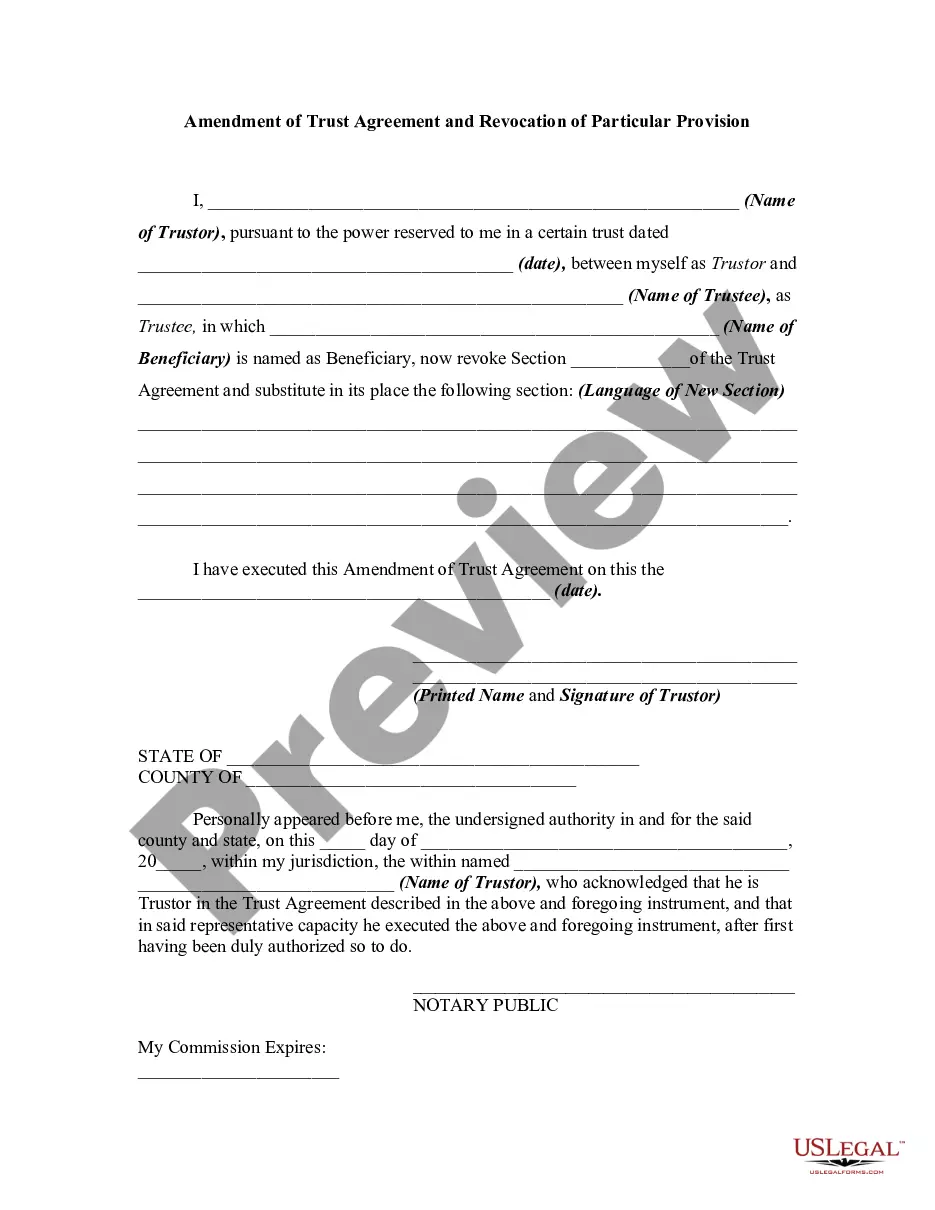
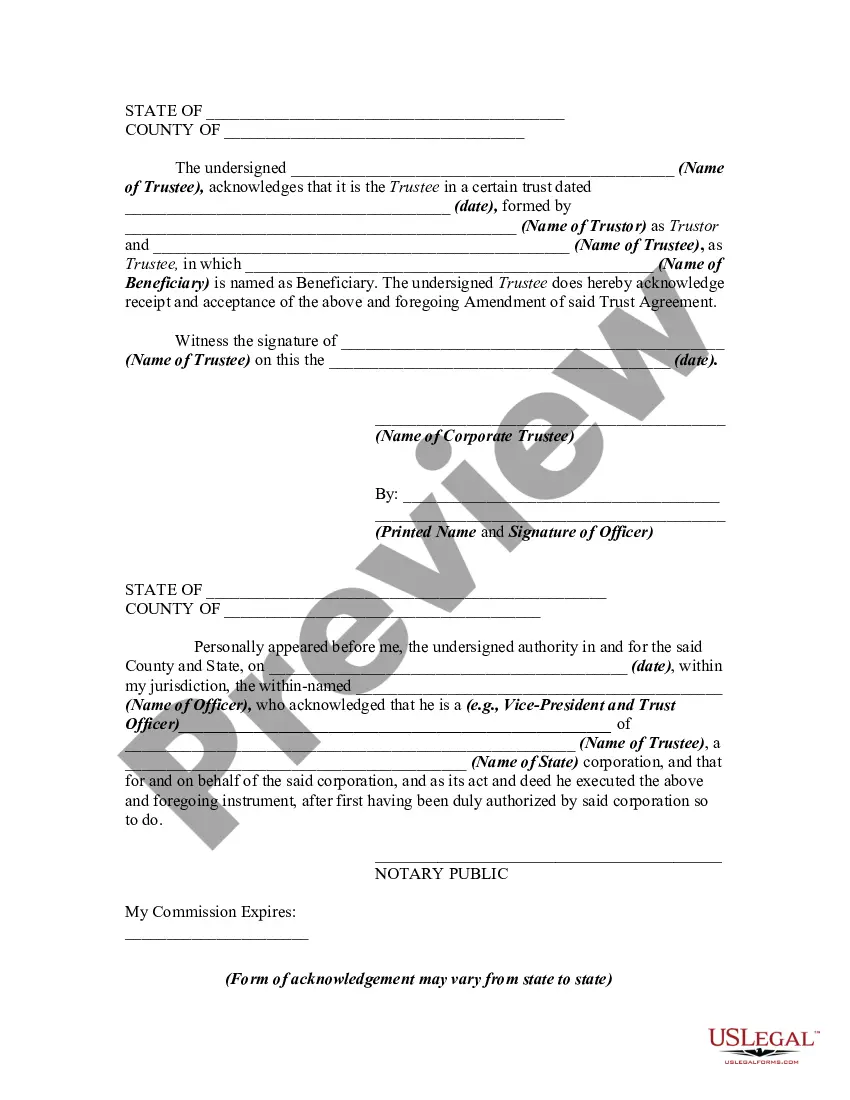
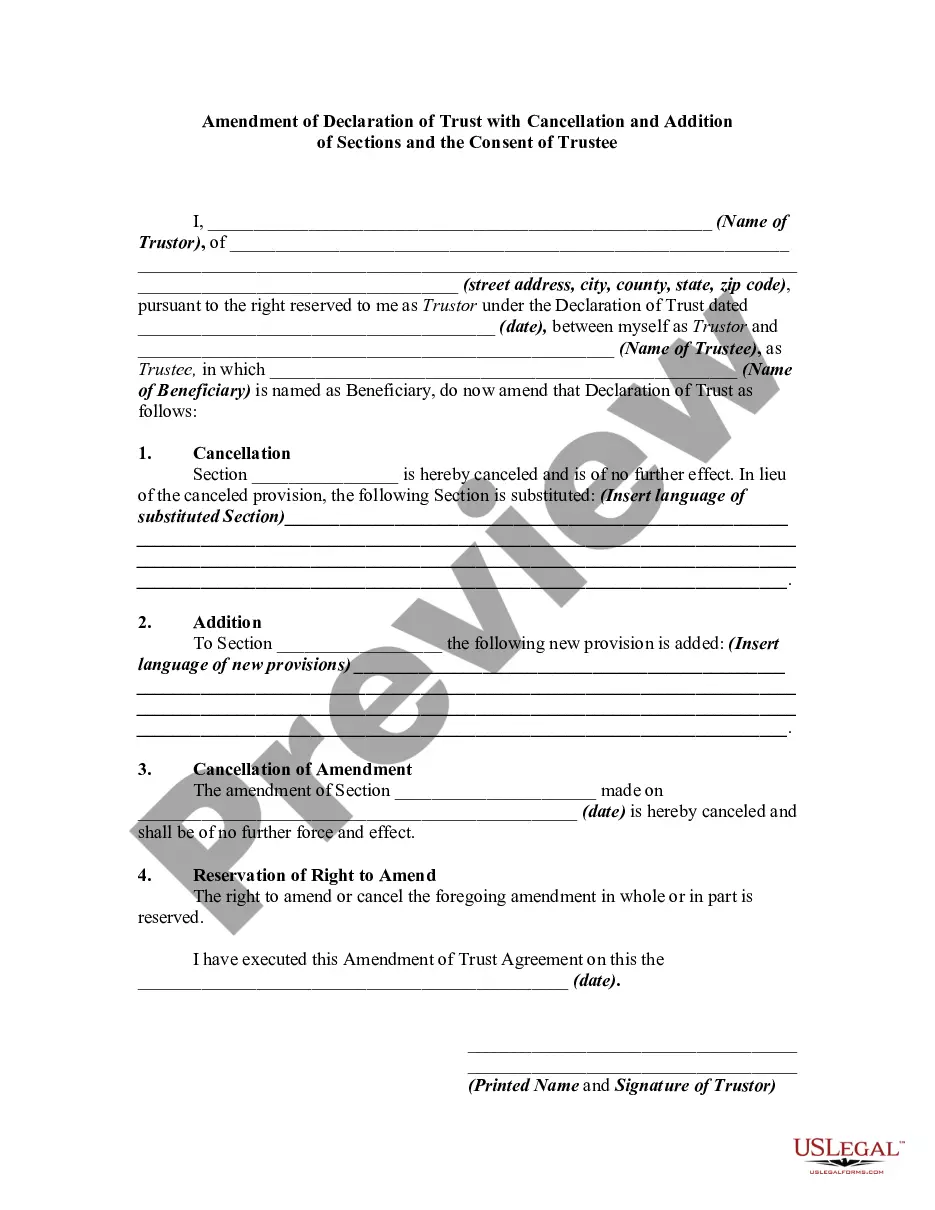
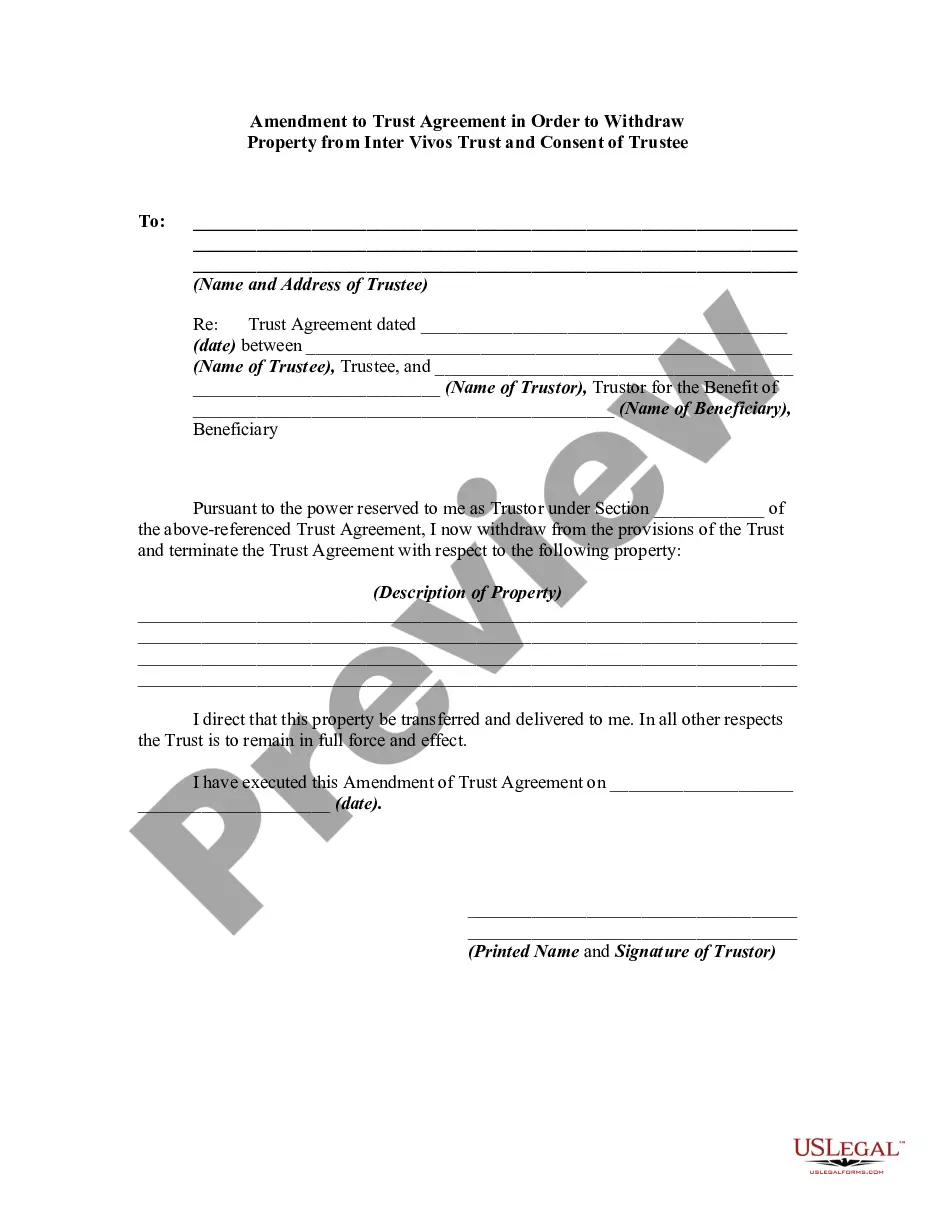
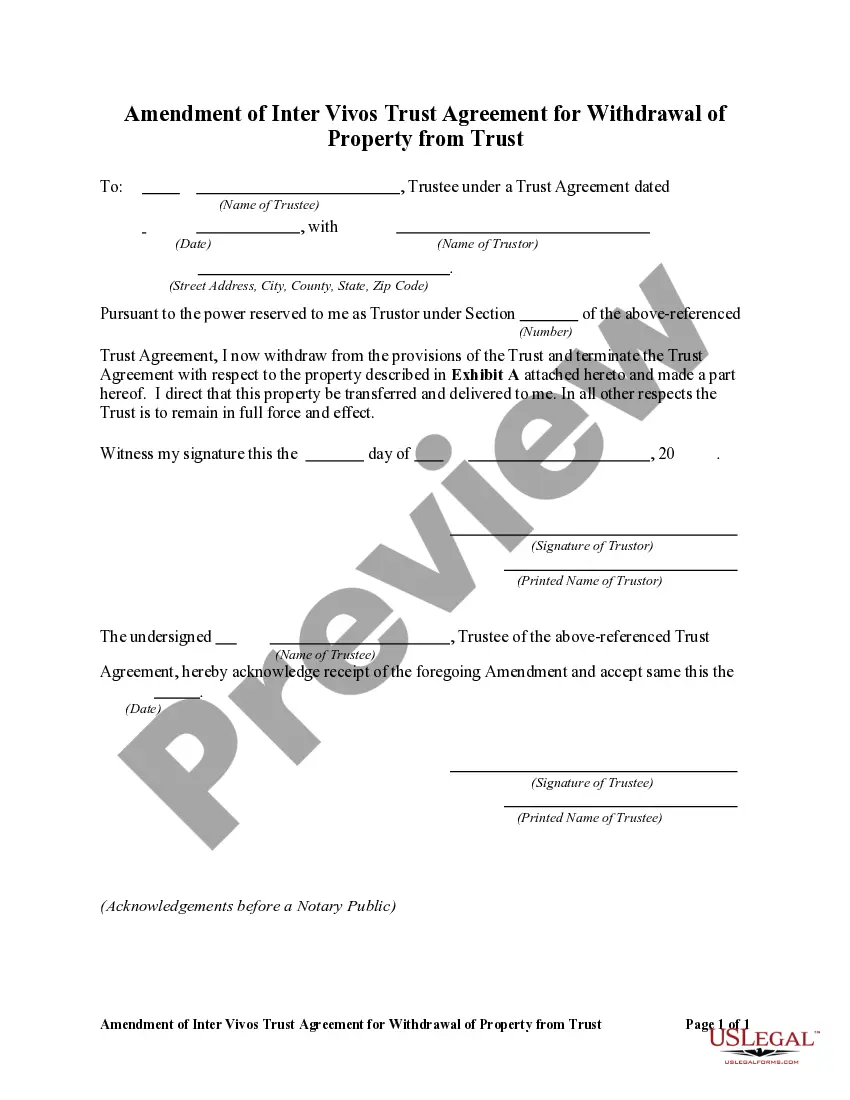
Get your form ready online
Our built-in tools help you complete, sign, share, and store your documents in one place.
Make edits, fill in missing information, and update formatting in US Legal Forms—just like you would in MS Word.
Download a copy, print it, send it by email, or mail it via USPS—whatever works best for your next step.
Sign and collect signatures with our SignNow integration. Send to multiple recipients, set reminders, and more. Go Premium to unlock E-Sign.
If this form requires notarization, complete it online through a secure video call—no need to meet a notary in person or wait for an appointment.
We protect your documents and personal data by following strict security and privacy standards.

Make edits, fill in missing information, and update formatting in US Legal Forms—just like you would in MS Word.

Download a copy, print it, send it by email, or mail it via USPS—whatever works best for your next step.

Sign and collect signatures with our SignNow integration. Send to multiple recipients, set reminders, and more. Go Premium to unlock E-Sign.

If this form requires notarization, complete it online through a secure video call—no need to meet a notary in person or wait for an appointment.

We protect your documents and personal data by following strict security and privacy standards.
Looking for another form?
How to fill out Amendment Of Trust Agreement And Revocation Of Particular Provision?
- If you're a returning user, log in to your account. Ensure your subscription is active to access the needed templates.
- For new users, begin by checking the Preview mode and form description. Confirm that the selected template meets your requirements and complies with your local jurisdiction.
- If the form isn't suitable, utilize the Search tab to find the appropriate document that fits your needs.
- Once you find the right form, click the Buy Now button and select your subscription plan. You'll need to create an account for full access.
- Complete your purchase by entering your credit card information or using PayPal to finalize the payment.
- Download your form and save it to your device. This document can be accessed at any time in the My Forms section of your profile.
In conclusion, dissolving a trust doesn't have to be a daunting task. By following these steps with US Legal Forms, you ensure that you have access to the correct resources and support you need to complete the process efficiently.
Start your journey today with US Legal Forms and simplify your legal documentation needs!
Form popularity
FAQ
A trust becomes void when it fails to meet legal requirements, such as lacking proper documentation or if it involves illegal activities. When a trust is void, it cannot execute its intended purpose, potentially leading to disputes among beneficiaries. If you need to dissolve a trust that is deemed void, platforms like USLegalForms offer guidance on the necessary steps and documentation.
A trust can be invalid if it lacks essential elements, such as an appointed trustee or clear beneficiaries. Additionally, if the trust was created under duress or without proper legal capacity, it may not hold up in court. If you suspect a trust is invalid and need to dissolve it, seeking legal assistance and utilizing services like USLegalForms can help streamline the process.
The 5 year rule for trusts refers to a stipulation that affects how assets are treated for tax purposes within a trust. Generally, if the trust's assets are not distributed or dissolved within five years of being created, it may face certain tax implications. Understanding this rule is essential when you decide to dissolve a trust, as it impacts tax liabilities and distribution methods.
A form to dissolve a trust is a legal document that officially terminates the trust's existence. This form outlines the intent of the trust creator and ensures a clear process for distributing the trust's assets. By using a reliable platform like USLegalForms, you can access templates that simplify this process and ensure compliance with state requirements.
Dissolving a trust can vary in difficulty depending on the complexity of the trust's structure and assets involved. While straightforward trusts may dissolve easily, more complex arrangements might necessitate legal assistance. Utilizing services like US Legal Forms can facilitate a smoother dissolution process and ensure all legal requirements are met.
To bring a trust to an end, review the trust documents to identify the conditions for termination. Notify the beneficiaries, address any outstanding obligations, and distribute the trust's assets accordingly. Once these steps are fulfilled, you can formally revoke the trust. US Legal Forms is a reliable resource to aid you in successfully completing this process.
A trust can be terminated in three primary ways: through expiration as per its terms, by the mutual agreement of beneficiaries, or by court order. Each method has specific requirements and procedures to follow, which can impact the distribution of trust assets. It is advisable to seek guidance from US Legal Forms to navigate these options effectively.
When you dissolve a trust, the assets may trigger tax implications, including capital gains taxes on appreciated assets. The trust's final tax return also needs to report any income generated before dissolution. It's essential to keep accurate records to ensure compliance with tax regulations. For detailed support, consult US Legal Forms to understand your obligations.
A trust can become null and void if it was created under fraud, lacks a valid purpose, or is not executed properly, such as missing a signature. Additionally, if the trust's assets are not properly funded, it may also be considered invalid. Understanding these factors is crucial when managing your trust. US Legal Forms can provide clarity on creating valid trusts.
Bringing a trust to an end requires you to follow the process outlined in the trust agreement. This often includes notifying beneficiaries, settling debts, and distributing assets. Once these steps are completed, the trust can be formally revoked and dissolved. Consulting resources like US Legal Forms can assist you in efficiently navigating this process.