Lease Space For Gym
Description
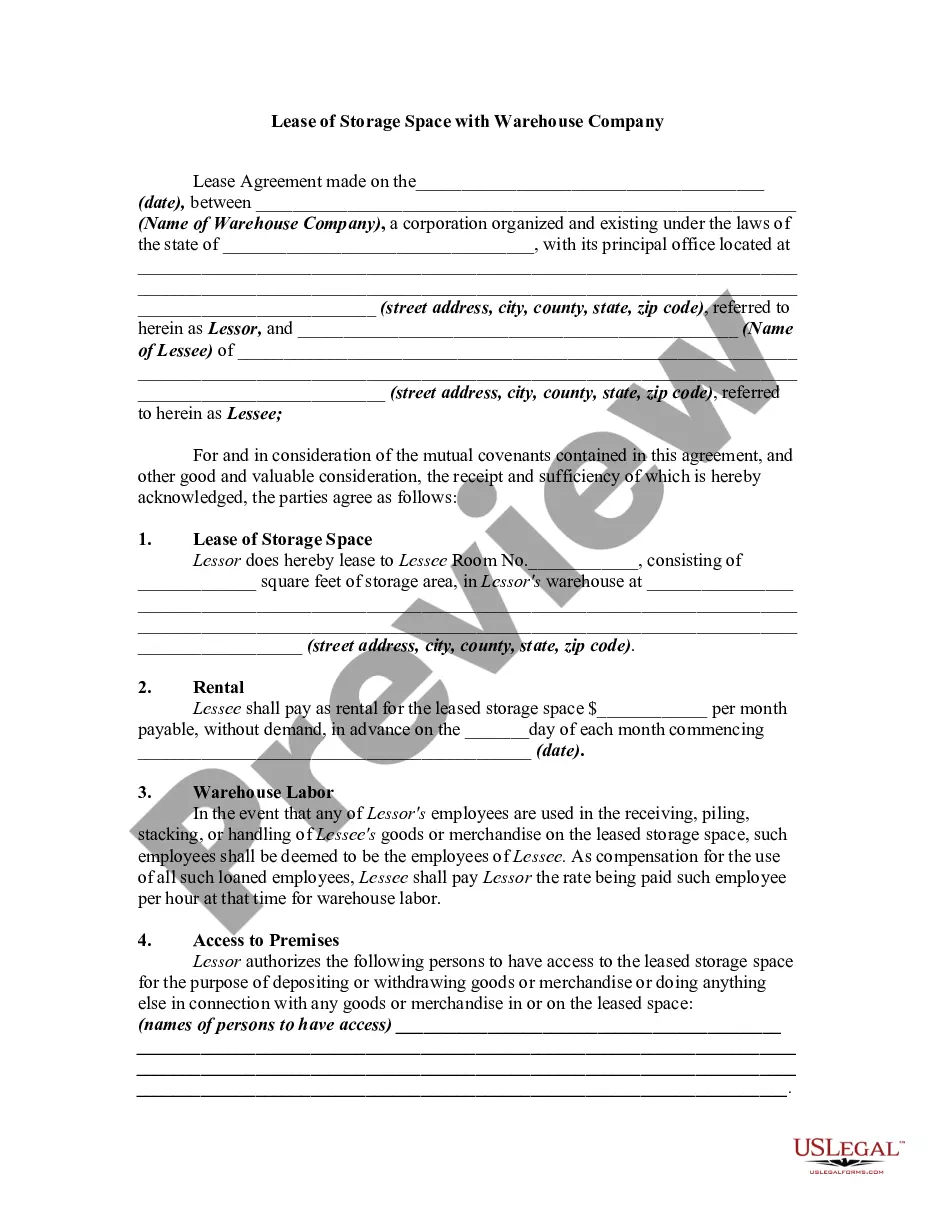
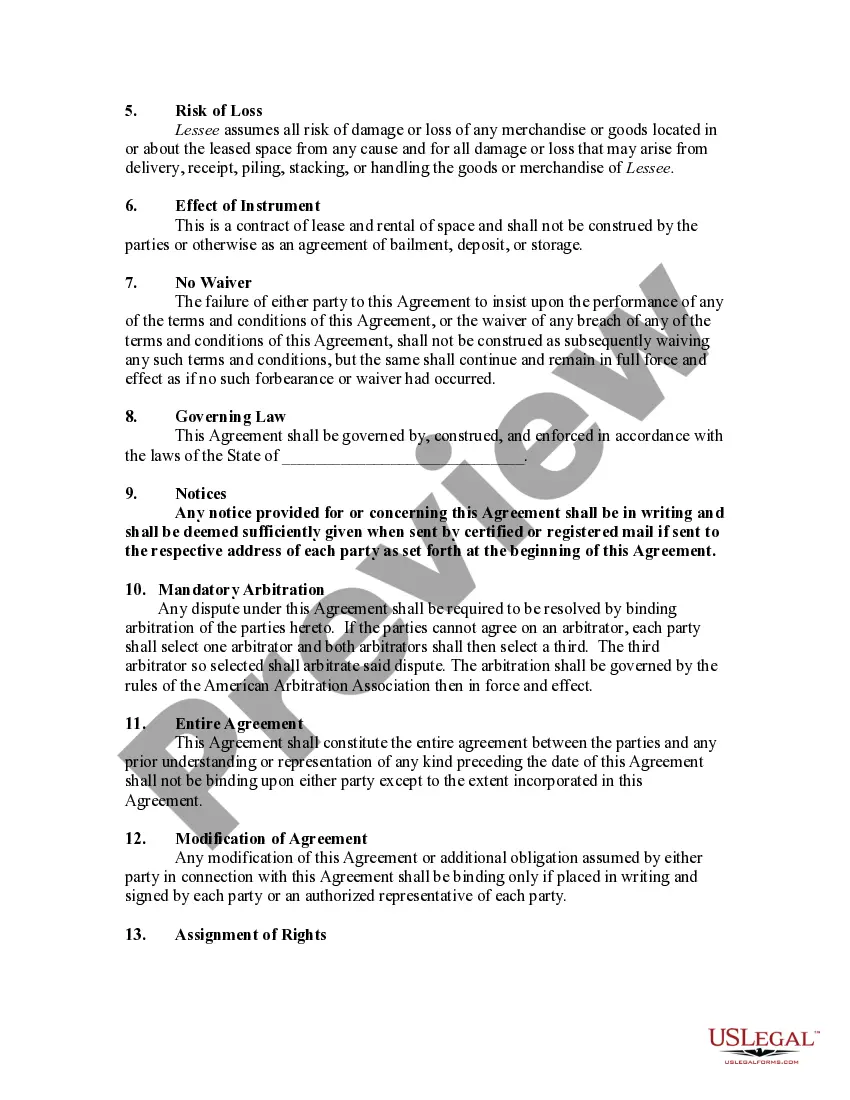
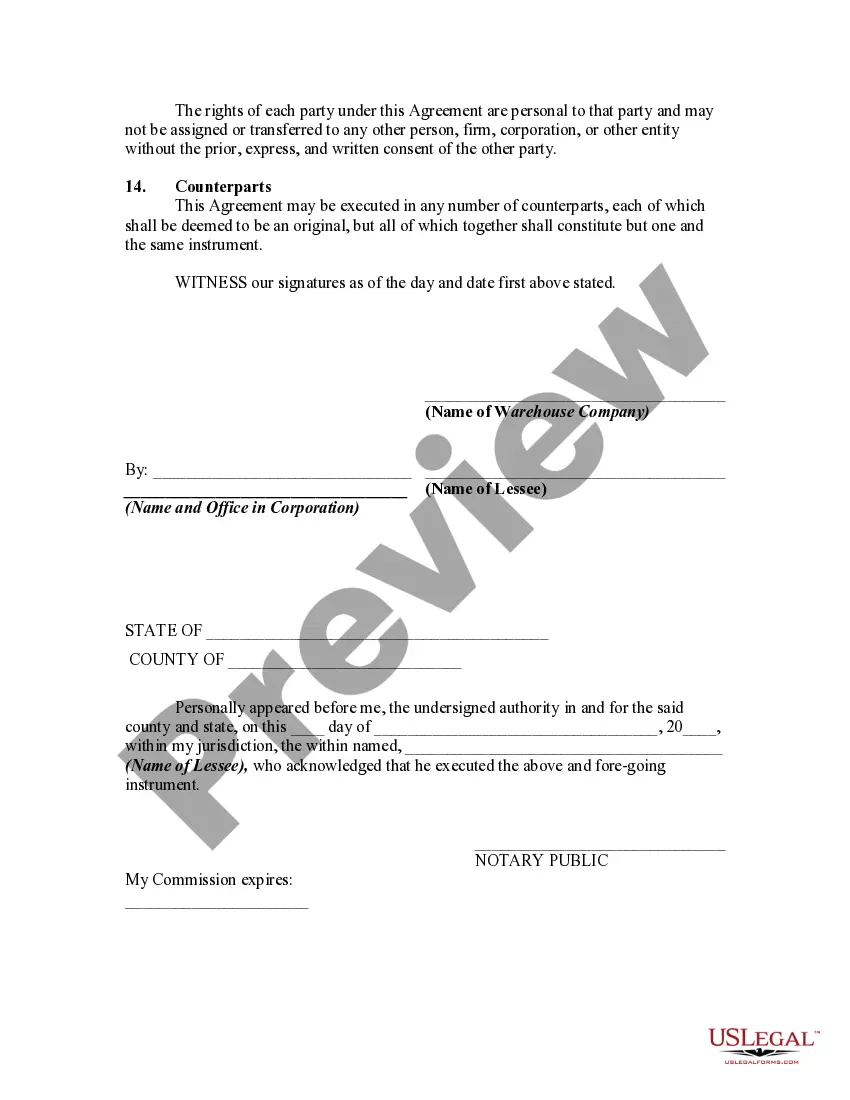
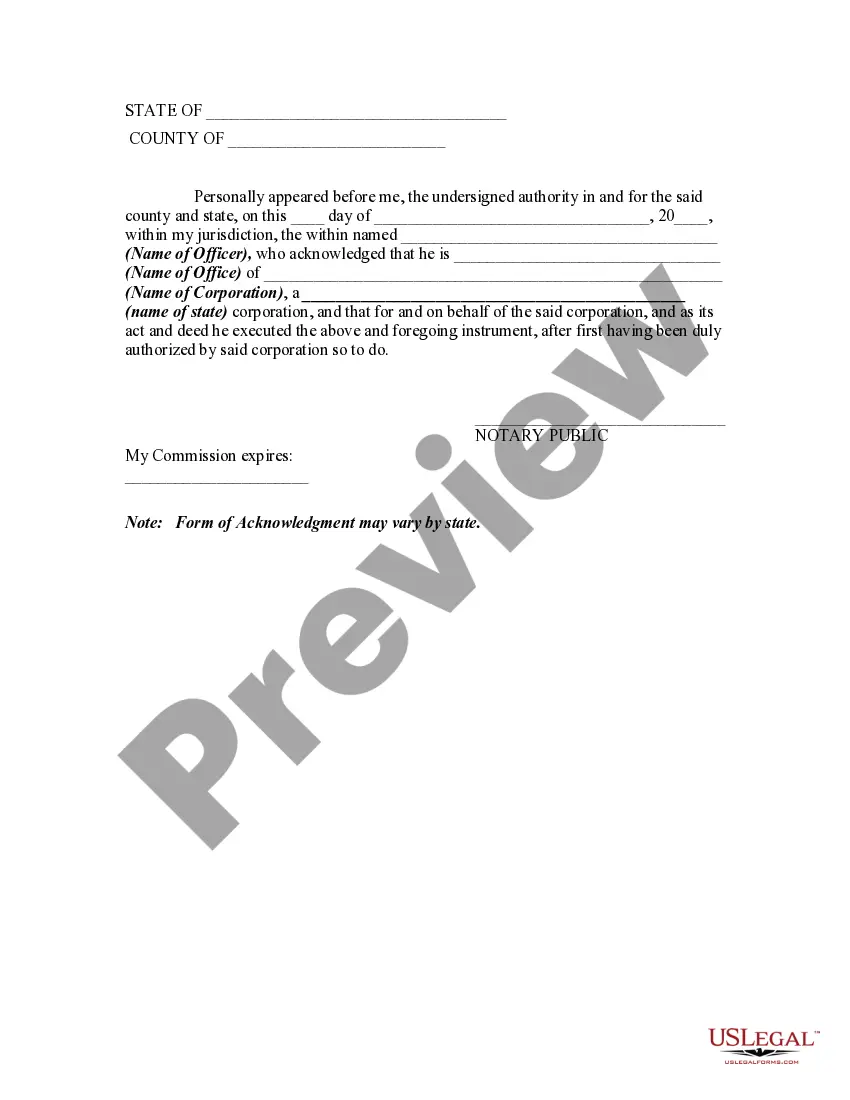
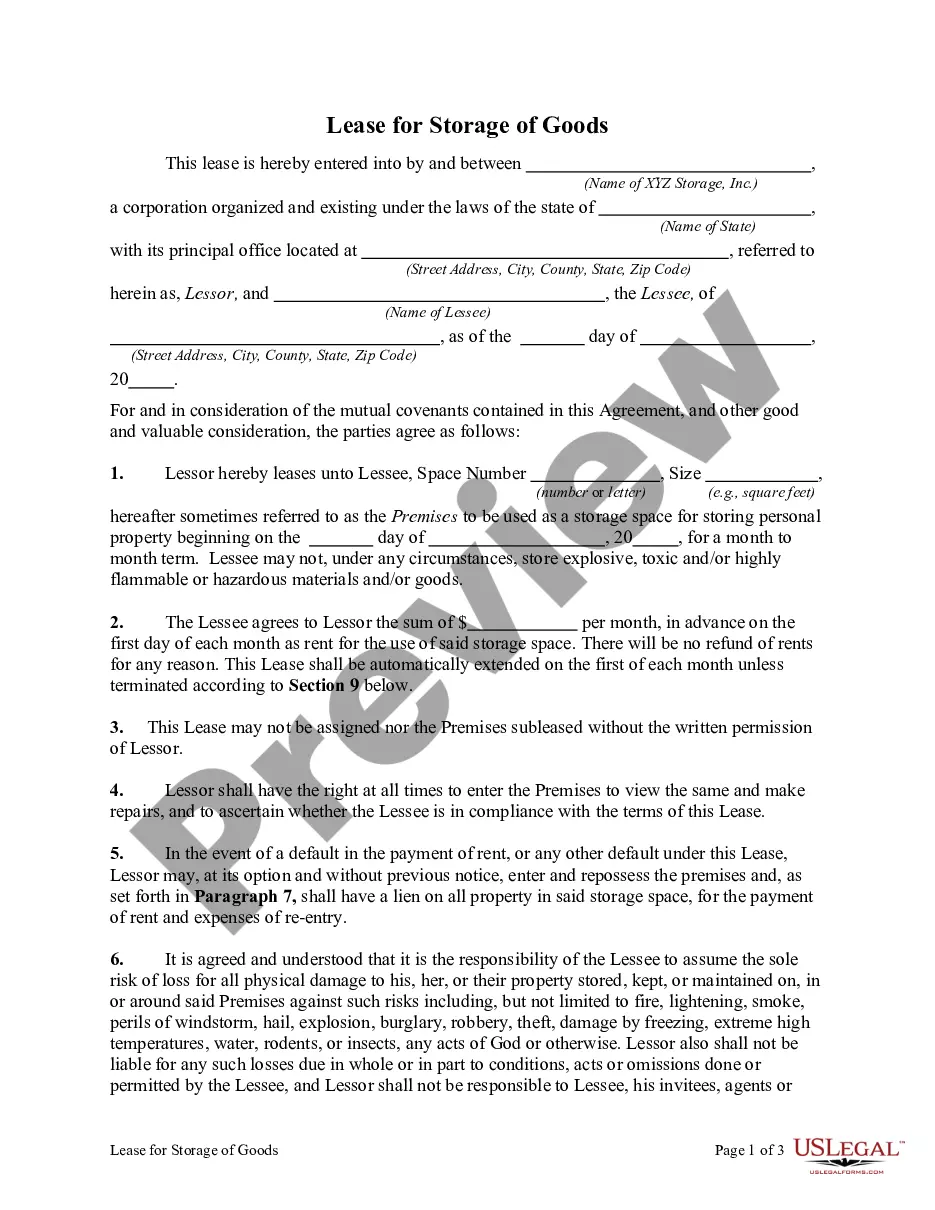
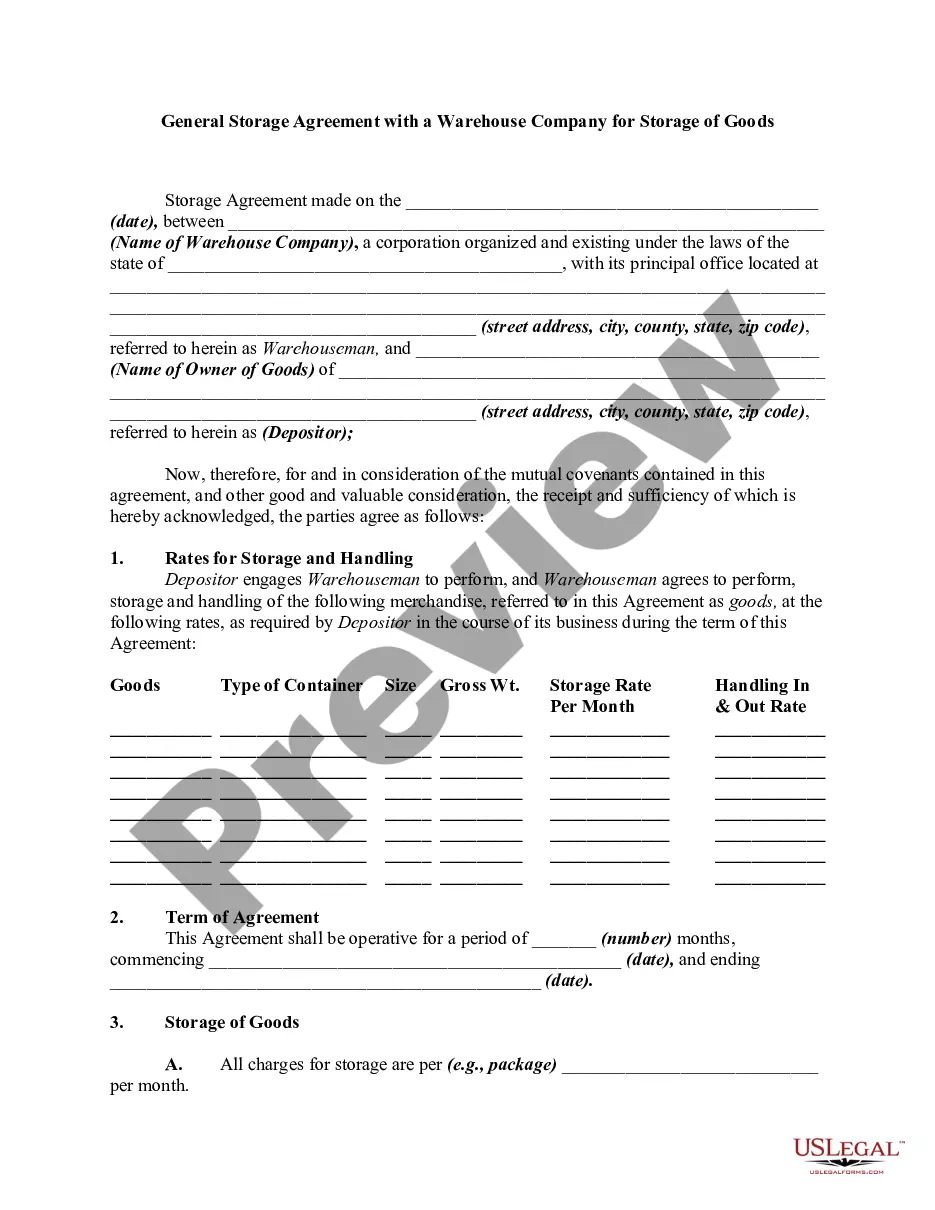
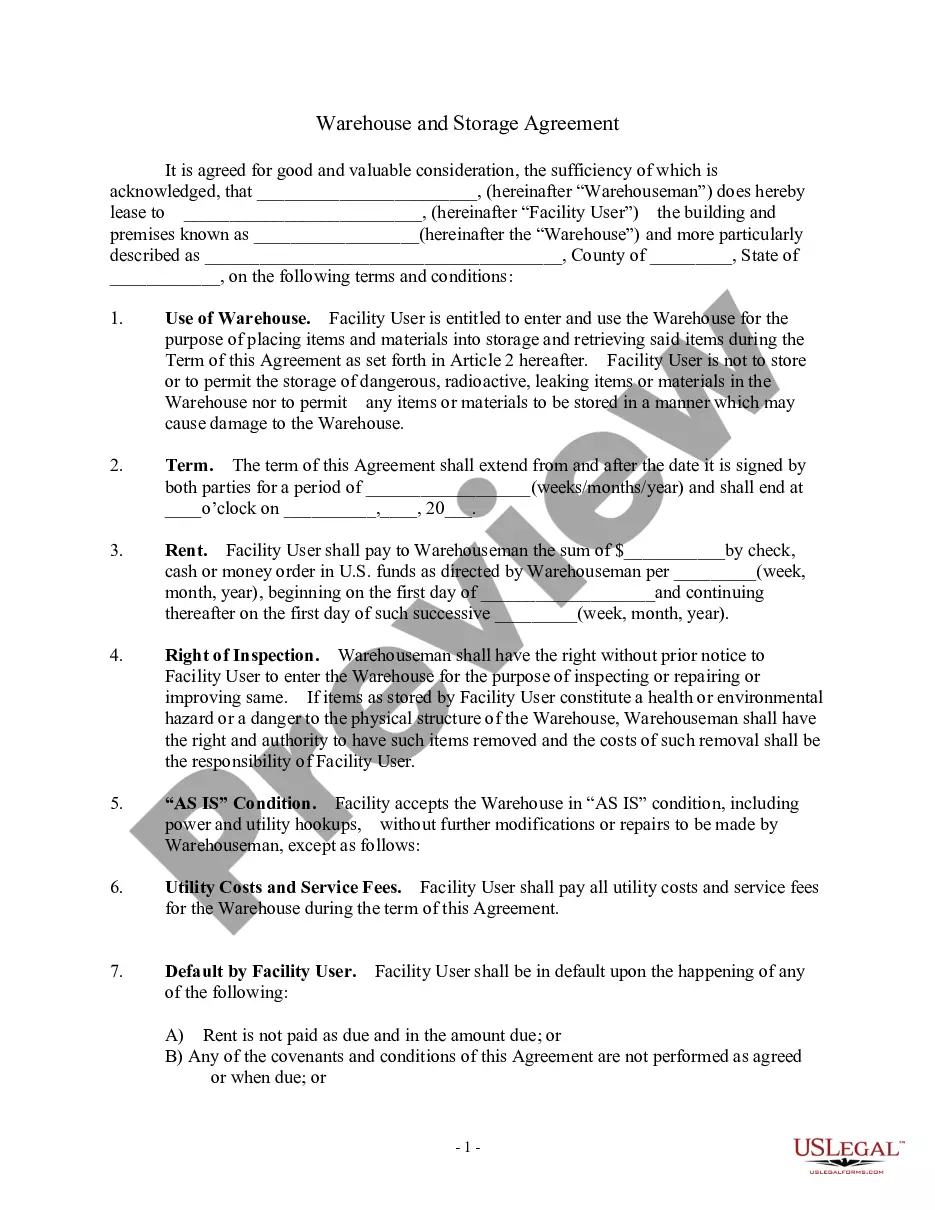
Get your form ready online
Our built-in tools help you complete, sign, share, and store your documents in one place.
Make edits, fill in missing information, and update formatting in US Legal Forms—just like you would in MS Word.
Download a copy, print it, send it by email, or mail it via USPS—whatever works best for your next step.
Sign and collect signatures with our SignNow integration. Send to multiple recipients, set reminders, and more. Go Premium to unlock E-Sign.
If this form requires notarization, complete it online through a secure video call—no need to meet a notary in person or wait for an appointment.
We protect your documents and personal data by following strict security and privacy standards.

Make edits, fill in missing information, and update formatting in US Legal Forms—just like you would in MS Word.

Download a copy, print it, send it by email, or mail it via USPS—whatever works best for your next step.

Sign and collect signatures with our SignNow integration. Send to multiple recipients, set reminders, and more. Go Premium to unlock E-Sign.

If this form requires notarization, complete it online through a secure video call—no need to meet a notary in person or wait for an appointment.

We protect your documents and personal data by following strict security and privacy standards.
Looking for another form?










How to fill out Lease Of Storage Space With Warehouse Company?
- Log in to your US Legal Forms account if you're a returning user, and ensure your subscription is active. Once confirmed, find the necessary form for leasing a gym space and click the Download button.
- For first-time users, start by browsing the comprehensive legal library. Use the Preview mode to review form descriptions and make sure the documents are correct for your local jurisdiction.
- If you need another form, utilize the Search tab to find the appropriate template that suits your requirements.
- Purchase the desired document by selecting the Buy Now button. Choose a subscription plan that works for you and create an account to access a vast library of resources.
- Complete your purchase by entering your credit card information or using your PayPal account for payment.
- Finally, download your form to your device. You can revisit and access this template anytime in the My Forms section of your profile.
In conclusion, leasing space for gym is a significant step, and having the right legal documentation is crucial for a smooth transition. US Legal Forms stands out with its robust collection of forms and access to expert assistance.
Start your leasing journey today and ensure your gym's success by utilizing US Legal Forms!
Form popularity
FAQ
Building a gym in a storage unit is generally not permitted due to zoning restrictions and safety concerns. Storage units typically lack the infrastructure required for a gym, such as adequate ventilation and emergency exits. However, if you're considering to lease space for a gym, look for facilities specifically designed for commercial use. It's best to consult with a local authority to ensure compliance with all laws and regulations.
Zoning regulations vary by location, but most areas require a specific zoning classification for physical fitness facilities like gyms. Before you lease space for a gym, check with your local zoning office to understand the requirements and any potential restrictions. You may need to apply for special permits or variances, depending on the specific use of the space. Ensuring you comply with these regulations helps you avoid costly setbacks.
Using office space as a gym can be a viable option, but it depends on local zoning laws and regulations. Typically, office spaces lack the necessary infrastructure for a gym, such as appropriate flooring, showers, and ventilation. However, if you're considering to lease space for a gym in an office building, ensure that the location has the right permits and meets health and safety standards. Consulting with a licensing expert can simplify this process.
A gym falls under the commercial category rather than retail. When you lease space for a gym, you engage in a commercial lease agreement, specifically designed for businesses that provide services. This distinction is important because it affects zoning laws, taxes, and other regulations. Choosing the right space is crucial for your gym's success, so understanding the commercial nature of your lease helps in making informed decisions.
To find the right space to lease for your gym, start by researching local commercial real estate listings to understand your options. Work with a real estate agent who specializes in commercial leases, as they can help you navigate the process efficiently. Additionally, platforms like US Legal Forms can provide valuable resources and templates to make your lease agreement straightforward and clear.
Deciding how big of a space you need for a gym largely hinges on your offerings and target market. A boutique gym may thrive in a smaller space of about 2,500 to 5,000 square feet, while larger gyms with extensive equipment and classes may require upwards of 10,000 square feet. Ensure you factor in space for equipment, classes, and member experience when determining your size.
Choosing the right location to lease space for a gym is crucial for attracting and retaining members. Look for areas with high foot traffic, easy access, and good visibility to enhance your gym's appeal. Consider the demographics of the surrounding community as well; areas with a fitness-minded population will increase your chances of success.
The amount of space you need to lease for a gym depends on your goals and the type of gym you plan to operate. Generally, a small personal training studio might require around 1,000 to 2,000 square feet, while a full-service gym could need anywhere from 5,000 to 20,000 square feet. Carefully consider how much equipment you want, the services you plan to offer, and the number of anticipated members before deciding.
To find space for a gym, start by outlining your needs and budget, then explore various options online and offline. Use commercial real estate websites to identify potential listings in desired locations. Networking with local property managers and real estate agents can uncover unlisted spaces. Finally, consider utilizing platforms like US Legal Forms to guide you through the leasing process, ensuring everything is legally sound.
When you plan to lease space for a gym, consider the size and layout required for various activities. A minimum of 1,500 to 3,000 square feet works well for smaller gyms, allowing space for equipment, classes, and member flow. Ensure you have room for storage and restrooms as well. Additionally, adequate parking and accessibility are important for attracting clients.