Lease Agreement For Storage Space
Description
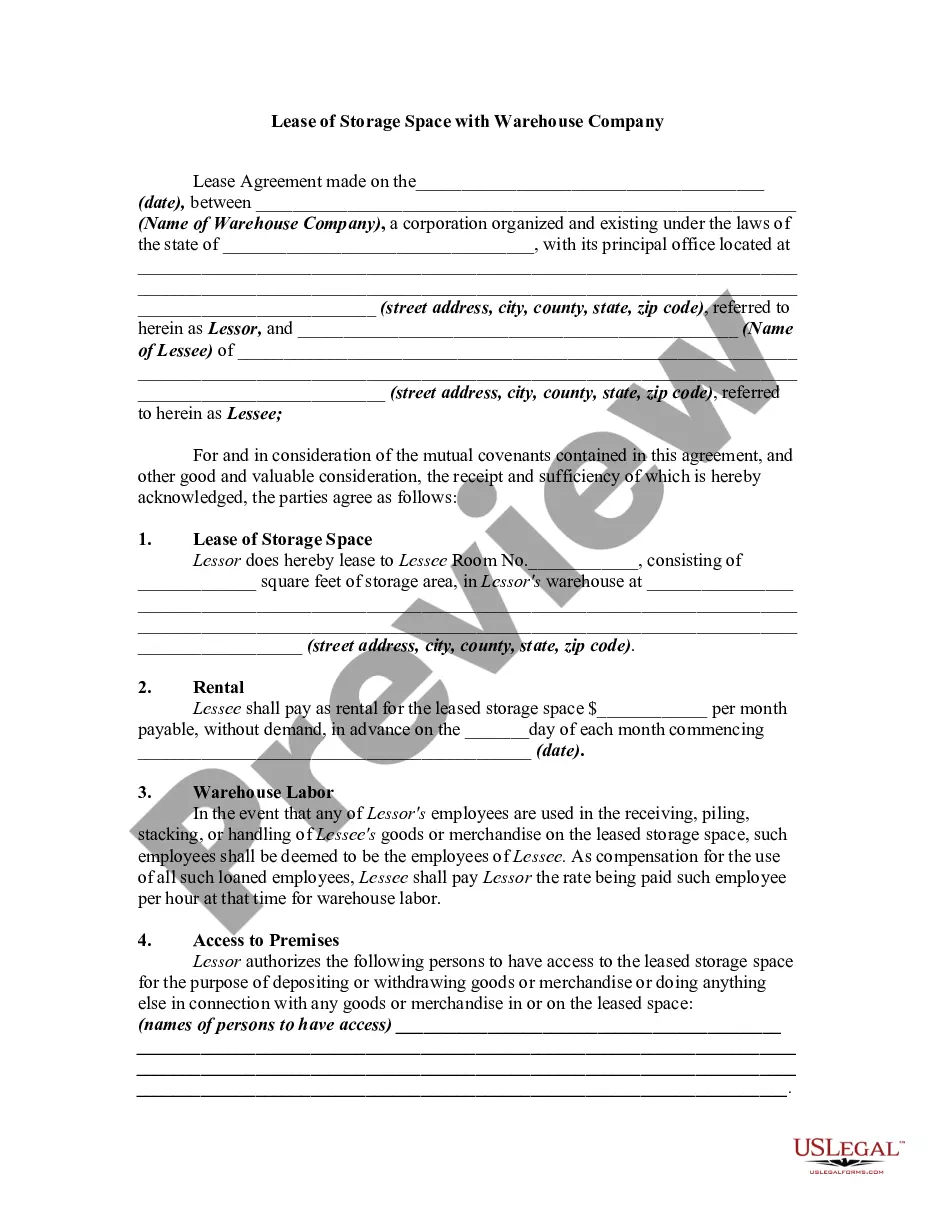
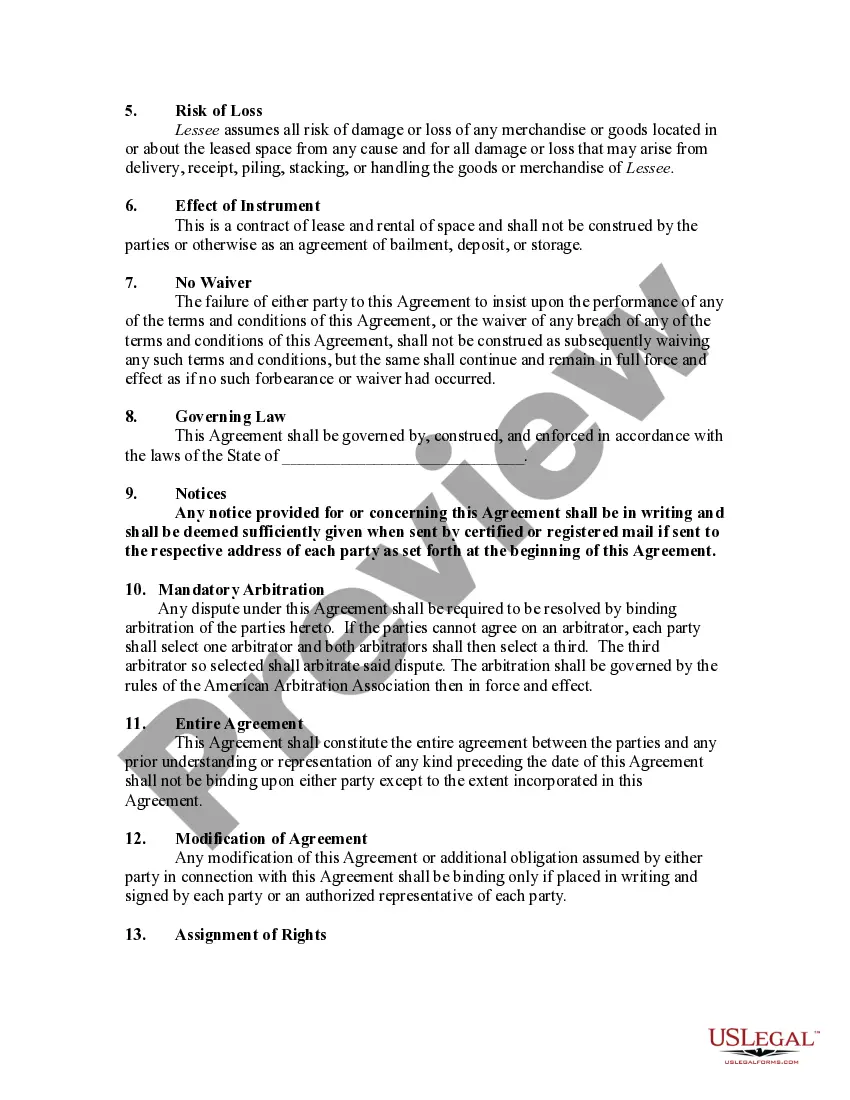
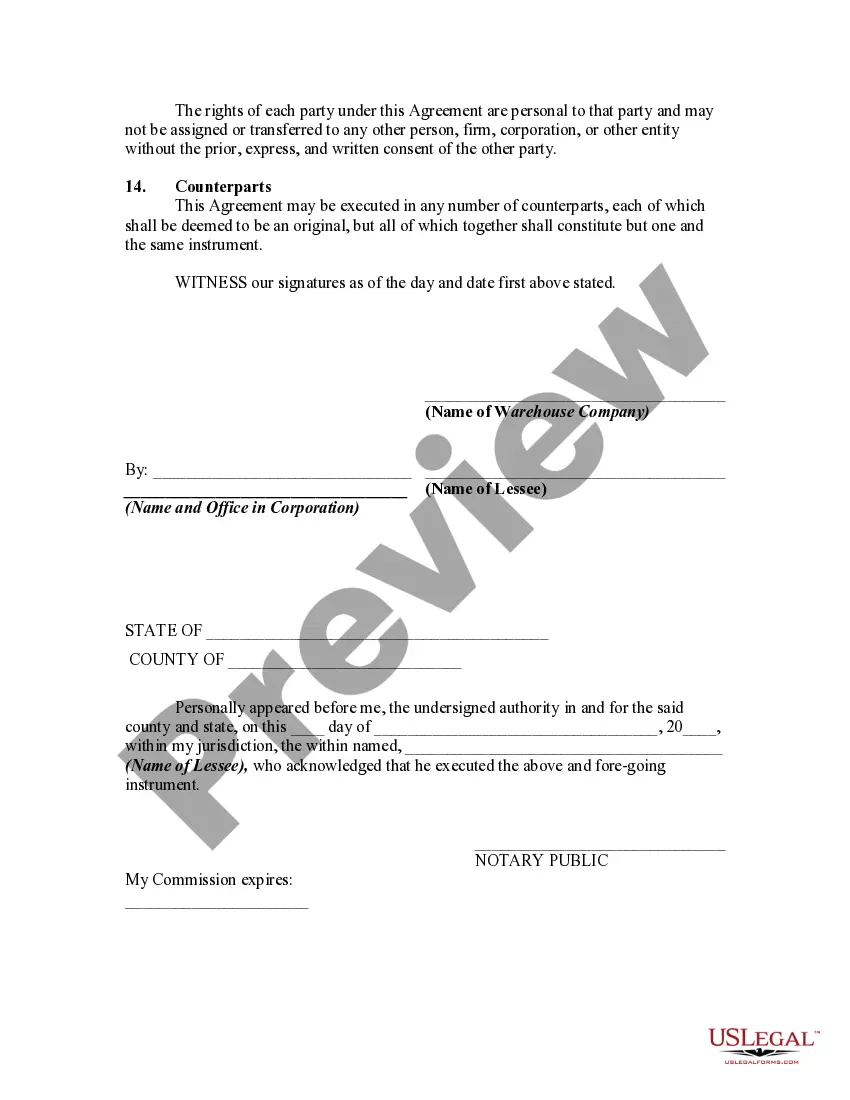
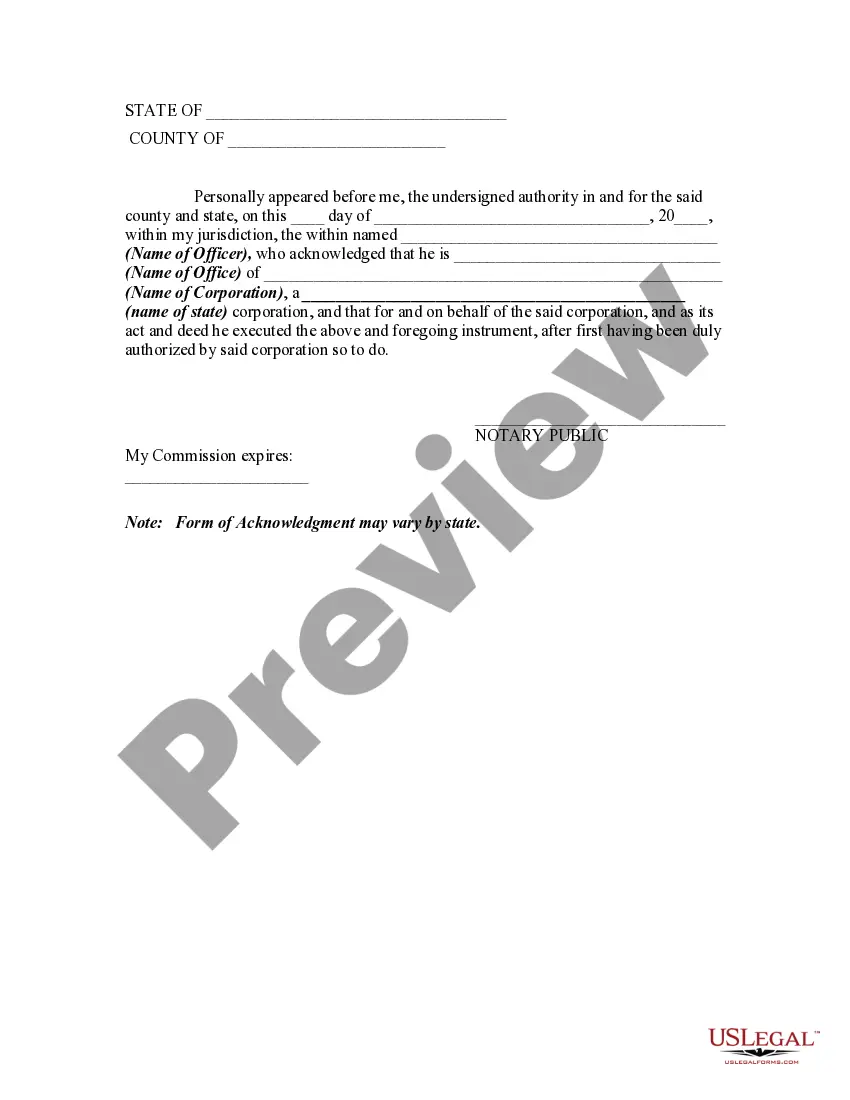
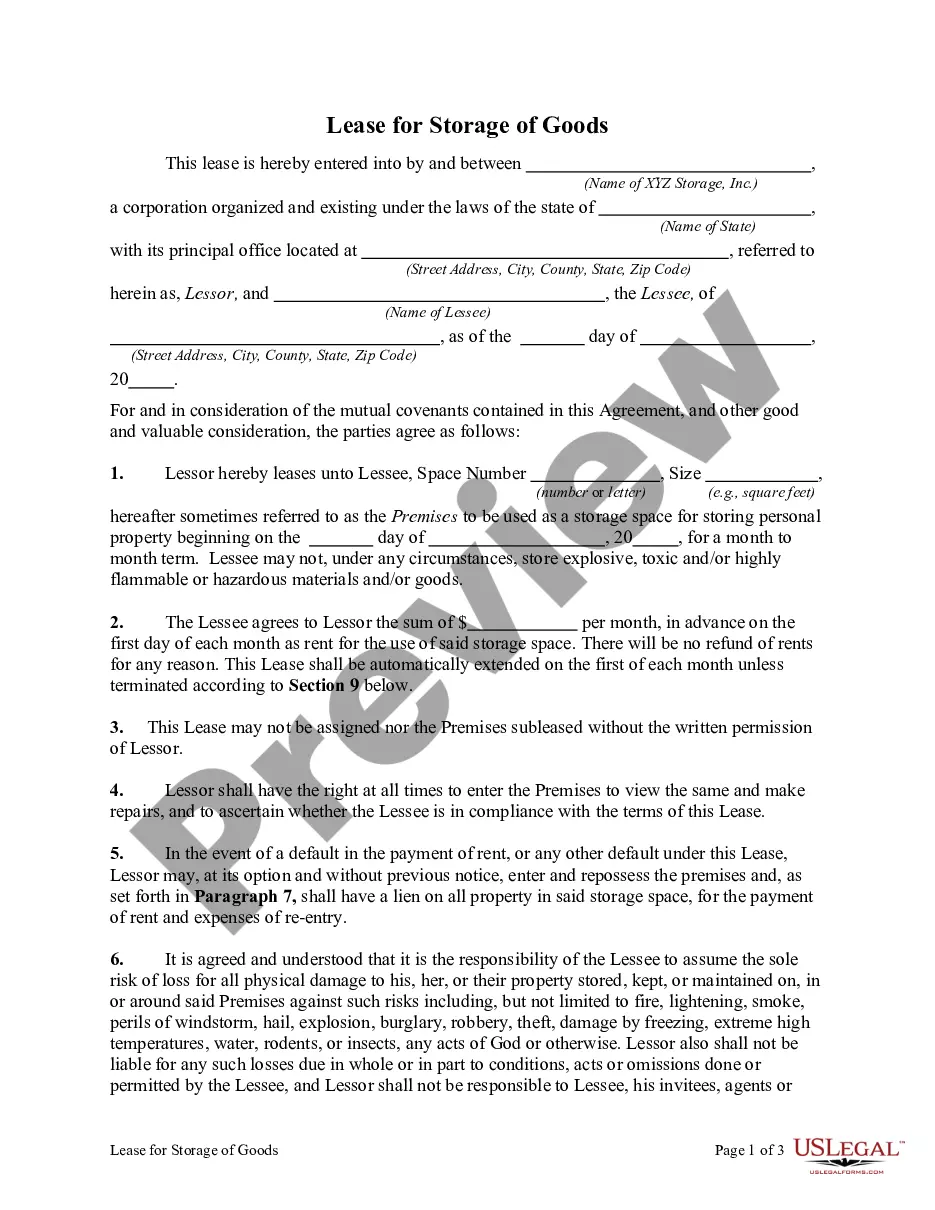
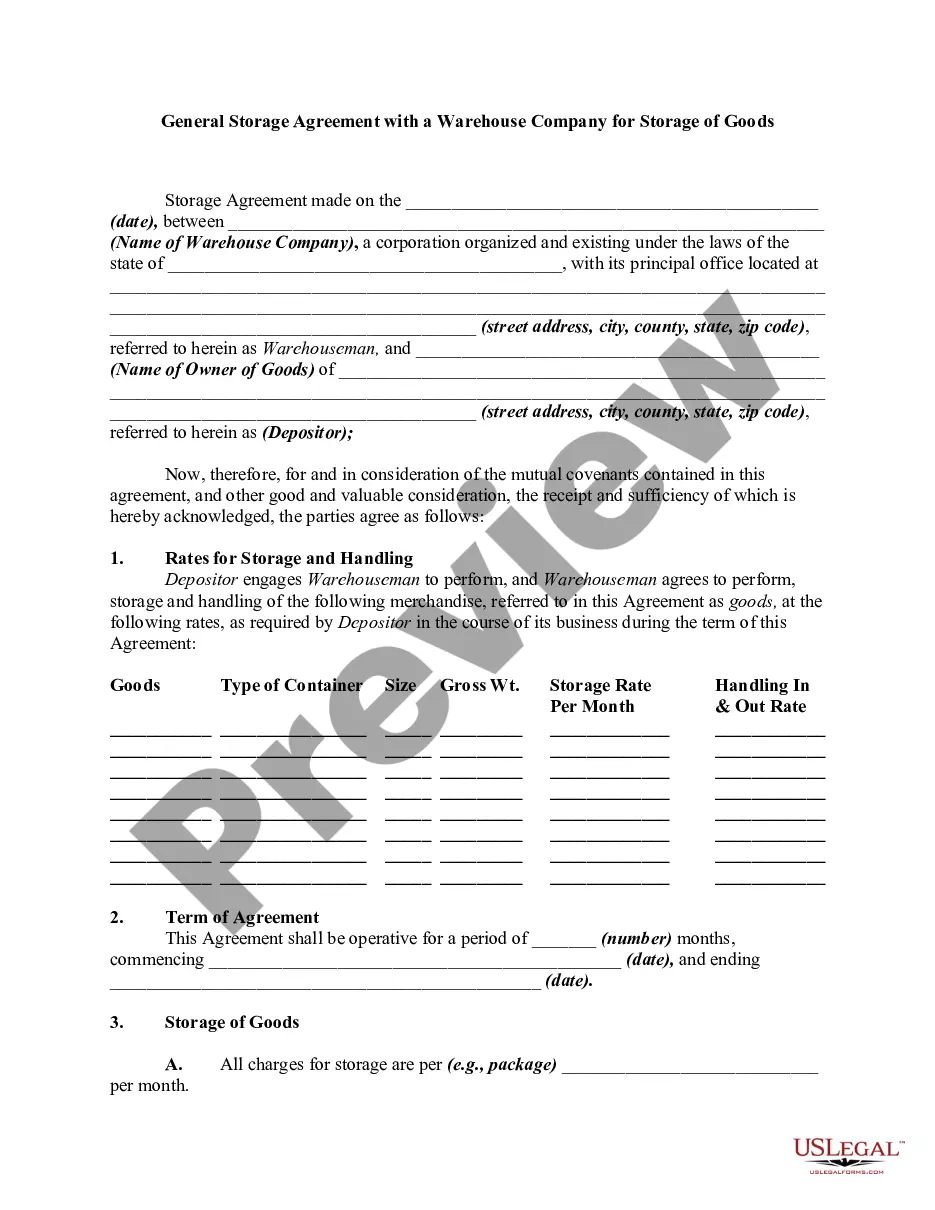
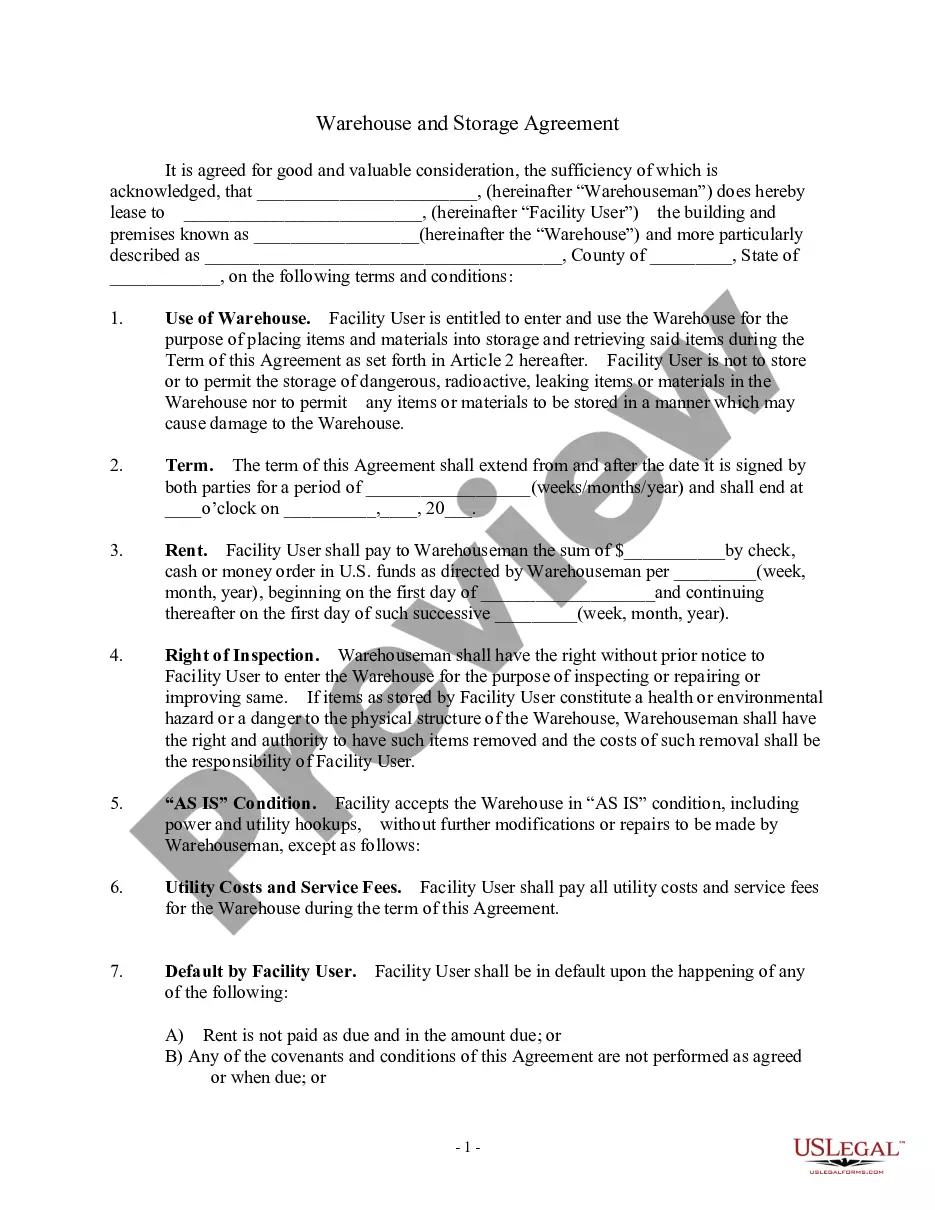
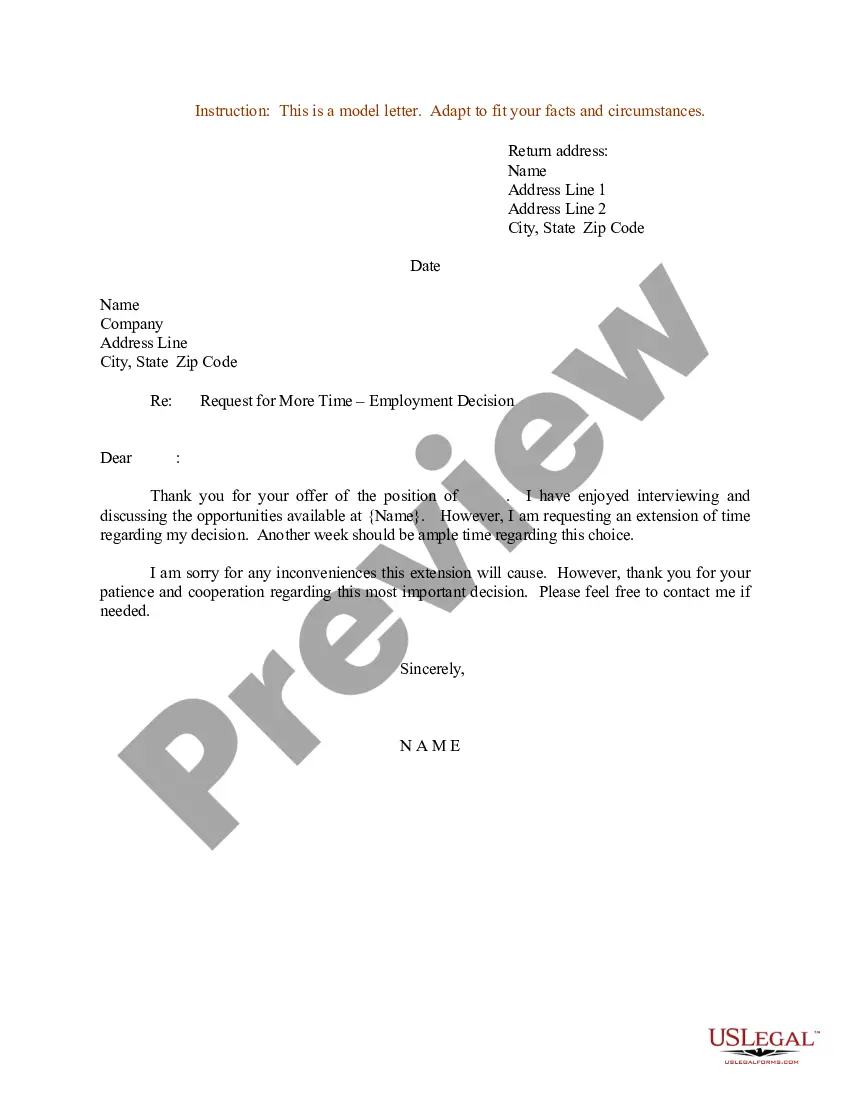
How to fill out Lease Of Storage Space With Warehouse Company?
- If you're a returning user, log in to your account. Check your subscription status and download the lease agreement form directly to your device.
- For first-time users, start by checking the Preview mode to confirm the template accurately fits your needs and adheres to local regulations.
- If necessary, utilize the Search tab to find alternative templates that match your requirements.
- Once you've found the correct template, click on the Buy Now button and select your preferred subscription plan.
- Complete your purchase by entering your payment details or using your PayPal account.
- Download and save your lease agreement form to your device, ensuring you can access it securely from the My Forms menu anytime.
In conclusion, US Legal Forms streamlines the process of acquiring a lease agreement for storage space, empowering users with a robust collection of forms that are easy to navigate and customize.
Start your journey today by accessing US Legal Forms and make your lease agreement process straightforward!
Form popularity
FAQ
Yes, storage units typically require a contract, which often takes the form of a lease agreement for storage space. This document outlines important terms such as rental duration, payment schedule, and rules governing the use of the unit. Signing a contract provides protection for both you and the storage facility, ensuring clarity and accountability for the rental relationship.
Before renting a storage unit, ask about access hours, security measures, and the availability of climate control. Understanding the payment terms and any additional fees can also prevent surprises later. Additionally, inquire about the process for the lease agreement for storage space and cancellation policies to ensure you make an informed decision.
Writing a letter of termination for a storage unit is straightforward. Start by noting the date and your rental details, including the unit number. Clearly state your intention to terminate the lease agreement for storage space and provide the required notice period per the lease terms. This ensures a smooth transition for both you and the storage facility.
Before renting a storage unit, review the lease agreement for storage space carefully. Consider factors such as location, size, and security features of the facility. Additionally, understand the terms regarding access hours and insurance options. Being informed will help you make the best choice for your needs.
Most storage facilities prohibit sleeping in your storage unit. The lease agreement for storage space typically includes clauses against using the unit as living quarters. This policy exists for safety and liability reasons. Always review your lease terms to understand what is and isn’t allowed.
Generally, you do not need a special license to rent a storage unit. However, specific regulations can vary by state or locality. To ensure compliance, always check local laws or consult your lease agreement for storage space. It helps to be informed so you can avoid potential issues.
In Indiana, laws governing storage unit delinquency require storage facilities to provide notice before taking any action against a delinquent account. The lease agreement for storage space will typically outline the required notice periods and procedures that facilities must follow before claiming property or terminating the lease.
A storage unit generally falls under the category of rental expenses. When you lease a storage space, you should track this expense for budgeting and tax purposes. Proper record-keeping can be beneficial, especially if you use it for business-related storage.
To write a storage contract, start with the names and addresses of the parties involved. Include the unit's location, rent amount, payment terms, and duration of the lease agreement for storage space. Providing clear guidelines will help avoid disputes in the future.
A storage unit is classified as personal property used for storing items. It is part of real estate, but it functions as a lease agreement for storage space since it is rented rather than owned. Be aware of how local laws apply to personal property within these units.