Court Hearing County For Divorce
Description
Get your form ready online
Our built-in tools help you complete, sign, share, and store your documents in one place.
Make edits, fill in missing information, and update formatting in US Legal Forms—just like you would in MS Word.
Download a copy, print it, send it by email, or mail it via USPS—whatever works best for your next step.
Sign and collect signatures with our SignNow integration. Send to multiple recipients, set reminders, and more. Go Premium to unlock E-Sign.
If this form requires notarization, complete it online through a secure video call—no need to meet a notary in person or wait for an appointment.
We protect your documents and personal data by following strict security and privacy standards.

Make edits, fill in missing information, and update formatting in US Legal Forms—just like you would in MS Word.

Download a copy, print it, send it by email, or mail it via USPS—whatever works best for your next step.

Sign and collect signatures with our SignNow integration. Send to multiple recipients, set reminders, and more. Go Premium to unlock E-Sign.

If this form requires notarization, complete it online through a secure video call—no need to meet a notary in person or wait for an appointment.

We protect your documents and personal data by following strict security and privacy standards.
Looking for another form?

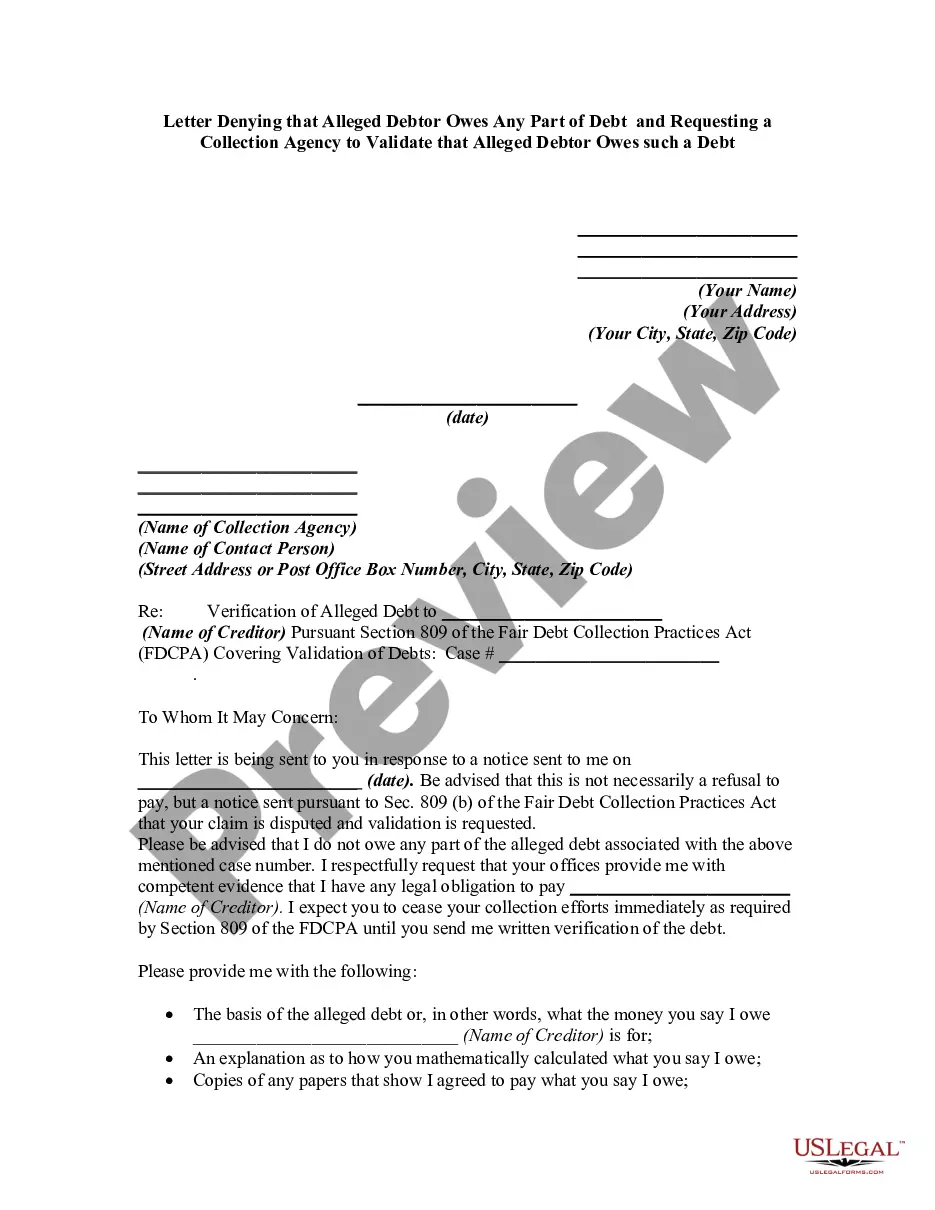





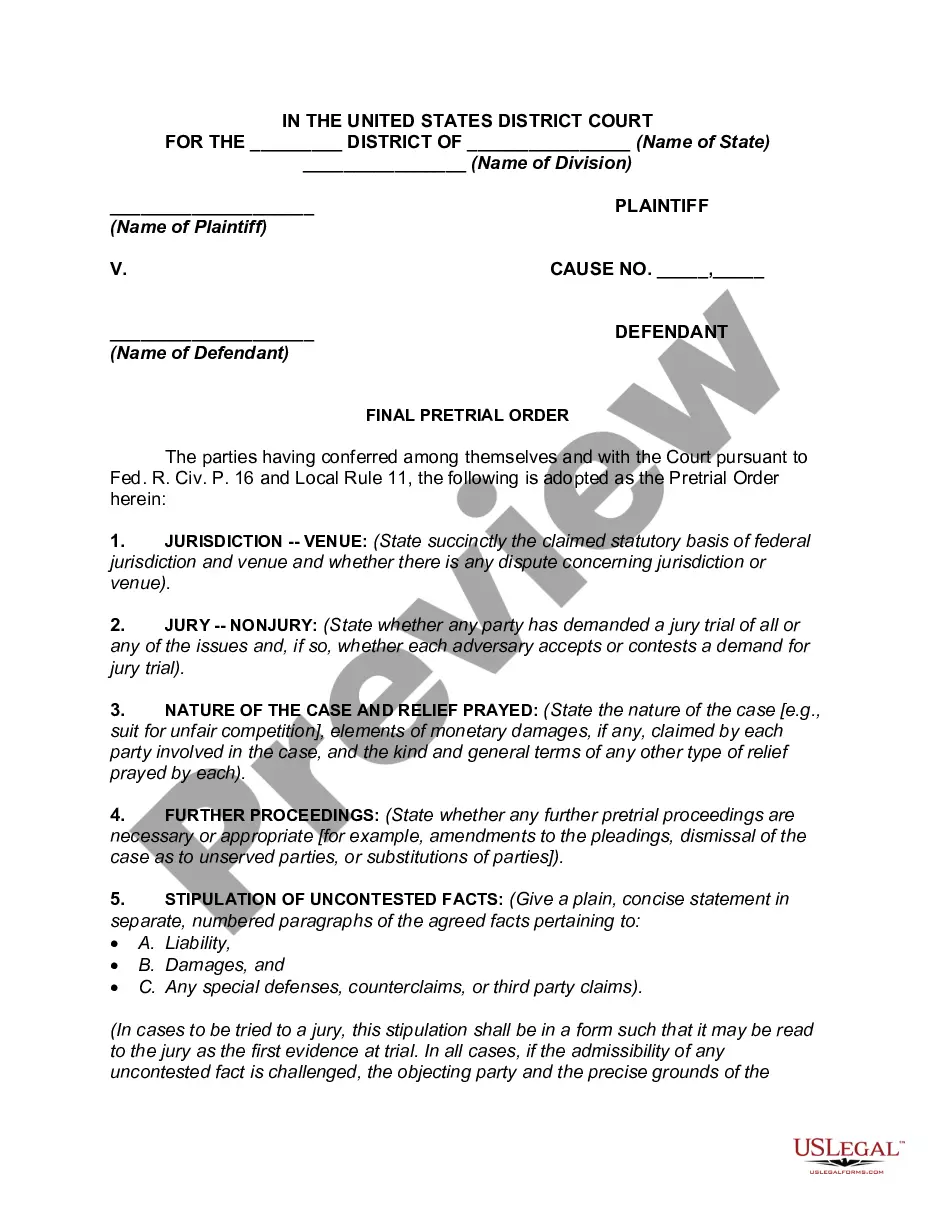

How to fill out Notice Of Hearing?
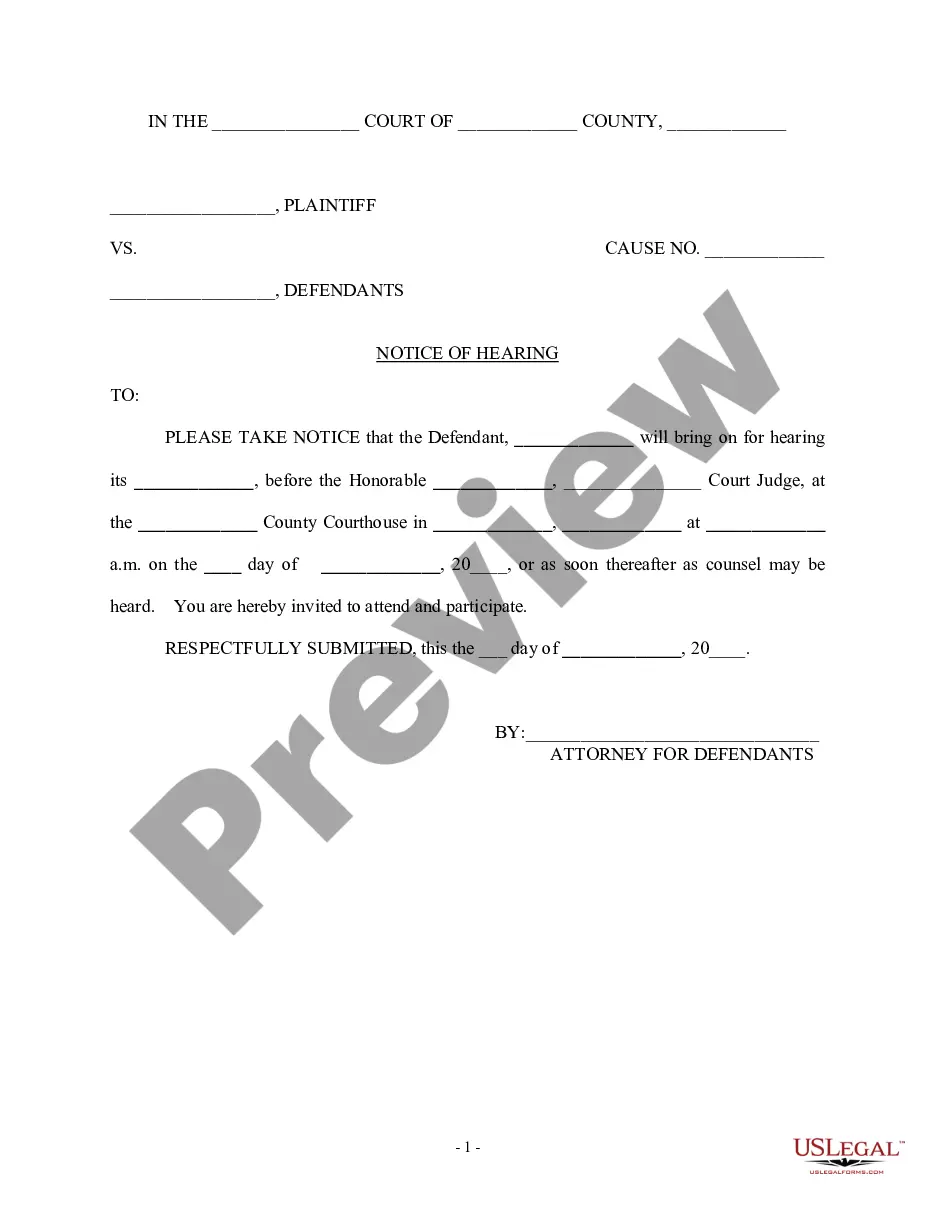
The Court Hearing County For Divorce you observe on this page is a reusable legal template crafted by expert attorneys in compliance with federal and local laws.
For over 25 years, US Legal Forms has supplied individuals, companies, and lawyers with over 85,000 verified, state-specific documents for any business and personal situation.
Choose the format you desire for your Court Hearing County For Divorce (PDF, Word, RTF) and download the document onto your device.
- Search for the document you require and examine it.
- Browse through the sample you queried and preview it or review the form description to confirm it meets your needs. If it does not, use the search bar to locate the correct one. Click Buy Now when you have found the template you seek.
- Register and Log In.
- Select the pricing option that fits you and create an account. Utilize PayPal or a credit card to make a quick payment. If you already possess an account, Log In and verify your subscription to proceed.
- Obtain the fillable template.
Form popularity
FAQ
A First Hearing and Dispute Resolution Appointment (FHDRA) is the first court hearing after a private family law application has been submitted. It is held to assist the court in identifying issues between the parties at an early stage and determining whether the parties are capable of reaching an agreement.
Remember, the Supreme Court of the State of New York is the only court that handles divorce cases. You should go to the Supreme Court in the county where you or your spouse now live to file your divorce papers. You cannot get a divorce in Family Court.
The FDR hearing is the second hearing in the court process. It must be attended by both parties and their legal advisers. The hearing will be conducted by a judge who will have no part to play if the case proceeds further.
The County Court and the High Court deal with divorces and dissolutions of civil partnerships. The spouse or civil partner who makes the application is the 'petitioner'. They can act on their own behalf or ask a solicitor for advice.
Family Division and Family Court.