Motion Garnishment File With Irs
Description
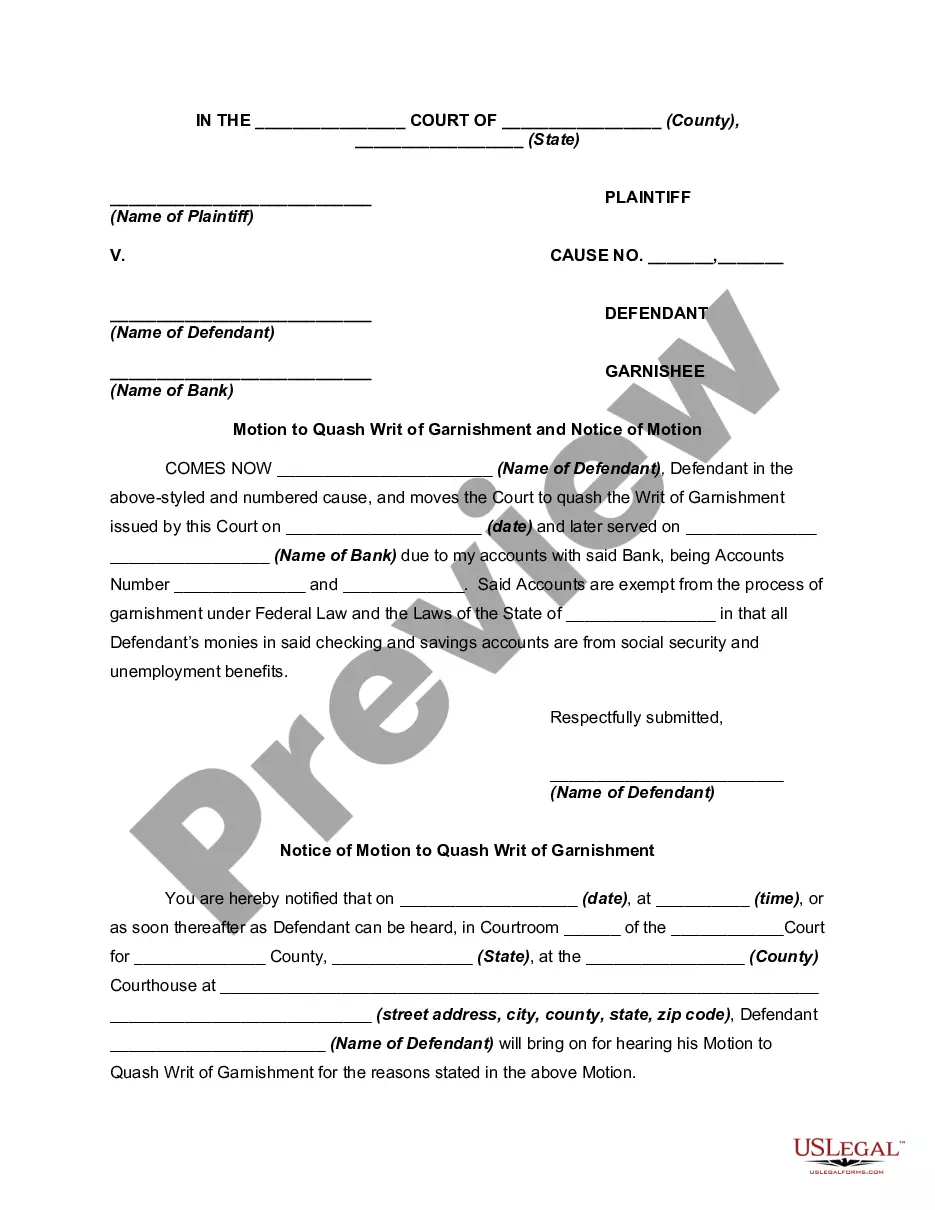
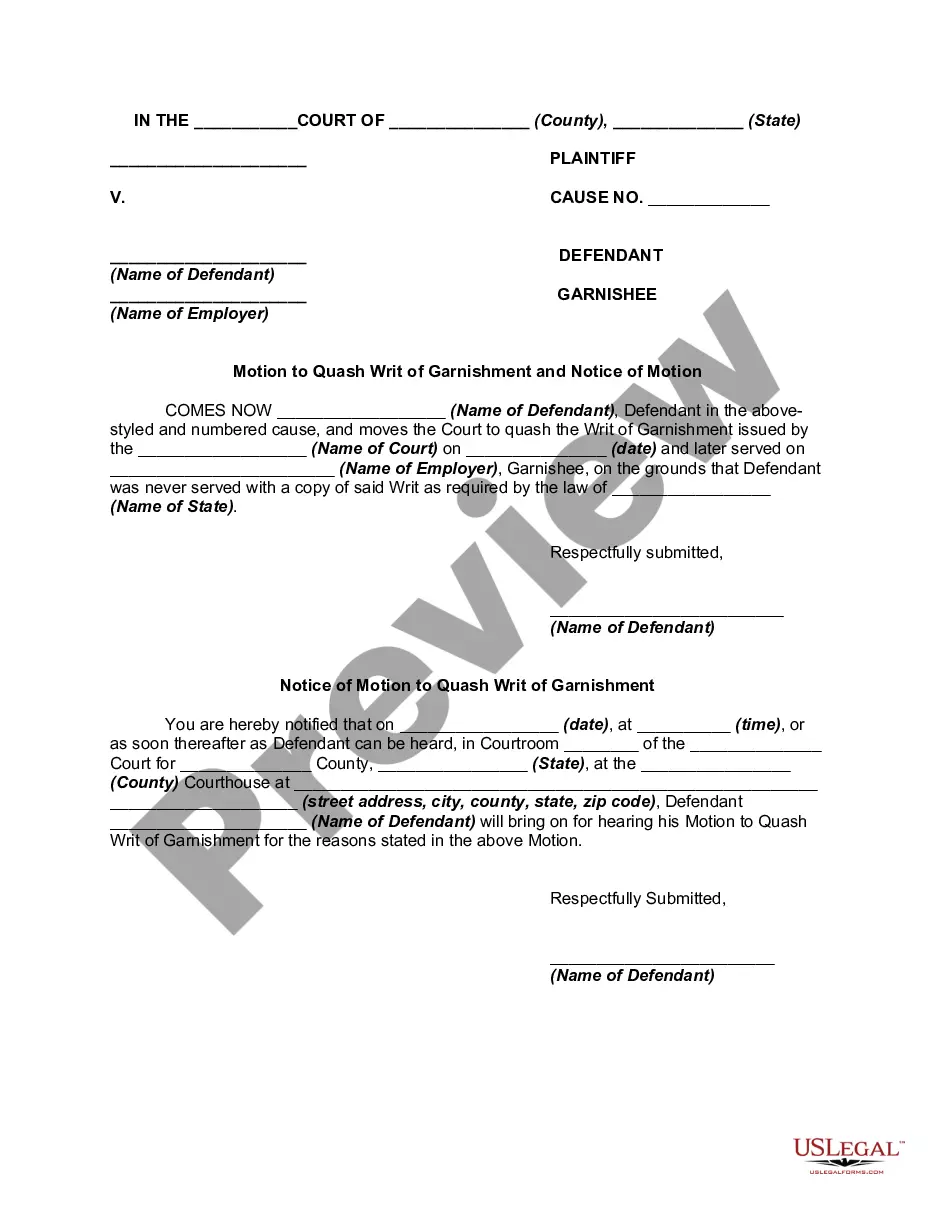
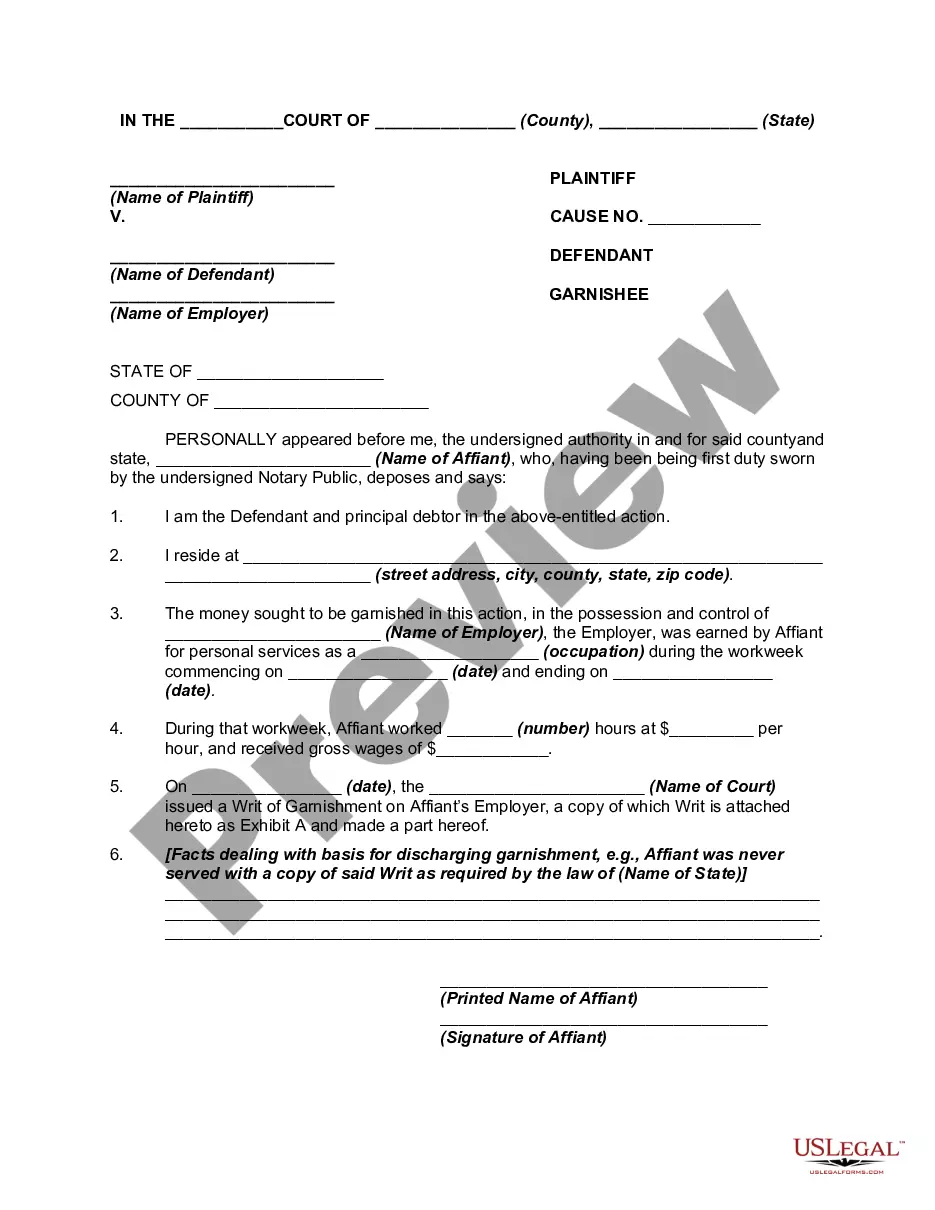
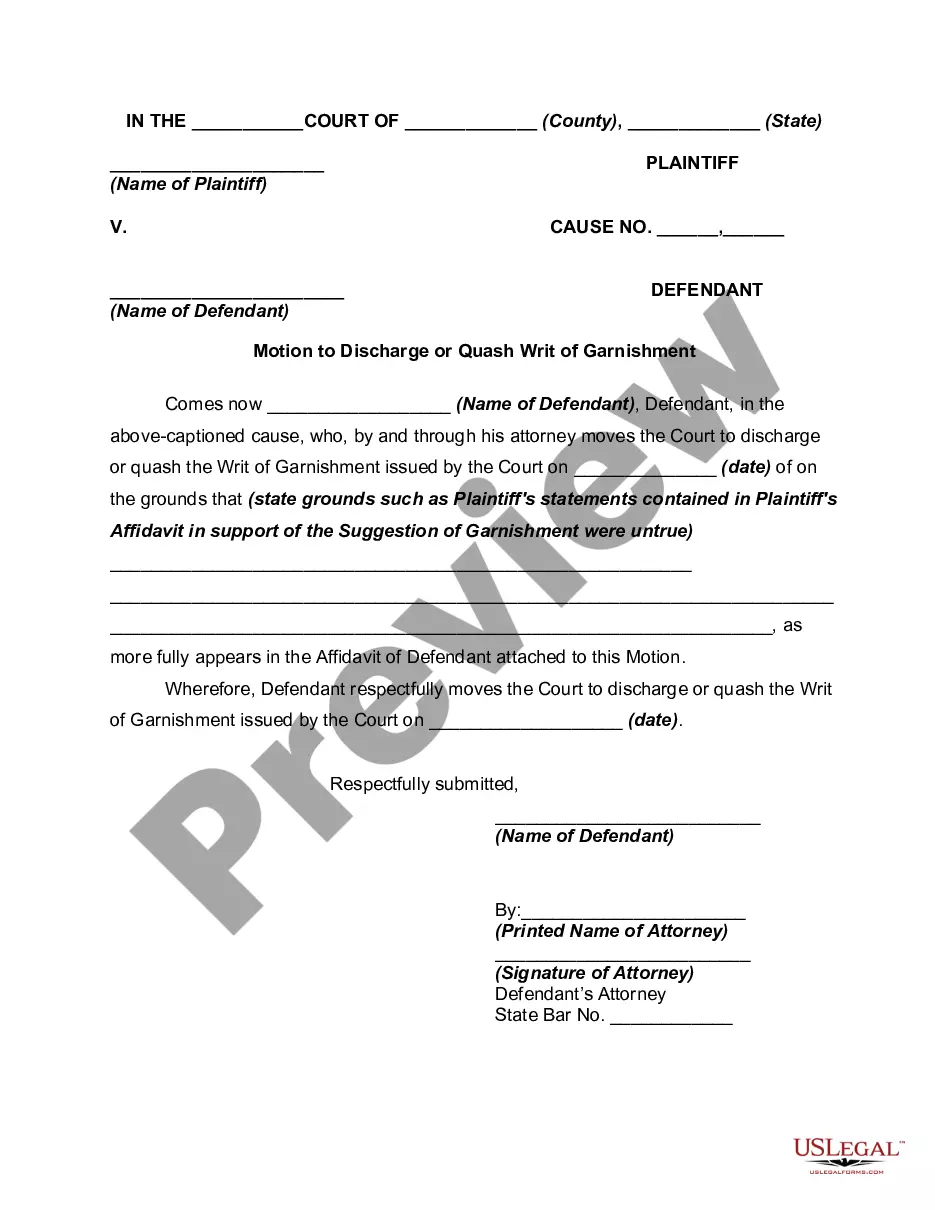
Get your form ready online
Our built-in tools help you complete, sign, share, and store your documents in one place.
Make edits, fill in missing information, and update formatting in US Legal Forms—just like you would in MS Word.
Download a copy, print it, send it by email, or mail it via USPS—whatever works best for your next step.
Sign and collect signatures with our SignNow integration. Send to multiple recipients, set reminders, and more. Go Premium to unlock E-Sign.
If this form requires notarization, complete it online through a secure video call—no need to meet a notary in person or wait for an appointment.
We protect your documents and personal data by following strict security and privacy standards.

Make edits, fill in missing information, and update formatting in US Legal Forms—just like you would in MS Word.

Download a copy, print it, send it by email, or mail it via USPS—whatever works best for your next step.

Sign and collect signatures with our SignNow integration. Send to multiple recipients, set reminders, and more. Go Premium to unlock E-Sign.

If this form requires notarization, complete it online through a secure video call—no need to meet a notary in person or wait for an appointment.

We protect your documents and personal data by following strict security and privacy standards.
Looking for another form?

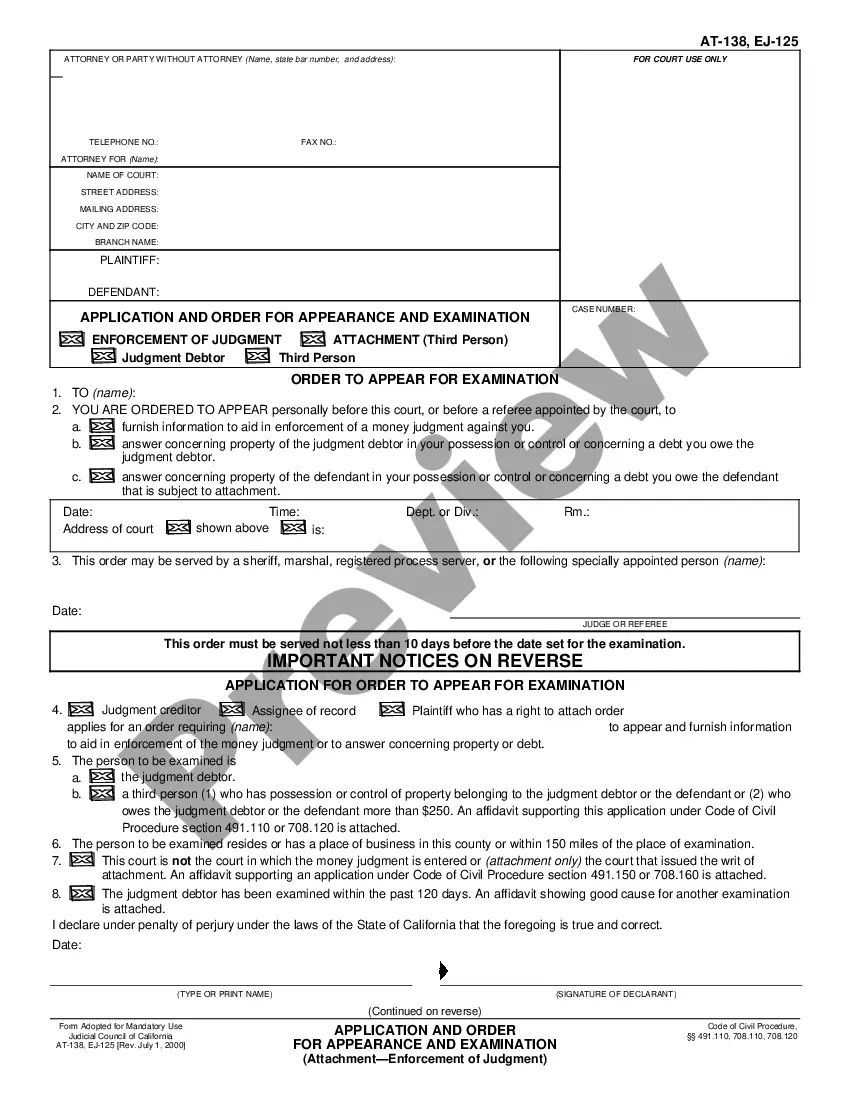





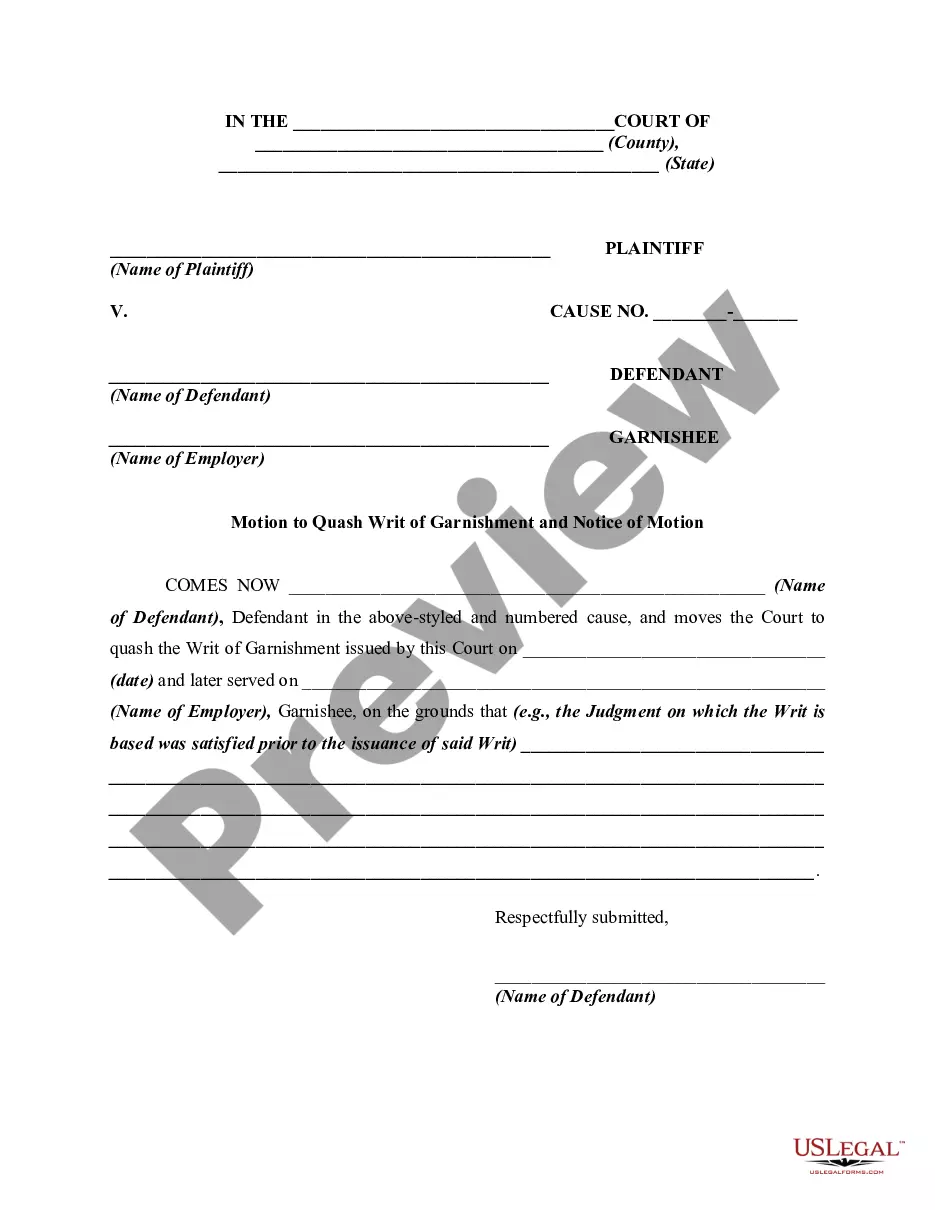
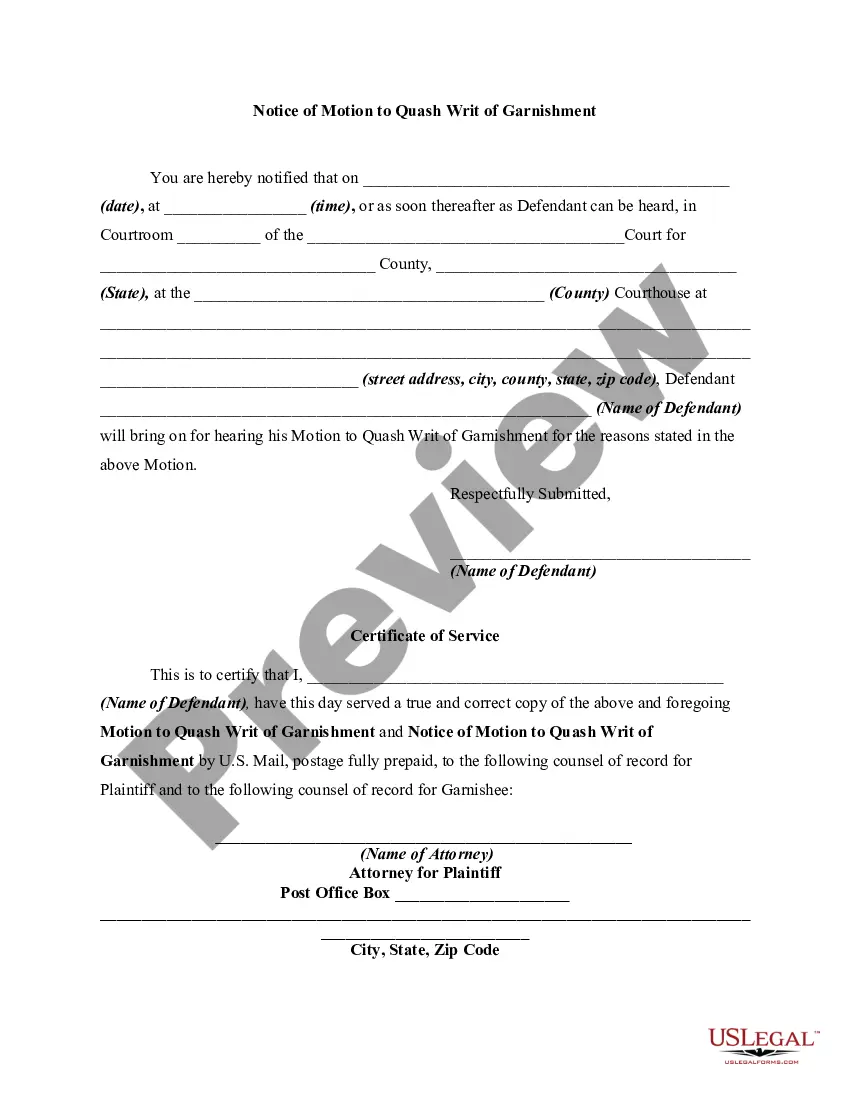
How to fill out Motion Of Defendant To Discharge Or Quash Writ Of Garnishment And Notice Of Motion?
It’s clear that you cannot transform into a legal expert instantly, nor can you swiftly master how to prepare a Motion Garnishment File With Irs without a specialized skill set.
Assembling legal documents is a lengthy process that demands specific training and expertise.
So why not entrust the development of the Motion Garnishment File With Irs to the professionals.
Preview it (if this option is available) and review the accompanying description to confirm whether the Motion Garnishment File With Irs is what you’re looking for.
If you need a different template, start your search again. Sign up for a free account and select a subscription plan to buy the form.
- With US Legal Forms, one of the most extensive legal document repositories, you can locate everything from court forms to templates for internal communication.
- We recognize how vital compliance and adherence to federal and state regulations are.
- That’s why, on our platform, all documents are location-specific and current.
- Here’s how you can initiate your process on our platform and acquire the document you need in just a few minutes.
- Find the document you require by utilizing the search bar at the top of the page.
Form popularity
FAQ
No, the IRS does not require a court order to garnish wages for tax debts. Instead, the IRS can directly issue a wage garnishment notice to your employer. This process allows them to collect what you owe without going through the court system. If you find yourself facing this issue, consider using resources like the US Legal Forms platform to file a motion garnishment file with the IRS and protect your rights.
Yes, the IRS can implement garnishments to collect unpaid taxes. When you owe back taxes, the IRS may garnish your wages or bank accounts to recover the owed amount. It's important to understand that this process involves filing a motion garnishment file with the IRS. Seeking assistance from professionals can help you navigate this situation effectively.
Yes, you will receive a notice before the IRS garnishes your wages. This notice usually outlines your tax debt and provides you with the chance to make payment arrangements. If you do not respond, the IRS may proceed with a motion garnishment file with IRS. Always take these notices seriously to protect your financial situation.
The IRS does provide warnings before garnishing wages through letters detailing your tax obligations. These letters serve as your notification and outline your options. Ignoring these warnings can lead to a motion garnishment file with IRS, resulting in automatic deductions from your paycheck. It’s best to stay informed and proactive.
Yes, the IRS typically sends a series of letters before proceeding with wage garnishment. These letters inform you about your tax debt and provide opportunities to resolve the issue. Ignoring these communications can lead to a motion garnishment file with IRS. Responding to these letters is vital to protect your income.
The process for the IRS to garnish wages can vary, but it usually takes several weeks after they file a notice of intent. Once the IRS decides to initiate garnishment, they will send a notice to your employer. It is crucial to act quickly if you wish to contest the garnishment or set up a payment plan. You can find more information about managing this process with a motion garnishment file with IRS.
You can determine if the IRS plans to garnish your wages by checking for any outstanding tax debts. If you have unpaid taxes, the IRS may take action. They typically notify taxpayers about debts through letters. It’s essential to address these letters promptly to avoid a motion garnishment file with IRS.
Filling out a challenge to garnishment form requires clear information about your situation and the basis for your challenge. Start by gathering all necessary details, including your personal information and the specifics of the garnishment. Using platforms like US Legal Forms can simplify this process, providing templates that help you correctly complete a motion garnishment file with IRS, ensuring you submit a comprehensive challenge.
To file a motion for wage garnishment, you need to prepare the proper documents, including the motion itself and any supporting evidence. You should submit these documents to your local court, following the specific procedures required in your jurisdiction. Additionally, consider using resources like US Legal Forms, which can guide you through the process of filing a motion garnishment file with IRS to ensure you meet all legal requirements.