Professional Indemnity In Insurance
Description

Get your form ready online
Our built-in tools help you complete, sign, share, and store your documents in one place.
Make edits, fill in missing information, and update formatting in US Legal Forms—just like you would in MS Word.
Download a copy, print it, send it by email, or mail it via USPS—whatever works best for your next step.
Sign and collect signatures with our SignNow integration. Send to multiple recipients, set reminders, and more. Go Premium to unlock E-Sign.
If this form requires notarization, complete it online through a secure video call—no need to meet a notary in person or wait for an appointment.
We protect your documents and personal data by following strict security and privacy standards.

Make edits, fill in missing information, and update formatting in US Legal Forms—just like you would in MS Word.

Download a copy, print it, send it by email, or mail it via USPS—whatever works best for your next step.

Sign and collect signatures with our SignNow integration. Send to multiple recipients, set reminders, and more. Go Premium to unlock E-Sign.

If this form requires notarization, complete it online through a secure video call—no need to meet a notary in person or wait for an appointment.

We protect your documents and personal data by following strict security and privacy standards.
Looking for another form?








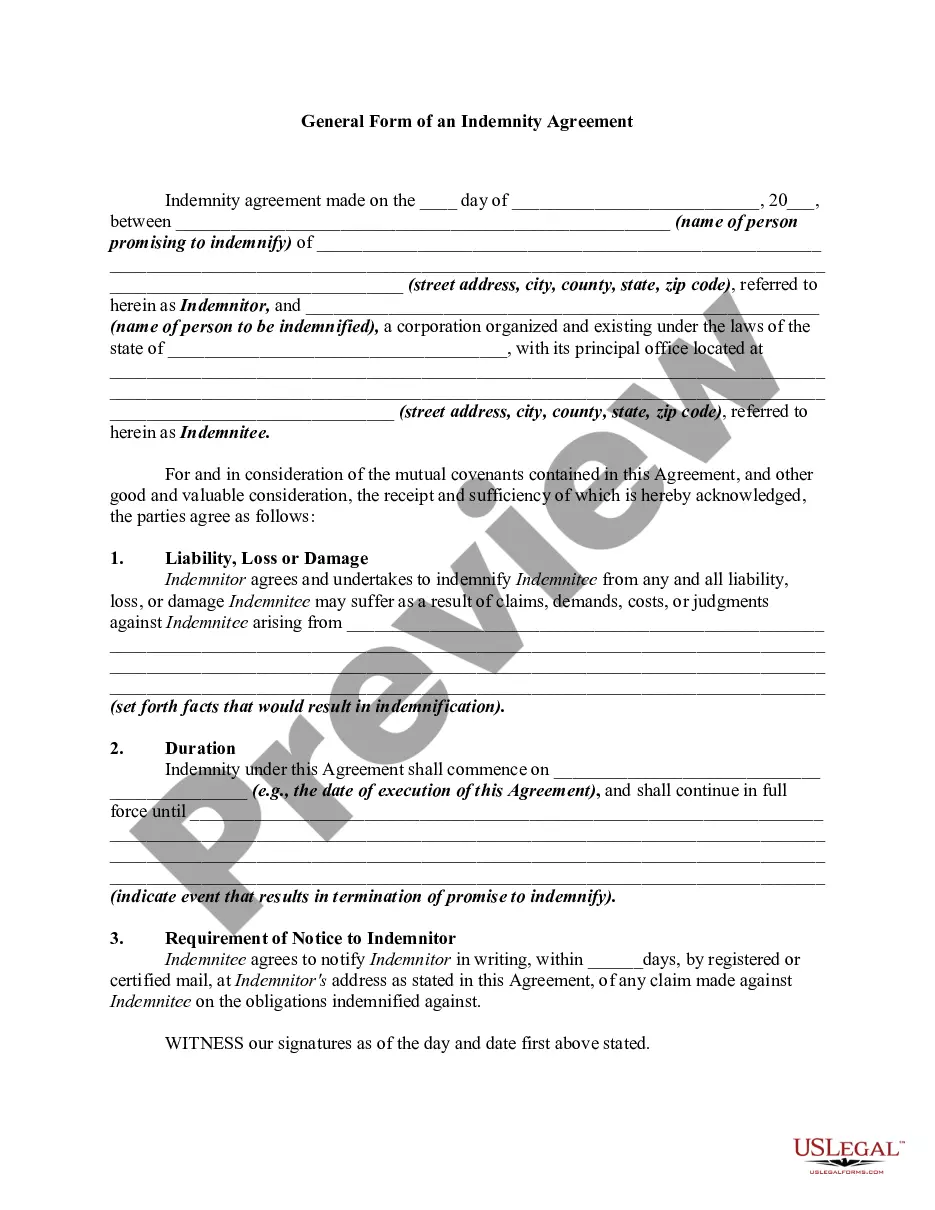
How to fill out General Form Of An Indemnity Agreement?
Acquiring legal documents that comply with federal and state regulations is crucial, and the web provides numerous alternatives to choose from.
However, what’s the use of spending time searching for the accurate Professional Indemnity In Insurance template online when the US Legal Forms digital library has already compiled such documents in one location.
US Legal Forms is the premier online legal repository with over 85,000 editable templates created by attorneys for various professional and personal situations.
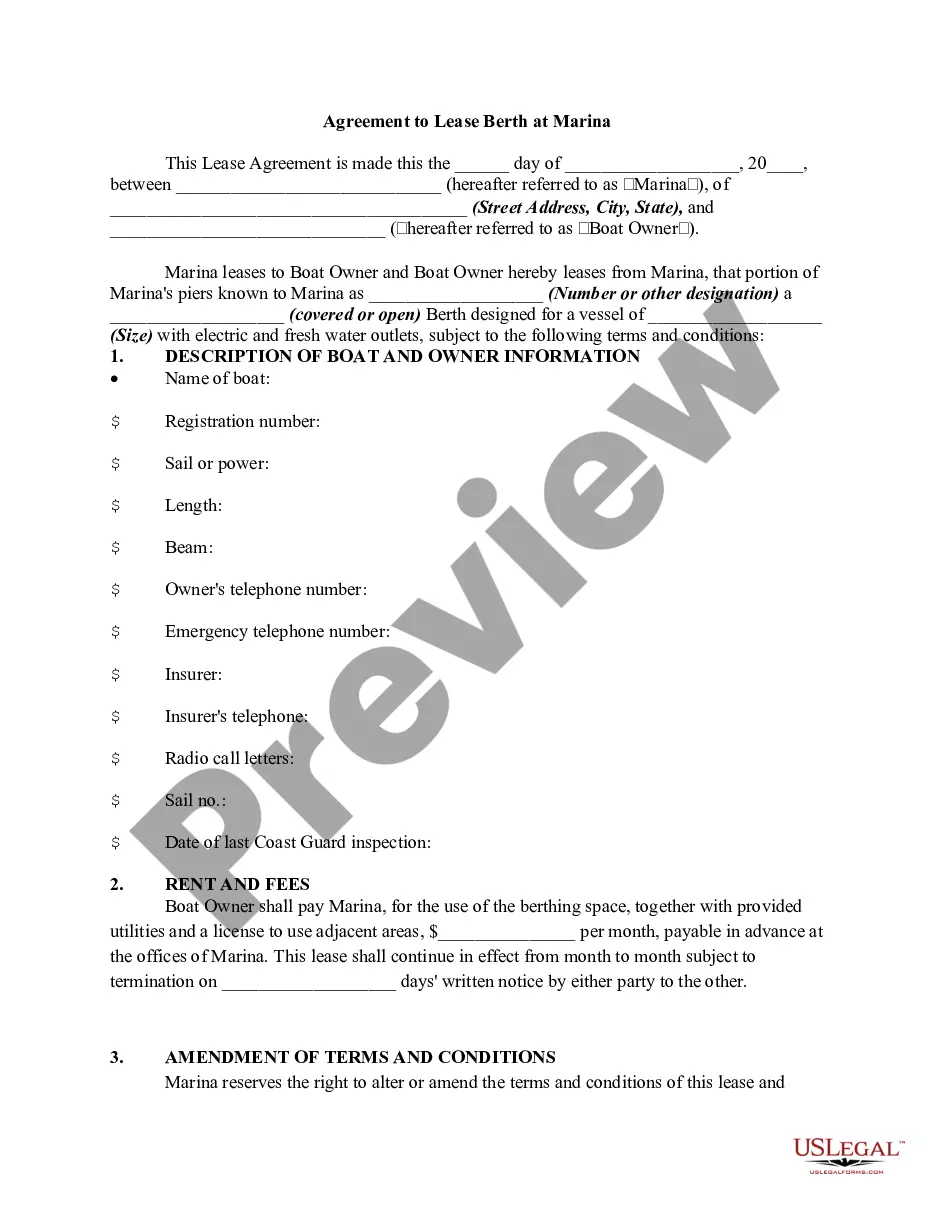
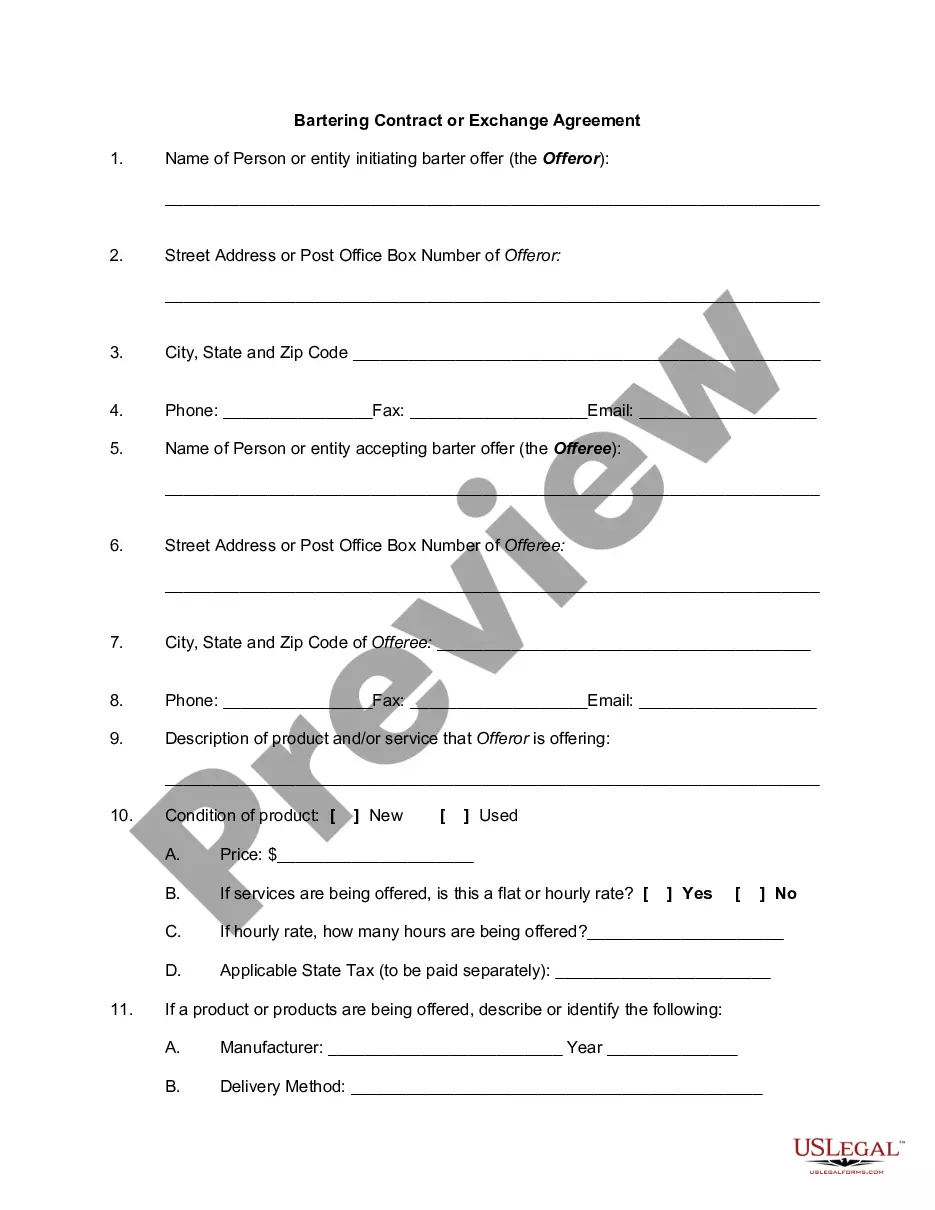
Examine the template using the Preview feature or the text outline to ensure it meets your requirements.
- They are easy to navigate with all documents organized by state and purpose.
- Our specialists stay updated with legislative changes, ensuring your documents are current and compliant when obtaining a Professional Indemnity In Insurance from our platform.
- Getting a Professional Indemnity In Insurance is quick and straightforward for both existing and new clients.
- If you possess an account with an active subscription, Log In and download the document template you need in the appropriate format.
- For newcomers, follow the steps listed below.
Form popularity
FAQ
Deciding between claims-made and occurrence policies depends on your profession and risk tolerance. Claims-made policies often have lower premiums but require careful consideration for long-term coverage. On the other hand, occurrence policies may offer broader protection, making it essential to assess your specific needs carefully.
An example of professional indemnity insurance is a policy that protects an architect against claims filed by a client for design errors. If the client alleges that the architectural plans caused financial losses, this insurance would cover the legal costs and any settlements. This type of insurance helps build trust with your clients by demonstrating your commitment to quality work.
The pivotal difference lies in when the coverage applies. Claims-made policies cover claims reported during the policy duration, while claims-occurring policies cover incidents that took place during the active policy period. This distinction is crucial for understanding your coverage needs.
Various insurers offer professional indemnity insurance to protection for professionals across many fields. This includes lawyers, accountants, consultants, and more. These policies protect you against claims made for errors or omissions while providing your professional services.
Public liability insurance is usually claims-occurring. This means it covers incidents that happen during the policy period, irrespective of when the claim is made. Being aware of these differences helps you assess your insurance needs better.
Similar to professional indemnity insurance, a professional indemnity (PI) claim is also generally considered claims-made. This means that coverage is effective for claims reported during the policy period, not when the incident occurred. Understanding this distinction is vital for managing your risk effectively.
To claim indemnity under your professional indemnity in insurance, you will usually need to notify your insurer as soon as you become aware of a potential claim. You should gather any relevant documents and evidence that support your case. This proactive approach helps ensure a smoother claims process.
The main difference lies in the coverage; general insurance provides broad protection against various risks, while professional indemnity in insurance specifically protects professionals from claims related to their services. Regular insurance might cover property damage or personal injury, while professional indemnity focuses on errors, negligence, and omissions in professional advice or services. It's crucial to recognize these distinctions when considering your insurance options. Ensure you choose the right type of coverage for your business needs.
Professional indemnity insurance (PII) is not mandatory in all industries, but certain professions seek to promote best practices by requiring it. Some regulatory bodies and associations recommend PII to safeguard both professionals and clients. If you operate in a regulated field, check to see if PII is vital for compliance. Understanding the rules will guide you in protecting your business effectively.
You might wonder if you truly need professional indemnity in insurance, and the answer often depends on your field. If you provide services or advice that could lead to financial loss for a client, this insurance is highly recommended. It ensures that you are secured against potential claims, allowing you to focus on your work without worry. Therefore, evaluating your risk exposure can help you decide on its necessity.