Joint And Several Liability For Rent
Description
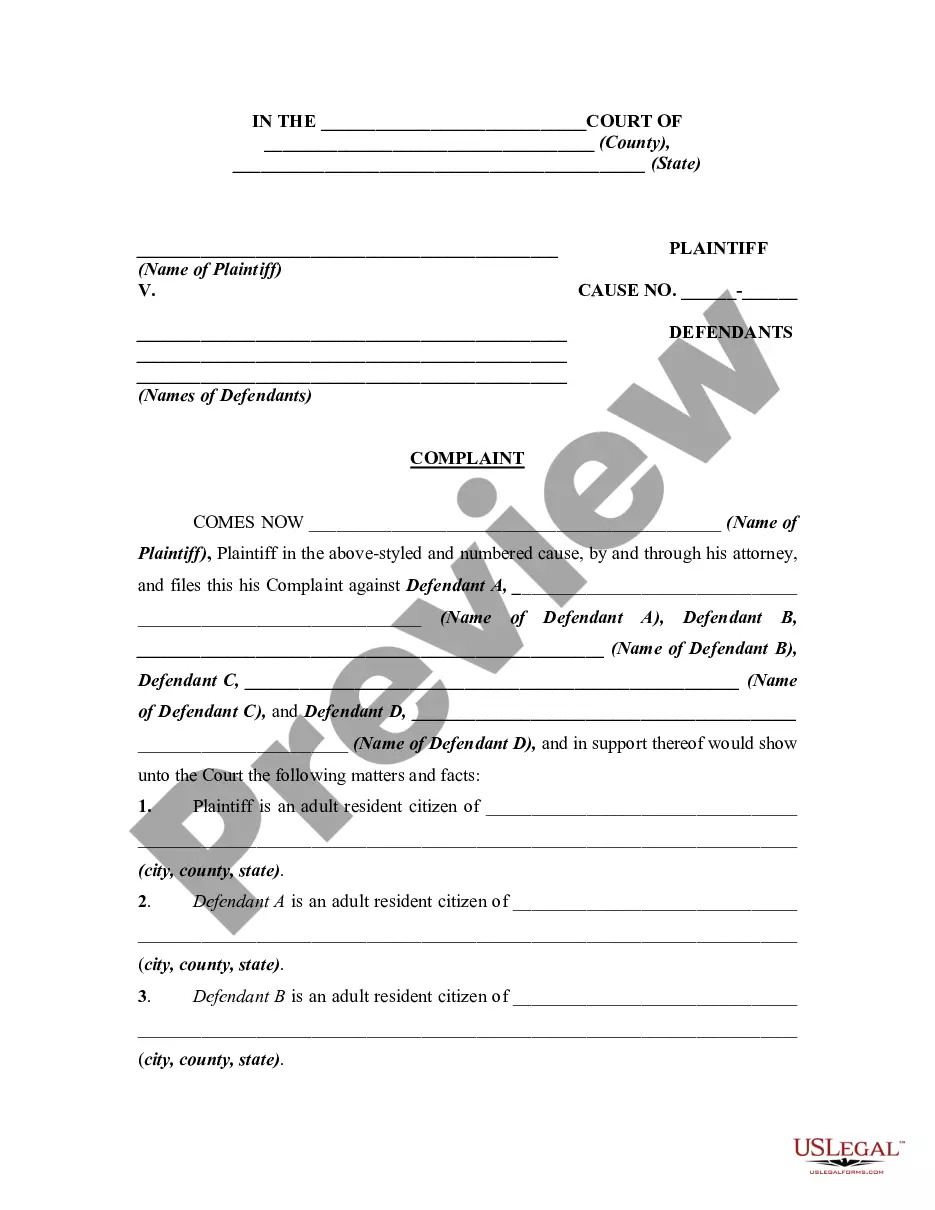
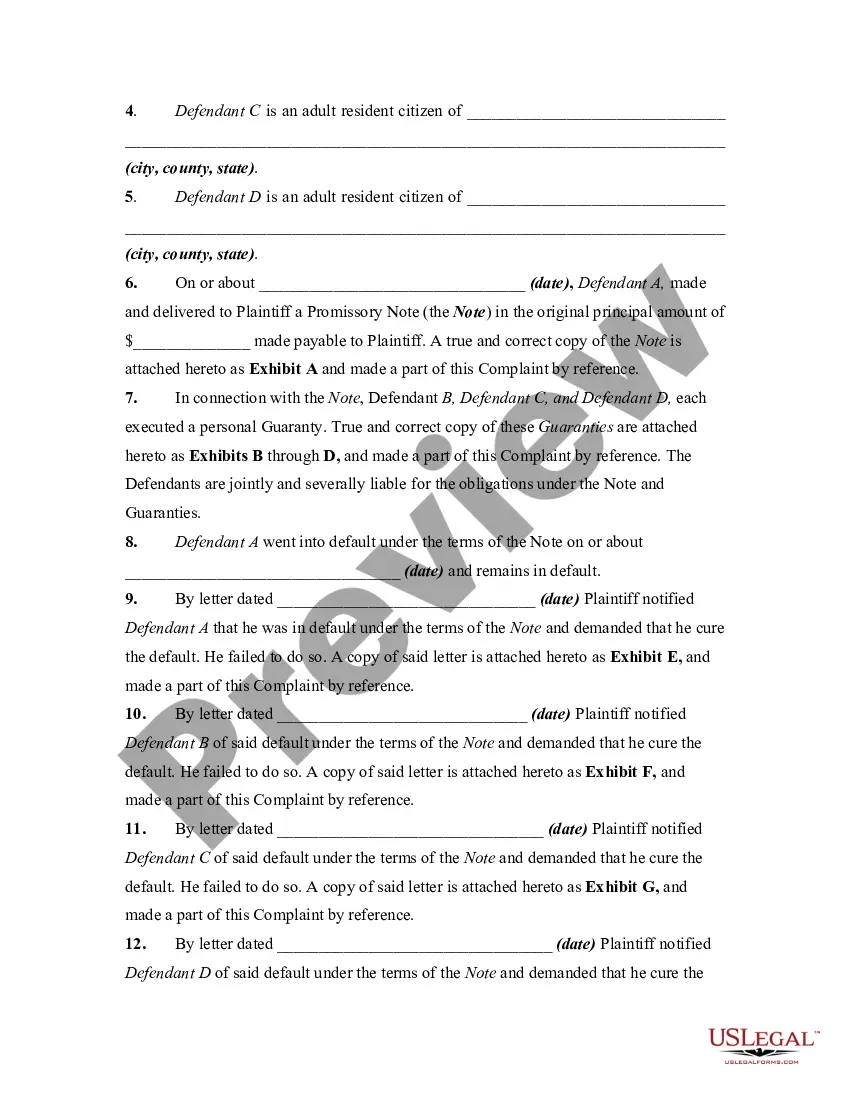
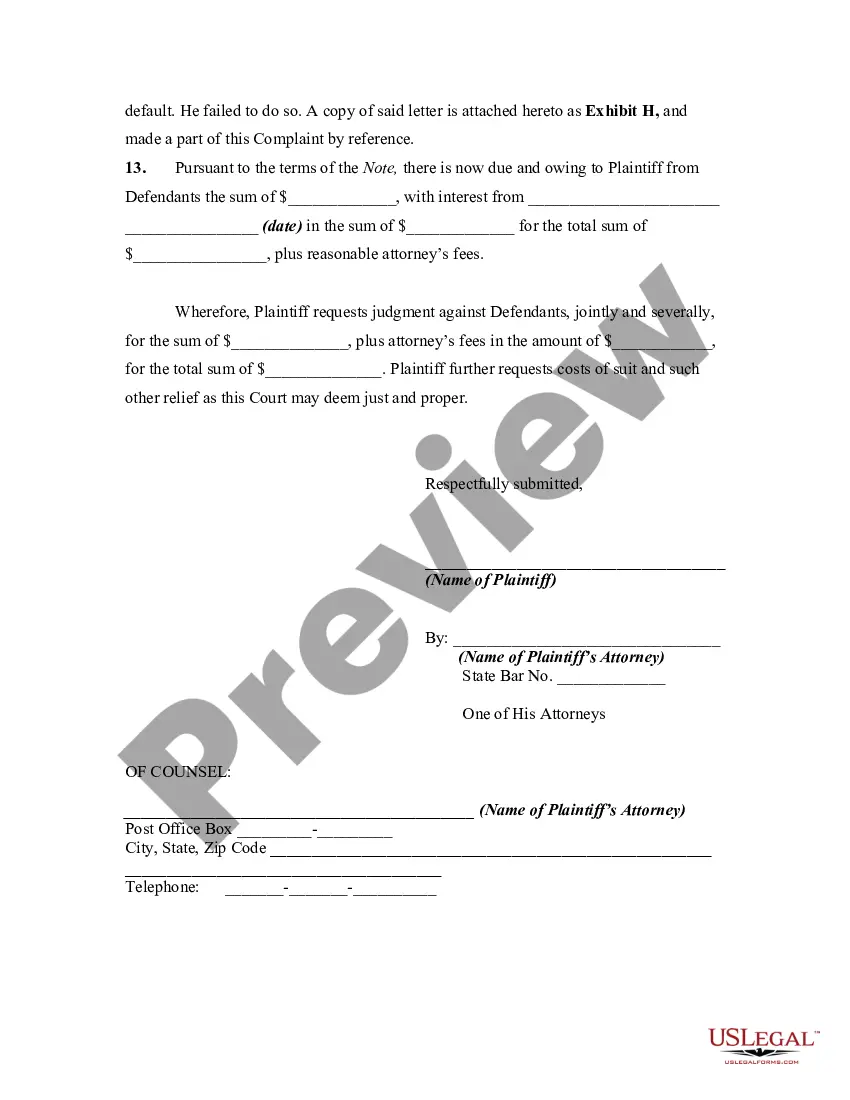

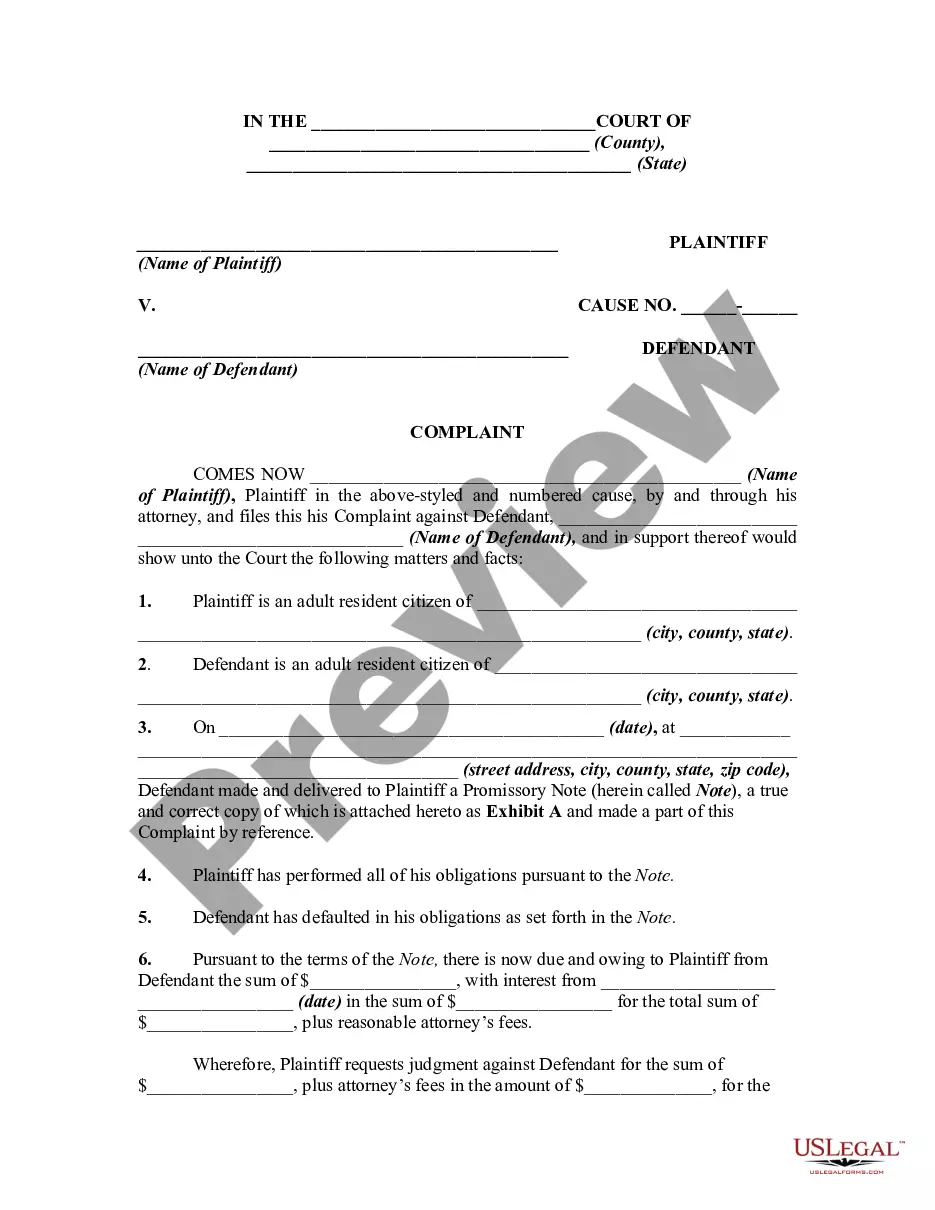


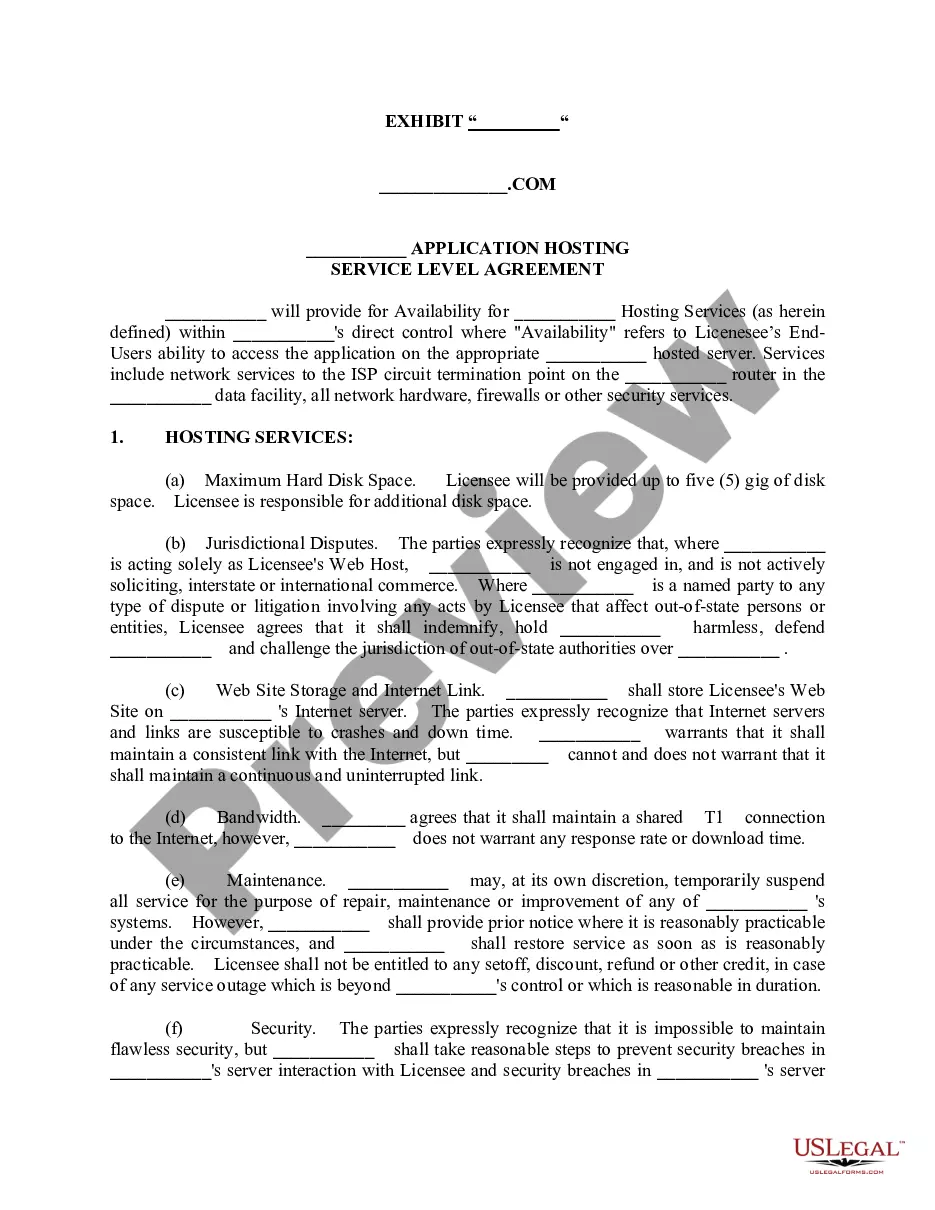

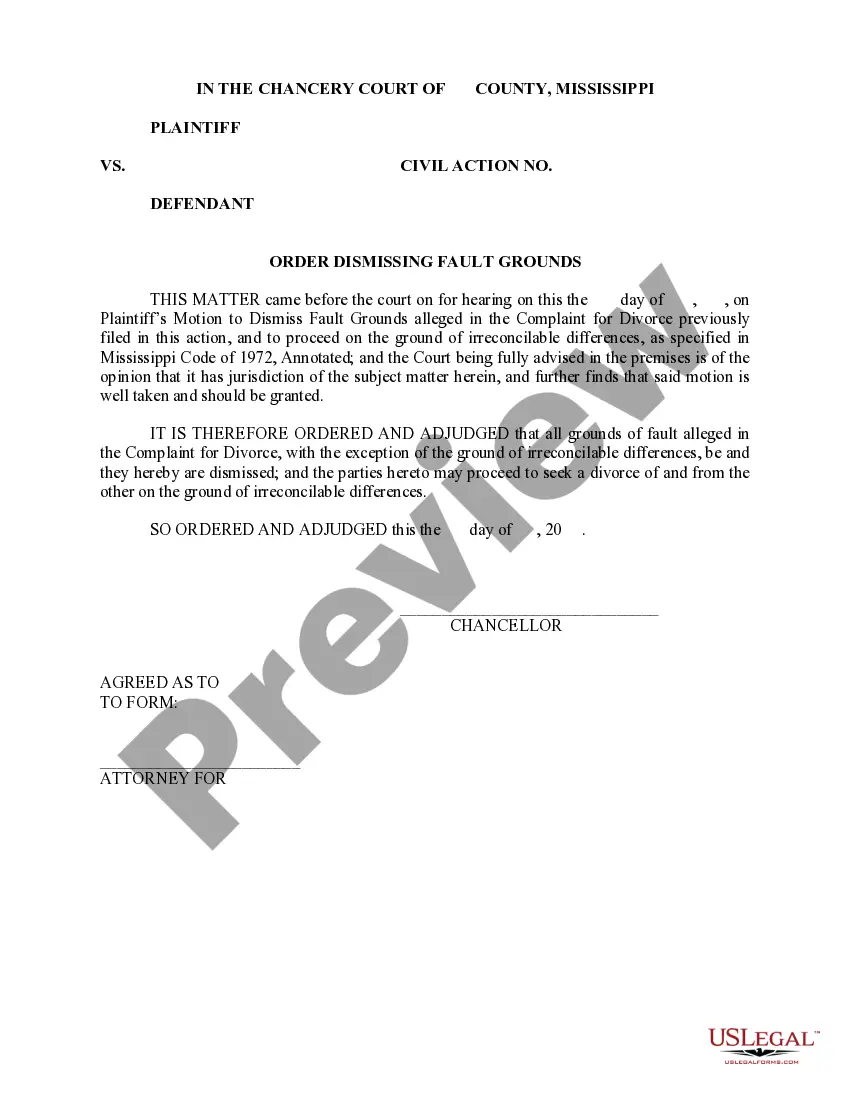
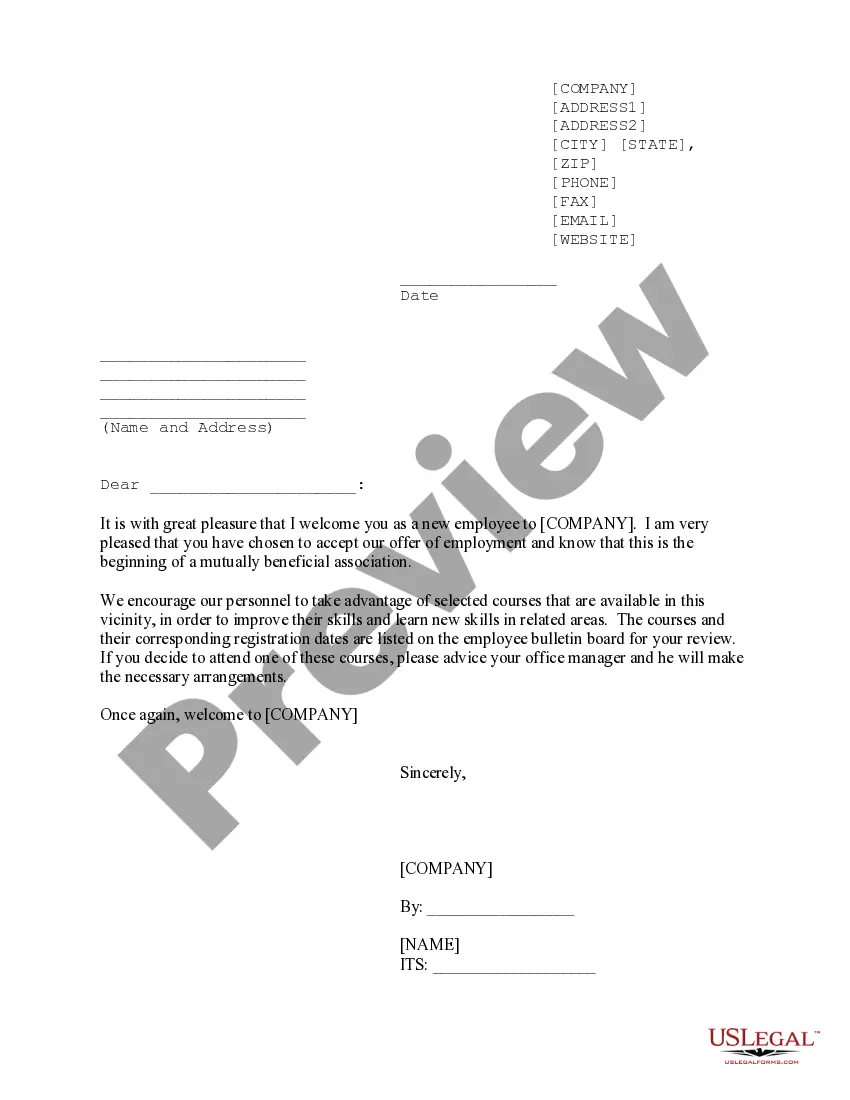
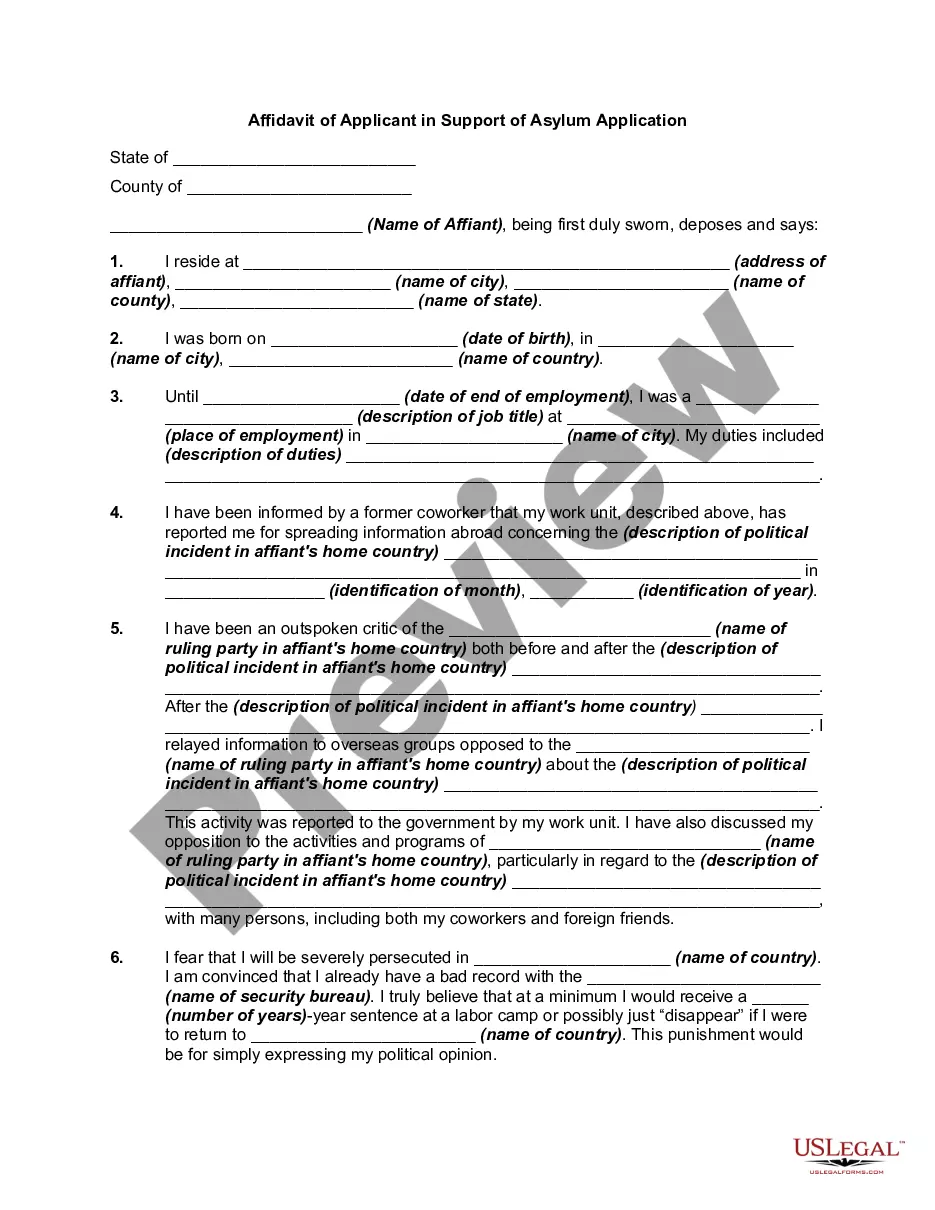
How to fill out Complaint Against Makers Of Promissory Note And Personal Guarantors For Joint And Several Liability?
It’s well known that you cannot become a legal expert instantly, nor can you quickly learn how to prepare Joint And Several Liability For Rent without a specific skill set.
Creating legal documents is a lengthy process that demands a particular education and expertise. So why not entrust the drafting of the Joint And Several Liability For Rent to professionals.
With US Legal Forms, one of the most extensive legal template libraries, you can find everything from court papers to templates for internal business communication. We recognize how important compliance and adherence to federal and state laws and regulations are.
Create a free account and select a subscription plan to acquire the template.
Click Buy now. Once the transaction is complete, you can access the Joint And Several Liability For Rent, fill it out, print it, and deliver it to the designated individuals or entities.
- That’s why, on our platform, all templates are location-specific and current.
- Begin with our website and obtain the document you need in just minutes.
- Find the form you require using the search bar at the top of the page.
- Preview it (if this option is available) and read the accompanying description to determine if Joint And Several Liability For Rent is what you’re looking for.
- If you need another form, start your search again.
Form popularity
FAQ
If an agreement states that you and your roommate(s) are "jointly and severally liable," it's confirming that you're individually and collectively liable for the entire rent. In the event that your roommate(s) fail(s) to pay, you can be held responsible for his/her portion of the rent.
Opponents of the principle of joint and several liability argue that its use is unfair to many defendants. Joint and several liability will lead to cases in which a party who has a very small share of the responsibility for a plaintiff's injury may unfairly shoulder the burden of paying all of the damages.
For example, suppose that A, B, and C negligently injure V. V successfully sues A, B, and C, for $1,000,000. If the court used a joint and several liability system, V could demand that A pay V the full $1,000,000. A could then demand contribution from B and C.
Assign every bill to a roommate Rent is an obvious one, but there are others, including cable/internet, gas, and electric. Reminder: Being responsible for paying the cable bill doesn't mean you control the TV. By assigning each bill to a roommate, it splits up bill payment among the group rather than one single person.
The 'bill-splitting' apportionment method takes the total utility costs of the building that are atributable to rental residential units and related common areas for the prior 12 months and simply divides that by the number of residential units in the building.