Tax Form For Condominium Associations
Description
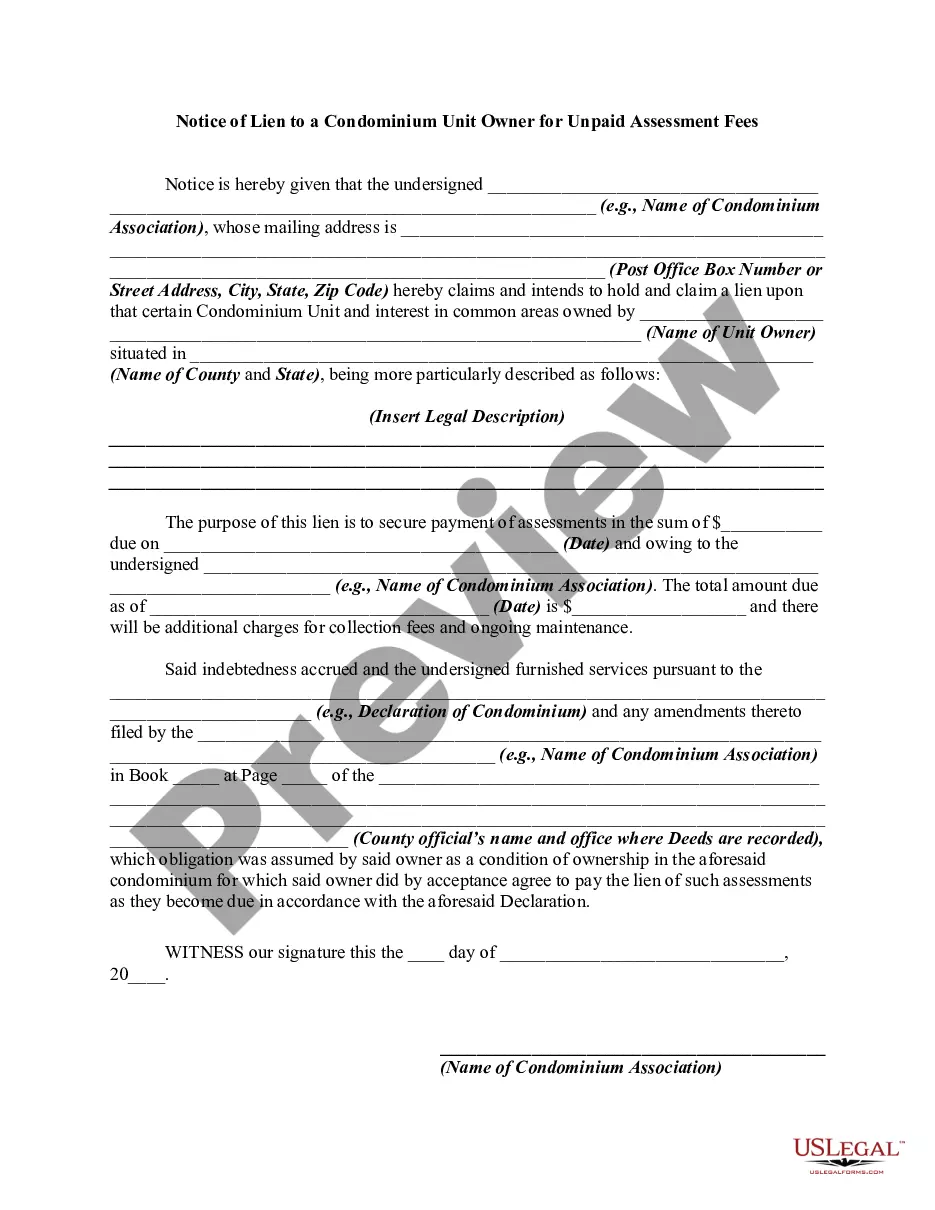
Get your form ready online
Our built-in tools help you complete, sign, share, and store your documents in one place.
Make edits, fill in missing information, and update formatting in US Legal Forms—just like you would in MS Word.
Download a copy, print it, send it by email, or mail it via USPS—whatever works best for your next step.
Sign and collect signatures with our SignNow integration. Send to multiple recipients, set reminders, and more. Go Premium to unlock E-Sign.
If this form requires notarization, complete it online through a secure video call—no need to meet a notary in person or wait for an appointment.
We protect your documents and personal data by following strict security and privacy standards.

Make edits, fill in missing information, and update formatting in US Legal Forms—just like you would in MS Word.

Download a copy, print it, send it by email, or mail it via USPS—whatever works best for your next step.

Sign and collect signatures with our SignNow integration. Send to multiple recipients, set reminders, and more. Go Premium to unlock E-Sign.

If this form requires notarization, complete it online through a secure video call—no need to meet a notary in person or wait for an appointment.

We protect your documents and personal data by following strict security and privacy standards.
Looking for another form?

How to fill out Notice Of Lien To A Condominium Unit Owner For Unpaid Assessment Fees?
Handling legal documents and processes can be a lengthy addition to your schedule.
Tax Form For Condominium Associations and similar documents typically necessitate that you search for them and comprehend how to fill them out proficiently.
Thus, whether you are managing financial, legal, or personal affairs, utilizing a comprehensive and user-friendly online directory of forms when you require it will prove beneficial.
US Legal Forms is the premier online platform for legal templates, featuring over 85,000 state-specific forms and a variety of tools that aid you in completing your documentation with ease.
Simply Log In to your account, locate Tax Form For Condominium Associations, and download it immediately from the My documents section. You can also retrieve previously saved forms.
- Browse the selection of suitable documents available to you with just one click.
- US Legal Forms provides you with state- and county-specific forms that can be downloaded at any time.
- Protect your document management processes with a superior service that allows you to create any form in minutes without any extra or concealed fees.
Form popularity
FAQ
The federal tax form typically used by condo associations is Form 1120-H, which is specifically designed for homeowners associations. This form allows associations to report their income and claim deductions for expenses related to the operation of the condominium. Filing this tax form for condominium associations can streamline tax management and ensure compliance with IRS regulations. Resources available at U.S. Legal Forms can assist associations in preparing and filing this essential document.
Homeowners associations may need to file 1099s if they make payments to vendors or contractors exceeding $600 in a calendar year. This requirement applies to various services, including maintenance and repairs. By filing the appropriate 1099 forms, associations fulfill their tax obligations and help ensure proper reporting for their service providers. Utilizing resources like U.S. Legal Forms can simplify this process and provide the necessary forms.
Yes, a condo association must file a tax return if it generates income beyond a certain threshold. Typically, the IRS requires condominium associations to file a federal tax form for condominium associations, which helps to report income from dues and other sources. Filing this tax return ensures compliance with federal regulations and can prevent potential penalties. It's important for associations to stay informed about their tax obligations to maintain good standing.
Homeowners associations should typically file Form 1120-H, as it offers specific benefits tailored to their needs. Form 1120 is generally for corporations that do not qualify for the benefits available under Form 1120-H. Choosing the correct tax form for condominium associations ensures that the HOA can take advantage of tax exemptions and simplify the filing process. For more guidance and resources, consider exploring the capabilities of the US Legal Forms platform.
A condo association operates similarly to a business but primarily focuses on managing the shared interests of its residents. While it may not be a traditional business entity, it does engage in financial activities that require tax reporting. Thus, recognizing the tax form for condominium associations is important for its compliance and operational efficiency.
Yes, a condo association must file a tax return. Depending on its structure and income, it often uses Form 1120-H. Filing a tax return helps the association maintain transparency and manage its financial responsibilities effectively. Therefore, understanding the tax form for condominium associations is essential for proper governance.
The tax return form for homeowners associations (HOA) is typically Form 1120-H. This form is specifically designed for condominium associations and similar entities. It allows these organizations to report their income and expenses accurately while benefiting from certain tax exemptions. Using the correct tax form for condominium associations is crucial for compliance and financial health.
Filling out a tax form involves gathering all necessary financial information first, such as income and expenses. It is crucial to follow the specific instructions provided for each form, especially for tax forms for condominium associations. Take your time to review each section carefully, and consider using software or professional services to streamline the process. If you need additional help, platforms like uslegalforms offer guidance and resources tailored for your needs.
Common tax document mistakes include incorrectly reporting income, failing to file on time, and not keeping accurate records. For condominium associations, overlooking deductions or misclassifying expenses can lead to financial setbacks. It is important to double-check all entries and maintain thorough documentation to minimize errors. Utilizing resources like uslegalforms can assist in ensuring your tax documents are filled out correctly.
Tax form 5329 is used to report additional taxes on qualified retirement plans and IRAs. Specifically, it addresses issues such as early distributions and excess contributions that could lead to penalties. For condominium associations managing retirement plans for their staff, understanding how to use tax form 5329 is essential to avoid unnecessary fines. This form helps in accurately calculating any additional taxes owed.