Condominium Owner Without Hoa
Description
Get your form ready online
Our built-in tools help you complete, sign, share, and store your documents in one place.
Make edits, fill in missing information, and update formatting in US Legal Forms—just like you would in MS Word.
Download a copy, print it, send it by email, or mail it via USPS—whatever works best for your next step.
Sign and collect signatures with our SignNow integration. Send to multiple recipients, set reminders, and more. Go Premium to unlock E-Sign.
If this form requires notarization, complete it online through a secure video call—no need to meet a notary in person or wait for an appointment.
We protect your documents and personal data by following strict security and privacy standards.

Make edits, fill in missing information, and update formatting in US Legal Forms—just like you would in MS Word.

Download a copy, print it, send it by email, or mail it via USPS—whatever works best for your next step.

Sign and collect signatures with our SignNow integration. Send to multiple recipients, set reminders, and more. Go Premium to unlock E-Sign.

If this form requires notarization, complete it online through a secure video call—no need to meet a notary in person or wait for an appointment.

We protect your documents and personal data by following strict security and privacy standards.
Looking for another form?





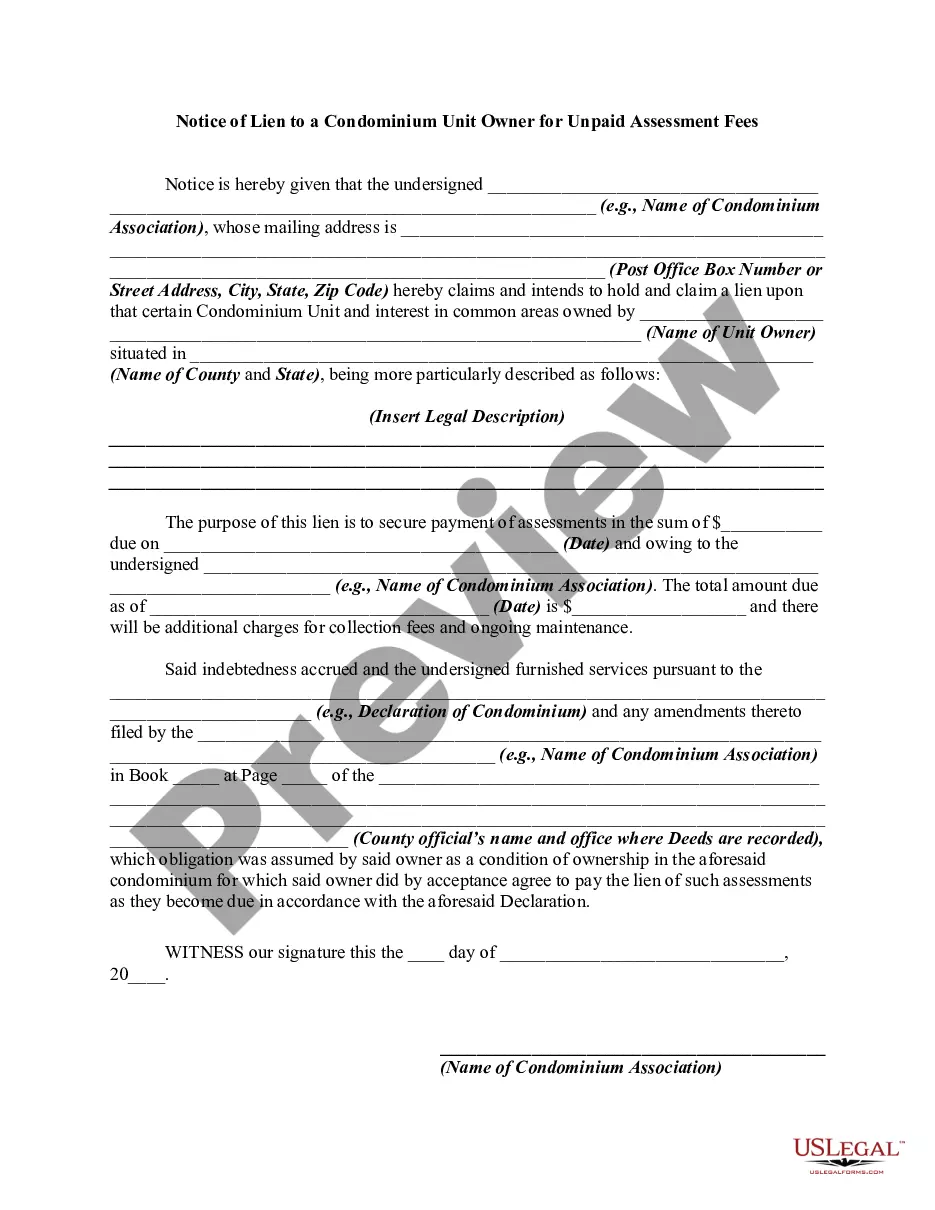
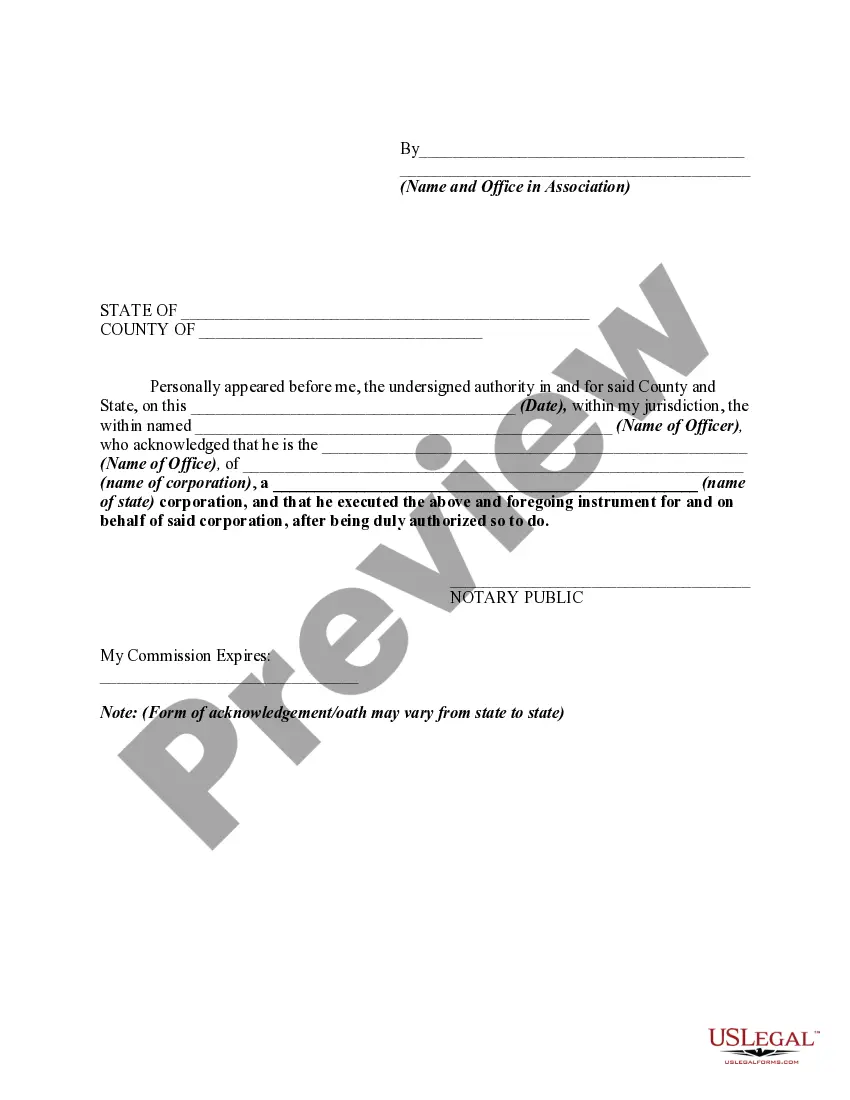
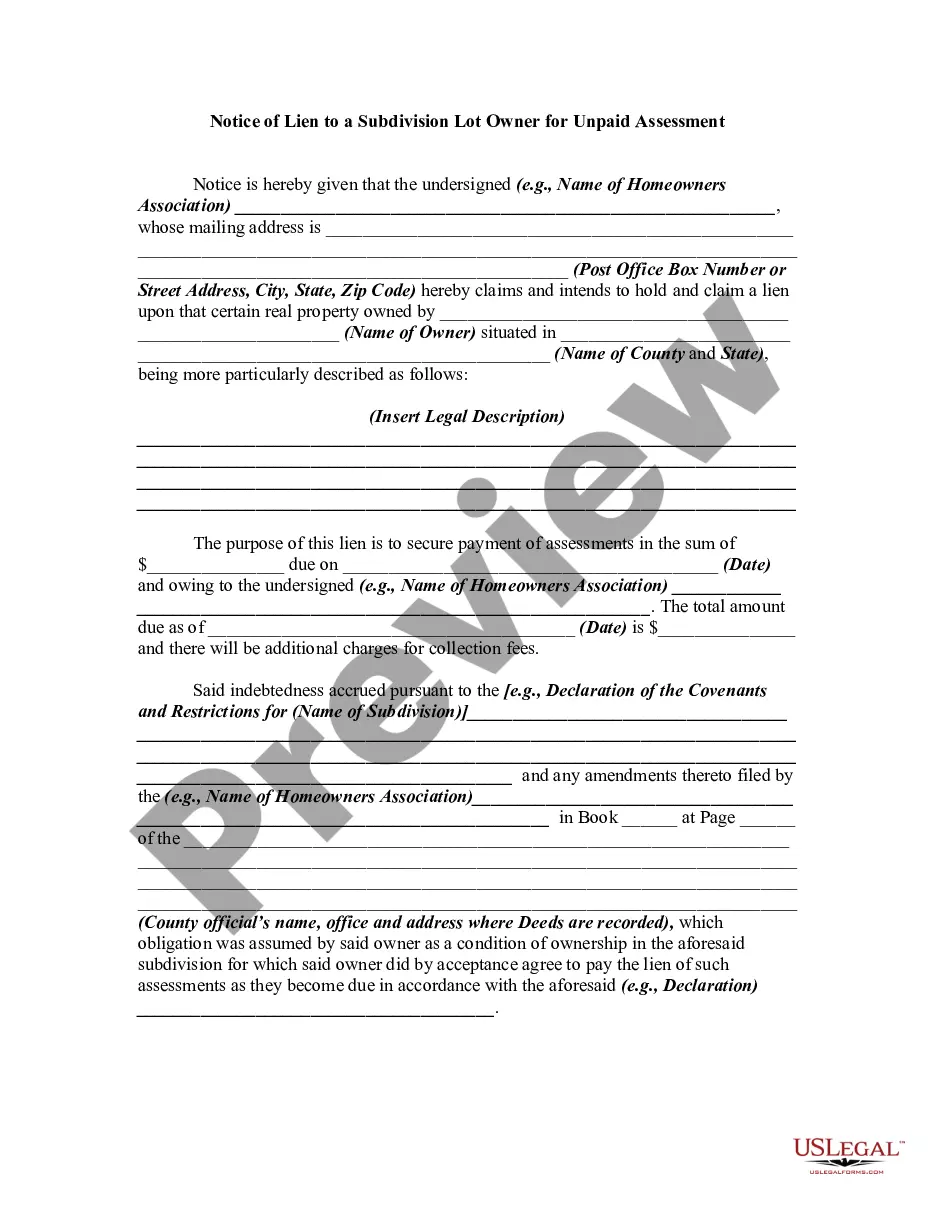
How to fill out Notice Of Lien To A Condominium Unit Owner For Unpaid Assessment Fees?
Managing legal documents can be daunting, even for experienced experts.
When you are looking for a Condominium Owner Without Hoa and don’t have the opportunity to spend time searching for the correct and current version, the process can be taxing.
Access legal and organizational forms specific to your state or county. US Legal Forms accommodates any needs you may have, from personal to business documents, all in one location.
Utilize cutting-edge tools to complete and manage your Condominium Owner Without Hoa.
Here are the steps to take after downloading the form you need: Validate that it is the correct form by previewing it and reviewing its details. Ensure that the sample is valid in your state or county. Click Buy Now when you are ready. Select a monthly subscription plan. Choose the file format you prefer, and Download, fill out, sign, print, and send your document. Take advantage of the US Legal Forms online repository, supported by 25 years of expertise and reliability. Streamline your regular document management into a seamless and user-friendly process today.
- Access a resource library of articles, guides, manuals, and materials pertinent to your situation and requirements.
- Save time and effort searching for the documents you need, and leverage US Legal Forms’ advanced search and Review tool to find Condominium Owner Without Hoa and obtain it.
- If you have a monthly subscription, Log In to your US Legal Forms account, search for the form, and download it.
- Check your My documents tab to view the documents you have previously downloaded and to organize your files as you wish.
- If this is your first experience with US Legal Forms, create an account and gain unlimited access to all the advantages of the library.
- A comprehensive online form repository could revolutionize the way anyone handles these scenarios.
- US Legal Forms is a leader in the realm of online legal documents, offering over 85,000 state-specific legal forms accessible to you anytime.
- With US Legal Forms, you can.
Form popularity
FAQ
The new law in Colorado introduces several changes aimed at increasing transparency and accountability within HOAs. For a condominium owner without HOA, this law may not directly apply, but it sets a precedent for community governance. It emphasizes the importance of clear communication between property owners and any existing associations. Understanding these regulations can help you navigate potential future developments in community management.
When a condo has no HOA, it signifies that there is no governing body to enforce rules or manage shared spaces. As a condominium owner without HOA, you enjoy greater flexibility regarding property modifications and usage. However, it also means that you and your neighbors must collaborate to maintain common areas and resolve disputes. This arrangement can foster a strong sense of community when managed well.
To prove there is no HOA, you can start by reviewing the property deed or title. These documents often outline any existing associations tied to the property. Additionally, local property records can provide clarity on whether an HOA exists. For assistance in verifying your status as a condominium owner without HOA, consider utilizing uslegalforms, which can guide you through the necessary steps.
Not all condos require an HOA. Some condominiums are designed without an association, allowing for more flexibility for owners. If you prefer a lifestyle as a condominium owner without HOA, you can look for properties in areas known for such configurations. This option grants you the ability to manage your property independently.
Bypassing the HOA typically involves choosing to live in a community where no HOA exists. If you are currently in a condo governed by an HOA, you may need to follow their rules and regulations. However, becoming a condominium owner without HOA offers you the freedom to avoid such constraints altogether. If you seek guidance on properties without HOAs, consider using platforms like uslegalforms to find the right solutions.
When a house has no HOA, it means that there is no homeowners association governing the property. As a condominium owner without HOA, you have more freedom in managing your property. You can make decisions about your home without needing approval from an association. This setup often appeals to those who prefer more autonomy in their living arrangements.
In homeowners association cases, the Complaint shall be filed in the RAB which has jurisdiction over the region where the association is registered with the DHSUD.
Providing a signed ?no HOA letter??also known as an affidavit?is one way to show that, you as a seller, are honest and forthcoming about the home. But buyers must beware. Just because a home isn't currently part of an HOA, doesn't mean it will remain independent of the planned development once it is sold.
Can you refuse to join a Homeowner's Association? The short answer is yes. Under the law, all homeowners are qualified to join a HOA, but they are not required or mandated to be members. Membership is optional unless it's stipulated in the Deed of Sale or relevant documents are annotated in the title of the property.
Typically, mandatory HOA membership is legally required upon purchasing a property in an HOA-governed community, while voluntary HOA membership is optional. In some instances, even if you're not part of a voluntary HOA, you might still be subject to specific community rules and restrictions.