Condo Unit Owner For Rent
Description
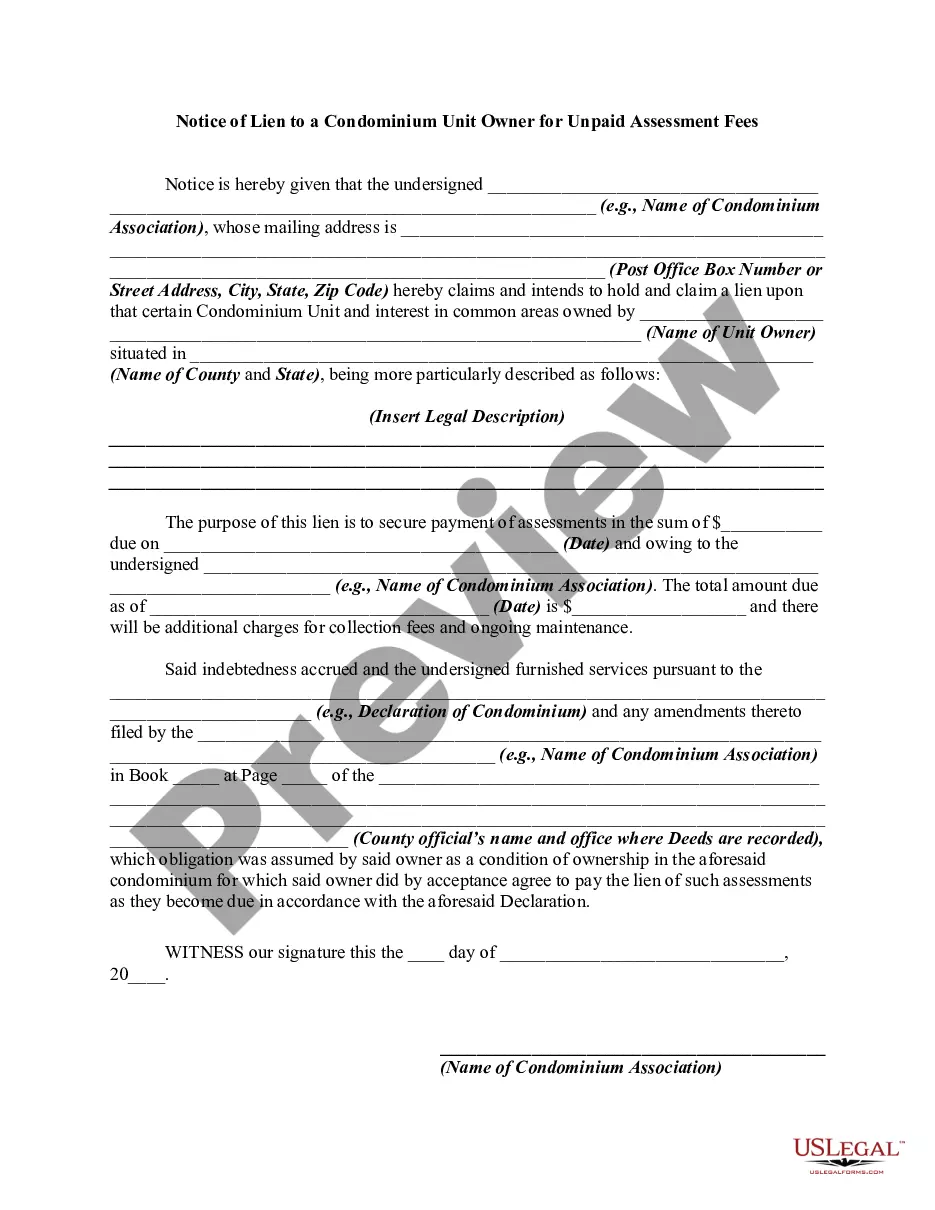
Get your form ready online
Our built-in tools help you complete, sign, share, and store your documents in one place.
Make edits, fill in missing information, and update formatting in US Legal Forms—just like you would in MS Word.
Download a copy, print it, send it by email, or mail it via USPS—whatever works best for your next step.
Sign and collect signatures with our SignNow integration. Send to multiple recipients, set reminders, and more. Go Premium to unlock E-Sign.
If this form requires notarization, complete it online through a secure video call—no need to meet a notary in person or wait for an appointment.
We protect your documents and personal data by following strict security and privacy standards.

Make edits, fill in missing information, and update formatting in US Legal Forms—just like you would in MS Word.

Download a copy, print it, send it by email, or mail it via USPS—whatever works best for your next step.

Sign and collect signatures with our SignNow integration. Send to multiple recipients, set reminders, and more. Go Premium to unlock E-Sign.

If this form requires notarization, complete it online through a secure video call—no need to meet a notary in person or wait for an appointment.

We protect your documents and personal data by following strict security and privacy standards.
Looking for another form?
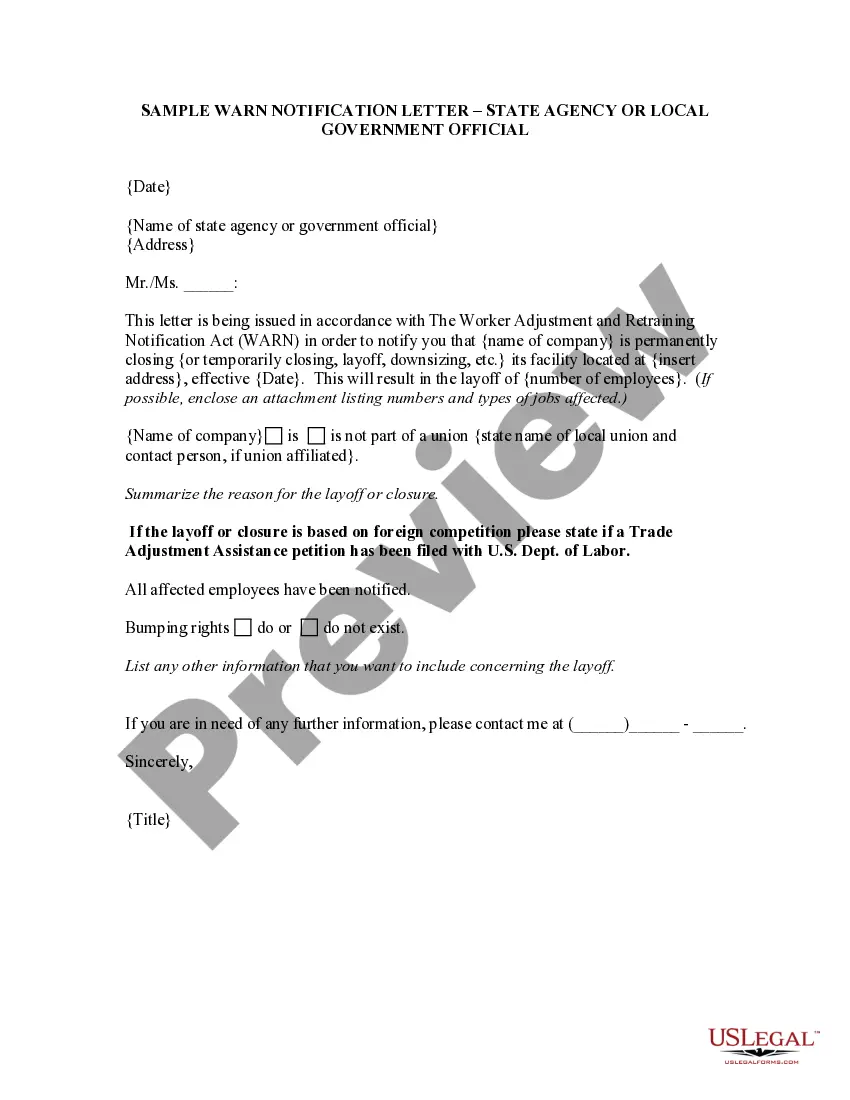






How to fill out Notice Of Lien To A Condominium Unit Owner For Unpaid Assessment Fees?
It’s well known that you cannot instantly become a legal specialist, nor can you quickly master how to draft a Condo Unit Owner For Rent without possessing a specific skill set.
Crafting legal documents is a lengthy process that necessitates certain education and expertise. So why not entrust the preparation of the Condo Unit Owner For Rent to the specialists.
With US Legal Forms, one of the most extensive legal template collections, you can access everything from court documents to formats for internal business communication. We understand how important it is to comply with and adhere to federal and local laws and regulations. That’s why, on our site, all forms are location specific and current.
You can revisit your forms from the My documents section at any time. If you’re a current customer, you can easily Log In, and locate and download the template from the same section.
Regardless of the purpose of your documents—whether financial, legal, or personal—our website has you covered. Try US Legal Forms today!
- Find the form you need using the search bar at the top of the page.
- View it (if this option is available) and read the accompanying description to see if Condo Unit Owner For Rent is what you require.
- Begin your search again if you need another template.
- Create a free account and choose a subscription plan to buy the template.
- Click Buy now. Once the payment is completed, you can obtain the Condo Unit Owner For Rent, fill it out, print it, and send or deliver it to the appropriate individuals or organizations.
Form popularity
FAQ
Yes, you can turn a condo into a rental property, but it's crucial to check the homeowner association (HOA) rules first. Many associations have specific regulations regarding rentals, which may include restrictions on the duration or number of rentals allowed. If you plan to rent out your condo, make sure to comply with these rules to avoid penalties. Engaging with a condo unit owner for rent can provide insight into successful rental practices and local regulations.
A credit score of 620 or higher is typically recommended for rent-to-own agreements, but some owners may accept lower scores depending on their criteria. A good credit score demonstrates your reliability as a tenant and future owner. If you are interested in a condo unit owner for rent with a rent-to-own option, check with the owner about their specific requirements. You can also use platforms like uslegalforms to understand your rights and obligations in such agreements.
The 30% rule suggests that you should aim to spend no more than 30% of your monthly income on housing costs. This guideline helps ensure that you can manage your other expenses comfortably. When considering a condo unit owner for rent, it's wise to calculate your budget based on this rule. This approach can also strengthen your rental application, showing that you are financially responsible.
Renting from a private owner can be different than renting from a property management company. Often, private owners have more flexibility in negotiations, allowing you to discuss terms directly. However, they may also have stricter requirements since they rely on personal vetting. It's essential to communicate clearly and understand the expectations when dealing with a condo unit owner for rent.
Information You Must Give the Condominium Corporation Your intention to rent your unit, including: an address where you can be personally served with documents. ... The name of the tenant renting the unit. This notice must be provided within 20 days of the tenancy starting. When you decide to stop renting your unit.
Renting your unit Before you rent your unit, you must give written notice to the condominium corporation of: ? your intention to rent out your unit ? an address where you can be personally served with documents; and ? how much rent you will be charging.
Any apartment, house, condo, basement or mobile home that someone has lived in since before Nov. 15, 2018 is covered by rent control. That doesn't mean rent can't go up. It means that rent can be increased once a year and the provincial government decides by how much.
You can't be prohibited from renting your unit No condo corporation in Ontario can prevent an owner from renting out their unit. What they can do, however, is set minimum rental periods: In some buildings, rental periods may be no less than 30 days; in others, the rental periods may be no less than one year.
New residential apartment buildings, condos or houses that were occupied for the first time as of November 15, 2018, are not rent controlled. Landlords can increase the rent year-to-year to whatever they want and they are not required to follow any guidelines.