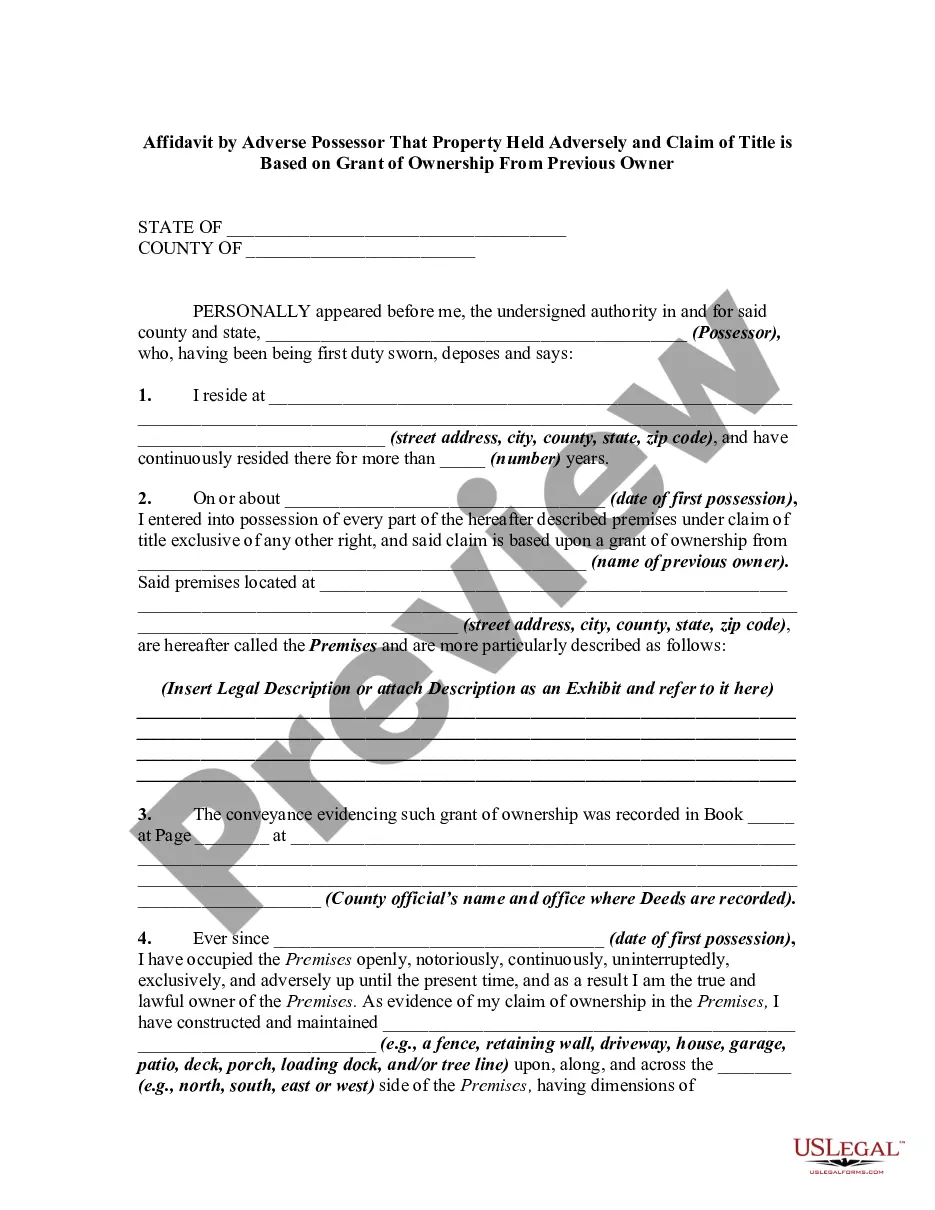
Affidavit Of Adverse Possession In Texas
Description

Get your form ready online
Our built-in tools help you complete, sign, share, and store your documents in one place.
Make edits, fill in missing information, and update formatting in US Legal Forms—just like you would in MS Word.
Download a copy, print it, send it by email, or mail it via USPS—whatever works best for your next step.
Sign and collect signatures with our SignNow integration. Send to multiple recipients, set reminders, and more. Go Premium to unlock E-Sign.
If this form requires notarization, complete it online through a secure video call—no need to meet a notary in person or wait for an appointment.
We protect your documents and personal data by following strict security and privacy standards.

Make edits, fill in missing information, and update formatting in US Legal Forms—just like you would in MS Word.

Download a copy, print it, send it by email, or mail it via USPS—whatever works best for your next step.

Sign and collect signatures with our SignNow integration. Send to multiple recipients, set reminders, and more. Go Premium to unlock E-Sign.

If this form requires notarization, complete it online through a secure video call—no need to meet a notary in person or wait for an appointment.

We protect your documents and personal data by following strict security and privacy standards.
Looking for another form?
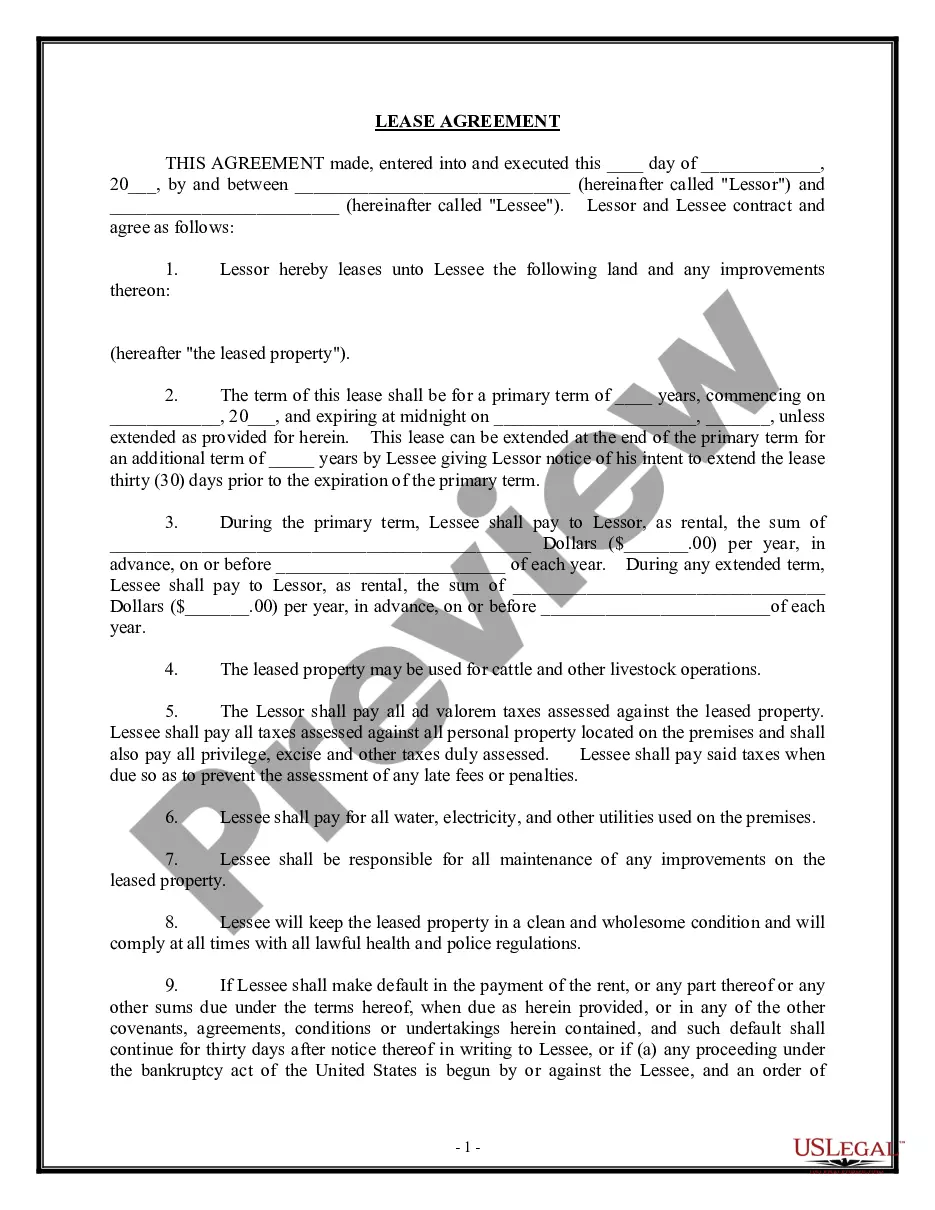
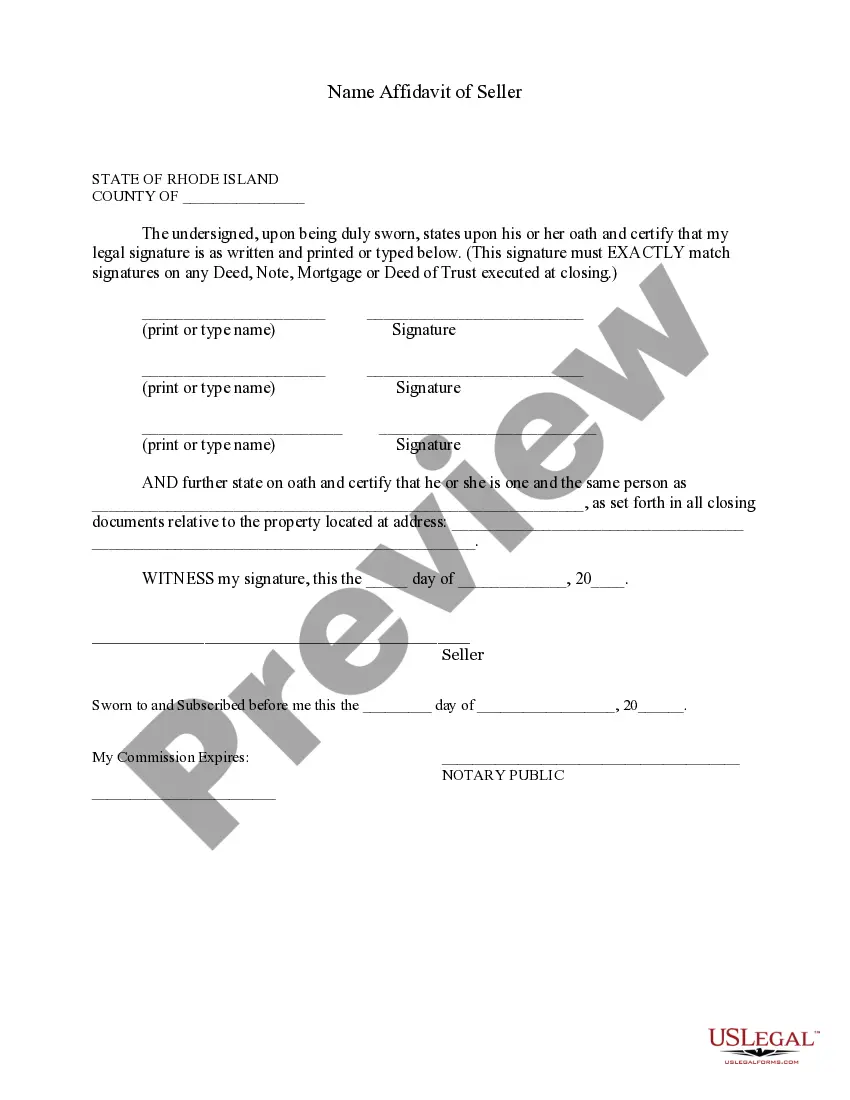
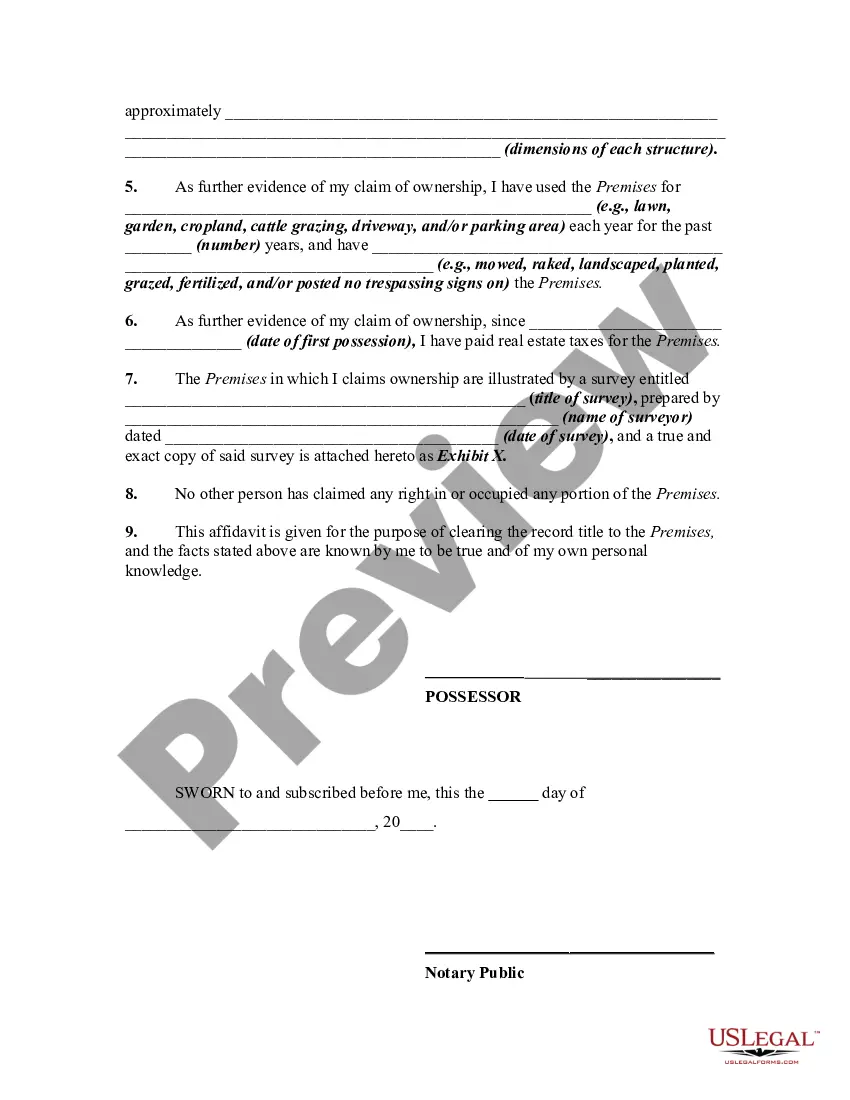
How to fill out Affidavit By Adverse Possessor That Property Held Adversely And Claim Of Title Is Based On Grant Of Ownership From Previous Owner - Squatters Rights?
Whether for commercial reasons or for individual matters, everyone must confront legal situations eventually in their life.
Completing legal documents requires meticulous focus, starting with choosing the suitable form example.
With a vast US Legal Forms catalog available, you will never need to waste time searching for the correct template across the web. Utilize the library's straightforward navigation to find the right template for any situation.
- Obtain the template you require using the search box or catalog browsing.
- Review the form’s description to ensure it suits your situation, region, and county.
- Click on the form’s preview to assess it.
- If it is the wrong form, return to the search tool to find the Affidavit Of Adverse Possession In Texas template you need.
- Acquire the document when it meets your specifications.
- If you already possess a US Legal Forms account, simply click Log in to access previously stored documents in My documents.
- If you do not yet have an account, you can obtain the form by clicking Buy now.
- Select the suitable pricing option.
- Fill out the profile registration form.
- Choose your payment method: use a credit card or PayPal account.
- Select the file format you desire and download the Affidavit Of Adverse Possession In Texas.
- Once saved, you can fill out the form using editing software or print it and fill it out by hand.
Form popularity
FAQ
A required element for acquiring ownership through adverse possession is that your possession must be exclusive and without the consent of the true owner. This means you cannot share possession with anyone else or have permission to use the property. Creating an Affidavit of adverse possession in Texas can help clarify your intent and strengthen your claim.
To acquire property by adverse possession in Texas, you must meet several requirements. These include open and notorious possession, continuous usage for at least ten years, and paying any applicable property taxes. Drafting an Affidavit of adverse possession in Texas highlights these points effectively, presenting a clear claim for ownership.
In Texas, the time frame to file an adverse possession claim is generally ten years, starting from the date you begin your possession. However, this period can vary based on specific circumstances, such as the payment of property taxes. To navigate this timeline successfully, it's often helpful to consult legal resources, including an Affidavit of adverse possession in Texas, to ensure you are on track.
In Texas, the requirements for an adverse possession claim include possessing the property continuously for 10 years, paying property taxes, and meeting the other legal conditions outlined in the law. You must also demonstrate that your possession was against the interests of the true owner. Utilizing an Affidavit of adverse possession in Texas can facilitate this legal process, ensuring you meet all necessary criteria.
To claim a property through adverse possession in Texas, you must provide evidence that your possession of the property was actual, open, notorious, exclusive, and hostile. Each of these elements must be satisfied for a claim to be valid. A well-prepared Affidavit of adverse possession in Texas can help present your case effectively.
Adverse possession is a legal doctrine that allows a person to claim ownership of land under certain conditions. In Texas, this means that if someone possesses a piece of property openly, continuously, and without permission for a specific period, they may eventually gain legal title to it. This concept is crucial for anyone looking to understand how to use the Affidavit of adverse possession in Texas for property claims.
To prove adverse possession in Texas, you must demonstrate that you have met all five requirements outlined by the law. This includes showing actual, open, exclusive, continuous, and hostile possession of the property. Collecting evidence, such as photographs, witness statements, and an affidavit of adverse possession in Texas, can strengthen your case significantly. Organizing your proof effectively plays a critical role in validating your claim and achieving property ownership.
Acquiring real property by adverse possession in Texas typically takes 10 years, as per the standard statutory period. However, you may obtain ownership more quickly under certain conditions, such as utilizing the 3 year rule. Regardless of the timeline, ensuring that your occupancy meets all legal requirements is vital. An affidavit of adverse possession in Texas can help solidify your rights once you meet the necessary time frames.
The timeline for adverse possession in Texas can vary based on the circumstances surrounding your claim. Generally, you may need to possess the property for a full 10 years to assert a claim, but shorter time frames apply under specific statutes, such as the 3 year rule. During this time, it's essential to maintain continuous and exclusive possession of the property. Preparing an affidavit of adverse possession in Texas can further support your claim within this timeline.
The 3 year rule in Texas pertains to adverse possession claims where a person can acquire title to property after possessing it for three years. This shorter statute applies under certain conditions, primarily when you possess the property under a duly registered deed and believe in good faith that you own it. It’s crucial to document your ownership activities carefully within those three years. By following this rule, you can enhance your claim through an affidavit of adverse possession in Texas.