Contract Manufacturing For Medical Devices
Description
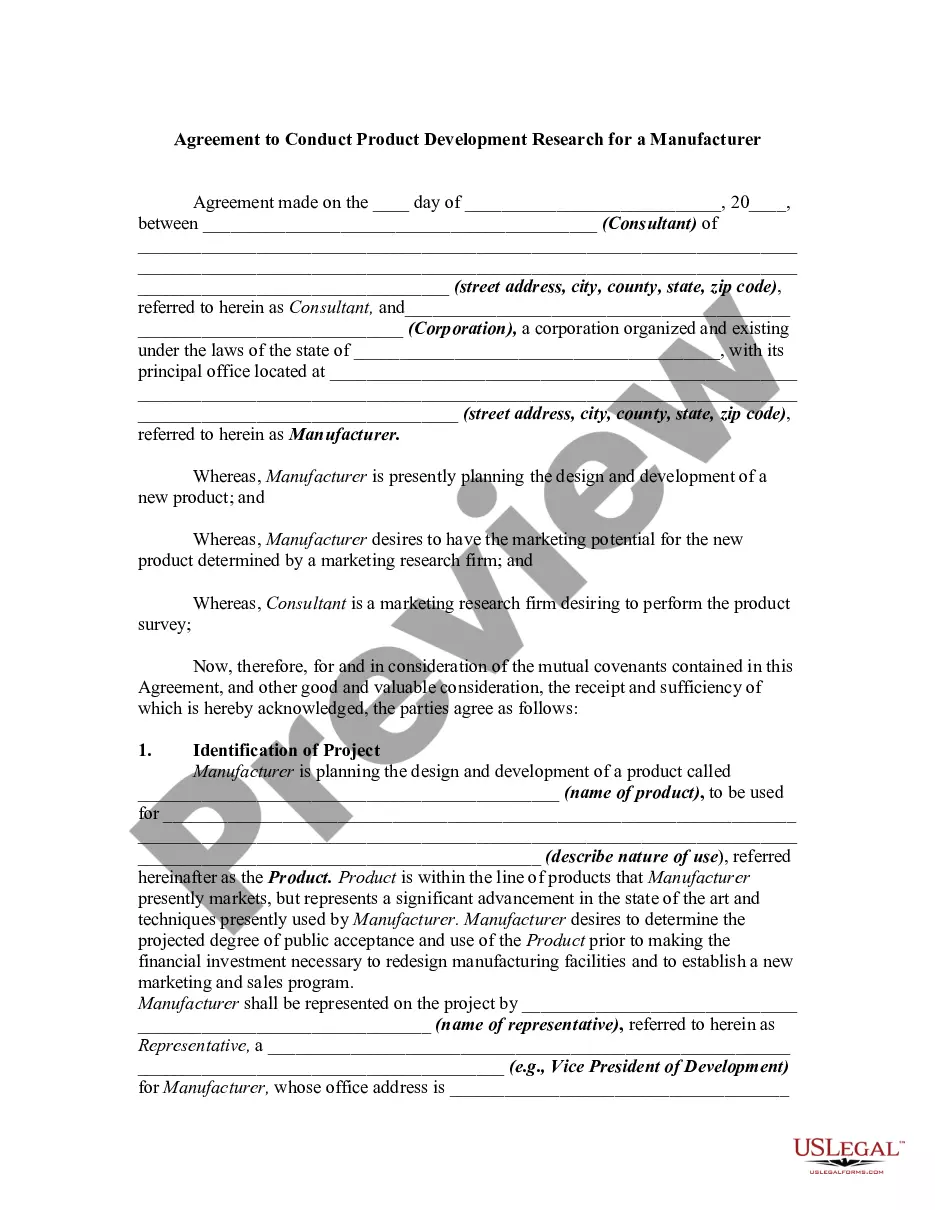
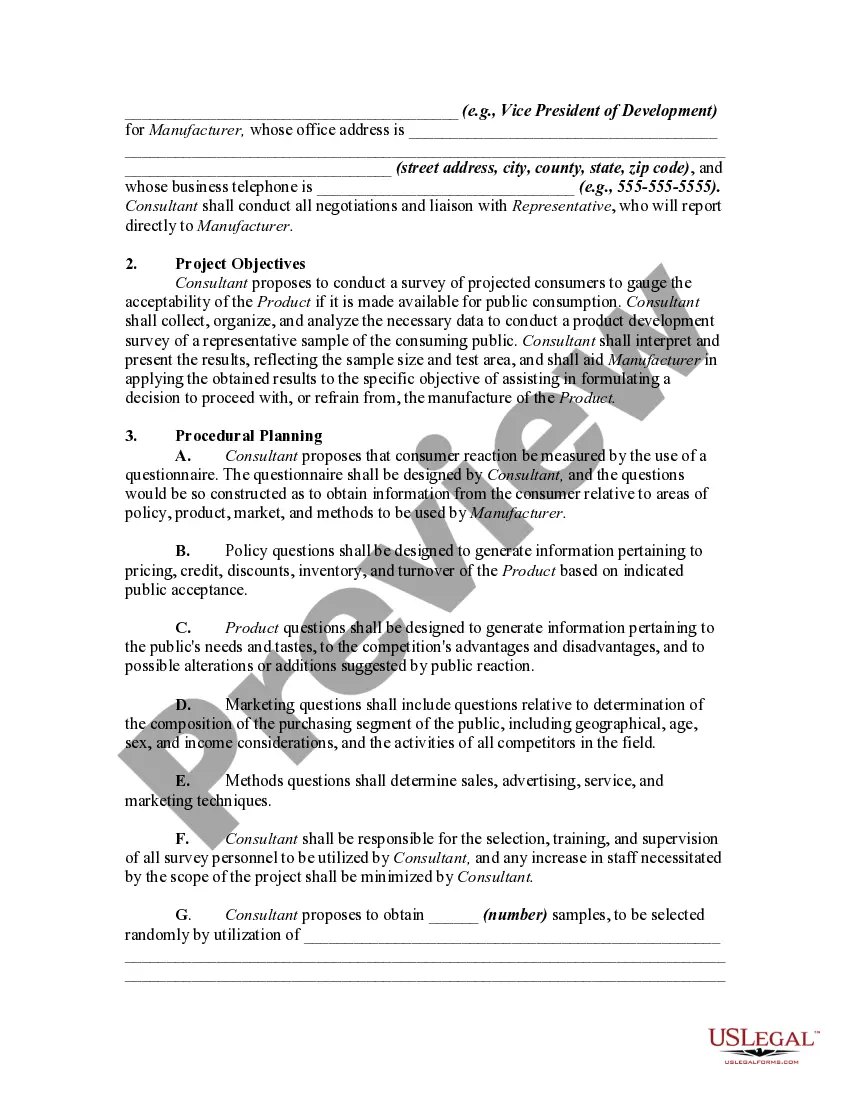
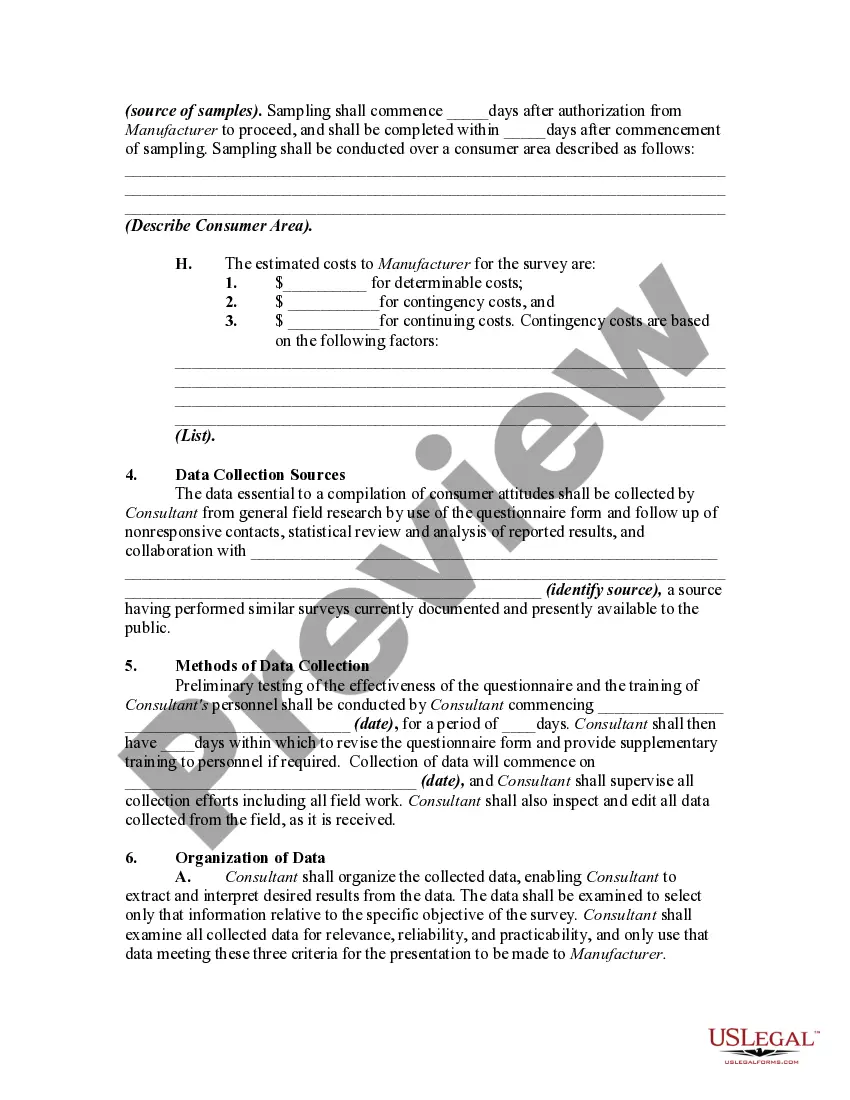
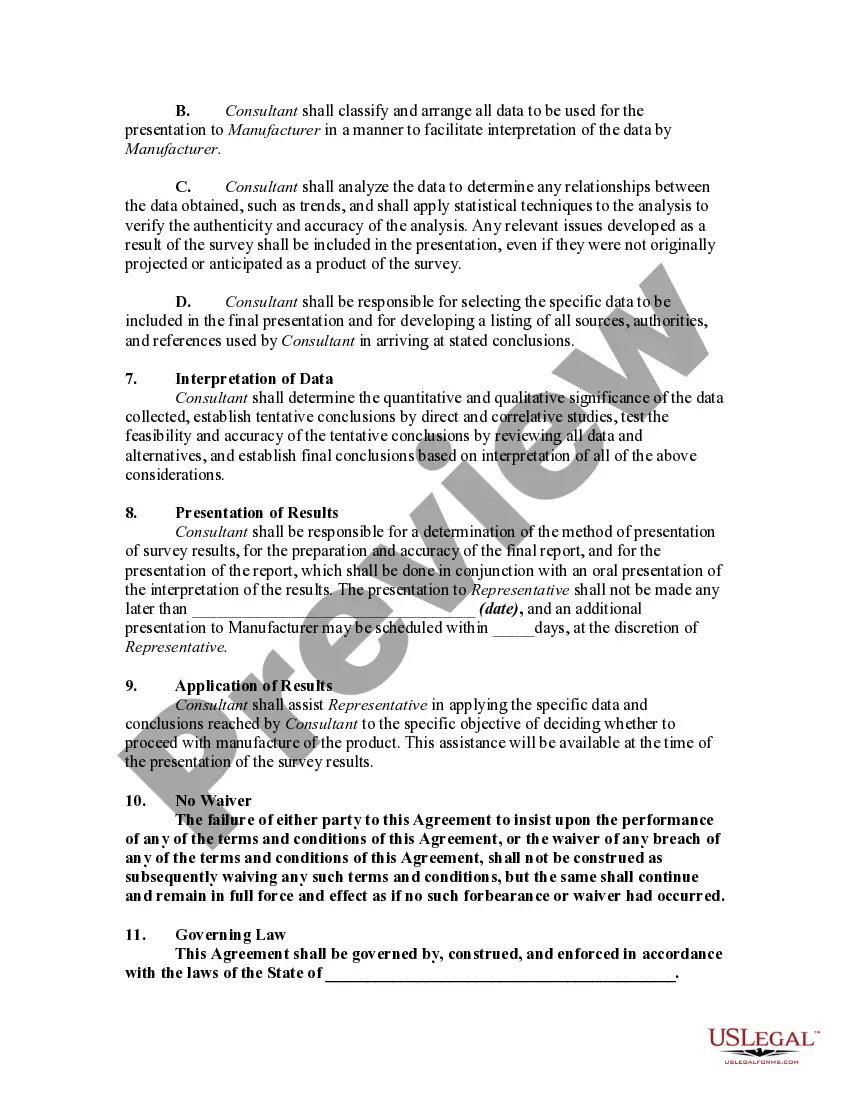

Get your form ready online
Our built-in tools help you complete, sign, share, and store your documents in one place.
Make edits, fill in missing information, and update formatting in US Legal Forms—just like you would in MS Word.
Download a copy, print it, send it by email, or mail it via USPS—whatever works best for your next step.
Sign and collect signatures with our SignNow integration. Send to multiple recipients, set reminders, and more. Go Premium to unlock E-Sign.
If this form requires notarization, complete it online through a secure video call—no need to meet a notary in person or wait for an appointment.
We protect your documents and personal data by following strict security and privacy standards.

Make edits, fill in missing information, and update formatting in US Legal Forms—just like you would in MS Word.

Download a copy, print it, send it by email, or mail it via USPS—whatever works best for your next step.

Sign and collect signatures with our SignNow integration. Send to multiple recipients, set reminders, and more. Go Premium to unlock E-Sign.

If this form requires notarization, complete it online through a secure video call—no need to meet a notary in person or wait for an appointment.

We protect your documents and personal data by following strict security and privacy standards.
Looking for another form?

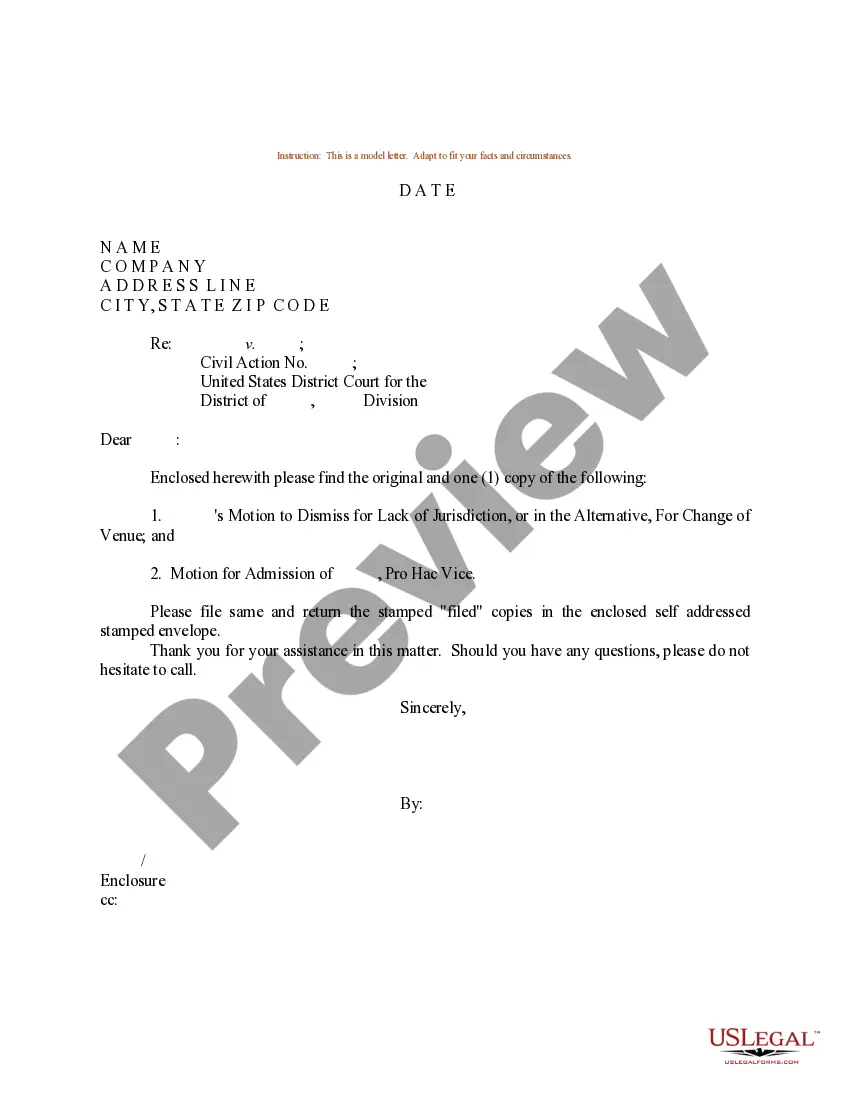
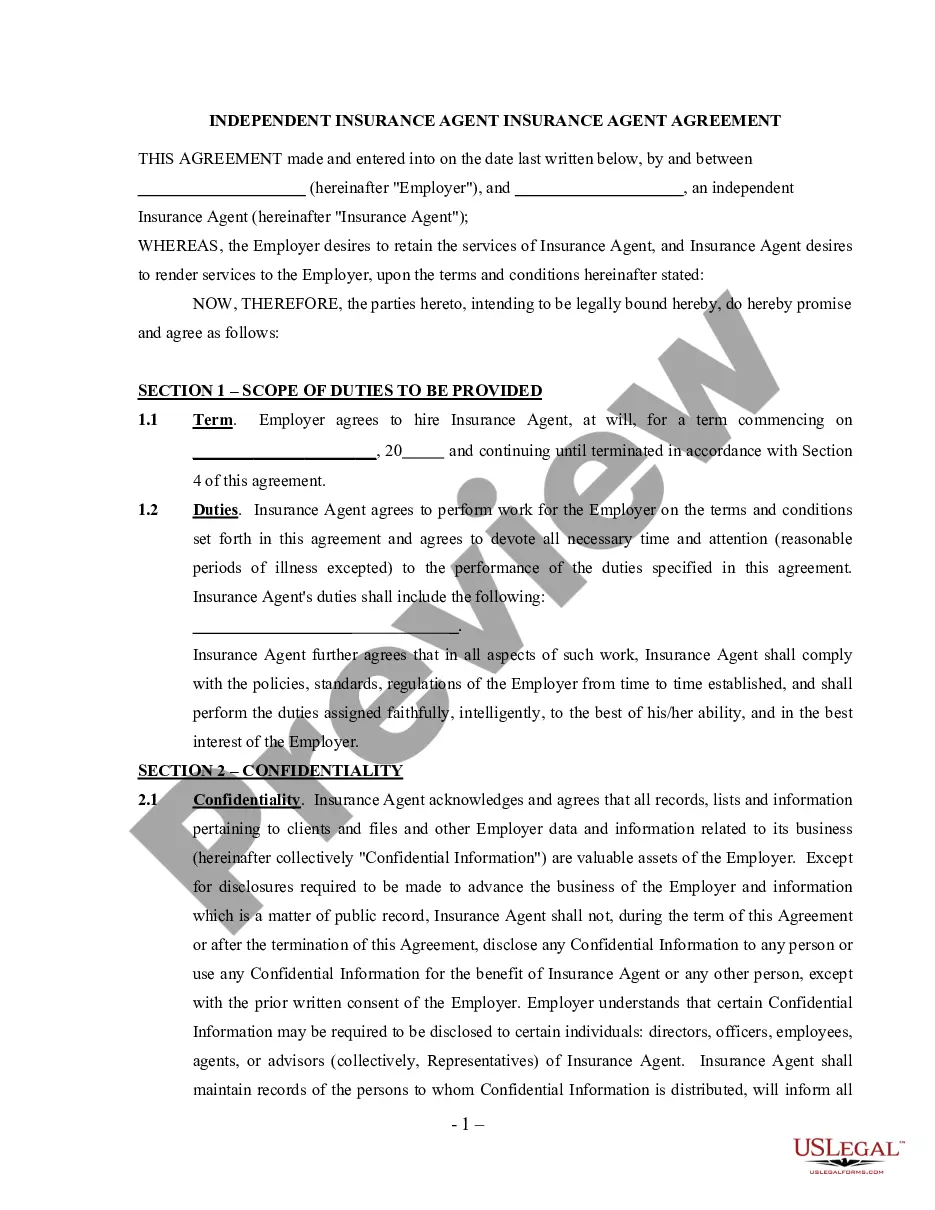
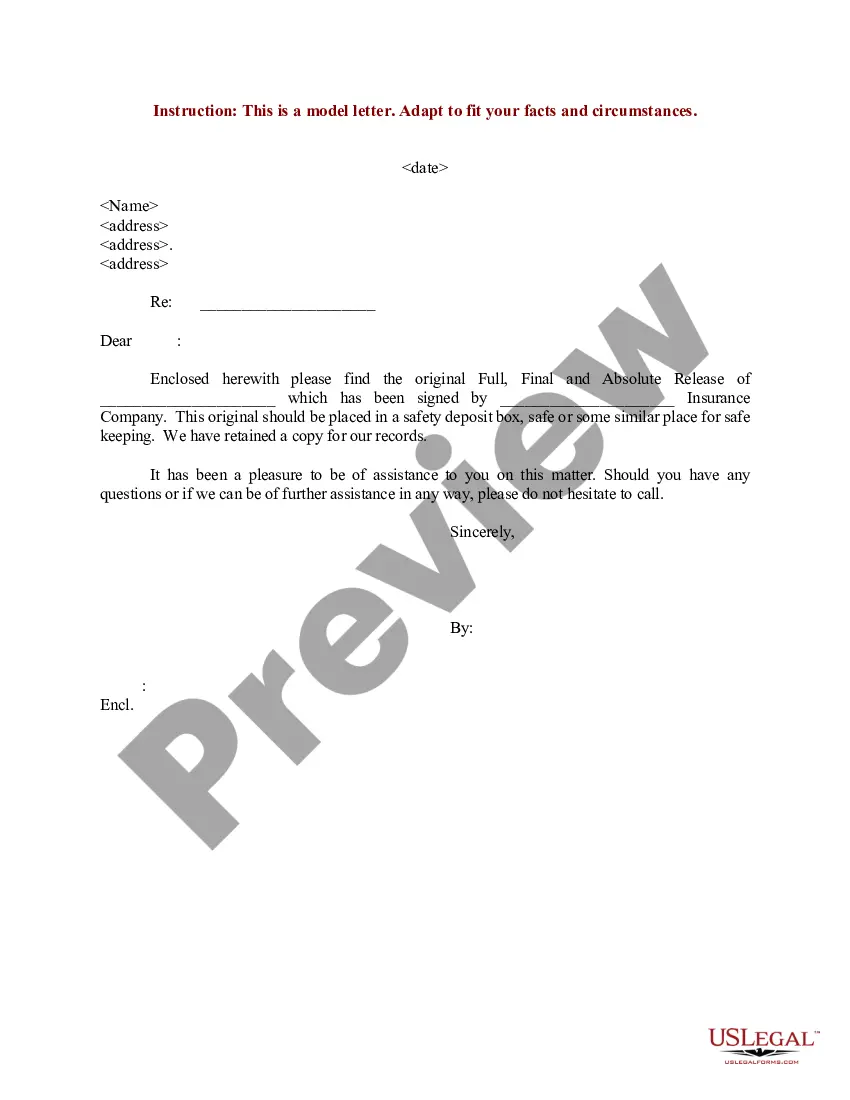
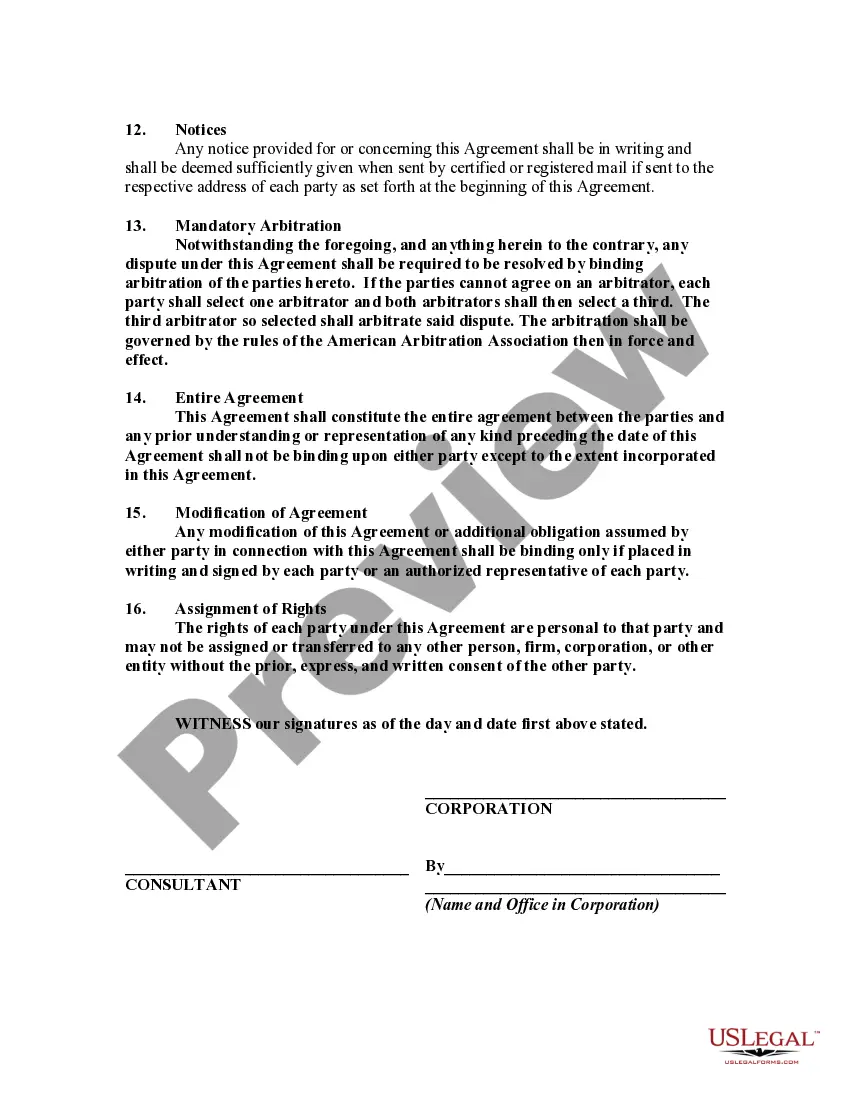
How to fill out Agreement To Conduct Product Development Research For A Manufacturer?
Discovering a preferred location to secure the latest and pertinent legal templates is half the battle when navigating bureaucracy.
Selecting the appropriate legal documents requires precision and meticulousness, which clarifies why it is essential to obtain samples of Contract Manufacturing For Medical Devices solely from reputable sources, such as US Legal Forms.
Once you have the document on your device, you can edit it using the editor or print it out and fill it in manually. Eliminate the stress associated with your legal documentation. Browse the extensive US Legal Forms library to discover legal templates, assess their applicability to your situation, and download them instantly.
- Use the library navigation or search option to locate your template.
- Review the form's details to verify if it meets the criteria of your state and area.
- View the form preview, if available, to confirm it's the document you seek.
- Return to the search to find the correct template if the Contract Manufacturing For Medical Devices doesn't align with your needs.
- Once you are certain of the form's relevance, download it.
- If you are a registered user, click Log in to verify and access your chosen forms in My documents.
- If you do not yet have a profile, click Buy now to purchase the template.
- Select the pricing option that suits your preferences.
- Proceed with the registration process to finalize your purchase.
- Complete your transaction by selecting a payment option (credit card or PayPal).
- Choose the file format for downloading Contract Manufacturing For Medical Devices.
Form popularity
FAQ
An example of contract manufacturing for medical devices includes a company outsourcing the production of orthopedic implants to a specialized manufacturer. In this arrangement, the medical device company provides the design and specifications, while the contract manufacturer uses its expertise, equipment, and facilities to produce the implants. This collaboration allows the medical device company to focus on product development and marketing while ensuring high-quality production. By leveraging contract manufacturing, companies can save time and reduce costs without sacrificing the quality of their medical devices.
The five phases of the medical device development process are concept, feasibility, development, verification and validation, and commercialization. Each phase meticulously prepares the device for market introduction while maintaining adherence to safety standards. By opting for contract manufacturing for medical devices, companies can ensure each phase is executed flawlessly, benefiting from specialized insights and resources.
The Food and Drug Administration (FDA) primarily regulates the manufacturing of medical equipment in the United States. They set stringent guidelines to ensure that products are safe and effective for public use. Through contract manufacturing for medical devices, companies remain aligned with these regulations, facilitating smoother regulatory compliance and product launches.
Yes, contract manufacturers must register with the FDA to produce medical devices. This registration ensures that manufacturers comply with all relevant regulations and standards. By collaborating with a reliable partner in contract manufacturing for medical devices, businesses can navigate the complex regulatory landscape with confidence.
Medical devices are manufactured through a series of well-defined stages that include design, testing, and production. Each stage adheres to stringent quality standards to ensure safety and efficacy. Companies often lean on contract manufacturing for medical devices to leverage specialized facilities and expertise, streamlining the entire process from concept to market.
The manufacturing process for medical devices includes stages such as sourcing materials, production, assembly, and quality assurance. Each step focuses on precision, as even minor errors can impact safety. Engaging in contract manufacturing for medical devices allows for tailored expertise and resources, ensuring high-quality output while adhering to regulations.
The manufacturing process of Medtech involves several key steps: design, prototyping, validation, and production. Contract manufacturing for medical devices typically starts with close collaboration between designers and manufacturers. This partnership ensures that the end product meets regulatory requirements and addresses user needs effectively.
Manufacturing Execution Systems (MES) play a crucial role in contract manufacturing for medical devices. These systems help track and manage production processes, ensuring compliance with industry standards. By providing real-time data, MES tools improve operational efficiency, quality control, and traceability throughout the manufacturing cycle.
The profit margin for a contract manufacturer in the medical device sector typically ranges based on various factors, including production volume and operational efficiency. Generally, margins can be higher when manufacturers specialize in niche products or utilize advanced technology. Understanding your business model and collaborating closely with your contract manufacturer can maximize these margins. Utilizing resources from uslegalforms can assist in drafting agreements that align your financial goals.
Contract manufacturing for medical devices can involve risks, but understanding these risks allows for better management. It's crucial to choose a reliable partner who adheres to strict quality standards and regulatory requirements. By establishing clear communication and detailed contracts, you can mitigate potential issues. Additionally, platforms like uslegalforms provide templates and guidance to help navigate the complexities of these partnerships.