Fraudulently Transferred With Mime Type Text/html
Description
Get your form ready online
Our built-in tools help you complete, sign, share, and store your documents in one place.
Make edits, fill in missing information, and update formatting in US Legal Forms—just like you would in MS Word.
Download a copy, print it, send it by email, or mail it via USPS—whatever works best for your next step.
Sign and collect signatures with our SignNow integration. Send to multiple recipients, set reminders, and more. Go Premium to unlock E-Sign.
If this form requires notarization, complete it online through a secure video call—no need to meet a notary in person or wait for an appointment.
We protect your documents and personal data by following strict security and privacy standards.

Make edits, fill in missing information, and update formatting in US Legal Forms—just like you would in MS Word.

Download a copy, print it, send it by email, or mail it via USPS—whatever works best for your next step.

Sign and collect signatures with our SignNow integration. Send to multiple recipients, set reminders, and more. Go Premium to unlock E-Sign.

If this form requires notarization, complete it online through a secure video call—no need to meet a notary in person or wait for an appointment.

We protect your documents and personal data by following strict security and privacy standards.
Looking for another form?


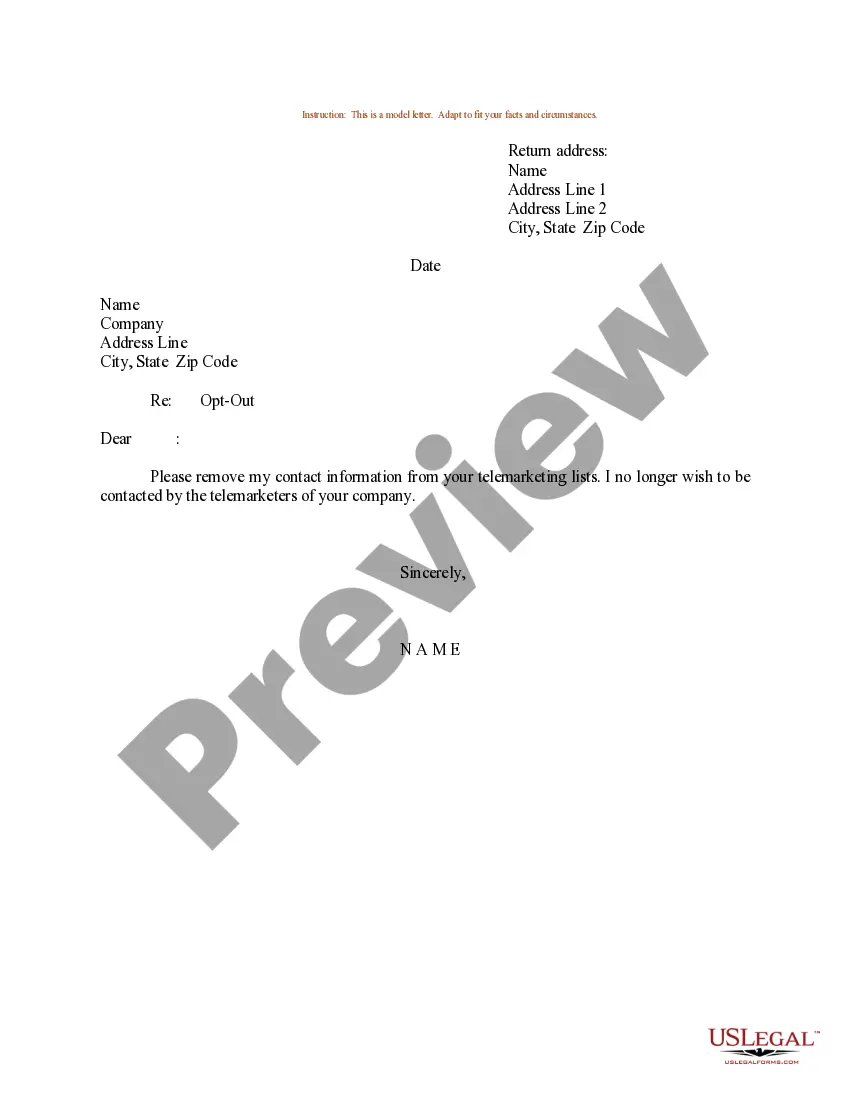
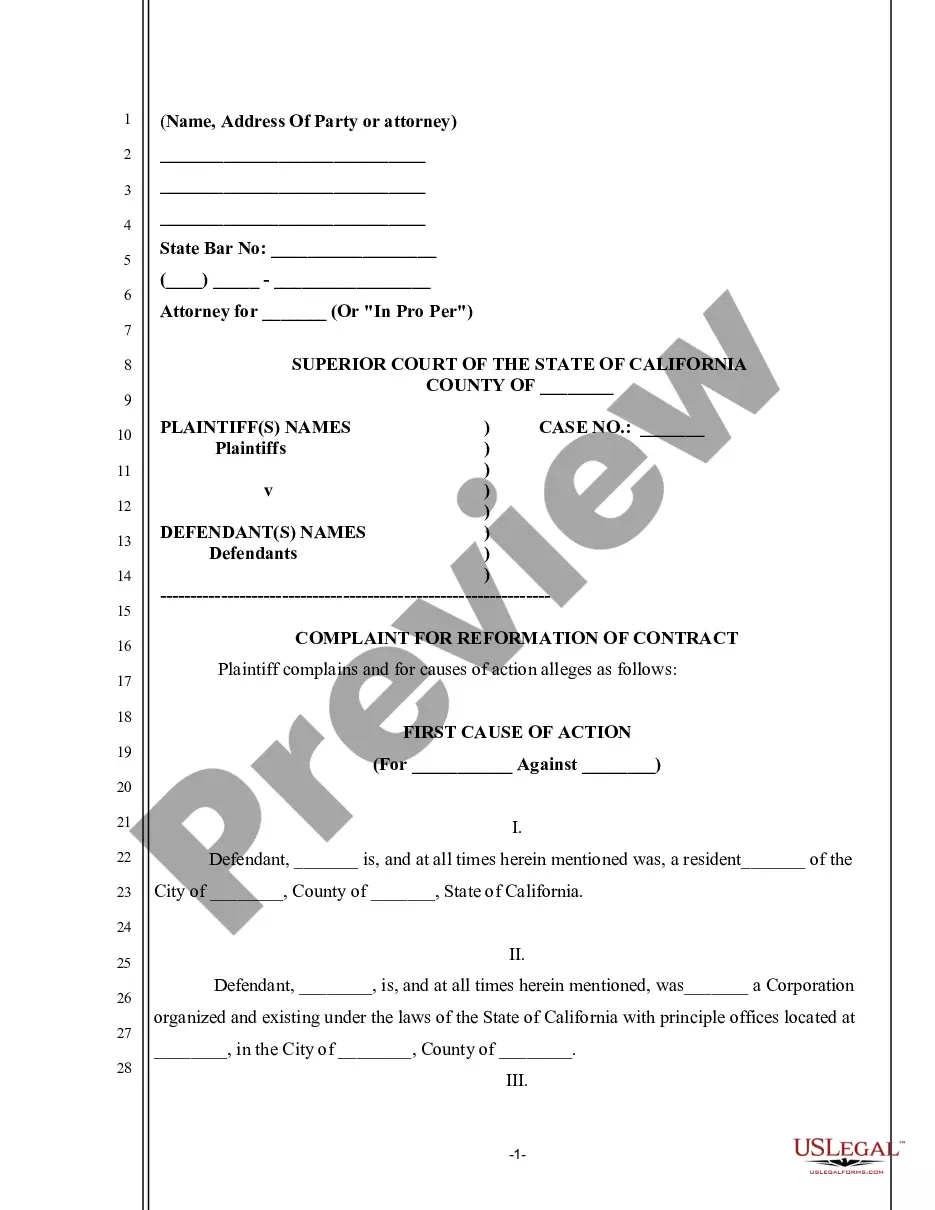

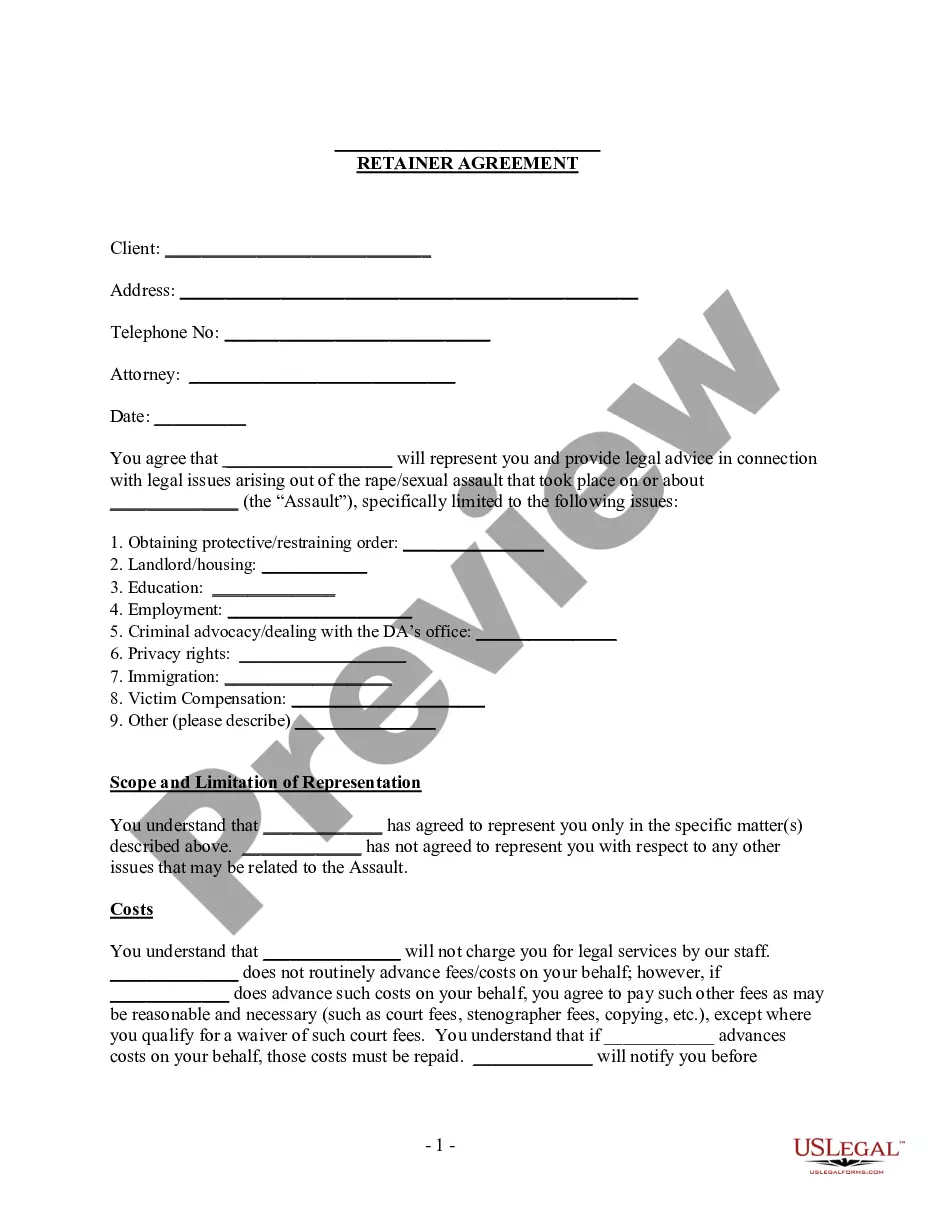



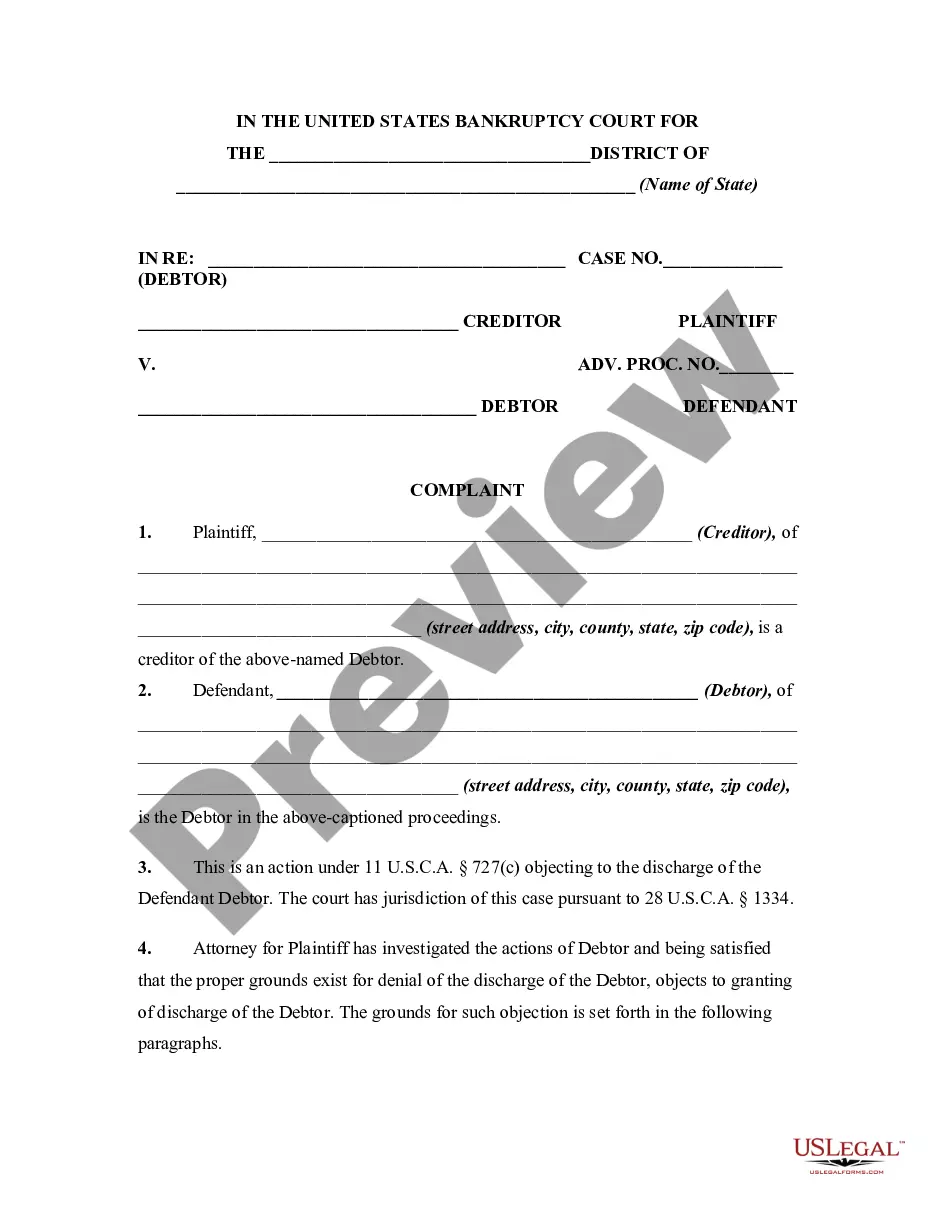
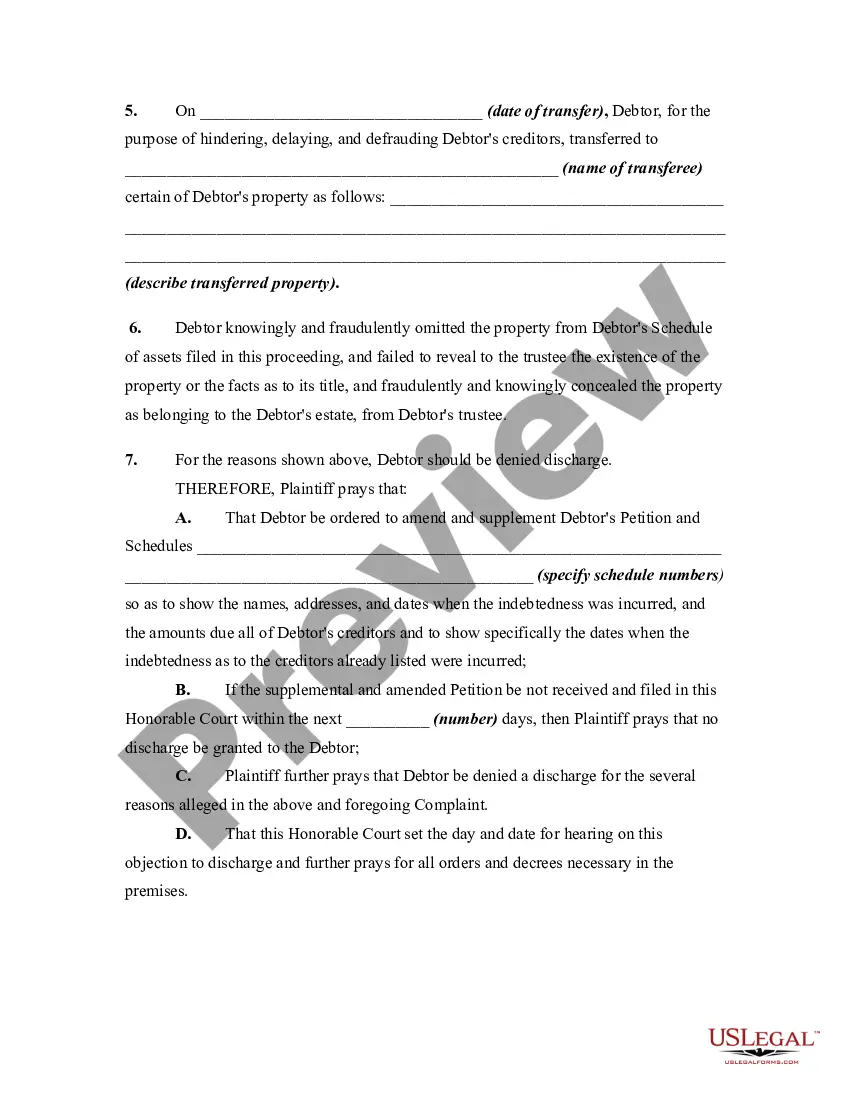
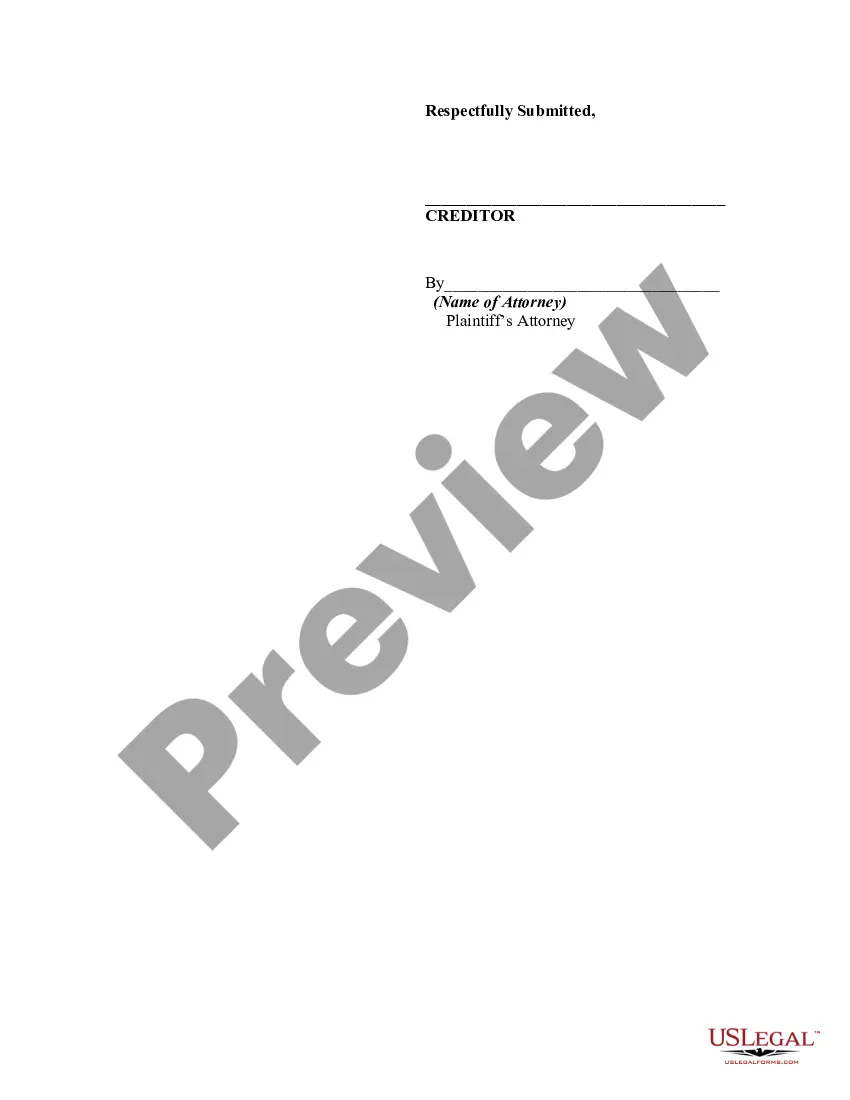
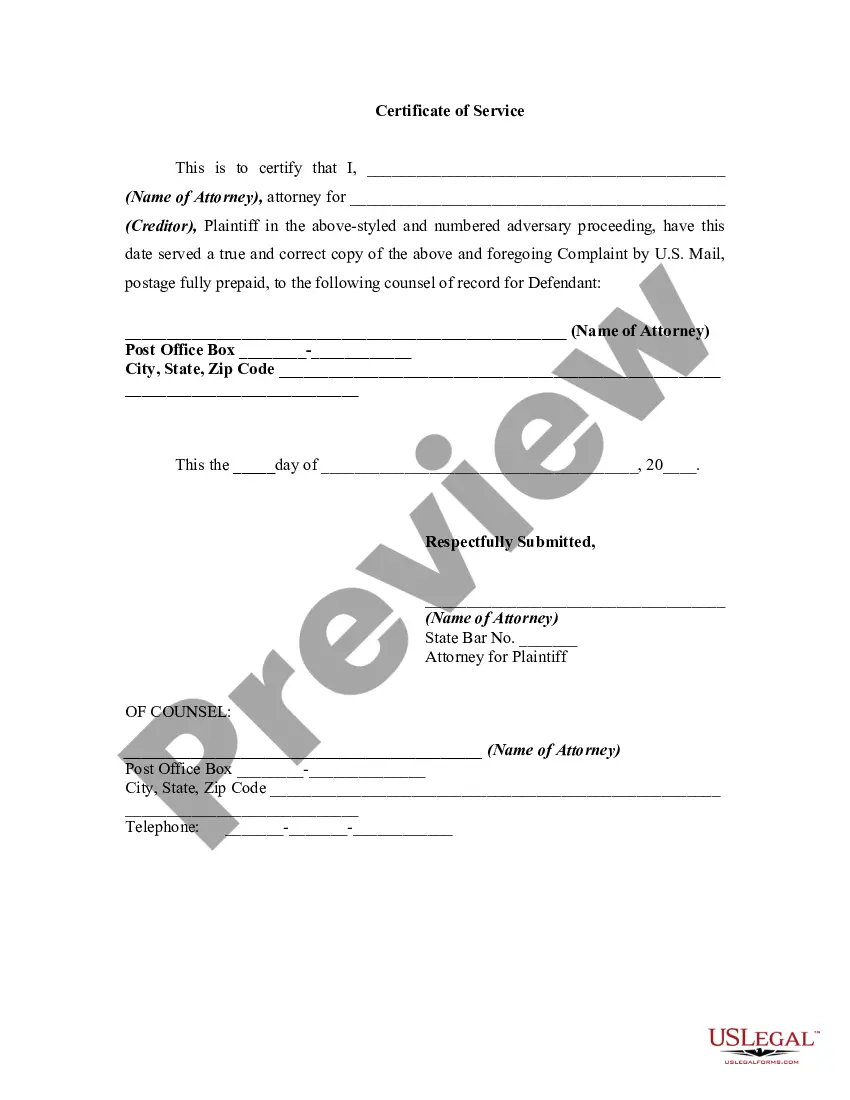
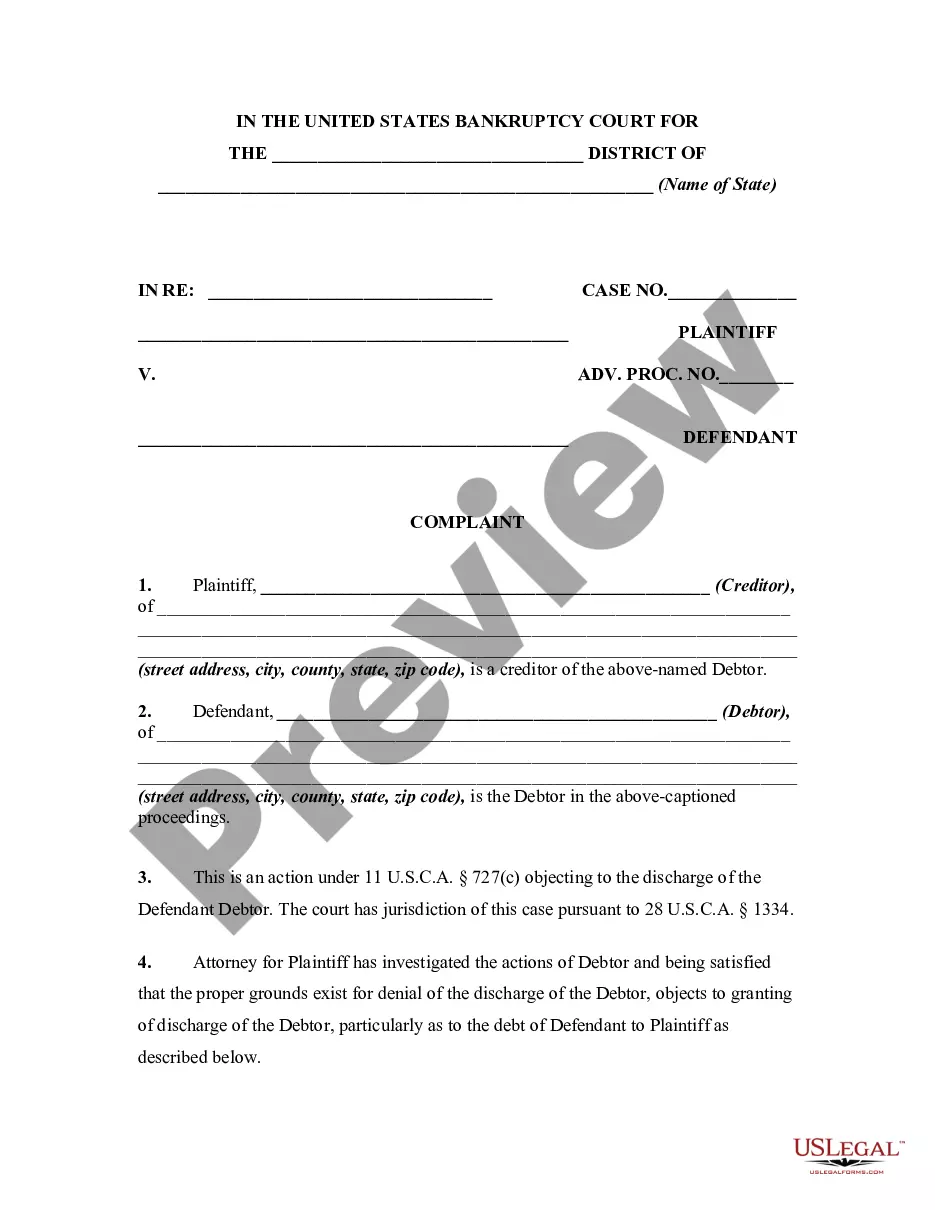
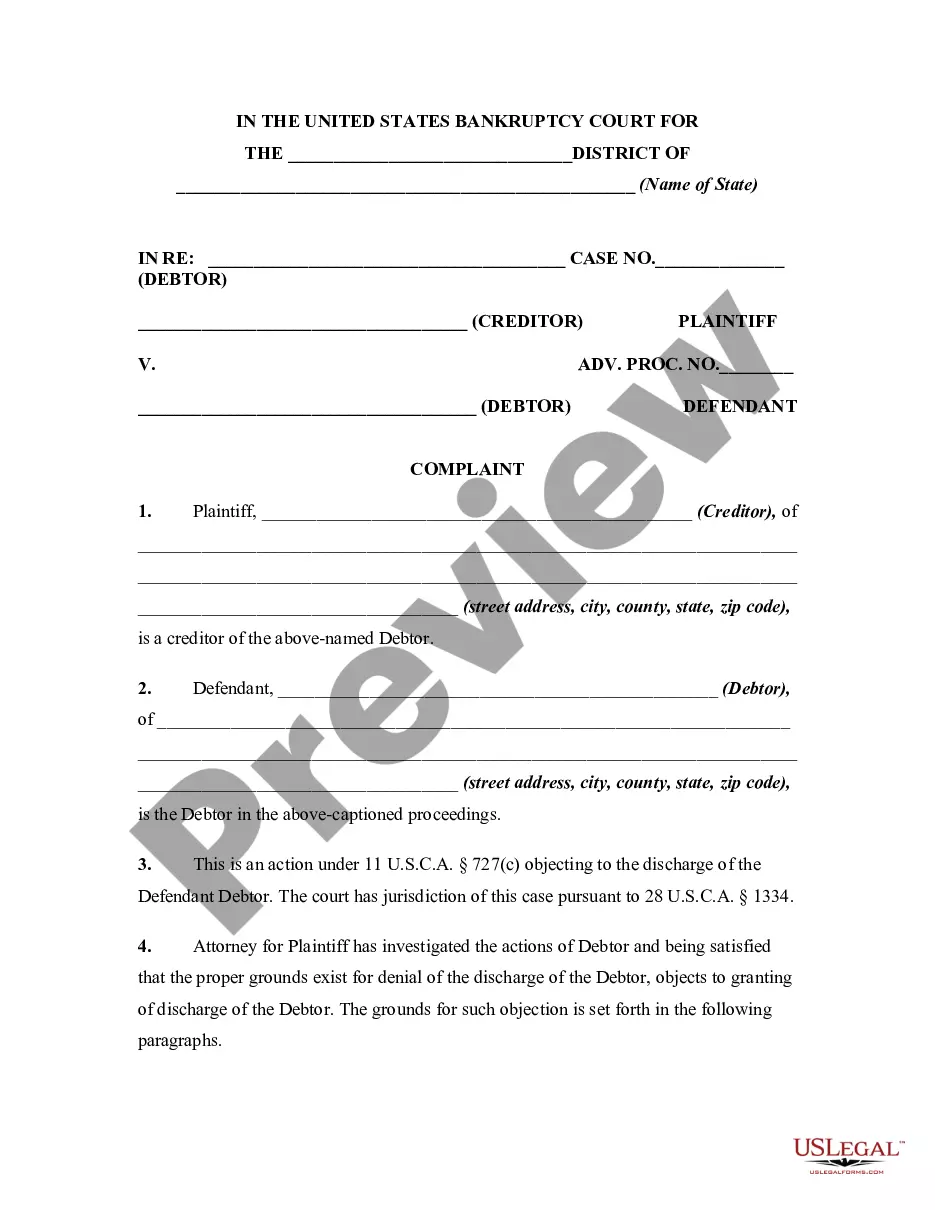
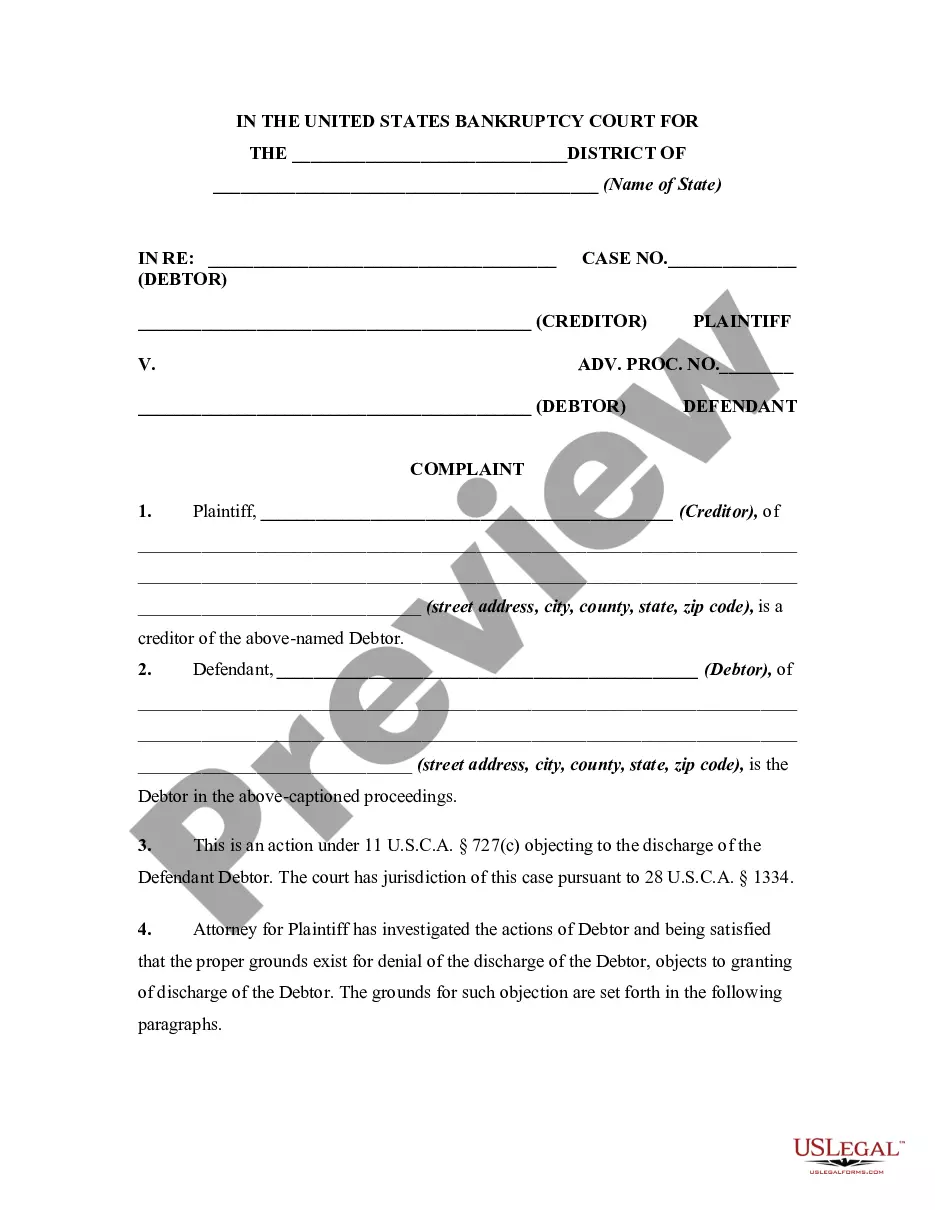
How to fill out Complaint Objecting To Discharge In Bankruptcy Proceedings For Concealment By Debtor And Omitting From Schedules Fraudulently Transferred Property?
Locating a reliable source for the latest and suitable legal templates constitutes a significant part of managing administrative processes.
Identifying the correct legal documents necessitates accuracy and meticulousness, which is why it is crucial to source templates of Fraudulently Transferred With Mime Type Text/html exclusively from trustworthy providers, such as US Legal Forms.
Eliminate the complications associated with your legal documents. Browse the extensive US Legal Forms library to discover legal templates, assess their applicability to your situation, and download them instantly.
- Utilize the library navigation or search bar to find your template.
- Review the form’s description to confirm it aligns with your state and county requirements.
- Preview the form, if available, to validate that it meets your needs.
- If the Fraudulently Transferred With Mime Type Text/html does not fulfill your requirements, return to the search for the appropriate document.
- Once you are confident in the form’s applicability, download it.
- If you are a registered user, click Log in to verify your identity and access your selected templates in My documents.
- If you do not possess an account yet, click Buy now to acquire the form.
- Choose the pricing plan that best meets your needs.
- Proceed with the registration to complete your purchase.
- Conclude your purchase by selecting a payment method (credit card or PayPal).
- Choose the file format for downloading Fraudulently Transferred With Mime Type Text/html.
- Once the form is saved on your device, you can edit it using the editor or print it for manual completion.
Form popularity
FAQ
Changing a file's MIME type involves modifying server settings or utilizing MIME-handling functions in programming. By explicitly defining the MIME type, you prevent issues where content is fraudulently transferred with mime type text/html. It's essential to ensure the change aligns with the actual content format. For assistance tailored to your needs, consider the resources available through USLegalForms.
Yes, you can change a MIME type, but it typically requires server access or an adjustment in your web application settings. Modifying a MIME type can be necessary to ensure proper file handling and display, especially if you suspect that a file has been fraudulently transferred. Always proceed with caution, as incorrect changes can lead to further issues.
A media type (also known as a Multipurpose Internet Mail Extensions or MIME type) indicates the nature and format of a document, file, or assortment of bytes.
To edit a MIME type for a virtual directory within a website: Go to Websites & Domains and find the website's domain name. Click Virtual Directories. Navigate to the required virtual directory and click the corresponding link with its name. Select the MIME Types tab. Select the required MIME type in the list.
Determining the MIME Type Several different server application functions (SAFs) can be used to determine the MIME type, but the most commonly used one is type-by-extension. This function tells the server to look up the MIME type ing to the requested resource's file extension in the MIME types table.
MIME types are traditionally written in all lowercase, but MIME types are actually case in-sensitive. HTML elements such as the <a>, <embed>, <link>, <object> and <style> tags will use a MIME type in the type attribute.
Text/html mime type is the recommended mime type for serving html documents. It is supported by all browsers since the beginning of html.