Fraudulently Transferred Property Without Consent
Description
Get your form ready online
Our built-in tools help you complete, sign, share, and store your documents in one place.
Make edits, fill in missing information, and update formatting in US Legal Forms—just like you would in MS Word.
Download a copy, print it, send it by email, or mail it via USPS—whatever works best for your next step.
Sign and collect signatures with our SignNow integration. Send to multiple recipients, set reminders, and more. Go Premium to unlock E-Sign.
If this form requires notarization, complete it online through a secure video call—no need to meet a notary in person or wait for an appointment.
We protect your documents and personal data by following strict security and privacy standards.

Make edits, fill in missing information, and update formatting in US Legal Forms—just like you would in MS Word.

Download a copy, print it, send it by email, or mail it via USPS—whatever works best for your next step.

Sign and collect signatures with our SignNow integration. Send to multiple recipients, set reminders, and more. Go Premium to unlock E-Sign.

If this form requires notarization, complete it online through a secure video call—no need to meet a notary in person or wait for an appointment.

We protect your documents and personal data by following strict security and privacy standards.
Looking for another form?









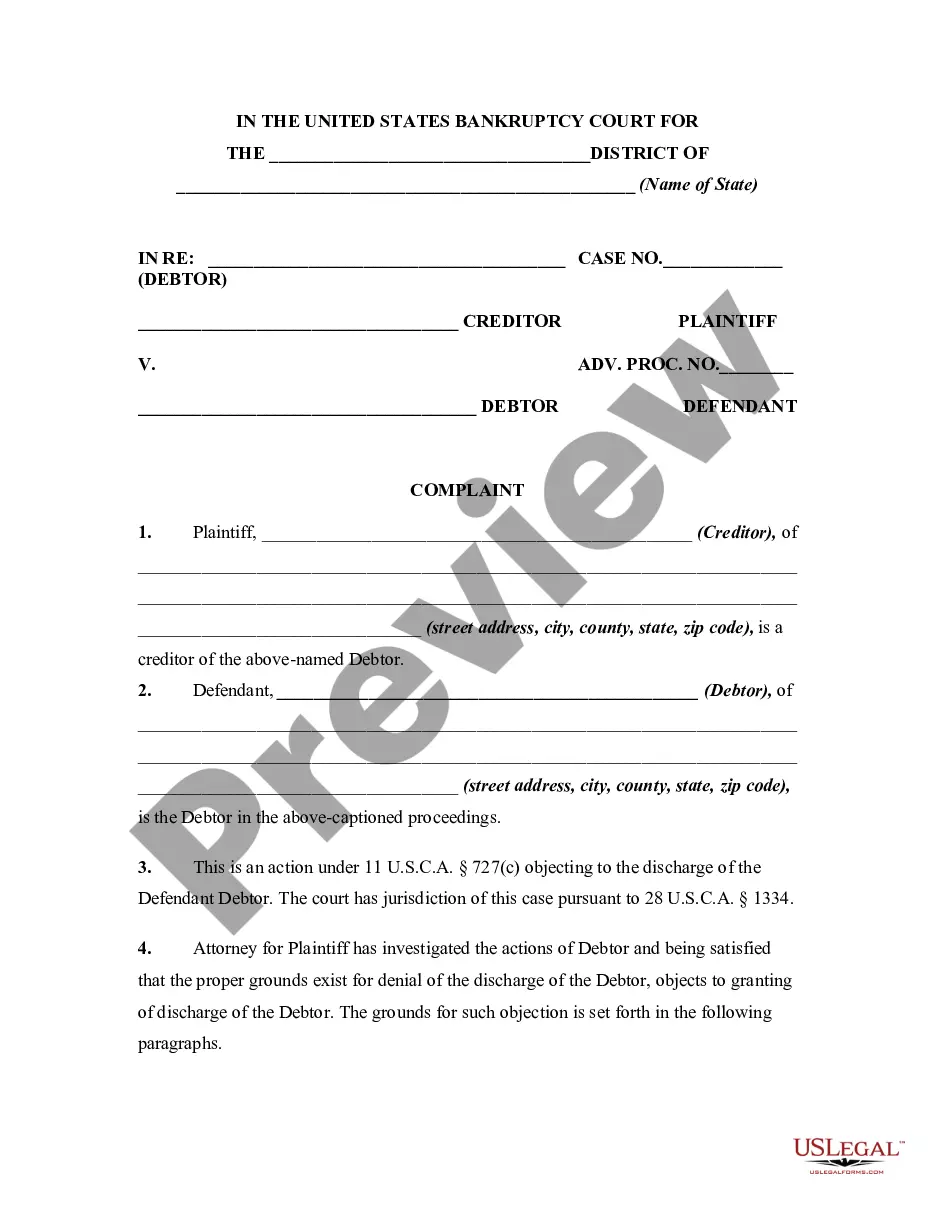
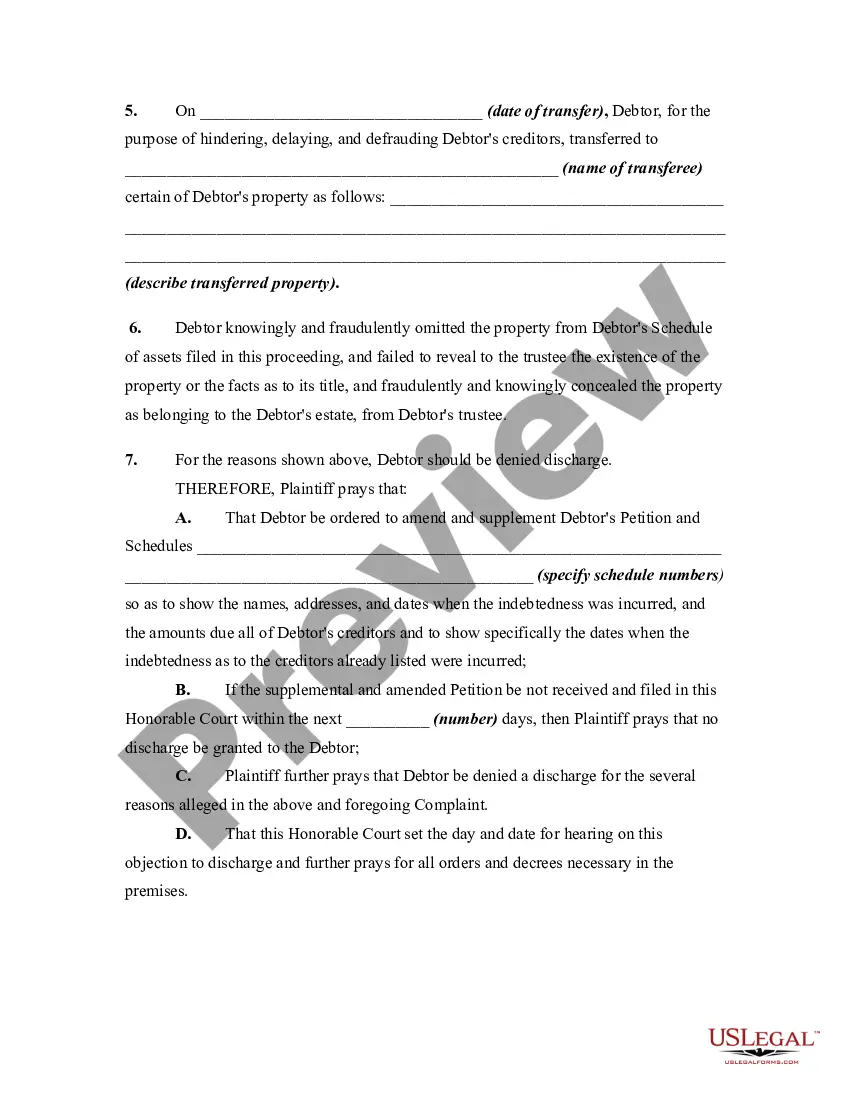
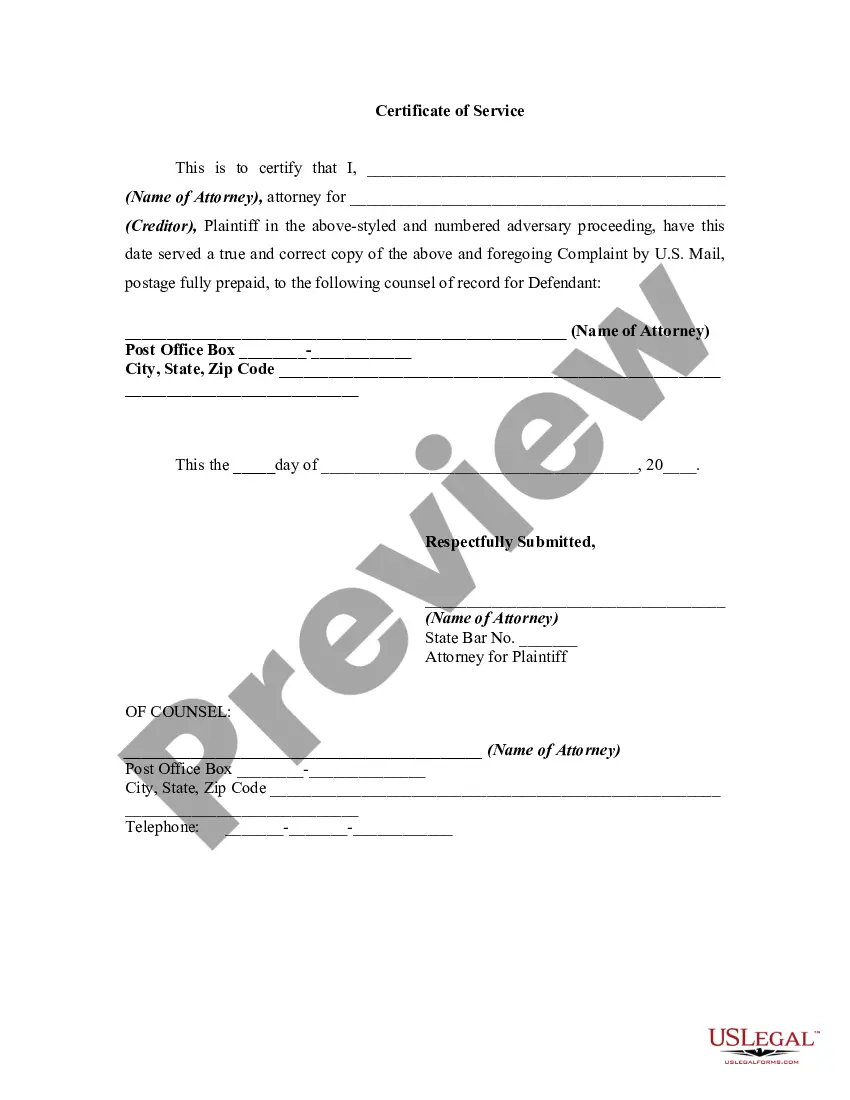
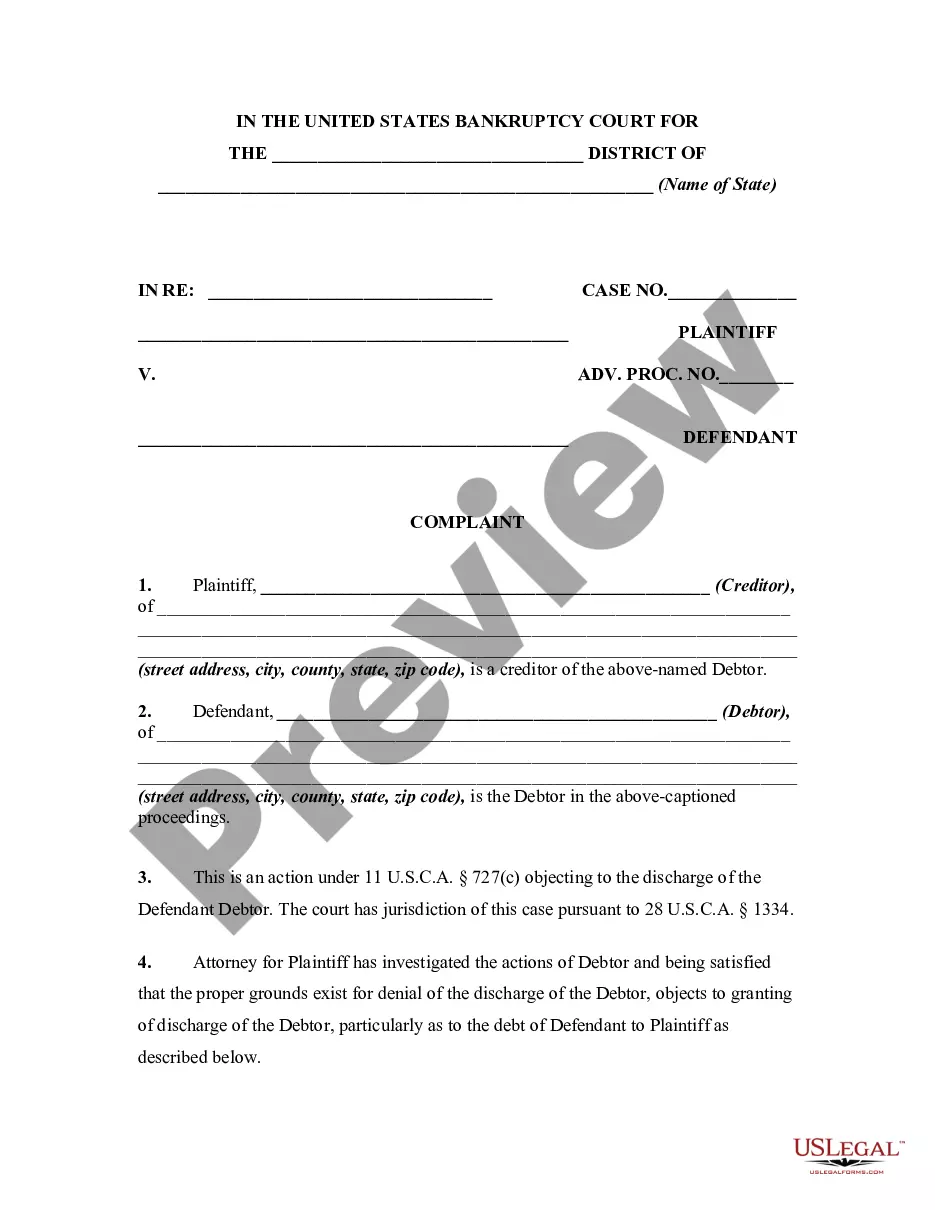
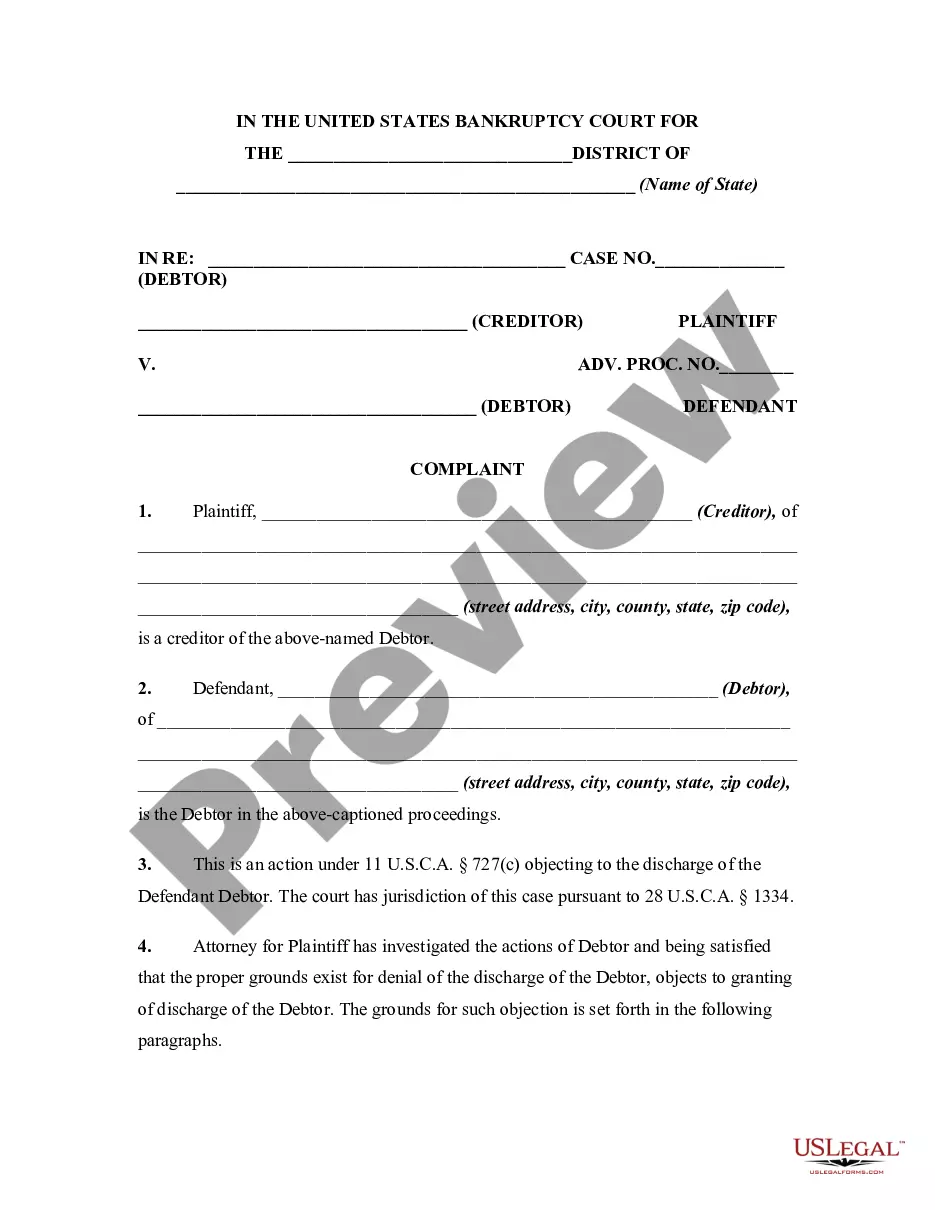
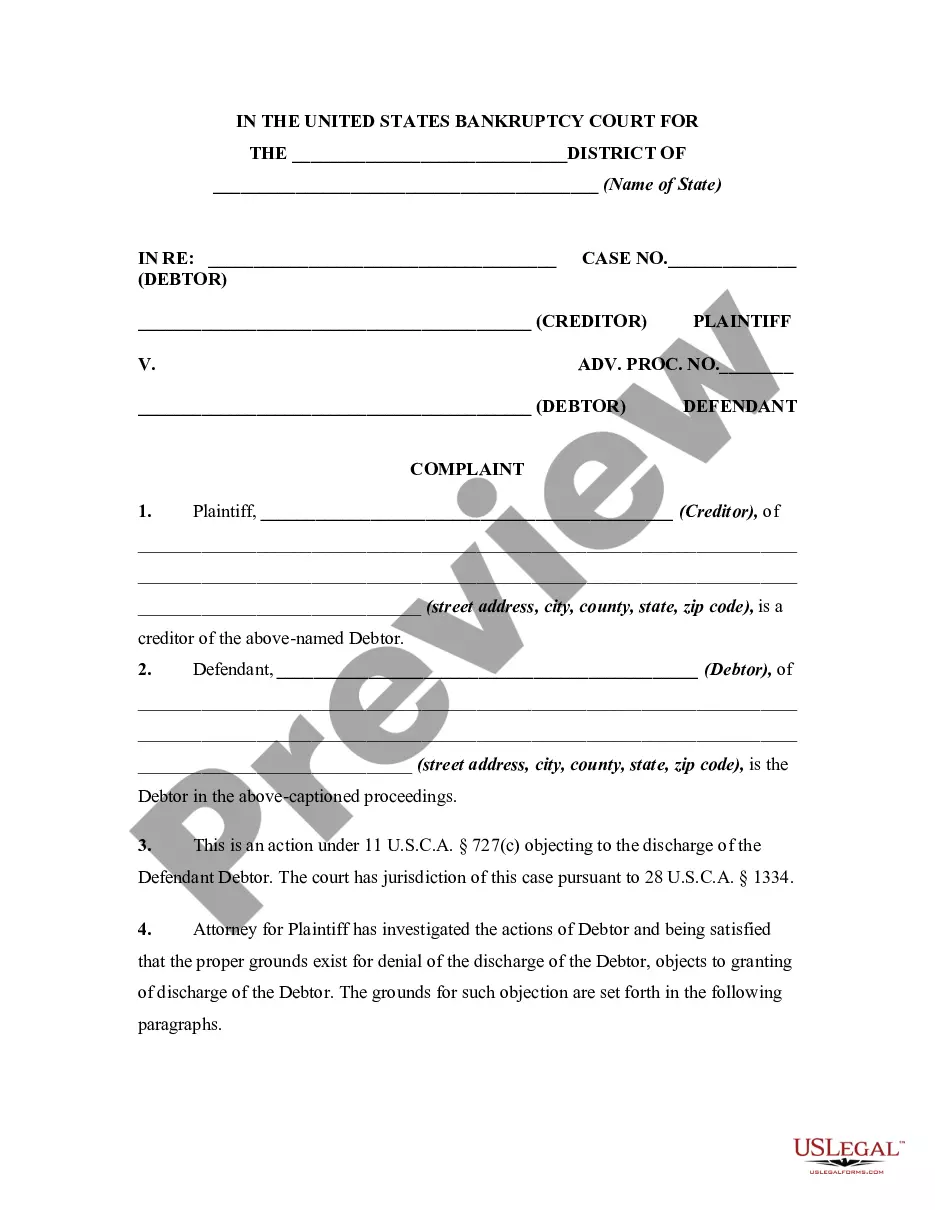
How to fill out Complaint Objecting To Discharge In Bankruptcy Proceedings For Concealment By Debtor And Omitting From Schedules Fraudulently Transferred Property?
It’s no secret that you can’t become a law expert overnight, nor can you figure out how to quickly prepare Fraudulently Transferred Property Without Consent without having a specialized background. Creating legal documents is a long process requiring a particular education and skills. So why not leave the preparation of the Fraudulently Transferred Property Without Consent to the specialists?
With US Legal Forms, one of the most comprehensive legal document libraries, you can find anything from court papers to templates for internal corporate communication. We understand how important compliance and adherence to federal and local laws are. That’s why, on our website, all templates are location specific and up to date.
Here’s how you can get started with our website and get the document you need in mere minutes:
- Find the document you need with the search bar at the top of the page.
- Preview it (if this option available) and check the supporting description to figure out whether Fraudulently Transferred Property Without Consent is what you’re looking for.
- Start your search over if you need a different form.
- Set up a free account and choose a subscription plan to buy the form.
- Pick Buy now. Once the payment is complete, you can download the Fraudulently Transferred Property Without Consent, fill it out, print it, and send or send it by post to the necessary individuals or organizations.
You can re-gain access to your forms from the My Forms tab at any time. If you’re an existing customer, you can simply log in, and find and download the template from the same tab.
Regardless of the purpose of your forms-be it financial and legal, or personal-our website has you covered. Try US Legal Forms now!
Form popularity
FAQ
If the trial court finds the grantor intended the deed to take effect at some point in the future, or if the trial court finds the grantor thought the deed would not be effective until some subsequent act was performed, then there was no delivery and the deed is void and ineffective.
When there is a lack of consideration, the contract never was valid or enforceable. In contrast, failure of consideration occurs where a valid contract with a valid consideration becomes unenforceable due to the consideration no longer being valuable.
Not recording a deed can cause problems for the grantee. They may be unable to obtain a mortgage, insure the property, or sell it. Even more problematic, an unrecorded deed may make it possible for the grantor to sell the property to a buyer and subsequently sell the same property to a different buyer.
Deed signed by mistake (grantor did not know what was signed) Deed executed under falsified power of attorney. Deed executed under expired power of attorney (death, disability, or insanity of principal) Deed apparently valid, but actually delivered after death of grantor or grantee, or without consent of grantor.
Specifically, if the deed is void, it does not pass title and cannot be enforced even if recorded and even if title is later acquired by a bona fide purchaser.