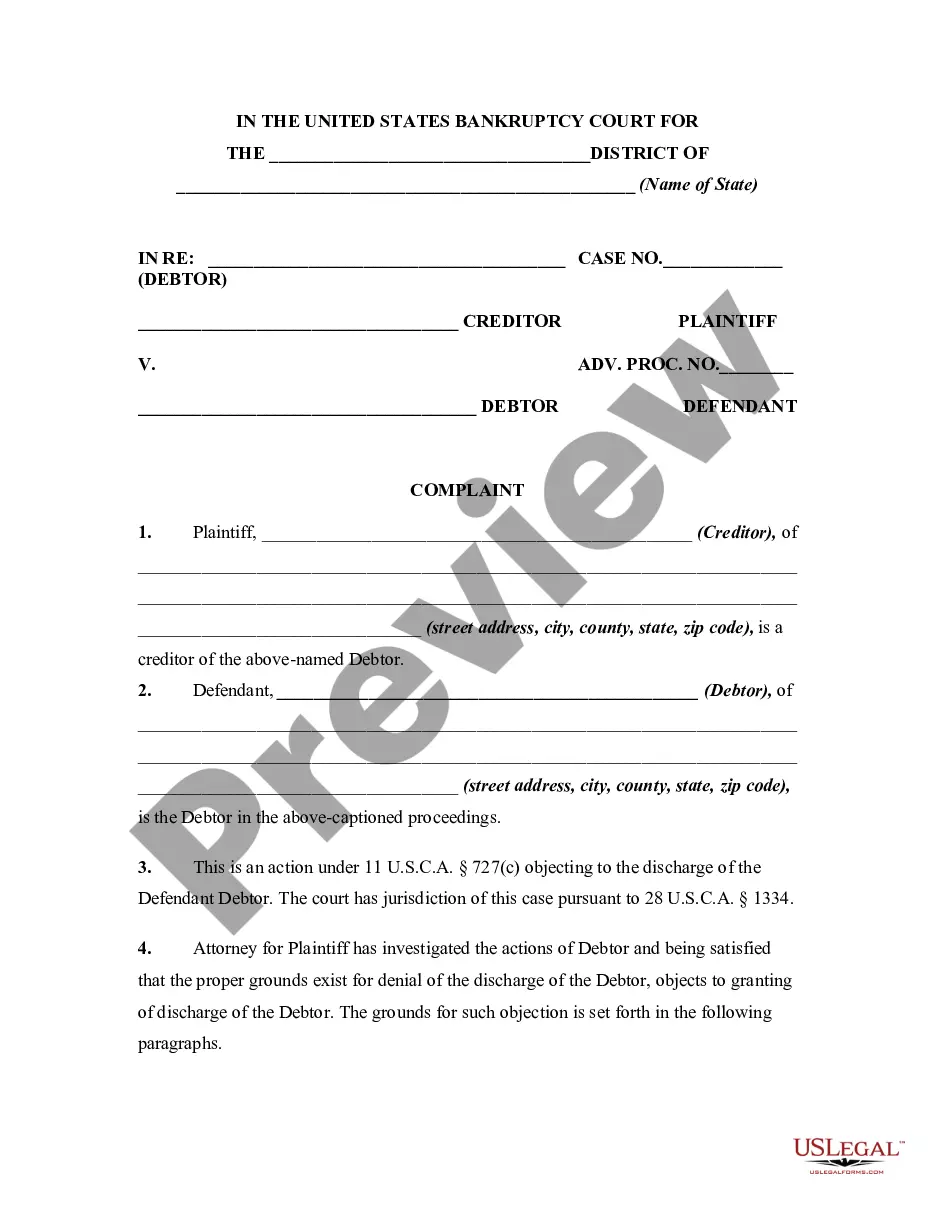
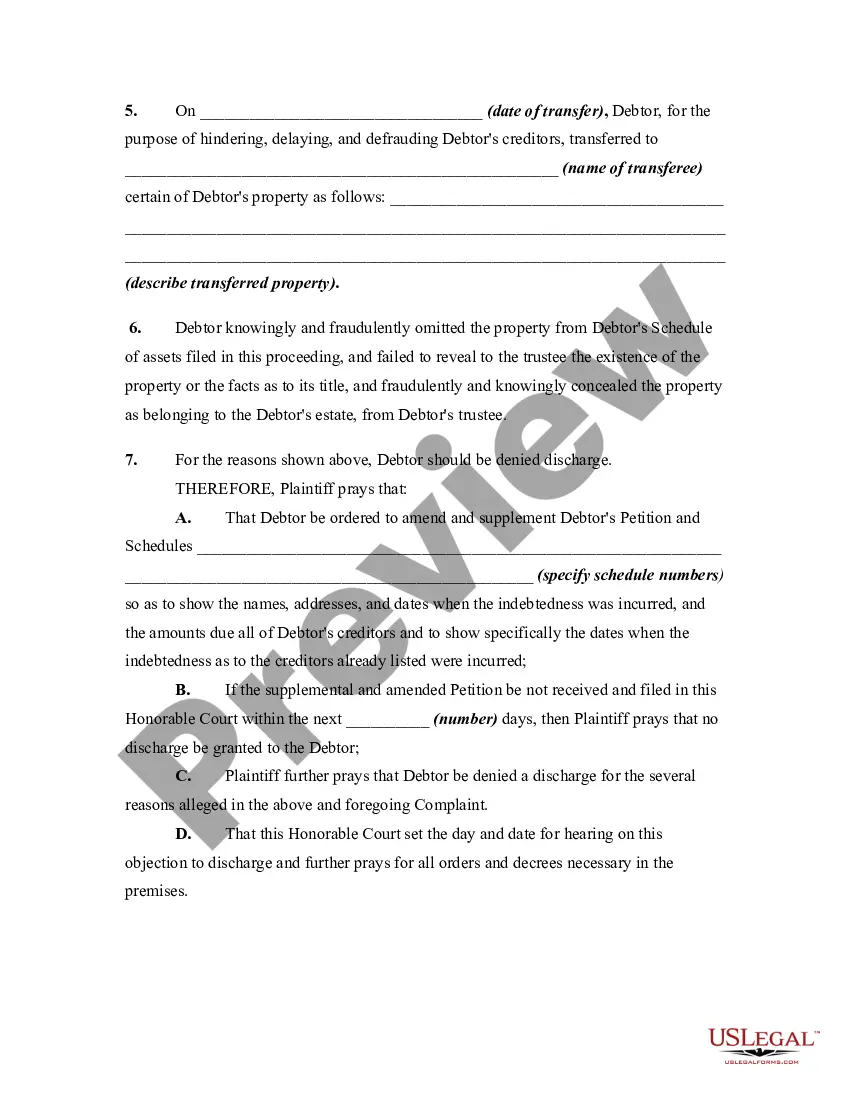
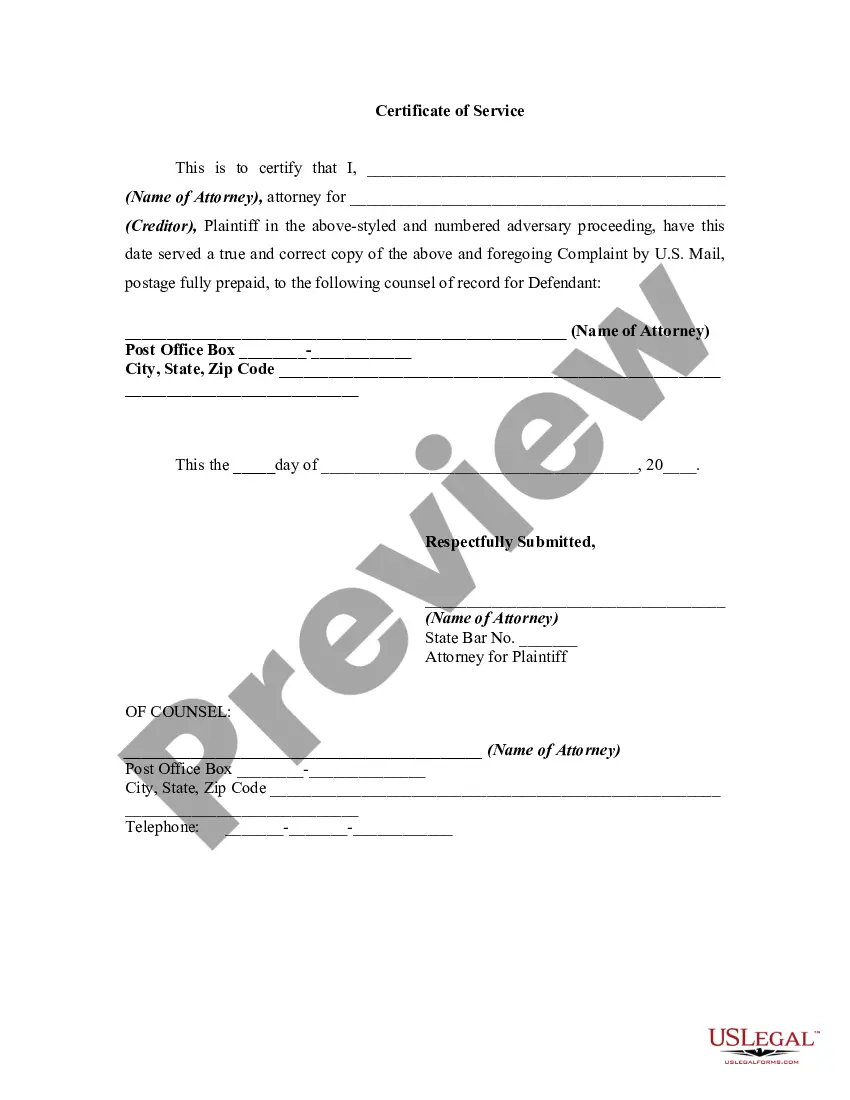
Fraudulently Transferred For Material
Description
Get your form ready online
Our built-in tools help you complete, sign, share, and store your documents in one place.
Make edits, fill in missing information, and update formatting in US Legal Forms—just like you would in MS Word.
Download a copy, print it, send it by email, or mail it via USPS—whatever works best for your next step.
Sign and collect signatures with our SignNow integration. Send to multiple recipients, set reminders, and more. Go Premium to unlock E-Sign.
If this form requires notarization, complete it online through a secure video call—no need to meet a notary in person or wait for an appointment.
We protect your documents and personal data by following strict security and privacy standards.

Make edits, fill in missing information, and update formatting in US Legal Forms—just like you would in MS Word.

Download a copy, print it, send it by email, or mail it via USPS—whatever works best for your next step.

Sign and collect signatures with our SignNow integration. Send to multiple recipients, set reminders, and more. Go Premium to unlock E-Sign.

If this form requires notarization, complete it online through a secure video call—no need to meet a notary in person or wait for an appointment.

We protect your documents and personal data by following strict security and privacy standards.
Looking for another form?






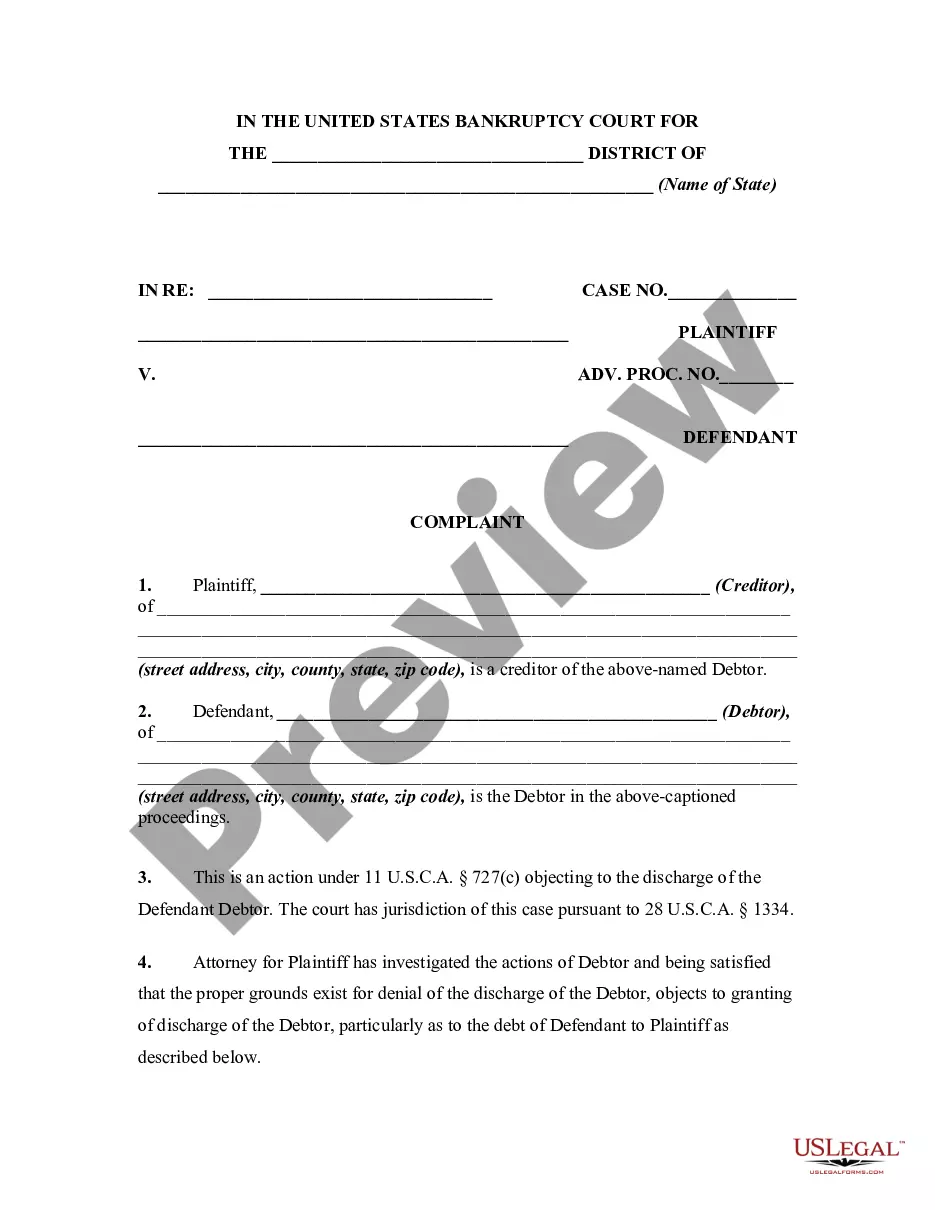
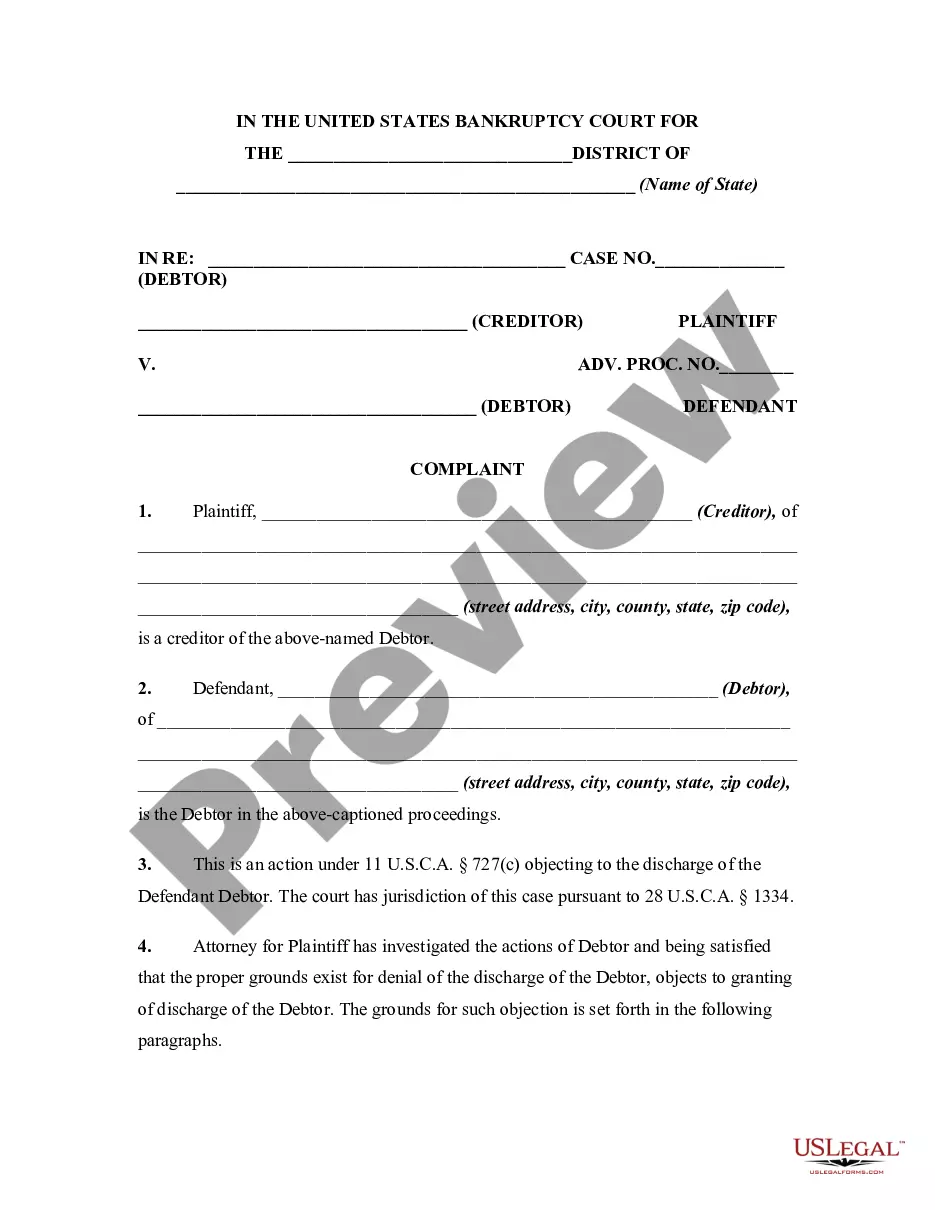
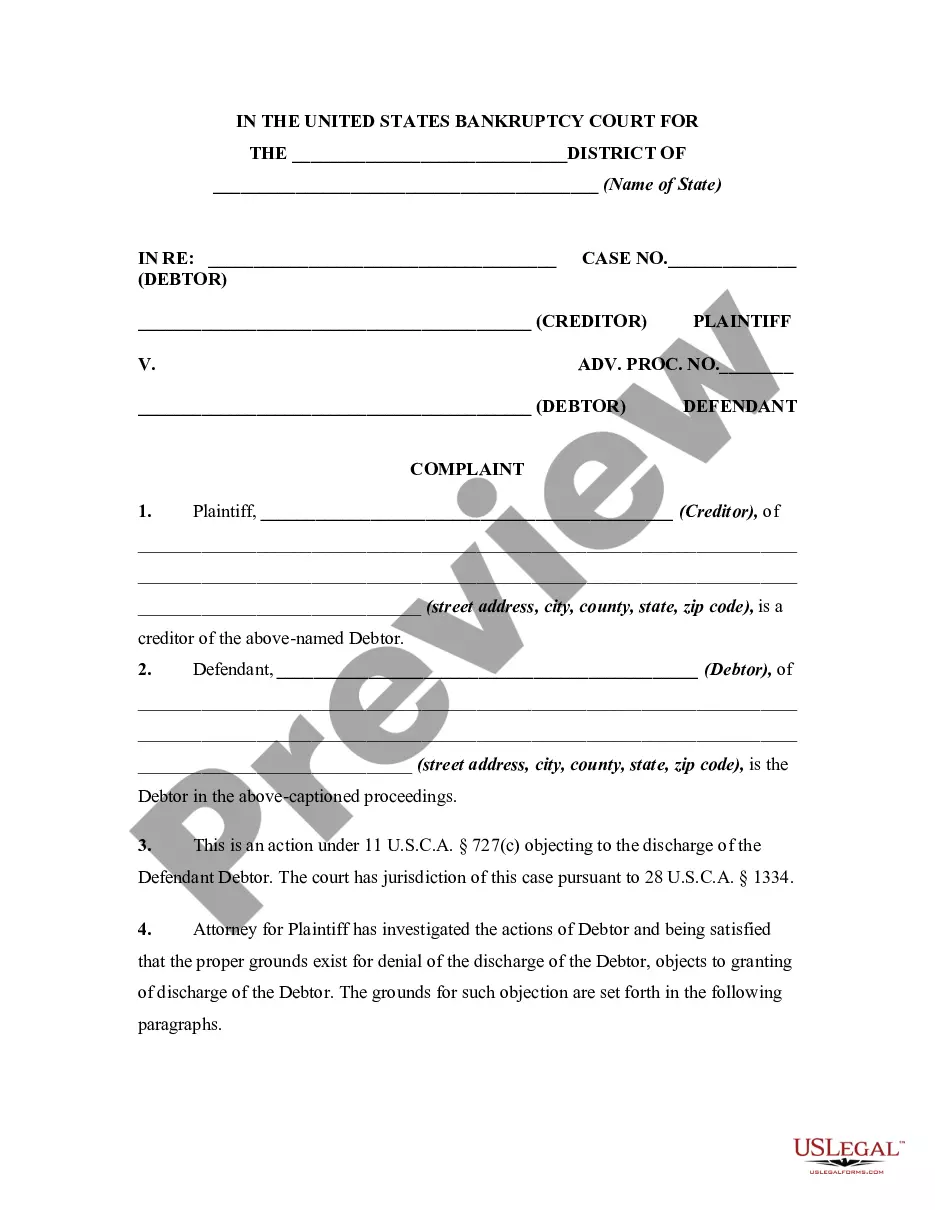
How to fill out Complaint Objecting To Discharge In Bankruptcy Proceedings For Concealment By Debtor And Omitting From Schedules Fraudulently Transferred Property?
Legal documents handling can be exasperating, even for the most proficient specialists.
When you are in search of a Fraudulently Transferred For Material and don't have the opportunity to conduct a search for the suitable and current version, the processes may be overwhelming.
Access legal and business forms specific to your state or county.
US Legal Forms addresses any needs you may have, from personal to corporate documentation, all in one location.
If you are a first-time user of US Legal Forms, create a free account and gain infinite access to all features of the platform.
- Utilize advanced tools to fill out and oversee your Fraudulently Transferred For Material.
- Access a valuable resource repository of articles, guides, manuals, and tools related to your situation and demands.
- Save time and effort searching for the documents you require, and use US Legal Forms' sophisticated search and Preview feature to identify Fraudulently Transferred For Material and retrieve it.
- If you hold a membership, Log In to your US Legal Forms account, search for the form, and obtain it.
- Check your My documents section to view the documents you've previously stored and to organize your folders as desired.
- A robust online form directory could transform the experience for anyone who wishes to manage these matters efficiently.
- US Legal Forms stands out as a leader in online legal documents, offering over 85,000 state-specific legal forms accessible to you anytime.
- With US Legal Forms, you can.
Form popularity
FAQ
To report an Internet crime that has occurred in California, contact you local Law Enforcement Agency; your local High Crimes Task Force; or the Attorney General's eCrime Unit. We encourage all victims of Internet Crimes to also contact the The Internet Crime Complaint Center (IC3).
If you experienced a scam ? or even spotted one, report it to the FTC at ReportFraud.ftc.gov. Check out what's going on in your state or metro area by visiting ftc.gov/exploredata.
ReportFraud.ftc.gov.
Call the bank's hot line, usually printed on the back of your bank card, and report the incident. If you have transferred money to a phisher, report the incident to your local police. Inspect your statements carefully for signs of account misuse. Determine if you want to put a lock on your credit records.
Fraudulent conveyance, also known as a fraudulent transfer, is an unfair transfer of assets related to a bankruptcy proceeding. Actual fraudulent conveyance is the intentional disposal of property to avoid taxation or protect assets.