Discharge Withheld
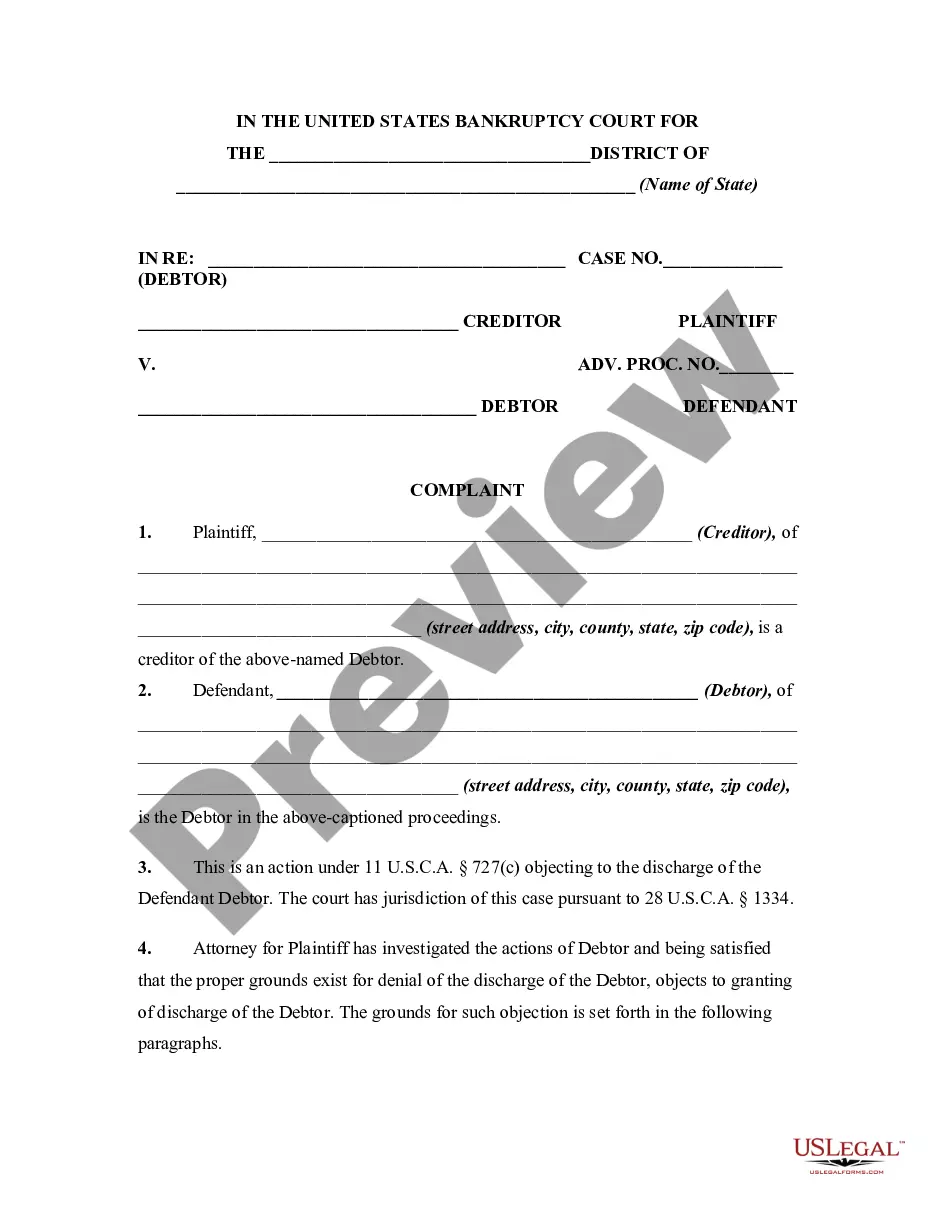
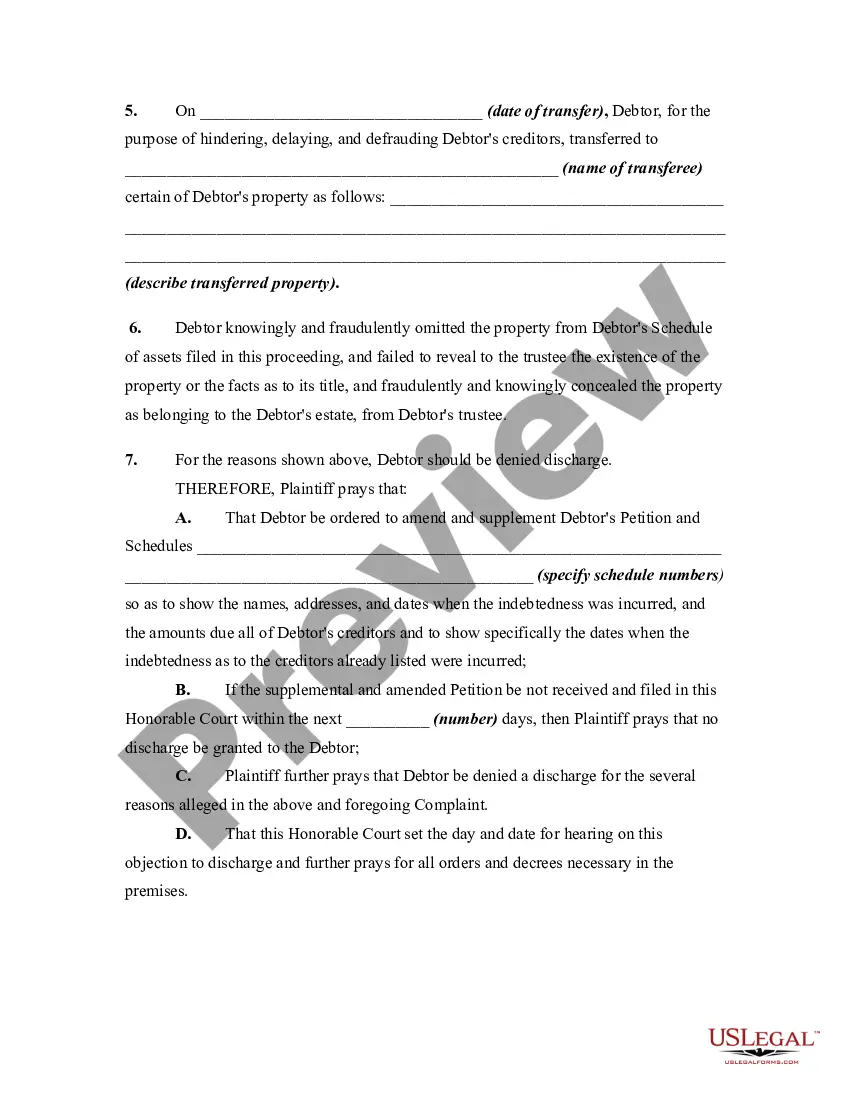
Description
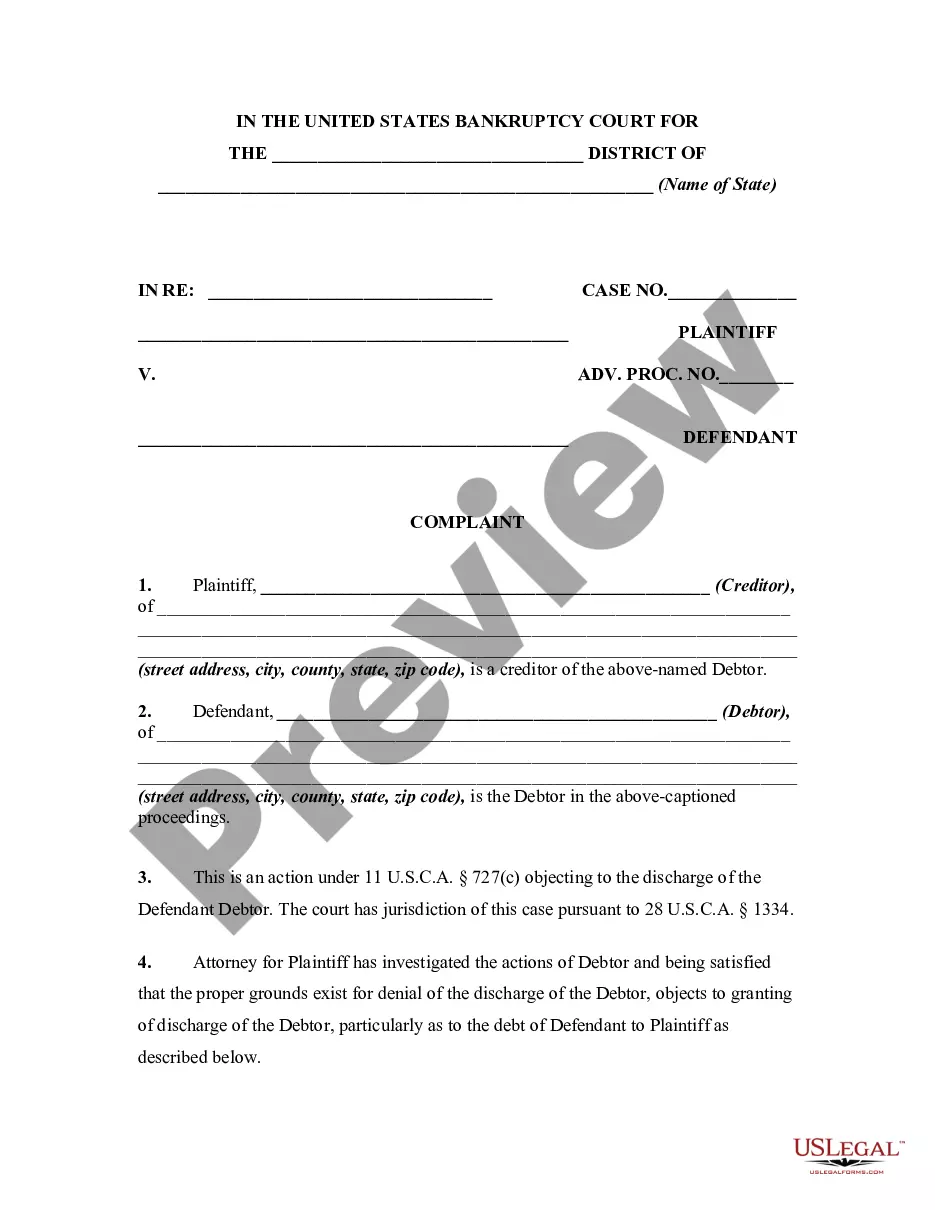
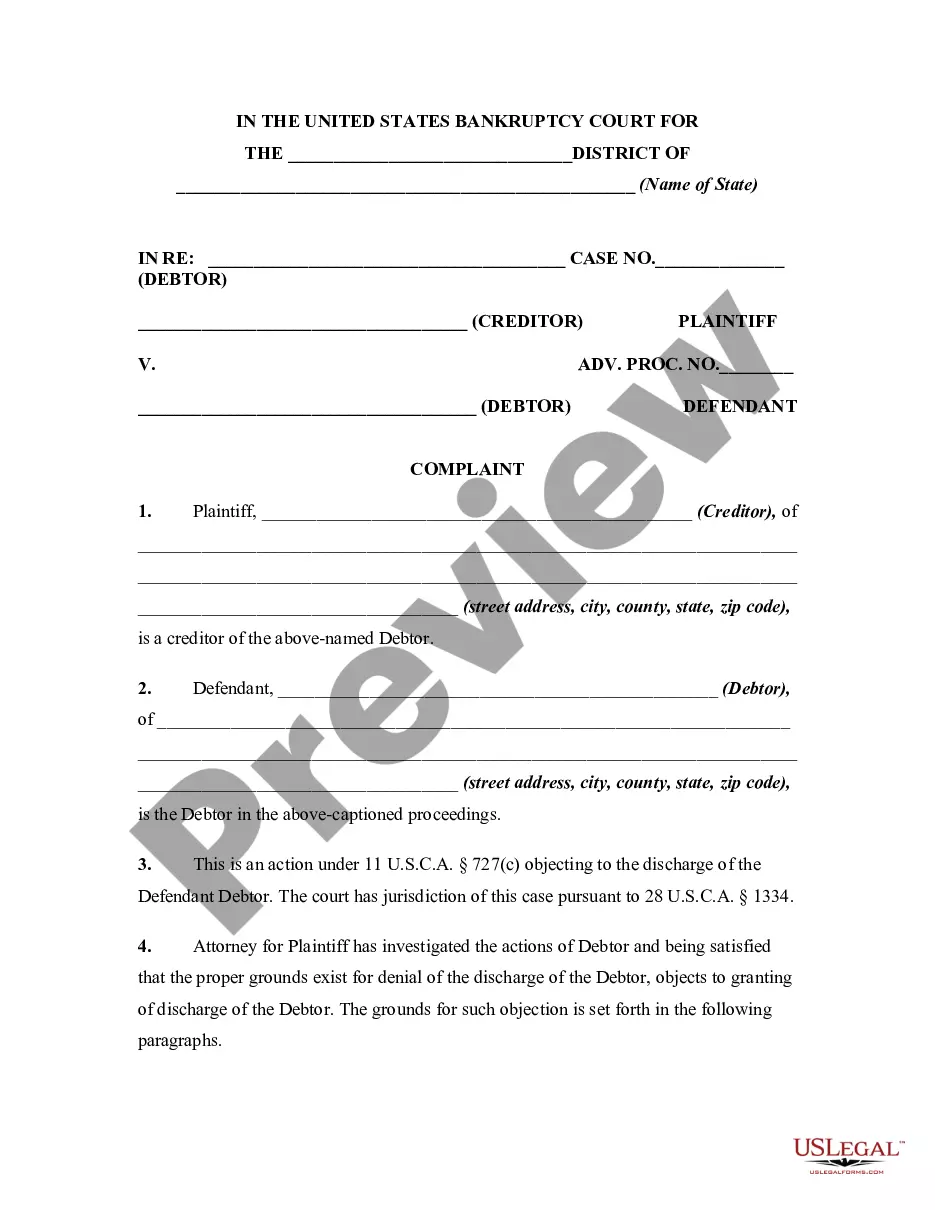
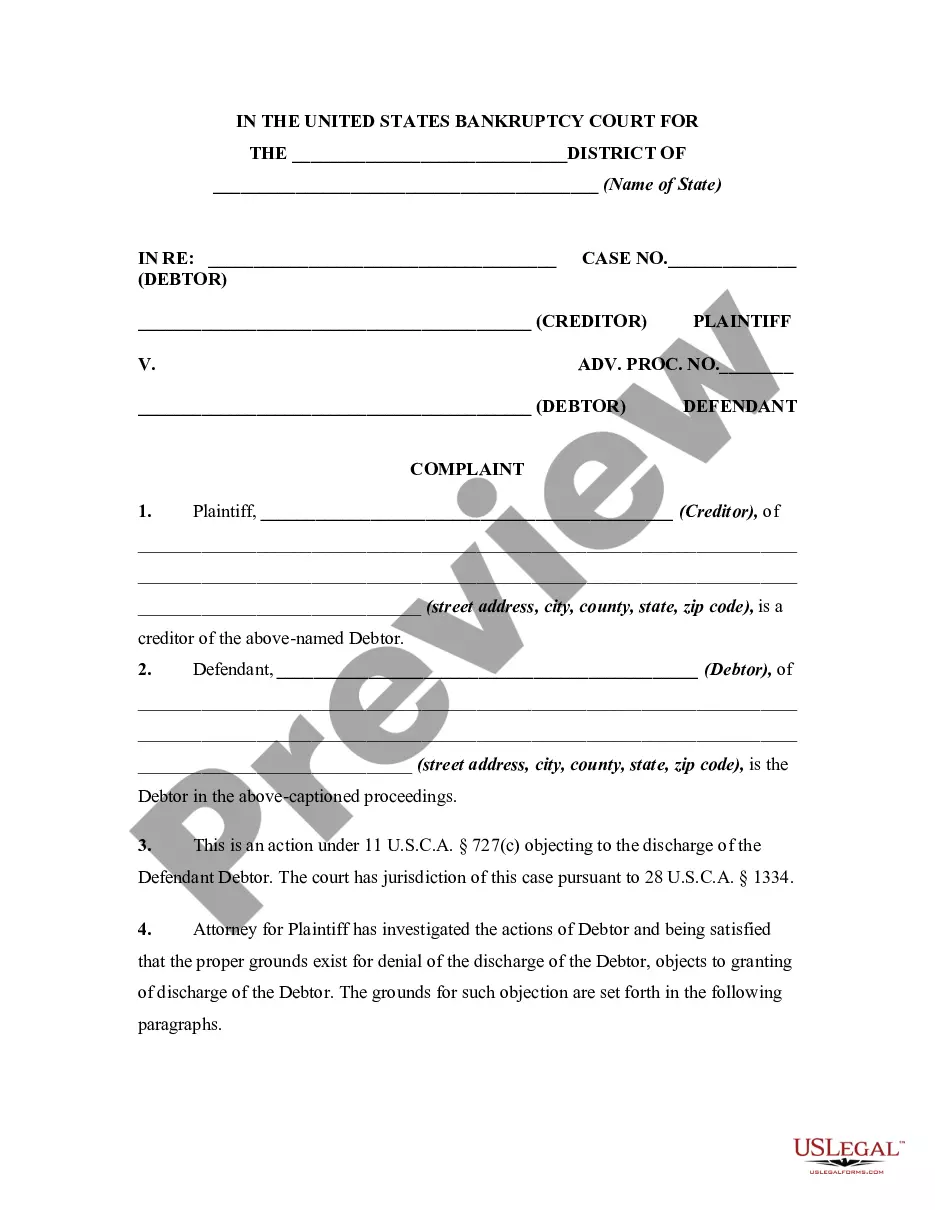
Get your form ready online
Our built-in tools help you complete, sign, share, and store your documents in one place.
Make edits, fill in missing information, and update formatting in US Legal Forms—just like you would in MS Word.
Download a copy, print it, send it by email, or mail it via USPS—whatever works best for your next step.
Sign and collect signatures with our SignNow integration. Send to multiple recipients, set reminders, and more. Go Premium to unlock E-Sign.
If this form requires notarization, complete it online through a secure video call—no need to meet a notary in person or wait for an appointment.
We protect your documents and personal data by following strict security and privacy standards.

Make edits, fill in missing information, and update formatting in US Legal Forms—just like you would in MS Word.

Download a copy, print it, send it by email, or mail it via USPS—whatever works best for your next step.

Sign and collect signatures with our SignNow integration. Send to multiple recipients, set reminders, and more. Go Premium to unlock E-Sign.

If this form requires notarization, complete it online through a secure video call—no need to meet a notary in person or wait for an appointment.

We protect your documents and personal data by following strict security and privacy standards.
Looking for another form?


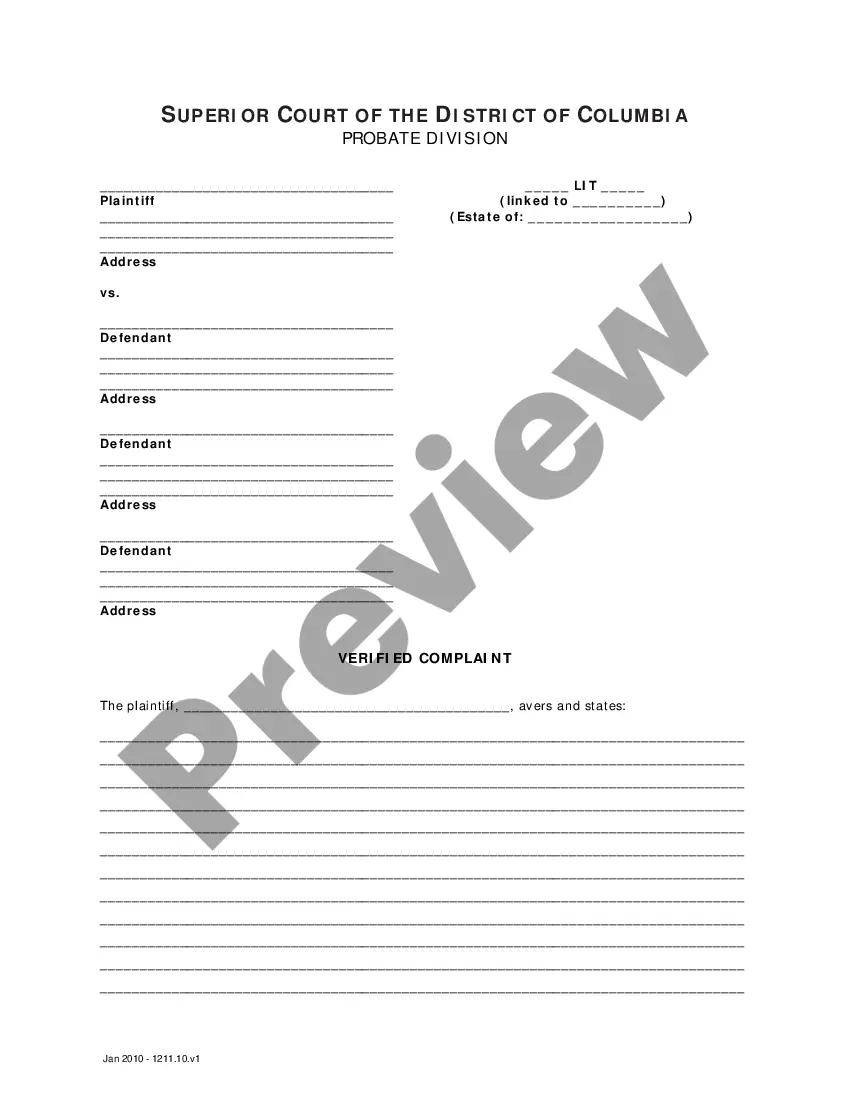

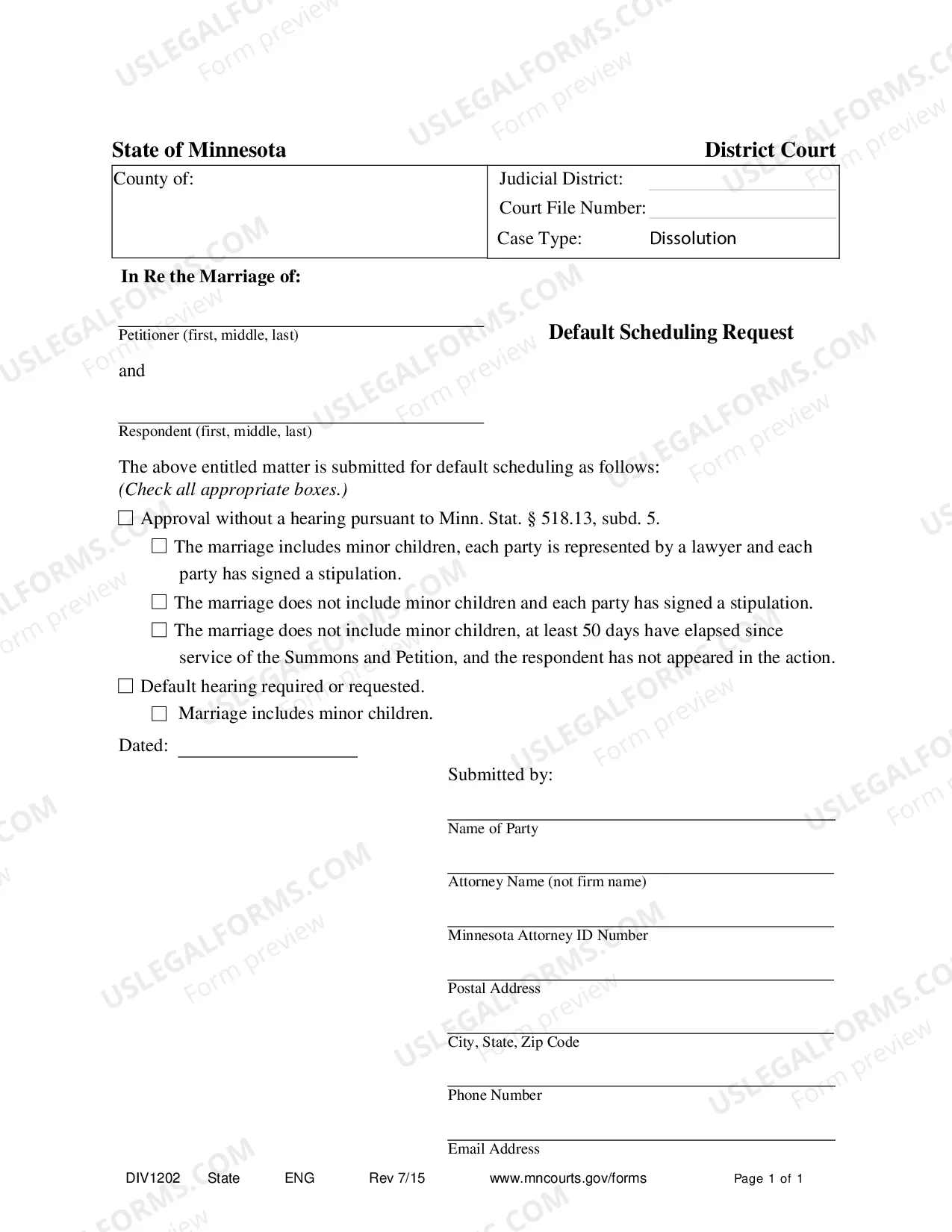




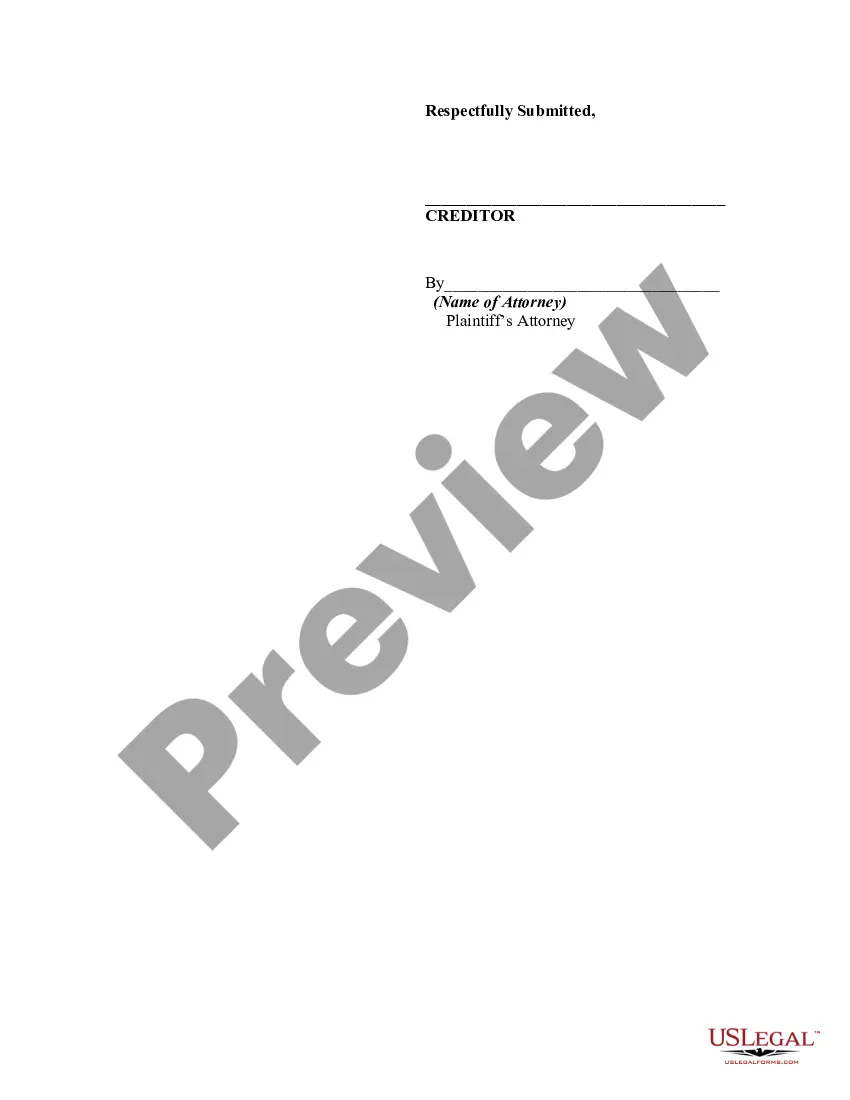
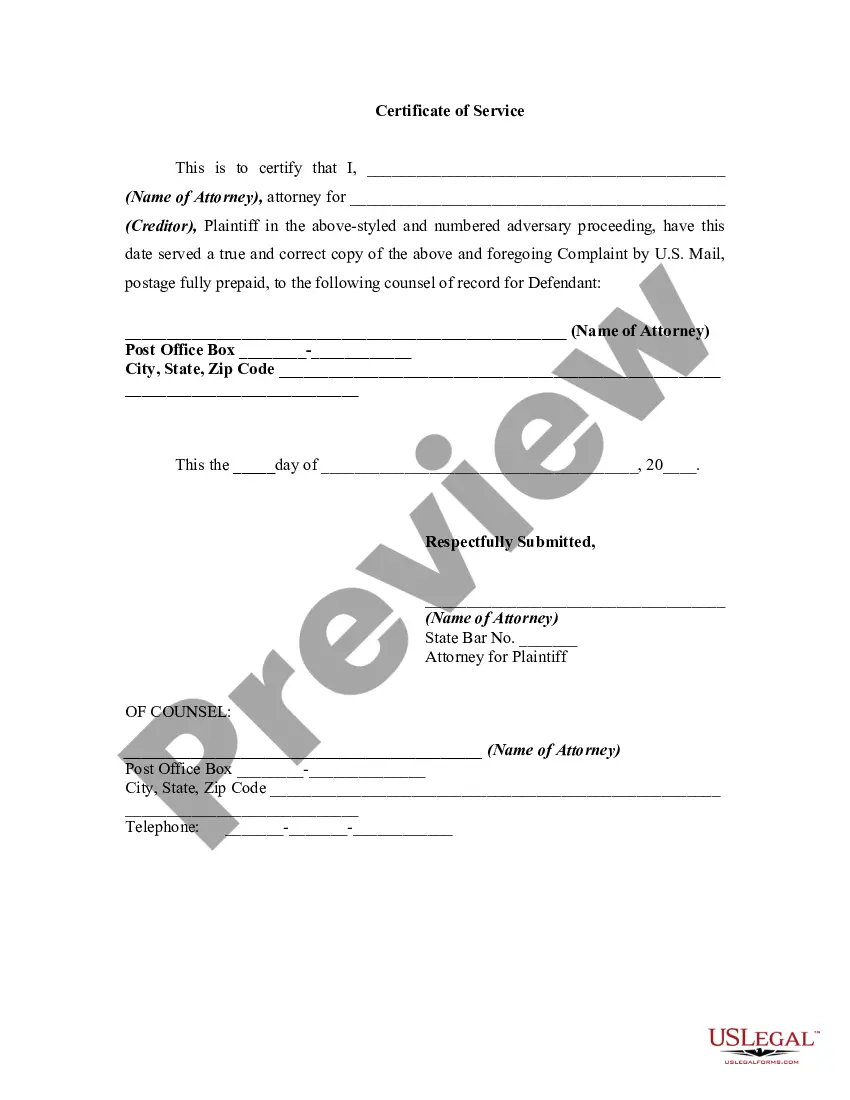
How to fill out Complaint Objecting To Discharge In Bankruptcy Proceedings For Concealment By Debtor And Omitting From Schedules Fraudulently Transferred Property?
- If you are a returning user, log in to your account and download the required form directly. Ensure your subscription is current; if it’s expired, renew it per your plan.
- For first-time users, begin by reviewing the Preview mode and form descriptions. This ensures you select the document that meets your needs and complies with local jurisdiction laws.
- If the document does not fit your requirements, utilize the Search tab to find the right template.
- Once you've identified the correct form, click on the Buy Now button and select your desired subscription plan. You will need to create an account to access all resources.
- Complete your purchase by entering your credit card information or using your PayPal account.
- Finally, download the form and save it to your device. You can access it anytime from the My Forms section of your profile.
In conclusion, US Legal Forms simplifies the process of obtaining legal documents, making it accessible to everyone. Whether you're a seasoned user or new to the platform, these steps guide you to secure the necessary forms efficiently.
Start today and experience the convenience of easily executing legal documents!
Form popularity
FAQ
To complete a withholding exemption form, start by gathering necessary information, such as your filing status and number of dependents. Make sure to accurately report your situation to avoid under or over-withholding. Platforms like USLegalForms can offer you templates and guidance on filling this form correctly, especially regarding how discharge withheld might influence your income tax strategy.
Yes, back taxes can potentially be discharged in Chapter 7 bankruptcy if certain criteria are met. These include the age of the tax debt, timely filing of tax returns, and the nature of the tax liability. It's advisable to consult legal resources or professionals to understand what discharge withheld means in your case.
Filling out a 1099-C form requires attention to detail to avoid errors. You'll need to include the debtor's information, identify the creditor, and specify the cancellation amount. Using platforms like USLegalForms can simplify this process, guiding you through each section and ensuring you meet all requirements while understanding how discharge withheld affects your tax obligations.
Some debts are not eligible for discharge in Chapter 7 bankruptcy. For instance, student loans, child support, and certain tax debts may remain. Understanding these exemptions can help you navigate the bankruptcy process better, ensuring you know what discharge withheld means for your financial future.
Yes, back taxes can be dischargeable under certain conditions. Typically, if the taxes are older than three years and compliant with filing requirements, you may qualify for discharge. However, specific circumstances apply, and it's essential to assess your situation thoroughly to understand how discharge withheld impacts your taxes.
Chapter 7 bankruptcy can eliminate many debts, but back taxes often fall into a unique category. To qualify for discharge, the back taxes must meet specific criteria, including being at least three years old and filed in a timely manner. If you're unsure, seeking guidance can clarify how discharge withheld affects your tax situation.
A motion to defer discharge is a request made to the court to delay the final discharge of debt in bankruptcy cases. This motion may arise when certain conditions have not been met, leading to a discharge withheld. The court will review the reasons for the request and determine whether to grant or deny it. If you find yourself in such a situation, accessing tools through US Legal Forms can assist you in preparing a strong motion.
To get out of debt legally, you can consolidate your debts, negotiate with creditors, or consider bankruptcy if necessary. Each method has its benefits and drawbacks, and it’s crucial to understand your financial situation before making decisions. Seek professional advice to ensure you choose the most appropriate route. Resources from US Legal Forms can equip you with the necessary documents and knowledge to navigate your journey towards debt relief.
Legally discharging debts typically involves filing for bankruptcy or reaching settlements with creditors. Each option carries specific procedures and requirements that you must follow carefully. For instance, Chapter 7 and Chapter 13 bankruptcy allow for discharges of certain debts, but you need to meet eligibility criteria. Consulting with professionals or exploring resources available through US Legal Forms can help clarify your path to a discharge withheld.
Yes, you can legally discharge debt through various methods, including bankruptcy or negotiating settlements with creditors. Discharges can help relieve financial burdens by eliminating obligations in certain situations. It’s essential to understand the laws and options available to ensure a smooth process. Utilizing platforms like US Legal Forms can provide resources and guidance for navigating debt discharge effectively.