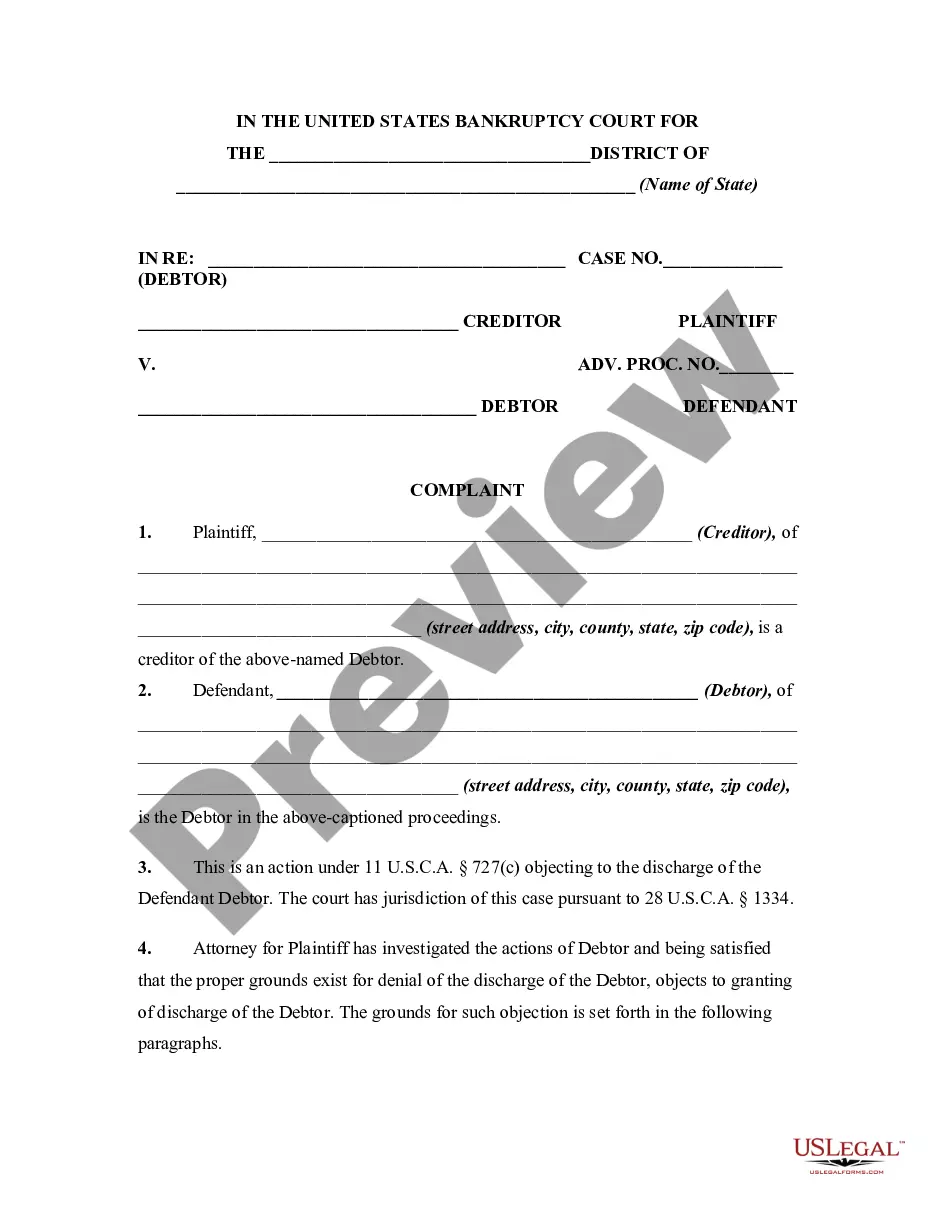
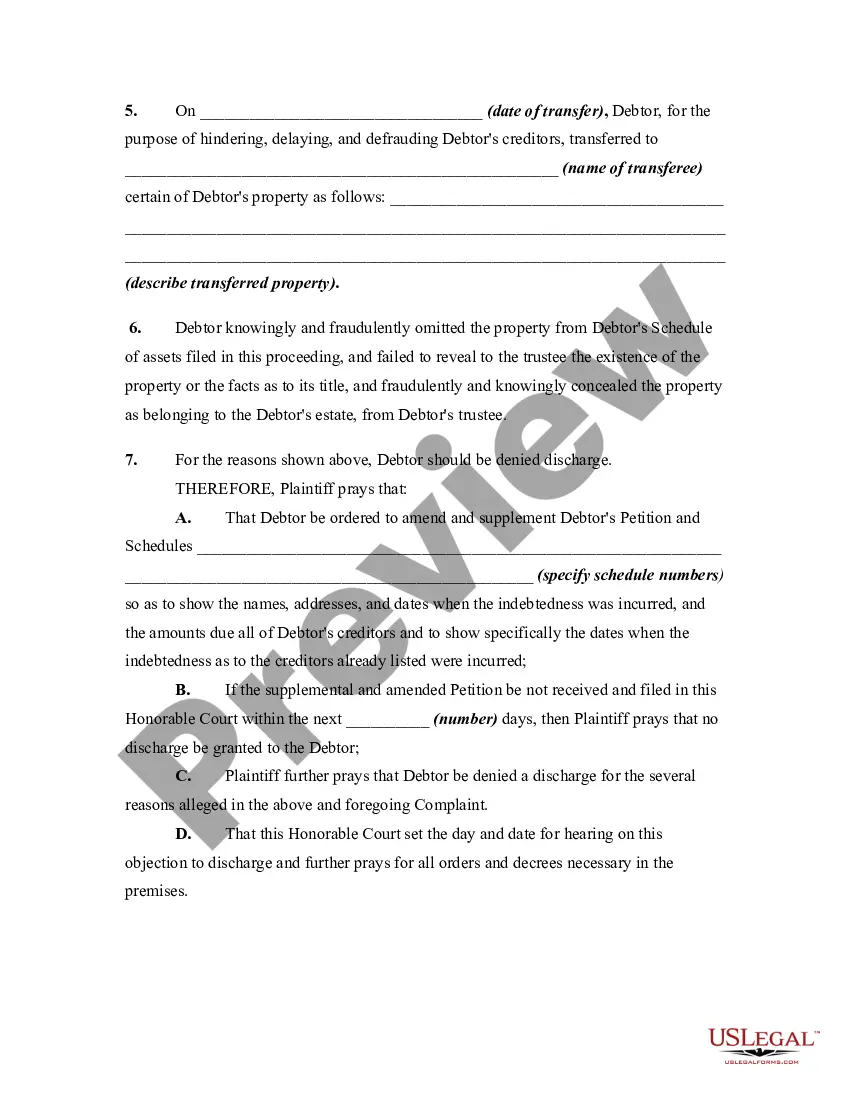
Discharge Bankruptcy 7 For Bankruptcy
Description
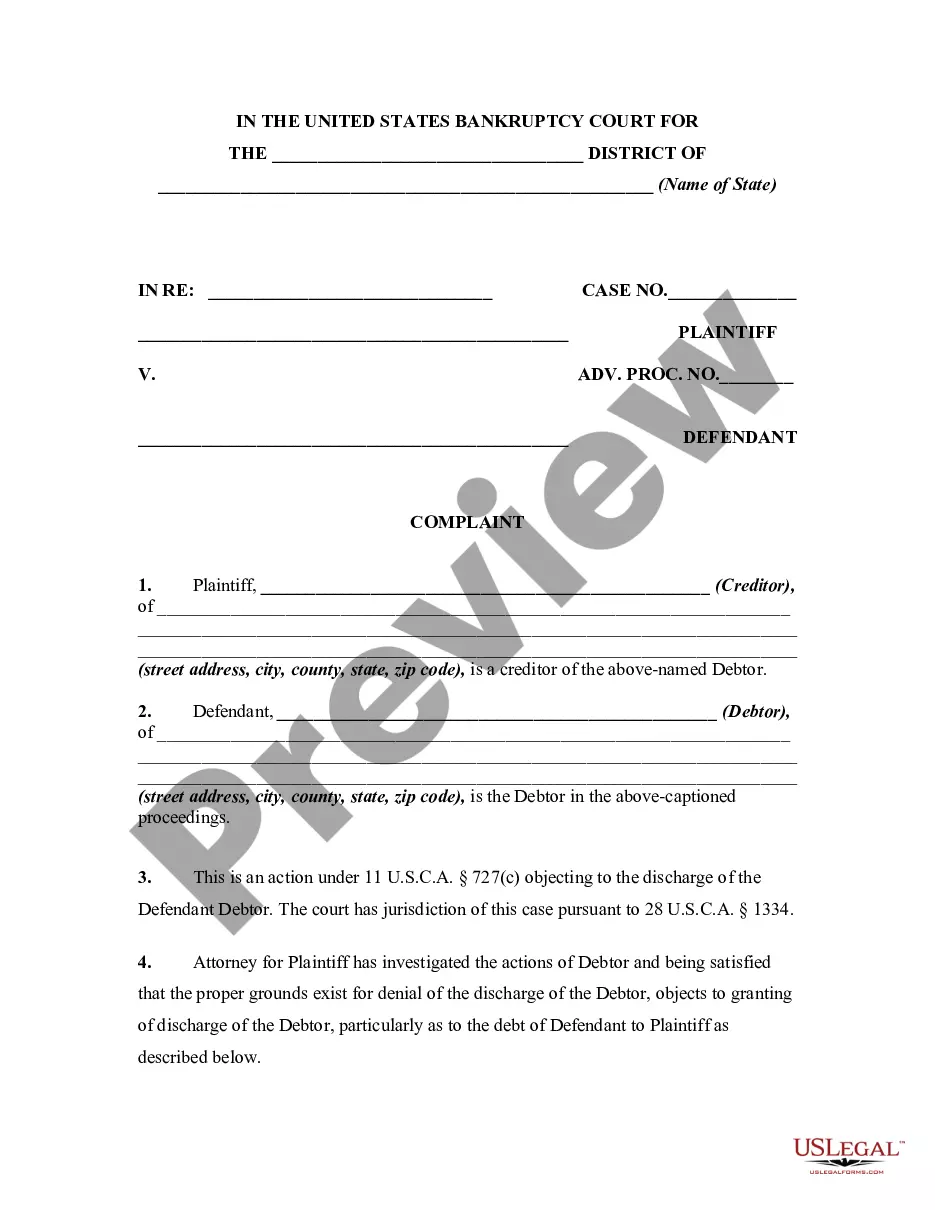
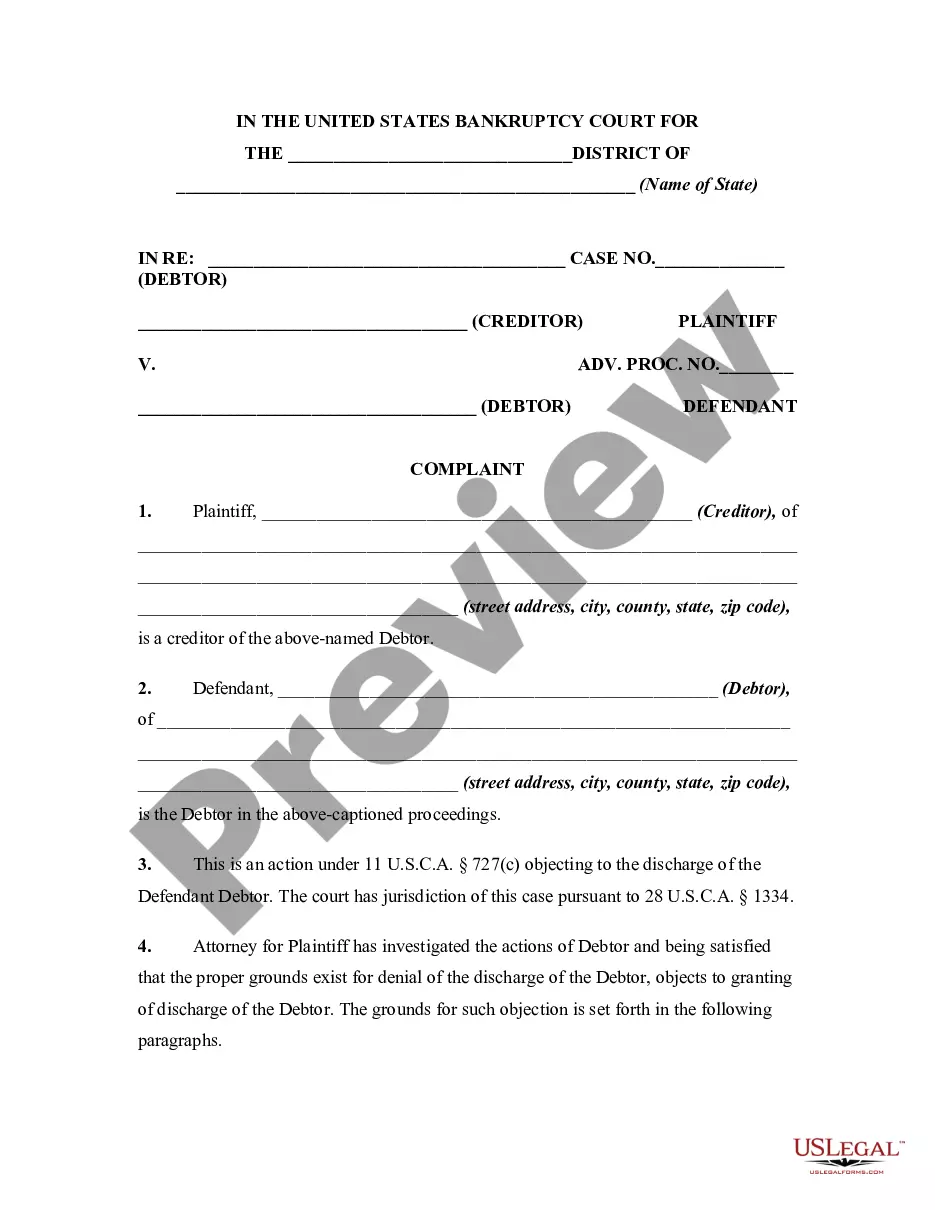
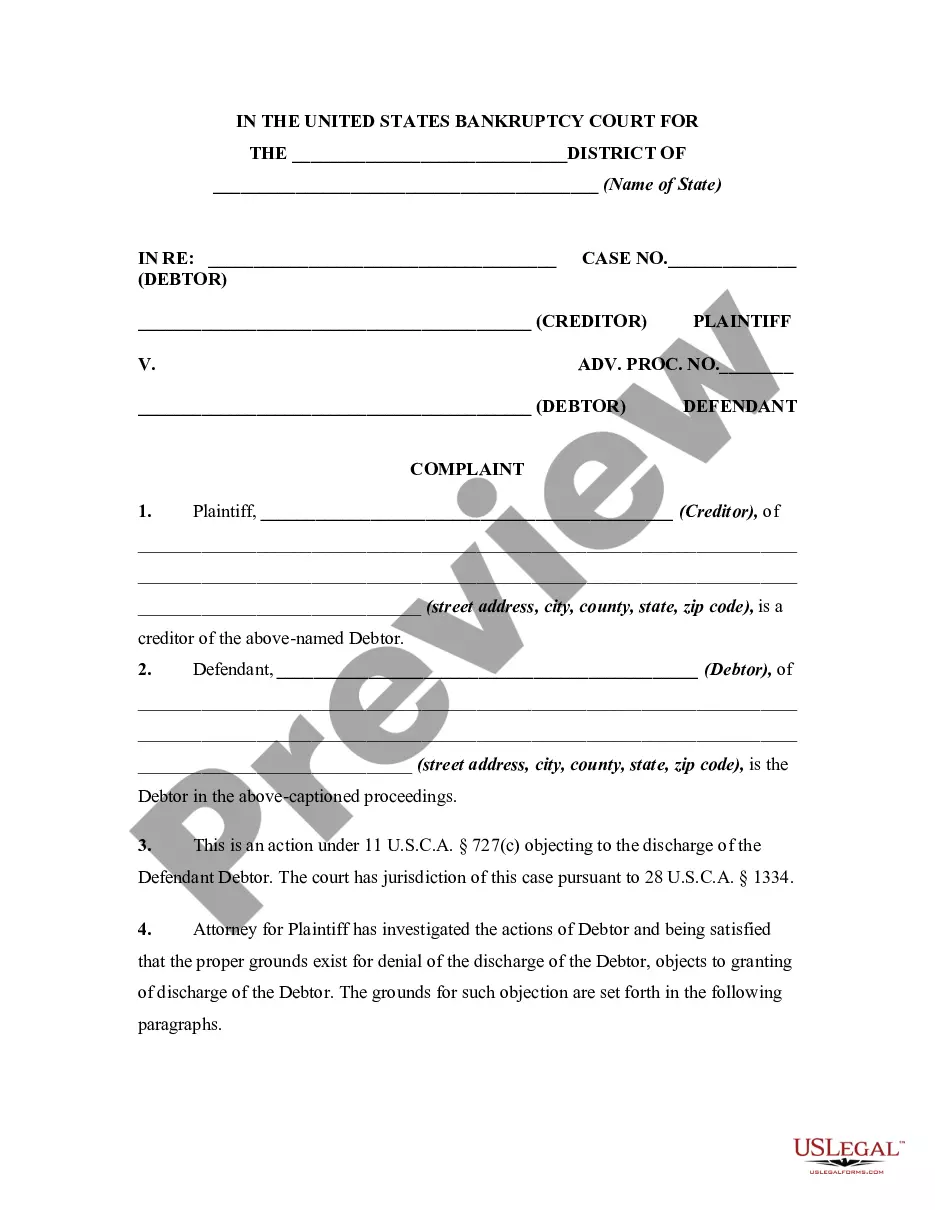
Get your form ready online
Our built-in tools help you complete, sign, share, and store your documents in one place.
Make edits, fill in missing information, and update formatting in US Legal Forms—just like you would in MS Word.
Download a copy, print it, send it by email, or mail it via USPS—whatever works best for your next step.
Sign and collect signatures with our SignNow integration. Send to multiple recipients, set reminders, and more. Go Premium to unlock E-Sign.
If this form requires notarization, complete it online through a secure video call—no need to meet a notary in person or wait for an appointment.
We protect your documents and personal data by following strict security and privacy standards.

Make edits, fill in missing information, and update formatting in US Legal Forms—just like you would in MS Word.

Download a copy, print it, send it by email, or mail it via USPS—whatever works best for your next step.

Sign and collect signatures with our SignNow integration. Send to multiple recipients, set reminders, and more. Go Premium to unlock E-Sign.

If this form requires notarization, complete it online through a secure video call—no need to meet a notary in person or wait for an appointment.

We protect your documents and personal data by following strict security and privacy standards.
Looking for another form?


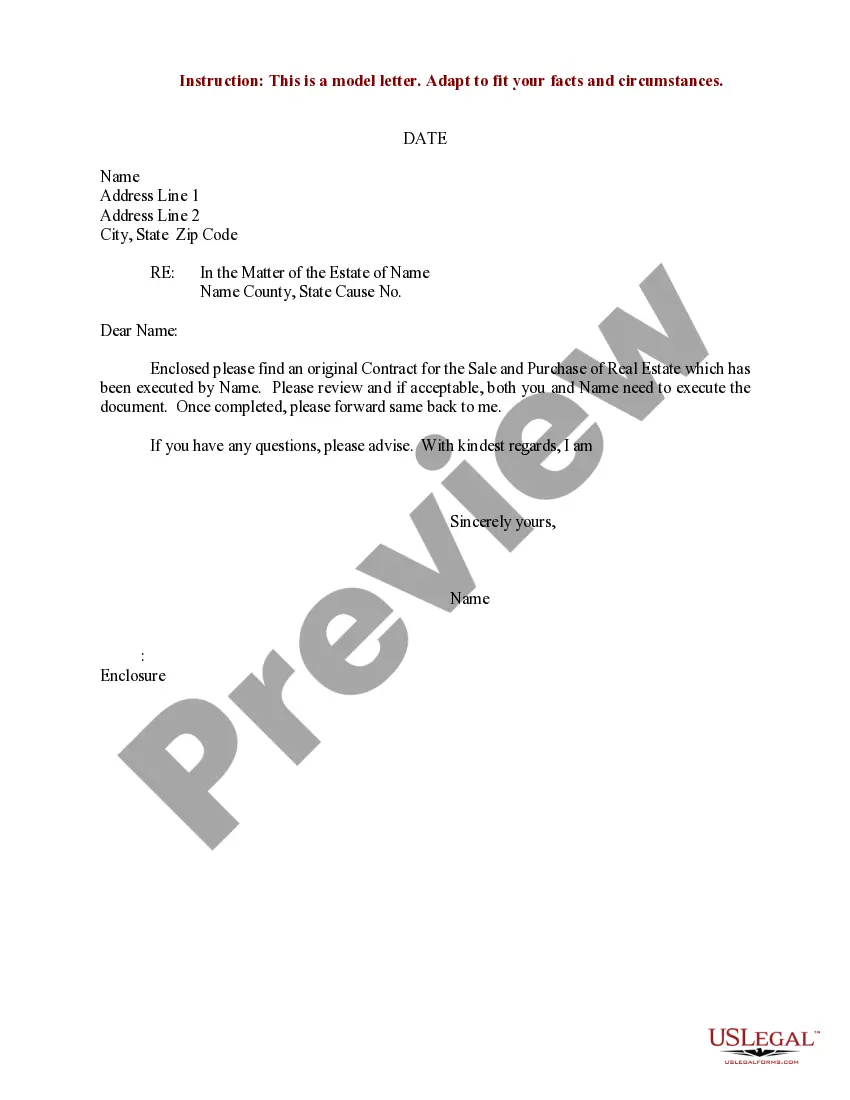


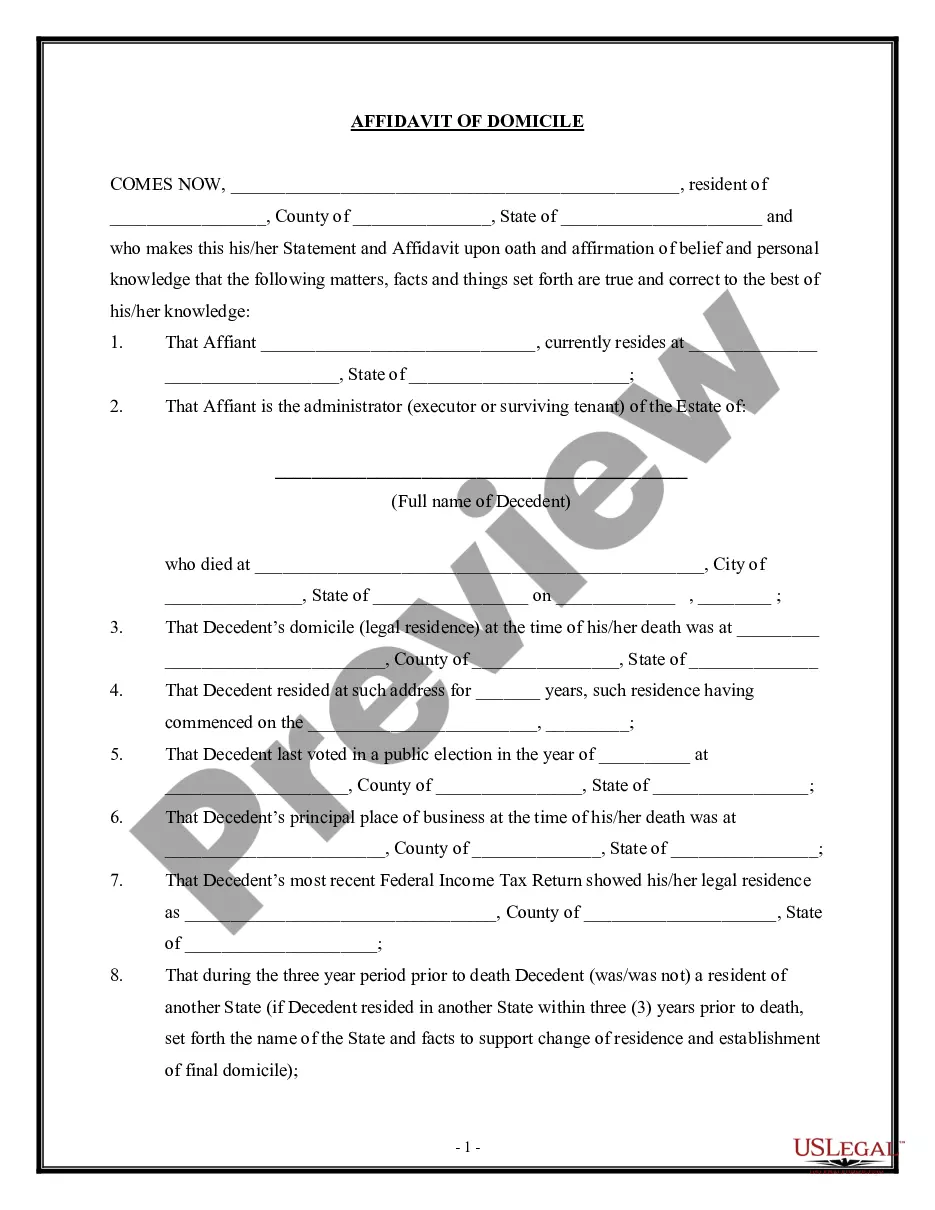

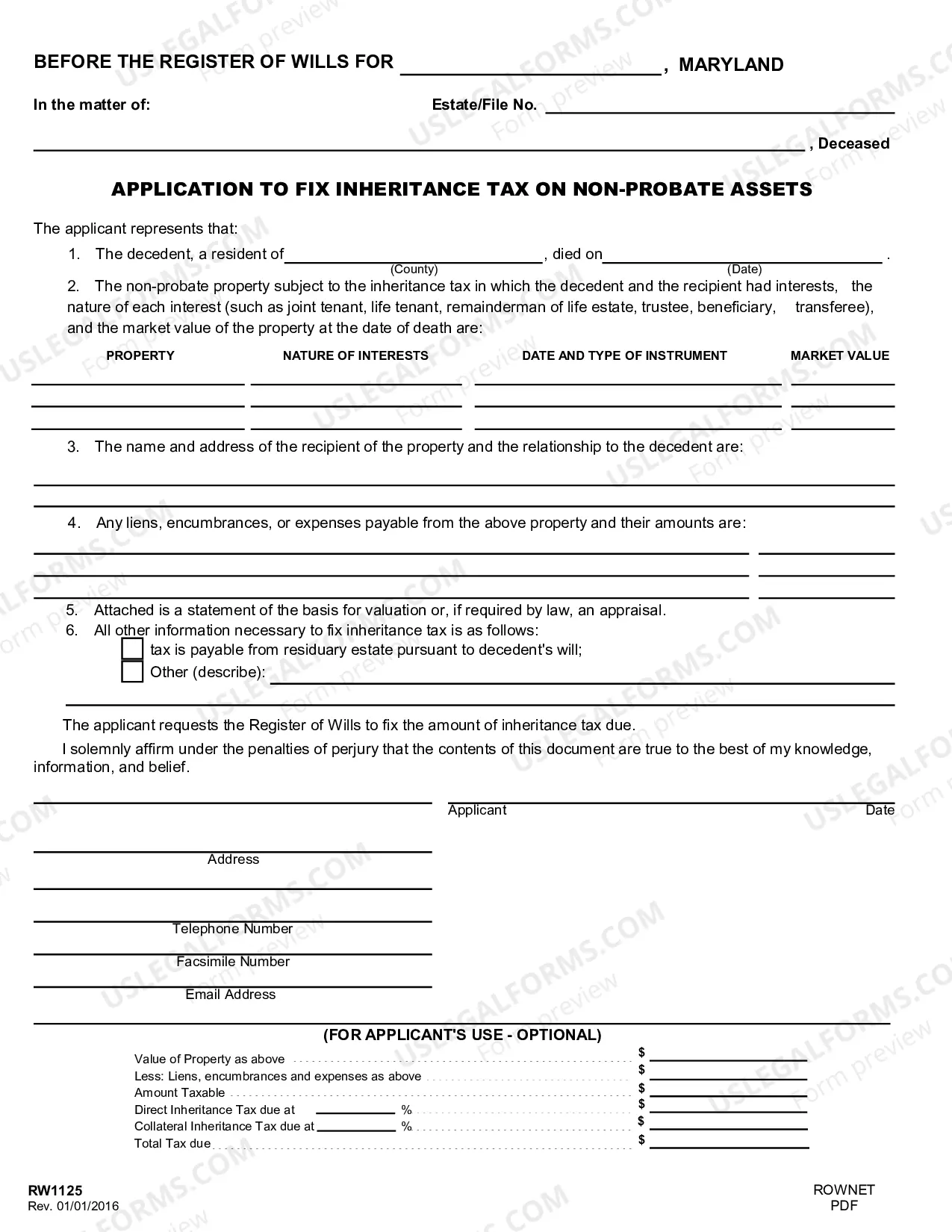
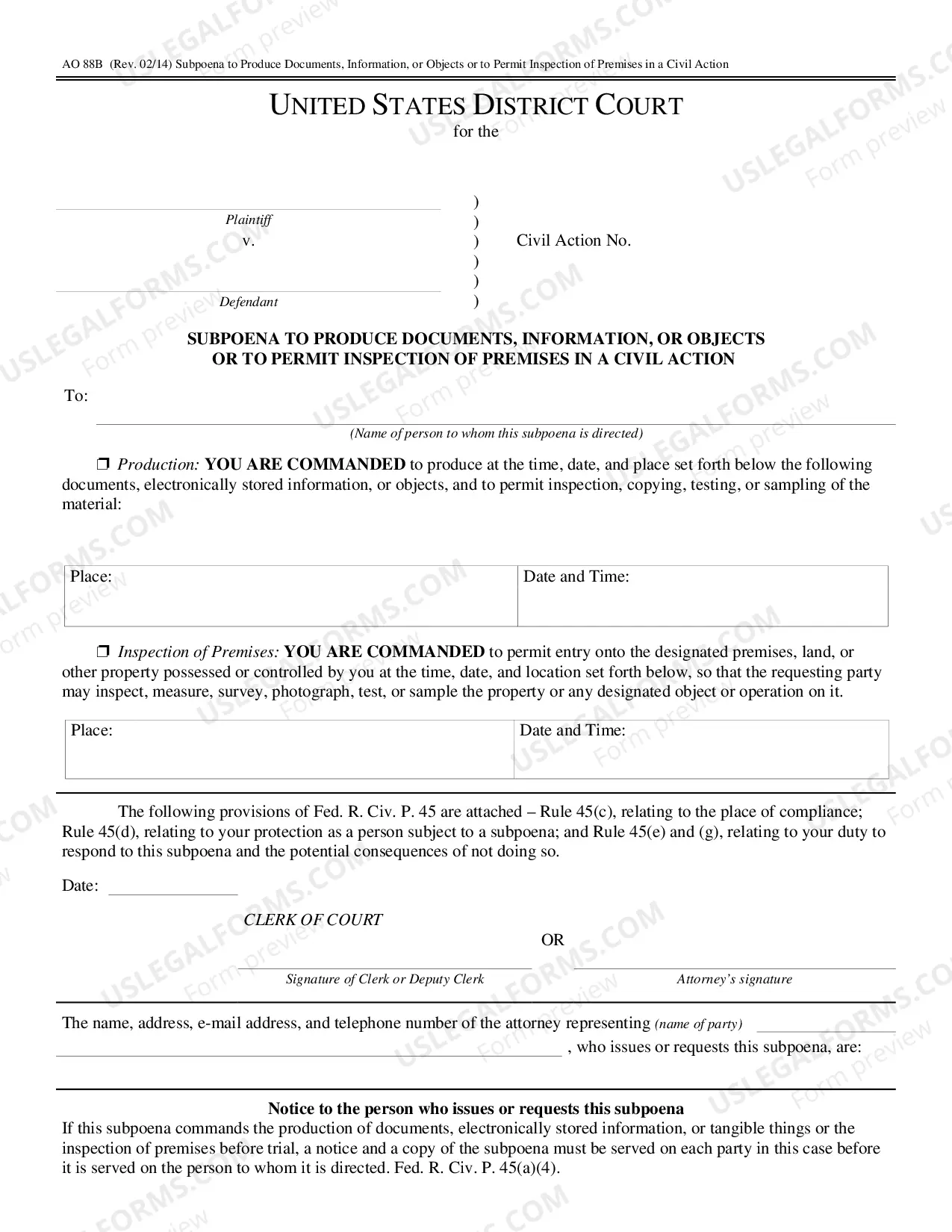
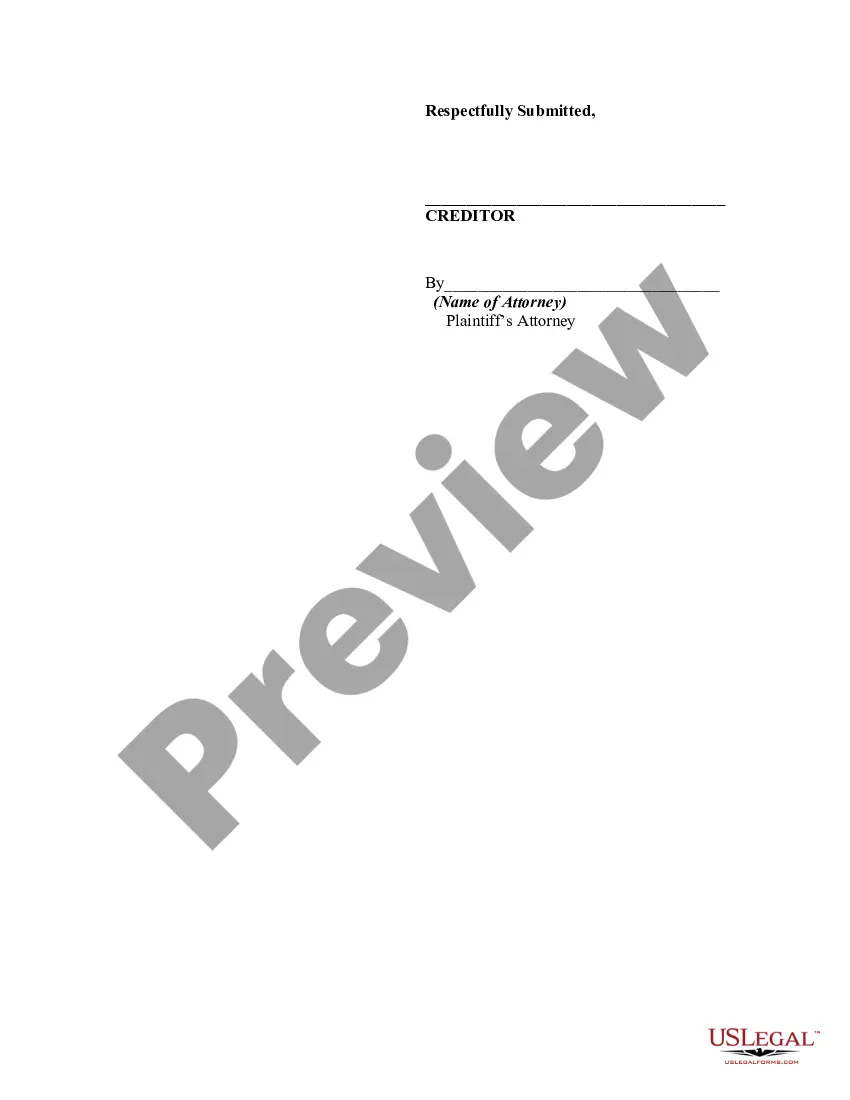
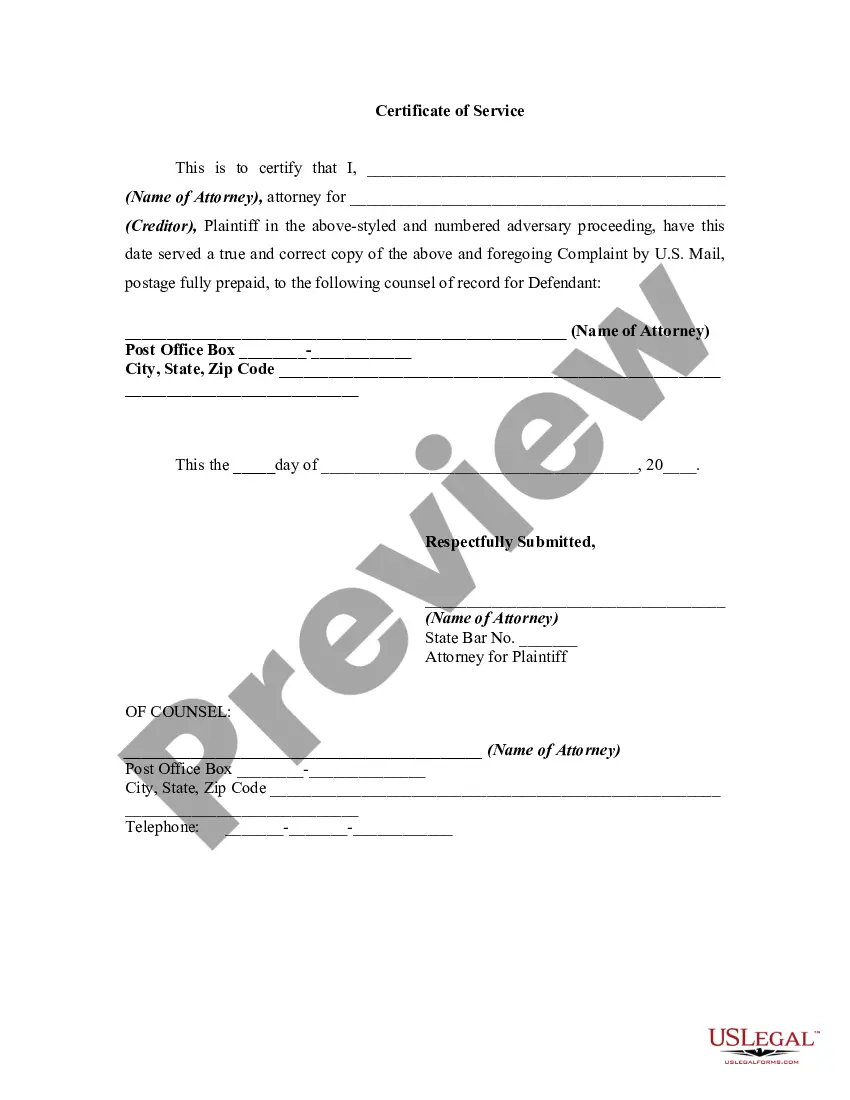
How to fill out Complaint Objecting To Discharge In Bankruptcy Proceedings For Concealment By Debtor And Omitting From Schedules Fraudulently Transferred Property?
Whether for business purposes or for personal matters, everybody has to deal with legal situations at some point in their life. Filling out legal papers requires careful attention, beginning from selecting the correct form sample. For instance, when you select a wrong edition of the Discharge Bankruptcy 7 For Bankruptcy, it will be rejected when you submit it. It is therefore essential to have a trustworthy source of legal files like US Legal Forms.
If you have to get a Discharge Bankruptcy 7 For Bankruptcy sample, stick to these easy steps:
- Get the template you need by using the search field or catalog navigation.
- Look through the form’s information to make sure it matches your situation, state, and region.
- Click on the form’s preview to view it.
- If it is the incorrect document, get back to the search function to find the Discharge Bankruptcy 7 For Bankruptcy sample you need.
- Get the template if it meets your needs.
- If you already have a US Legal Forms profile, just click Log in to access previously saved templates in My Forms.
- In the event you don’t have an account yet, you may download the form by clicking Buy now.
- Pick the appropriate pricing option.
- Finish the profile registration form.
- Select your transaction method: you can use a credit card or PayPal account.
- Pick the document format you want and download the Discharge Bankruptcy 7 For Bankruptcy.
- When it is saved, you can complete the form with the help of editing software or print it and complete it manually.
With a substantial US Legal Forms catalog at hand, you don’t need to spend time seeking for the right template across the web. Take advantage of the library’s straightforward navigation to find the proper form for any situation.
Form popularity
FAQ
The Chapter 7 Discharge. A discharge releases individual debtors from personal liability for most debts and prevents the creditors owed those debts from taking any collection actions against the debtor.
Most Chapter 7 bankruptcy cases take between 4 - 6 months to complete after filing the case with the court. The order erasing eligible debts can be granted as early as 90 days from the date the case was filed. No-asset cases are typically closed a couple of weeks after the discharge date.
The Chapter 7 Discharge. A discharge releases individual debtors from personal liability for most debts and prevents the creditors owed those debts from taking any collection actions against the debtor.
Secured debts can be discharged in bankruptcy, but that doesn't mean you get to keep the collateral for free. Most secured debt in Chapter 7 is discharged unless you reaffirm the debt. Even though the Chapter 7 discharge wipes out your personal liability for the debt, the debt is still attached to the collateral.
Key Takeaways. Types of debt that cannot be discharged in bankruptcy include alimony, child support, and certain unpaid taxes. Other types of debt that cannot be alleviated in bankruptcy include debts for willful and malicious injury to another person or property.