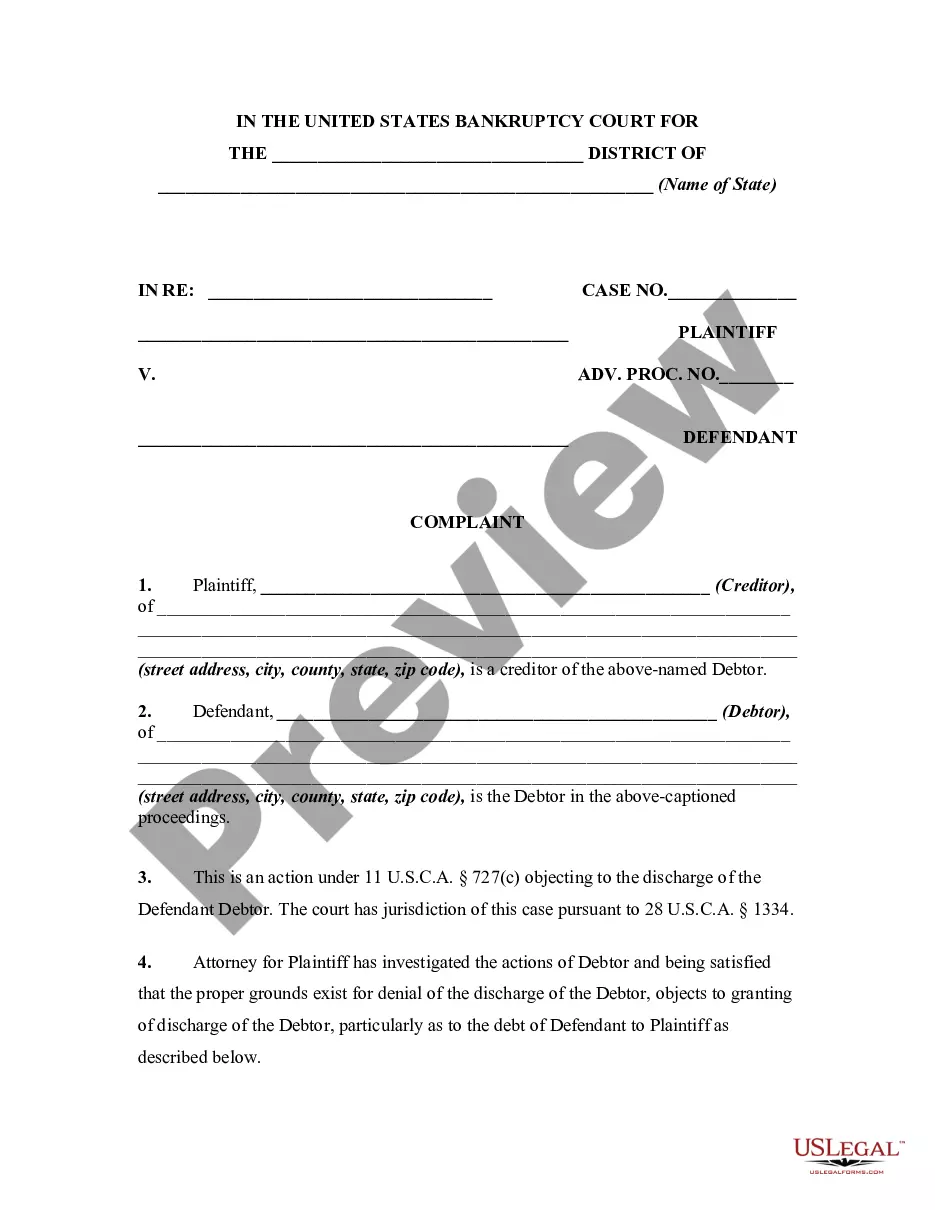
Complaint Objecting To Dischargeability Of Debt With Low Income
Description
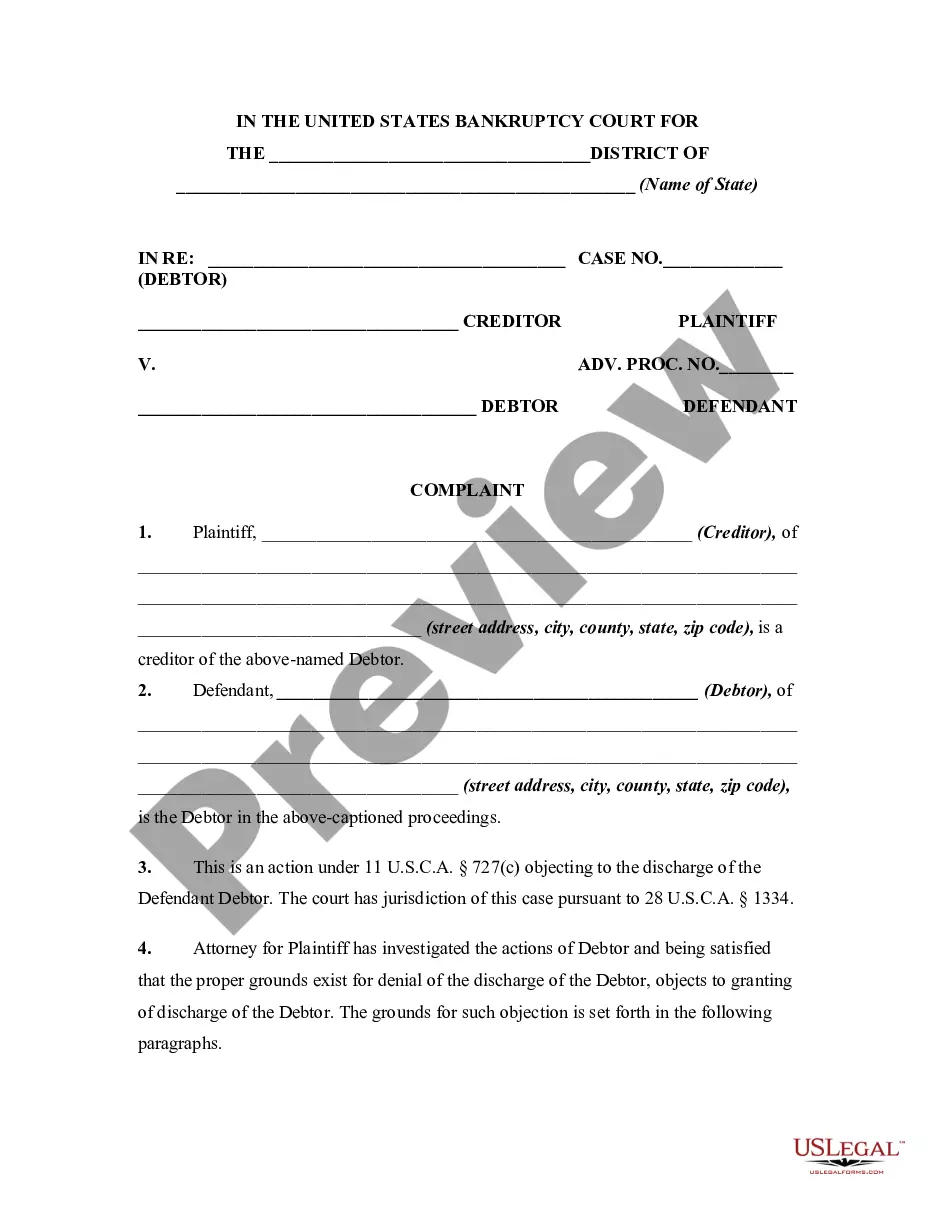
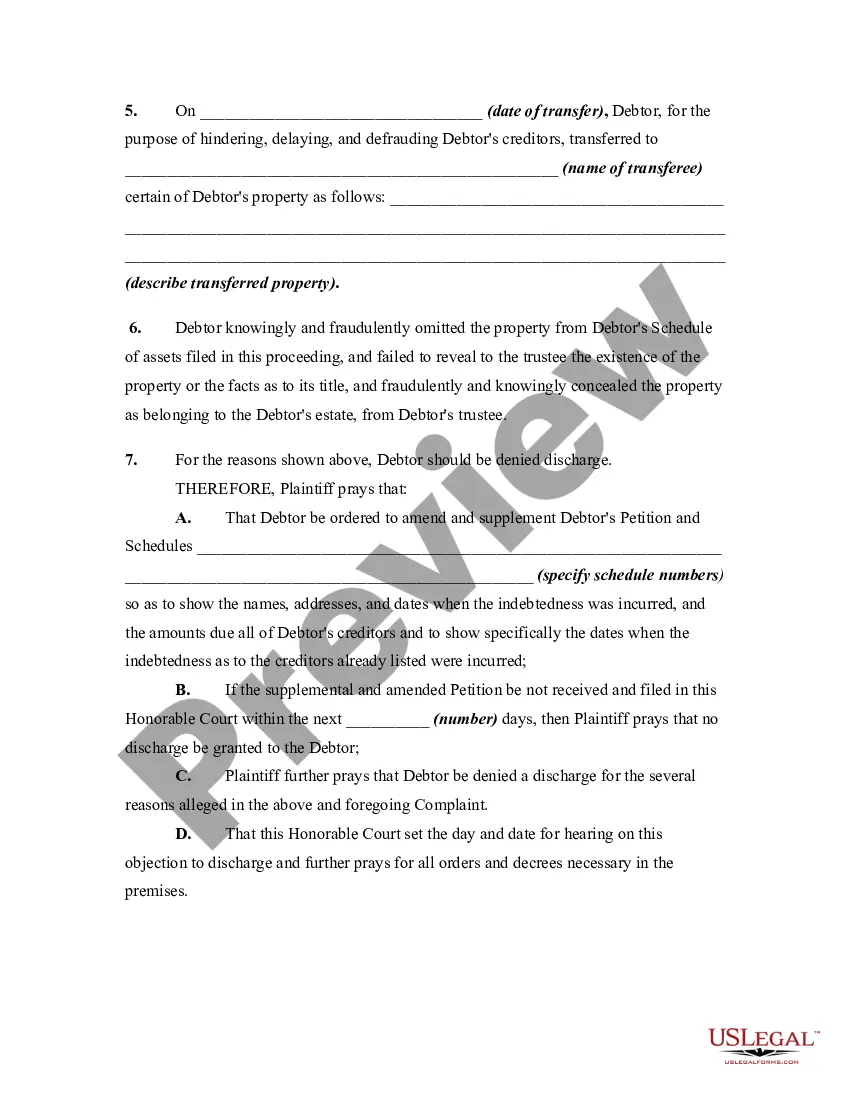
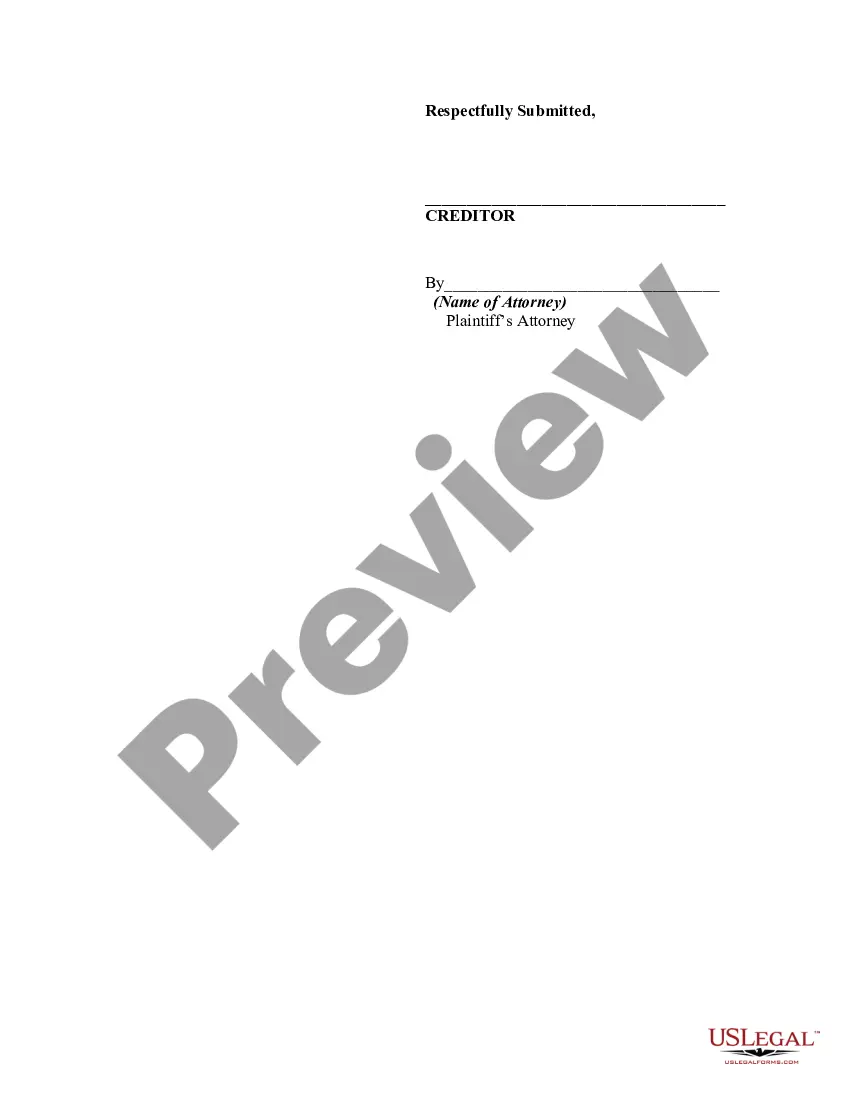
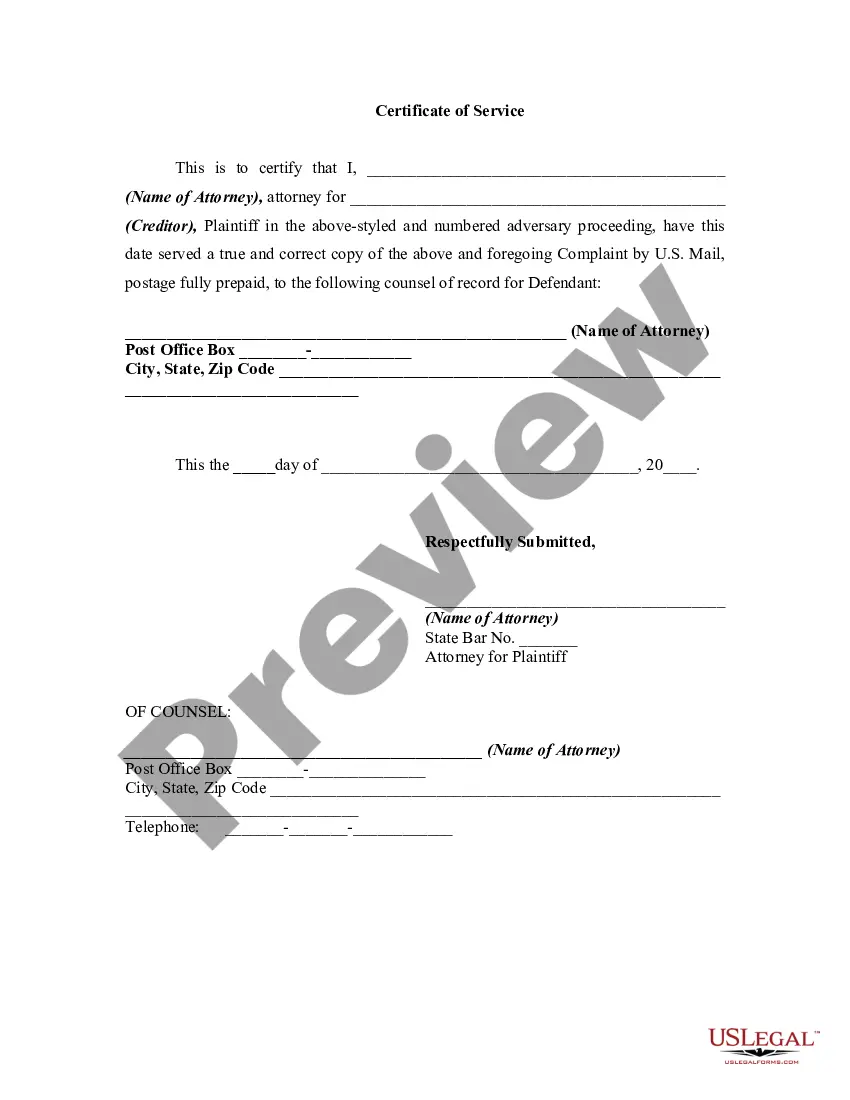
Get your form ready online
Our built-in tools help you complete, sign, share, and store your documents in one place.
Make edits, fill in missing information, and update formatting in US Legal Forms—just like you would in MS Word.
Download a copy, print it, send it by email, or mail it via USPS—whatever works best for your next step.
Sign and collect signatures with our SignNow integration. Send to multiple recipients, set reminders, and more. Go Premium to unlock E-Sign.
If this form requires notarization, complete it online through a secure video call—no need to meet a notary in person or wait for an appointment.
We protect your documents and personal data by following strict security and privacy standards.

Make edits, fill in missing information, and update formatting in US Legal Forms—just like you would in MS Word.

Download a copy, print it, send it by email, or mail it via USPS—whatever works best for your next step.

Sign and collect signatures with our SignNow integration. Send to multiple recipients, set reminders, and more. Go Premium to unlock E-Sign.

If this form requires notarization, complete it online through a secure video call—no need to meet a notary in person or wait for an appointment.

We protect your documents and personal data by following strict security and privacy standards.
Looking for another form?
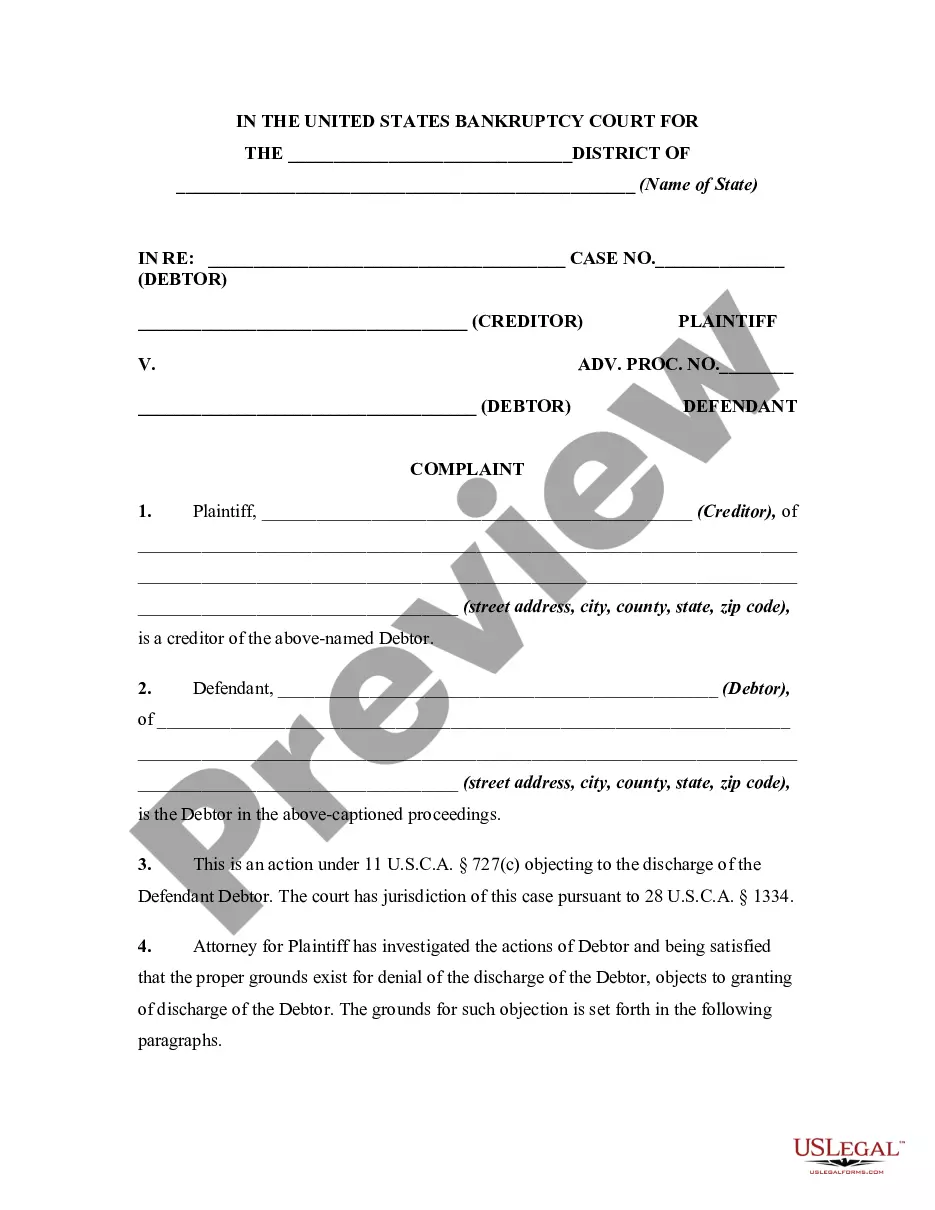
How to fill out Complaint Objecting To Discharge In Bankruptcy Proceedings For Concealment By Debtor And Omitting From Schedules Fraudulently Transferred Property?
The grievance challenging the dischargeability of debt with limited income presented on this page is a reusable official template created by qualified attorneys following federal and state statutes.
For over 25 years, US Legal Forms has supplied individuals, organizations, and lawyers with more than 85,000 validated, state-specific documents for any business and personal need. It’s the quickest, simplest, and most dependable way to secure the paperwork you require, as the service guarantees bank-level data protection and anti-malware safeguards.
Subscribe to US Legal Forms to have confirmed legal templates at hand for all of life's situations.
- Search for the document you need and review it.
- Browse through the sample you searched for and examine it or review the form description to confirm it meets your needs. If it doesn’t, utilize the search bar to locate the right one. Click Buy Now once you have found the template you seek.
- Choose a subscription plan and sign in.
- Select the pricing option that fits you and set up your account. Use PayPal or a credit card to make a fast payment. If you already possess an account, Log In and verify your subscription to continue.
- Obtain the editable template.
- Choose the format you prefer for your grievance concerning the dischargeability of debt with limited income (PDF, Word, RTF) and download the document onto your device.
- Fill out and sign the document.
- Print the template to complete it manually. Alternatively, utilize an online comprehensive PDF editor to swiftly and accurately fill out and sign your form with an eSignature.
- Redownload your documents if needed.
- Use the same document again whenever necessary. Access the My documents tab in your profile to redownload any previously saved documents.
Form popularity
FAQ
If a debt arose from the debtor's intentional wrongdoing, the creditor can object to discharging it. This might involve damages related to a drunk driving accident, for example, or costs caused by intentional damage to an apartment or other property.
Except as otherwise provided in subdivision (d), a complaint to determine the dischargeability of a debt under §523(c) shall be filed no later than 60 days after the first date set for the meeting of creditors under §341(a).
A trustee's or creditor's objection to the debtor being released from personal liability for certain dischargeable debts. Common reasons include allegations that the debt to be discharged was incurred by false pretenses or that debt arose because of the debtor's fraud while acting as a fiduciary.
A hardship discharge can provide financial relief when someone loses a job or takes on unavoidable debt, such as medical debt, without canceling the Chapter 13 plan.
To object to the debtor's discharge, a creditor must file a complaint in the bankruptcy court before the deadline set out in the notice. Filing a complaint starts a lawsuit referred to in bankruptcy as an "adversary proceeding."