Chapter Eleven
Description
Get your form ready online
Our built-in tools help you complete, sign, share, and store your documents in one place.
Make edits, fill in missing information, and update formatting in US Legal Forms—just like you would in MS Word.
Download a copy, print it, send it by email, or mail it via USPS—whatever works best for your next step.
Sign and collect signatures with our SignNow integration. Send to multiple recipients, set reminders, and more. Go Premium to unlock E-Sign.
If this form requires notarization, complete it online through a secure video call—no need to meet a notary in person or wait for an appointment.
We protect your documents and personal data by following strict security and privacy standards.

Make edits, fill in missing information, and update formatting in US Legal Forms—just like you would in MS Word.

Download a copy, print it, send it by email, or mail it via USPS—whatever works best for your next step.

Sign and collect signatures with our SignNow integration. Send to multiple recipients, set reminders, and more. Go Premium to unlock E-Sign.

If this form requires notarization, complete it online through a secure video call—no need to meet a notary in person or wait for an appointment.

We protect your documents and personal data by following strict security and privacy standards.
Looking for another form?



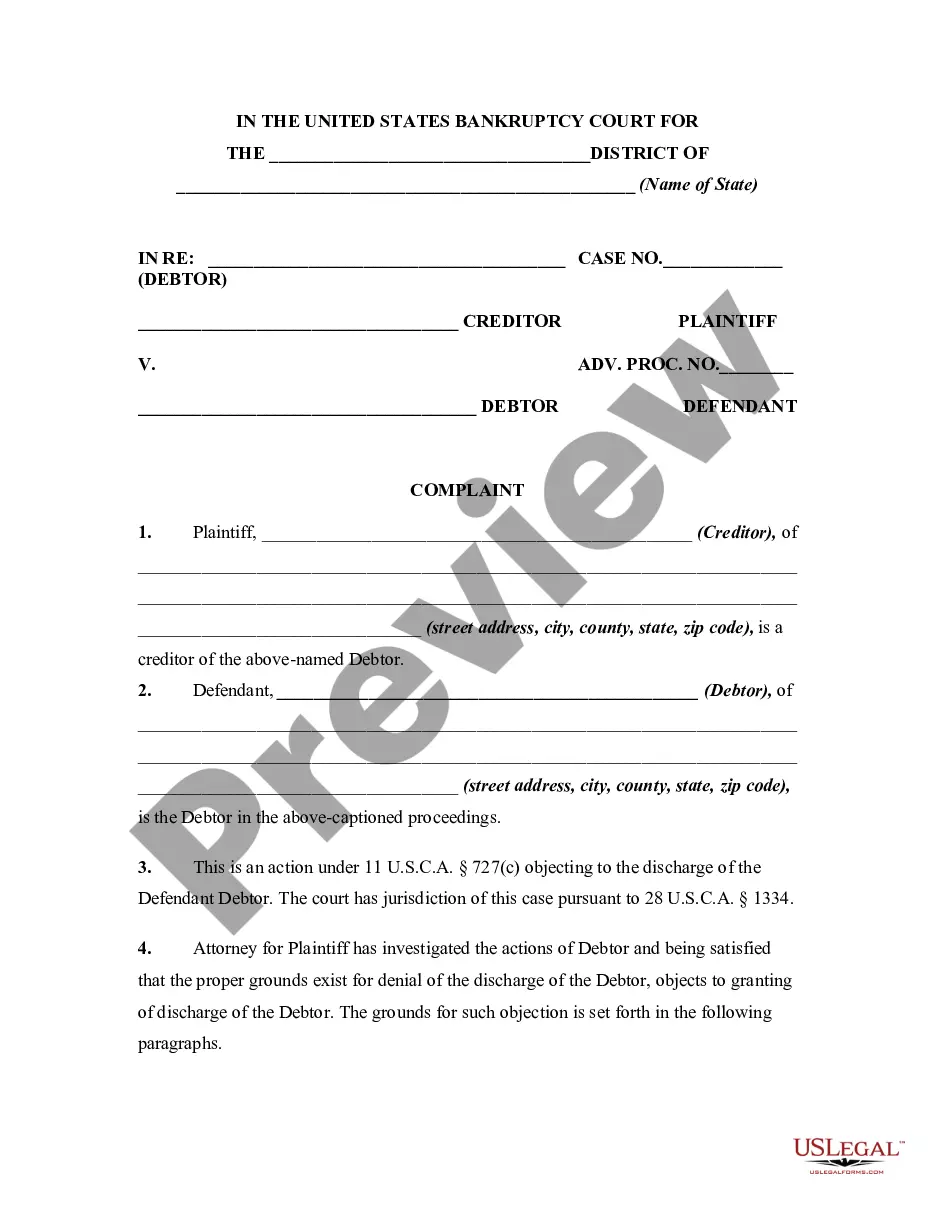
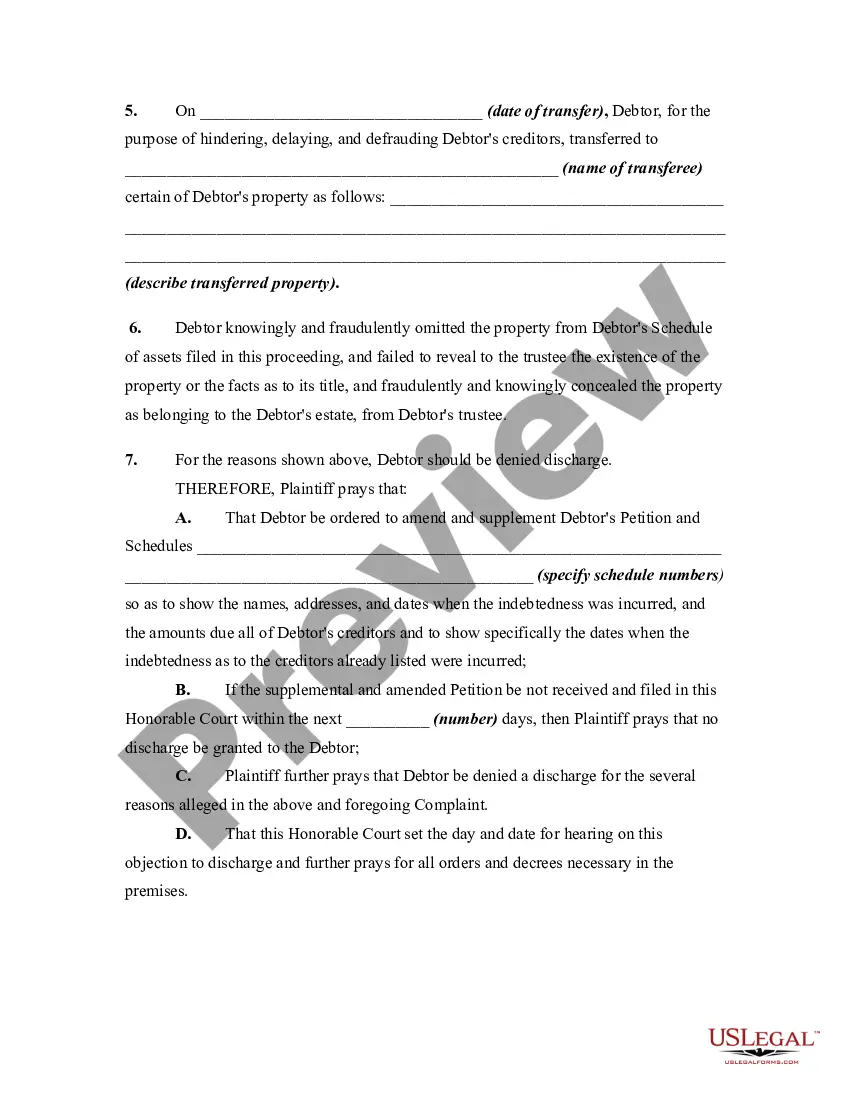
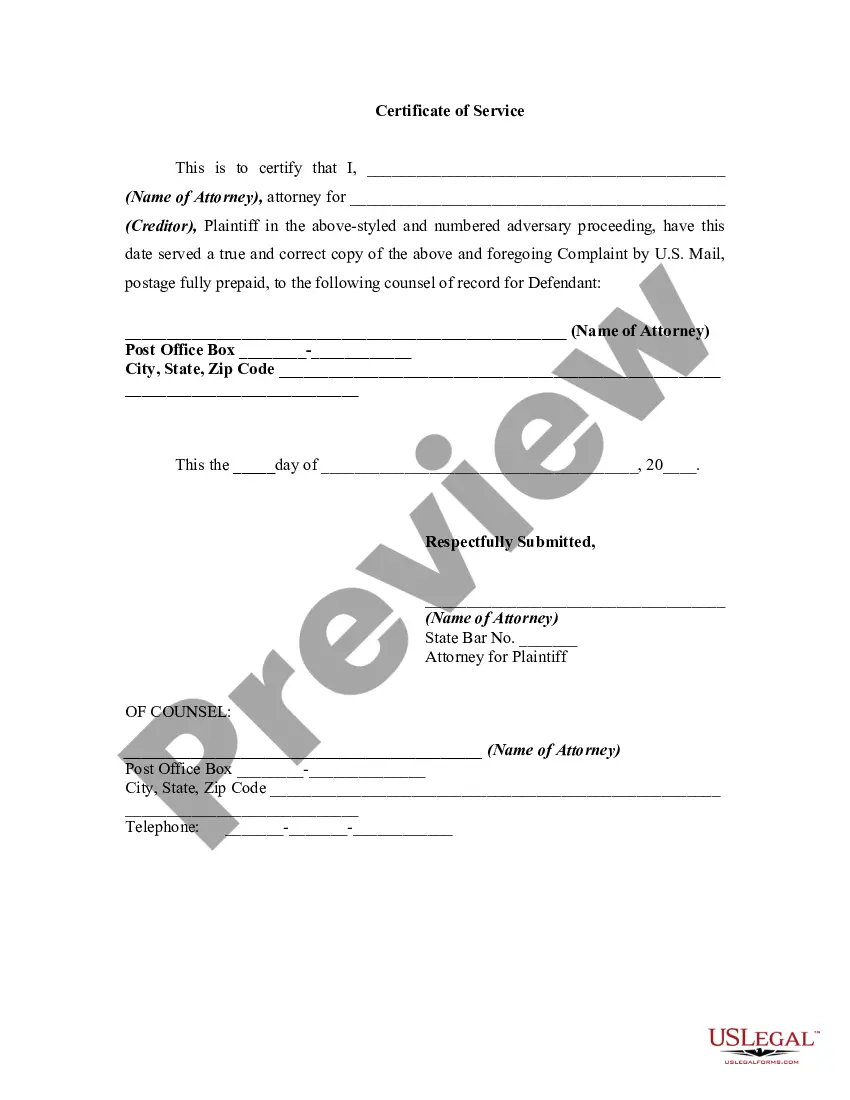
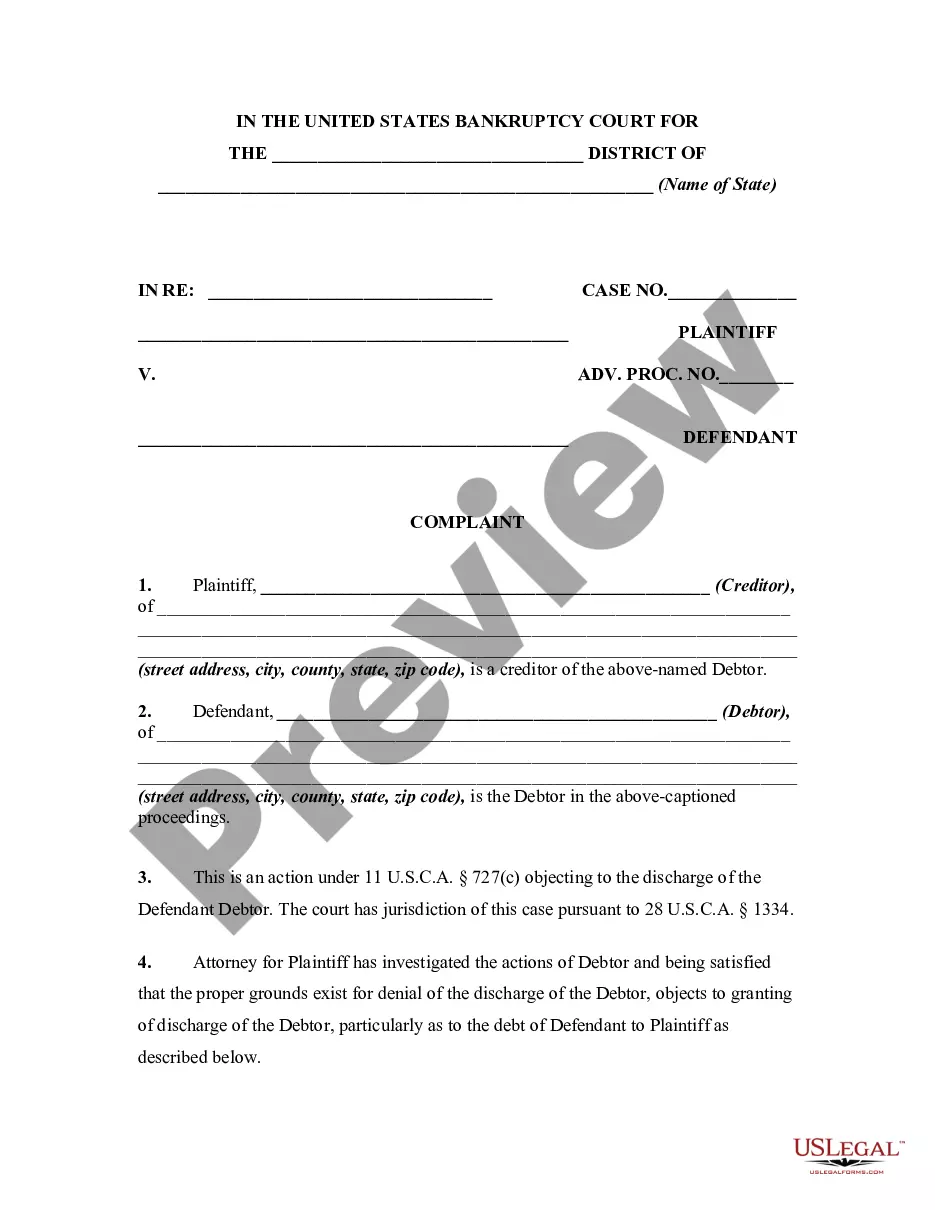
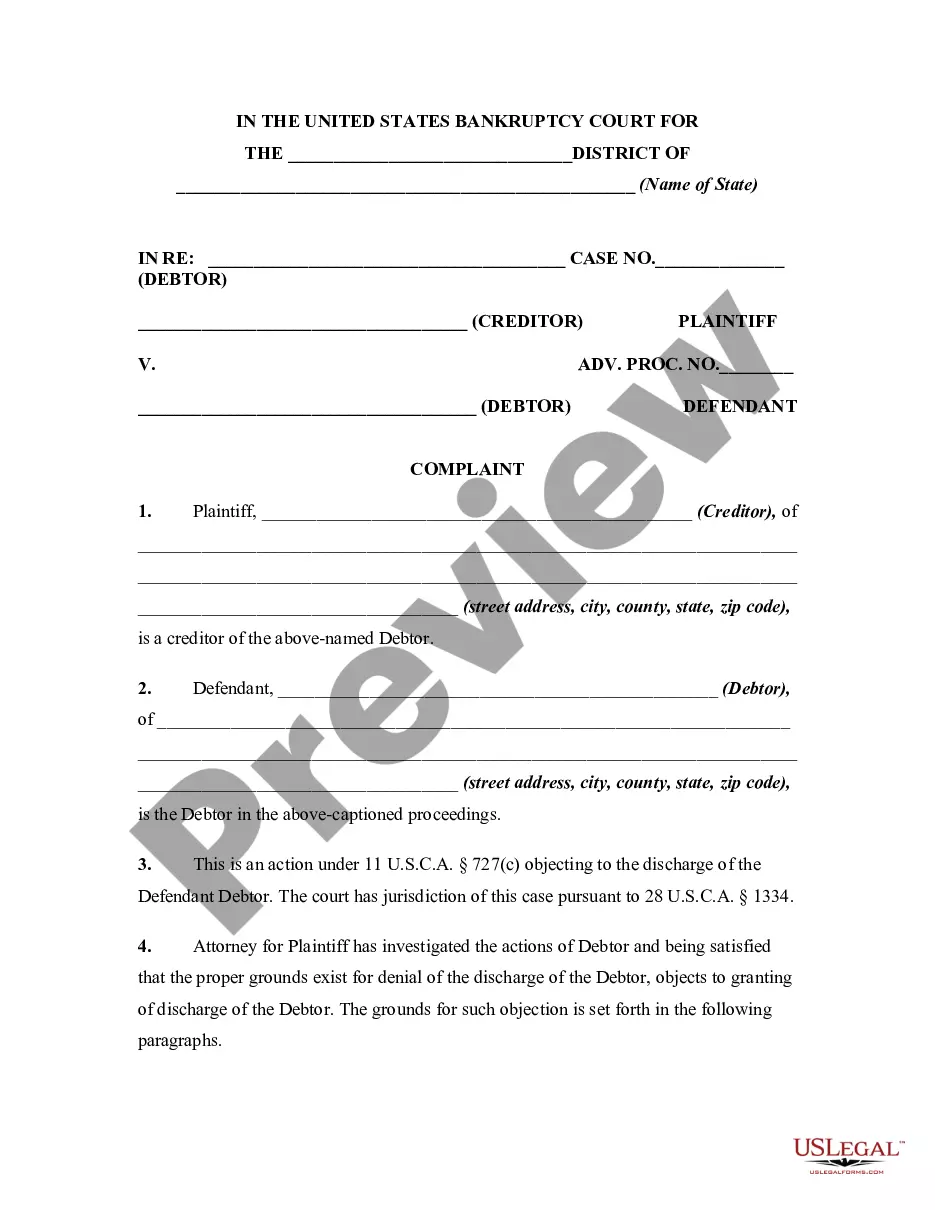
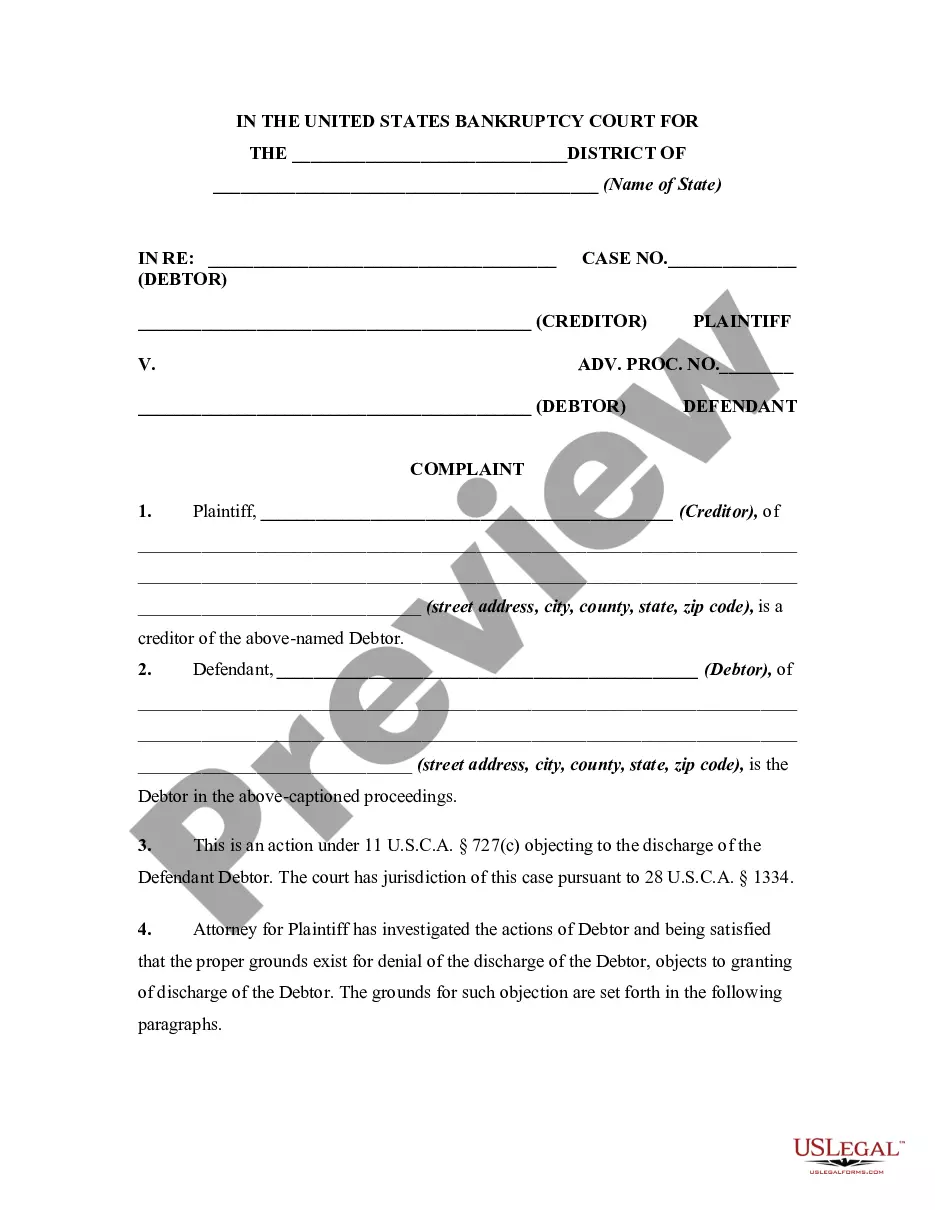
How to fill out Complaint Objecting To Discharge In Bankruptcy Proceedings For Concealment By Debtor And Omitting From Schedules Fraudulently Transferred Property?
- If you are a returning user, log in to your account and ensure your subscription is active. Once confirmed, find your required template and click on the Download button.
- For first-time users, start by browsing the extensive library of over 85,000 forms. Review the preview mode and description of your selected document to ensure it meets your specific legal requirements.
- Search for alternative templates if necessary. Utilize the Search tab to locate forms that better align with your needs.
- Proceed to purchase by clicking the Buy Now button. Choose a subscription plan that suits your budget and create an account to access the full library.
- Complete the payment process, either using your credit card or PayPal.
- After successful payment, download your form and save it on your device, making it accessible anytime from your profile under My Forms.
By following these straightforward steps, you can leverage US Legal Forms' robust collection of legal documents confidently.
Empower yourself with accurate legal documents today! Explore the benefits of US Legal Forms and streamline your legal processes.
Form popularity
FAQ
Chapter 11 bankruptcies can be quite successful when managed with care. Many businesses use this process to reorganize and reduce debt, allowing them to pursue profitable paths again. Access to resources, such as USLegalForms, can provide additional support in crafting effective plans, which are crucial for achieving the desired outcomes with Chapter 11.
The success rate of Chapter 11 bankruptcies often falls between 20% and 40%, depending on various factors. Successful cases typically involve thorough preparation, clear communication with creditors, and a realistic reorganization plan. Engaging with financial and legal advisors can help maximize the chances of success in navigating Chapter 11.
While not every company survives Chapter 11, many do manage to emerge stronger and more profitable. Companies that effectively reorganize their debts and restructure their operations often find renewed opportunities. By focusing on a solid plan or seeking resources like USLegalForms, businesses can increase their chances of not just surviving but thriving post-bankruptcy.
The survival rate for Chapter 11 cases can vary significantly, but studies suggest that approximately 30% to 50% of companies successfully emerge from Chapter 11 within a few years. Factors influencing survival include the business's industry, the viability of the restructuring plan, and overall economic conditions. Understanding these metrics can provide valuable insights for anyone considering Chapter 11.
Yes, Chapter 11 can be dismissed under certain circumstances. If a debtor fails to comply with the court's requirements or if the plan of reorganization is not feasible, the court may dismiss the case. A dismissal can also occur if creditors or the court request it. Therefore, it's essential to understand the obligations involved in a Chapter 11 proceeding.
Chapter eleven provides an opportunity for financial recovery by allowing businesses to reorganize and plan for the future. It helps individuals and companies create a sustainable path to address their liabilities while maintaining operations. By implementing a structured repayment or restructuring plan, Chapter eleven aims to transform financial distress into long-term viability. This legal avenue can be particularly beneficial when supported by resources from platforms like uslegalforms.
Chapter eleven does not automatically eliminate all debts, as it primarily focuses on restructuring rather than discharging liabilities. However, it provides a framework to negotiate reduced payments or extended timelines to repay debts. Certain debts may be reduced or reorganized in a way that makes repayment more manageable. It’s essential to understand that successful navigation of Chapter eleven requires a detailed plan and often creditor approval.
The primary purpose of Chapter eleven is to provide financial relief to businesses that are struggling to meet their obligations. This legal framework enables companies to reorganize and negotiate with creditors, offering them a chance to return to profitability. By allowing time to develop a repayment plan, Chapter eleven aims to preserve jobs and maintain business operations. Ultimately, it helps companies navigate through challenging economic circumstances.
Chapter eleven serves as a reorganization process for businesses facing financial difficulties. It allows companies to restructure their debts while continuing operations. During this period, a plan for reorganization is developed, which is subject to approval by both the court and creditors. This process helps businesses regain stability and focus on their core activities.
To qualify for Chapter 11, your business must be a corporation, partnership, or sole proprietorship dealing with debts over a certain amount. You must demonstrate that you have a viable restructuring plan and the ability to repay creditors. Additionally, good faith in attempting to resolve debts is crucial. Working with professionals can help ensure you meet the necessary qualifications for Chapter 11.