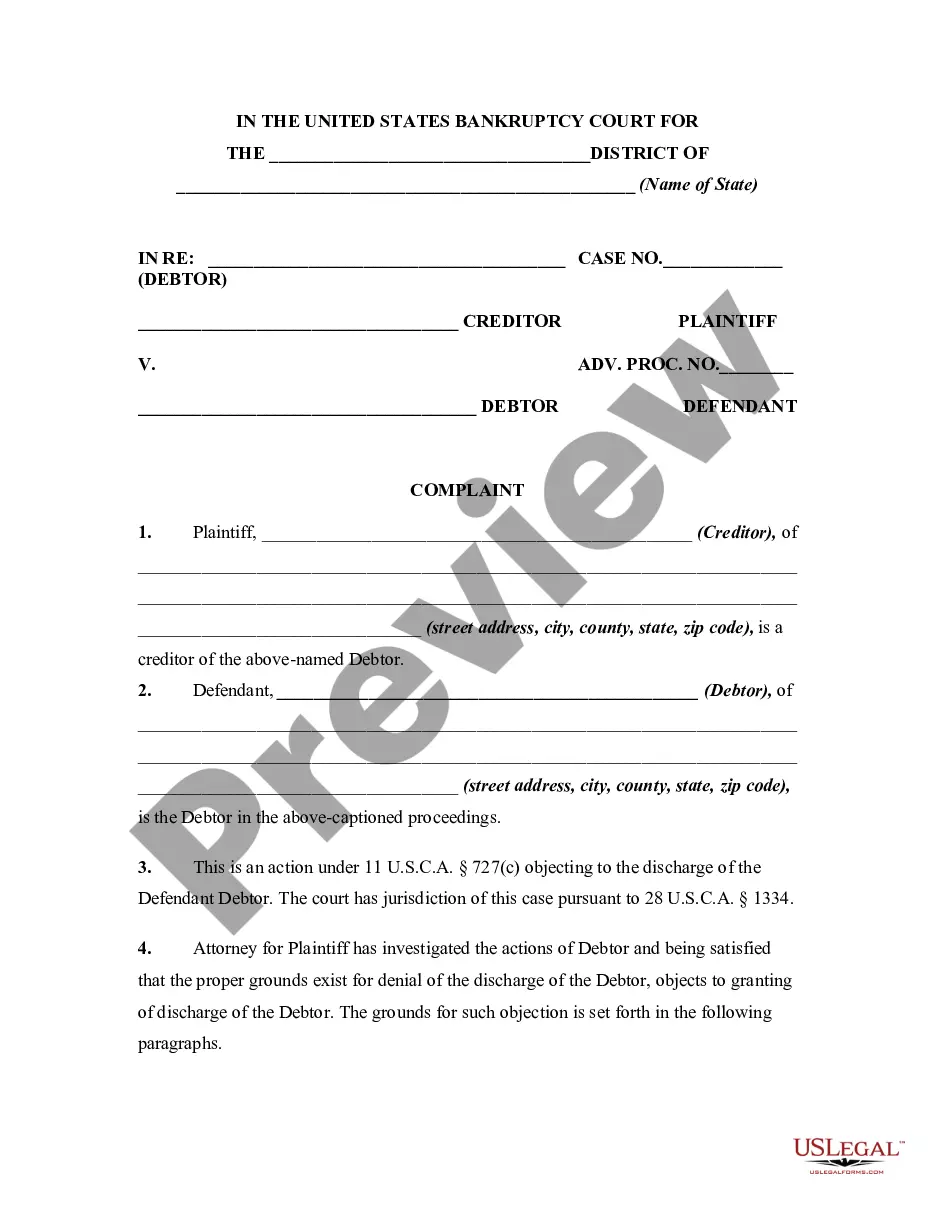
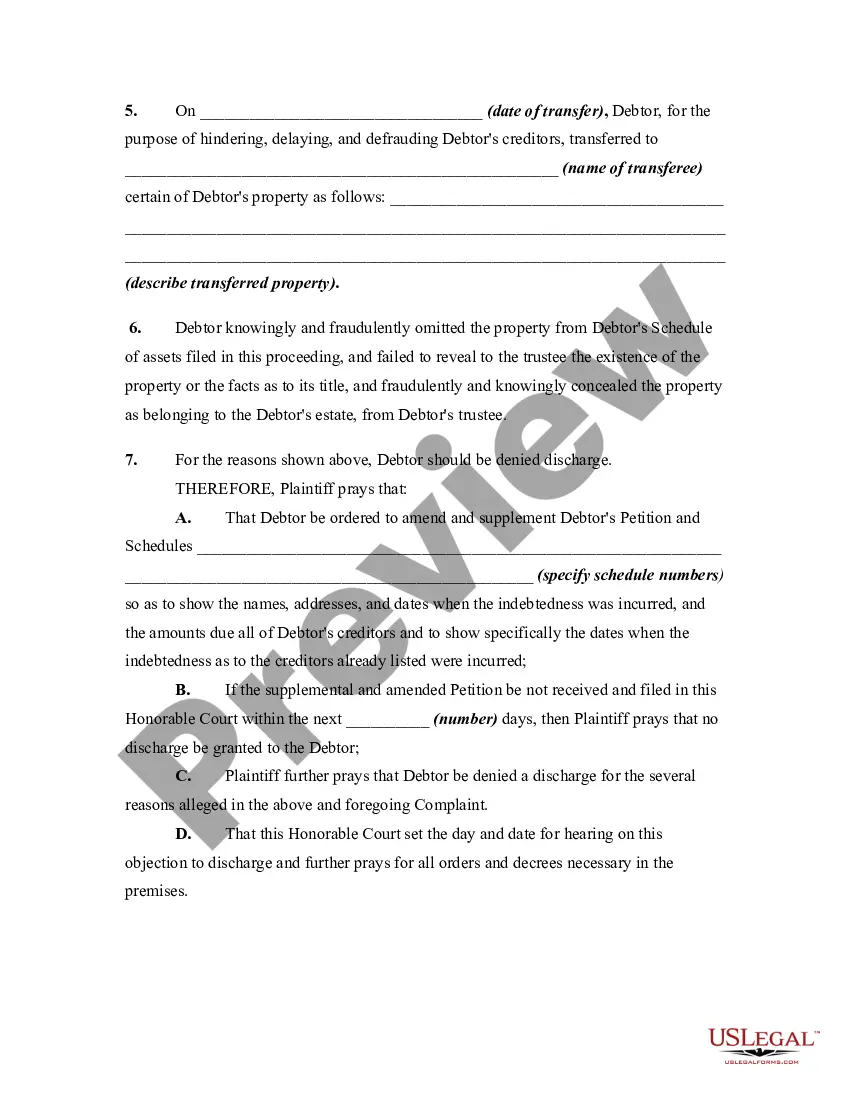
Bankruptcy With Assets
Description
Get your form ready online
Our built-in tools help you complete, sign, share, and store your documents in one place.
Make edits, fill in missing information, and update formatting in US Legal Forms—just like you would in MS Word.
Download a copy, print it, send it by email, or mail it via USPS—whatever works best for your next step.
Sign and collect signatures with our SignNow integration. Send to multiple recipients, set reminders, and more. Go Premium to unlock E-Sign.
If this form requires notarization, complete it online through a secure video call—no need to meet a notary in person or wait for an appointment.
We protect your documents and personal data by following strict security and privacy standards.

Make edits, fill in missing information, and update formatting in US Legal Forms—just like you would in MS Word.

Download a copy, print it, send it by email, or mail it via USPS—whatever works best for your next step.

Sign and collect signatures with our SignNow integration. Send to multiple recipients, set reminders, and more. Go Premium to unlock E-Sign.

If this form requires notarization, complete it online through a secure video call—no need to meet a notary in person or wait for an appointment.

We protect your documents and personal data by following strict security and privacy standards.
Looking for another form?









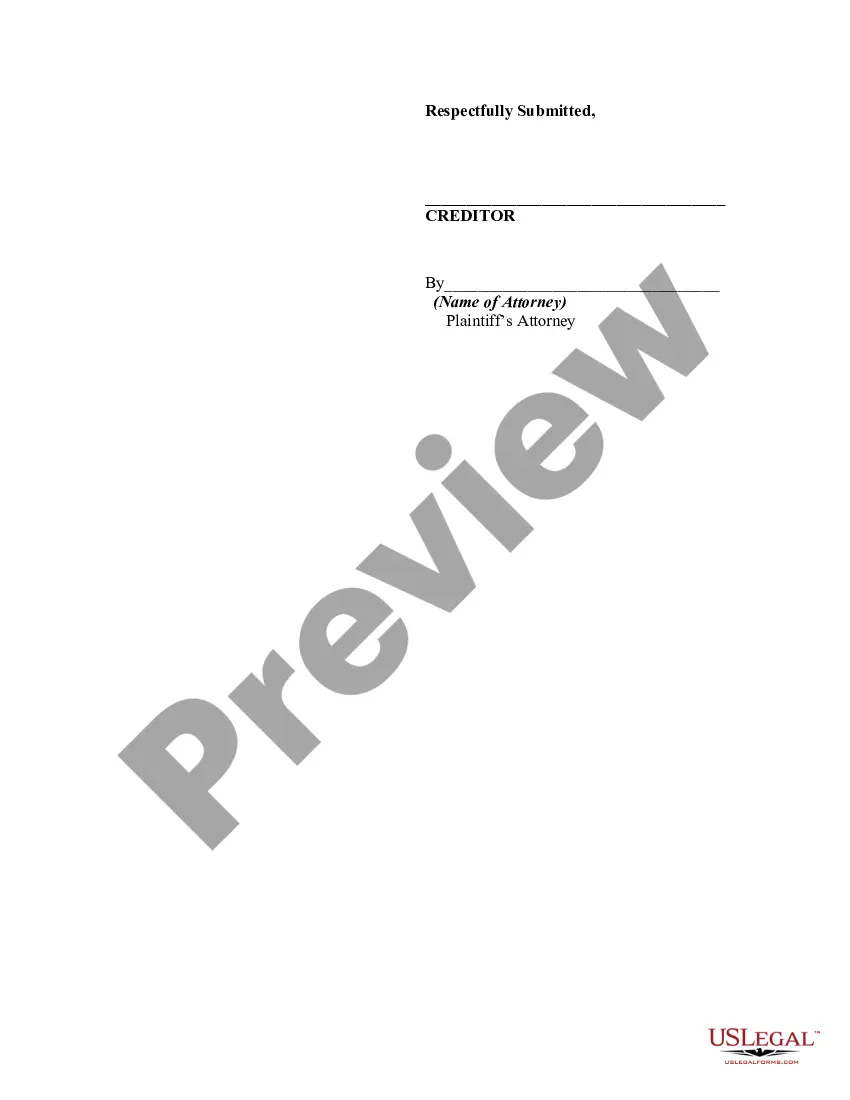
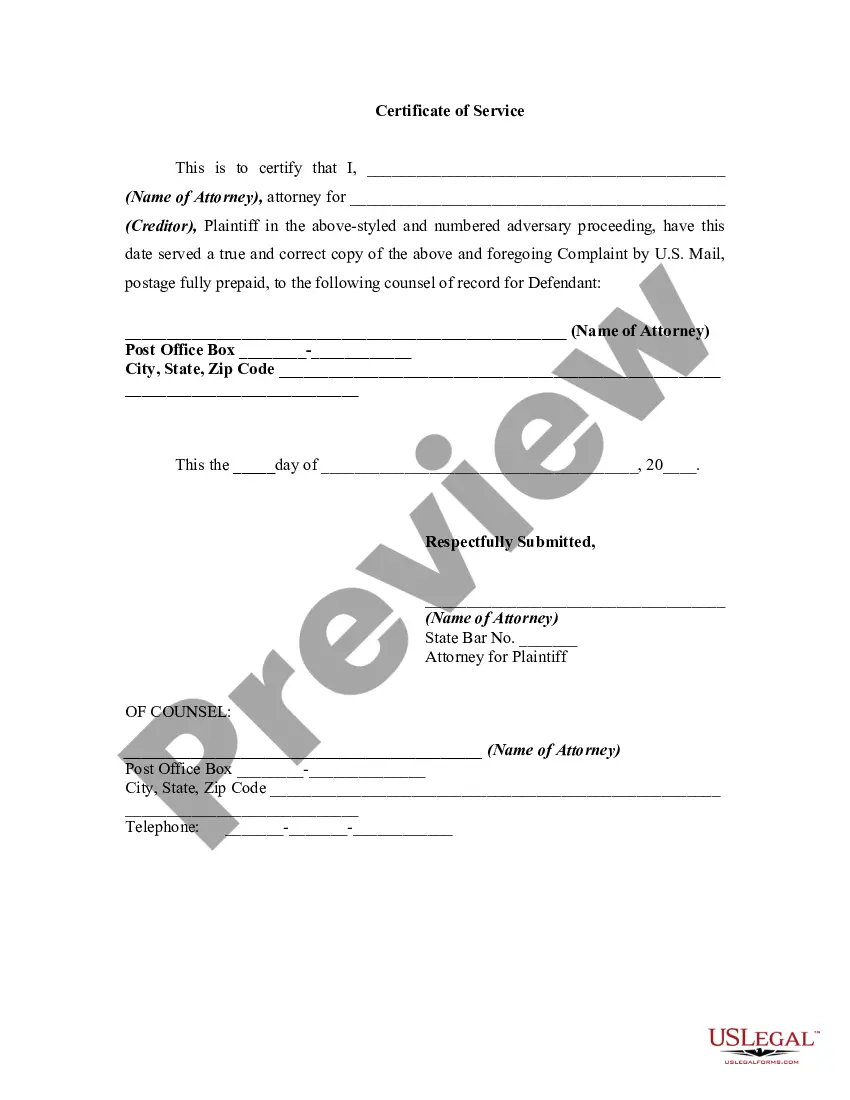
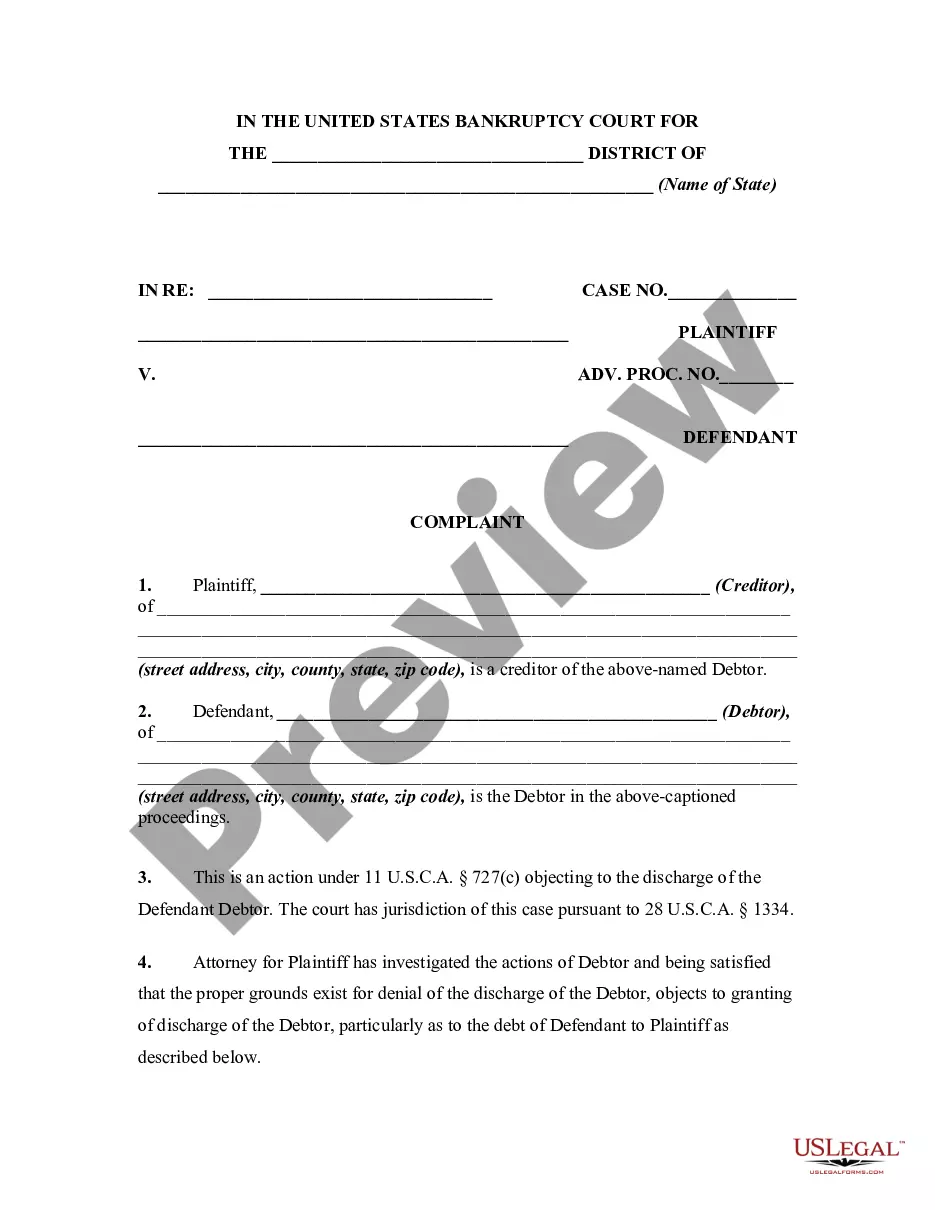
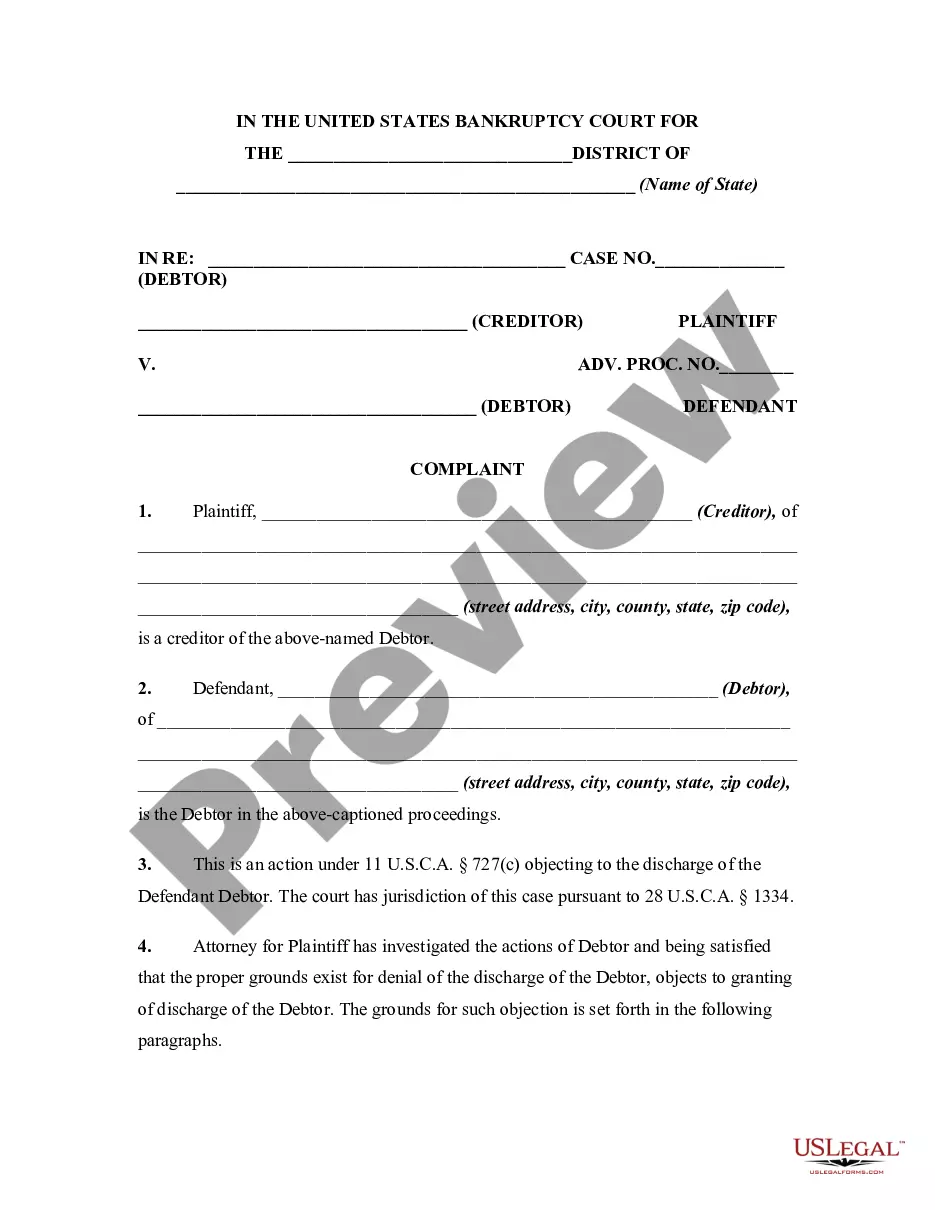
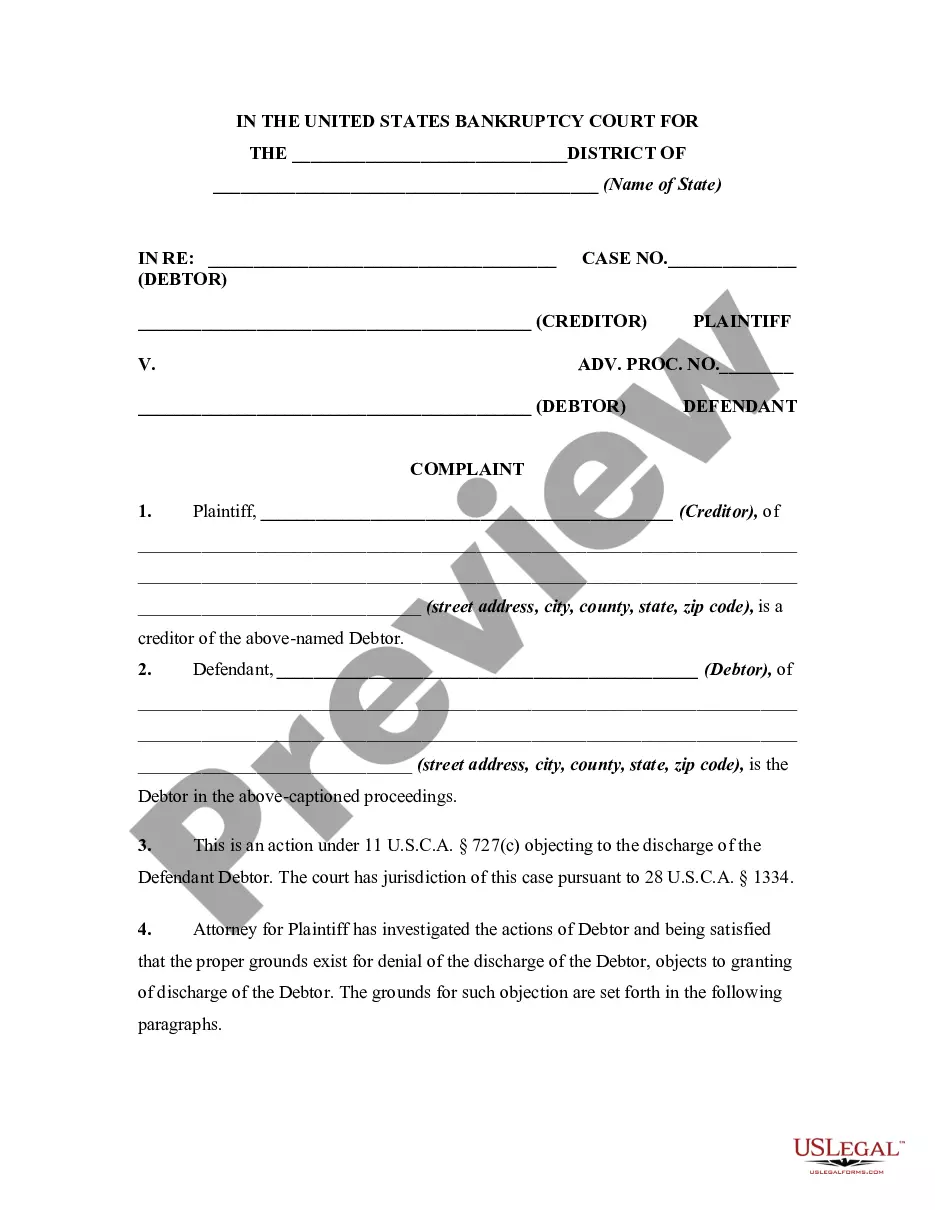
How to fill out Complaint Objecting To Discharge In Bankruptcy Proceedings For Concealment By Debtor And Omitting From Schedules Fraudulently Transferred Property?
Creating legal documents from the ground up can frequently feel somewhat daunting.
Certain situations may entail numerous hours of study and substantial sums of money expended.
If you're searching for an easier and more economical method of producing Bankruptcy With Assets or any other paperwork without having to navigate complicated processes, US Legal Forms is always available to assist you.
Our online collection of over 85,000 current legal forms encompasses nearly every aspect of your financial, legal, and personal matters.
However, before proceeding directly to downloading Bankruptcy With Assets, adhere to these guidelines: Review the form preview and descriptions to ensure you have identified the correct form. Verify that the template you select meets the standards of your state and county. Choose the most appropriate subscription option to acquire the Bankruptcy With Assets. Download the document. Then complete, sign, and print it out. US Legal Forms has a flawless reputation and more than 25 years of experience. Join us today and make form processing a straightforward and efficient task!
- With just a few clicks, you can swiftly obtain state- and county-specific templates meticulously prepared for you by our legal professionals.
- Utilize our platform whenever you require a dependable and trustworthy service where you can effortlessly find and download the Bankruptcy With Assets.
- If you're already familiar with our services and have created an account previously, simply Log In to your account, find the form, and download it or re-download it at any time later in the My documents section.
- Don’t possess an account? No issue. Setting it up and exploring the library requires little to no time.
Form popularity
FAQ
A Chapter 7 bankruptcy will sell off many of your assets to pay your creditors. In a Chapter 13 bankruptcy, you keep the assets but must repay your debts over a specified period. Bankruptcy can do severe damage to your credit score and should be considered a last resort.
Types of debt that cannot be discharged in bankruptcy include alimony, child support, and certain unpaid taxes. Other types of debt that cannot be alleviated in bankruptcy include debts for willful and malicious injury to another person or property.
What creditors can take in a bankruptcy Vehicles. Land. Houses. Investment properties. Savings accounts. Any other items of value, like artwork or jewelry.
However, exempt property in a California bankruptcy is generally described as: Your main vehicle. Your home. Personal everyday items. Retirement accounts, pensions, and 401(k) plans. Burial plots. Federal benefit programs. Health aids. Household goods.
The order of claims in bankruptcy starts with creditors who provide services or goods after bankruptcy is filed. Post-petition administrative claims?that is, creditors whose claims arose after the debtor filed for bankruptcy, for the actual and necessary costs of preserving the estate?usually have first priority.