Bankruptcy Discharged And Closed
Description
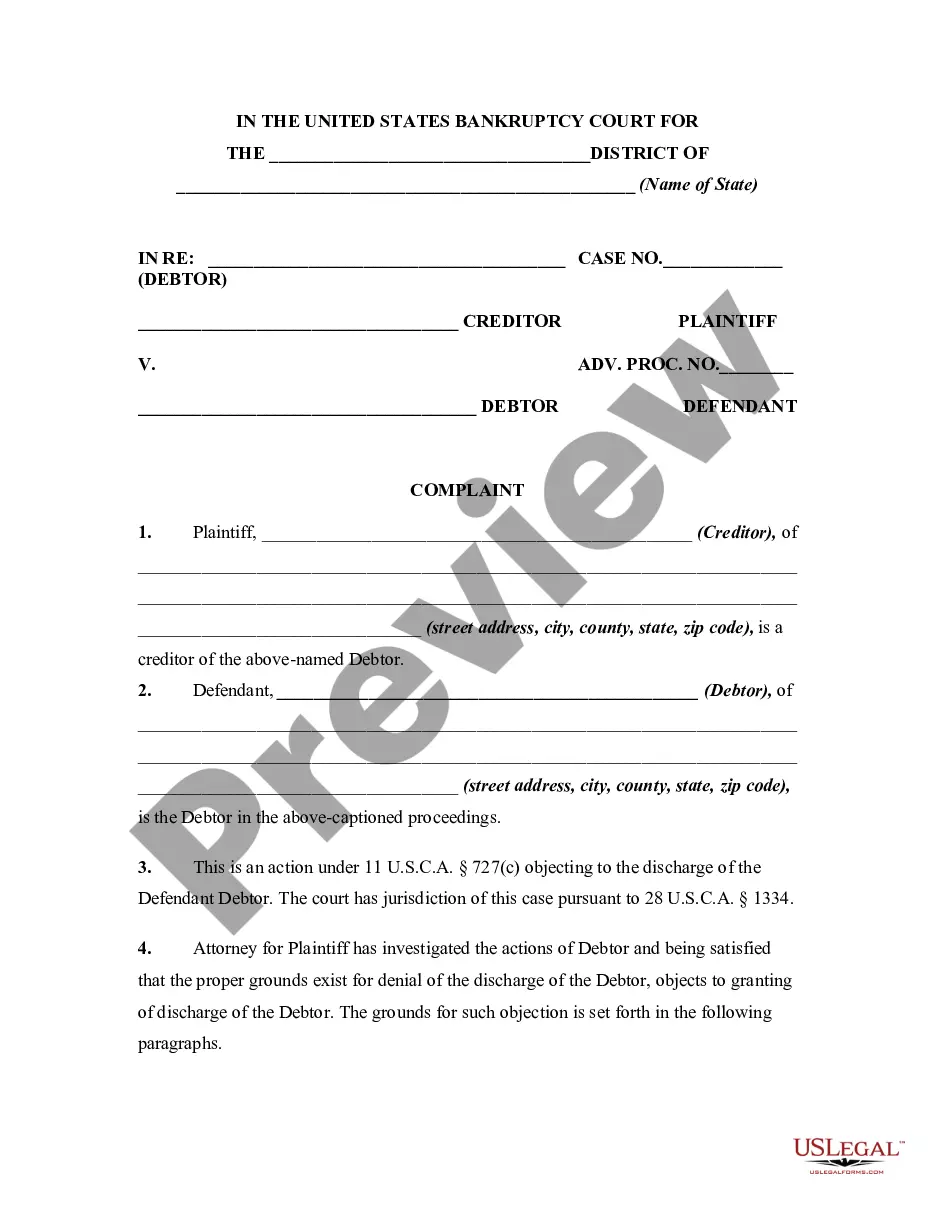
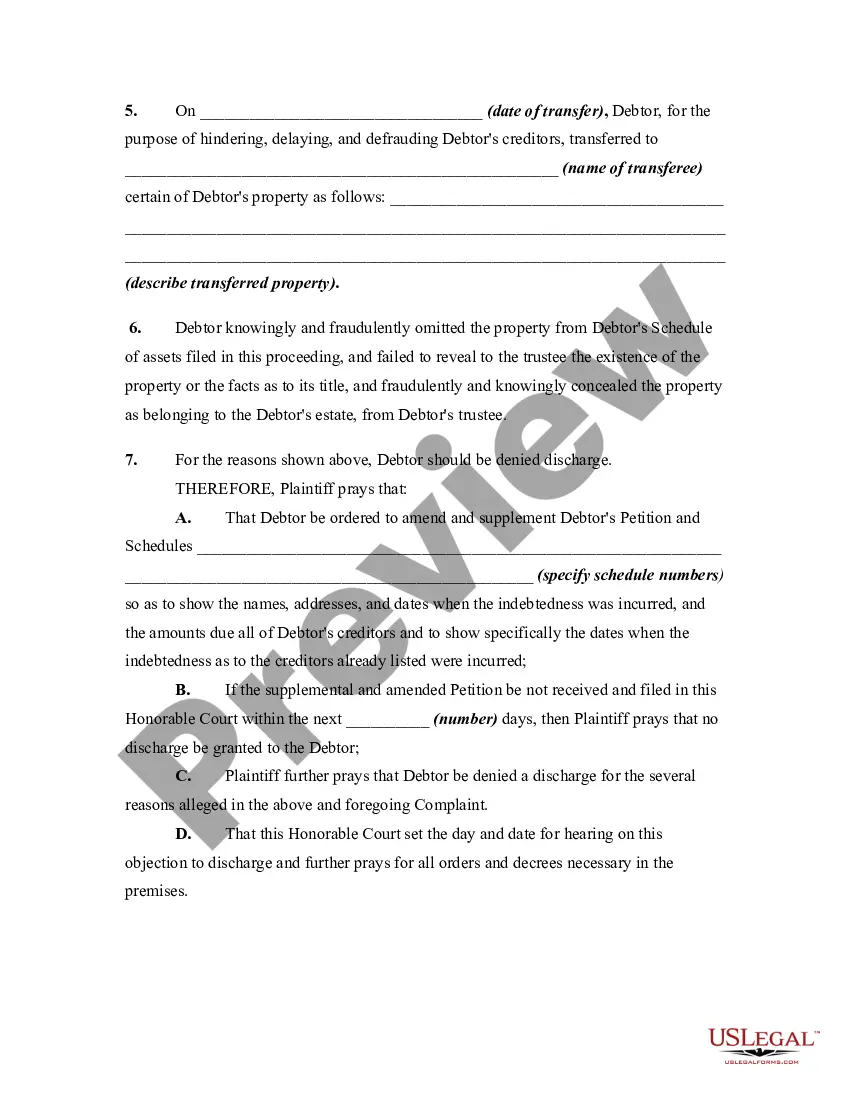
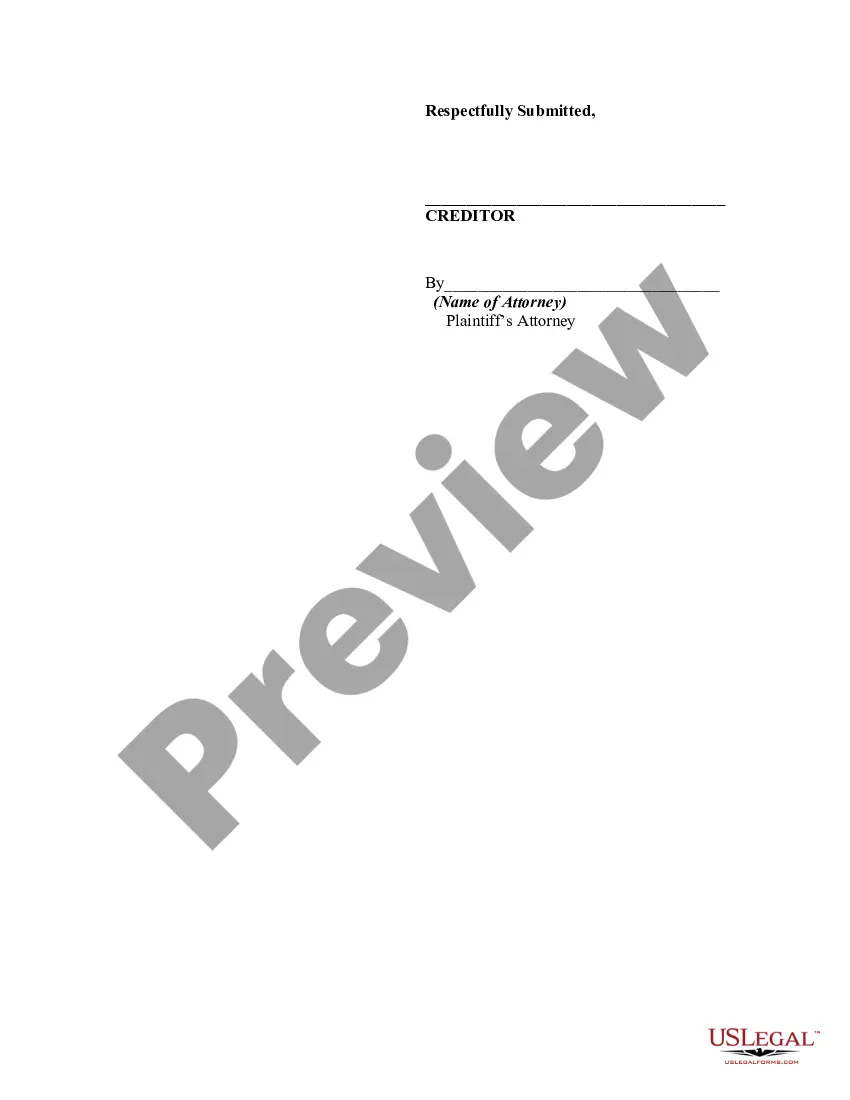
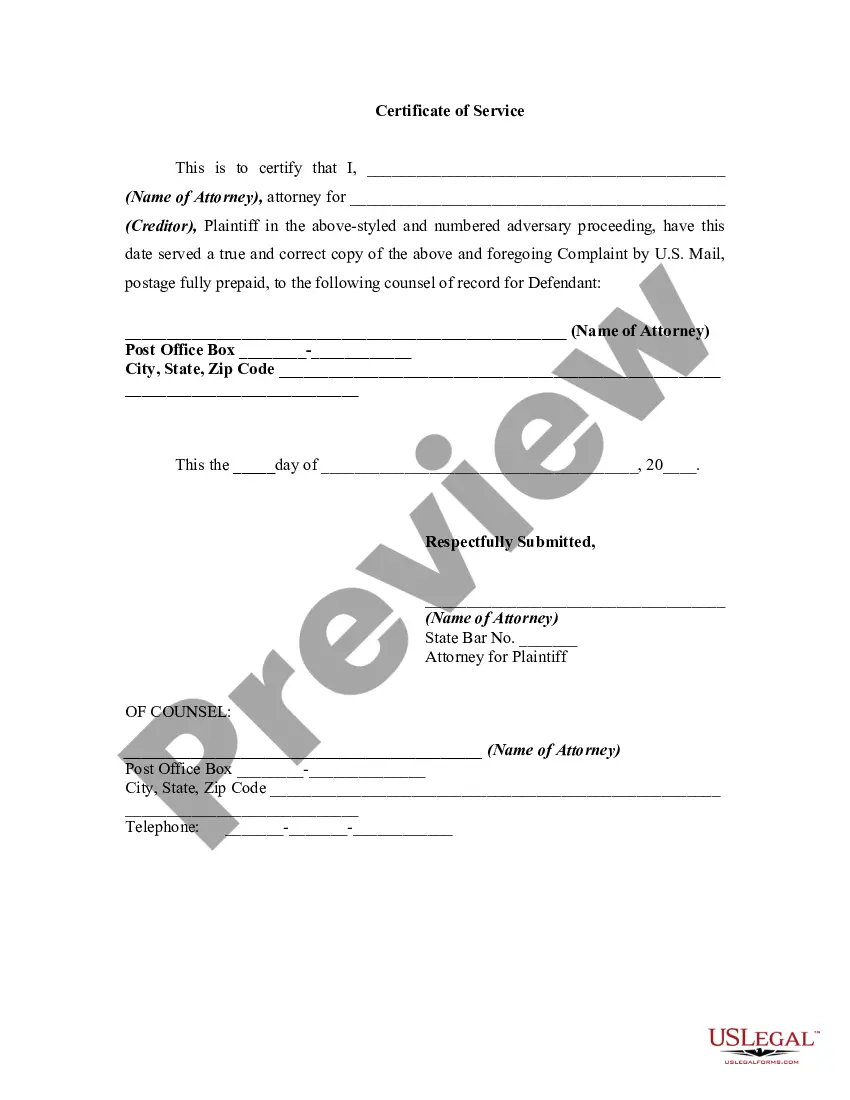
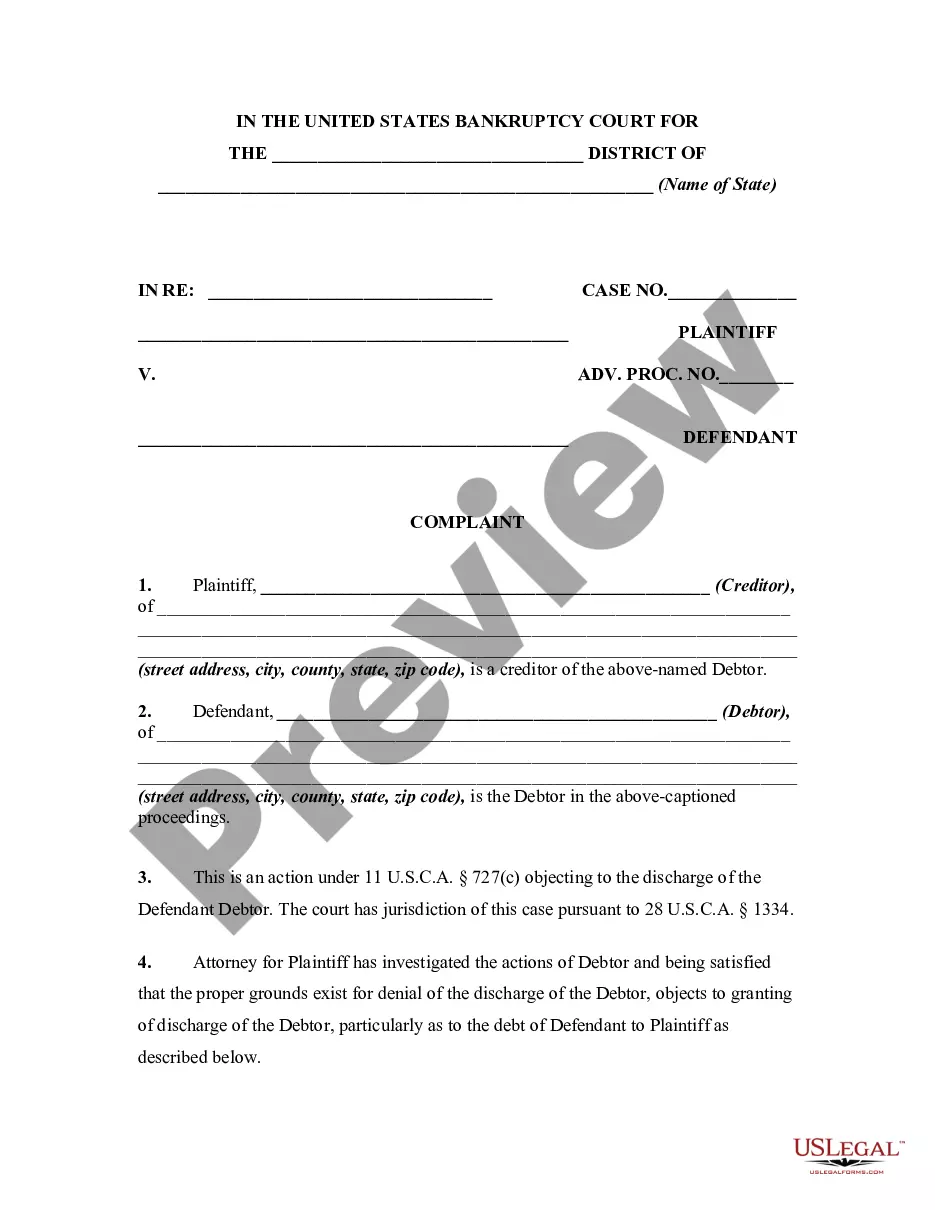
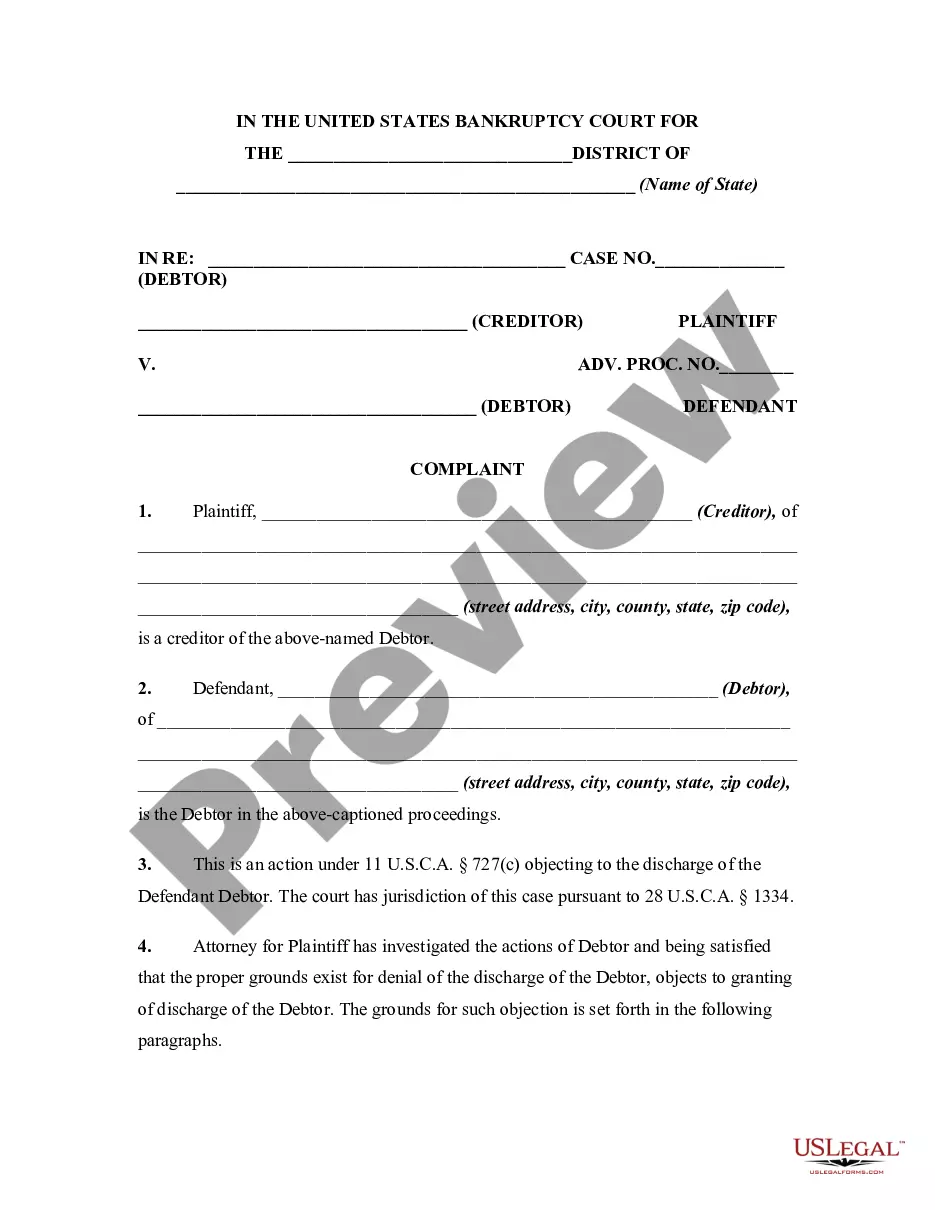
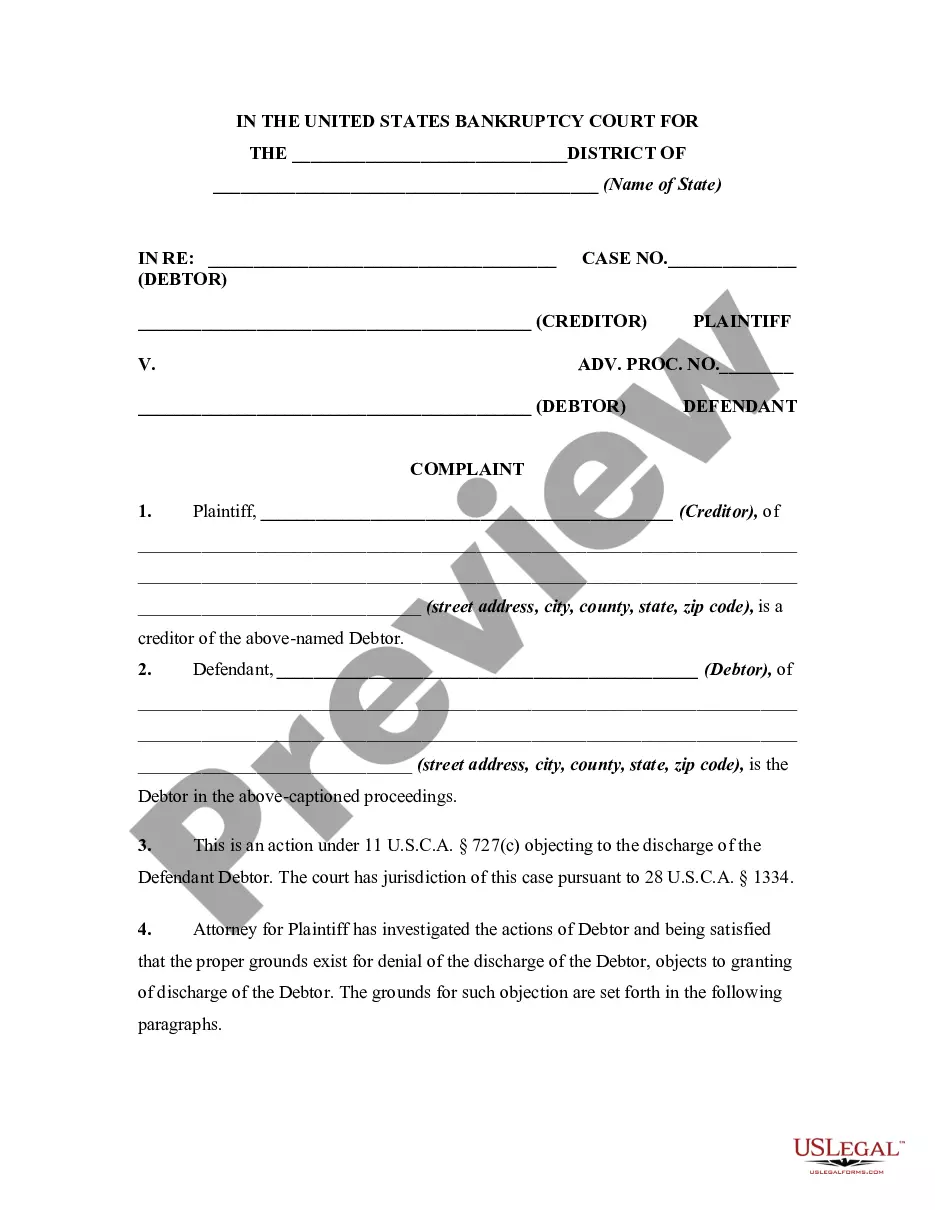
Get your form ready online
Our built-in tools help you complete, sign, share, and store your documents in one place.
Make edits, fill in missing information, and update formatting in US Legal Forms—just like you would in MS Word.
Download a copy, print it, send it by email, or mail it via USPS—whatever works best for your next step.
Sign and collect signatures with our SignNow integration. Send to multiple recipients, set reminders, and more. Go Premium to unlock E-Sign.
If this form requires notarization, complete it online through a secure video call—no need to meet a notary in person or wait for an appointment.
We protect your documents and personal data by following strict security and privacy standards.

Make edits, fill in missing information, and update formatting in US Legal Forms—just like you would in MS Word.

Download a copy, print it, send it by email, or mail it via USPS—whatever works best for your next step.

Sign and collect signatures with our SignNow integration. Send to multiple recipients, set reminders, and more. Go Premium to unlock E-Sign.

If this form requires notarization, complete it online through a secure video call—no need to meet a notary in person or wait for an appointment.

We protect your documents and personal data by following strict security and privacy standards.
Looking for another form?








How to fill out Complaint Objecting To Discharge In Bankruptcy Proceedings For Concealment By Debtor And Omitting From Schedules Fraudulently Transferred Property?
- Log in to your US Legal Forms account. If you’re new, create an account to start your journey.
- Explore the extensive online library and preview the forms relevant to your needs. Make sure they meet your jurisdiction's requirements.
- Utilize the search feature if you need to find additional templates. This ensures you’re selecting the correct document.
- Select the form by clicking on the 'Buy Now' button and choose your desired subscription plan.
- Complete your purchase securely using your credit card or PayPal account.
- Download your selected form and save it on your device for easy access. You can also revisit the form in the 'My Forms' section of your account anytime you need it.
With US Legal Forms, you can confidently manage your legal documents with a wide range of templates. Their extensive library and expert assistance help ensure that your forms are filled out accurately and comply with all legal standards.
Start your bankruptcy process today and leverage the benefits of US Legal Forms to find peace of mind. Visit US Legal Forms now!
Form popularity
FAQ
Chapter 7 bankruptcy does not have a fixed debt limit, but it does require passing the means test. This test checks your income and expenses to determine if you qualify. If your income exceeds the median level for your state, you cannot file for Chapter 7. Thus, understanding these requirements is vital as you move beyond a bankruptcy discharged and closed.
To file for Chapter 7 bankruptcy, you do not necessarily need to be in a specific amount of debt. Instead, your eligibility is based on passing a means test, which evaluates your income against your expenses. If your income is below the state median, you may proceed. This process occurs after your previous bankruptcy has been discharged and closed.
After your bankruptcy is discharged and closed, you can typically file for bankruptcy again. For Chapter 7 bankruptcy, you must wait eight years from your previous filing date. However, for Chapter 13, the wait time is only two years. This time frame gives you a fresh start as you work towards financial recovery.
Yes, bankruptcy can be reopened after it is discharged and closed, but it's important to meet specific legal requirements. Situations that may warrant reopening include fraud or newly discovered debts. If you find yourself in this situation, uslegalforms can provide valuable resources to help guide you through the legal process.
After your bankruptcy is discharged and closed, your debts included in the filing are wiped away. This can provide you with a fresh financial start, allowing you to rebuild your credit over time. It's crucial to manage your finances responsibly moving forward, and using resources like uslegalforms can help you understand your options.
Once a bankruptcy is discharged and closed, amending it is generally not allowed. However, if there are discrepancies or changes that need to be addressed, you should seek legal advice. A knowledgeable attorney can help you understand the implications and what options might be available in your case.
To reinstate a bankruptcy case, you must file a motion in the court that handled your original case. You'll need to explain why you want to reinstate and provide any necessary documentation. Navigating this process can be complex, so consider using uslegalforms to simplify the necessary steps for your situation involving a discharged and closed bankruptcy.
Reopening a bankruptcy case after it has been discharged and closed is possible, but it requires a valid reason. Common reasons include discovering omitted assets or dealing with creditors violating your discharge. You can count on uslegalforms to guide you through this process and ensure you understand the legal implications.
After your bankruptcy is discharged and closed, you may be eligible to file again in as little as two years. However, the exact timeline depends on the type of bankruptcy you filed previously. It's essential to consult with a legal expert to understand your specific situation, so you can plan your next steps effectively.
Typically, the bankruptcy case is closed shortly after the discharge is granted, often within a few weeks. However, this timeline can vary depending on the court's schedule and any pending matters related to your case. To stay updated, you might want to keep in touch with your attorney or check the court's online system. Once the case is closed, you can focus on moving forward with your life after bankruptcy.