Bankruptcy Debtor With No Debt
Description
Get your form ready online
Our built-in tools help you complete, sign, share, and store your documents in one place.
Make edits, fill in missing information, and update formatting in US Legal Forms—just like you would in MS Word.
Download a copy, print it, send it by email, or mail it via USPS—whatever works best for your next step.
Sign and collect signatures with our SignNow integration. Send to multiple recipients, set reminders, and more. Go Premium to unlock E-Sign.
If this form requires notarization, complete it online through a secure video call—no need to meet a notary in person or wait for an appointment.
We protect your documents and personal data by following strict security and privacy standards.

Make edits, fill in missing information, and update formatting in US Legal Forms—just like you would in MS Word.

Download a copy, print it, send it by email, or mail it via USPS—whatever works best for your next step.

Sign and collect signatures with our SignNow integration. Send to multiple recipients, set reminders, and more. Go Premium to unlock E-Sign.

If this form requires notarization, complete it online through a secure video call—no need to meet a notary in person or wait for an appointment.

We protect your documents and personal data by following strict security and privacy standards.
Looking for another form?
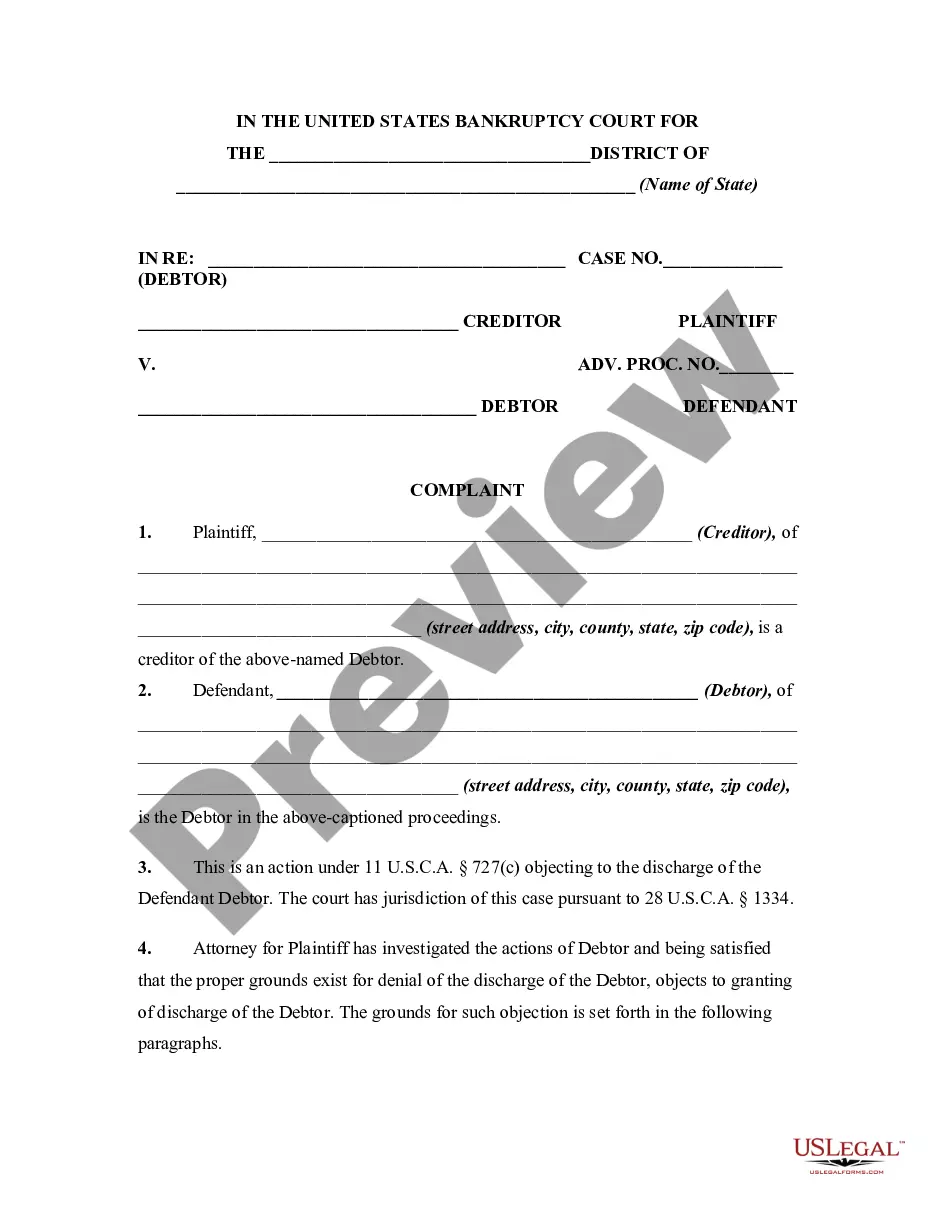
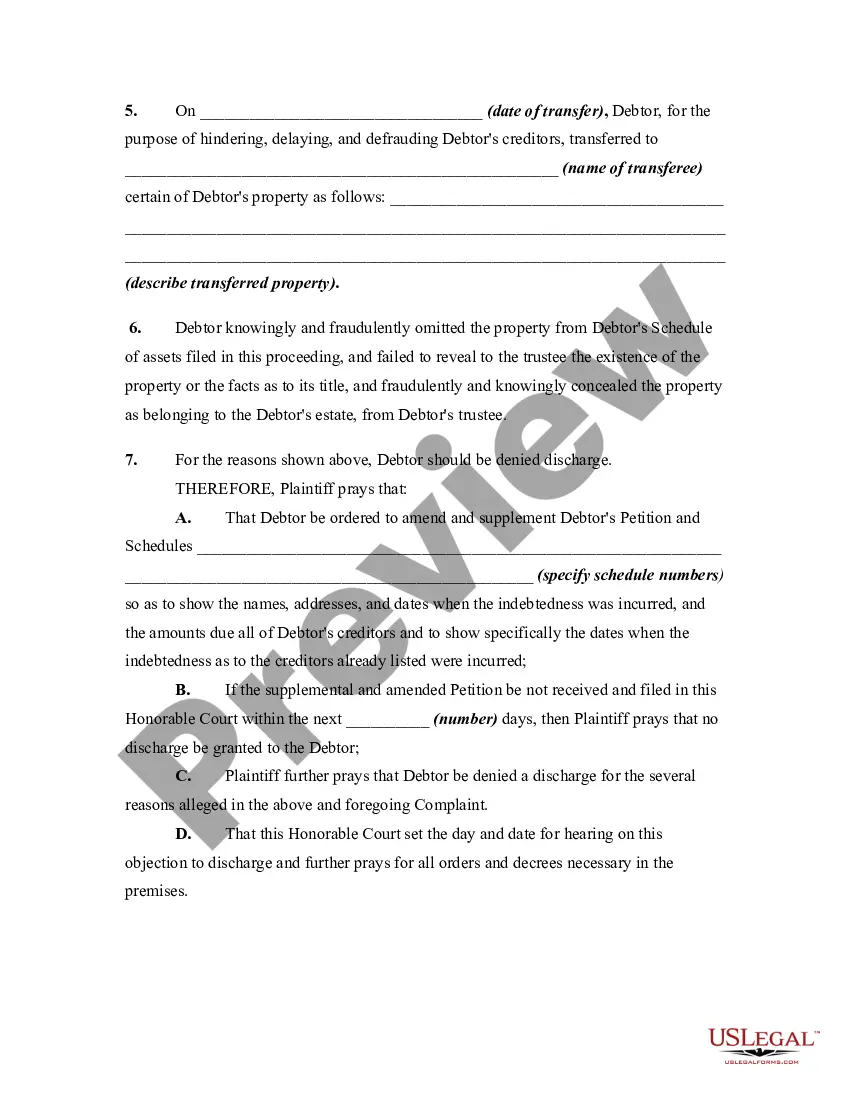
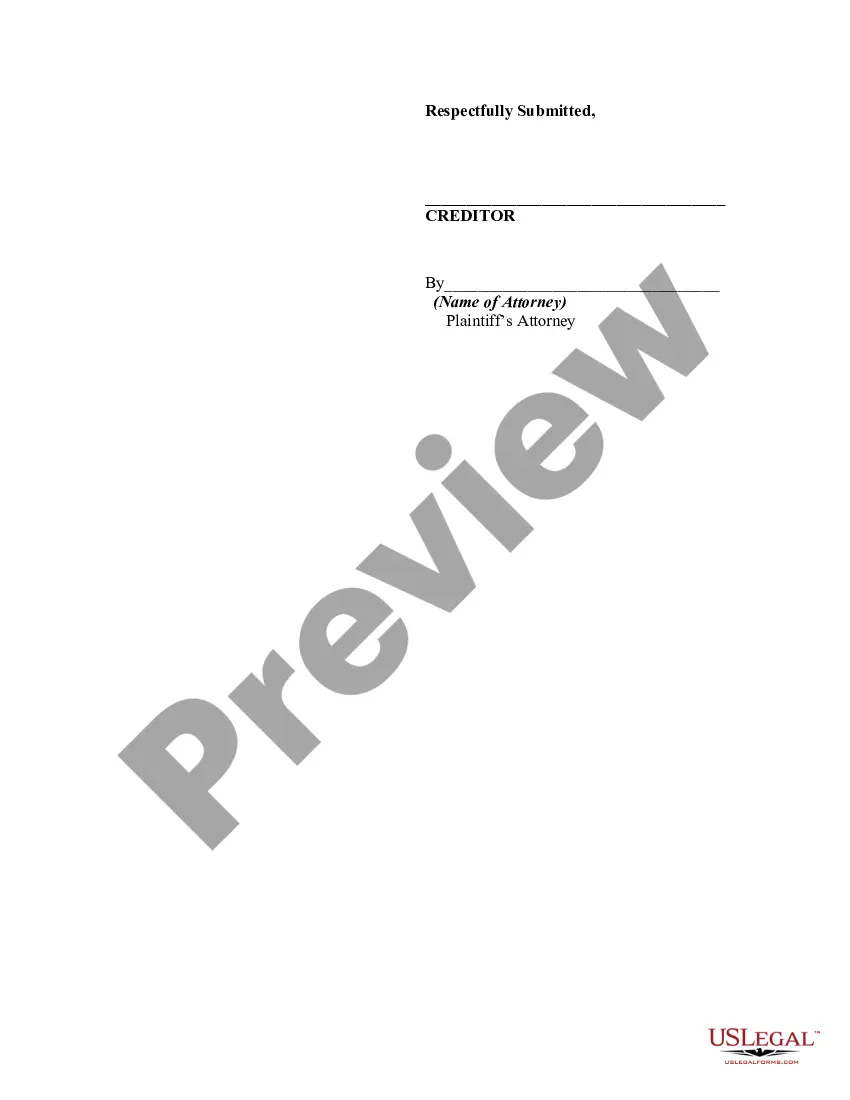
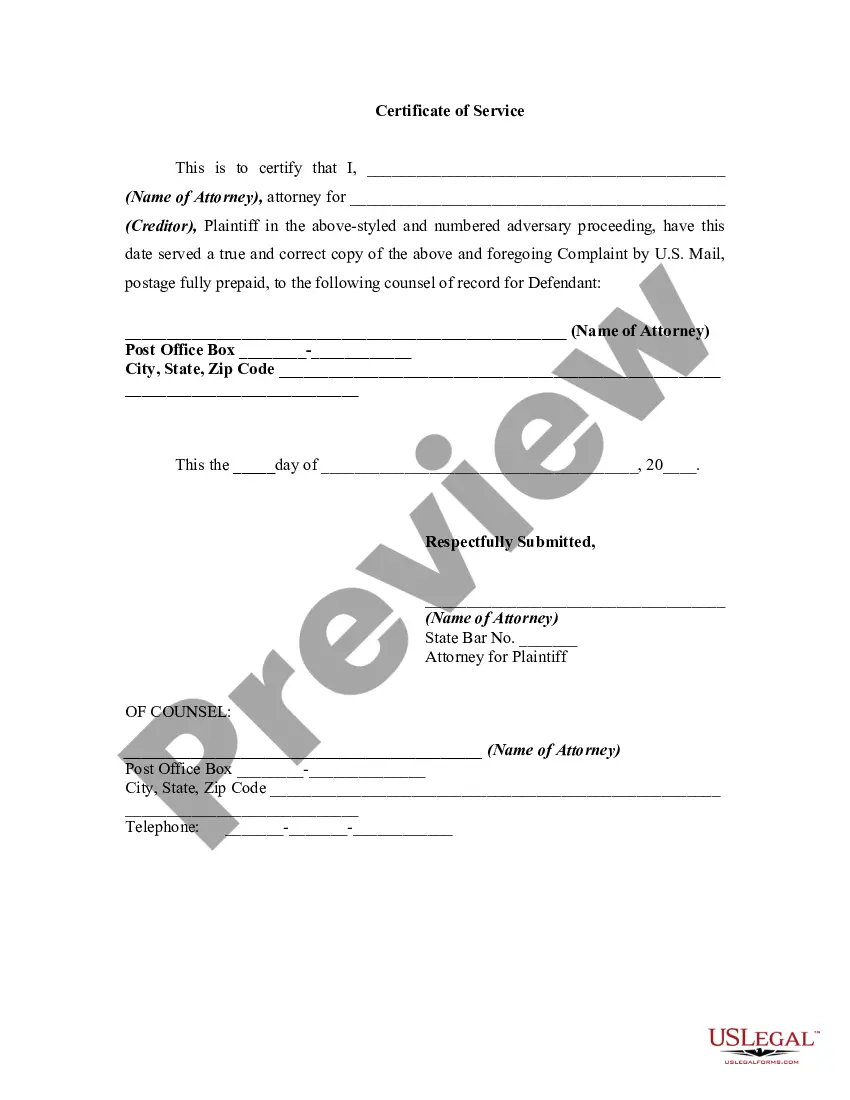
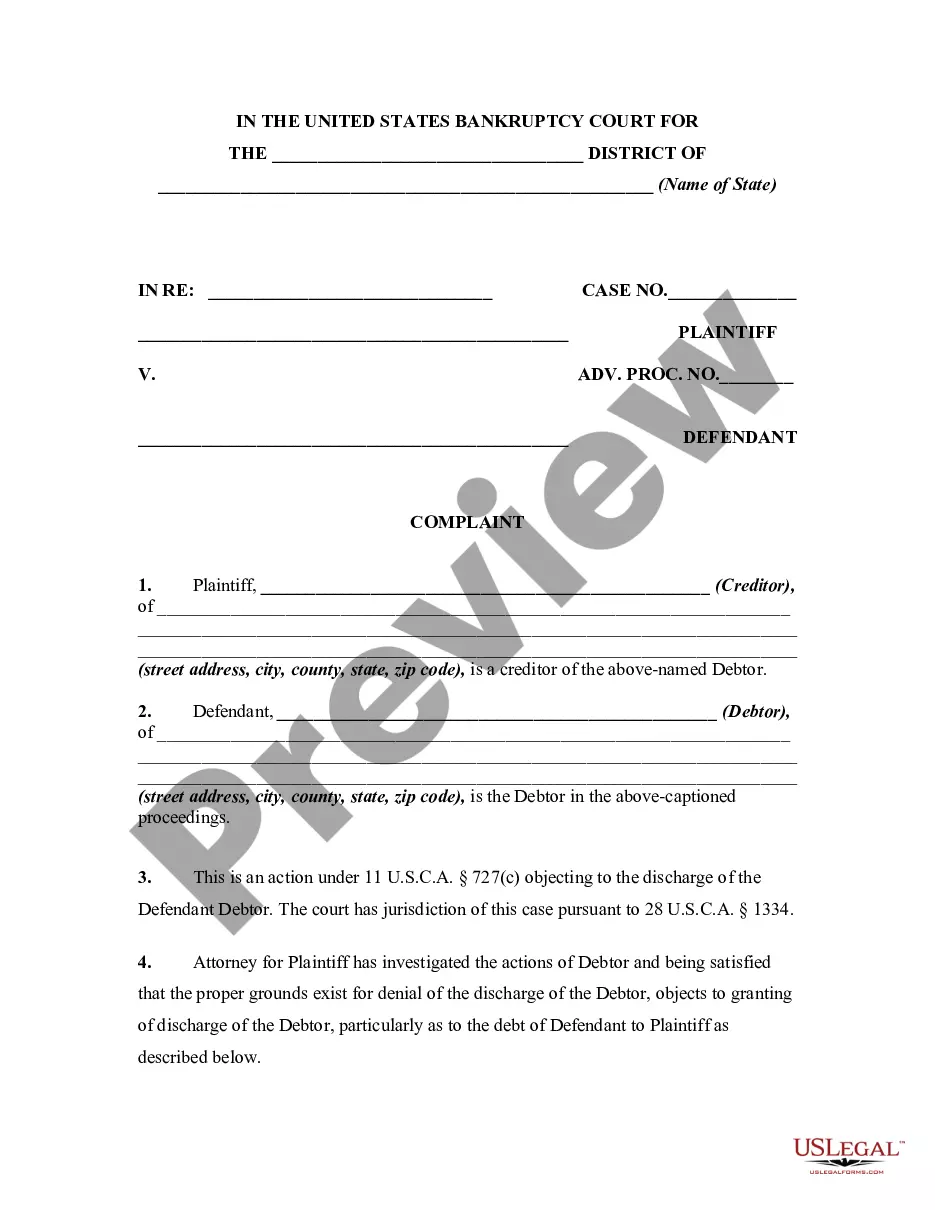
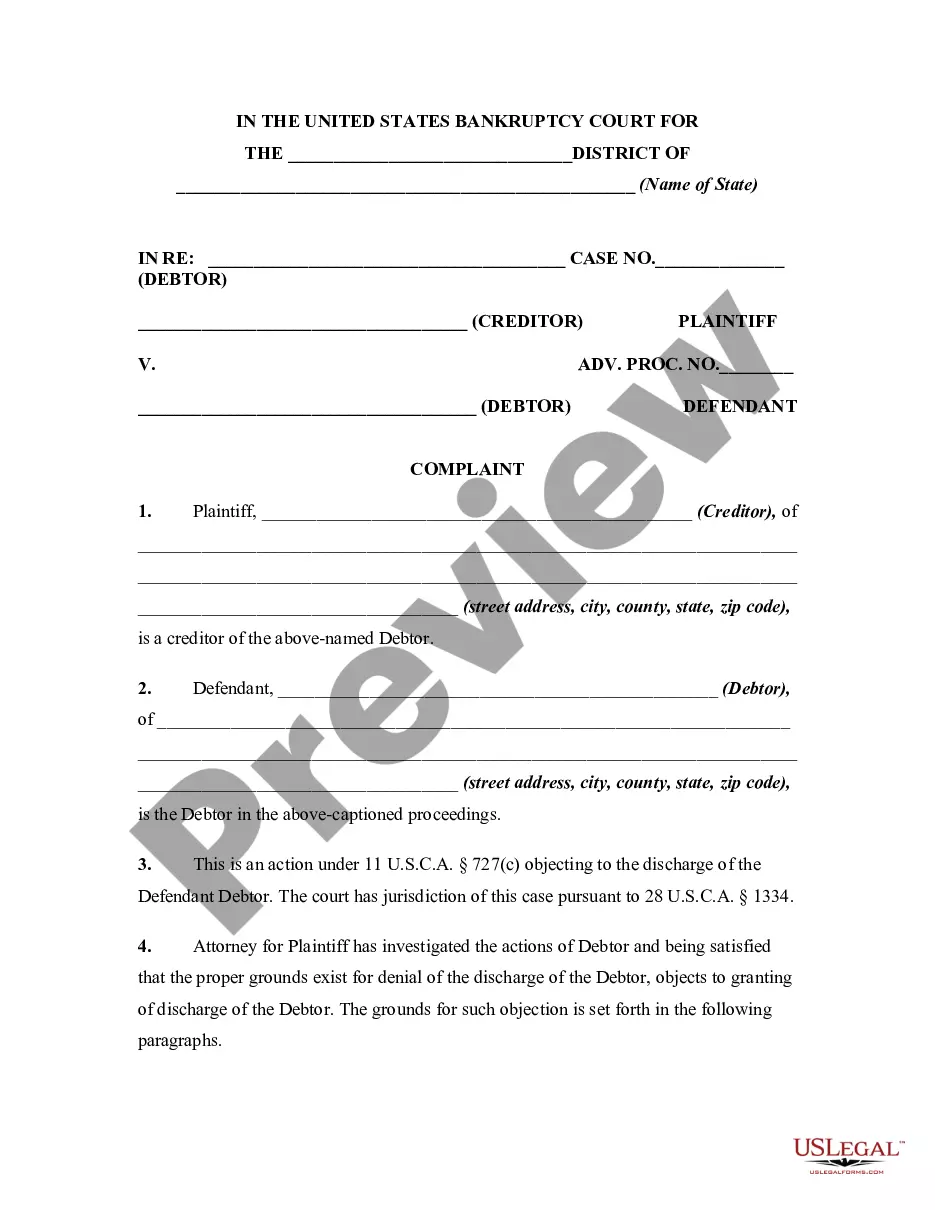
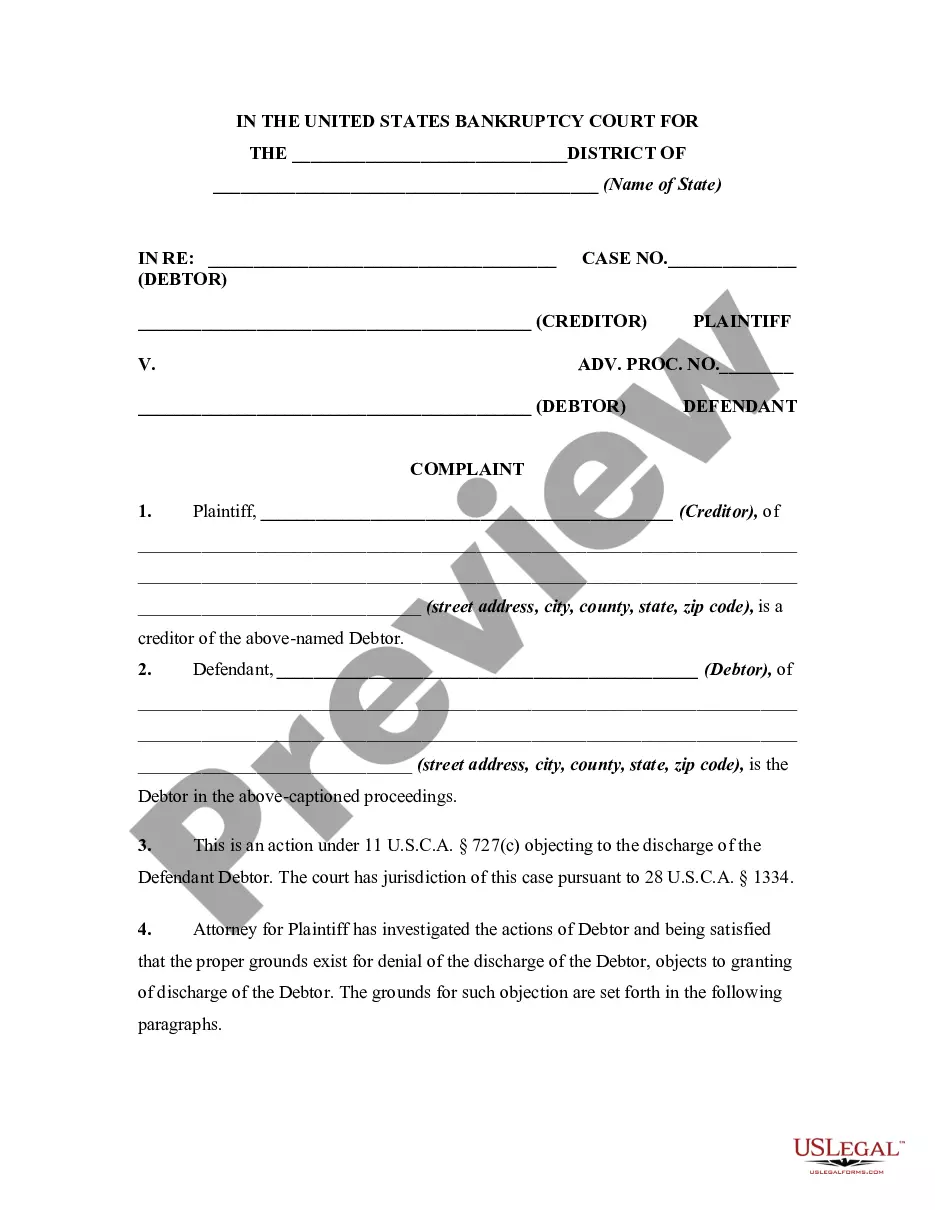
How to fill out Complaint Objecting To Discharge In Bankruptcy Proceedings For Concealment By Debtor And Omitting From Schedules Fraudulently Transferred Property?
- Log into your existing US Legal Forms account to access your available documents. Ensure your subscription is active; if not, renew based on your plan.
- Explore the Preview mode and review the form's description to confirm it aligns with your requirements and your local jurisdiction.
- If necessary, use the Search feature to find additional templates that better suit your needs.
- Select the document by clicking the 'Buy Now' button and choose the appropriate subscription plan to continue.
- Complete the purchase process by entering your payment information, whether via credit card or PayPal.
- Once purchased, download the template and save it on your device for easy access, or find it anytime in the 'My Forms' section of your account.
In conclusion, US Legal Forms empowers both individuals and attorneys with an extensive library of over 85,000 customizable legal documents, ensuring a hassle-free experience when preparing essential legal paperwork.
Take the first step towards your legal empowerment today by visiting US Legal Forms and exploring our vast resources!
Form popularity
FAQ
If you are a bankruptcy debtor with no debt, the process may seem unnecessary, but it can still provide relief in certain situations. Bankruptcy primarily aims to discharge your debts and provide a fresh start. However, if you have no assets, the court may close your case quickly due to a lack of items to distribute to creditors. For those in this predicament, consulting a platform like USLegalForms can help clarify options and guide you through various paths available.
When considering bankruptcy, it's important to understand that there is no strict minimum debt requirement. However, being a bankruptcy debtor with no debt may not necessitate filing for bankruptcy at all. Filing occurs generally when debts become overwhelming and repayment seems impossible. Therefore, if you find yourself with no significant debt, you might want to explore other financial solutions without entering the bankruptcy process.
Filing for bankruptcy with no assets generally leads to a straightforward process. In this scenario, as a bankruptcy debtor with no debt, you might qualify for a Chapter 7 discharge, allowing you to wipe out your unsecured debts quickly. Your lack of assets means there are fewer complications related to asset liquidation, leading to a simpler bankruptcy journey. It's advisable to use resources from US Legal Forms to ensure you are aware of all your rights and options.
Yes, you can file for bankruptcy even if you do not own any assets. As a bankruptcy debtor with no debt, your situation may actually simplify the process, as you may have a clearer path to obtaining a discharge. While you may not have assets to liquidate, filing for bankruptcy can help you eliminate certain obligations or give you financial relief. Utilizing platforms like US Legal Forms can assist you in navigating the filing process effectively.
When a debt is not included in a bankruptcy filing, you may still be responsible for it after the bankruptcy process ends. As a bankruptcy debtor with no debt, you should be aware that certain types of debts, such as student loans and certain tax obligations, may not be discharged. This means that if you filed for bankruptcy to eliminate other debts, these remaining obligations will still require payment. It's crucial to consult a legal expert to understand how to manage any excluded debts effectively.
Filing Chapter 13 with no income can pose challenges, but it may still be possible under certain circumstances. A bankruptcy debtor with no debt typically works out a repayment plan over a 3 to 5 year period, making it essential to demonstrate how you'll manage payments. If your situation involves no income but you have acceptable future income projections, you should consult a legal professional. Platforms like US Legal Forms can provide valuable information on this topic.
Chapter 7 bankruptcy typically allows individuals to become a bankruptcy debtor with no debt once the process is complete. This type of bankruptcy discharges most unsecured debts, offering a clean financial slate. Though it requires you to meet certain qualifications, it is a viable option for those looking to eliminate debts quickly. Consider consulting US Legal Forms for guidance on this process.
The minimum amount required to file bankruptcy can vary based on the type of bankruptcy you choose and your specific situation. As a bankruptcy debtor with no debt, you might find that you can file without owing a large sum. However, it's essential to consult a legal advisor to ensure that you meet all necessary criteria. Platforms like US Legal Forms can help you understand these requirements.
Several factors can disqualify a bankruptcy debtor with no debt from filing for bankruptcy. If you previously filed for bankruptcy and did not comply with the court's orders, you might face restrictions. Additionally, filing a bankruptcy form while not genuinely in financial distress can lead to dismissal of your case. Therefore, ensure that your situation warrants filing before you proceed.