Bankruptcy Debtor With No Consent
Description
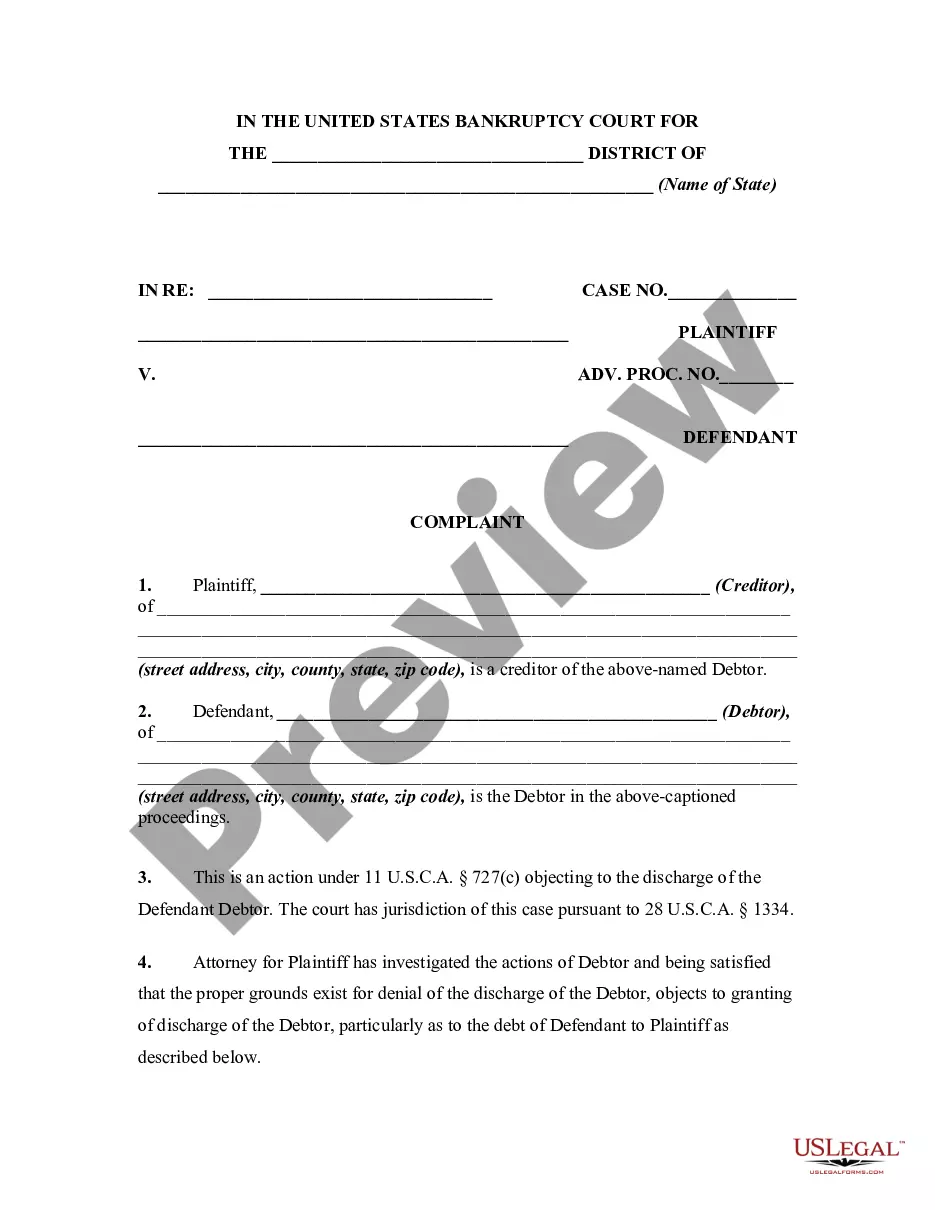
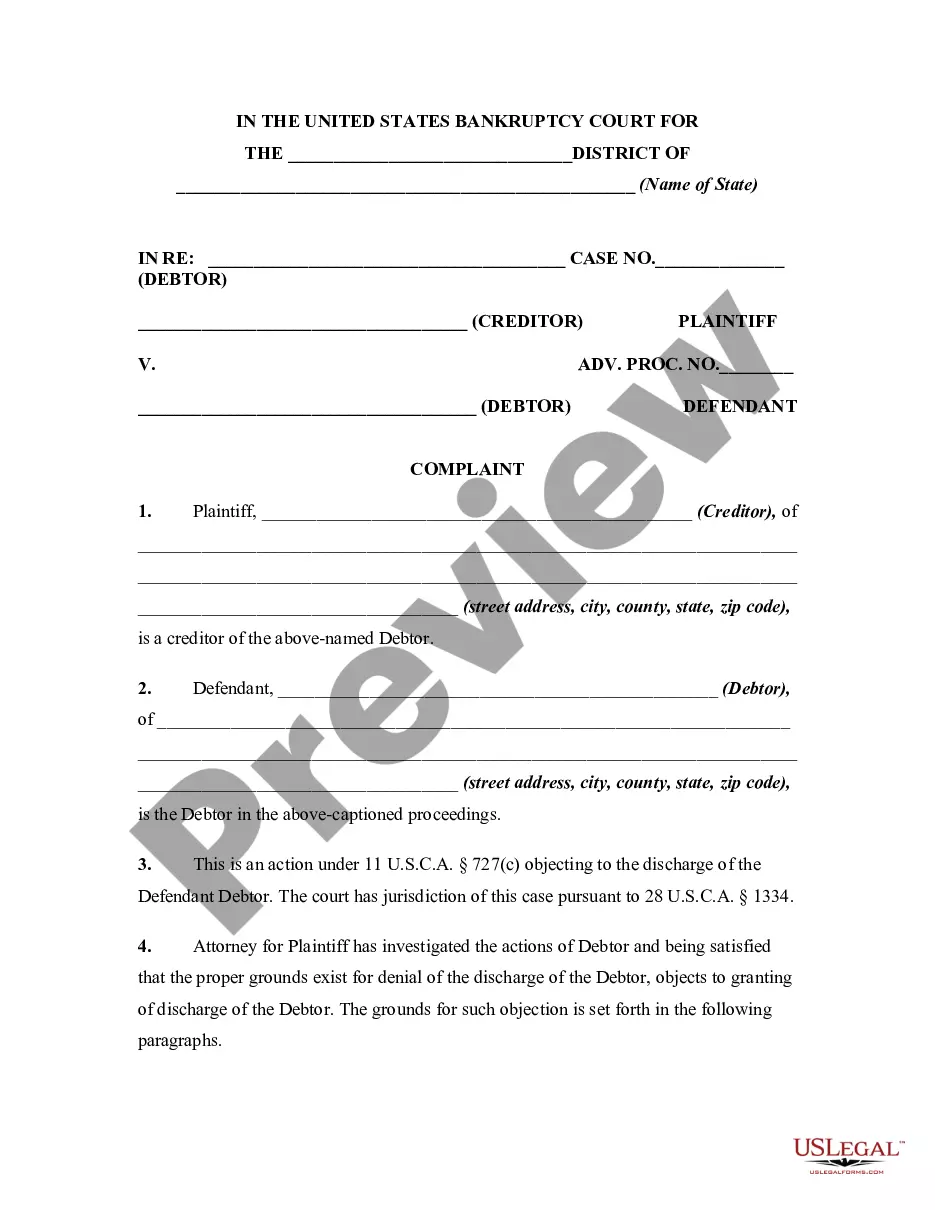
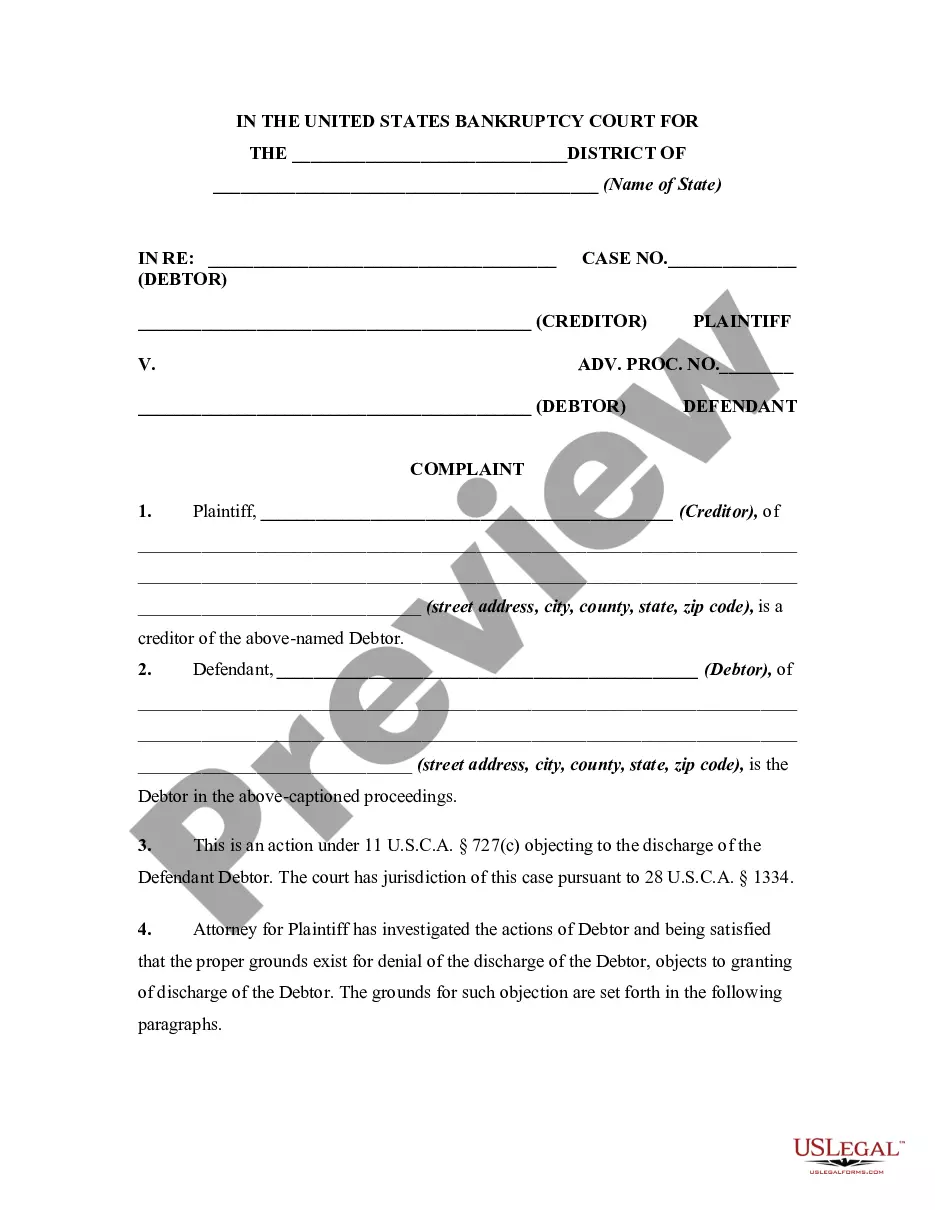
Get your form ready online
Our built-in tools help you complete, sign, share, and store your documents in one place.
Make edits, fill in missing information, and update formatting in US Legal Forms—just like you would in MS Word.
Download a copy, print it, send it by email, or mail it via USPS—whatever works best for your next step.
Sign and collect signatures with our SignNow integration. Send to multiple recipients, set reminders, and more. Go Premium to unlock E-Sign.
If this form requires notarization, complete it online through a secure video call—no need to meet a notary in person or wait for an appointment.
We protect your documents and personal data by following strict security and privacy standards.

Make edits, fill in missing information, and update formatting in US Legal Forms—just like you would in MS Word.

Download a copy, print it, send it by email, or mail it via USPS—whatever works best for your next step.

Sign and collect signatures with our SignNow integration. Send to multiple recipients, set reminders, and more. Go Premium to unlock E-Sign.

If this form requires notarization, complete it online through a secure video call—no need to meet a notary in person or wait for an appointment.

We protect your documents and personal data by following strict security and privacy standards.
Looking for another form?







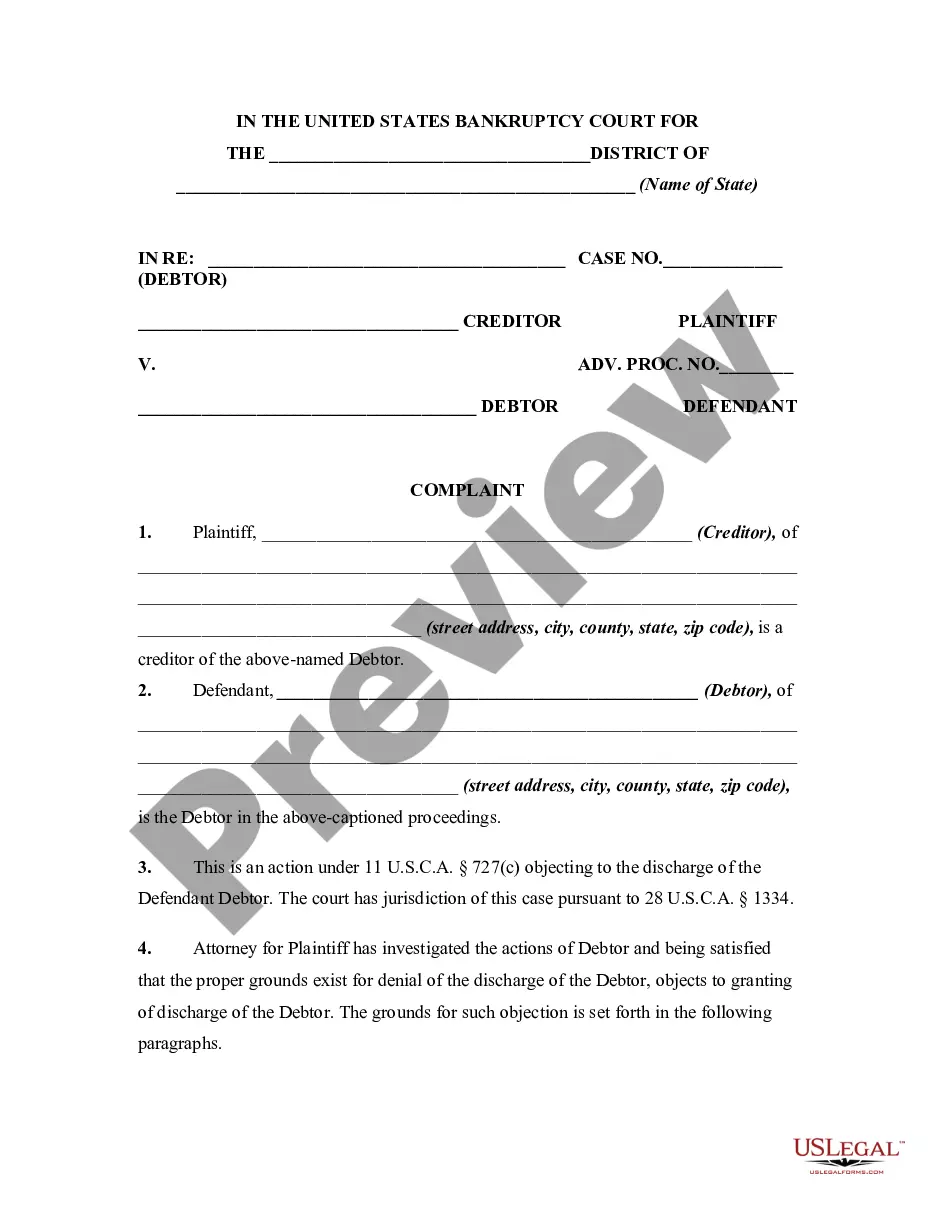
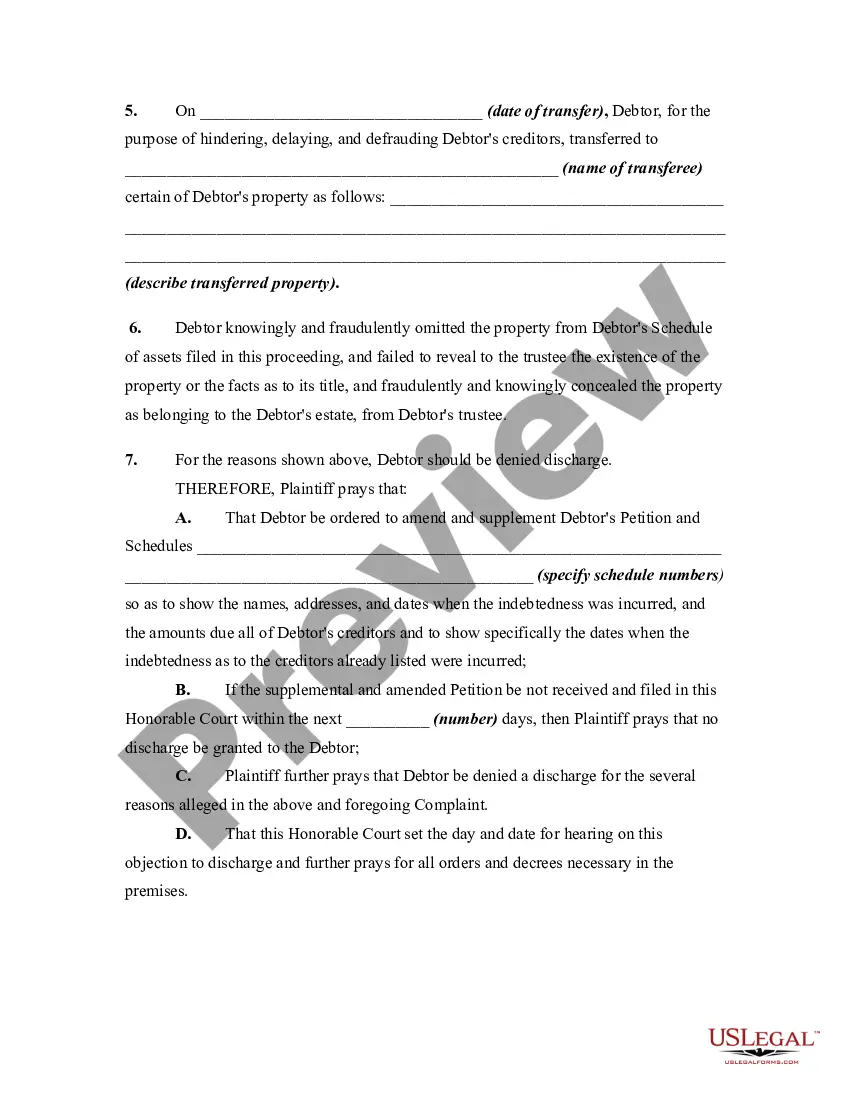
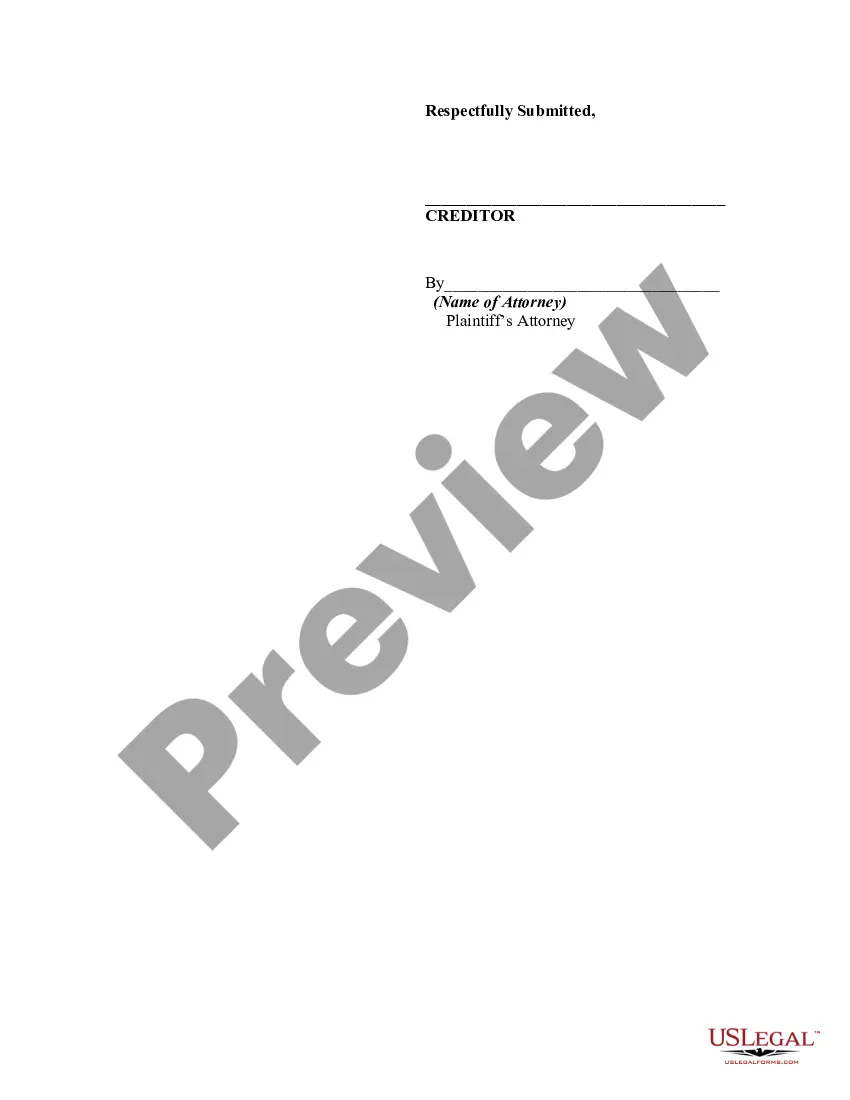
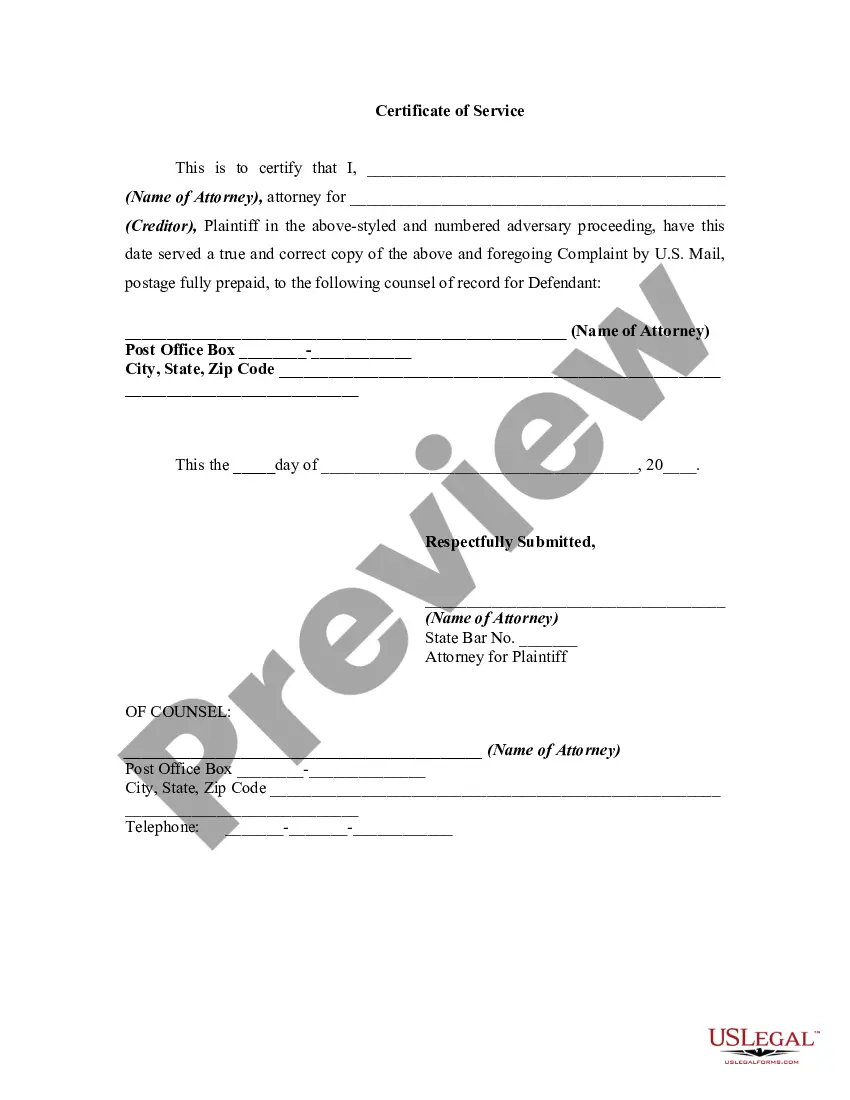
How to fill out Complaint Objecting To Discharge In Bankruptcy Proceedings For Concealment By Debtor And Omitting From Schedules Fraudulently Transferred Property?
- Log into your US Legal Forms account if you're a returning user and download the required form template by clicking the Download button. Ensure that your subscription is active—renew if necessary.
- For first-time users, begin by checking the Preview mode and description of your desired form. Verify that it aligns with your specific needs and adheres to local jurisdiction requirements.
- If the document is not suitable, utilize the Search feature to find a more appropriate template. Once you identify a fitting option, proceed to the next step.
- Purchase the documentation by selecting the Buy Now button, then choose the subscription plan that best fits your requirements. You'll need to create an account to access all features.
- Complete your purchase by entering your credit card information or opting for PayPal to finalize your subscription.
- Download your completed form and save it to your device. You can always access it later through the My Forms section of your account.
In summary, US Legal Forms empowers you to handle your legal documentation needs efficiently—whether you are a bankruptcy debtor with no consent or simply seeking clarity in legal processes.
Don't hesitate to get started today; visit US Legal Forms and simplify your legal journey!
Form popularity
FAQ
Filing bankruptcy by yourself can be challenging, especially for a bankruptcy debtor with no consent. You will need to understand legal terminology, forms, and court procedures. While it is possible to self-file, many individuals feel more secure when they seek assistance. USLegalForms offers resources that simplify the filing process, making it significantly easier for those choosing to go solo.
Yes, a person can file bankruptcy by themselves, even as a bankruptcy debtor with no consent. This process, known as pro se filing, allows you to represent yourself in court. However, you should be well-informed about the procedures and rules to avoid mistakes. Platforms like USLegalForms can provide helpful templates and instructions to make self-filing more manageable.
Filing bankruptcy as a bankruptcy debtor with no consent can be straightforward, but it requires attention to detail. You need to gather your financial documents, complete the necessary forms, and file them correctly with the court. However, many people find it beneficial to use resources like USLegalForms, which can guide you through the process and ensure you meet all requirements.
In situations where a creditor does not validate debt, you, as a bankruptcy debtor with no consent, can challenge the legitimacy of the debt. If the creditor fails to provide proof of the debt, it may lead to the elimination of that obligation in your bankruptcy proceedings. It's crucial to document all communication regarding debt validation. Uslegalforms provides valuable tools to assist in this documentation process effectively.
As a bankruptcy debtor with no consent, you generally have a defined time frame to file a proof of claim, typically 90 days after the first meeting of creditors. Missing this deadline could result in losing the opportunity to include that claim in your bankruptcy case. Being proactive is vital, and utilizing resources from uslegalforms can help you keep track of these important dates.
When a creditor does not file proof of claim, as a bankruptcy debtor with no consent, you may not face any financial obligations to that creditor. However, this situation could limit your ability to discharge certain debts if the claim is not formally addressed. It's crucial to stay informed about your rights in these cases. Tools provided by uslegalforms can help you navigate these complexities.
If a creditor does not respond to a dispute, you, as a bankruptcy debtor with no consent, may find your concerns unresolved. Typically, this lack of response can lead to a presumption that the creditor agrees with your dispute. Nevertheless, you might need to provide additional documentation to support your claims. Consider using platforms like uslegalforms to guide you through the documentation process effectively.
If you're facing bankruptcy with no consent, you should be aware that three types of debts remain in place once you file. These include student loans, most tax obligations, and child support payments. Understanding these limitations allows you to strategize and find ways to handle these debts effectively.
As a bankruptcy debtor with no consent, it’s important to recognize that certain debts are non-dischargeable. Debts like personal injury claims resulting from driving under the influence, fines, and some student loans typically do not get erased in bankruptcy. Knowing this can help you manage your expectations and seek alternative solutions.
The 309C form is a crucial document used in bankruptcy cases. It provides information about the debts and financial situation of the bankruptcy debtor, including those with no consent. Properly completing and submitting this form ensures that the court can assess your situation accurately, impacting your bankruptcy process.