Rent For Section 8 Homes
Description
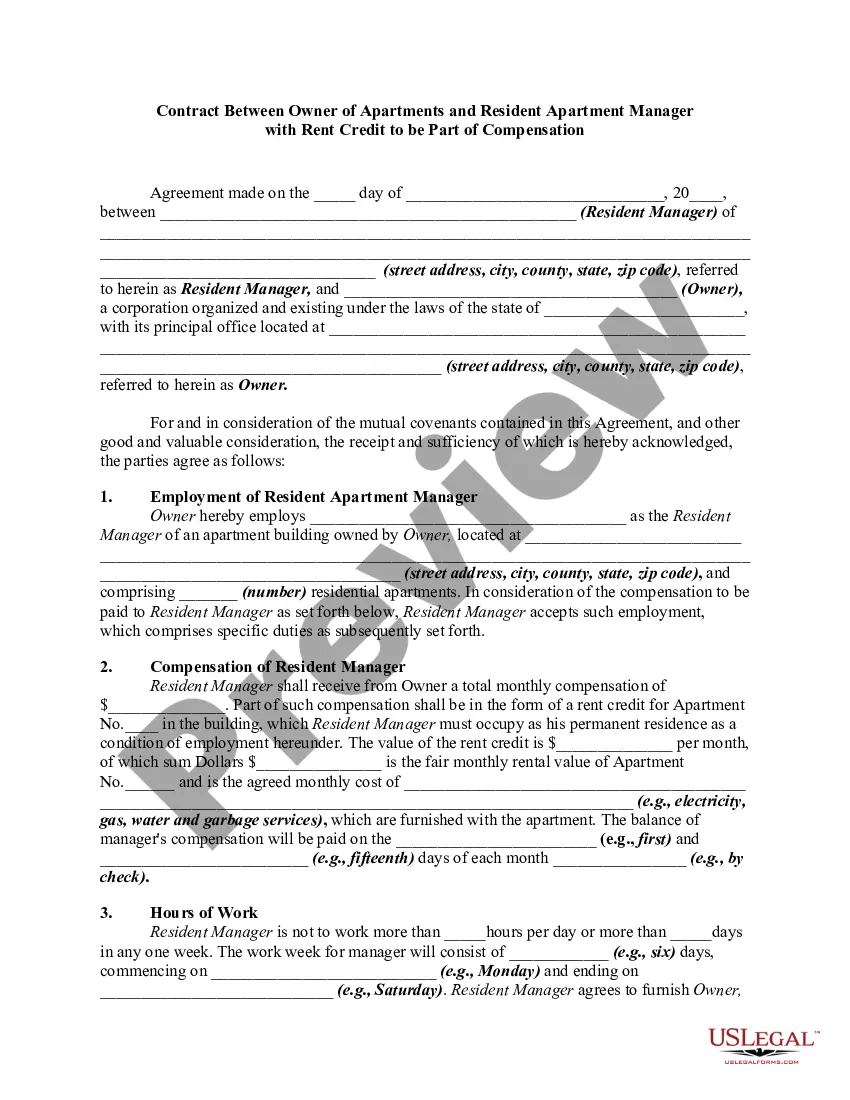
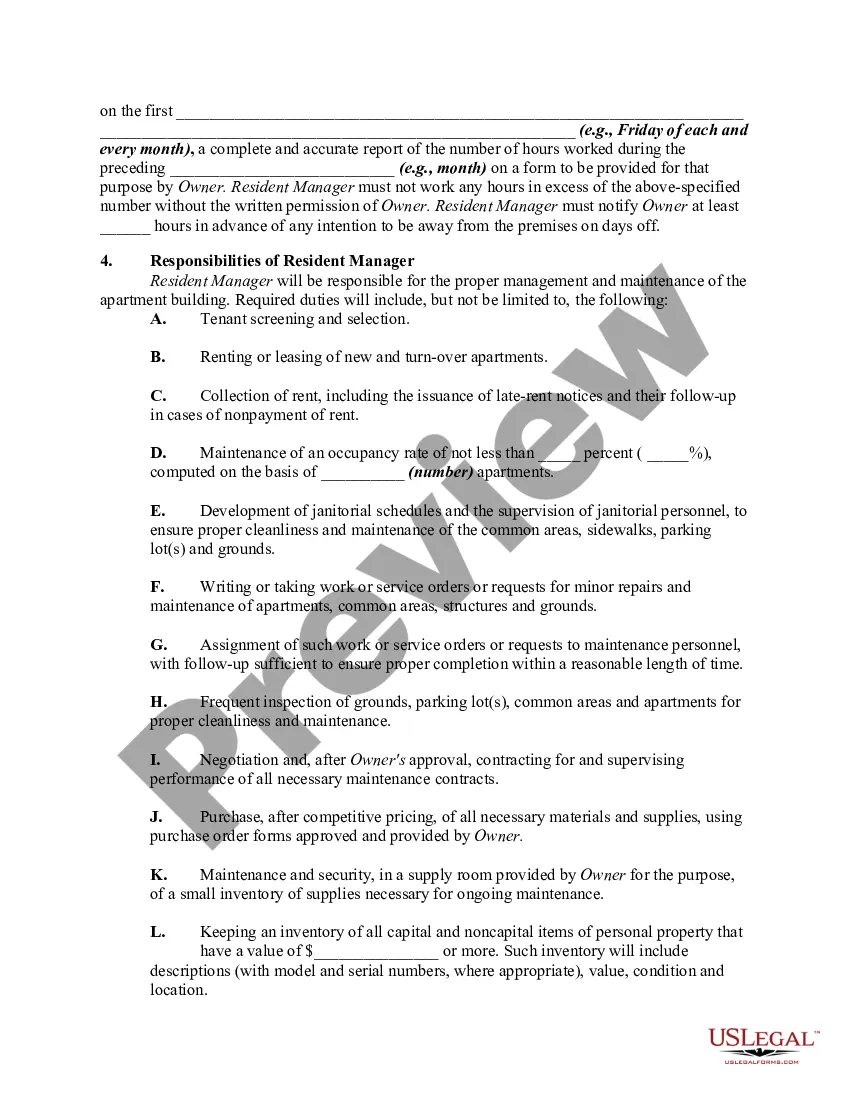
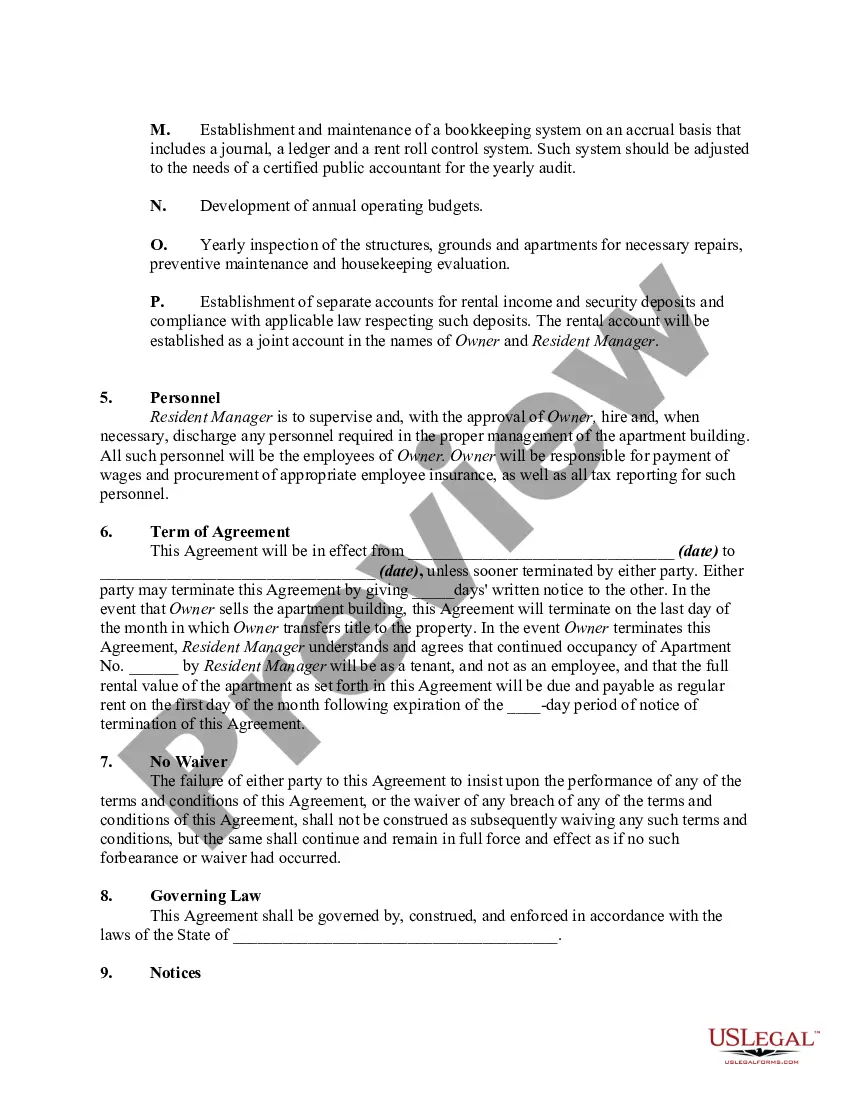
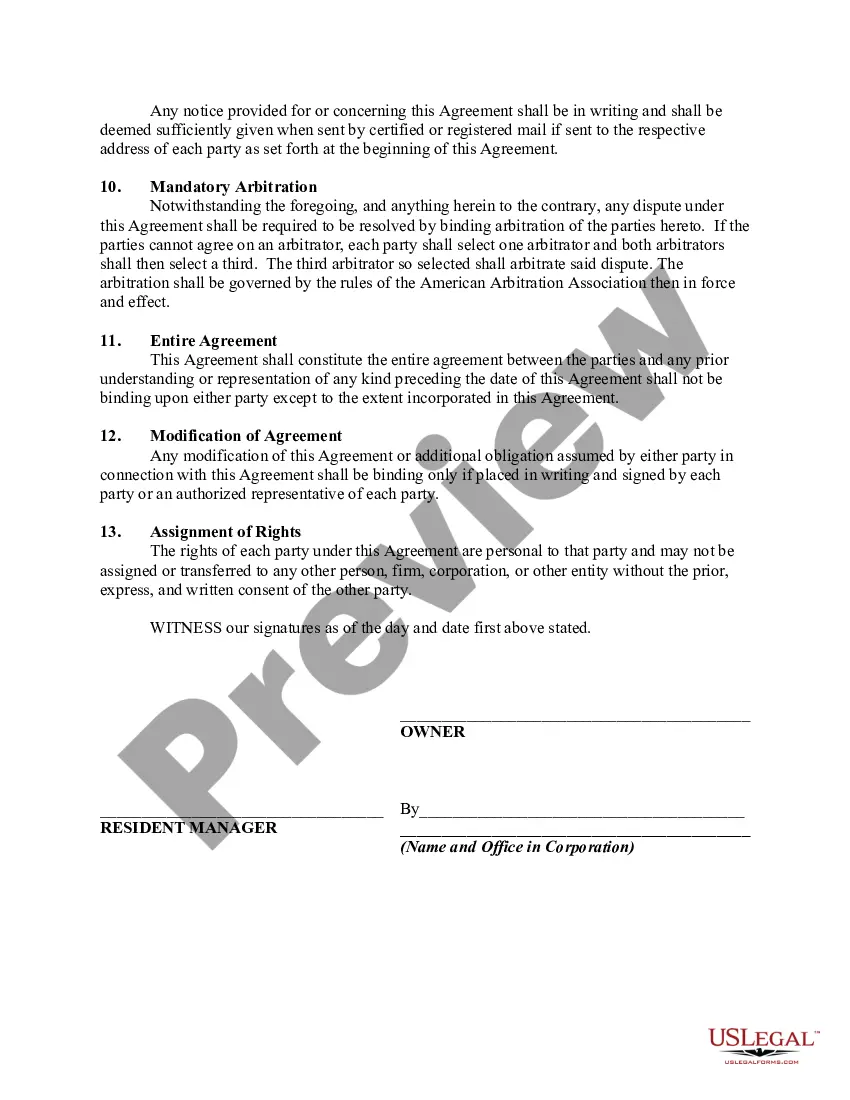
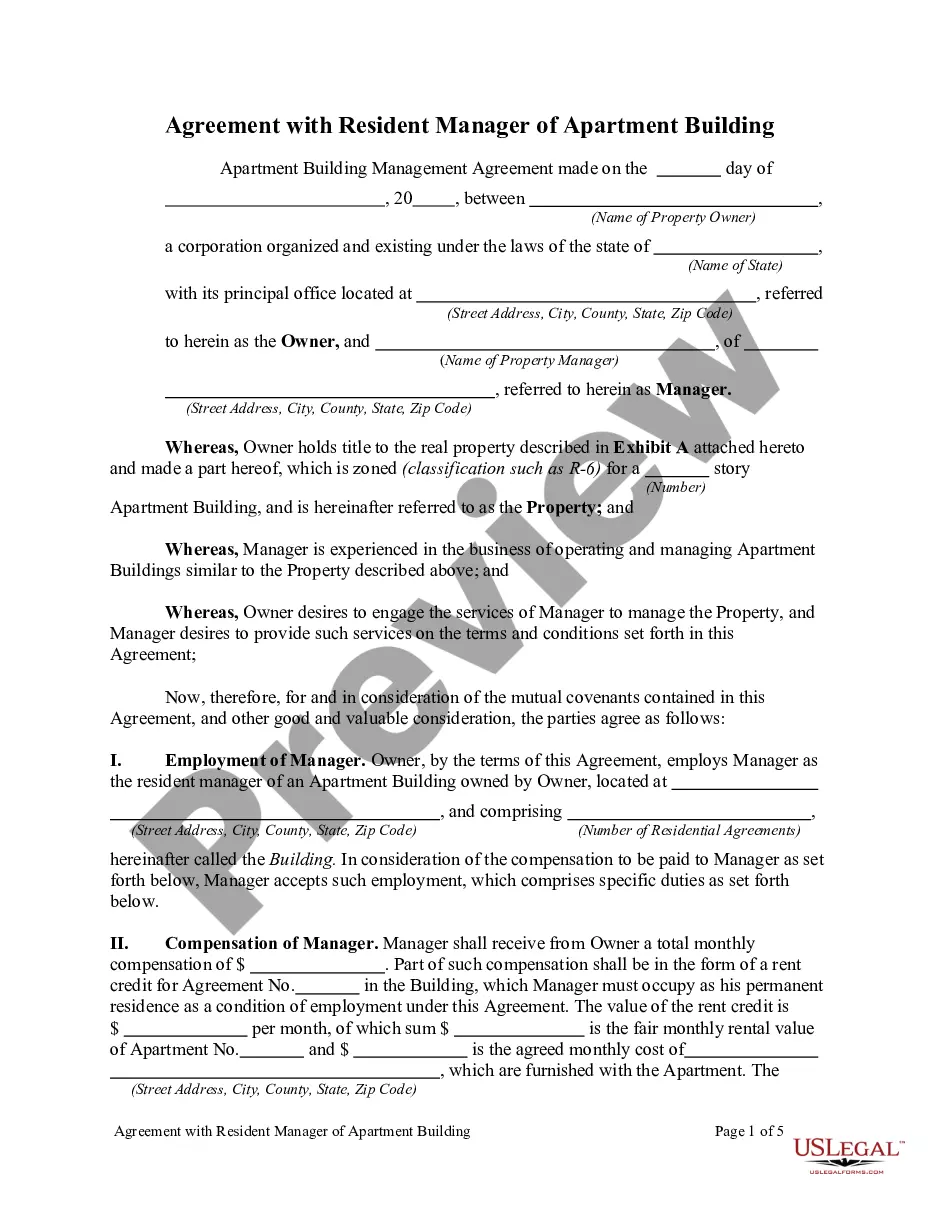
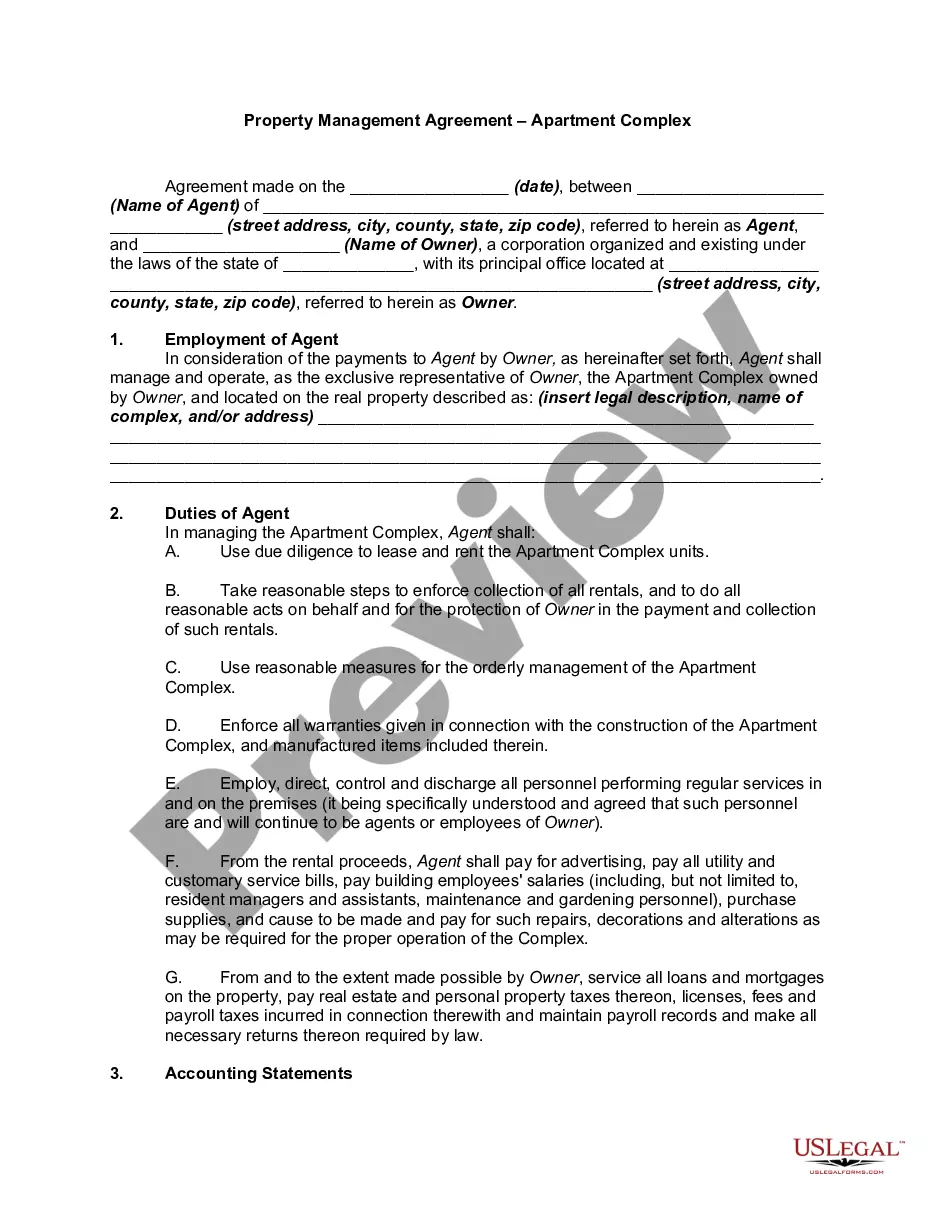
Get your form ready online
Our built-in tools help you complete, sign, share, and store your documents in one place.
Make edits, fill in missing information, and update formatting in US Legal Forms—just like you would in MS Word.
Download a copy, print it, send it by email, or mail it via USPS—whatever works best for your next step.
Sign and collect signatures with our SignNow integration. Send to multiple recipients, set reminders, and more. Go Premium to unlock E-Sign.
If this form requires notarization, complete it online through a secure video call—no need to meet a notary in person or wait for an appointment.
We protect your documents and personal data by following strict security and privacy standards.

Make edits, fill in missing information, and update formatting in US Legal Forms—just like you would in MS Word.

Download a copy, print it, send it by email, or mail it via USPS—whatever works best for your next step.

Sign and collect signatures with our SignNow integration. Send to multiple recipients, set reminders, and more. Go Premium to unlock E-Sign.

If this form requires notarization, complete it online through a secure video call—no need to meet a notary in person or wait for an appointment.

We protect your documents and personal data by following strict security and privacy standards.
Looking for another form?








How to fill out Contract Between Owner Of Apartments And Resident Apartment Manager With Rent Credit To Be Part Of Compensation?
Finding a go-to place to access the most recent and relevant legal templates is half the struggle of handling bureaucracy. Choosing the right legal files calls for accuracy and attention to detail, which is the reason it is important to take samples of Rent For Section 8 Homes only from reliable sources, like US Legal Forms. An improper template will waste your time and delay the situation you are in. With US Legal Forms, you have little to be concerned about. You may access and see all the information concerning the document’s use and relevance for the circumstances and in your state or region.
Consider the following steps to finish your Rent For Section 8 Homes:
- Make use of the catalog navigation or search field to locate your sample.
- Open the form’s information to see if it fits the requirements of your state and region.
- Open the form preview, if there is one, to ensure the template is the one you are searching for.
- Return to the search and look for the right template if the Rent For Section 8 Homes does not suit your needs.
- When you are positive regarding the form’s relevance, download it.
- When you are a registered customer, click Log in to authenticate and access your selected forms in My Forms.
- If you do not have a profile yet, click Buy now to obtain the template.
- Select the pricing plan that fits your needs.
- Proceed to the registration to complete your purchase.
- Complete your purchase by choosing a payment method (credit card or PayPal).
- Select the document format for downloading Rent For Section 8 Homes.
- When you have the form on your gadget, you can change it using the editor or print it and complete it manually.
Remove the hassle that comes with your legal documentation. Explore the comprehensive US Legal Forms library to find legal templates, examine their relevance to your circumstances, and download them on the spot.
Form popularity
FAQ
Don't hesitate to ask the local housing authority to help you in any way they can. Landlords are not legally required to accept Section 8 vouchers and some may turn you down if you want to use vouchers. However, it is illegal for them to refuse to rent to you because you have a disability.
The Section 8 program allows private landlords to rent apartments and homes at fair market rates to qualified low income tenants, with a rental subsidy administered by HHA. ?Section 8? is a common name for the Housing Choice Voucher Program, funded by the U.S. Department of Housing and Urban Development (HUD).
The maximum housing assistance is generally the lesser of the payment standard minus 30% of the family's monthly adjusted income or the gross rent for the unit minus 30% of monthly adjusted income.
Your family must pay 30% of its monthly adjusted gross income for rent and utilities. If the rent is greater than the payment standard, your family is required to pay the additional amount.
The renter's share of the rent cannot exceed 30% of their (or their family's) adjusted monthly income, or 40% for those who are signing their first Section 8 contract.