Collateral Assignment In Chinese
Description
Get your form ready online
Our built-in tools help you complete, sign, share, and store your documents in one place.
Make edits, fill in missing information, and update formatting in US Legal Forms—just like you would in MS Word.
Download a copy, print it, send it by email, or mail it via USPS—whatever works best for your next step.
Sign and collect signatures with our SignNow integration. Send to multiple recipients, set reminders, and more. Go Premium to unlock E-Sign.
If this form requires notarization, complete it online through a secure video call—no need to meet a notary in person or wait for an appointment.
We protect your documents and personal data by following strict security and privacy standards.

Make edits, fill in missing information, and update formatting in US Legal Forms—just like you would in MS Word.

Download a copy, print it, send it by email, or mail it via USPS—whatever works best for your next step.

Sign and collect signatures with our SignNow integration. Send to multiple recipients, set reminders, and more. Go Premium to unlock E-Sign.

If this form requires notarization, complete it online through a secure video call—no need to meet a notary in person or wait for an appointment.

We protect your documents and personal data by following strict security and privacy standards.
Looking for another form?







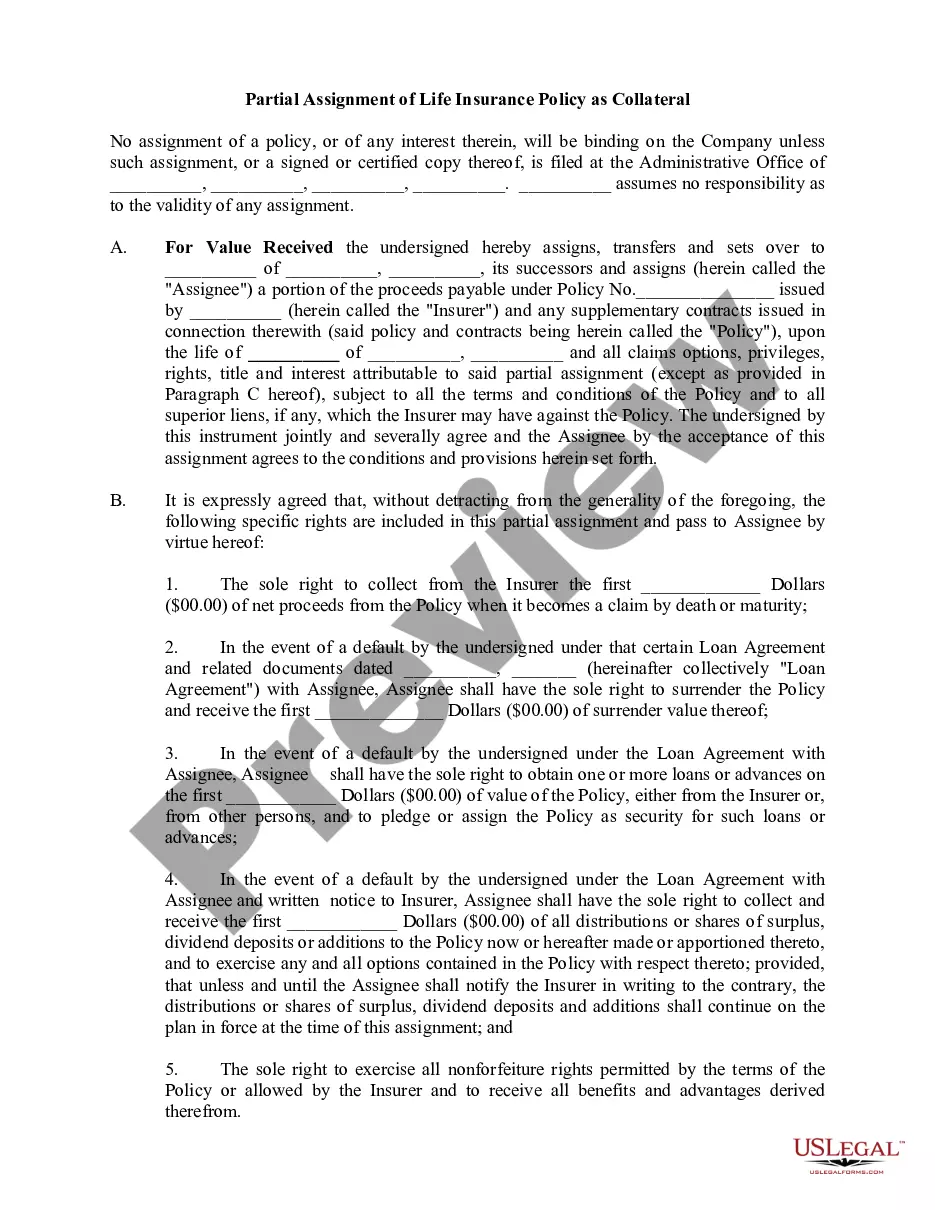
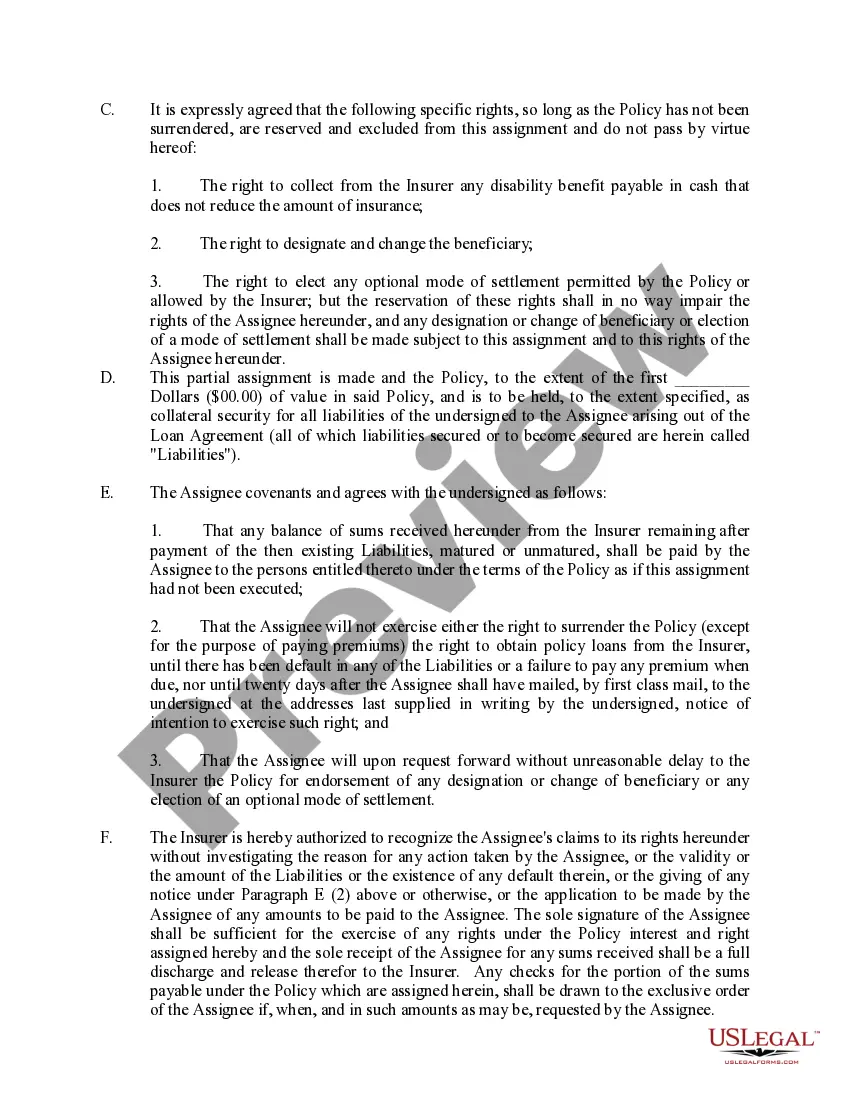
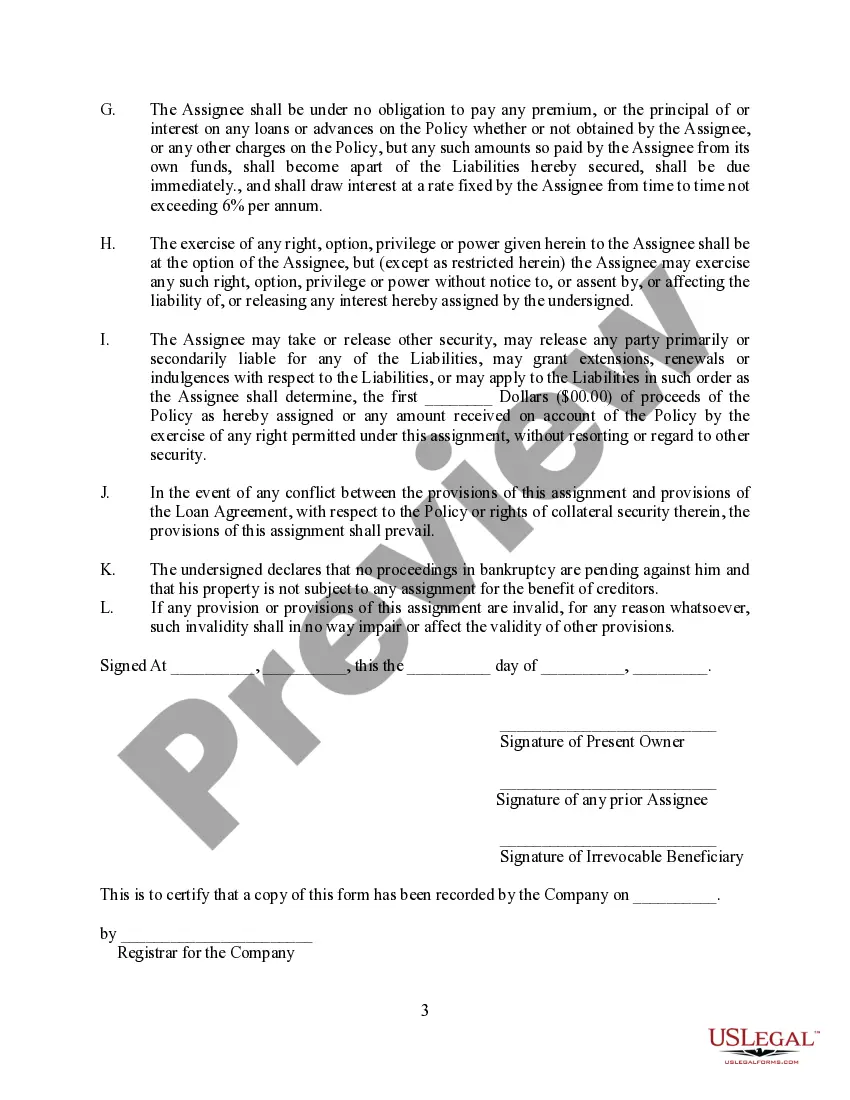
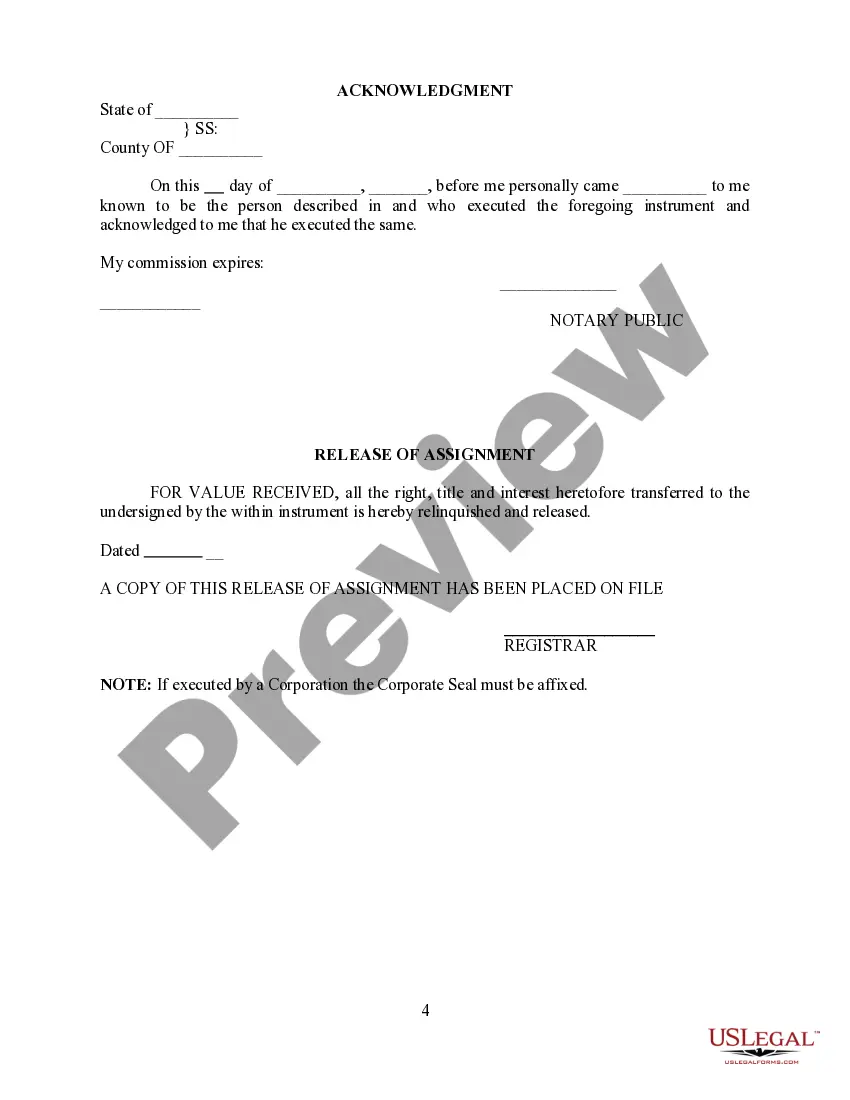
How to fill out Partial Assignment Of Life Insurance Policy As Collateral?
Managing legal paperwork and processes can be a lengthy addition to your entire day.
Collateral Assignment In Chinese and similar forms usually require you to locate them and navigate the path to fill them out accurately.
For this reason, whether you are addressing financial, legal, or personal affairs, having a comprehensive and functional online directory of forms readily available will be immensely beneficial.
US Legal Forms is the premier online platform for legal templates, boasting over 85,000 state-specific forms and various tools to help you complete your documents effortlessly.
Is this your first time using US Legal Forms? Register and create a free account in a few minutes to gain access to the form catalog and Collateral Assignment In Chinese. Then, follow the steps listed below to complete your form: Ensure you have located the correct form using the Review feature and examining the form description. Select Buy Now when ready, and choose the monthly subscription plan that suits you. Click Download and then fill out, eSign, and print the form. US Legal Forms has twenty-five years of expertise helping clients manage their legal documents. Acquire the form you need today and simplify any process with ease.
- Explore the collection of relevant documents accessible to you with just one click.
- US Legal Forms provides state- and county-specific forms available for download at any time.
- Safeguard your document management processes with a high-quality service that allows you to prepare any form in minutes without extra or hidden fees.
- Simply Log In to your account, find Collateral Assignment In Chinese, and download it immediately from the My documents section.
- You can also access forms you have downloaded previously.
Form popularity
FAQ
The main difference between an absolute assignment and a collateral assignment lies in the ownership of the asset. An absolute assignment transfers full ownership rights to the assignee, while a collateral assignment retains ownership with the assignor but allows the assignee to use the asset as security. Understanding this distinction is crucial, especially when discussing collateral assignment in Chinese. This knowledge helps all parties involved to navigate their rights and responsibilities effectively.
Filling out a collateral assignment form requires careful attention to detail. You will need to provide information about the borrower, the lender, and the asset being assigned as collateral. Additionally, it is important to include any specific terms or conditions that apply to the collateral assignment in Chinese to avoid misunderstandings. Using a reliable platform like US Legal Forms can streamline the process and ensure accuracy.
For example, if you take out a $50,000 loan using your $500,000 policy as collateral but pass away with a $40,000 loan balance, your lender can collect a portion of your death benefit. That can leave your beneficiaries with less money to cover expenses in your absence.
Collateral assignment is the transferring of an asset's right of ownership from the borrower to the lender up until the loan gets fully paid. The transferred asset can be the borrower's life insurance.
Collateral assignment concerns allocating a property's ownership privileges, or a specific interest, to a lender as loan collateral. The lender retains a security interest in the asset until the borrower entirely settles the loan.
A collateral assignment of lease is a legal contract that transfers the rights to rental payments from the asset's owner to a lender to secure funding. In this contract, the lease's rentals are like a loan from the funder to the lessor and the lease acts as security.
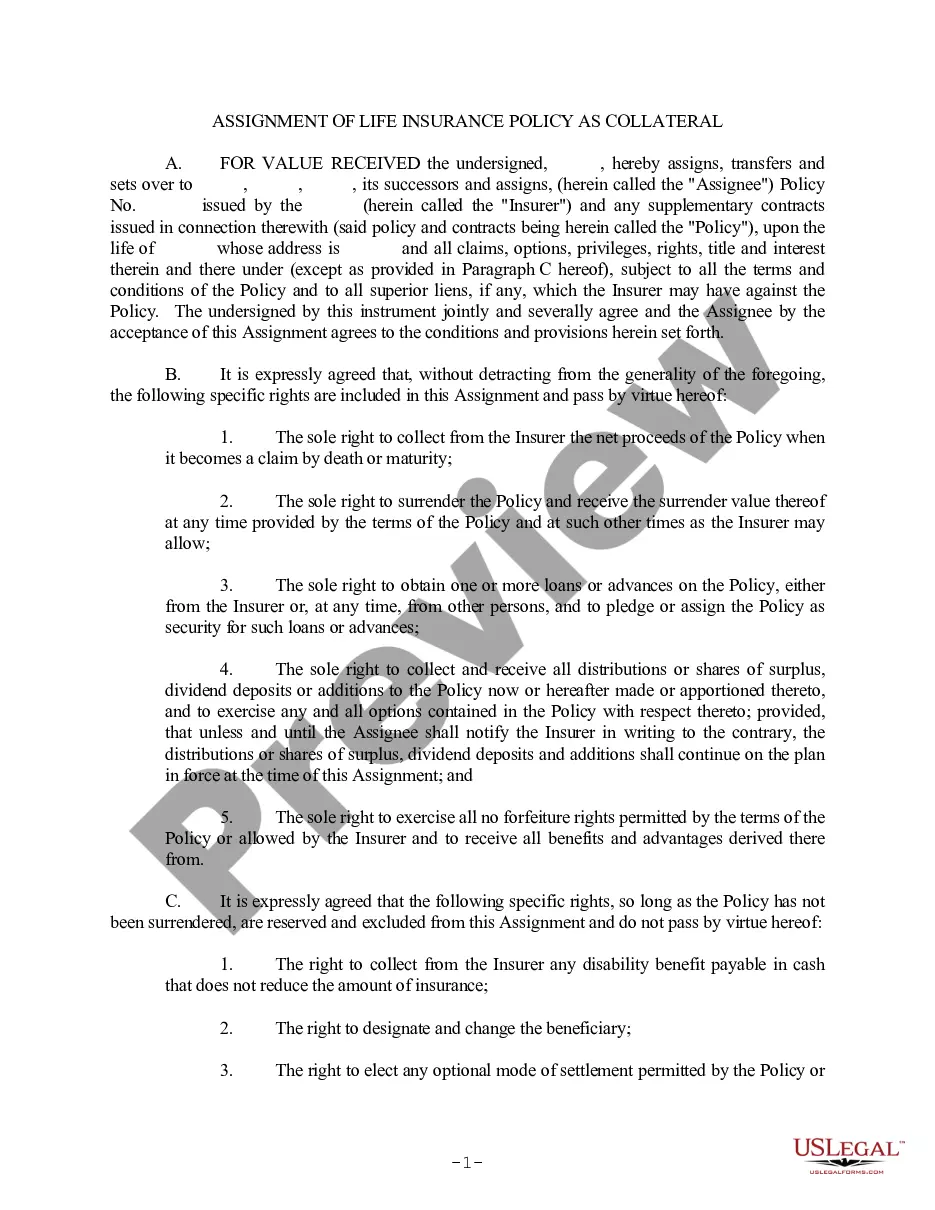
Collateral assignment of life insurance is a method of providing a lender with collateral when you apply for a loan. In this case, the collateral is your life insurance policy's face value, which could be used to pay back the amount you owe in case you die while in debt.