Remain Pending Meaning
Description
Get your form ready online
Our built-in tools help you complete, sign, share, and store your documents in one place.
Make edits, fill in missing information, and update formatting in US Legal Forms—just like you would in MS Word.
Download a copy, print it, send it by email, or mail it via USPS—whatever works best for your next step.
Sign and collect signatures with our SignNow integration. Send to multiple recipients, set reminders, and more. Go Premium to unlock E-Sign.
If this form requires notarization, complete it online through a secure video call—no need to meet a notary in person or wait for an appointment.
We protect your documents and personal data by following strict security and privacy standards.

Make edits, fill in missing information, and update formatting in US Legal Forms—just like you would in MS Word.

Download a copy, print it, send it by email, or mail it via USPS—whatever works best for your next step.

Sign and collect signatures with our SignNow integration. Send to multiple recipients, set reminders, and more. Go Premium to unlock E-Sign.

If this form requires notarization, complete it online through a secure video call—no need to meet a notary in person or wait for an appointment.

We protect your documents and personal data by following strict security and privacy standards.
Looking for another form?
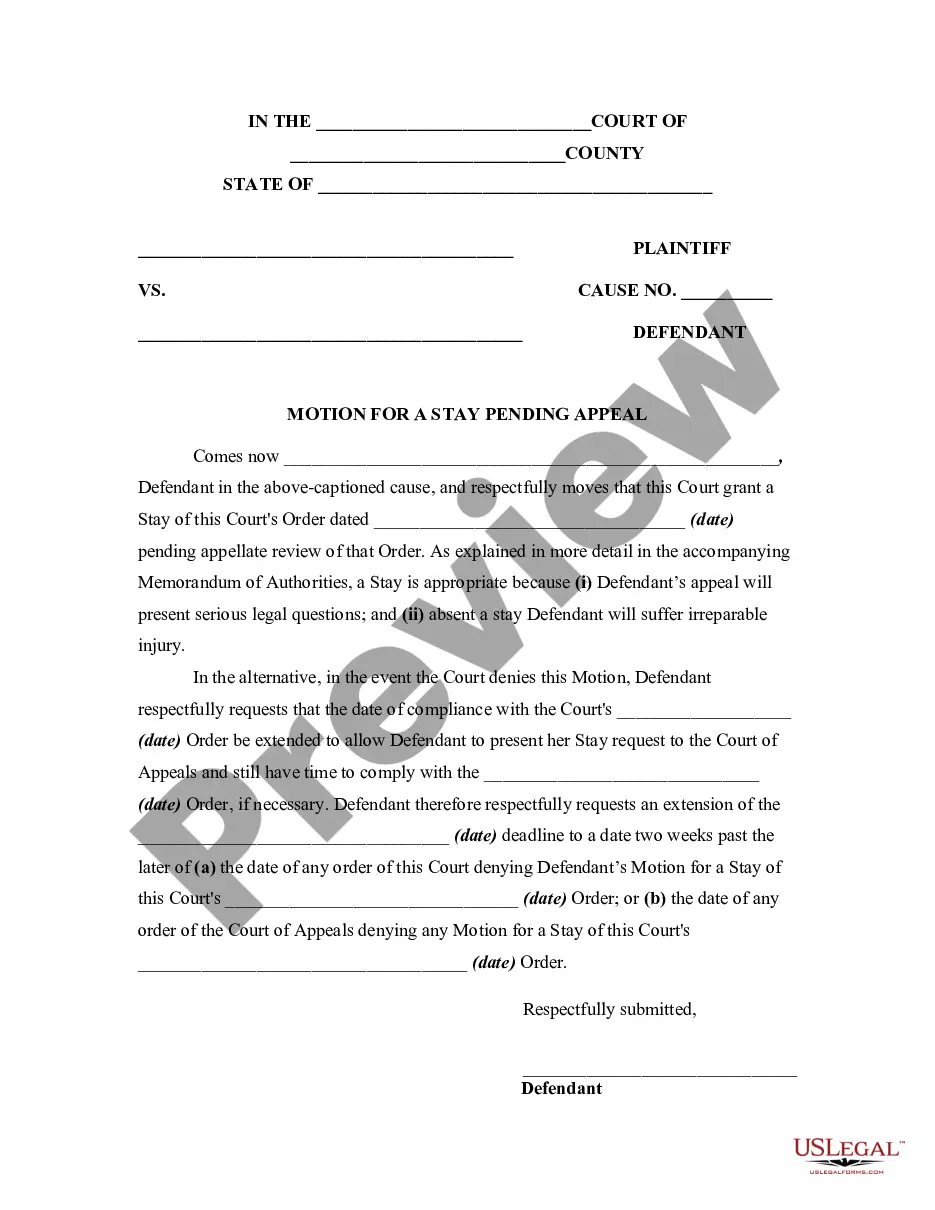
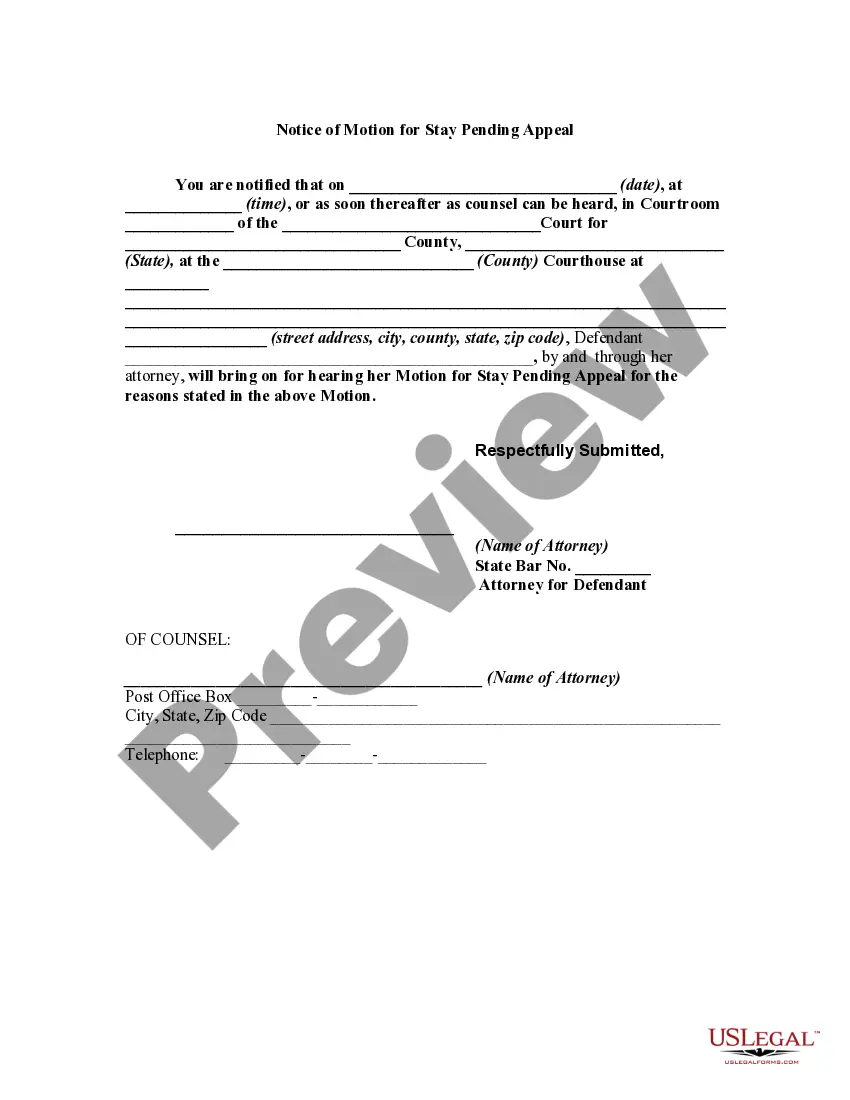
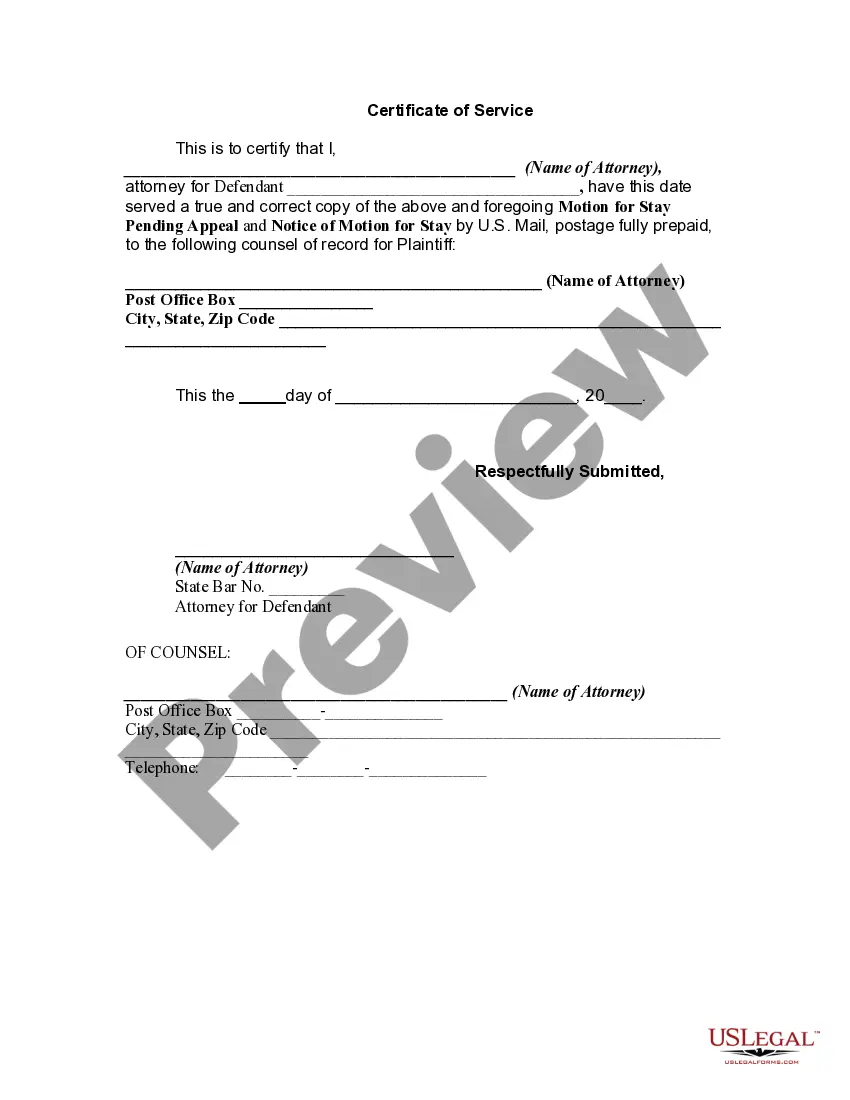
How to fill out Motion For Stay Pending Appeal And Notice Of Motion?
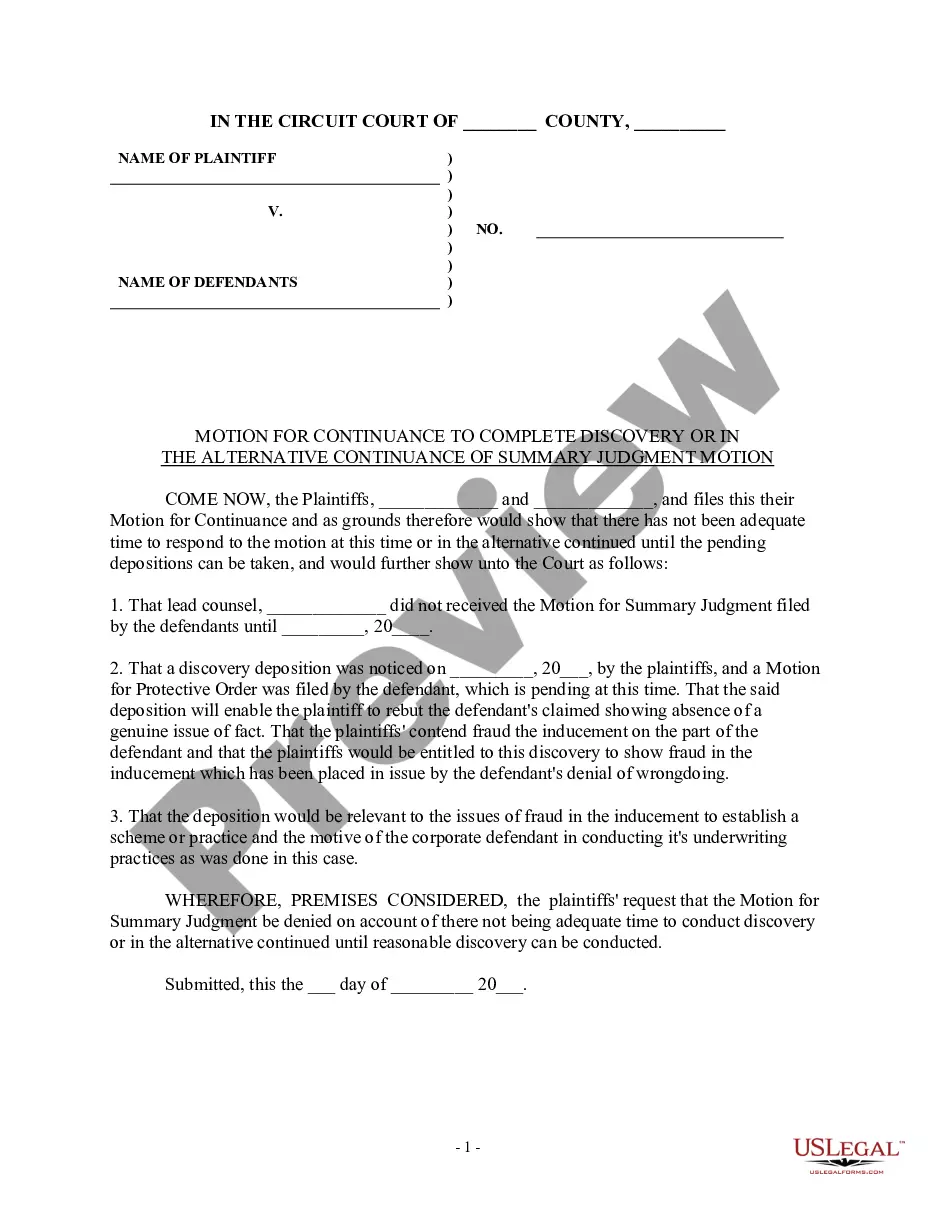
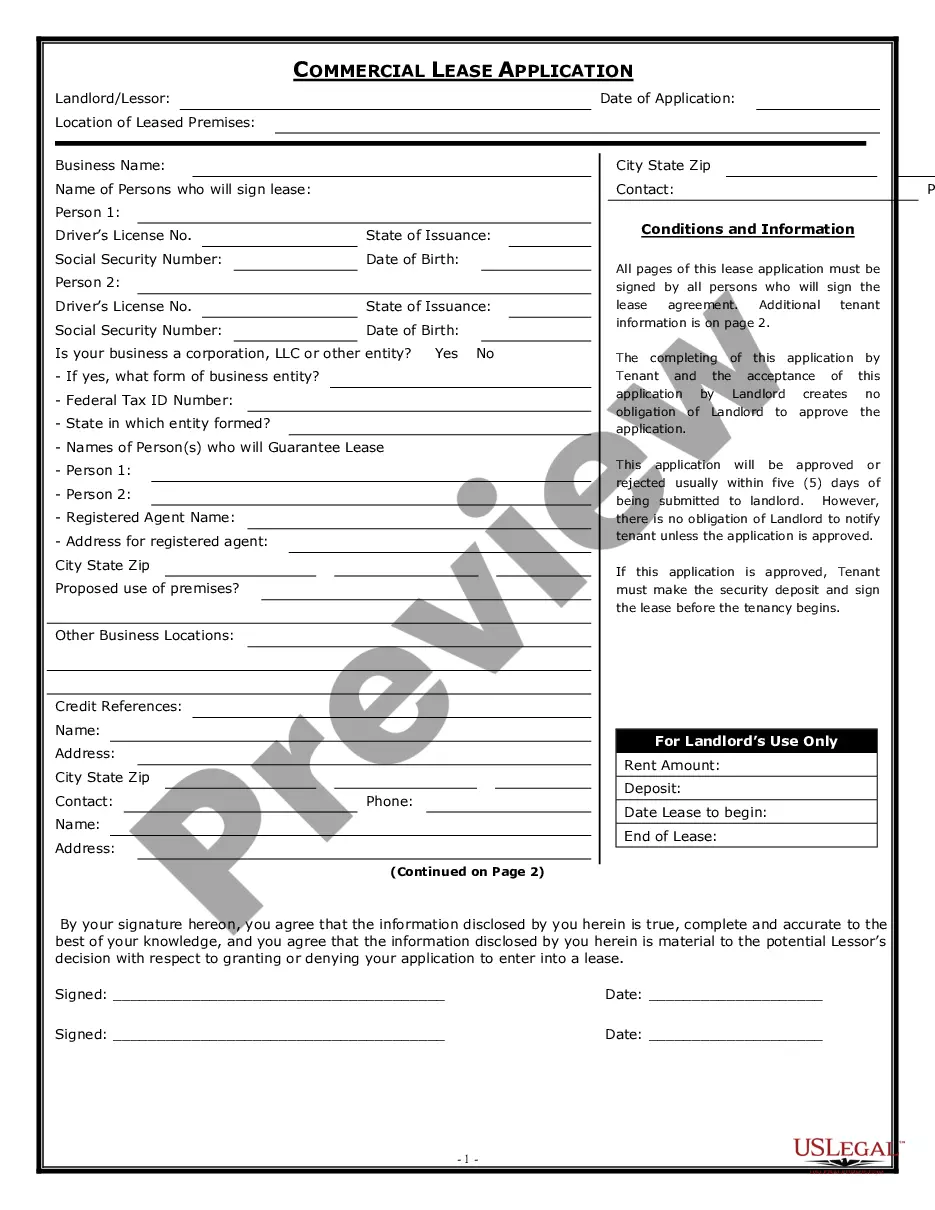
The Persisting Pending Definition you encounter on this page is a reusable formal blueprint crafted by expert attorneys in accordance with federal and state statutes and regulations.
For over 25 years, US Legal Forms has supplied individuals, businesses, and legal practitioners with more than 85,000 validated, state-specific documents for any commercial and personal circumstance. It’s the quickest, most direct, and most reliable method to acquire the forms you need, as the service assures the utmost level of information security and anti-malware safeguards.
Sign up for US Legal Forms to access verified legal templates for all of life's circumstances at your convenience.
- Explore the document you require and examine it.
- Review the sample you searched for and preview it or check the form description to ensure it meets your requirements. If it does not, use the search bar to locate the correct one. Click Buy Now once you have found the template you need.
- Choose and Log Into your account.
- Select the pricing option that fits you and set up an account. Use PayPal or a debit card to make a swift payment. If you already possess an account, Log In and verify your subscription to proceed.
- Obtain the fillable template.
Form popularity
FAQ
'Remained in' generally refers to something that continues to stay in a particular state or location. This phrase often highlights continuity in a situation or context. Knowing the meaning of 'remained in' can improve your writing and speaking, allowing you to convey ongoing conditions clearly and effectively.
'Still pending' suggests that a situation or request has not yet been finalized or completed. It often emphasizes the ongoing nature of a matter that requires resolution. By grasping the remain pending meaning, you can better navigate processes that seem to linger without conclusion.
Yes, when something is described as 'pending,' it indicates a state of waiting for an action or resolution. This term often appears in legal documents, suggesting that final decisions are not yet made. Knowing the remain pending meaning can clarify your legal rights during this time. For assistance with understanding such documents, consider consulting with US Legal Forms for guidance.
'Still pending' refers to a situation where a particular item or request has not yet reached a conclusion, despite a notable amount of time having passed. It means the matter is actively awaiting resolution, but it has not yet been finalized. Grasping the remain pending meaning is crucial in various legal scenarios, where timelines can directly affect your next steps. USLegalForms offers tools to keep you informed about your pending items, ensuring you stay in control.
Illinois still requires the seller to disclose material defects even if the house is being sold ?as-is.? However, an ?as-is? sale indicates that, while the seller is disclosing defects, they will not be fixing, remodeling, or remediating the defects as part of the negotiation process.
Yes, a seller can back out of an accepted offer if they get cold feet. However, in the same way, there are legal and financial consequences for a buyer to back out of an accepted offer; there are consequences if a seller does the same thing. A seller may also be sued for breach of contract.
And in many cases, a home seller who reneges on a purchase contract can be sued for breach of contract. A judge could order the seller to sign over a deed and complete the sale anyway. ?The buyer could sue for damages, but usually, they sue for the property,? Schorr says.
Can a seller pull out after accepting an offer? If there is an available contingency in the contract, the buyer can't secure funding, or there is fraud on the part of the buyer, the seller may usually cancel the contract. You may also cancel the sale during the attorney review period.
Again, the short answer is yes. If you back out of a signed contract for a reason not explicitly stipulated as a contingency, not only do you risk losing your earnest money, but the seller could possibly seek further legal action. It's easier to back out of buying a house before the purchase agreement is signed.
To be legally binding, both you and the buyer must sign the real estate contract. You can back out without consequences if the contract is still verbal and has not yet been legally signed.