Pending And On Hold Difference
Description
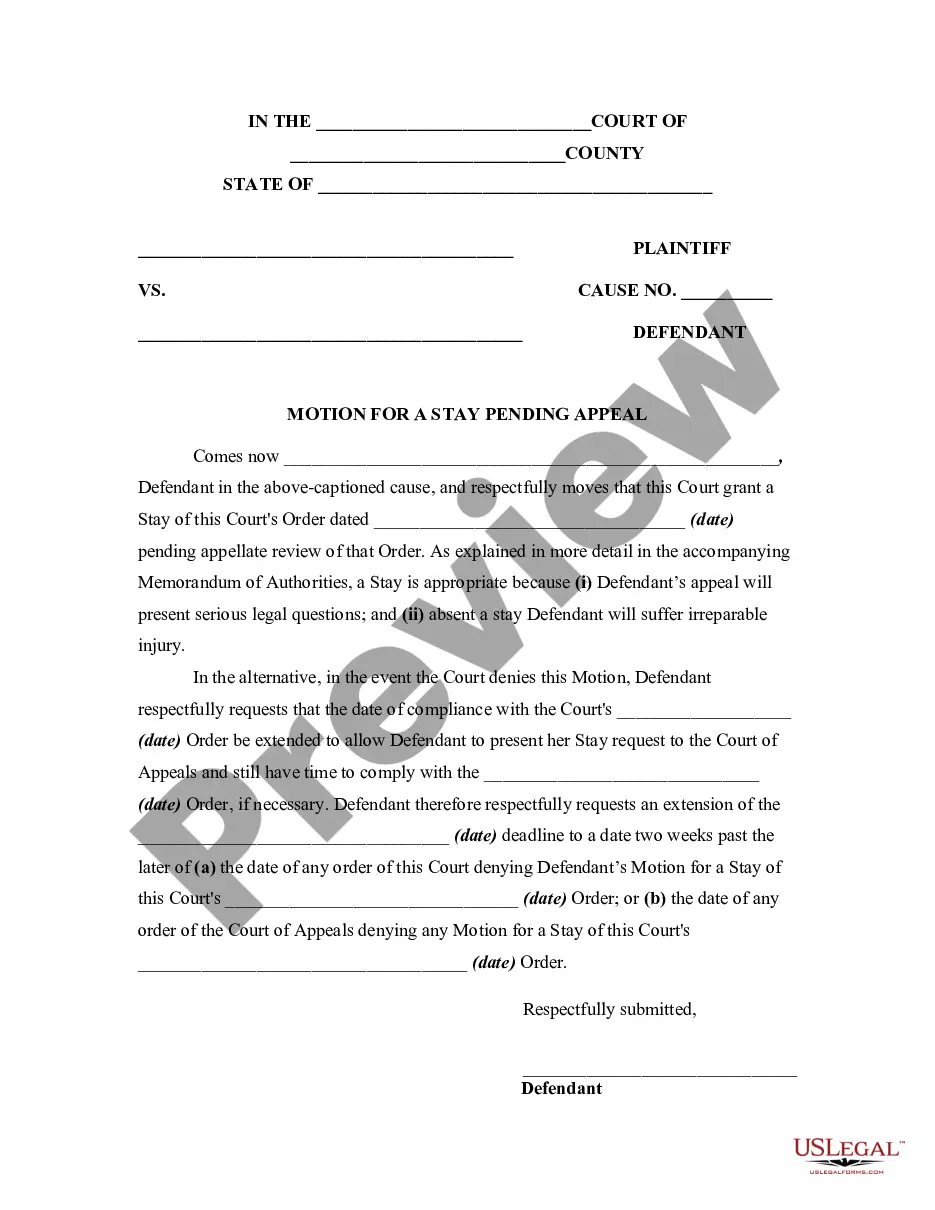
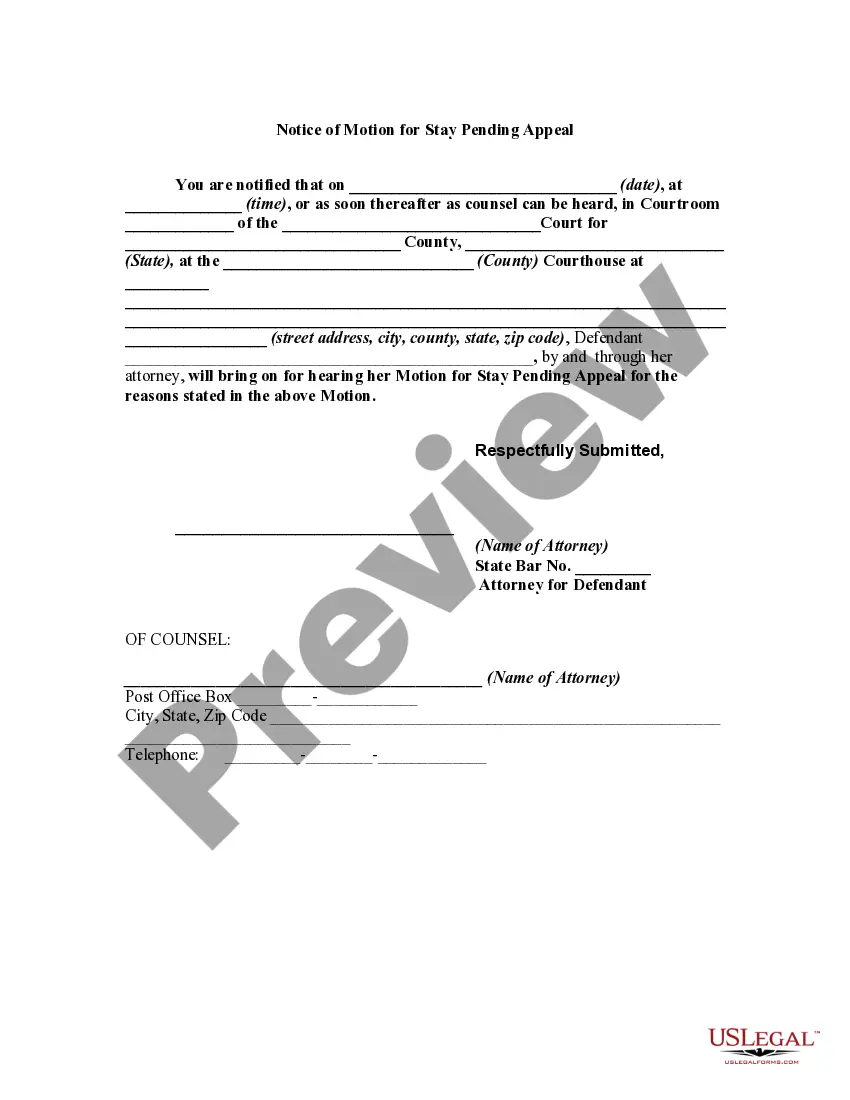
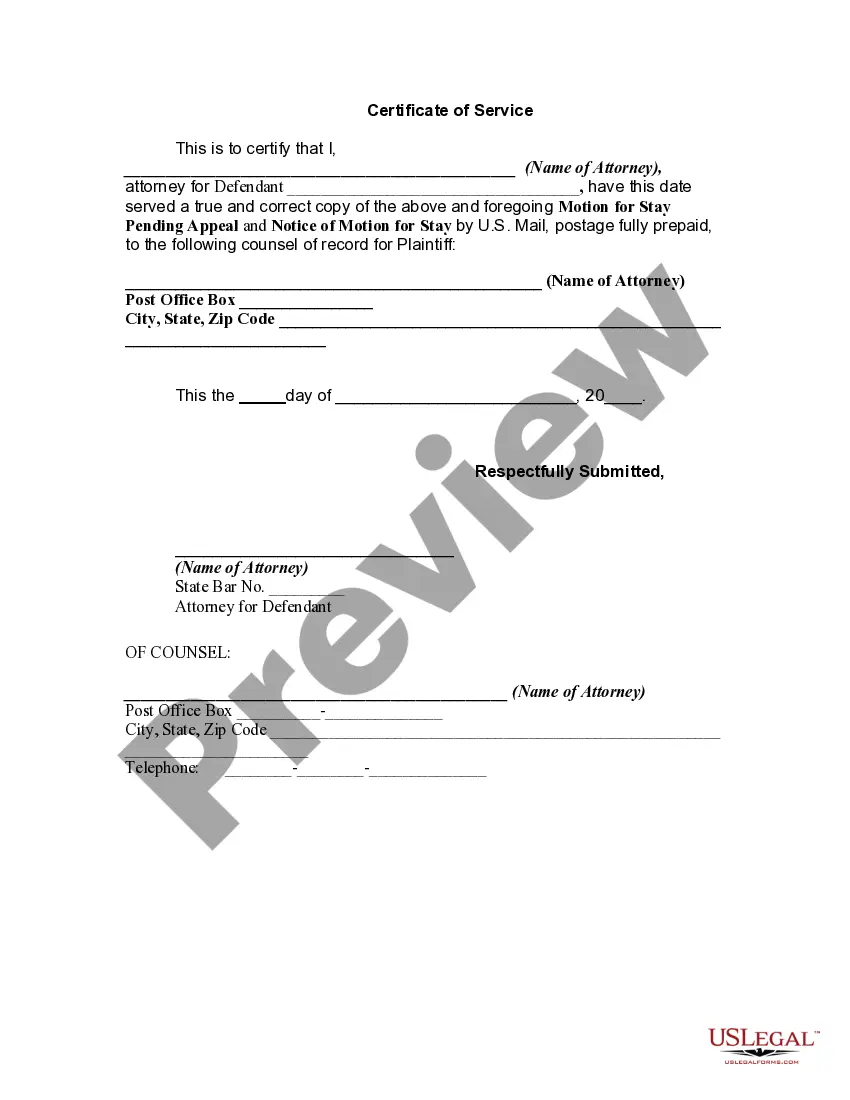
Get your form ready online
Our built-in tools help you complete, sign, share, and store your documents in one place.
Make edits, fill in missing information, and update formatting in US Legal Forms—just like you would in MS Word.
Download a copy, print it, send it by email, or mail it via USPS—whatever works best for your next step.
Sign and collect signatures with our SignNow integration. Send to multiple recipients, set reminders, and more. Go Premium to unlock E-Sign.
If this form requires notarization, complete it online through a secure video call—no need to meet a notary in person or wait for an appointment.
We protect your documents and personal data by following strict security and privacy standards.

Make edits, fill in missing information, and update formatting in US Legal Forms—just like you would in MS Word.

Download a copy, print it, send it by email, or mail it via USPS—whatever works best for your next step.

Sign and collect signatures with our SignNow integration. Send to multiple recipients, set reminders, and more. Go Premium to unlock E-Sign.

If this form requires notarization, complete it online through a secure video call—no need to meet a notary in person or wait for an appointment.

We protect your documents and personal data by following strict security and privacy standards.
Looking for another form?
How to fill out Motion For Stay Pending Appeal And Notice Of Motion?
The Awaiting And Stalled Distinction displayed on this webpage is a reusable legal document crafted by experienced attorneys in compliance with federal and state laws and regulations.
For over 25 years, US Legal Forms has supplied individuals, businesses, and lawyers with more than 85,000 verified, state-specific documents for any commercial and personal situation. It’s the quickest, most straightforward, and most dependable method to acquire the forms you require, as the service ensures the highest level of data safety and anti-malware defense.
Choose the format you desire for your Awaiting And Stalled Distinction (PDF, DOCX, RTF) and download the sample to your device.
- Search for the document you require and review it.
- Browse through the file you searched and preview it or review the form description to confirm it meets your needs. If it doesn't, utilize the search feature to find the appropriate one. Click Buy Now when you have found the template you need.
- Select and Log In.
- Choose the pricing plan that fits you and create an account. Use PayPal or a credit card to make an immediate payment. If you already have an account, Log In and verify your subscription to continue.
- Acquire the fillable document.
Form popularity
FAQ
In Zendesk, 'pending' indicates that a ticket or request is awaiting a response from either the customer or the support team. It is an active status, meaning the issue is under review but not yet resolved. Recognizing the pending and on hold difference can help you manage customer expectations effectively, as pending tickets require attention while on hold tickets may need further investigation.
Yes, they can be the same person, different people, or multiple people for both. However, when you appoint more than one individual as your PoA, it can extend the decision making time.
In Illinois, you can choose someone to be your ?health care agent.? Your agent is the person you trust to make health care decisions for you if you are unable or do not want to make them yourself. These decisions should be based on your personal values and wishes. It is important to put your choice of agent in writing.
The legislature recognizes that all persons have a fundamental right to make decisions relating to their own medical treatment, including the right to forgo life-sustaining treatment.
The document must be notarized. So you will need to have the notary present when you sign. Effective January 1, 2024, electronic signatures are permitted in certain power of attorney documents. A notary or witness can be "electronically present" to electronically sign.
If you do not sign a Power of Attorney for Health Care, Living Will, or Declaration for Mental Health Treatment, the Health Care Surrogate Act may allow a certain person or persons to make medical and life sustaining treatment decisions without court involvement. This person is called a surrogate.
A court, however, can take away the powers of your agent if it finds that the agent is not acting properly. You may also revoke this Power of Attorney if you wish.
An Illinois durable power of attorney is a statutory form that allows a person to select someone else to act in their benefit for financial-related decision-making.
The Health Care Surrogate Act allows family members or friends to make medical decisions in an emergency or serious health situation when a person with special needs cannot make medical decisions for himself and if no relevant power of attorney or similar is in effect.