Eviction Appeal Forms With The Government
Description
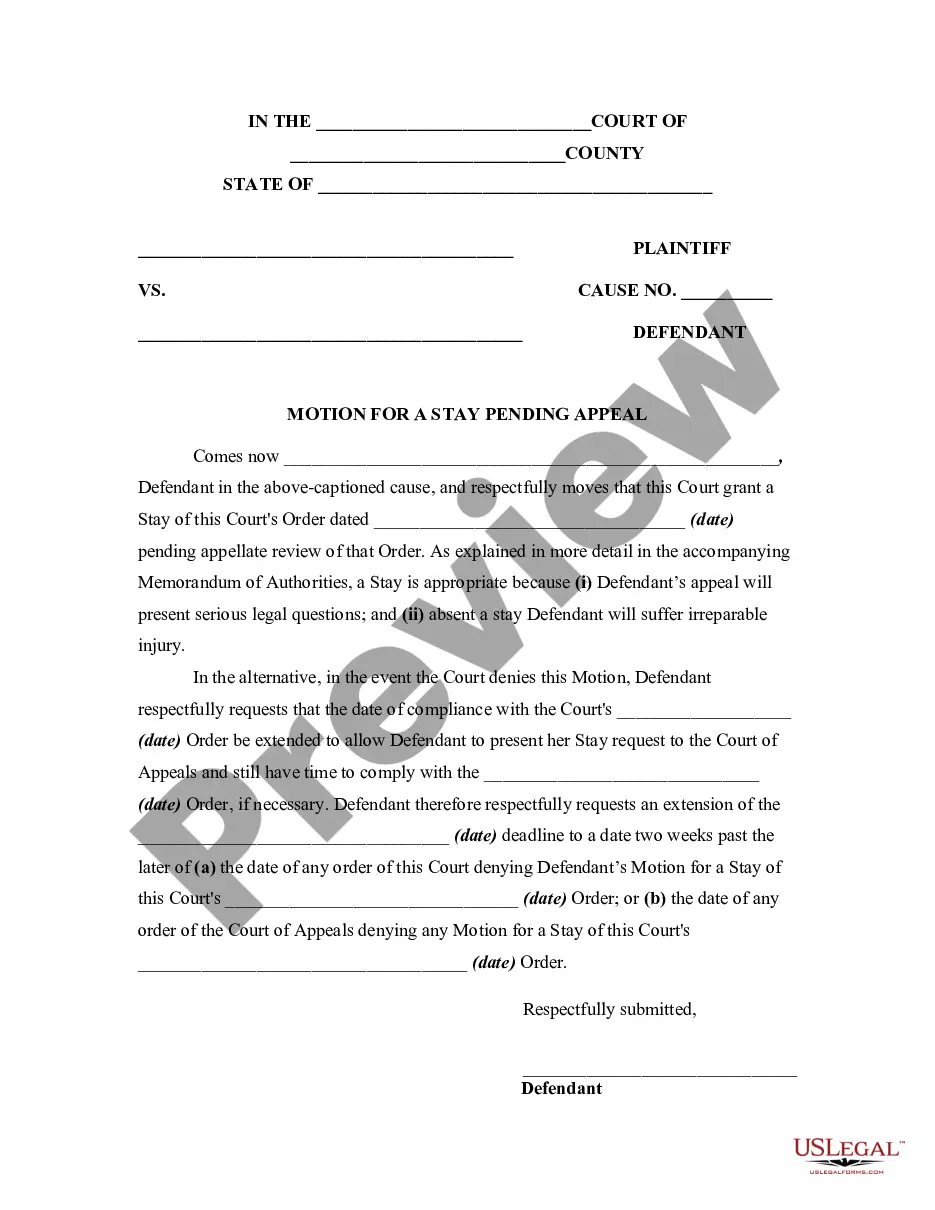
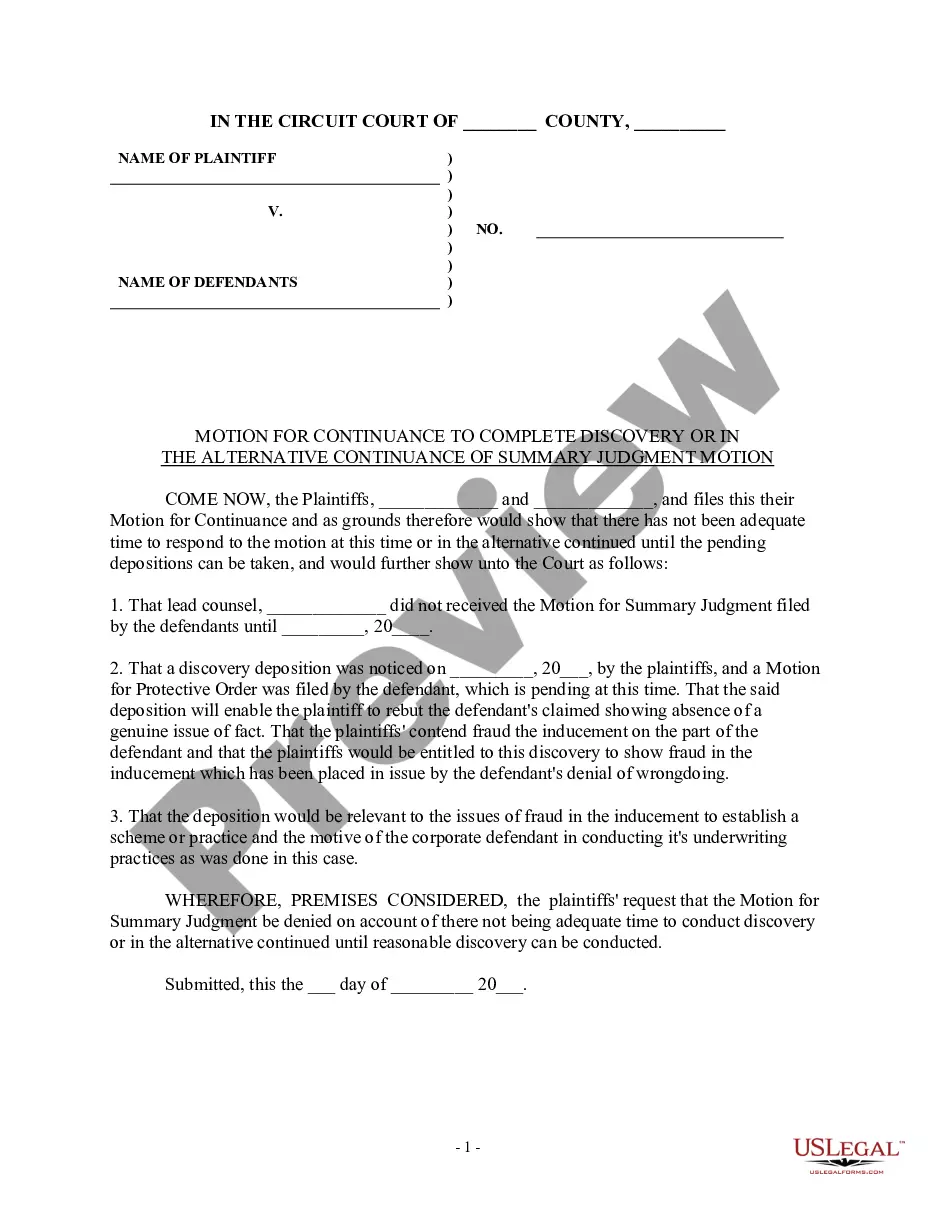
Get your form ready online
Our built-in tools help you complete, sign, share, and store your documents in one place.
Make edits, fill in missing information, and update formatting in US Legal Forms—just like you would in MS Word.
Download a copy, print it, send it by email, or mail it via USPS—whatever works best for your next step.
Sign and collect signatures with our SignNow integration. Send to multiple recipients, set reminders, and more. Go Premium to unlock E-Sign.
If this form requires notarization, complete it online through a secure video call—no need to meet a notary in person or wait for an appointment.
We protect your documents and personal data by following strict security and privacy standards.

Make edits, fill in missing information, and update formatting in US Legal Forms—just like you would in MS Word.

Download a copy, print it, send it by email, or mail it via USPS—whatever works best for your next step.

Sign and collect signatures with our SignNow integration. Send to multiple recipients, set reminders, and more. Go Premium to unlock E-Sign.

If this form requires notarization, complete it online through a secure video call—no need to meet a notary in person or wait for an appointment.

We protect your documents and personal data by following strict security and privacy standards.
Looking for another form?
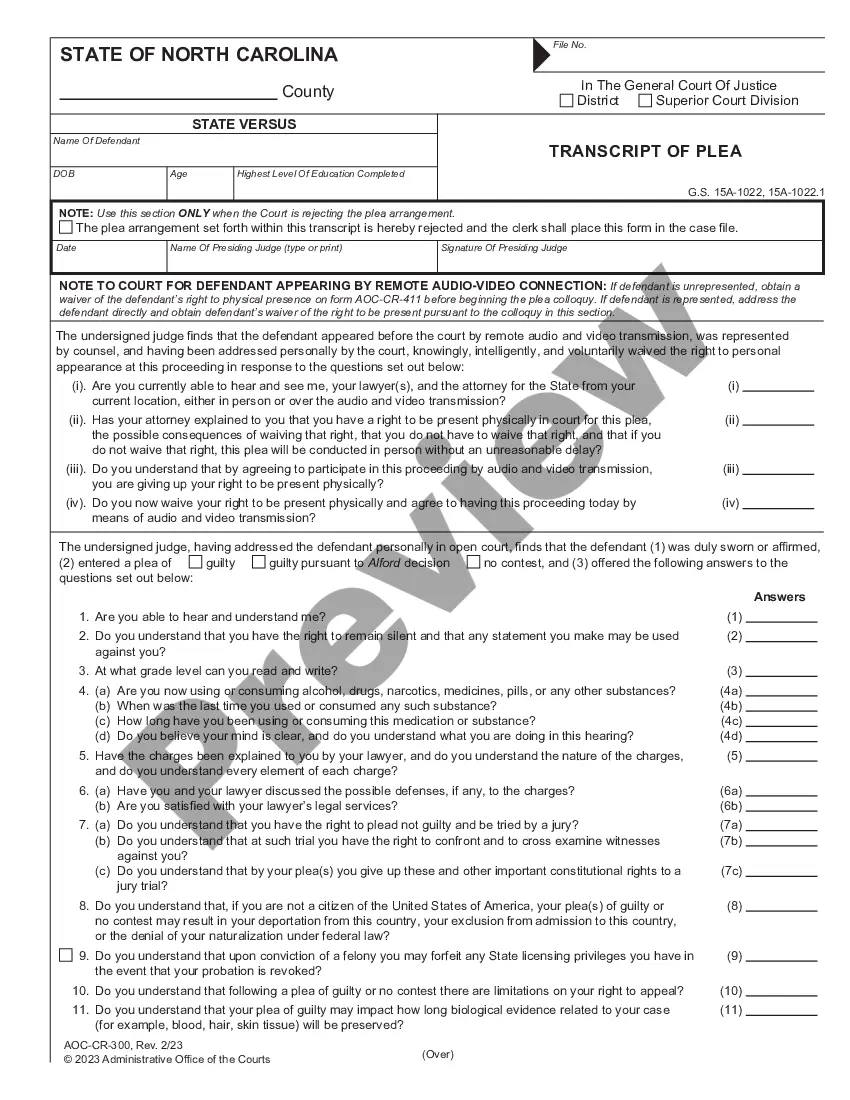









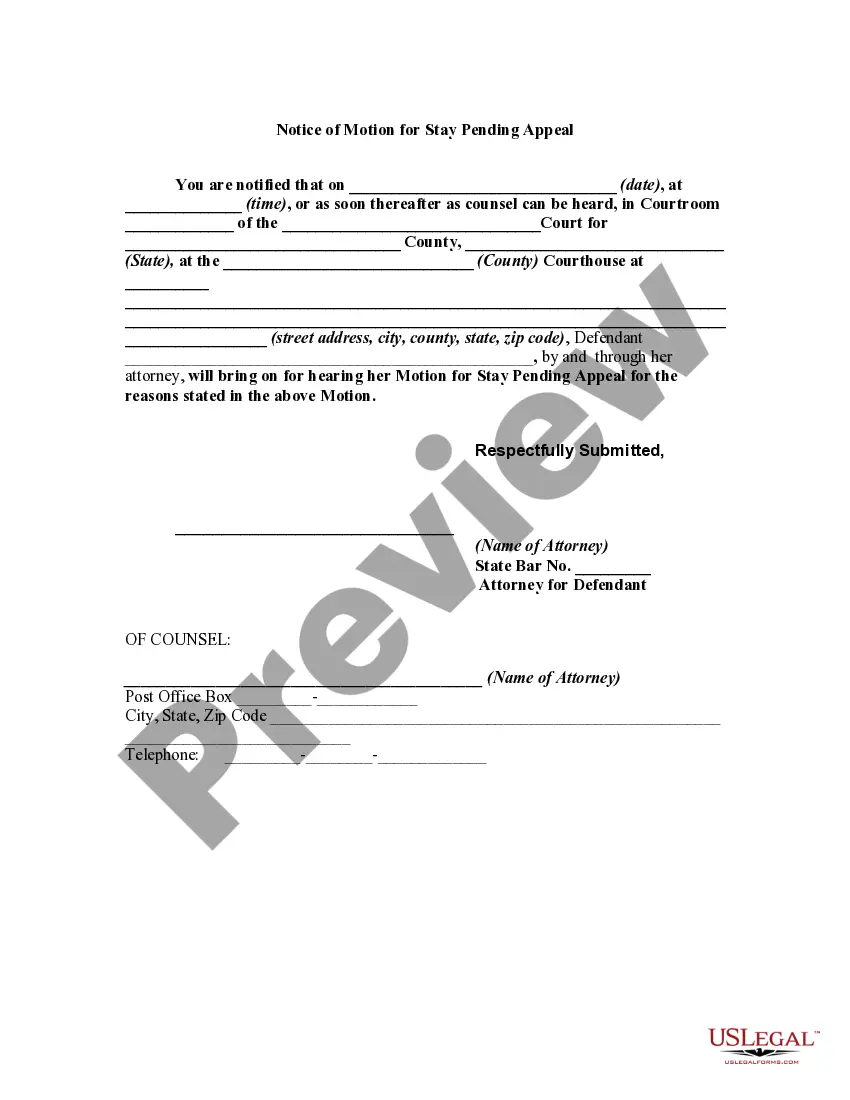
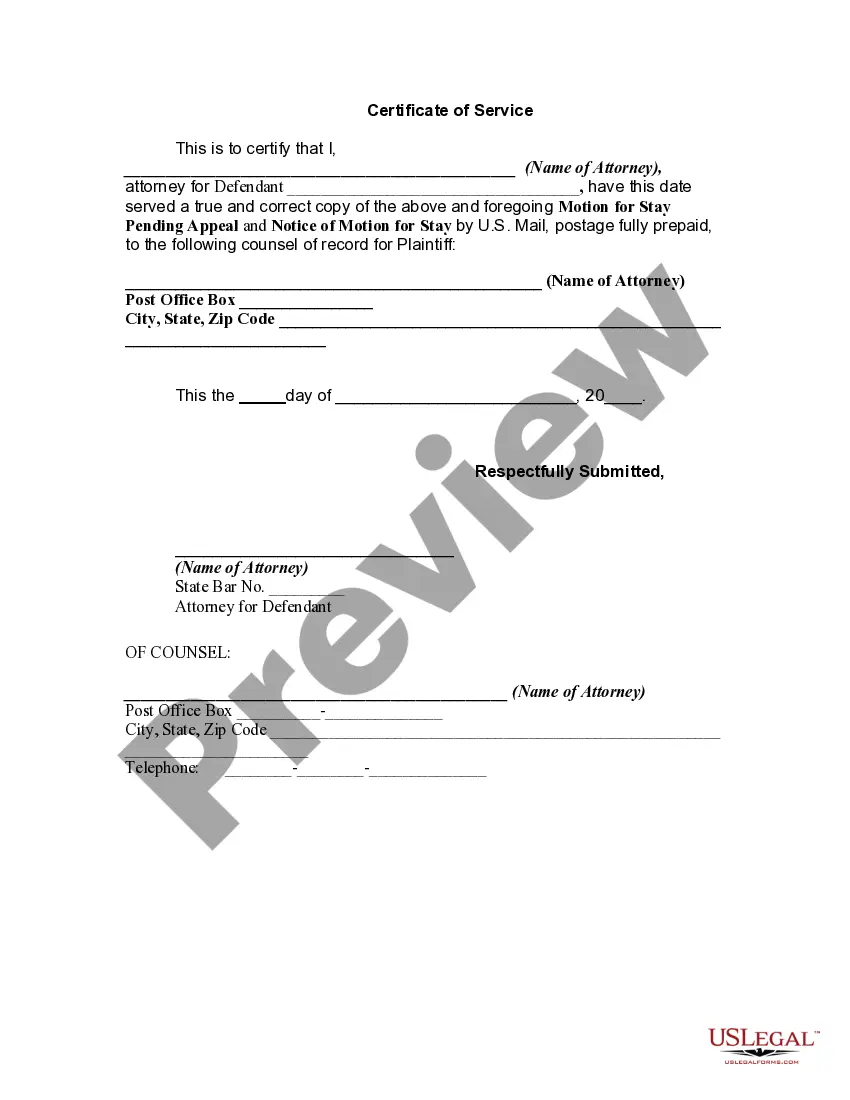
How to fill out Motion For Stay Pending Appeal And Notice Of Motion?
- Log in to your US Legal Forms account if you're a returning user, ensuring your subscription is active. If necessary, extend your membership based on your plan.
- Preview the available form options and read the descriptions to confirm they align with your needs. This ensures you select the correct form for your jurisdiction.
- If you encounter any discrepancies, utilize the search function to locate a more suitable template that meets your criteria.
- Purchase the selected document by clicking the 'Buy Now' option and selecting your desired subscription plan. Be prepared to create an account for full access to the library.
- Complete your purchase with your credit card or through PayPal for convenient processing.
- Download the formatted document directly to your device. You can revisit it anytime via the 'My Forms' section in your account.
With US Legal Forms, users significantly benefit from a vast collection of legal documents that outpace competitors in both quantity and affordability. The platform’s extensive database of over 85,000 editable forms ensures you find exactly what you need.
In conclusion, US Legal Forms provides an invaluable resource for individuals and attorneys alike, facilitating the acquisition of legally sound documents easily. Take the first step towards securing your eviction appeal today by visiting US Legal Forms.
Form popularity
FAQ
To stop a writ of eviction, you may need to file an appeal or request a stay with the court that issued the writ. This process often involves completing necessary eviction appeal forms with the government, so ensure you adhere to all filing requirements and deadlines. Additionally, paying any due rent can sometimes pause the eviction. Consult legal resources to ensure you take the right steps.
In certain situations, grants and rental assistance programs exist to help prevent eviction. These resources may vary by state or locality, so it’s beneficial to research offers in your area. When seeking assistance, you may find eviction appeal forms with the government that outline available options. Exploring these grants can provide temporary relief and help you avoid losing your home.
To appeal an eviction judgment in Arizona, you must file your notice of appeal with the appropriate court within the specified timeframe, usually within 10 days. It is essential to complete and submit the relevant eviction appeal forms with the government to properly initiate this process. Gather all critical information related to your case to build a solid argument for your appeal. Consulting with a legal professional may also enhance the likelihood of success.
In California, you typically have five days to appeal an eviction ruling after receiving the judgment. It's crucial to act swiftly, as this timeframe allows you to submit the necessary eviction appeal forms with the government. Ensure you gather all relevant documents and details about your case to present a strong appeal. The sooner you file, the better your chances of securing a favorable outcome.
Yes, you can fight an eviction notice in South Carolina by presenting your defense in court. Filing the proper eviction appeal forms with the government can help effectively communicate your reasons and support your case. It's important to be prepared with evidence and witness testimony to bolster your argument.
To delay an eviction in South Carolina, you can request a stay by filing a motion with the court. It's crucial to include proper eviction appeal forms with the government to make your case. Additionally, you might negotiate with your landlord for more time, which could help in resolving your situation favorably.
To appeal an eviction in South Carolina, you must file your appeal with the appropriate court, generally within a specific timeframe after the eviction order. Using eviction appeal forms with the government is essential for structuring your appeal properly. Make sure to gather all necessary evidence to strengthen your case.
To remove an eviction in South Carolina, you typically must file a motion with the court that issued the eviction order. Including the appropriate eviction appeal forms with the government can support your request for removal. It is important to follow the court’s procedures closely to achieve the best possible result.
Yes, it is possible to overcome an eviction. You may achieve this by demonstrating valid reasons for not complying with the eviction notice or by providing affirmative defenses in court. Additionally, having the right eviction appeal forms with the government can help you effectively present your case.
Yes, evictions are public records in South Carolina. This means that anyone can access this information. If you need eviction appeal forms with the government, it is crucial to understand how public records can impact your situation and future rental opportunities.