Civil Case Appeal Process Without A Lawyer
Description
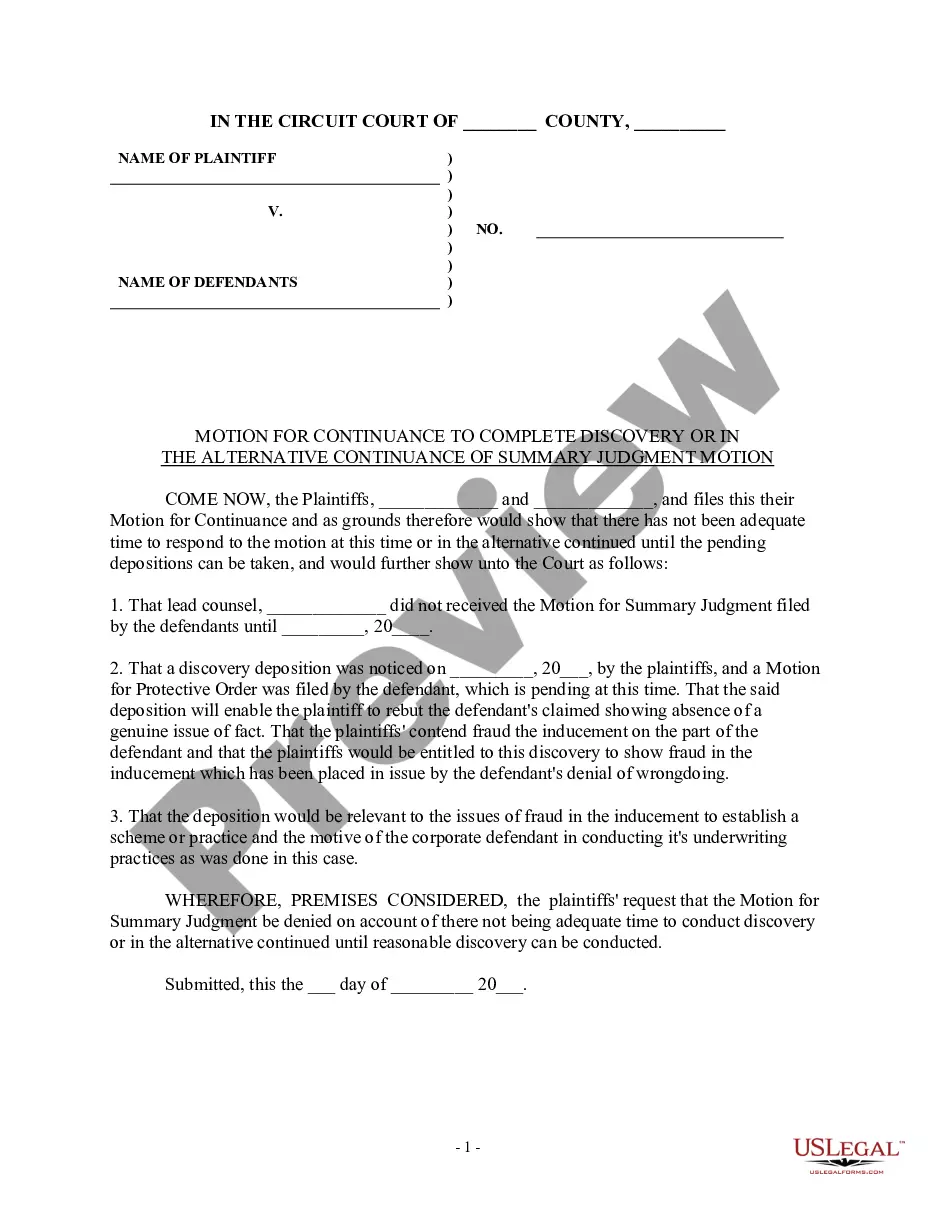
Get your form ready online
Our built-in tools help you complete, sign, share, and store your documents in one place.
Make edits, fill in missing information, and update formatting in US Legal Forms—just like you would in MS Word.
Download a copy, print it, send it by email, or mail it via USPS—whatever works best for your next step.
Sign and collect signatures with our SignNow integration. Send to multiple recipients, set reminders, and more. Go Premium to unlock E-Sign.
If this form requires notarization, complete it online through a secure video call—no need to meet a notary in person or wait for an appointment.
We protect your documents and personal data by following strict security and privacy standards.

Make edits, fill in missing information, and update formatting in US Legal Forms—just like you would in MS Word.

Download a copy, print it, send it by email, or mail it via USPS—whatever works best for your next step.

Sign and collect signatures with our SignNow integration. Send to multiple recipients, set reminders, and more. Go Premium to unlock E-Sign.

If this form requires notarization, complete it online through a secure video call—no need to meet a notary in person or wait for an appointment.

We protect your documents and personal data by following strict security and privacy standards.
Looking for another form?

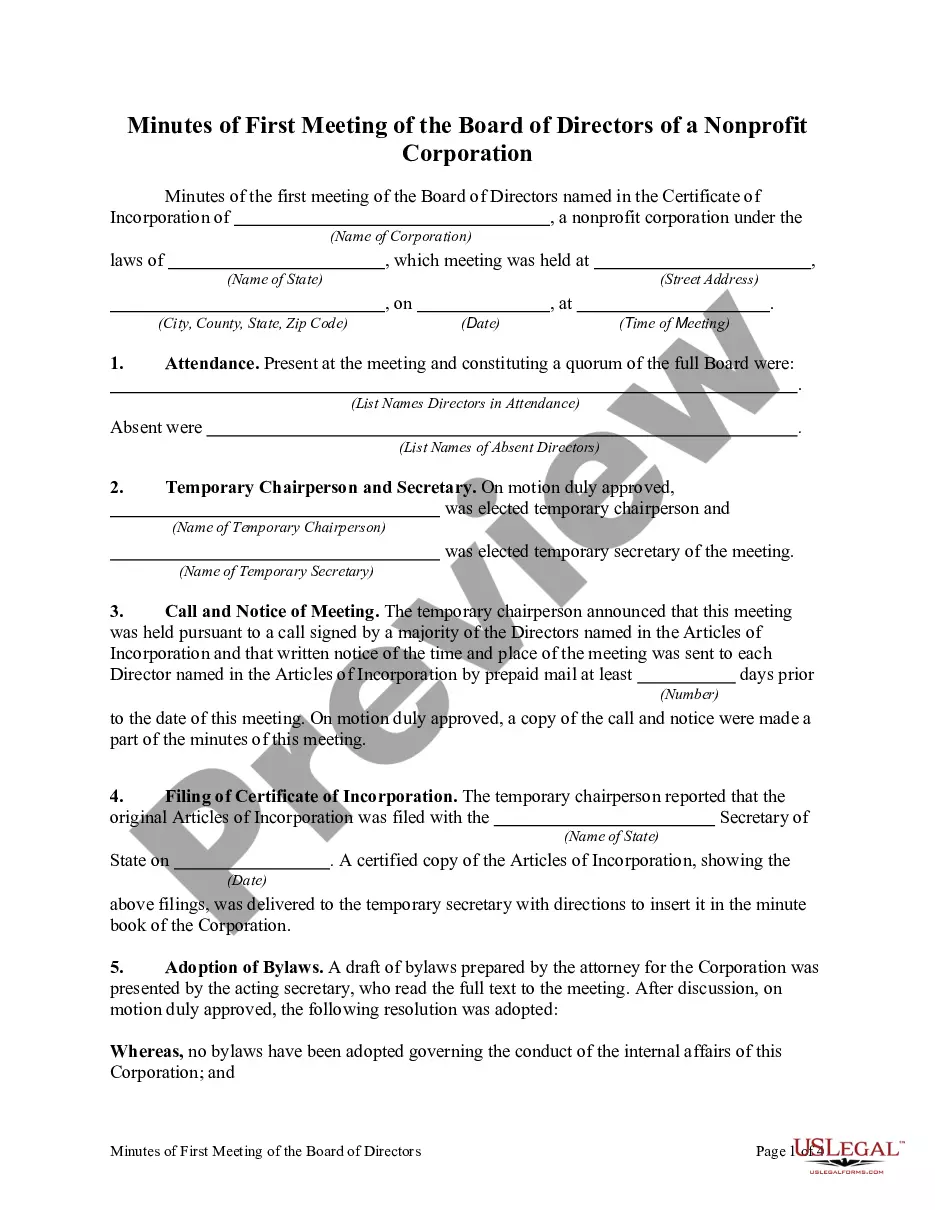


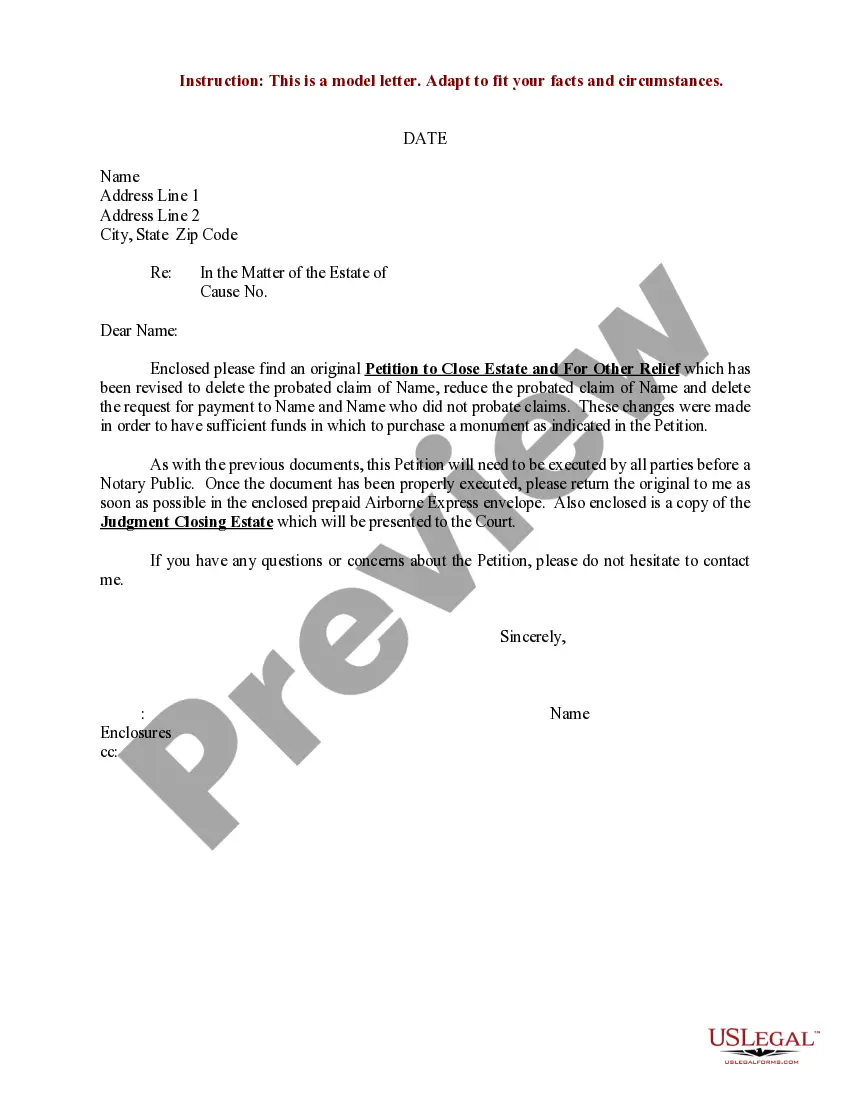
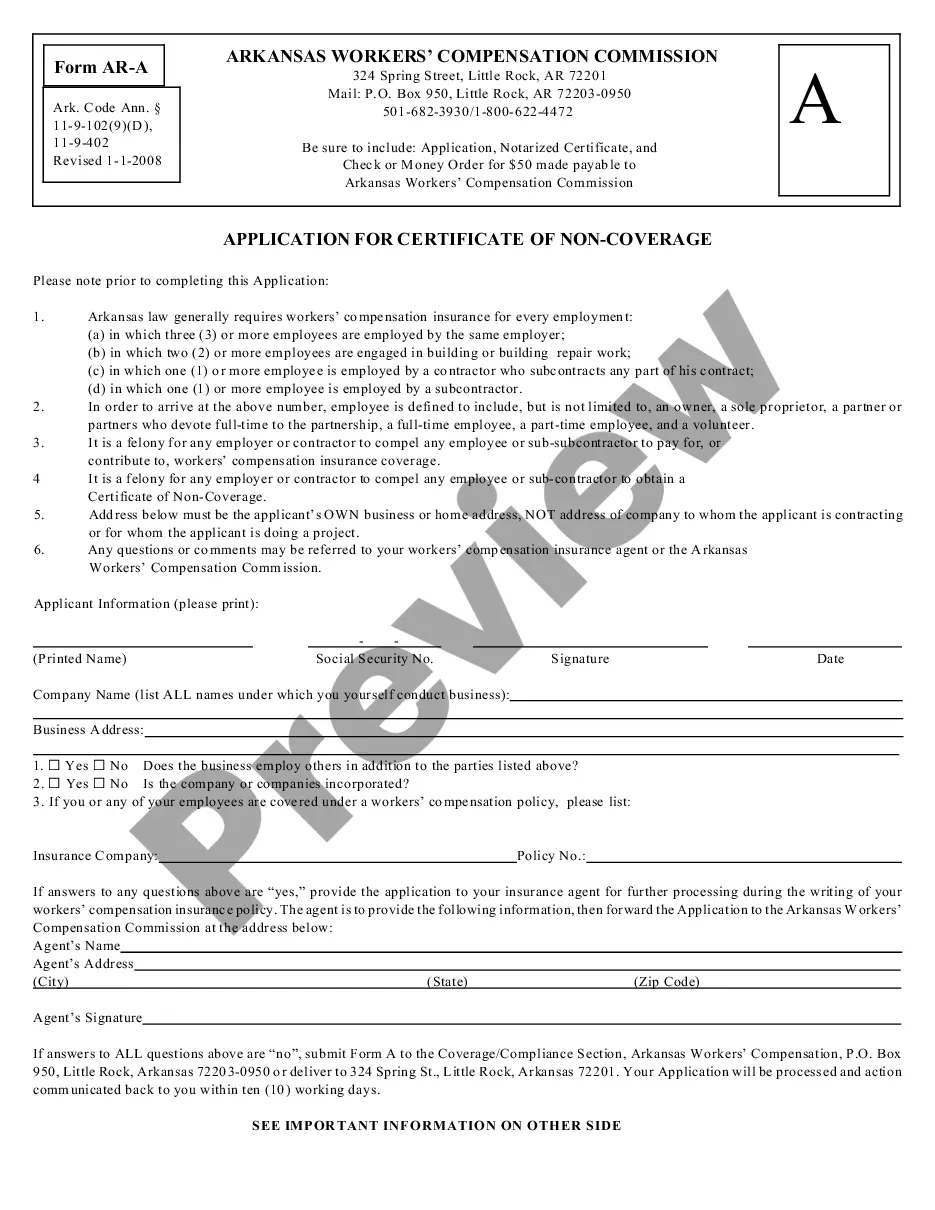



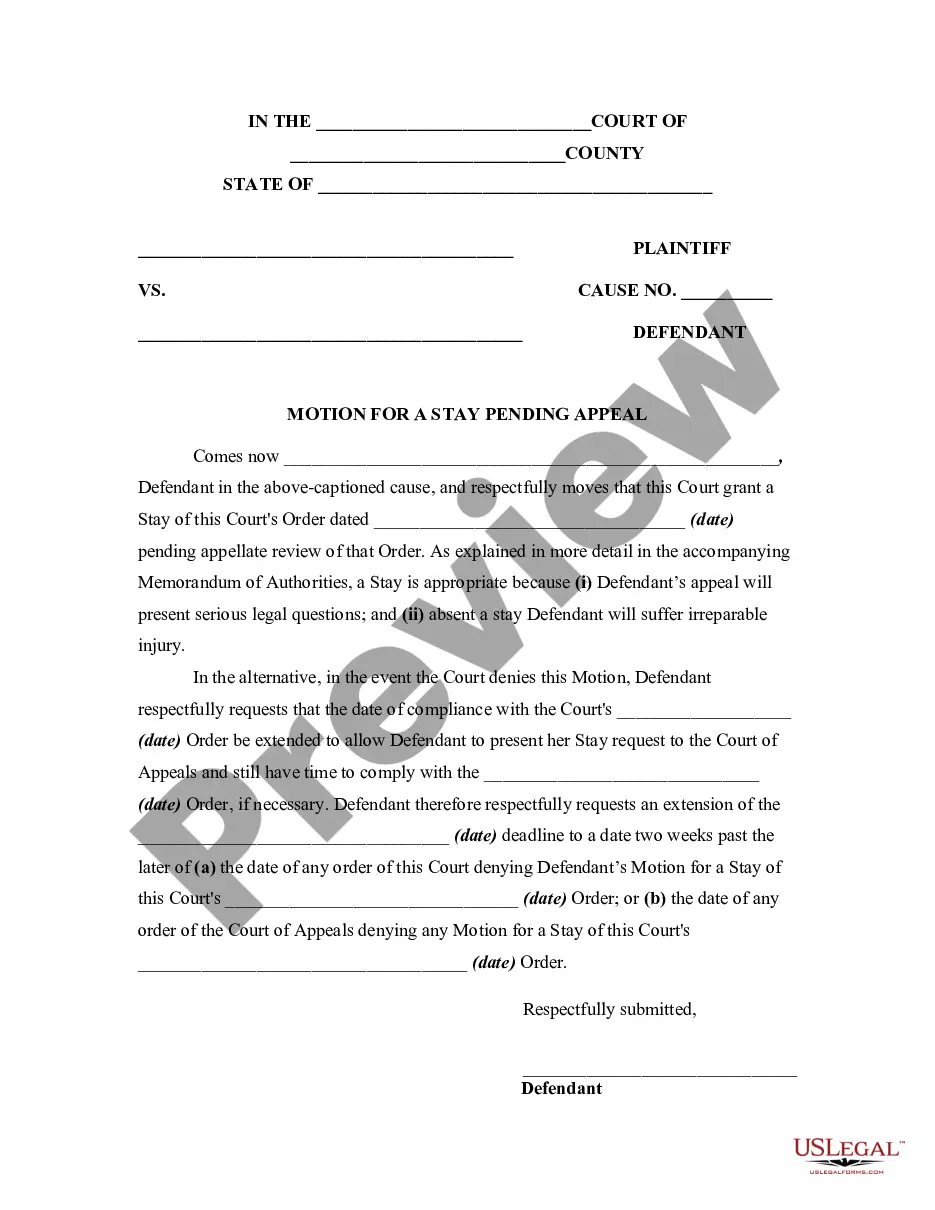
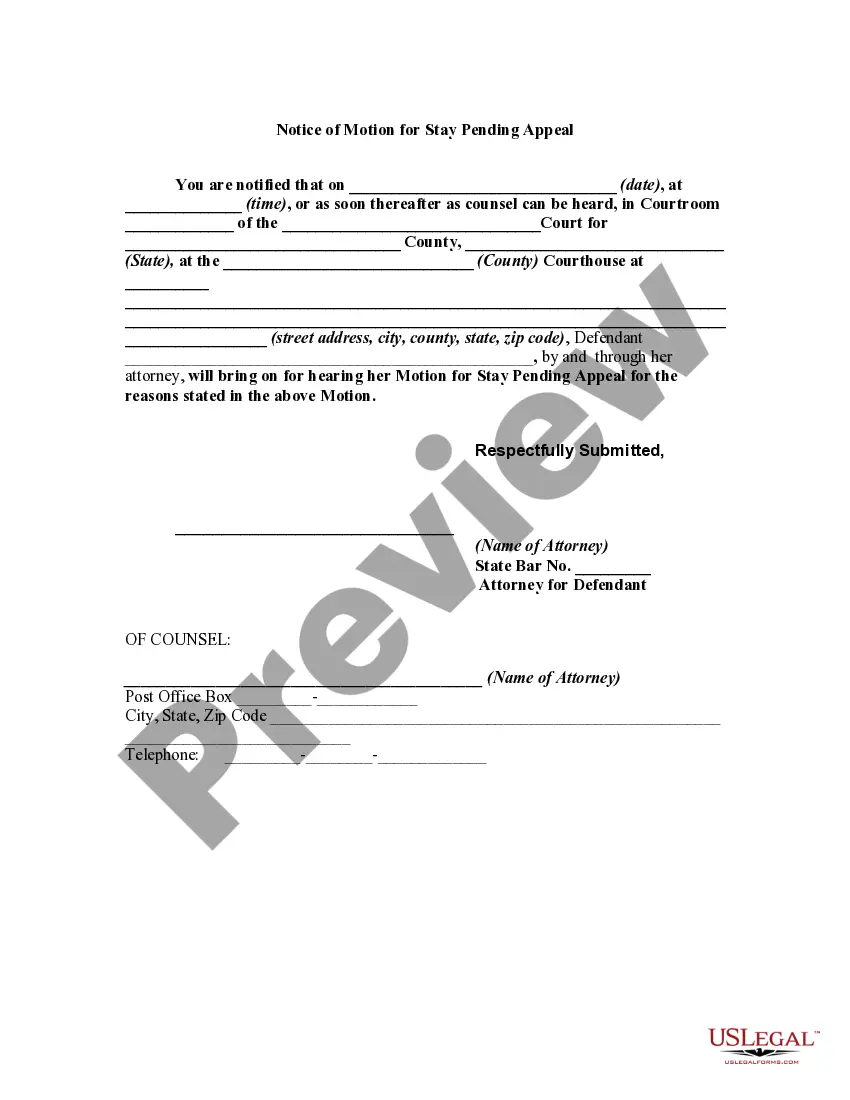
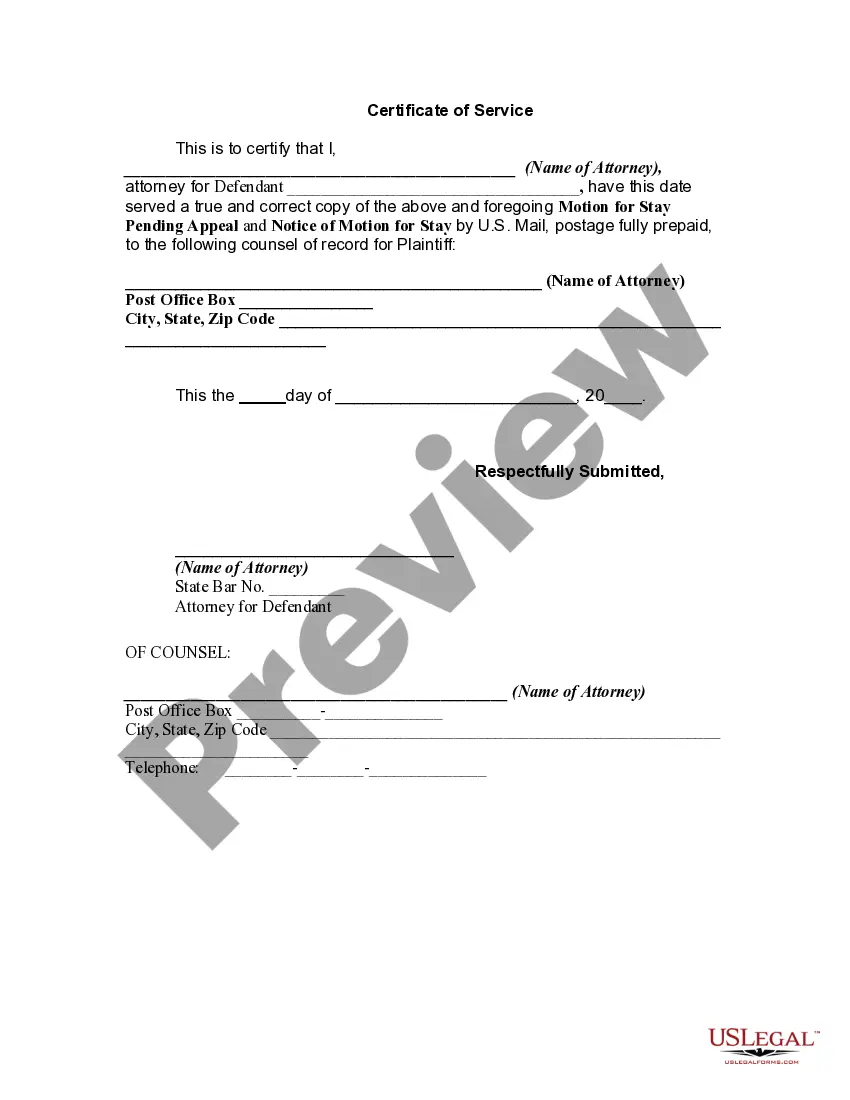
How to fill out Motion For Stay Pending Appeal And Notice Of Motion?
Dealing with legal documents and processes can be a laborious addition to your day.
Civil Case Appeal Procedure Without A Lawyer and similar forms often necessitate that you locate them and figure out the best methods to fill them out correctly.
Therefore, if you are managing financial, legal, or personal issues, having a comprehensive and user-friendly online directory of forms readily available will be extremely beneficial.
US Legal Forms is the premier online resource for legal templates, providing over 85,000 state-specific documents along with various tools to help you complete your forms effortlessly.
Is it your first experience with US Legal Forms? Sign up and create an account in just a few minutes, and you'll gain access to the form library and Civil Case Appeal Procedure Without A Lawyer. Then follow the steps outlined below to fill out your form.
- Explore the selection of relevant documents with just a click.
- US Legal Forms offers forms that are specific to your state and county, available for download anytime.
- Safeguard your document management processes with a top-quality service that enables you to fill out any form in minutes, free of extra or concealed charges.
- Simply Log In to your account, find Civil Case Appeal Procedure Without A Lawyer, and instantly obtain it from the My documents section.
- You can also retrieve previously saved forms.
Form popularity
FAQ
Writing a brief to the court of appeals requires a clear structure to effectively communicate your argument. Begin with a concise table of contents, then introduce the case background, including the relevant facts and the lower court's decision. Clearly state your arguments and include strong legal precedents to support your claims. Lastly, ensure that your brief adheres to the court's formatting requirements. If you're unsure about the process, consider how a comprehensive guide, like that offered on USLegalForms, can simplify your civil case appeal process without a lawyer.
The disability appeal process consists of five key steps that you should follow. Begin by requesting a reconsideration of the decision denying your claim. If the reconsideration does not yield results, you can request a hearing with an administrative law judge. After that, if needed, you can appeal to the Appeals Council and then to federal court. Knowing these steps aids you in managing your civil case appeal process without a lawyer more effectively, especially when you have limited resources.
The Medicare appeals process includes five levels where you can seek a review of a decision. Initially, you can appeal through a redetermination review by the Medicare contractor. If that is unsuccessful, you can request a reconsideration by a different organization. The next steps involve a hearing before an administrative law judge, a review by the Appeals Council, and finally, a judicial review in federal court. Understanding this process is essential, whether you choose to navigate a civil case appeal process without a lawyer or seek professional assistance.
You do not necessarily need a lawyer to file an appeal, but it's often beneficial. Understanding the civil case appeal process without a lawyer can be complex, and you must meet specific deadlines and procedural requirements. While you can draft and submit your appeal independently, utilizing platforms like USLegalForms can help ensure you have the correct forms and necessary information to support your case effectively.
Winning a court case without a lawyer requires thorough preparation and understanding of the legal process. You should gather all relevant documents and evidence that support your case. Additionally, researching laws and court procedures is crucial. Using resources like USLegalForms can simplify the civil case appeal process without a lawyer, providing you with forms and guidance tailored to your needs.
The Supreme Court can indeed overturn civil cases, especially if they involve significant legal questions or constitutional issues. When the highest court reviews a case, it can set a precedent that impacts future rulings. Learning about the civil case appeal process without a lawyer can equip you with the knowledge of how your case might reach the Supreme Court, should that pathway be relevant to your situation.
Yes, civil cases can be overturned through the appeal process if substantial errors are found in the original ruling. Grounds for appeals may include legal mistakes, improper admission of evidence, or procedural errors that affected the outcome. Exploring the civil case appeal process without a lawyer can help you understand the steps needed to challenge a verdict and achieve a more favorable resolution.
Judges generally cannot unilaterally overturn a civil case after a decision has been rendered. However, they can grant motions for a new trial or reconsider their own decisions under certain circumstances. For individuals navigating the civil case appeal process without a lawyer, it's crucial to know your options and how rulings can be challenged effectively through the proper channels.
The frequency of civil cases being overturned varies depending on several factors, such as the jurisdiction and the specifics of the case. While it's challenging to pin down an exact percentage, appeals do result in a higher chance of reversal, particularly when errors are identified in the lower court's proceedings. Understanding the civil case appeal process without a lawyer can significantly influence your strategy for filing an appeal and pursuing justice.
The success rate for appeals can vary widely, but generally, around 20 to 30 percent end favorably for the appellant. Success often depends on the specifics of the case and the errors made in the original trial. Being aware of this statistic can help you understand the challenges of the civil case appeal process without a lawyer.