Appellate
Description
Get your form ready online
Our built-in tools help you complete, sign, share, and store your documents in one place.
Make edits, fill in missing information, and update formatting in US Legal Forms—just like you would in MS Word.
Download a copy, print it, send it by email, or mail it via USPS—whatever works best for your next step.
Sign and collect signatures with our SignNow integration. Send to multiple recipients, set reminders, and more. Go Premium to unlock E-Sign.
If this form requires notarization, complete it online through a secure video call—no need to meet a notary in person or wait for an appointment.
We protect your documents and personal data by following strict security and privacy standards.

Make edits, fill in missing information, and update formatting in US Legal Forms—just like you would in MS Word.

Download a copy, print it, send it by email, or mail it via USPS—whatever works best for your next step.

Sign and collect signatures with our SignNow integration. Send to multiple recipients, set reminders, and more. Go Premium to unlock E-Sign.

If this form requires notarization, complete it online through a secure video call—no need to meet a notary in person or wait for an appointment.

We protect your documents and personal data by following strict security and privacy standards.
Looking for another form?
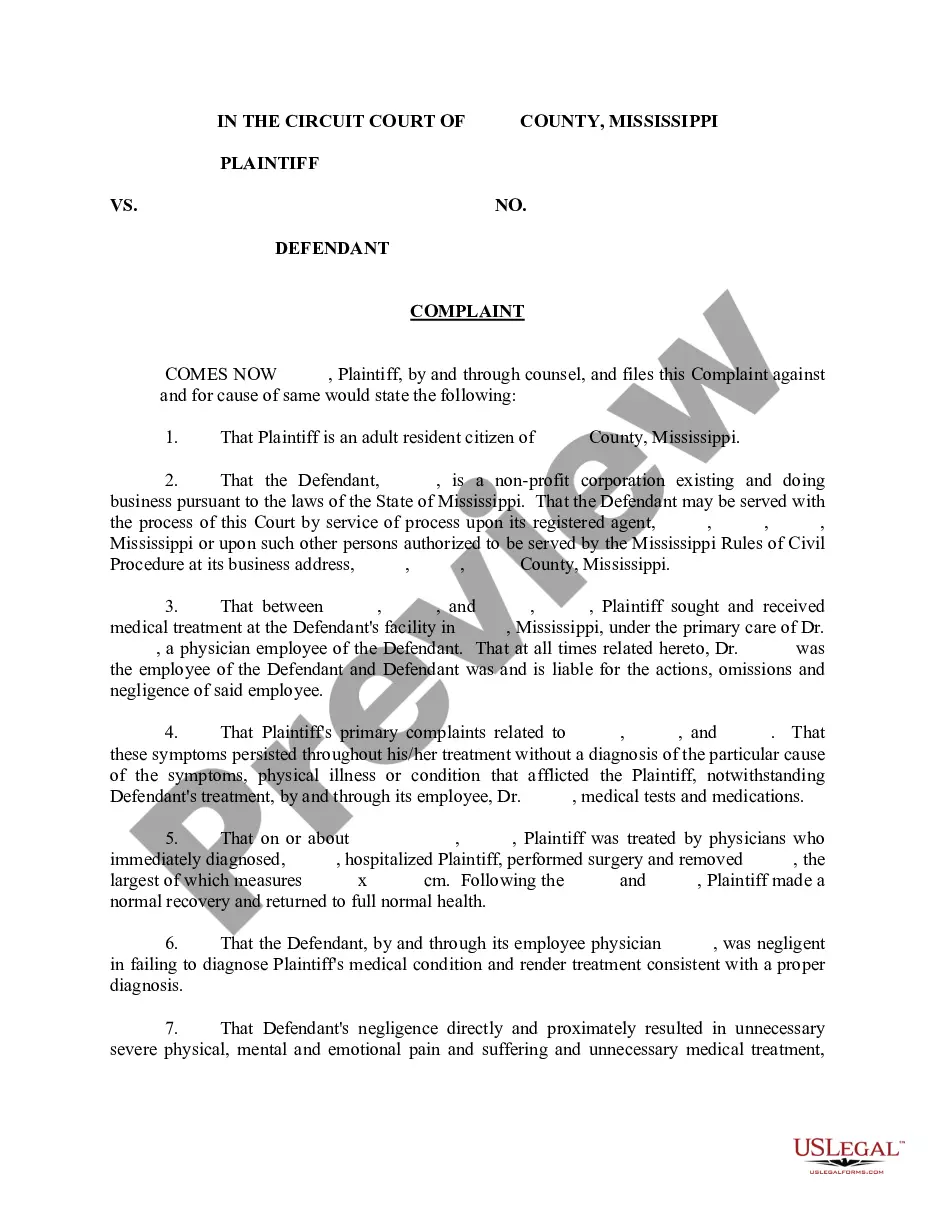
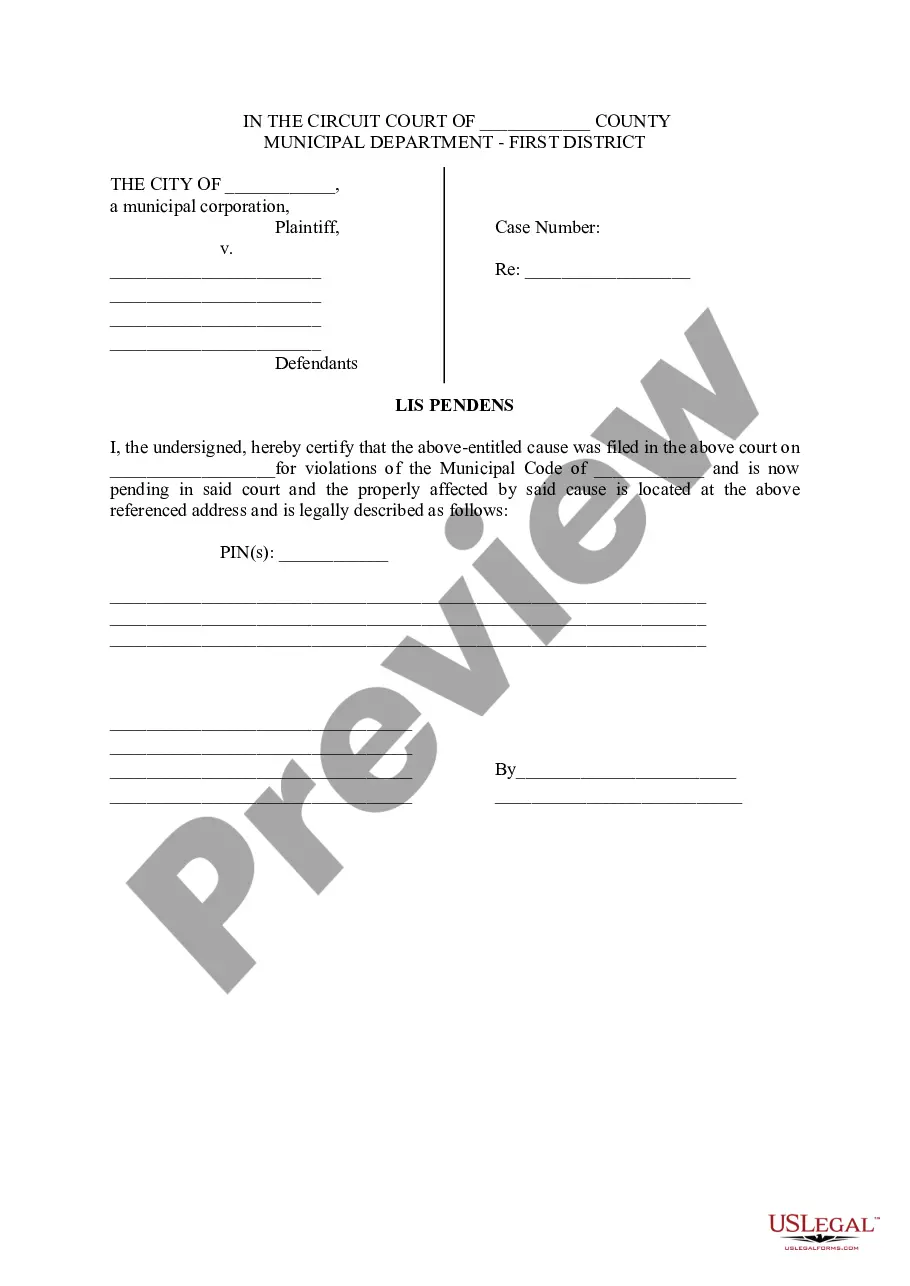
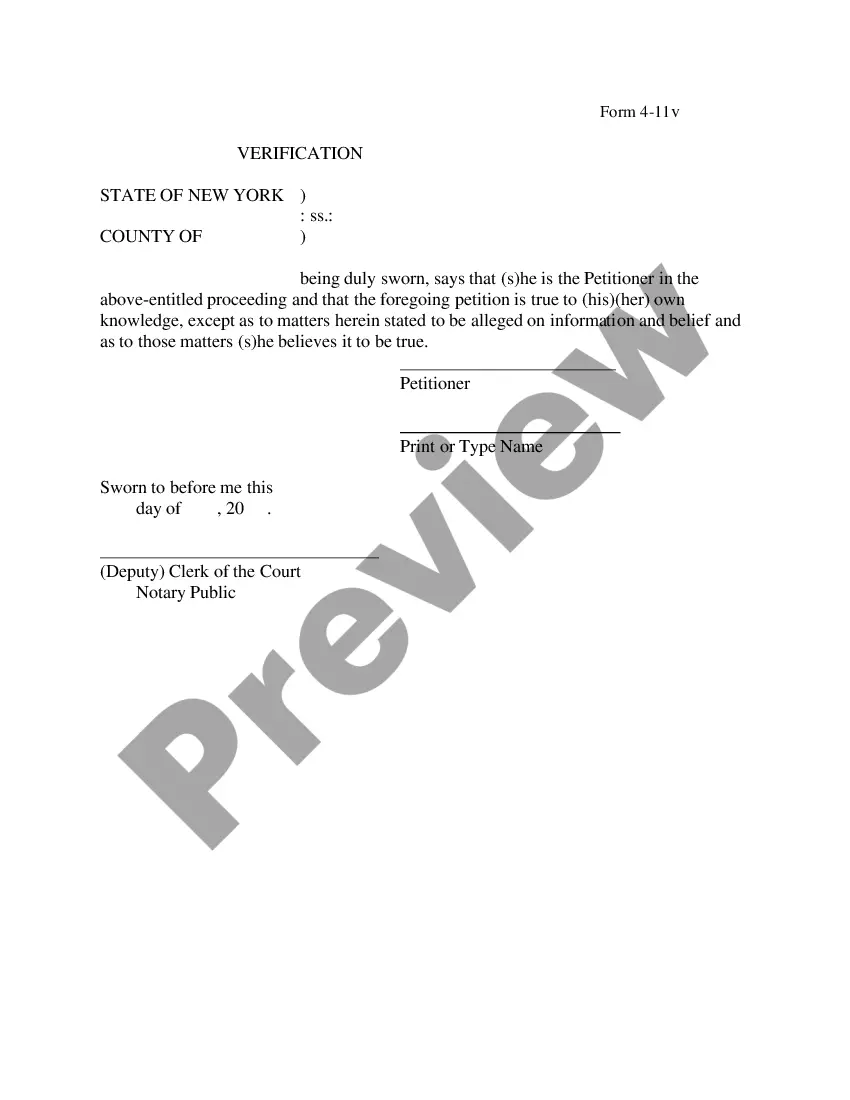
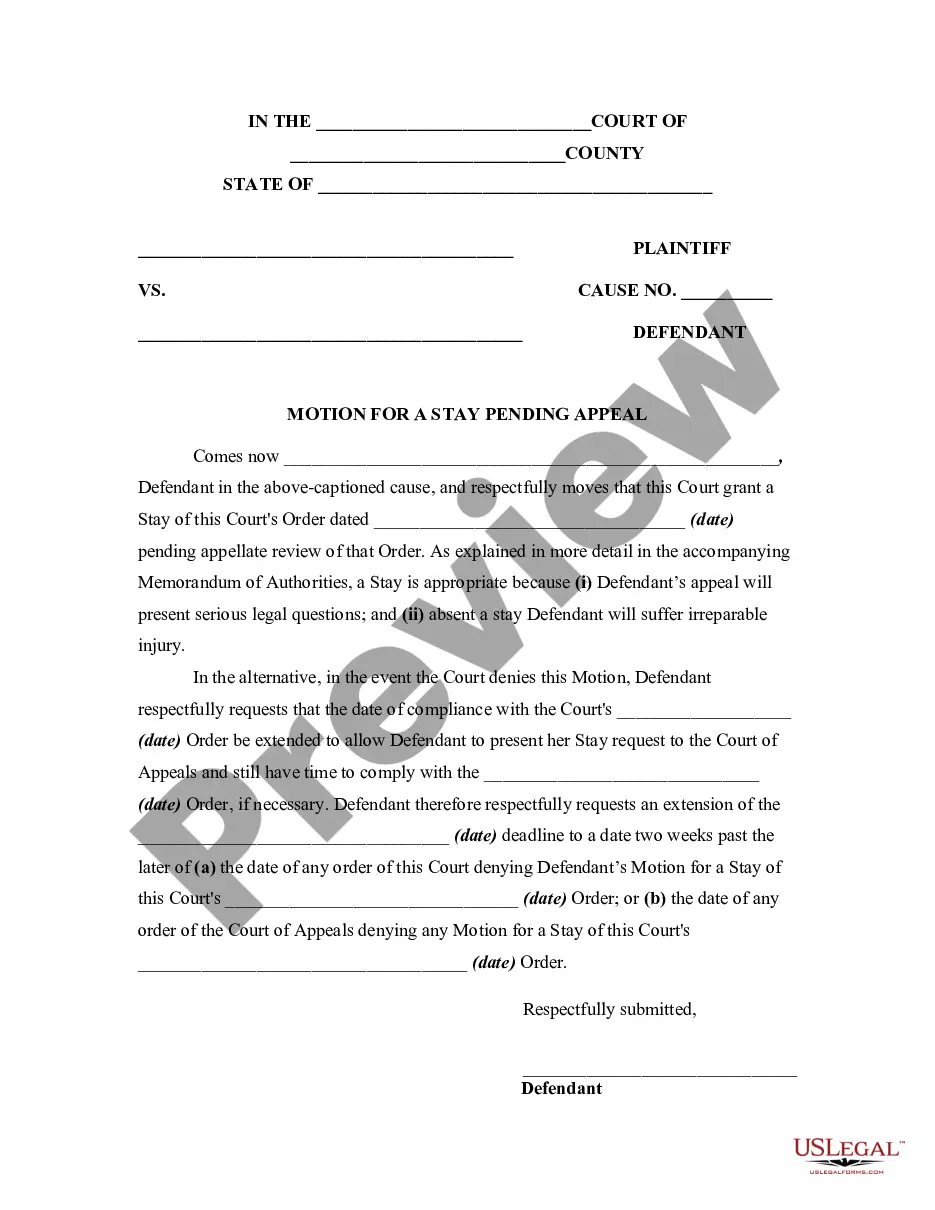
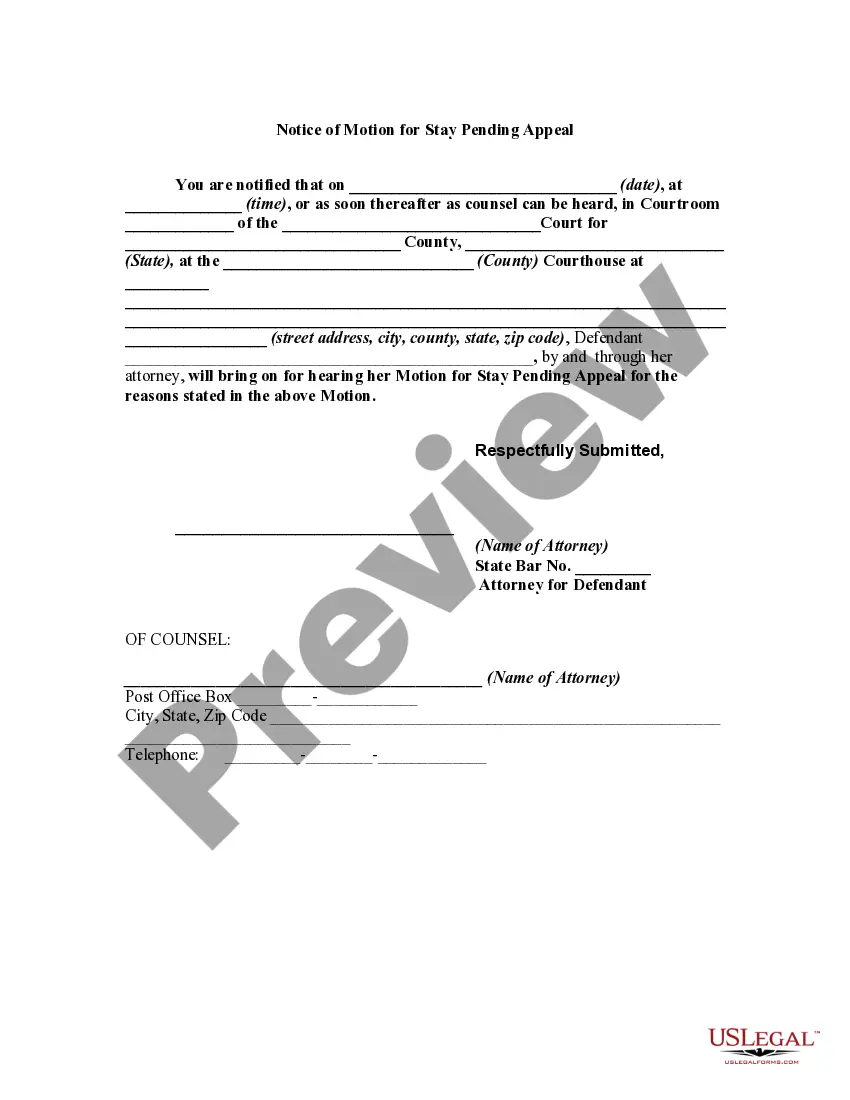
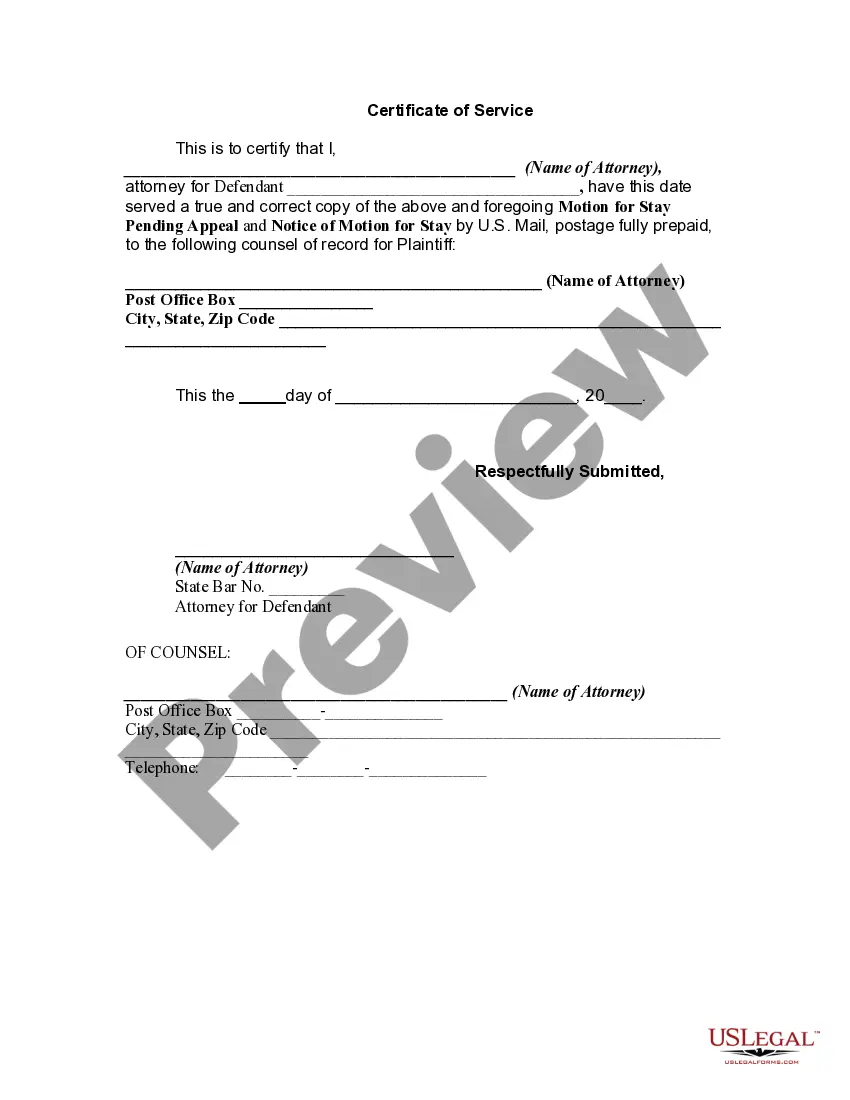
How to fill out Motion For Stay Pending Appeal And Notice Of Motion?
- If you’re a returning user, log in to your account and download your required form template directly by selecting the Download button. Ensure your subscription is active; if not, select your payment plan to renew it.
- For first-time users, start by exploring the Preview mode and details of the form. Verify that it aligns with your specific needs and adheres to your local jurisdiction regulations.
- If the form does not meet your requirements, use the Search tab at the top to locate an alternative template that satisfies your needs.
- After finding the correct document, click on the Buy Now button and opt for your preferred subscription plan, ensuring to create an account for library access.
- Complete your purchase by entering your credit card information or utilizing your PayPal account to pay for the subscription.
- Finally, download the template to your device for completion. You can also access it anytime in the My Forms menu within your profile.
US Legal Forms stands out with its robust collection of over 85,000 fillable and editable legal forms. Users not only find forms at competitive prices but also gain access to premium experts for assistance, ensuring documents are precise and legally sound.
In conclusion, utilizing US Legal Forms makes obtaining appellate documents efficient. Start your journey today and empower yourself with the legal resources you need!
Form popularity
FAQ
'Appellate' is a term that describes actions related to appeals within the legal system. It signifies the review of legal decisions by higher courts, which contribute to the development of law through their rulings. If you face a legal issue, understanding the appellate process can guide you on how to navigate your options effectively. Platforms like USLegalForms can provide valuable resources to help you initiate an appeal correctly.
In law, 'appellate' refers to the process of challenging a decision made by a lower court. It involves submitting a case to a higher court to review the ruling and determine if it was fair and just. Appellate courts play an essential role in refining legal standards and ensuring the law is consistently applied. Pursuing an appeal can significantly impact the outcome of your case.
An appellate court is a higher court that reviews decisions made by lower courts. This court doesn't retry cases but instead evaluates legal issues from the original trial. When you appeal a decision, the appellate court examines whether the law was applied correctly. Understanding this process can be crucial, especially if you are seeking justice after a verdict.
To appeal a case in Georgia, you must file a notice of appeal within a specified timeframe after the trial decision. The process requires submitting relevant documents, such as transcripts and briefs, to the appellate court for review. Utilizing platforms like US Legal Forms can provide essential resources and templates, aiding in preparing the necessary paperwork for your appeal, ensuring you move forward efficiently.
Appeals can be expensive due to various factors, including attorney fees, court costs, and the extensive time required to prepare appellate briefs and attend hearings. The complexity of appellate law often demands specialized legal expertise, which can drive up costs. By understanding this process, you can better prepare financially and make informed decisions during your appellate journey.
The odds of winning an appeal depend on various factors, such as the nature of the case, the strength of the grounds for appeal, and the standards used by the appellate court. Statistically, appeals often have lower success rates than trial verdicts, but presenting a solid argument based on factual and legal issues can significantly improve your chances. Staying informed about your rights and options is crucial for a favorable outcome in appellate court.
The grounds to make an appeal generally revolve around errors made during the trial that affected the trial's result. This may involve mistakes in admitting or excluding evidence, misinterpretation of the law, or lack of proper legal representation. Understanding these grounds will help you navigate the appellate process and strengthen your case effectively.
Good grounds for appeal often include procedural errors, new evidence, or legal misinterpretations that impacted the outcome of the case. For example, if a judge excluded vital evidence that could have changed the verdict, this may provide a strong basis for an appellate process. It's essential to identify these factors clearly to establish a valid case when pursuing an appellate review.
An example of an appeal could involve a case where a defendant claims that the trial court made an error in interpreting the law. In such a situation, the defendant would file an appellate brief arguing that the decision should be overturned based on pertinent legal precedents. This process highlights how appeals serve as a crucial mechanism for ensuring justice, and using tools from the US Legal Forms platform can aid in formulating a compelling case.
Filling out an appeal form involves providing detailed information about the case, including the parties' names, the court from which you are appealing, and the reason for the appeal. Be accurate and concise, ensuring that you adhere to any guidelines specific to the court. This form is crucial, as it lays the foundation for your appellate arguments, and the US Legal Forms platform can provide essential resources to assist with this task.