Nunc Pro Tunc Order Hearing Not Held Other Proceedings
Description
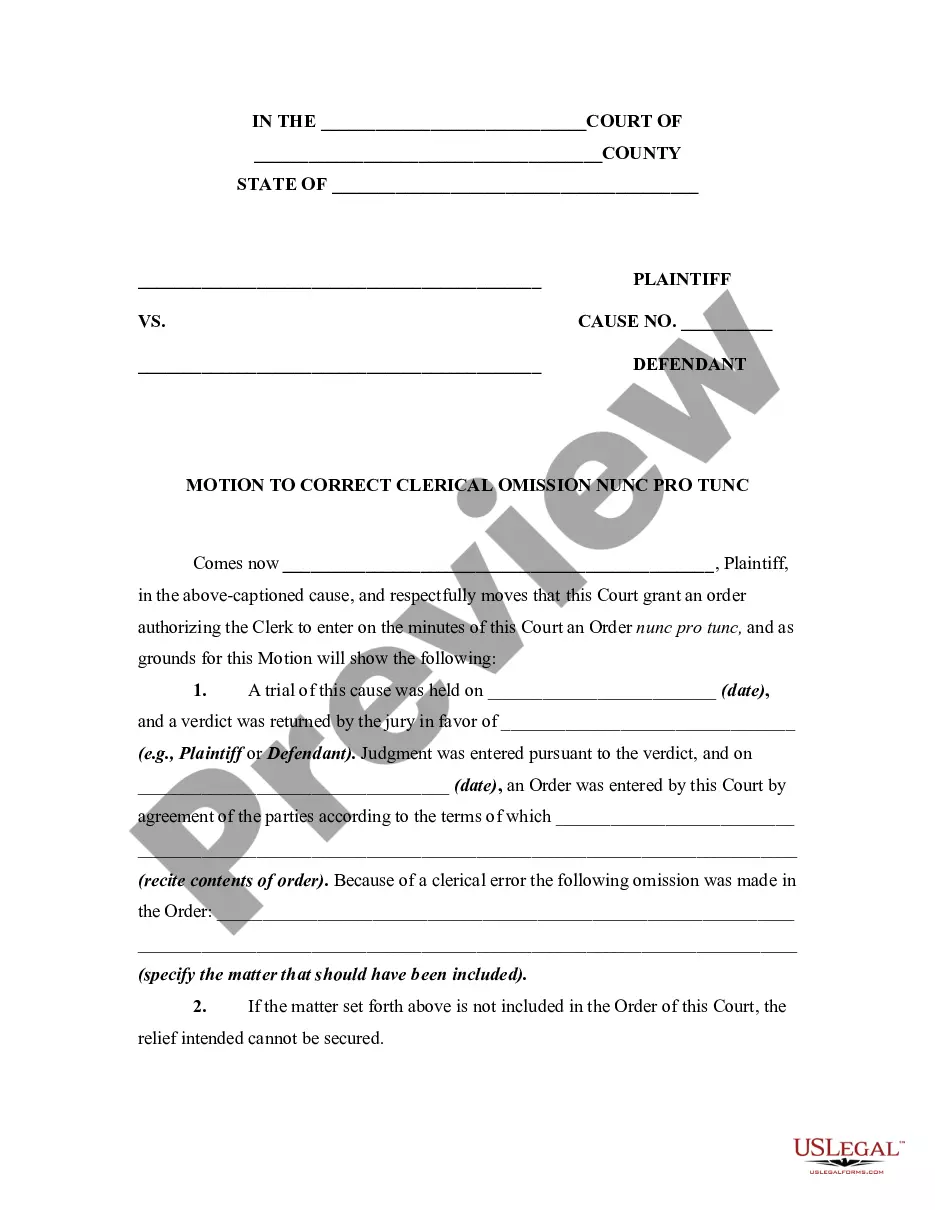
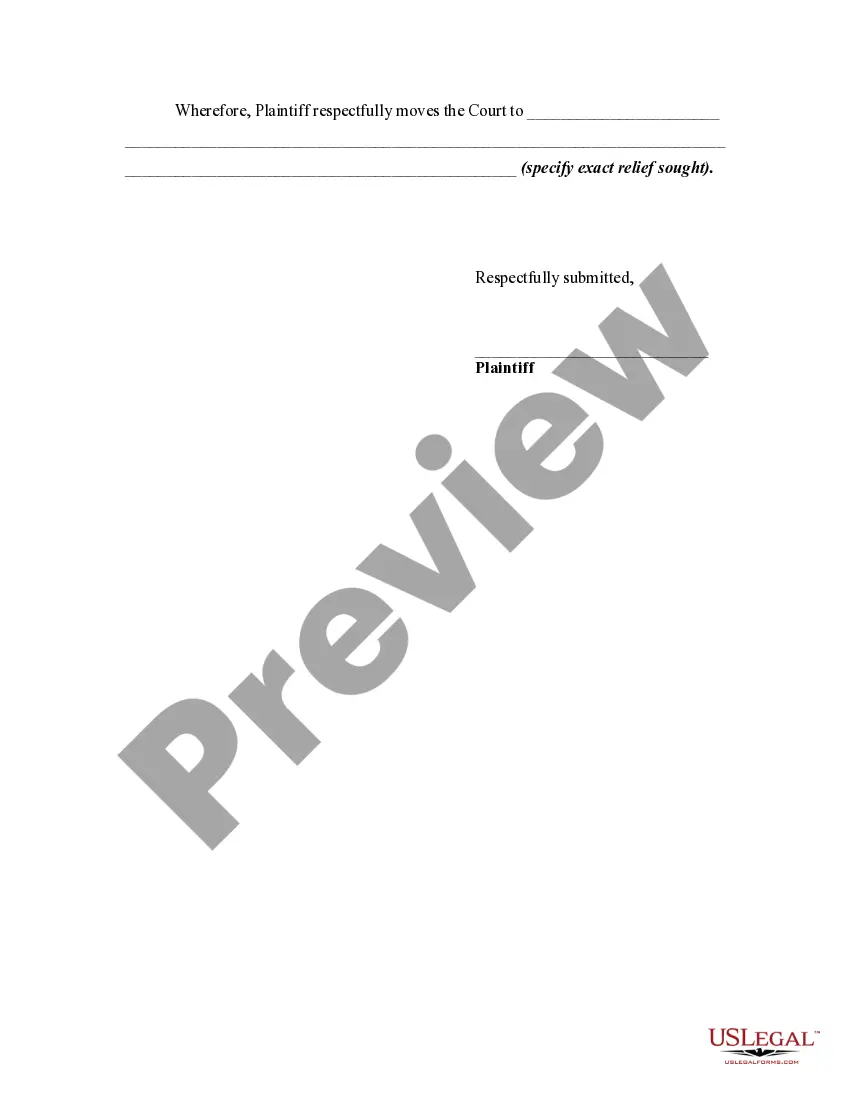
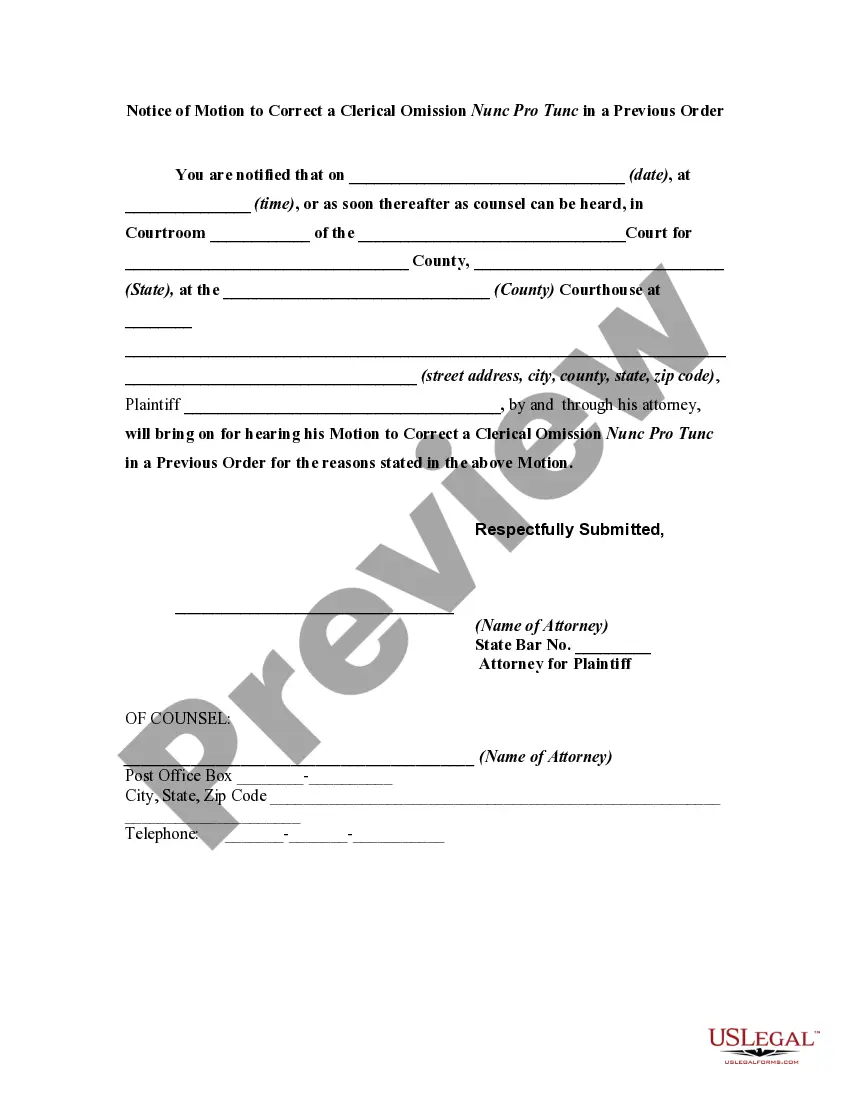
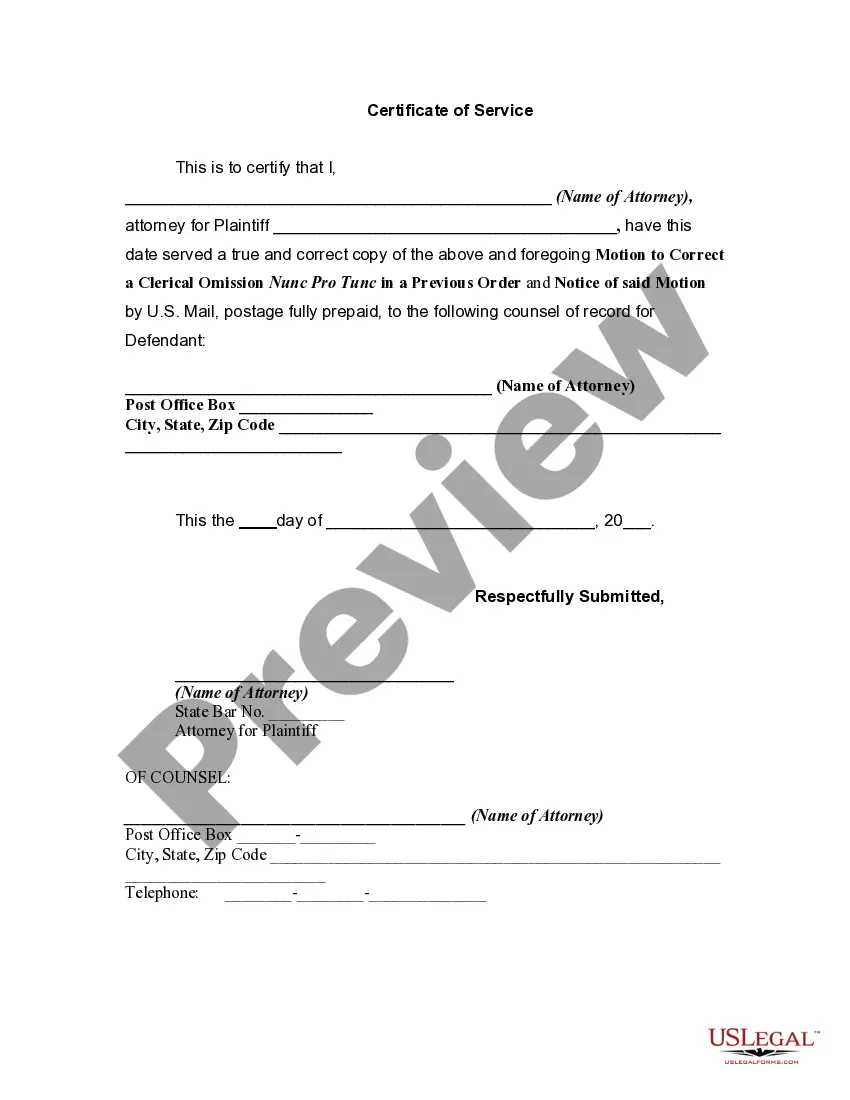
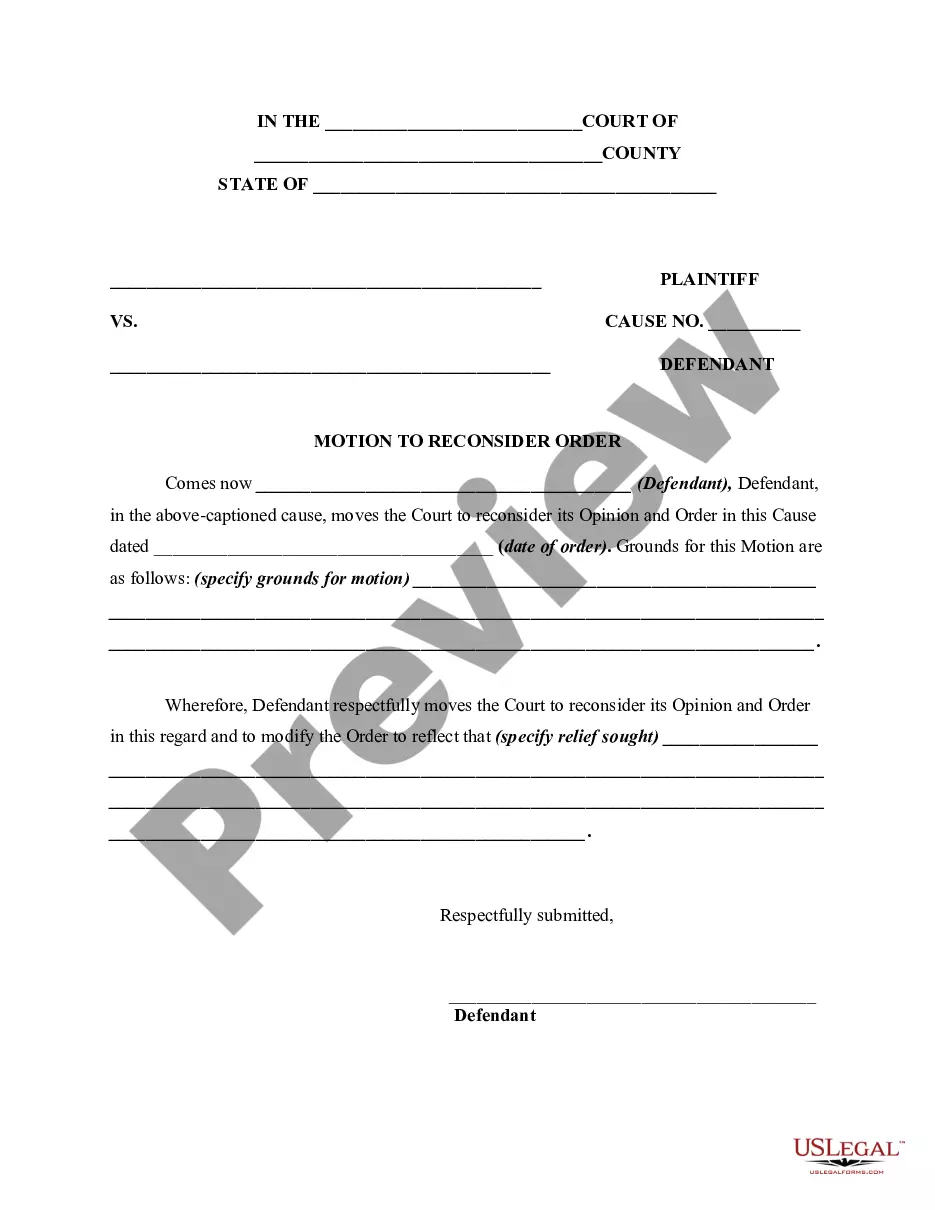
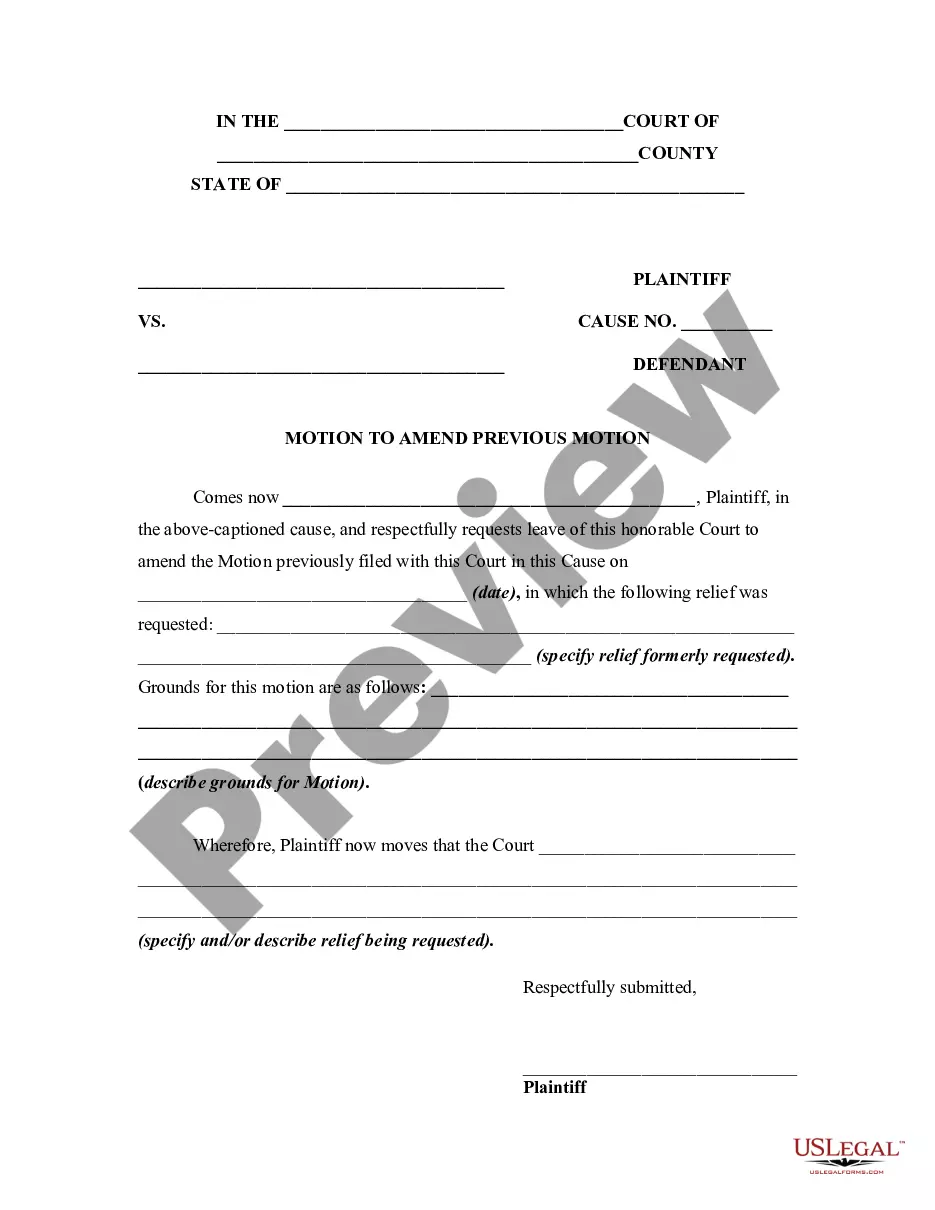
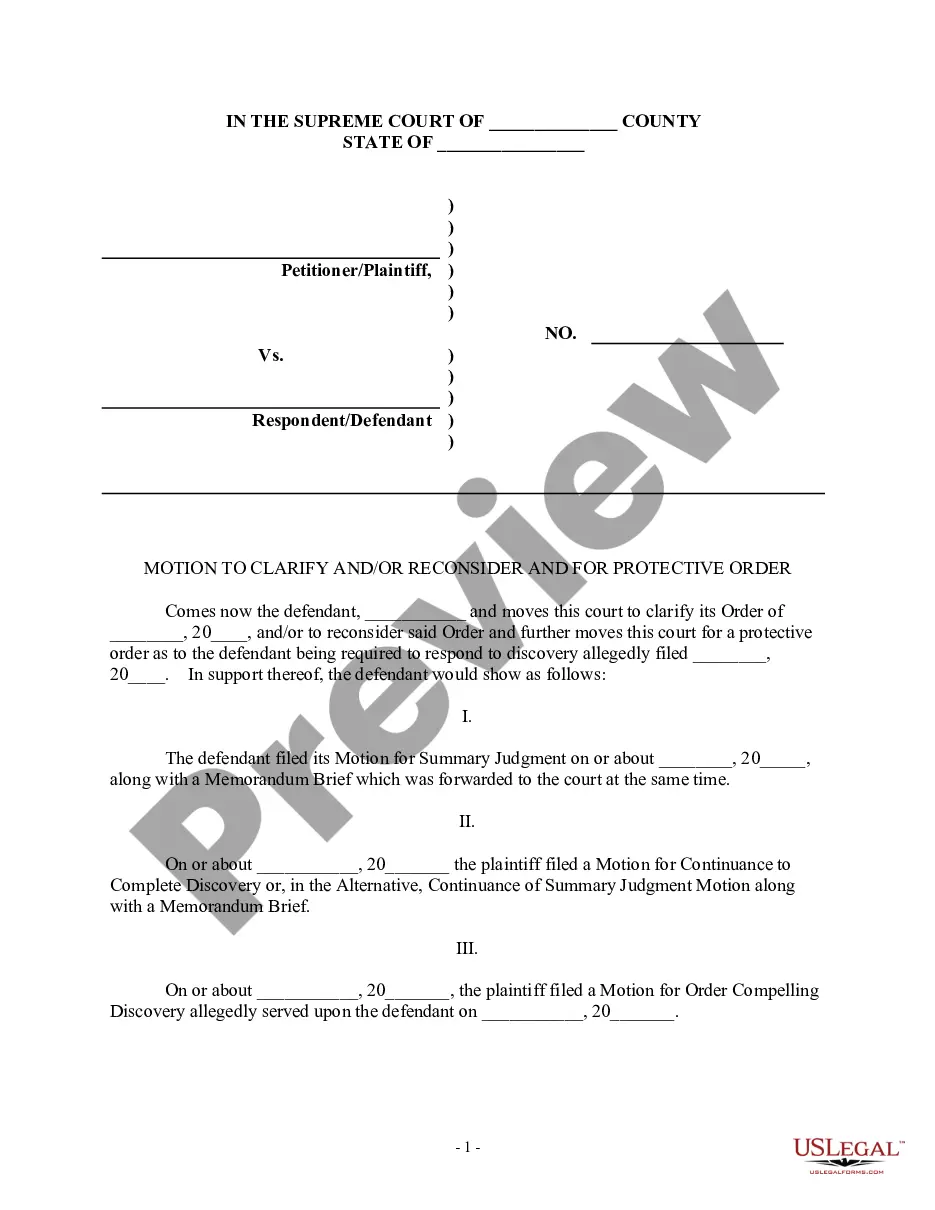

Get your form ready online
Our built-in tools help you complete, sign, share, and store your documents in one place.
Make edits, fill in missing information, and update formatting in US Legal Forms—just like you would in MS Word.
Download a copy, print it, send it by email, or mail it via USPS—whatever works best for your next step.
Sign and collect signatures with our SignNow integration. Send to multiple recipients, set reminders, and more. Go Premium to unlock E-Sign.
If this form requires notarization, complete it online through a secure video call—no need to meet a notary in person or wait for an appointment.
We protect your documents and personal data by following strict security and privacy standards.

Make edits, fill in missing information, and update formatting in US Legal Forms—just like you would in MS Word.

Download a copy, print it, send it by email, or mail it via USPS—whatever works best for your next step.

Sign and collect signatures with our SignNow integration. Send to multiple recipients, set reminders, and more. Go Premium to unlock E-Sign.

If this form requires notarization, complete it online through a secure video call—no need to meet a notary in person or wait for an appointment.

We protect your documents and personal data by following strict security and privacy standards.
Looking for another form?
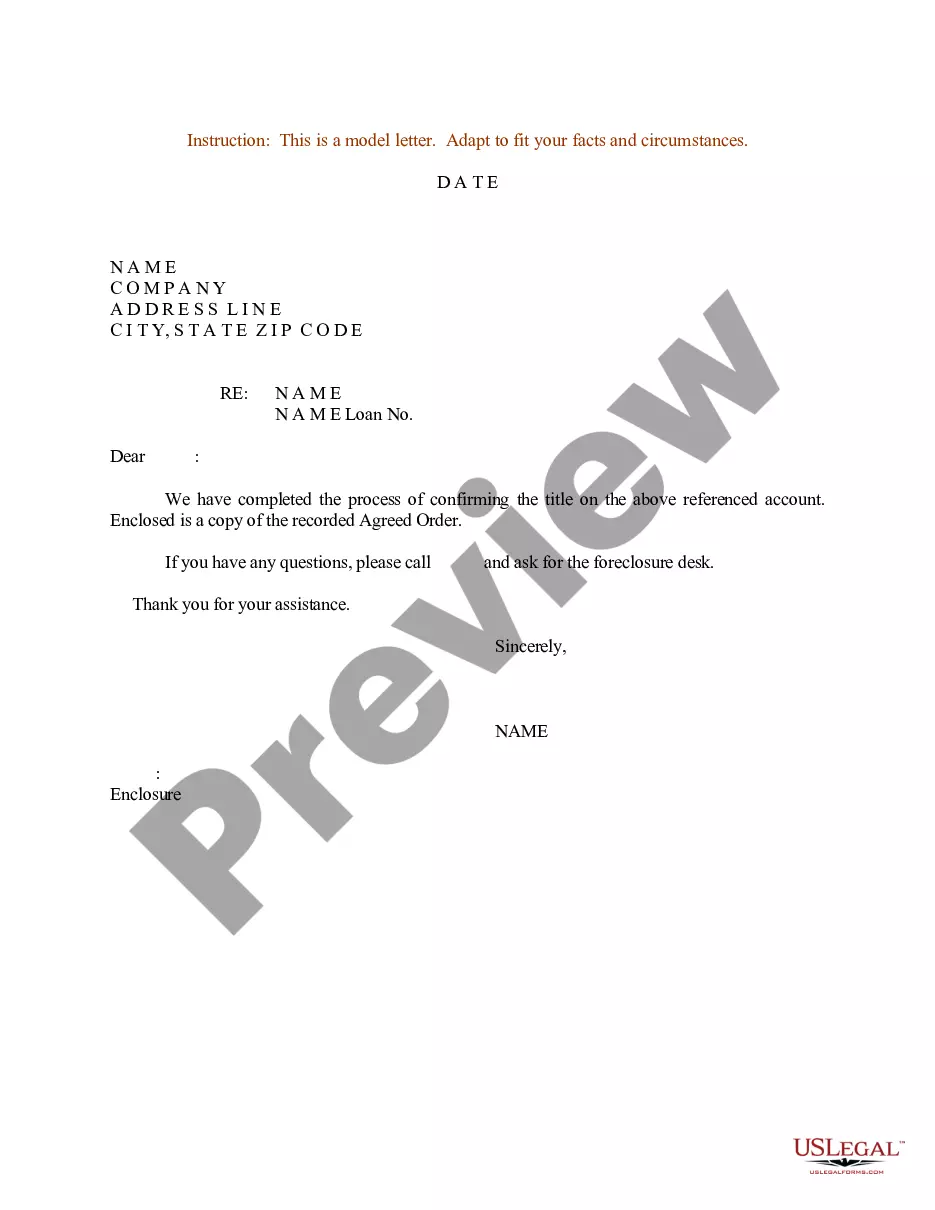
How to fill out Motion To Correct A Clerical Omission Nunc Pro Tunc In A Previous Order?
- If you're a returning user, log in to your account and download the requisite form by clicking the Download button. Ensure your subscription is current, and if it's not, renew it according to your payment plan.
- For first-time users, start by exploring the Preview mode and form description. Confirm you’ve selected a form that aligns with your needs and complies with local jurisdiction requirements.
- In case you need another template, utilize the Search tab at the top to locate the correct form. Move on to the next step once you find the appropriate document.
- Proceed to buy the document by clicking on the Buy Now button and selecting a subscription plan. An account registration is required to gain full access.
- Complete your purchase by entering your credit card information or using PayPal to finalize the subscription.
- Finally, download your form and save it on your device. You can access your saved templates anytime from the My Forms section of your profile.
With US Legal Forms, you gain access to a robust collection of over 85,000 legal forms, more than most competitors offer. Our platform is designed to simplify complex legal processes and ensure you have the appropriate documentation at your fingertips.
Don’t let legal complexities overwhelm you. Start using US Legal Forms today for all your legal documentation needs!
Form popularity
FAQ
To include nunc pro tunc in an order, draft a motion that specifies the amendments you request. You should indicate the date and intent behind the original order, along with any necessary justifications for the change. It is important that this motion is filed promptly to avoid complications in other proceedings. For assistance with this process, consider using the US Legal Forms platform, where you can find resources and templates to guide you through the necessary steps.
To use nunc pro tunc effectively, you must file a motion with the court that outlines the specific corrections needed. This includes clearly explaining why the original order was incomplete or incorrect. The goal is to show the court why it is important to retroactively apply the changes. By doing this, you enhance the integrity of the legal process and ensure that the nunc pro tunc order hearing not held other proceedings are accurately represented.
An example of nunc pro tunc occurs when a judge issues an order to correct an earlier ruling that was not recorded due to clerical errors. For instance, if court proceedings were not documented correctly, the judge can retroactively correct this oversight. This action allows the official record to reflect what should have been said at the original hearing. Thus, it provides clarity and ensures that the intent of the original ruling is honored.
The nunc pro tunc requirement often focuses on addressing past judicial errors or omissions adequately. To succeed in your petition, you must show that correcting the record is essential for justice. This might include providing a clear explanation of the mistake and how the proposed change impacts the parties involved. Using platforms like USLegalForms can help ensure you meet all necessary criteria for filing your petition effectively.
After filing a nunc pro tunc order, the court reviews the petition and any supporting documentation you submitted. A hearing may be scheduled to evaluate the merits of the request, depending on your jurisdiction's procedures. If the court grants the nunc pro tunc order, it retroactively corrects the original ruling, providing clarity to all parties involved. This process can significantly strengthen your case and your position.
The requirements for a nunc pro tunc order hearing not held other proceedings typically include demonstrating a clear error or omission. You must provide adequate documentation supporting your claim, usually including the original court order and the reason for the correction. Engaging a legal expert can significantly assist in ensuring all necessary paperwork meets court standards. This preparation helps create a compelling case for the nunc pro tunc petition.
An example of a nunc pro tunc order might involve a court issuing a ruling that originally omitted vital information. Suppose a judge intended to decree custodial rights but mistakenly forgot to sign the document at the time of the order. A nunc pro tunc order would correct this oversight, ensuring the ruling is valid from the original date. This type of order plays a vital role in upholding the legal rights of involved parties.
A nunc pro tunc order hearing refers to a legal proceeding that allows a court to retroactively correct a previous order or decision. This concept ensures that clarity and justice are maintained in legal matters. Essentially, it permits the court to validate actions from past cases when necessary. Understanding this concept is crucial when navigating complex legal situations.
The processing time for a nunc pro tunc order hearing not held other proceedings can vary based on jurisdiction and court schedules. Generally, it may take several weeks to a few months after submission. It is essential to file all required documents accurately to avoid delays in processing. Consulting with a legal professional can help expedite the process.
An example of a nunc pro tunc order is when a court modifies its own ruling to accurately reflect what was decided during a previous hearing. For instance, if a judge ruled on a matter but forgot to finalize the terms in writing, the court can issue a nunc pro tunc order to clarify the ruling formally. This type of order ensures that all later legal processes are based on an accurate representation of the court's decision. Such corrections are essential for maintaining fairness in judicial proceedings.