Complaint Motion For Summary Judgment
Description
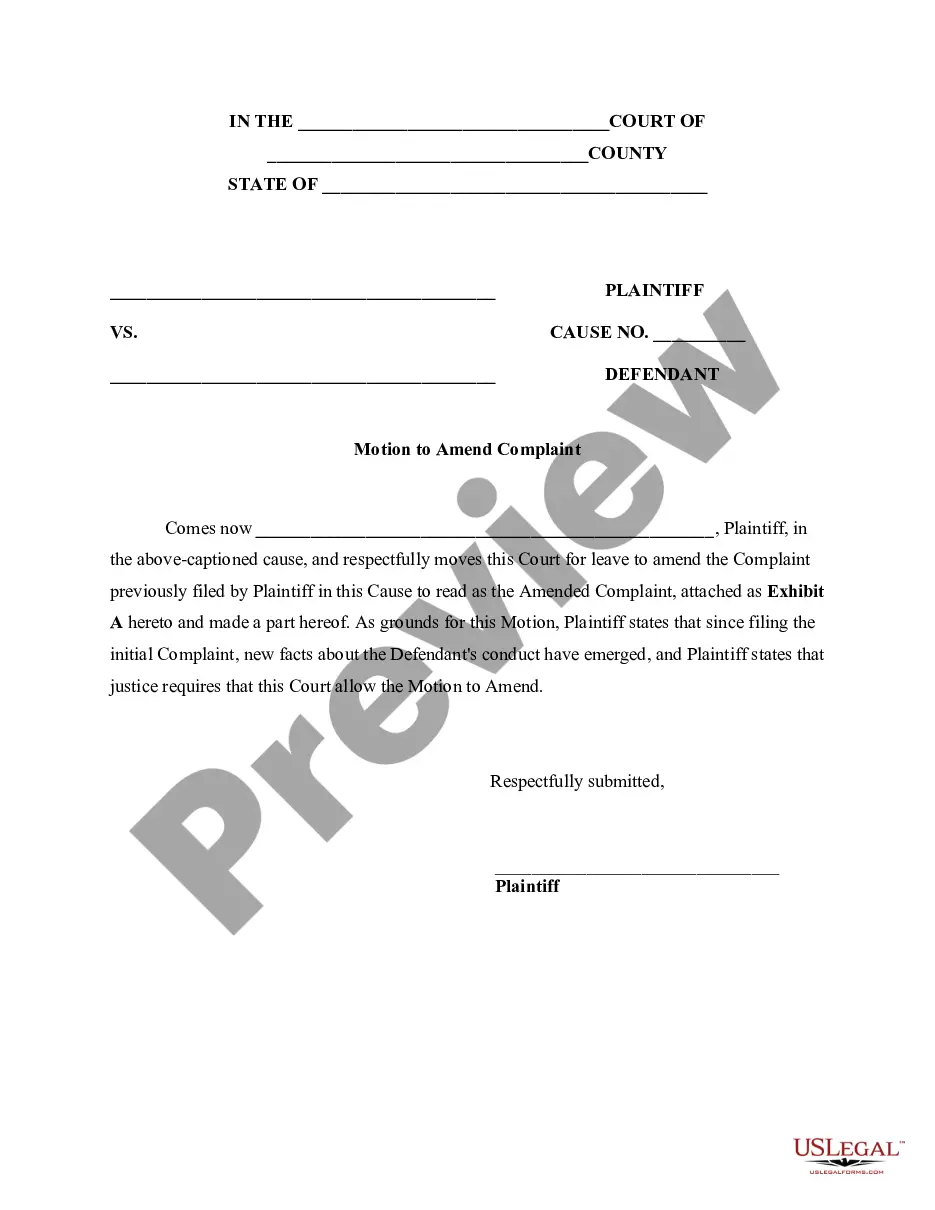
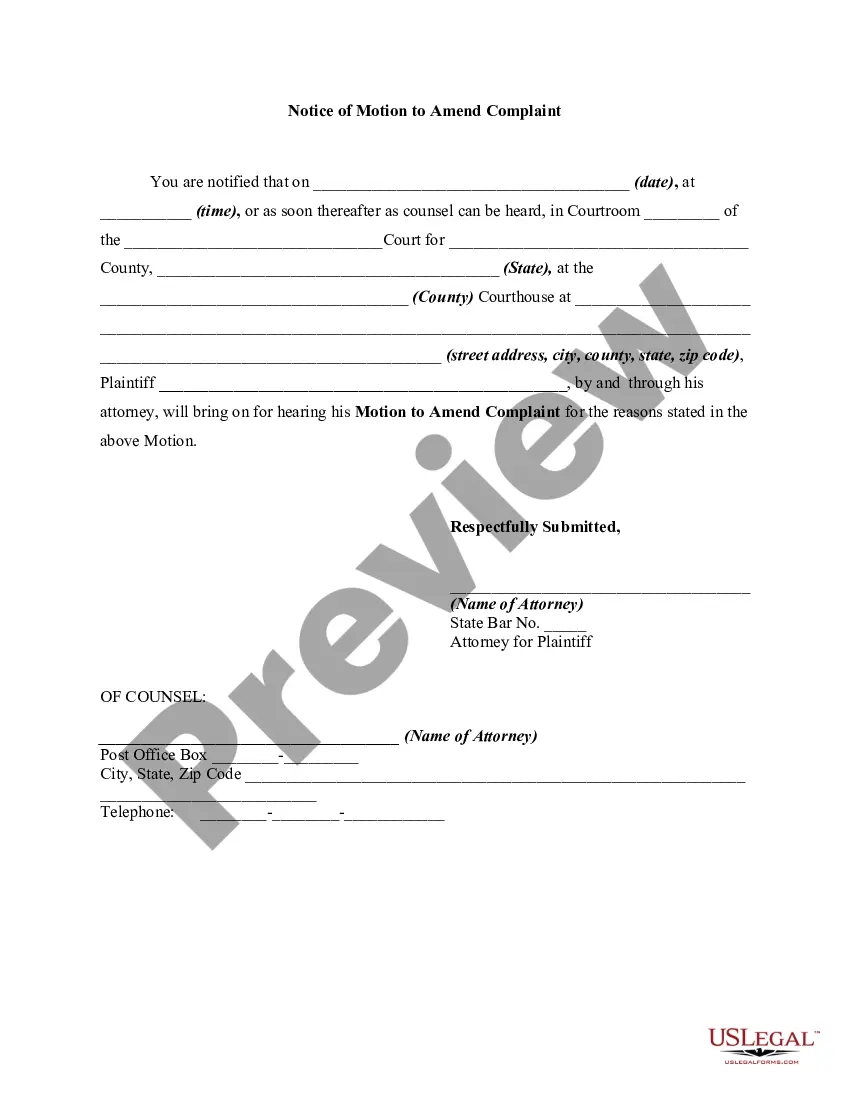
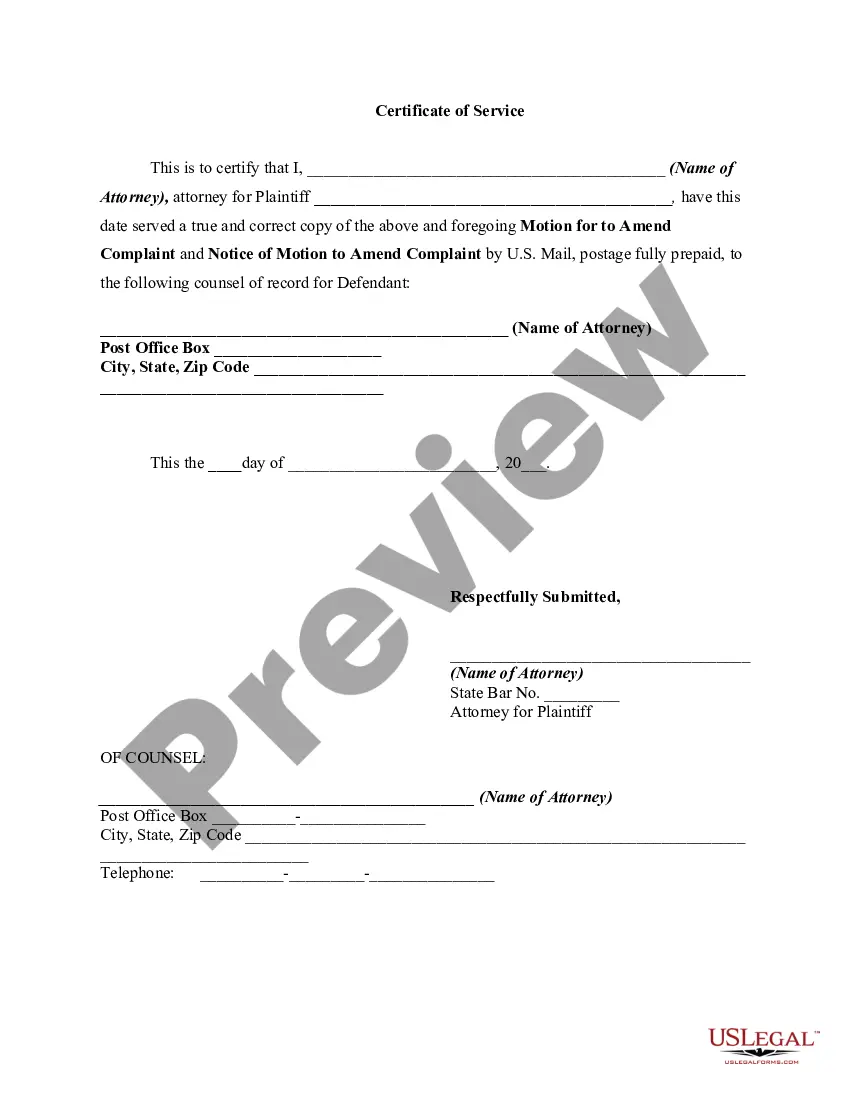

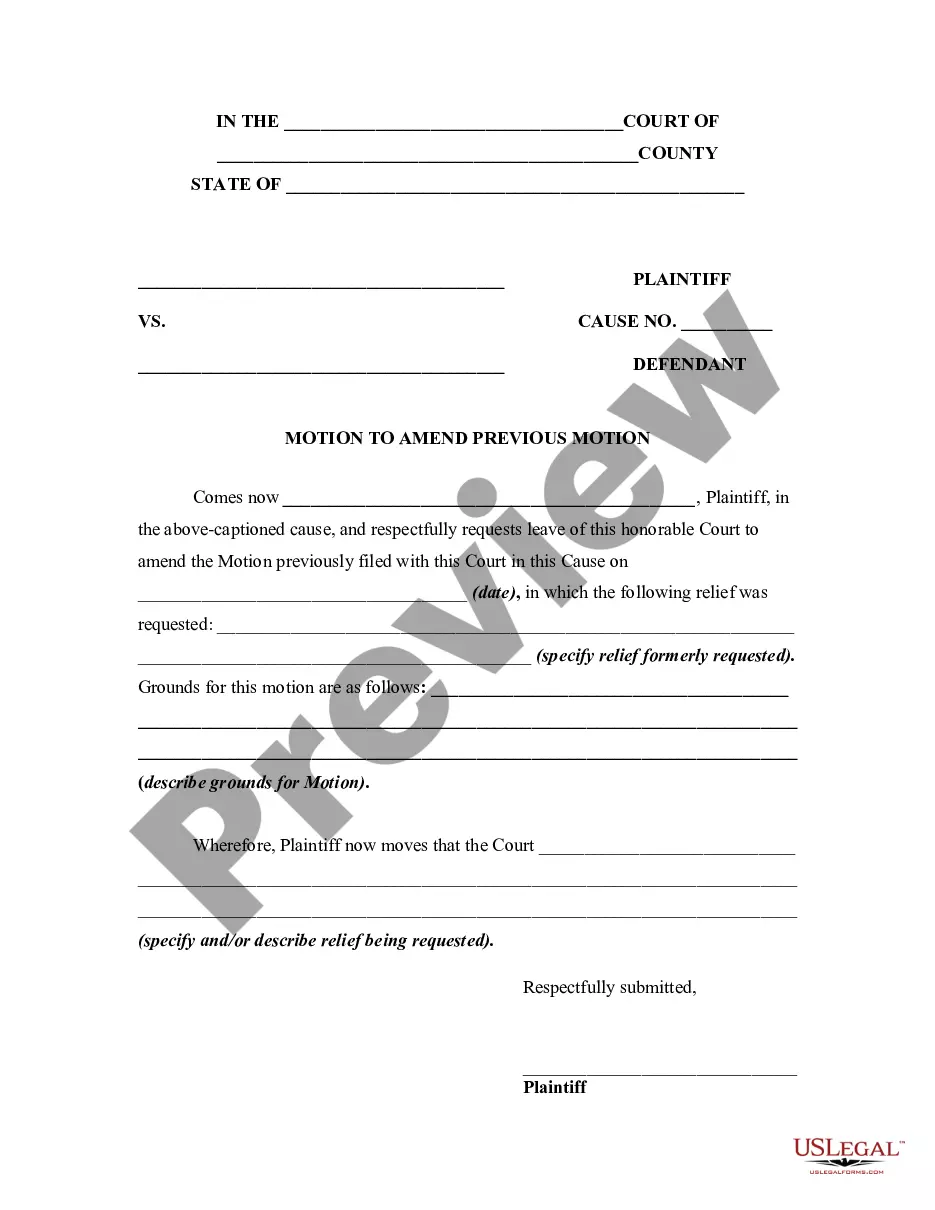
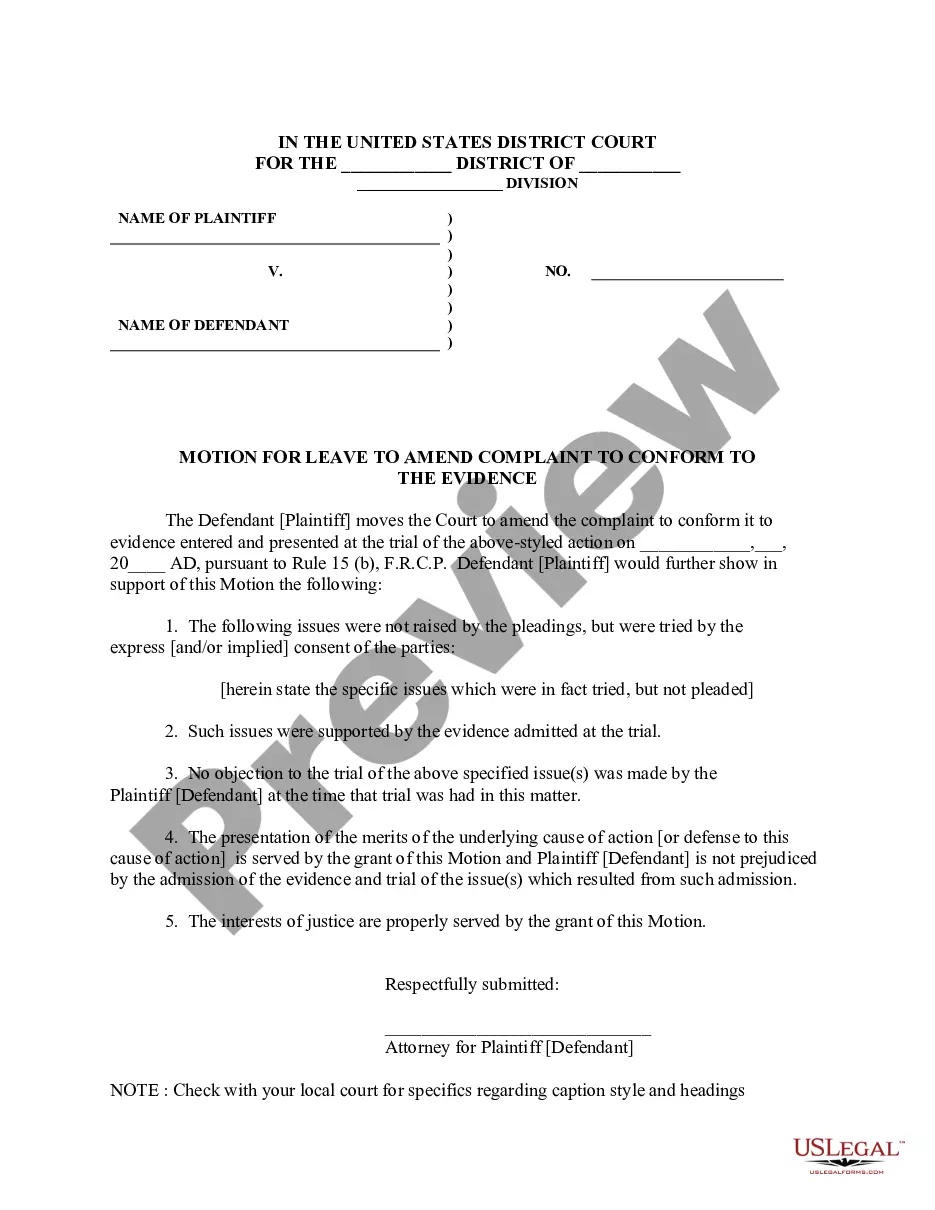
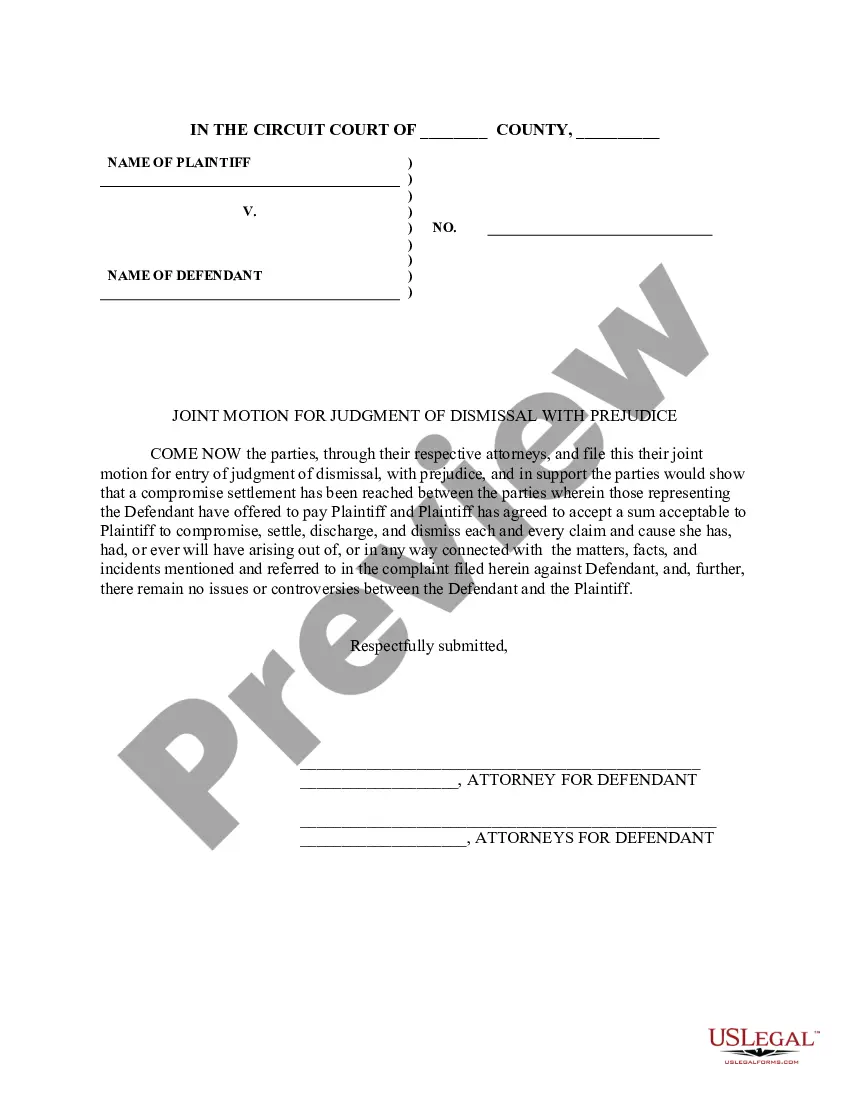
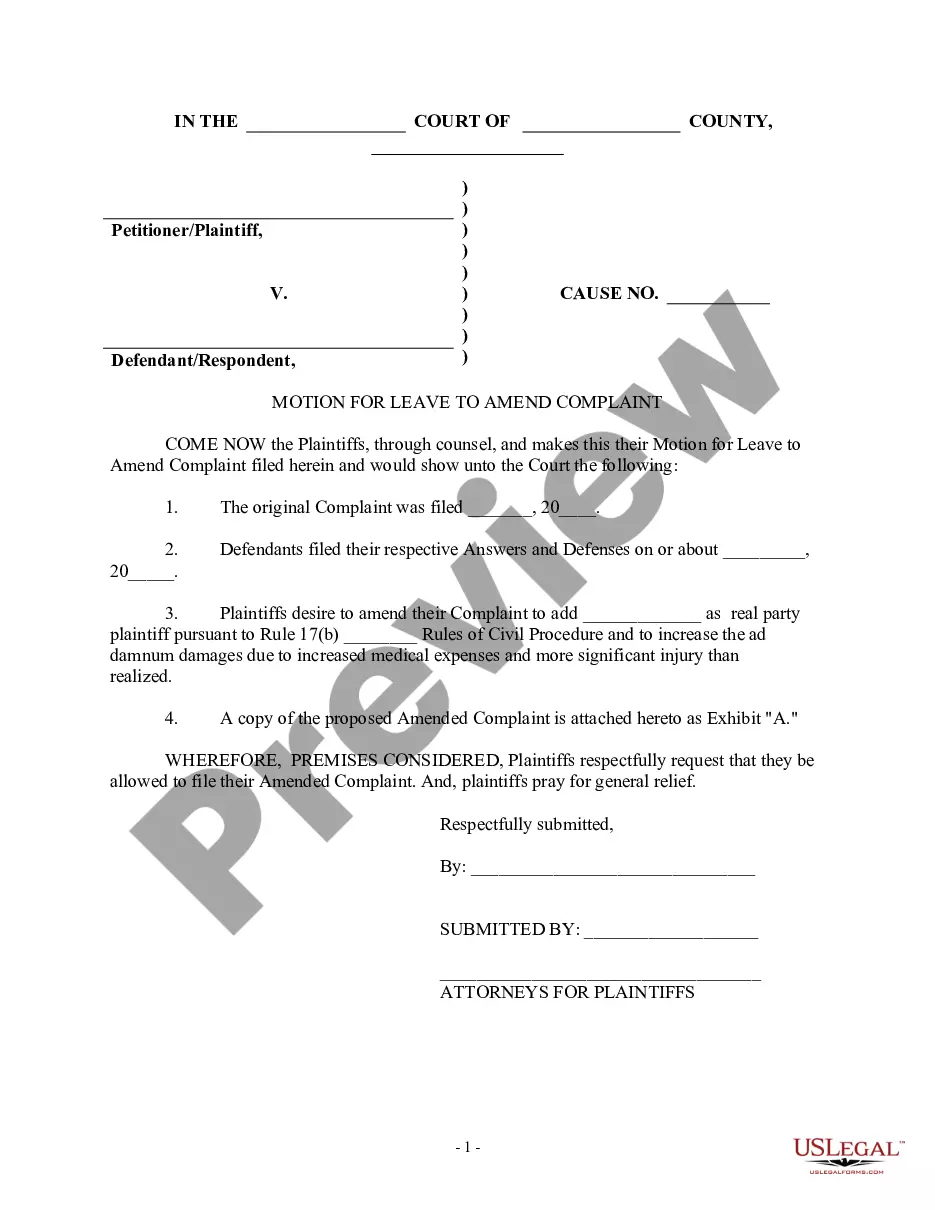
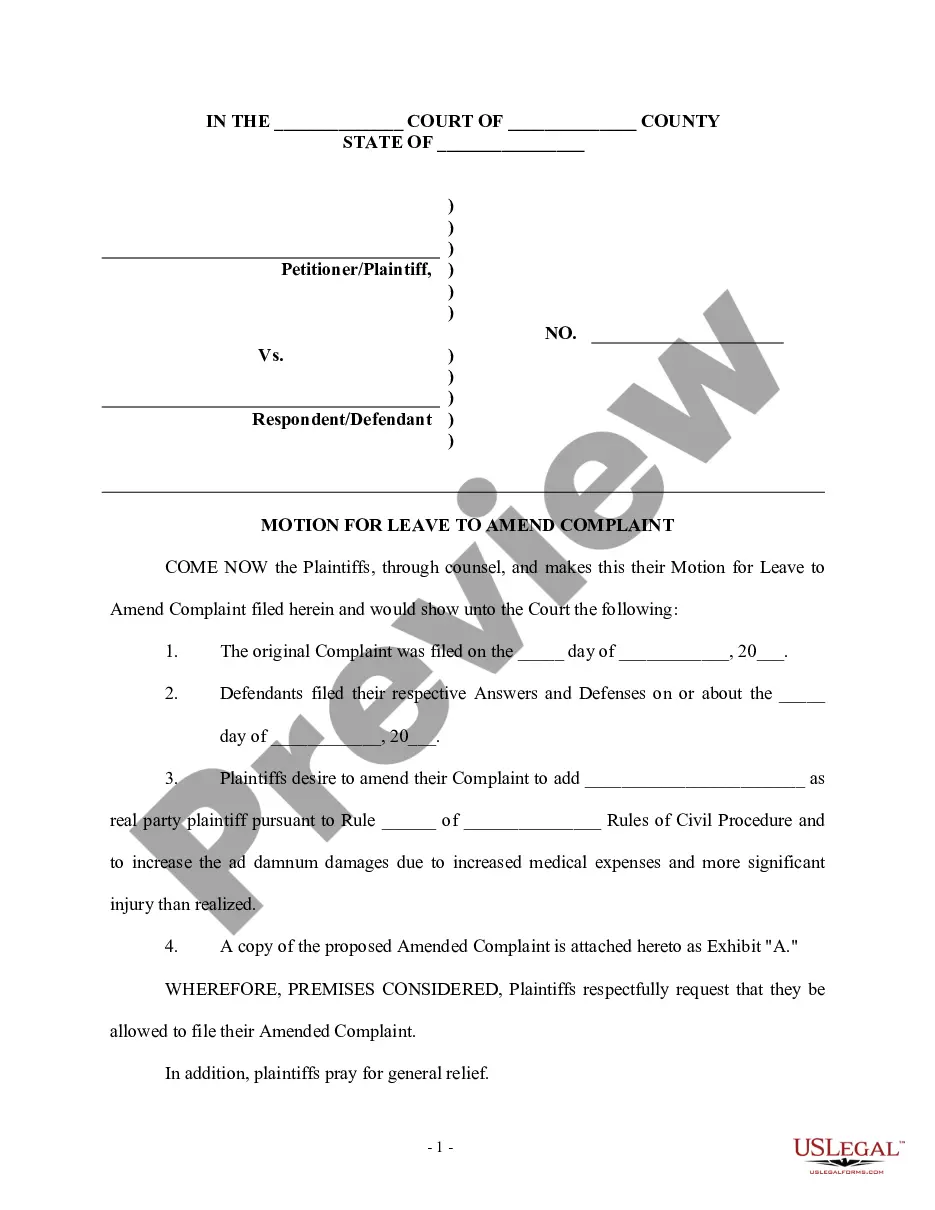
Get your form ready online
Our built-in tools help you complete, sign, share, and store your documents in one place.
Make edits, fill in missing information, and update formatting in US Legal Forms—just like you would in MS Word.
Download a copy, print it, send it by email, or mail it via USPS—whatever works best for your next step.
Sign and collect signatures with our SignNow integration. Send to multiple recipients, set reminders, and more. Go Premium to unlock E-Sign.
If this form requires notarization, complete it online through a secure video call—no need to meet a notary in person or wait for an appointment.
We protect your documents and personal data by following strict security and privacy standards.

Make edits, fill in missing information, and update formatting in US Legal Forms—just like you would in MS Word.

Download a copy, print it, send it by email, or mail it via USPS—whatever works best for your next step.

Sign and collect signatures with our SignNow integration. Send to multiple recipients, set reminders, and more. Go Premium to unlock E-Sign.

If this form requires notarization, complete it online through a secure video call—no need to meet a notary in person or wait for an appointment.

We protect your documents and personal data by following strict security and privacy standards.
Looking for another form?






How to fill out Simple Motion To Amend Complaint And Notice Of Motion?
It’s common knowledge that becoming a legal expert does not happen instantly, nor can you learn to quickly compose a Complaint Motion For Summary Judgment without a particular set of expertise.
Drafting legal documents is a lengthy task that demands specific education and abilities.
So why not entrust the creation of the Complaint Motion For Summary Judgment to the experts.
You can access your documents again from the My documents section at any time.
For existing customers, you can simply Log In and locate and download the template from the same section.
- Find the document you require by utilizing the search bar at the top of the site.
- View it (if this option is available) and read the accompanying description to determine if Complaint Motion For Summary Judgment is what you seek.
- Restart your search if you need a different document.
- Sign up for a free account and select a subscription plan to purchase the form.
- Click Buy now. Once the payment is completed, you can acquire the Complaint Motion For Summary Judgment, complete it, print it, and deliver it by mail or send it to the relevant parties or organizations.
Form popularity
FAQ
In a summary judgment, one party may contend there are no facts that need to be decided, or the parties may agree on what the facts are. Either side (and sometimes both sides) may bring a motion for summary judgment arguing that they are entitled to a judgment in their favor without a trial.
The chance of success in these cases is less than 10% [1]. Another study found that summary judgment is mostly granted in Title VII cases, for example, cases involving equal pay or employment discrimination [2]. When it comes to federal cases, summary judgments are filed in 17% of total cases.
Show that the law does not support judgment on the undisputed facts. Your legal research may reveal case law that shows judgment isn't warranted in your case, even when no facts are in dispute. Show that discovery is incomplete and could raise a disputed material fact when completed.
Judges may grant partial summary judgment. For example, a judge might rule on some factual issues, but leave others for trial. Alternately, a judge might grant summary judgment regarding liability, but still hold a trial to determine damages.
Replies should be succinctly stated. If the response to a fact is ?undisputed,? the reply should also state ?undisputed.? If you contend that despite a response of ?disputed,? the non-moving party has failed to raise a genuine dispute of material fact, you should succinctly state why.