Civil Proceedings Rules 1998 As Amended
Description
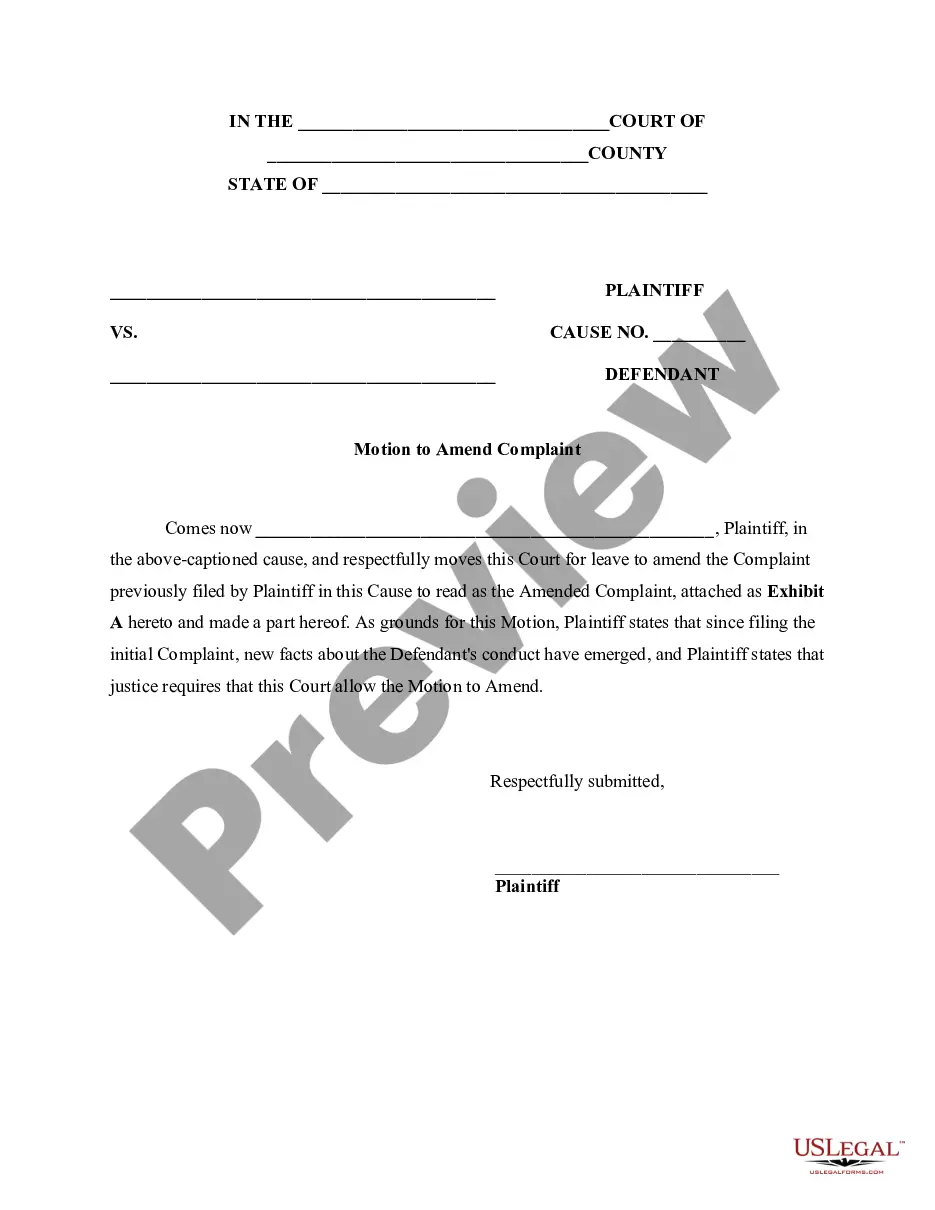
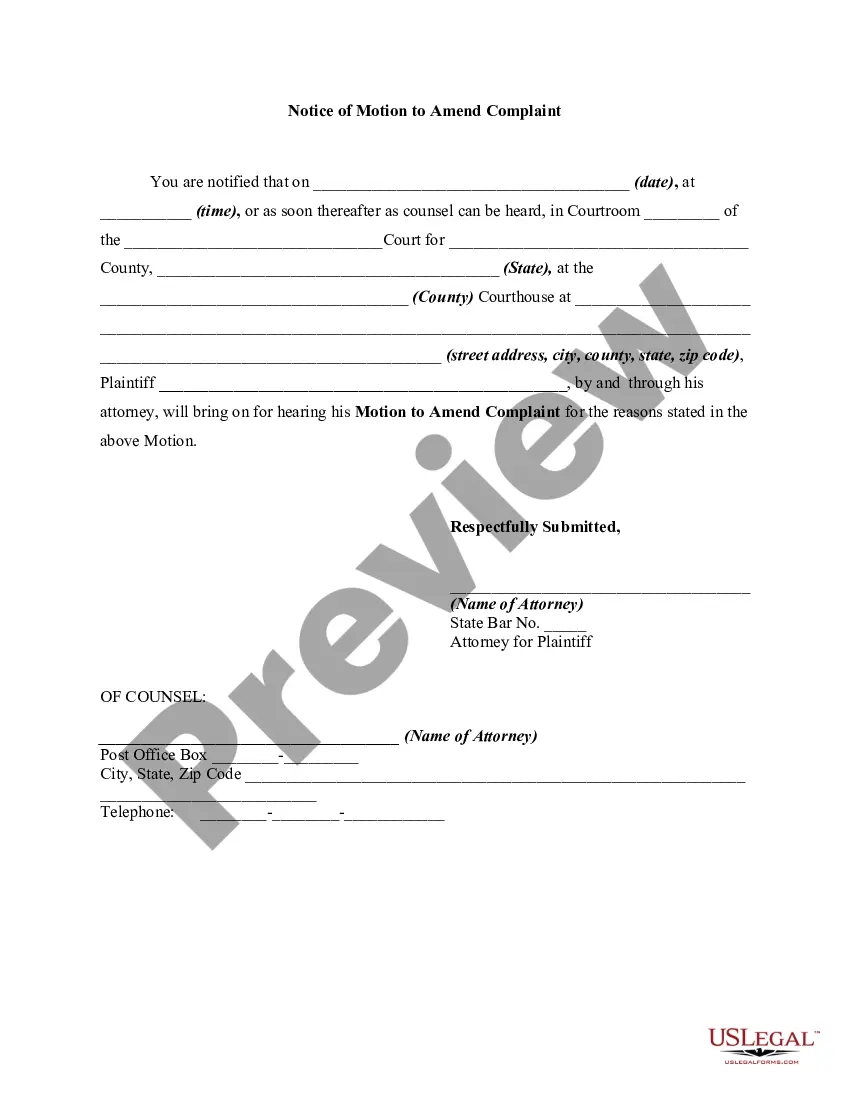
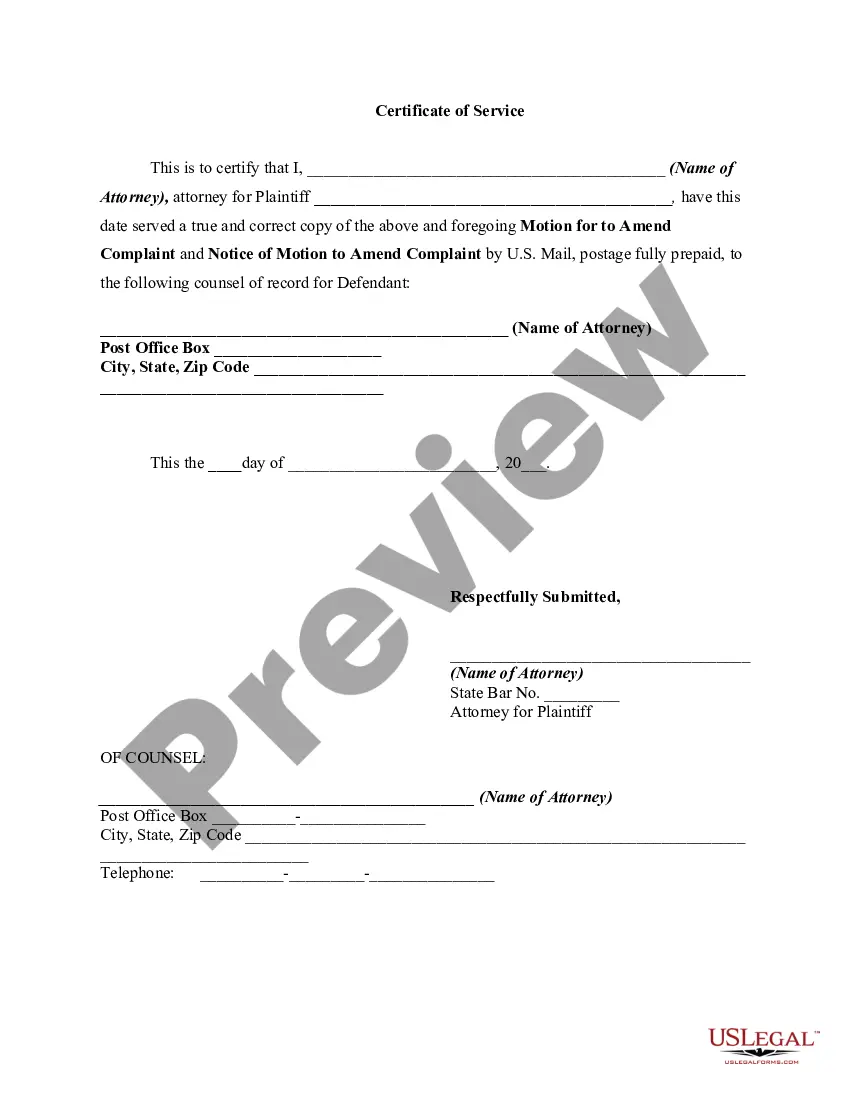
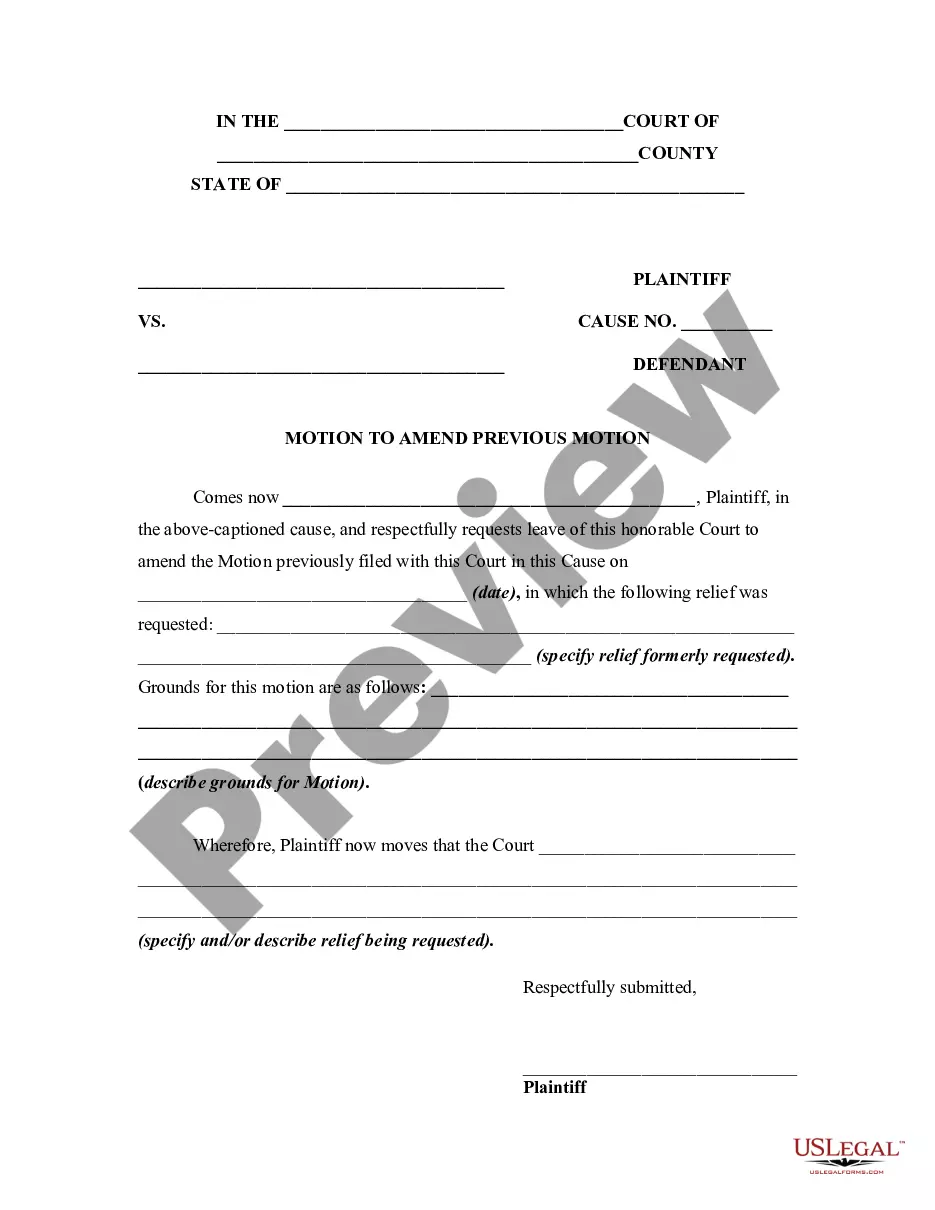
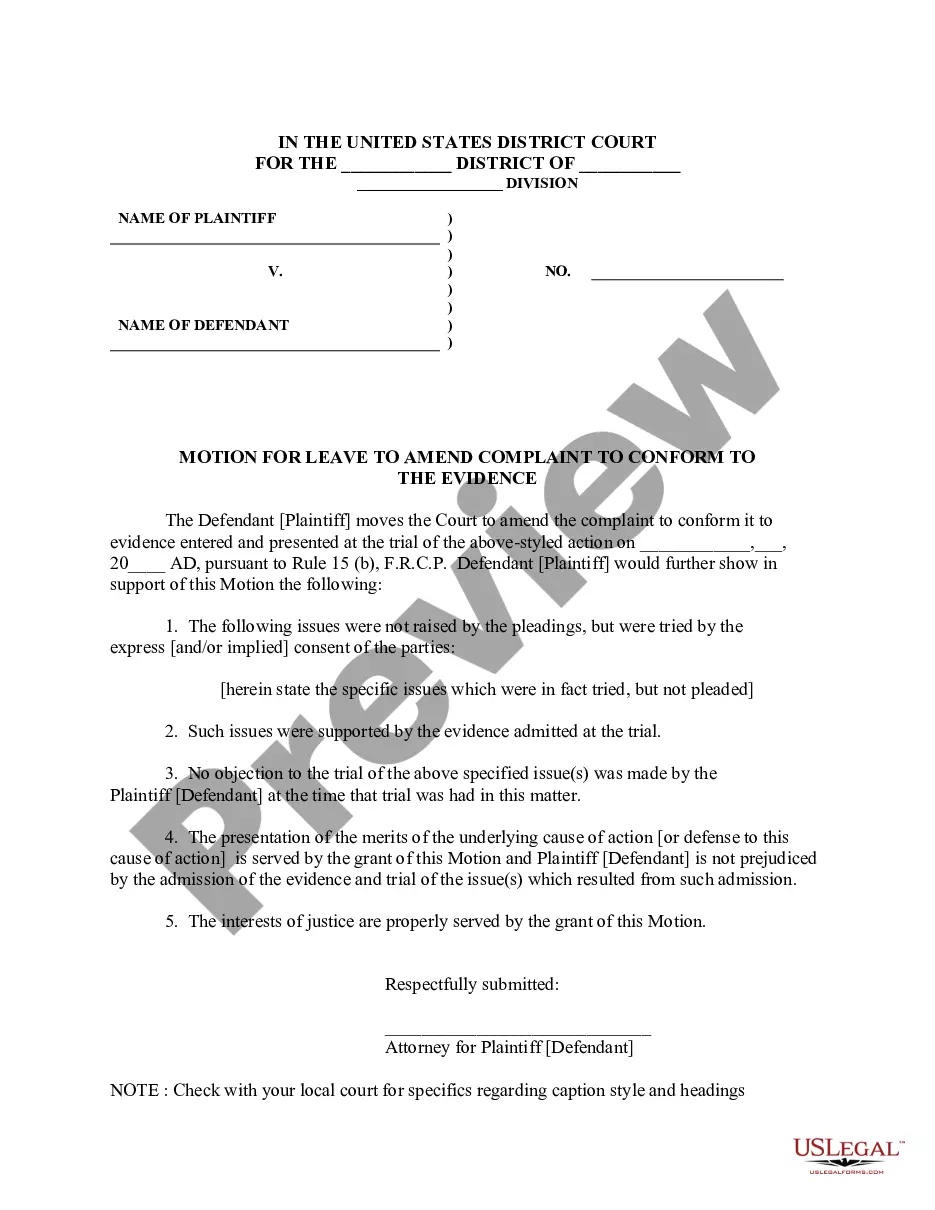
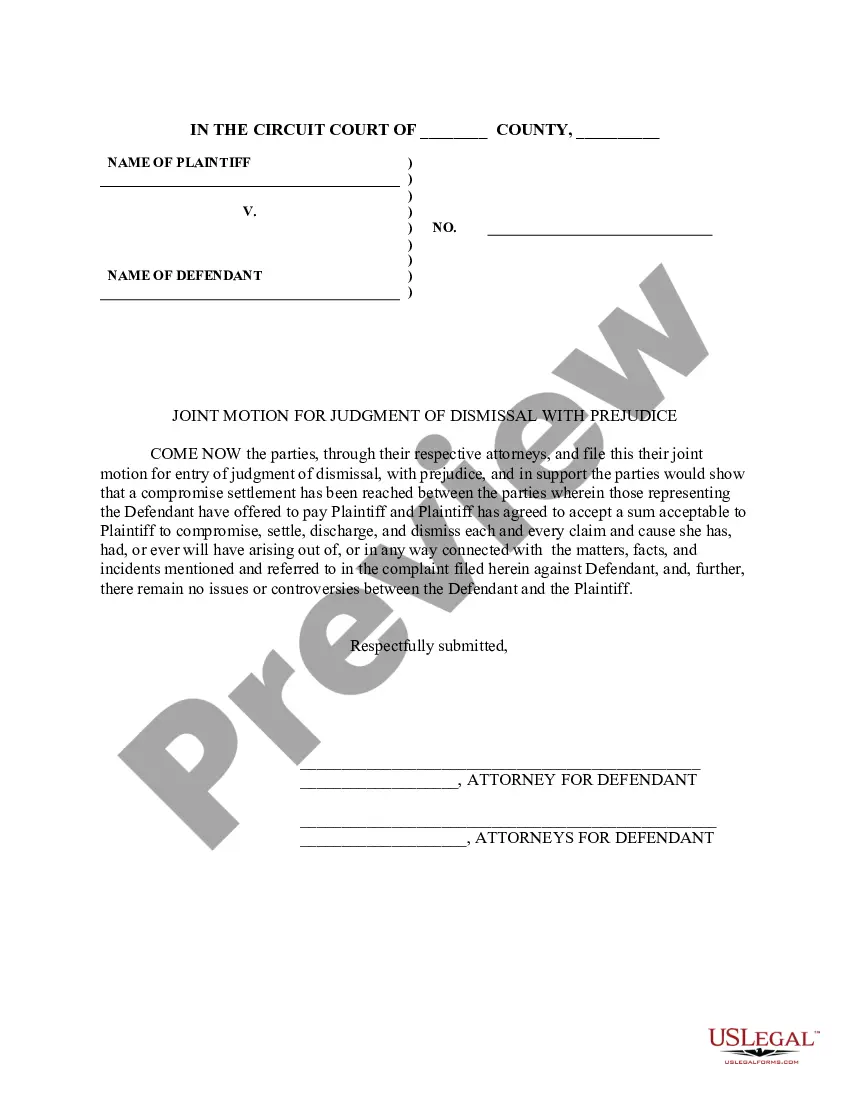
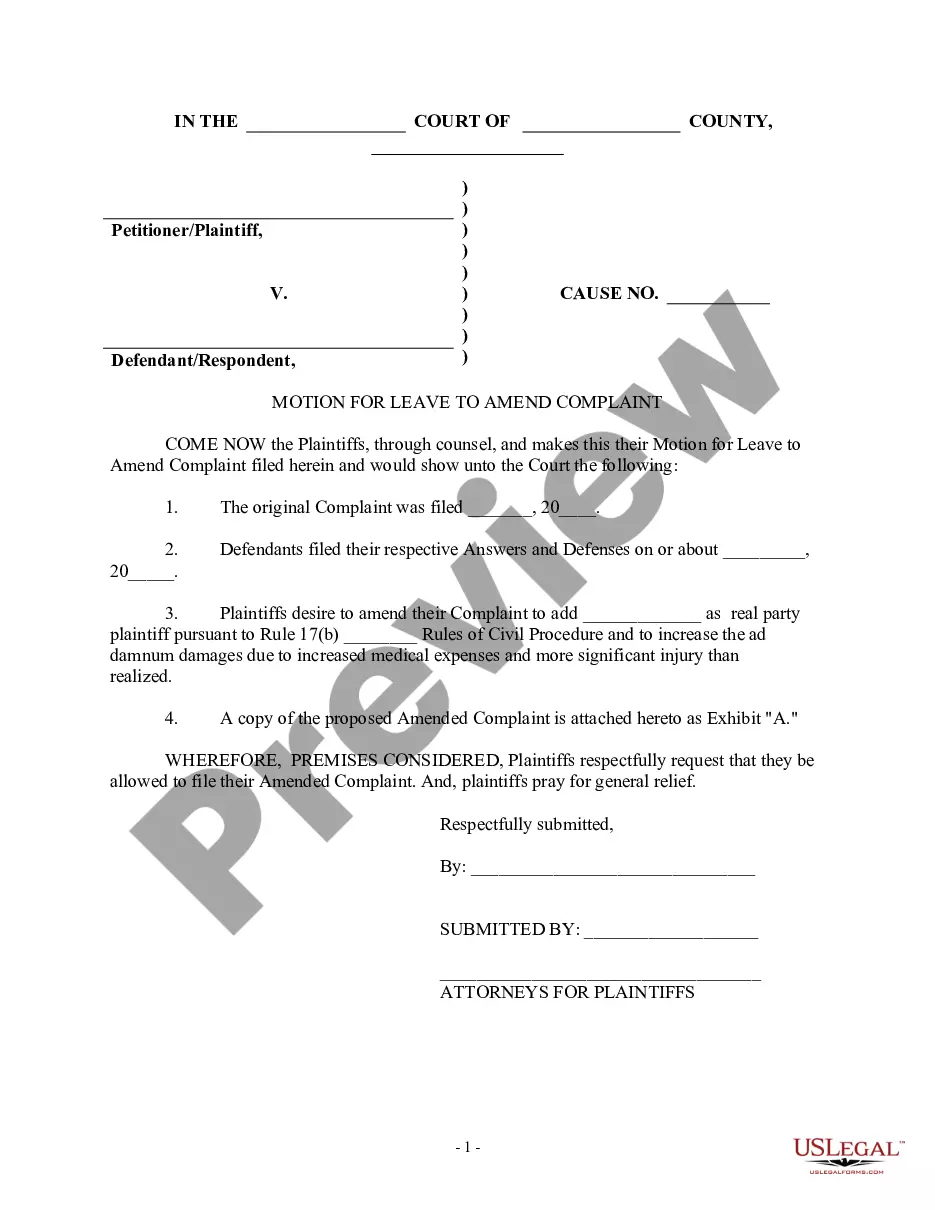
Get your form ready online
Our built-in tools help you complete, sign, share, and store your documents in one place.
Make edits, fill in missing information, and update formatting in US Legal Forms—just like you would in MS Word.
Download a copy, print it, send it by email, or mail it via USPS—whatever works best for your next step.
Sign and collect signatures with our SignNow integration. Send to multiple recipients, set reminders, and more. Go Premium to unlock E-Sign.
If this form requires notarization, complete it online through a secure video call—no need to meet a notary in person or wait for an appointment.
We protect your documents and personal data by following strict security and privacy standards.

Make edits, fill in missing information, and update formatting in US Legal Forms—just like you would in MS Word.

Download a copy, print it, send it by email, or mail it via USPS—whatever works best for your next step.

Sign and collect signatures with our SignNow integration. Send to multiple recipients, set reminders, and more. Go Premium to unlock E-Sign.

If this form requires notarization, complete it online through a secure video call—no need to meet a notary in person or wait for an appointment.

We protect your documents and personal data by following strict security and privacy standards.
Looking for another form?







How to fill out Simple Motion To Amend Complaint And Notice Of Motion?
Handling legal documents and procedures can be a lengthy addition to your day.
Civil Proceedings Rules 1998 As Amended and similar forms frequently require you to locate them and comprehend how to fill them out accurately.
Consequently, whether you are managing financial, legal, or personal issues, possessing a thorough and effective online directory of forms when you require it will be extremely beneficial.
US Legal Forms is the leading online service for legal templates, featuring over 85,000 state-specific forms and an array of resources to help you assemble your documents effortlessly.
- Explore the collection of relevant files available to you with just one click.
- US Legal Forms provides state- and county-specific forms accessible at any time for download.
- Safeguard your document management processes utilizing an exceptional service that enables you to create any form within minutes with no extra or concealed fees.
- Simply Log Into your account, search for Civil Proceedings Rules 1998 As Amended, and download it immediately from the My documents section.
- You can also retrieve previously saved documents.
Form popularity
FAQ
The Federal Rules of Civil Procedure are commonly abbreviated as FRCP. This abbreviation is often used in legal writing and documentation to maintain clarity and brevity. It's beneficial to know such shortcuts when reviewing or referencing legal texts, including the Civil proceedings rules 1998 as amended. For seamless access to forms and additional clarification, US Legal Forms can serve as a valuable resource.
When citing the rules of Civil Procedure, it is essential to include the specific rule number and the source it's derived from, such as the Federal Rules of Civil Procedure. You may also mention the Civil proceedings rules 1998 as amended to provide context, particularly in legal documents or briefs. Consistency and adherence to proper formatting guidelines are crucial here. For those needing assistance with citations, US Legal Forms can provide templates and guidance to foster accuracy.
In the context of Civil Procedure Code (CPC), a reference usually refers to the obligation to send a matter to a higher court or authority for decision. This is important because it helps ensure that the case is handled by the right expertise. Understanding how references work under the Civil proceedings rules 1998 as amended can help streamline legal processes. Utilizing services like US Legal Forms can assist you in managing these nuances effectively.
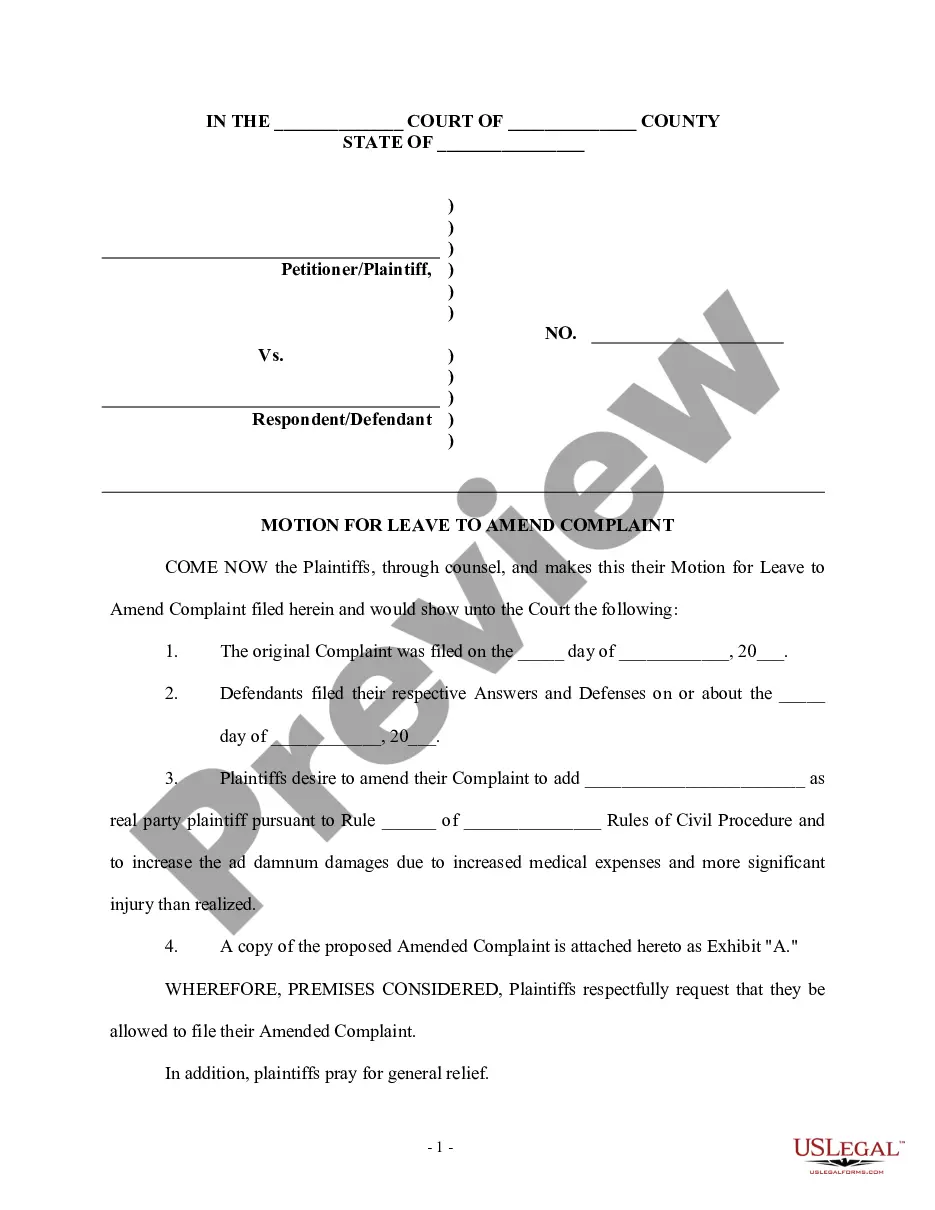
According to the Federal Rules of Civil Procedure, you typically have 21 days to amend a complaint as a matter of course. If you miss this window, you can still amend with the court's permission or by the opposing party's consent. It's essential to keep the Civil proceedings rules 1998 as amended in mind, as they outline specific guidelines for such amendments. For those seeking clarity on this process, US Legal Forms offers resources to navigate these rules efficiently.
To correct an error on a legal document, review the document carefully and identify where the mistake occurs. You may need to file an amended document that aligns with the guidelines provided in the Civil proceedings rules 1998 as amended. When making corrections, ensure that you maintain a clear record of changes. Consulting resources, such as the UsLegalForms platform, can provide templates for making effective amendments.
When filling out a debt collection answer, you should first read the complaint carefully. Next, respond to each allegation methodically, as per the guidance found in the Civil proceedings rules 1998 as amended. Being thorough in your response can help clarify your position. Lastly, file your answer within the required timeframe to avoid default judgment.
To correct a clerical error in a judgment, you must file a motion with the court that issued the original judgment. Use the guidelines outlined in the Civil proceedings rules 1998 as amended to ensure your motion meets all necessary requirements. Be specific about the error and what correction is needed to facilitate a smooth process. Once submitted, await the court's decision on your request.
Filling out a motion for court involves several important steps. First, you should include a clear title that states what you are requesting. Next, use simple language to describe the reason for your motion and reference the relevant laws, such as the Civil proceedings rules 1998 as amended. Finally, sign and date the motion before filing it with the court clerk.
To correct a clerical error in a judgment, you should submit a motion to the court that issued the judgment. Clearly outline the clerical mistake and specify how it should be rectified. Doing this in accordance with the Civil proceedings rules 1998 as amended ensures your request is properly considered. Remember, timely action can expedite the correction.
Yes, you can amend a statement of claim under the Civil proceedings rules 1998 as amended. This allows you to update or clarify your claims. Ensure that your amendments adhere to the stipulated guidelines to avoid unnecessary delays. Following this rule promotes clarity in your case.