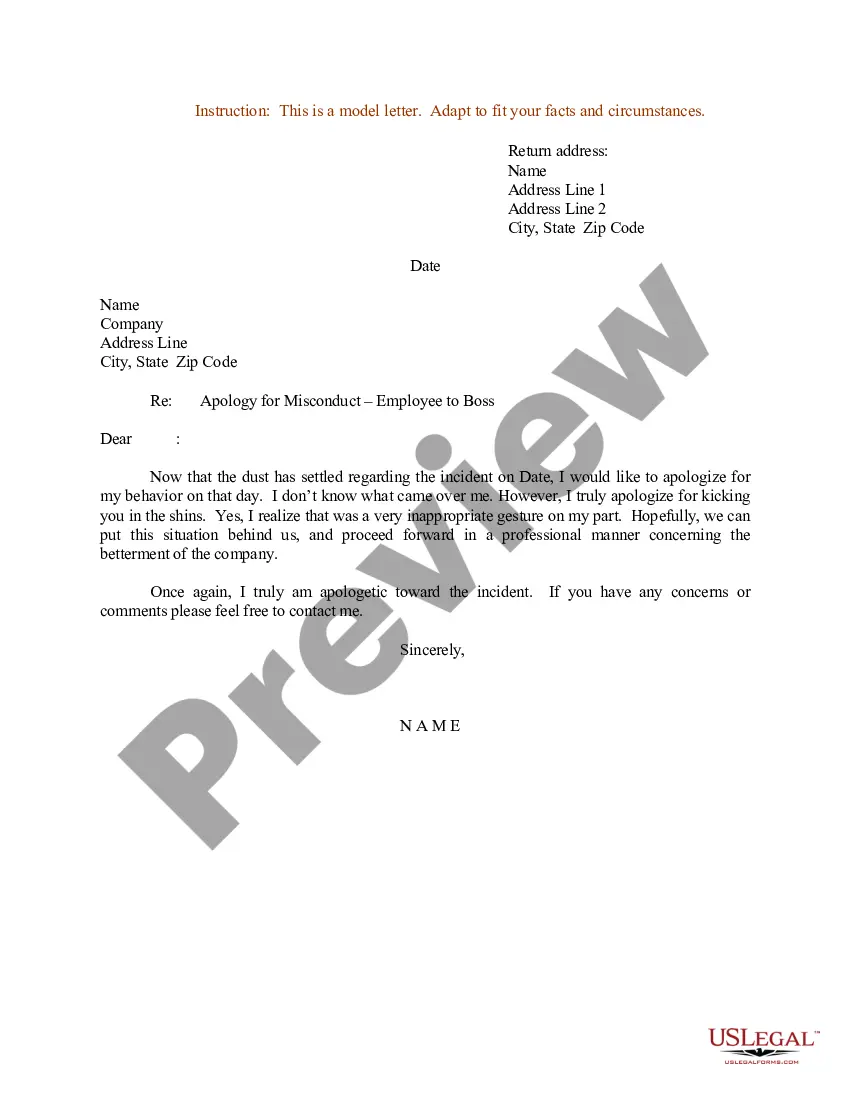
Sample Warning Letter To Employee For Gross Misconduct
Description
Get your form ready online
Our built-in tools help you complete, sign, share, and store your documents in one place.
Make edits, fill in missing information, and update formatting in US Legal Forms—just like you would in MS Word.
Download a copy, print it, send it by email, or mail it via USPS—whatever works best for your next step.
Sign and collect signatures with our SignNow integration. Send to multiple recipients, set reminders, and more. Go Premium to unlock E-Sign.
If this form requires notarization, complete it online through a secure video call—no need to meet a notary in person or wait for an appointment.
We protect your documents and personal data by following strict security and privacy standards.

Make edits, fill in missing information, and update formatting in US Legal Forms—just like you would in MS Word.

Download a copy, print it, send it by email, or mail it via USPS—whatever works best for your next step.

Sign and collect signatures with our SignNow integration. Send to multiple recipients, set reminders, and more. Go Premium to unlock E-Sign.

If this form requires notarization, complete it online through a secure video call—no need to meet a notary in person or wait for an appointment.

We protect your documents and personal data by following strict security and privacy standards.
Looking for another form?




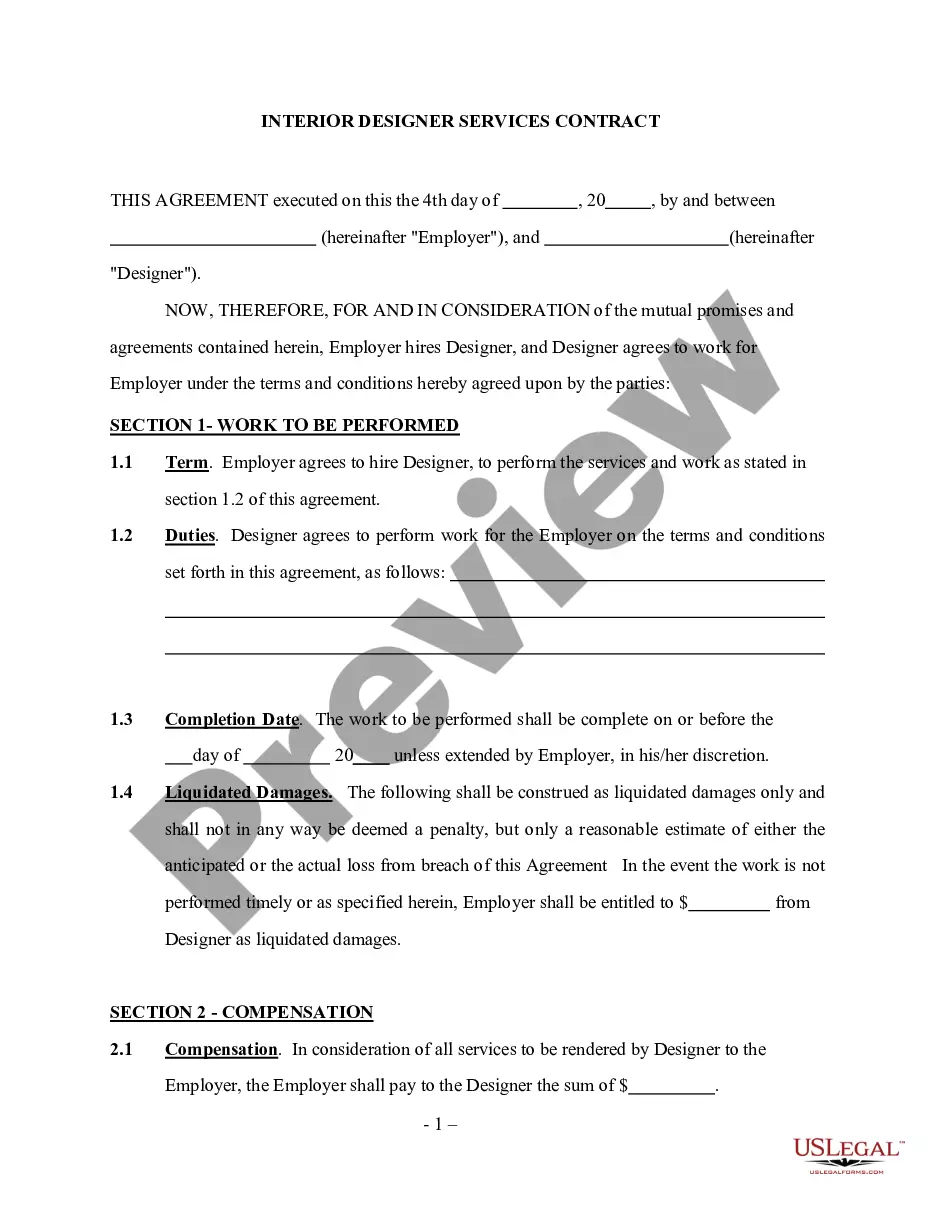



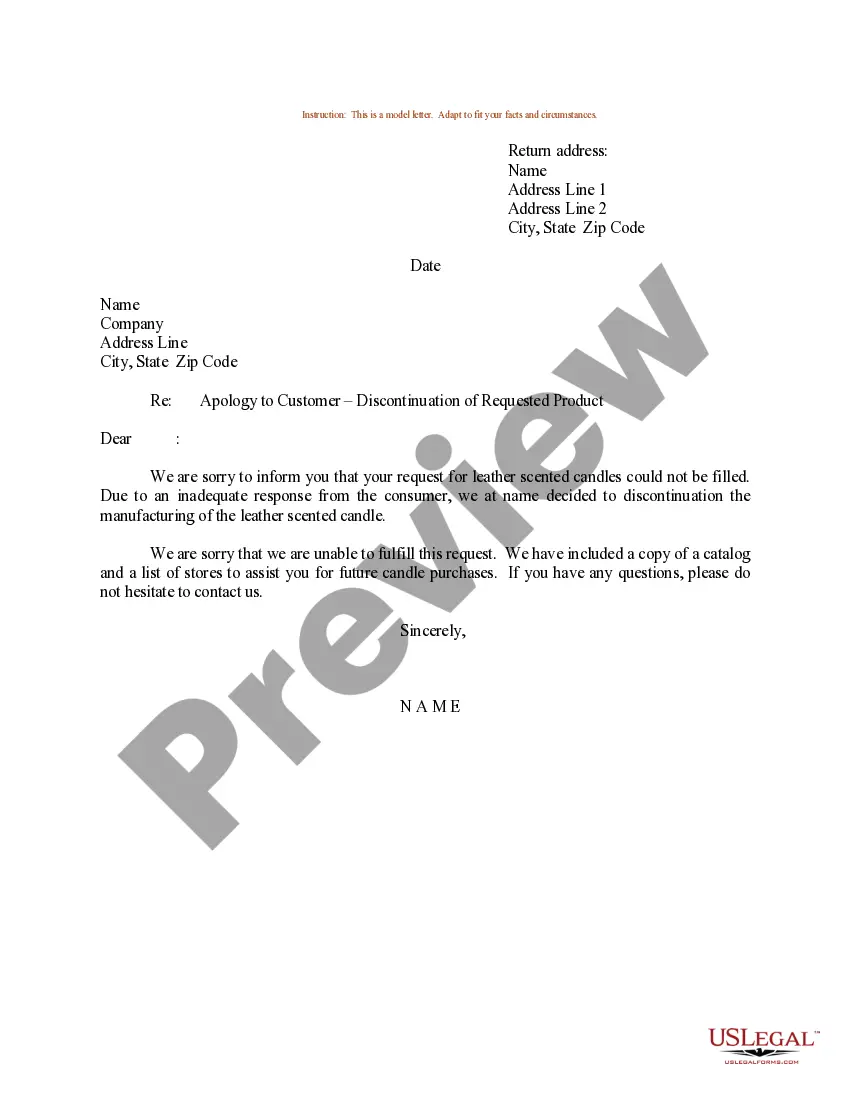
How to fill out Sample Letter For Apology For Misconduct - Employee To Boss?
The Example Warning Notice To Employee For Severe Misconduct you find on this site is a versatile official template crafted by experienced attorneys in compliance with federal and local regulations.
For over 25 years, US Legal Forms has supplied individuals, organizations, and legal professionals with more than 85,000 validated, state-specific documents for any commercial and personal situation. It’s the fastest, simplest, and most reliable method to acquire the documentation you require, as the service ensures the utmost level of data protection and anti-malware safety.
Choose the format you desire for your Example Warning Notice To Employee For Severe Misconduct (PDF, DOCX, RTF) and download the example to your device.
- Search for the document you require and examine it.
- Browse the file you sought and preview it or review the form description to verify it meets your needs. If it doesn’t, utilize the search feature to locate the suitable one. Click Buy Now when you have found the template you need.
- Select and sign up.
- Pick the pricing plan that fits you and set up an account. Use PayPal or a credit card to make a quick payment. If you already possess an account, Log In and check your subscription to continue.
- Obtain the editable template.
Form popularity
FAQ
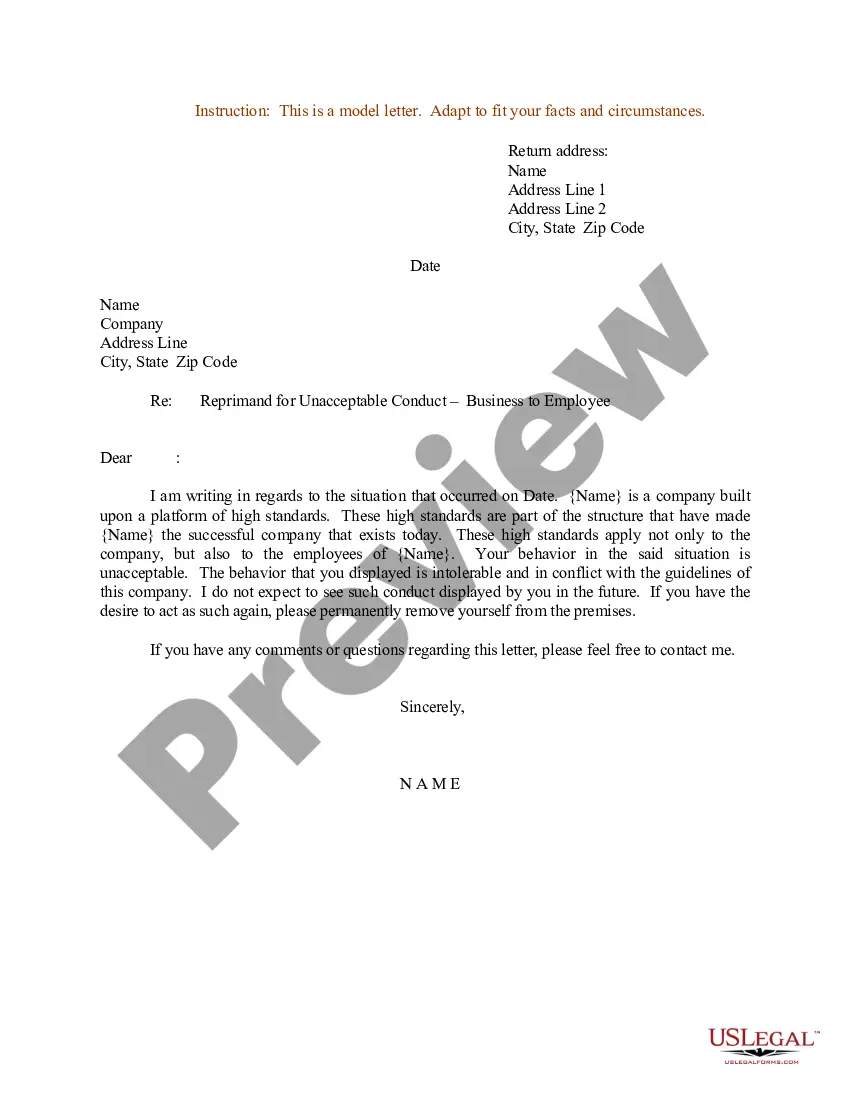
It has come to our notice that you resorted to unprofessional and rude behaviour in the workplace on [DATE]. Further, we have seen such dishonorable practices from you frequently in the last __________ months/weeks. We would like to inform you that this behavior is unacceptable as per our company policy.
How to write a disciplinary letter Address and date the letter. ... State the reason for the letter. ... Include details of the performance issue or misconduct. ... Detail any policies or other rules the employee has broken. ... Stipulate what changes you want to see. ... Explain the next steps in the disciplinary procedure.
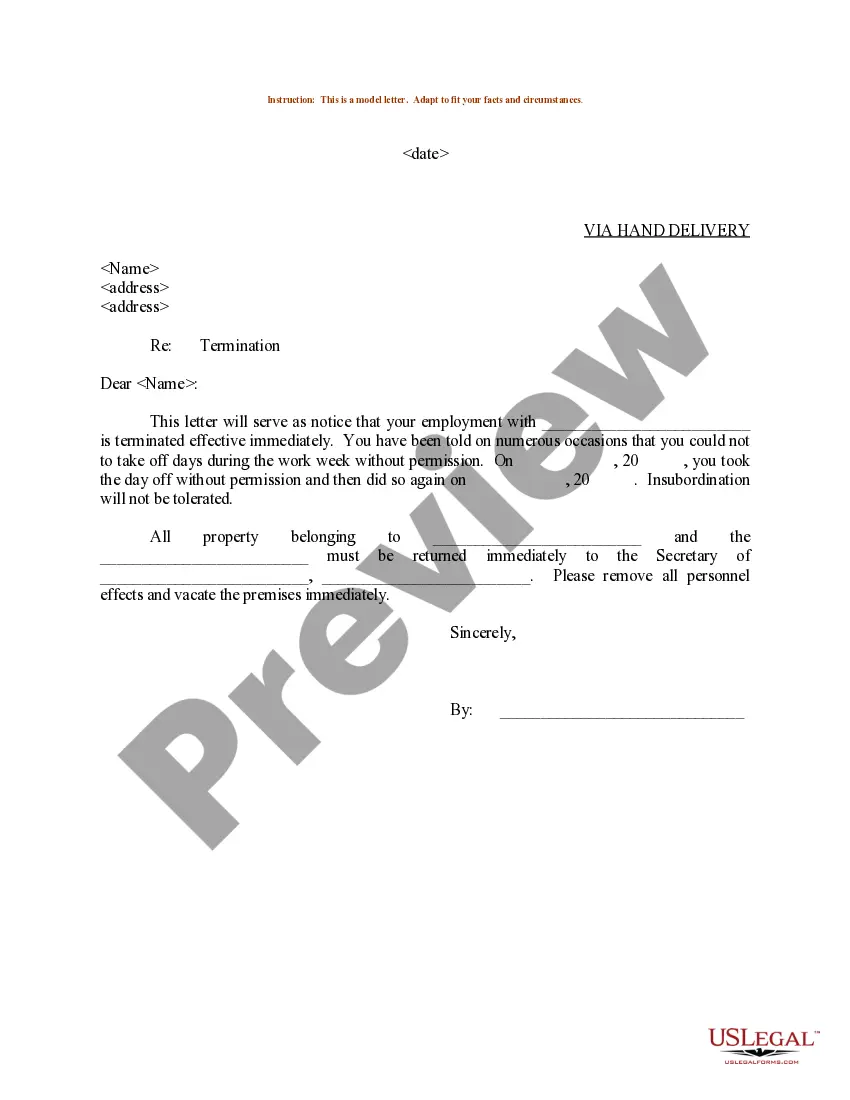
This is your [first / second] warning letter. Your employment may be terminated if your [conduct / behaviour / actions] does not improve sufficiently [or if there is a repeat of the action] by [date that is reasonable in this situation].
The way it should be created is as follows: Mention the date of warning. Write the company name with the name of the person issuing the letter. Include the subject. Write the name of the employees. Mention the details of the violation. Reasons why the situation is considered as violating the company policies.
Address your write-up to the employee and provide a record of their behavior up to this point. Use specific examples with times and dates. Above all else, stick to the facts. Stay objective, and only speak to what happened and when.