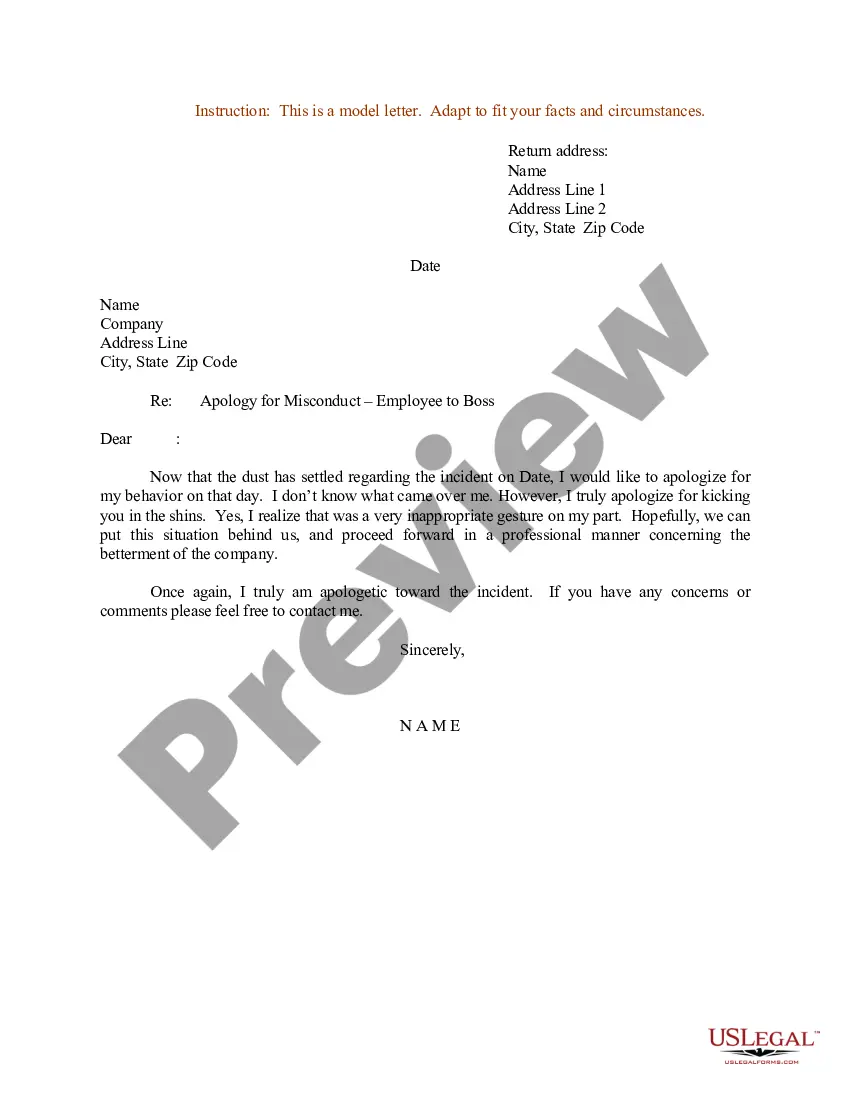
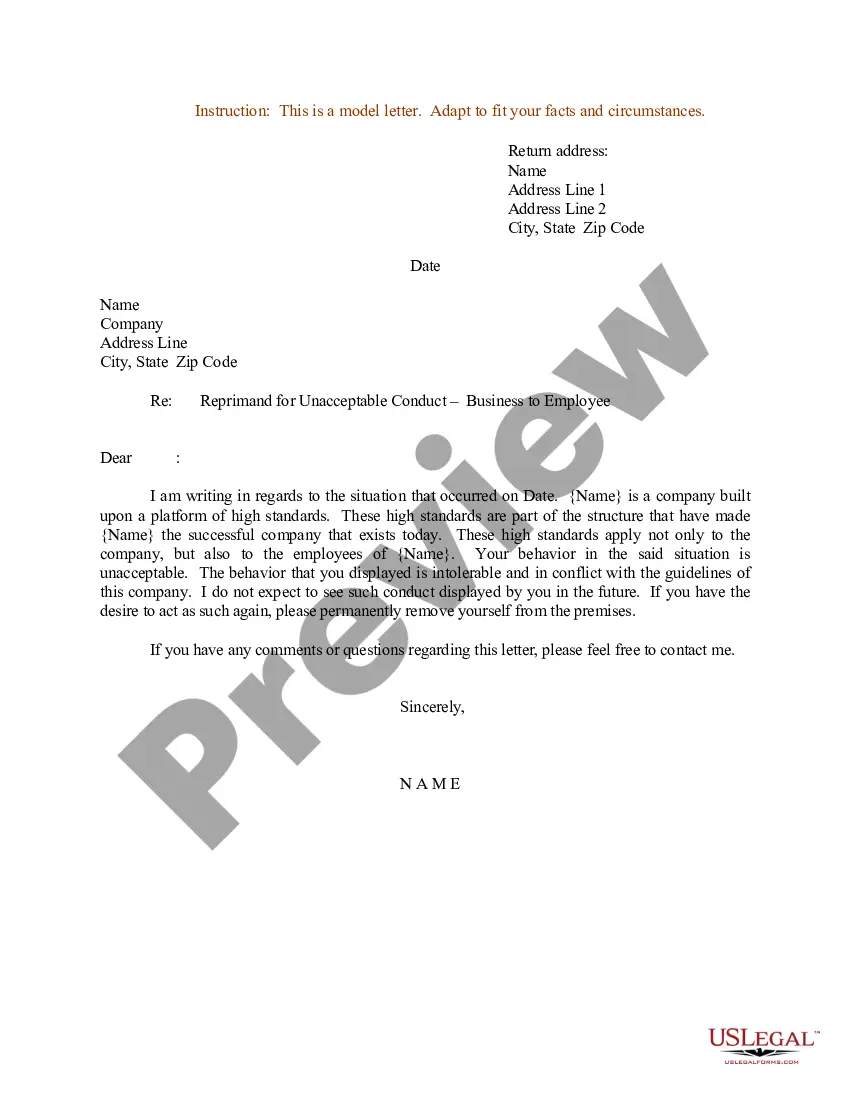
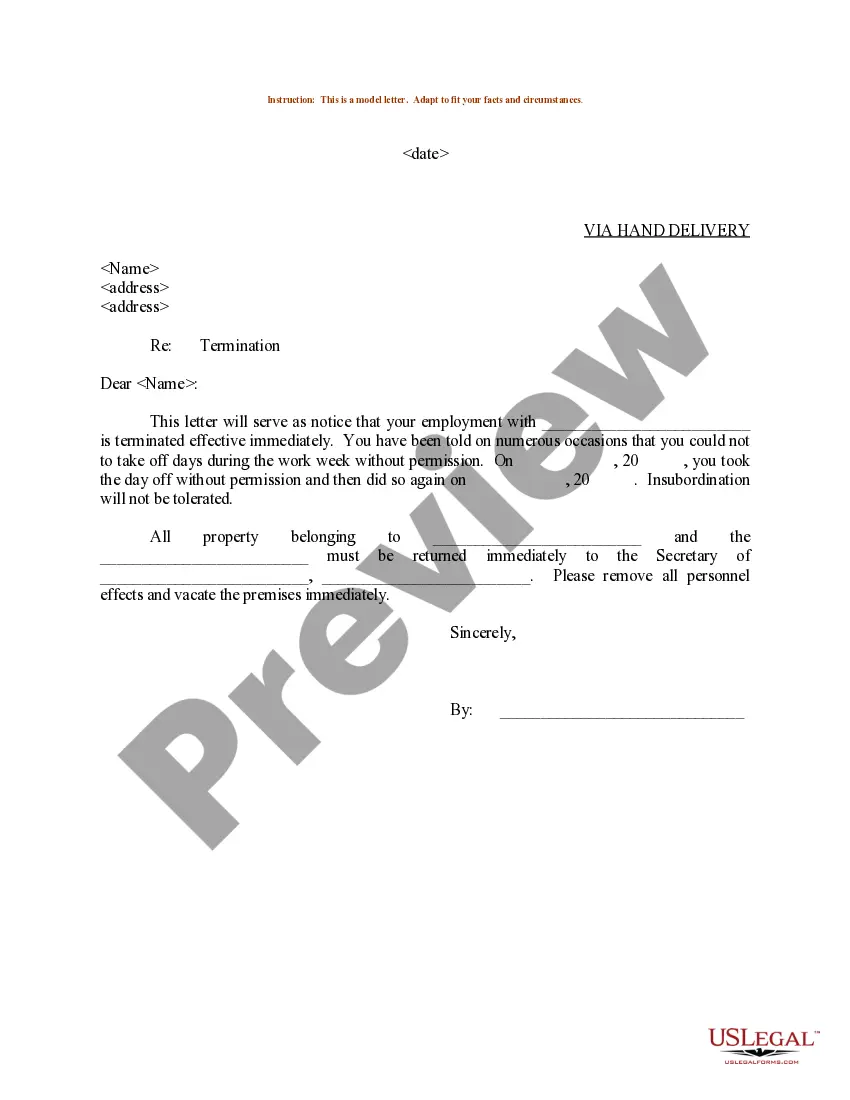
Apology Letter For Professional Situations
Description
Get your form ready online
Our built-in tools help you complete, sign, share, and store your documents in one place.
Make edits, fill in missing information, and update formatting in US Legal Forms—just like you would in MS Word.
Download a copy, print it, send it by email, or mail it via USPS—whatever works best for your next step.
Sign and collect signatures with our SignNow integration. Send to multiple recipients, set reminders, and more. Go Premium to unlock E-Sign.
If this form requires notarization, complete it online through a secure video call—no need to meet a notary in person or wait for an appointment.
We protect your documents and personal data by following strict security and privacy standards.

Make edits, fill in missing information, and update formatting in US Legal Forms—just like you would in MS Word.

Download a copy, print it, send it by email, or mail it via USPS—whatever works best for your next step.

Sign and collect signatures with our SignNow integration. Send to multiple recipients, set reminders, and more. Go Premium to unlock E-Sign.

If this form requires notarization, complete it online through a secure video call—no need to meet a notary in person or wait for an appointment.

We protect your documents and personal data by following strict security and privacy standards.
Looking for another form?
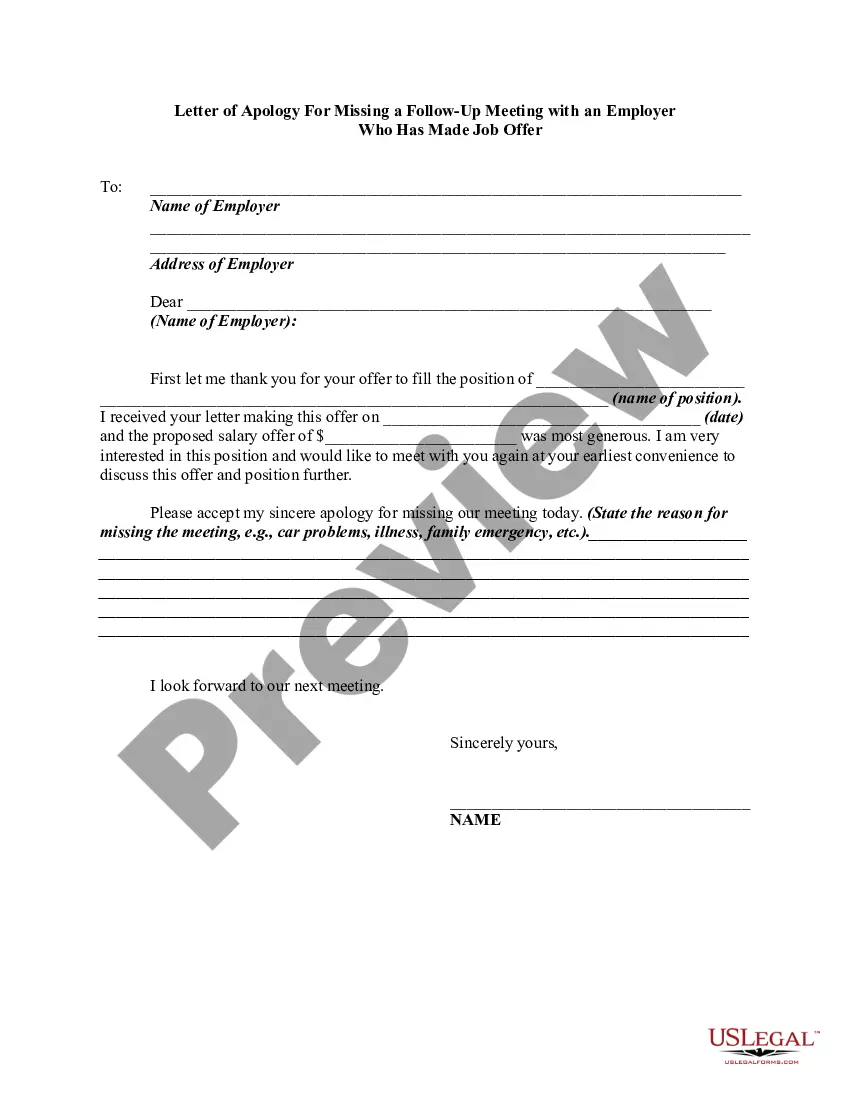

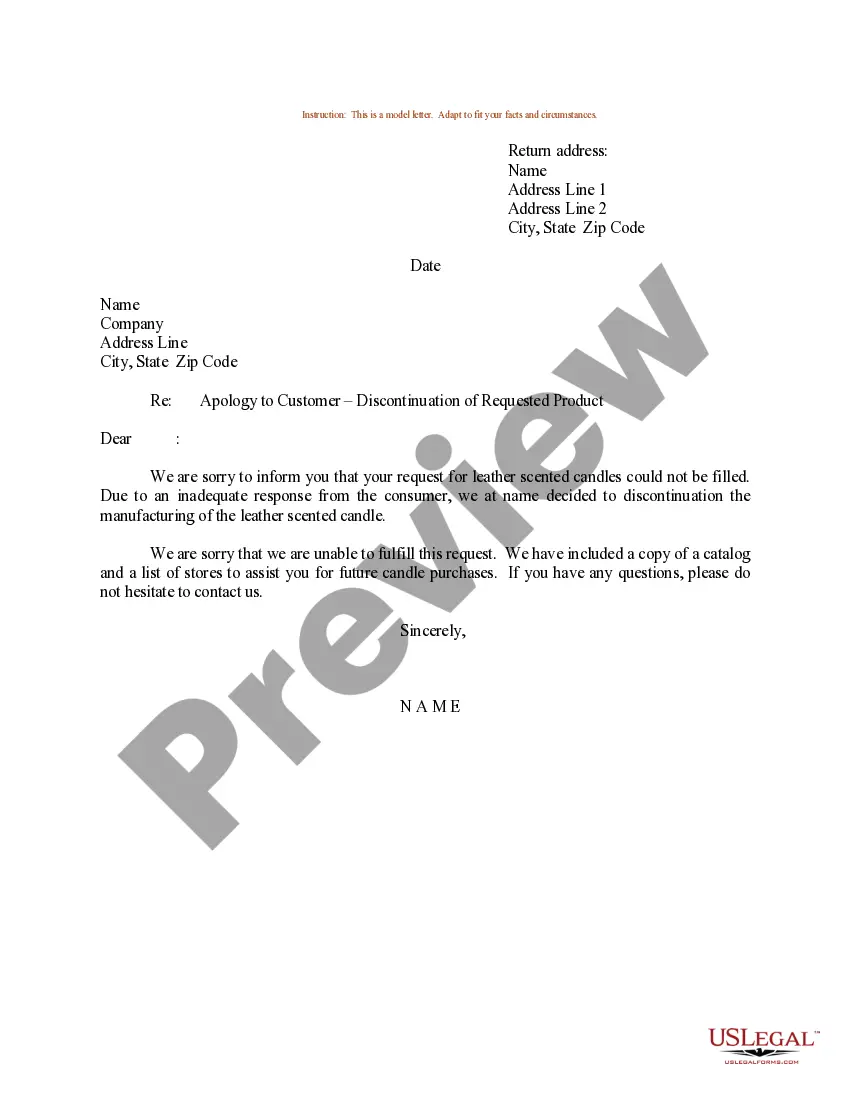
How to fill out Sample Letter For Apology For Misconduct - Employee To Boss?
- Log into your existing US Legal Forms account if you're a returning user, and select the appropriate apology letter template.
- For first-time users, begin by exploring the extensive library of over 85,000 legal forms and packages to find your required document.
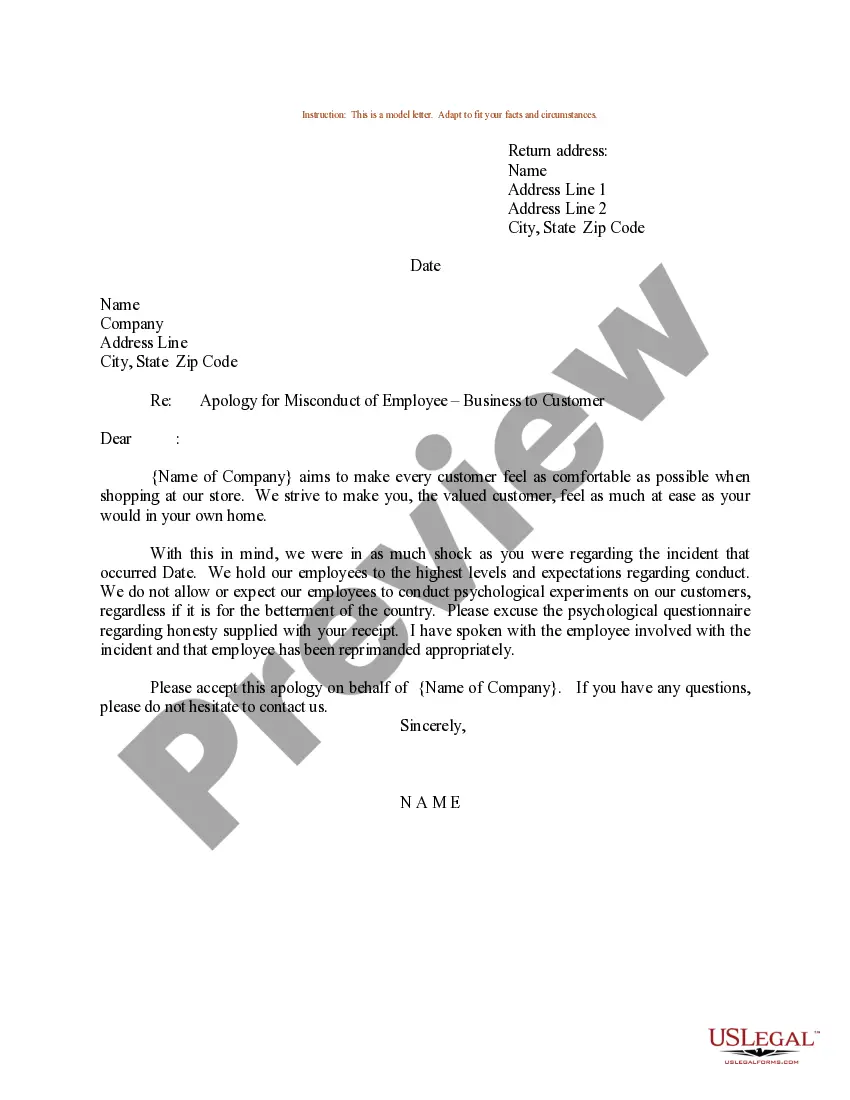
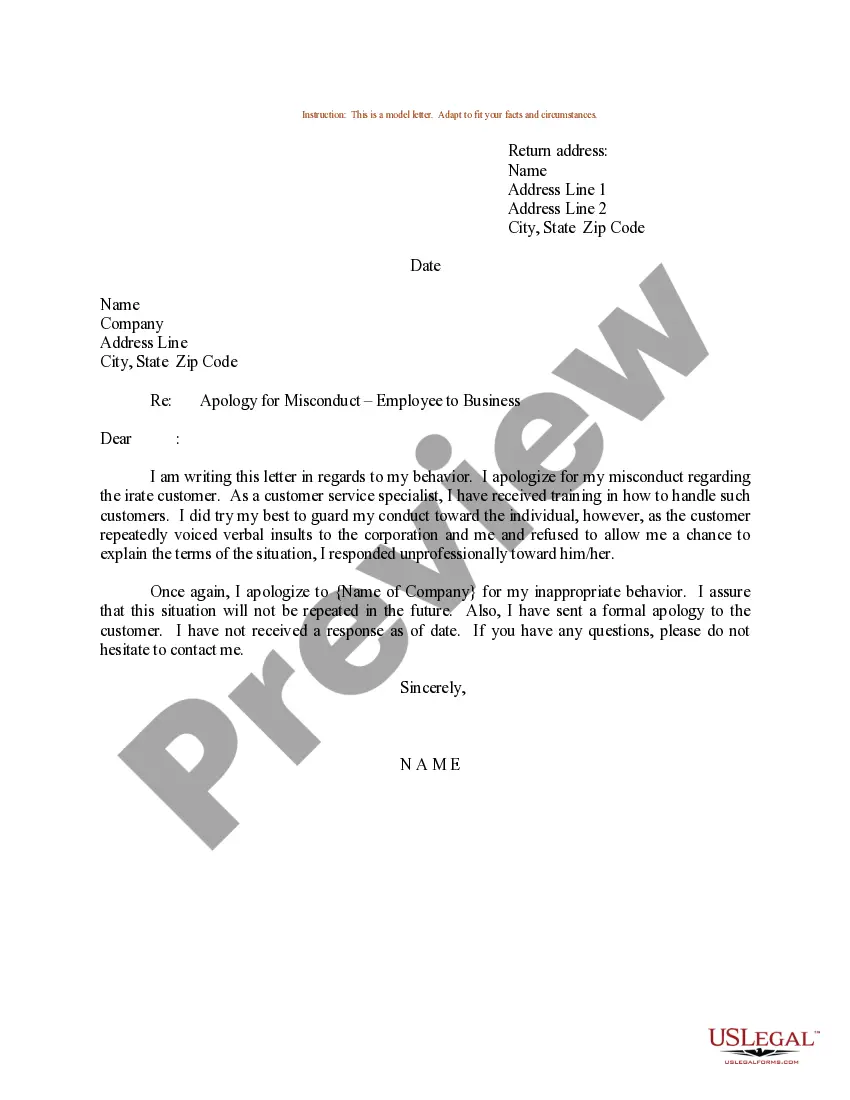
- Preview the template to verify it meets your specific needs and adheres to local jurisdiction regulations.
- Should you require a different template, utilize the Search tab for additional options that align with your requirements.
- Once you’ve selected the desired document, click the Buy Now button to choose your preferred subscription plan.
- Complete your purchase by entering your payment details or opting for payment via PayPal.
- Download your finalized form to your device, and easily access it later in the My Forms section of your profile.
Following these steps ensures you won't just have a suitable apology letter, but also the confidence that it complies with legal standards.
Utilize US Legal Forms today for all your document needs and ensure the finest professional outcomes. Start your journey now!
Form popularity
FAQ
When asking for an apology professionally, you might say, 'I would like to express my sincerest apologies for the misunderstanding.' This approach opens the door for dialogue, allowing you to clarify any issues and work towards a positive resolution. Always maintain a respectful tone to foster effective communication.
To apologize without admitting responsibility, emphasize understanding and regret for how the situation affected others. For example, say, 'I regret any inconvenience this situation has caused.’ This technique keeps the focus on resolution and demonstrates your commitment to professionalism without taking on undue responsibility.
You can apologize professionally without admitting fault by expressing regret for the situation. Phrasing like, 'I regret that we are in this position,' allows you to convey sorrow without accepting blame. This approach can help preserve your professional image while maintaining good relationships with colleagues.
To write a professional apology letter, begin with a clear subject line and a respectful greeting. Then, state your regret clearly, explain the context briefly, and outline your commitment to making it right. It’s essential to maintain a formal tone throughout and ensure the letter remains concise, focusing on the apology itself.
You can apologize without admitting fault by focusing on the feelings of those affected rather than your own actions. A good approach is to say, 'I understand how this situation may have caused stress.' This way, you show empathy and keep the emphasis on resolving the issue while avoiding assigning personal blame.
When you need to apologize in a professional context, focus on expressing regret for the situation rather than taking blame. Use a statement like, 'I regret that this situation occurred.' This keeps the tone professional and shows your willingness to resolve issues, which can enhance relationships and maintain a positive work environment.
When you want to express an apology in a professional setting, be direct and sincere. Clearly articulate your feelings while focusing on the situation rather than personal emotions. Utilize an apology letter for professional situations to convey your message in writing, which can help in maintaining professionalism and clarity. This method reinforces your commitment to improving the relationship moving forward.
To apologize in a respectful manner, begin by acknowledging the mistake you made. Clearly state what you did wrong and express genuine regret for any negative impact it may have caused. Consider using an apology letter for professional situations, as it provides a structured way to communicate your thoughts effectively. This approach shows that you take responsibility and value the relationship.
When crafting a legal apology letter, it is essential to be precise and thorough in your wording. Clearly state the reason for the apology and the context surrounding the situation. Ensure that you avoid any ambiguities that could lead to further misunderstandings. If you need a structured approach, consider using resources from US Legal Forms, where you can find templates tailored for legal apology letters in professional situations.
Writing a professional apology letter involves maintaining a respectful tone throughout the message. Begin by addressing the recipient and stating your apology clearly. Focus on the situation without making excuses and highlight your commitment to resolving the issue. A well-crafted apology letter for professional situations should reflect sincerity and a genuine desire to mend the relationship.