Letter Intent Real Estate With Purchase
Description
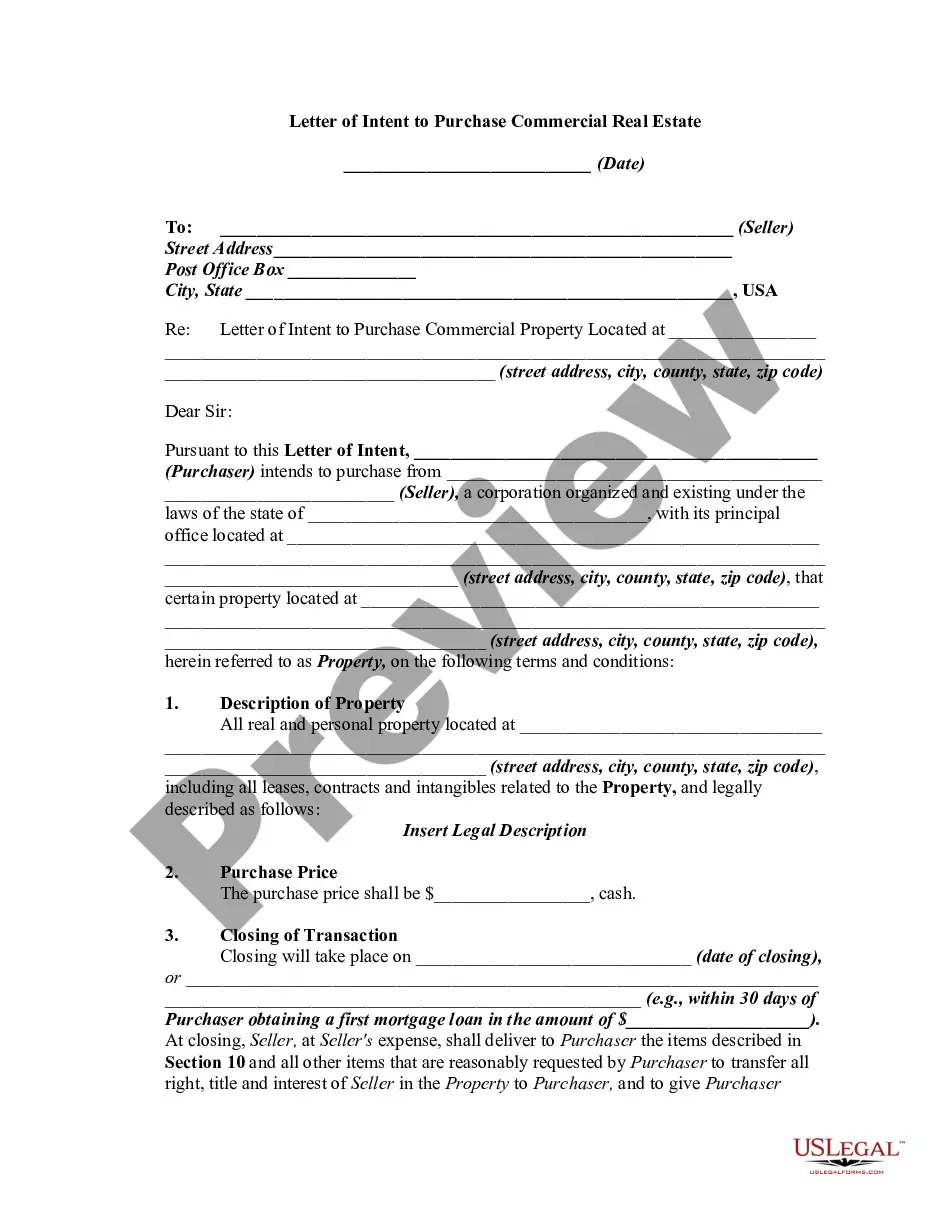
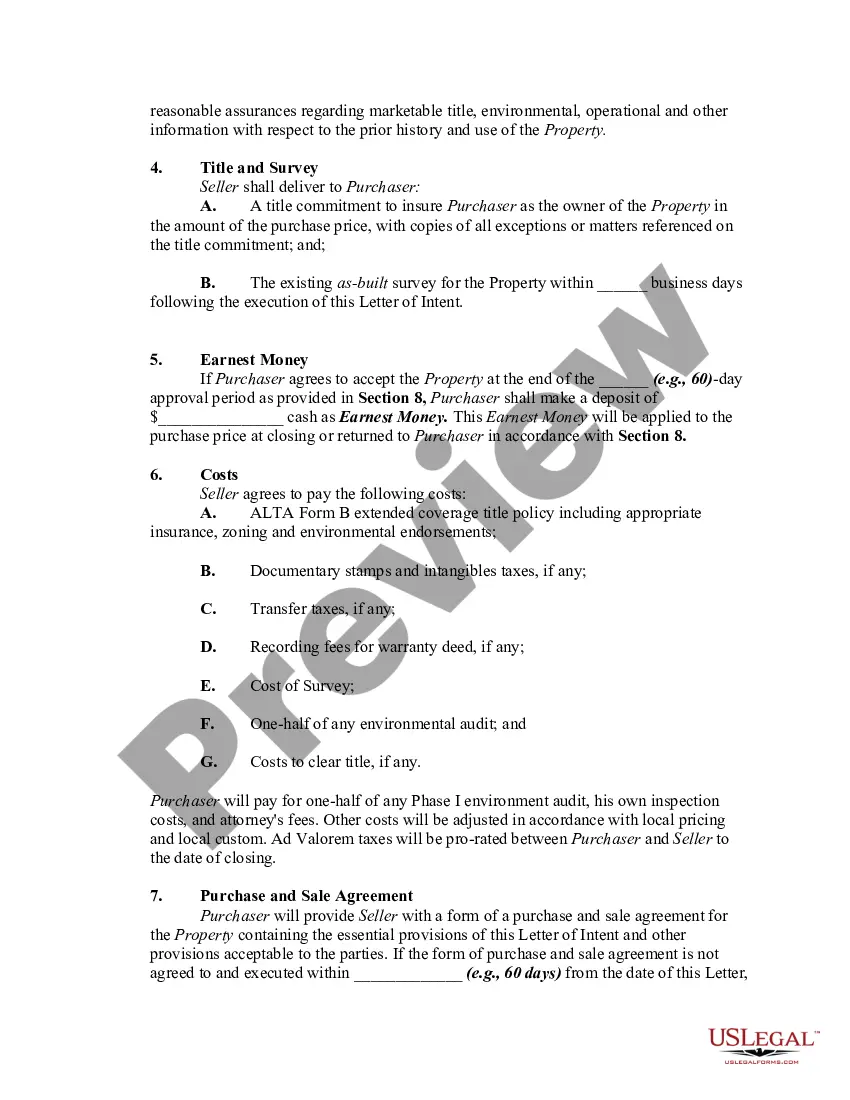
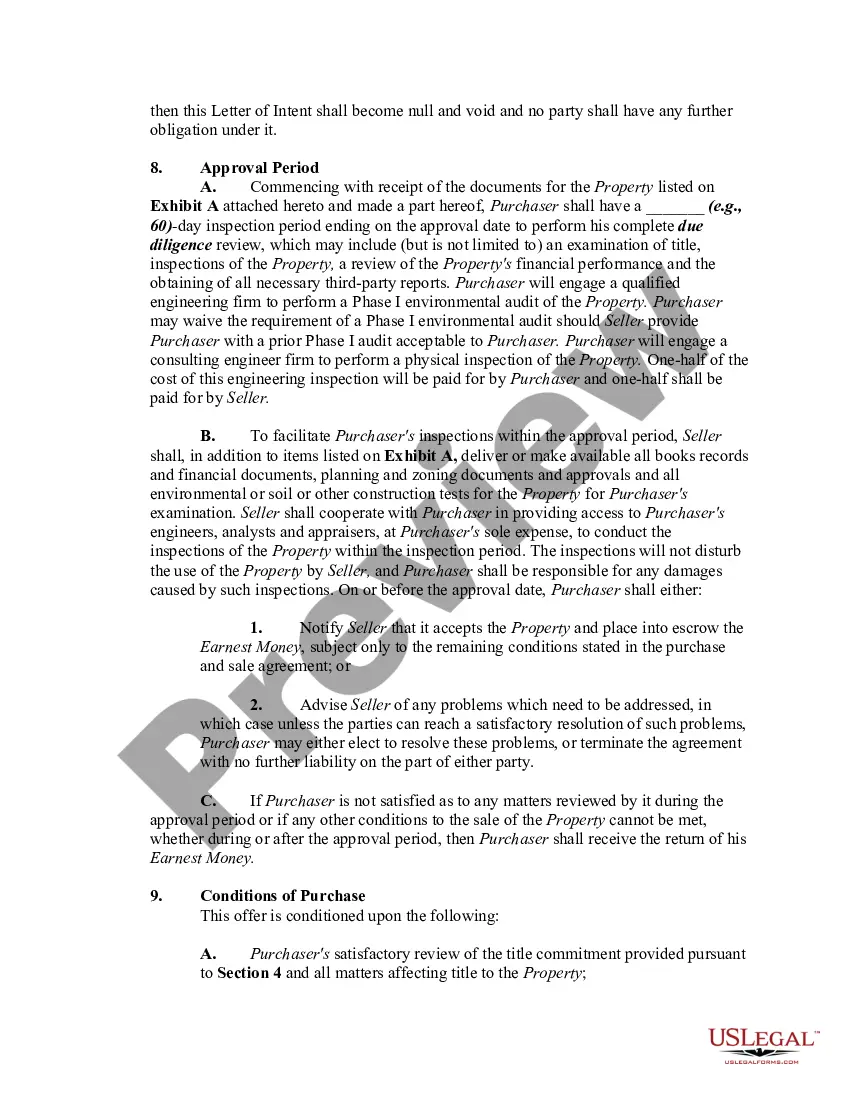
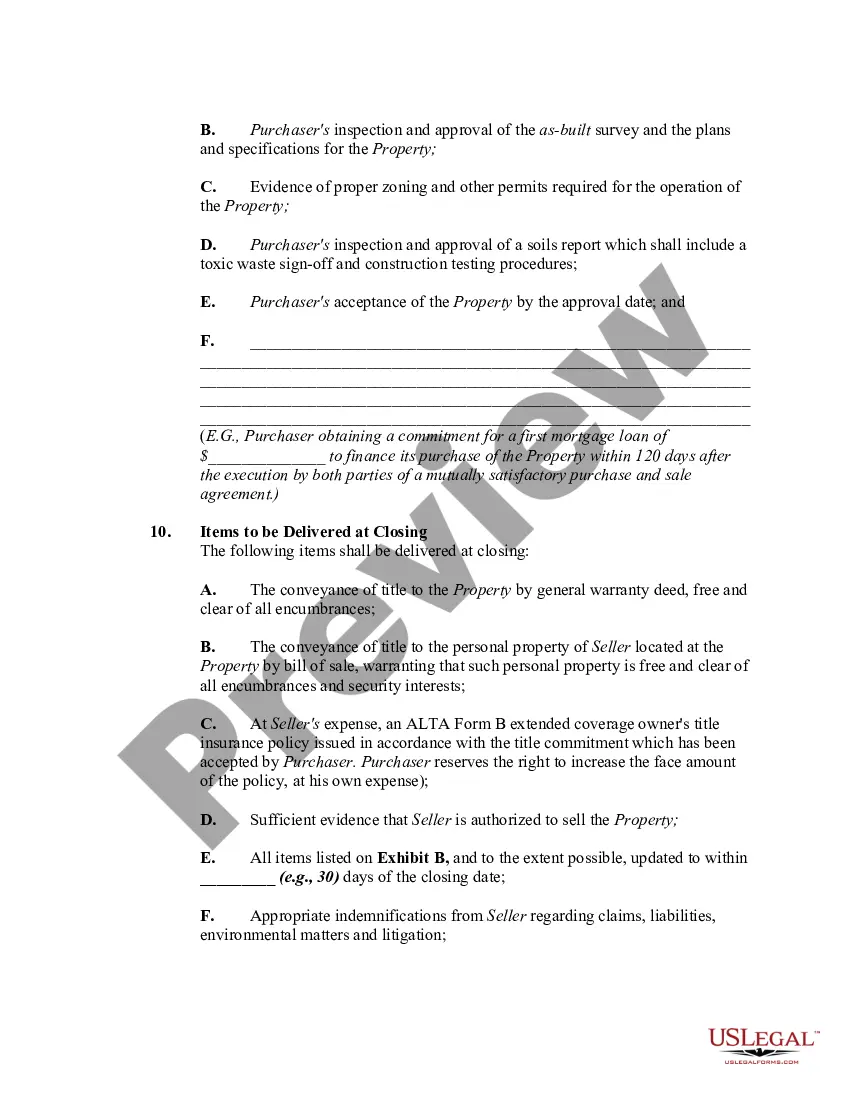
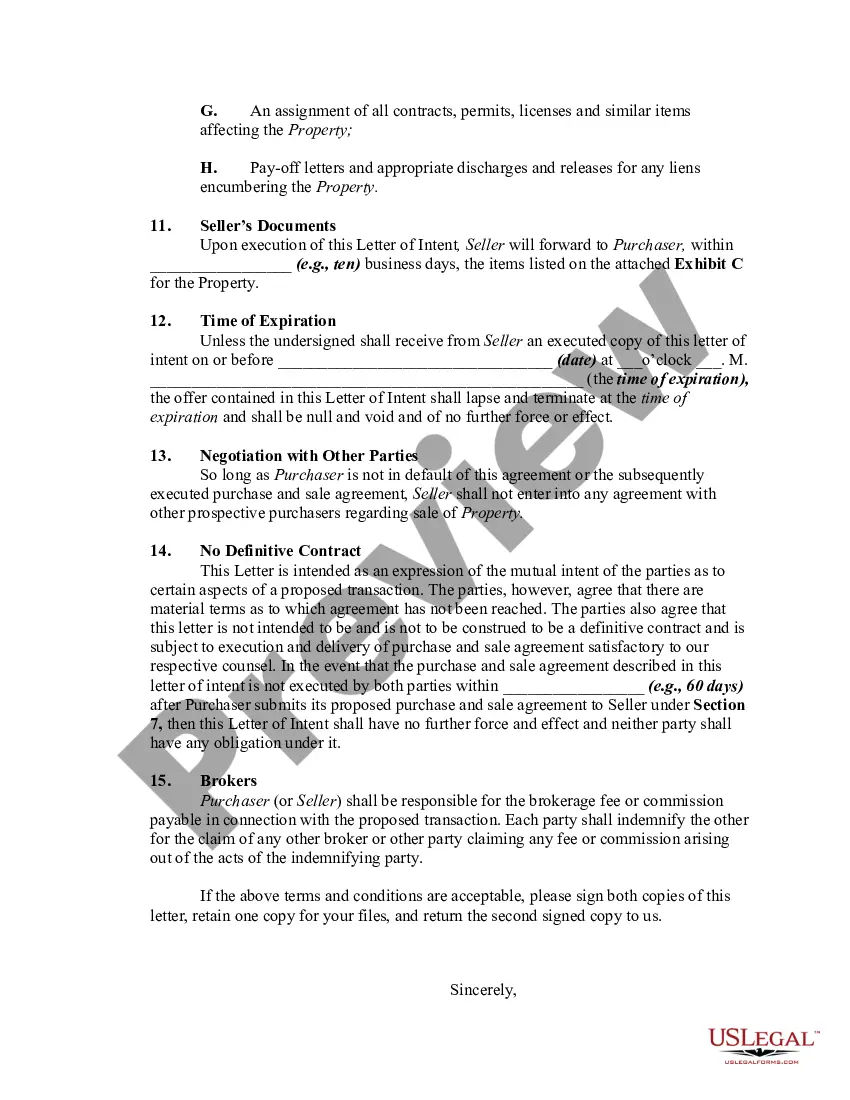
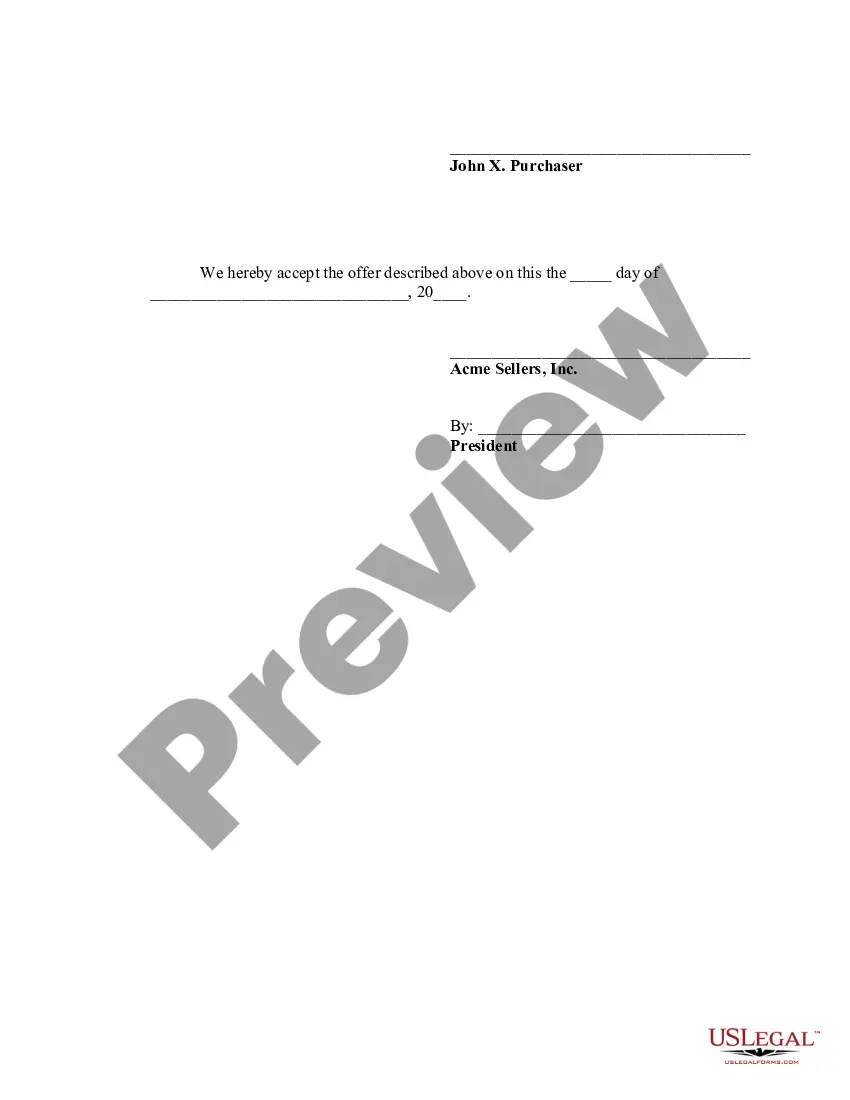
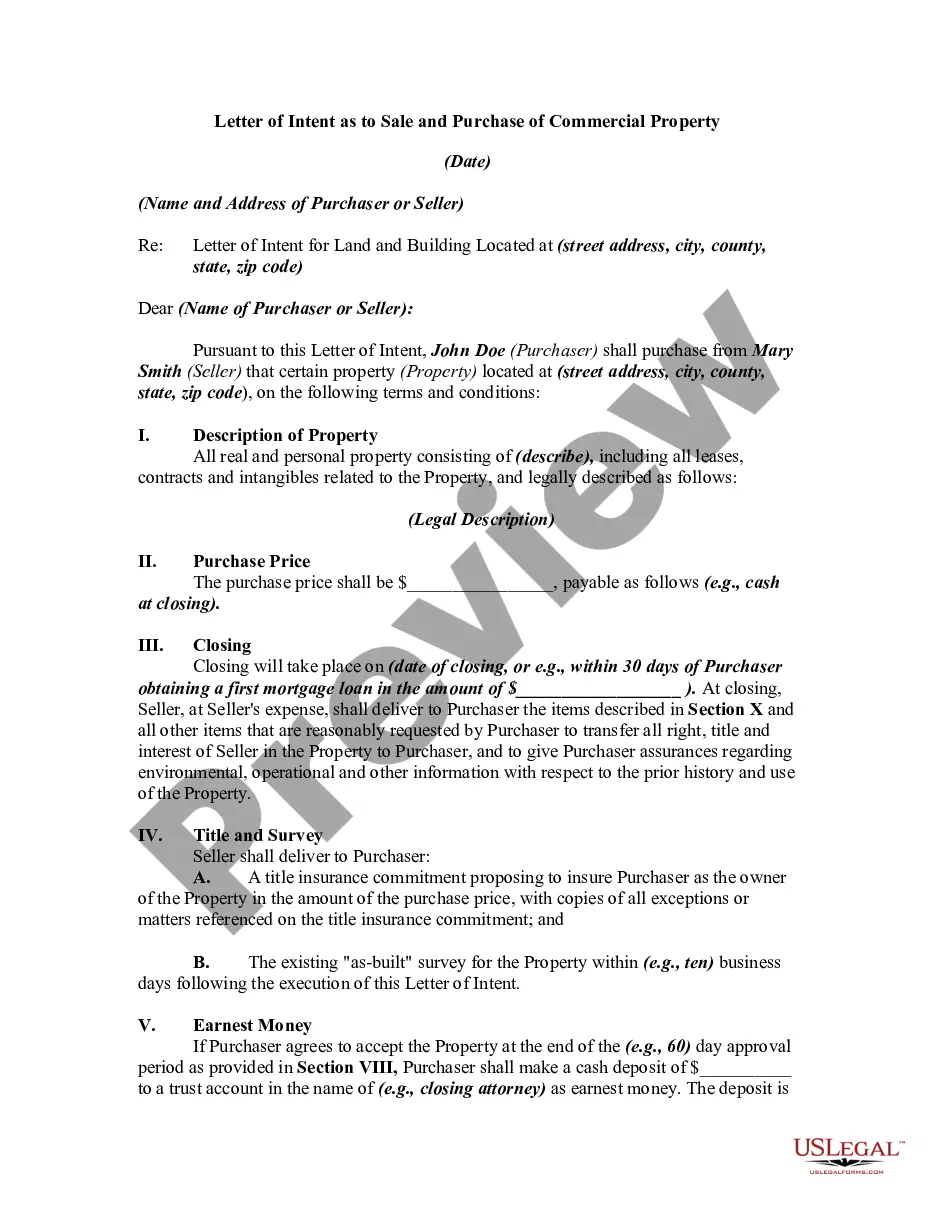
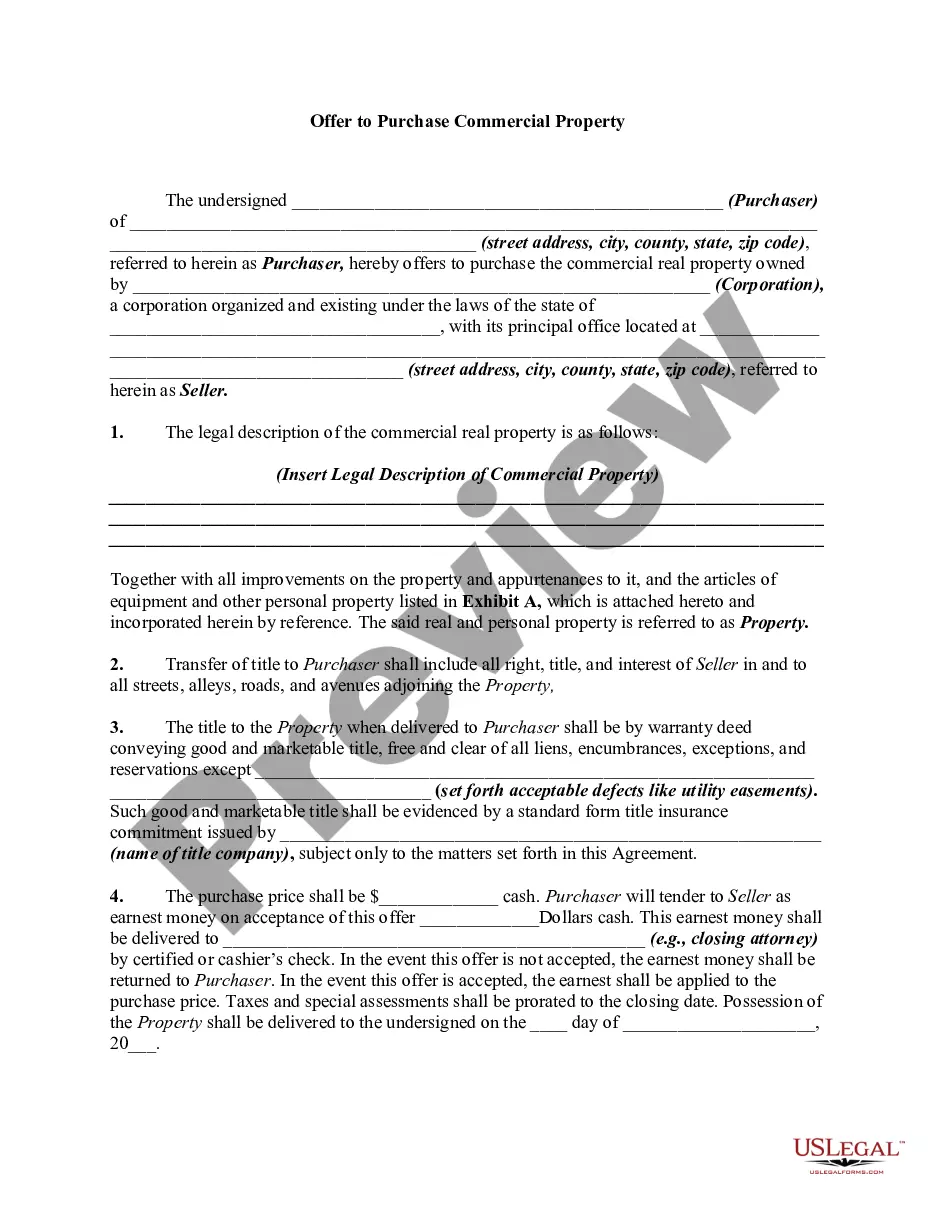
Get your form ready online
Our built-in tools help you complete, sign, share, and store your documents in one place.
Make edits, fill in missing information, and update formatting in US Legal Forms—just like you would in MS Word.
Download a copy, print it, send it by email, or mail it via USPS—whatever works best for your next step.
Sign and collect signatures with our SignNow integration. Send to multiple recipients, set reminders, and more. Go Premium to unlock E-Sign.
If this form requires notarization, complete it online through a secure video call—no need to meet a notary in person or wait for an appointment.
We protect your documents and personal data by following strict security and privacy standards.

Make edits, fill in missing information, and update formatting in US Legal Forms—just like you would in MS Word.

Download a copy, print it, send it by email, or mail it via USPS—whatever works best for your next step.

Sign and collect signatures with our SignNow integration. Send to multiple recipients, set reminders, and more. Go Premium to unlock E-Sign.

If this form requires notarization, complete it online through a secure video call—no need to meet a notary in person or wait for an appointment.

We protect your documents and personal data by following strict security and privacy standards.
Looking for another form?
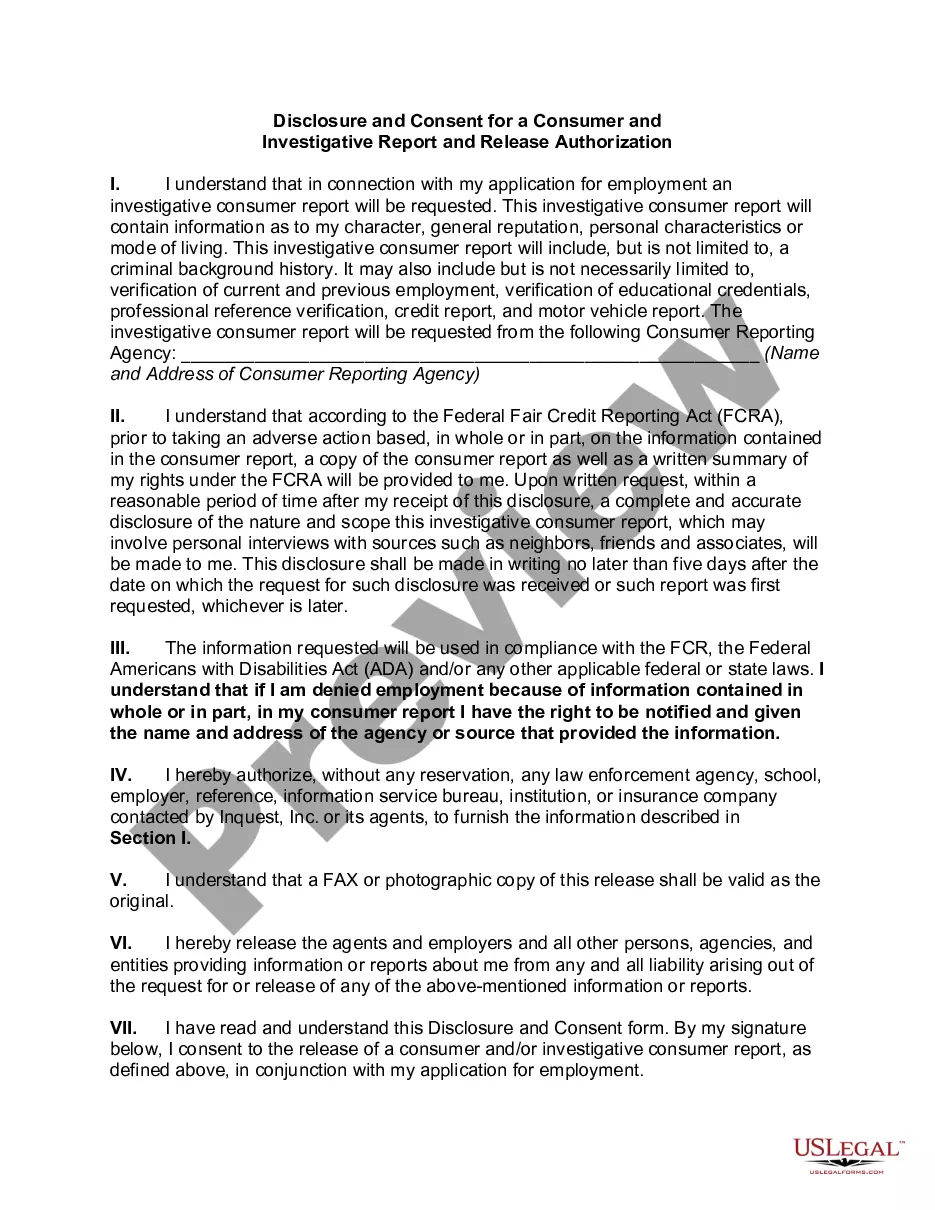








How to fill out Letter Of Intent To Purchase Commercial Real Estate?
Managing legal documents and processes may be a lengthy addition to your entire day.
Letters of Intent for Real Estate with Purchase, along with similar forms, usually require you to locate them and figure out the best approach to fill them out correctly.
Consequently, if you are handling financial, legal, or personal concerns, utilizing a comprehensive and useful online directory of forms readily available will greatly assist.
US Legal Forms is the leading online service for legal templates, offering over 85,000 state-specific documents and a variety of tools to help you complete your paperwork swiftly.
Simply Log In to your account, search for Letters of Intent Real Estate with Purchase, and obtain it instantly from the My documents section. You may also access previously saved forms.
- Browse the selection of relevant documents available with just a single click.
- US Legal Forms provides you with state- and county-specific forms that can be downloaded at any time.
- Protect your document management processes by utilizing a premium service that enables you to create any form within minutes without additional or concealed charges.
Form popularity
FAQ
Do Pennsylvania wills need to be notarized? Notarizing a will is not required in Pennsylvania ? but if you want to make the will self-proved with an affidavit, then it must be notarized.
4 essential estate planning documents A will distributes assets upon death. A power of attorney manages finances. Advance care directives manage your health. A living trust is an alternative to a last will.
If you are unable to receive a referral to a pro bono attorney to assist you in writing your will, you may be able to legally write one yourself. It is legal to handwrite a will in Pennsylvania. You should include two witness signatures in the written will, as well as your own signature and date.
Writing a Valid Will in Pennsylvania Be 18 years or older and of sound mind. Create the will on paper. It can be typed or hand-written (aka a holographic will). ... Sign the will. However, there is no legal requirement for the will to be witnessed when signed to be considered valid.
The Probate Process in Pennsylvania Inheritance Laws Essentially any estate worth more than $50,000, not including real property like land or a home and other final expenses, must go through the probate court process under Pennsylvania inheritance laws.
What Are the Three Conditions to Make a Will Valid? The testator, or person making the will, must be at least 18 years old and of sound mind. The will must be in writing, signed by the testator or by someone else at the testator's direction and in their presence. ... The will must be notarized.
To make your will self-proving, you sign your will in the presence of two witnesses. Then, in a notary's presence, the three of you sign affidavits that state who you are and that you signed your will in the presence of the witnesses. The notary then notarizes your signatures and you attach the affidavits to your will.
Pennsylvania law only allows you to contest a will on certain grounds including fraud, improper execution and forgery. Fraud includes allegations that the person who was signing the will or someone else did not realize the what was in the will when they signed it.