Accepting An Offer
Description
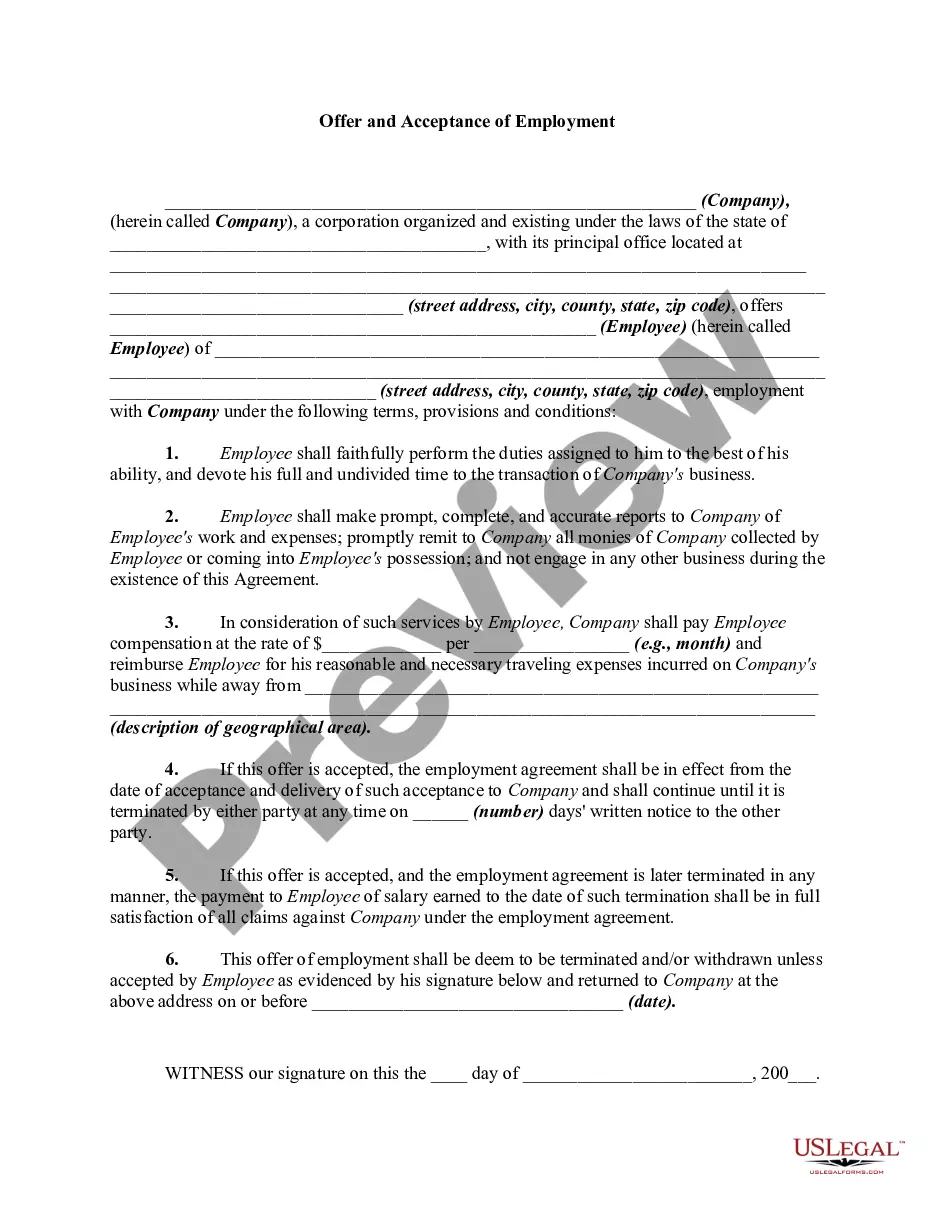
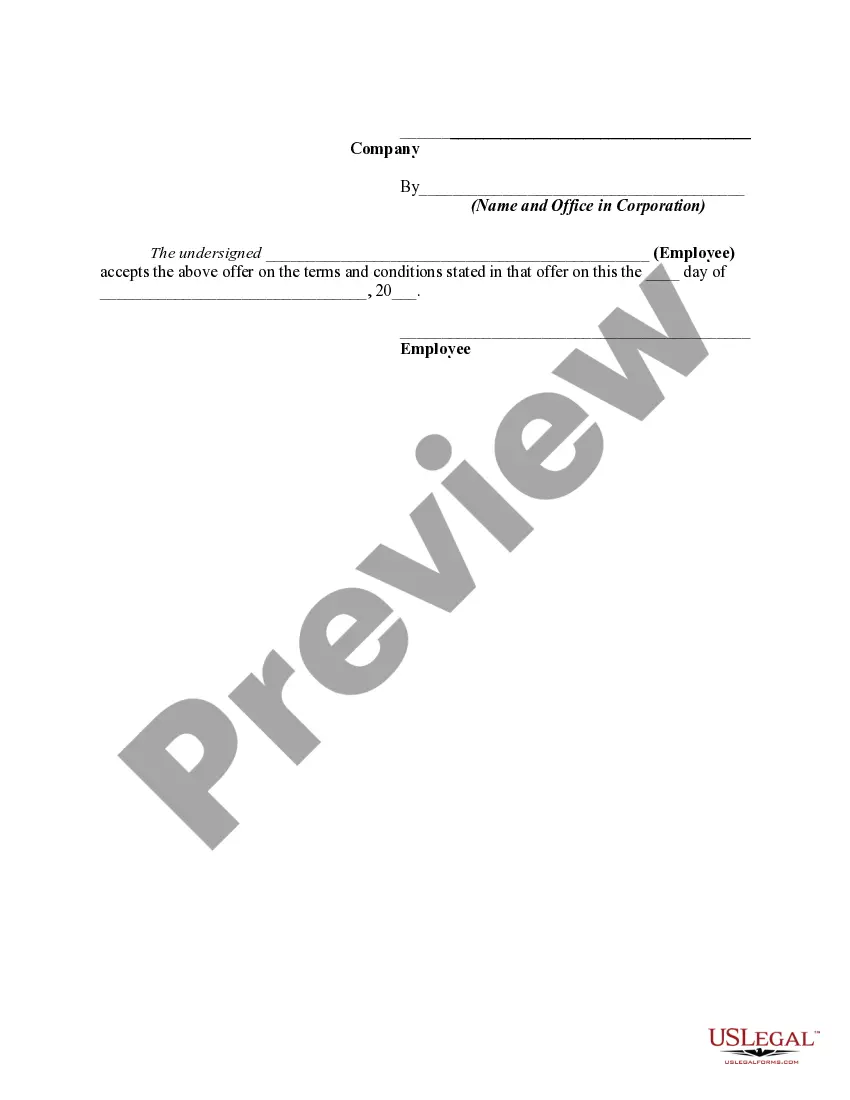
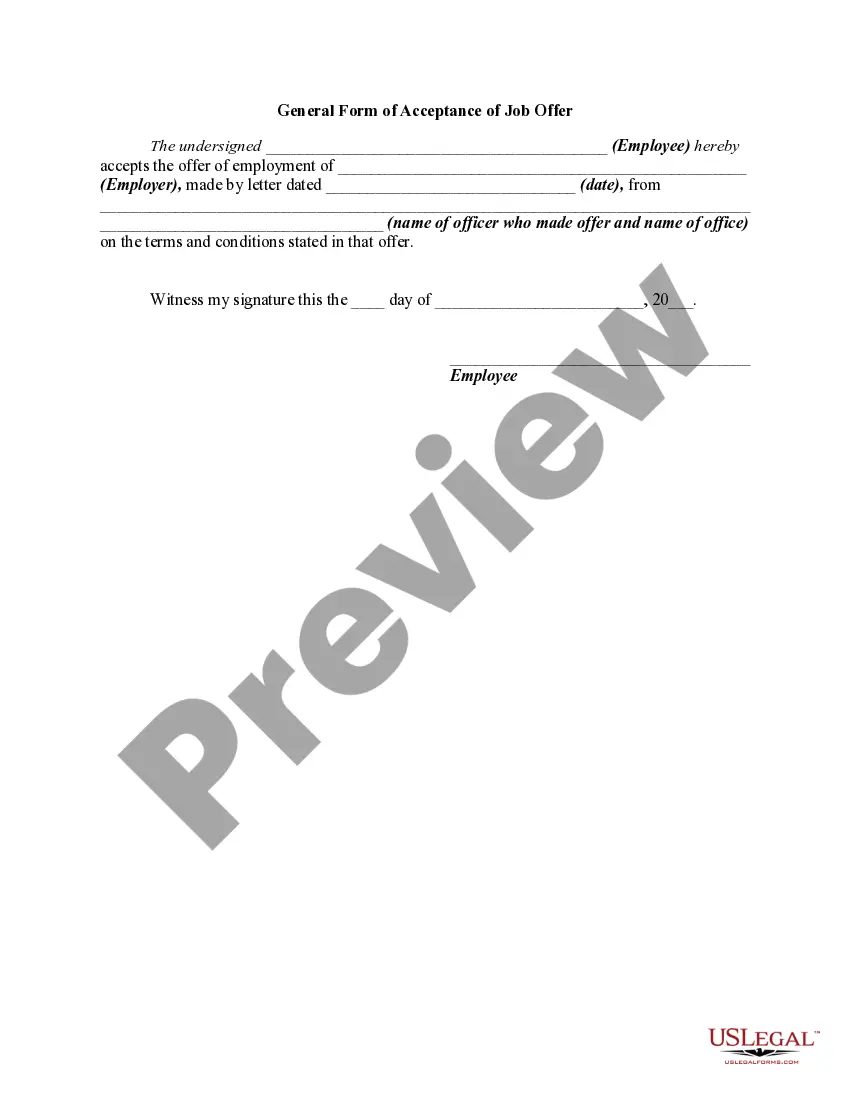
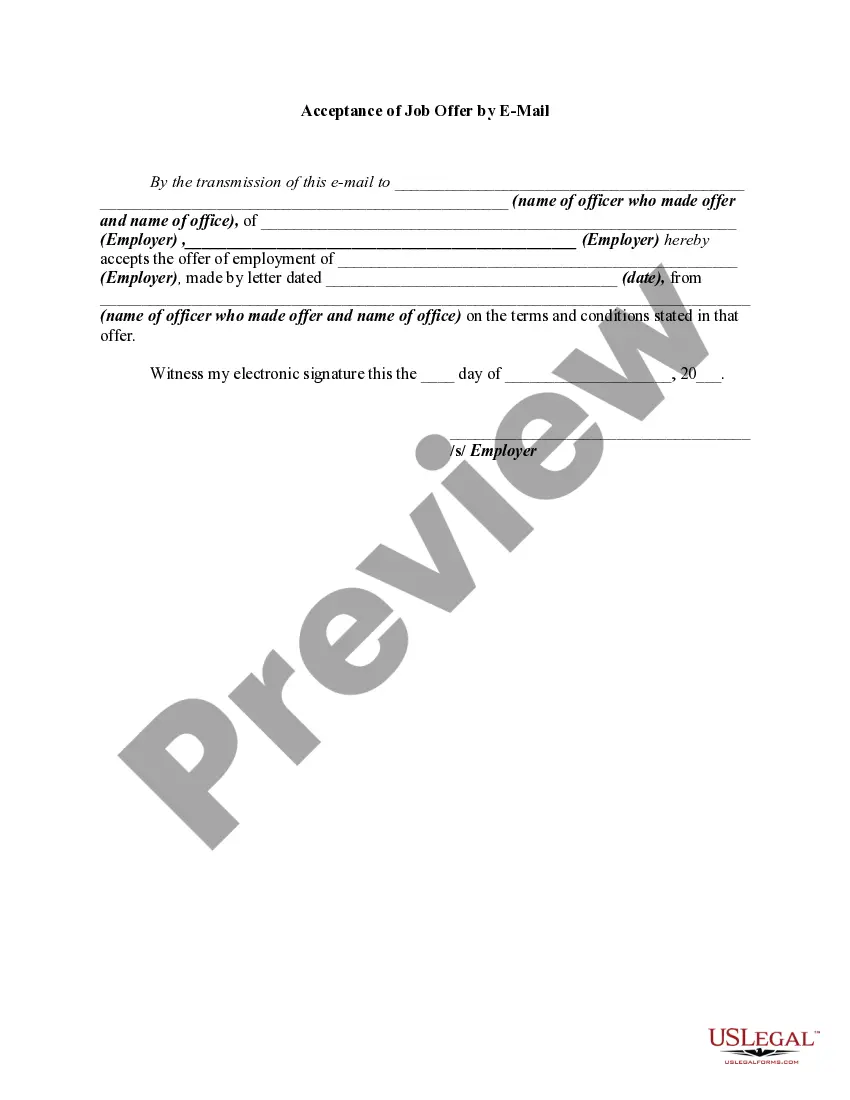
Get your form ready online
Our built-in tools help you complete, sign, share, and store your documents in one place.
Make edits, fill in missing information, and update formatting in US Legal Forms—just like you would in MS Word.
Download a copy, print it, send it by email, or mail it via USPS—whatever works best for your next step.
Sign and collect signatures with our SignNow integration. Send to multiple recipients, set reminders, and more. Go Premium to unlock E-Sign.
If this form requires notarization, complete it online through a secure video call—no need to meet a notary in person or wait for an appointment.
We protect your documents and personal data by following strict security and privacy standards.

Make edits, fill in missing information, and update formatting in US Legal Forms—just like you would in MS Word.

Download a copy, print it, send it by email, or mail it via USPS—whatever works best for your next step.

Sign and collect signatures with our SignNow integration. Send to multiple recipients, set reminders, and more. Go Premium to unlock E-Sign.

If this form requires notarization, complete it online through a secure video call—no need to meet a notary in person or wait for an appointment.

We protect your documents and personal data by following strict security and privacy standards.
Looking for another form?






How to fill out Offer And Acceptance Of Employment?
- Log in to your account on US Legal Forms using your credentials. If you’re new, create an account to access the forms library.
- Browse through the extensive collection of templates and select the form that fulfills your requirements. Double-check the preview and description to ensure it matches your needs.
- If you can't find the specific form you need, use the search functionality to help locate other relevant templates.
- Once you find the correct form, click on the 'Buy Now' button and choose your preferred subscription plan. Registration is required for accessing the documents.
- Complete the payment process by entering your credit card information or opting for PayPal to finalize your subscription.
- After making your payment, download the chosen form and save it on your device. You can also access it later from the 'My Forms' section of your profile.
By utilizing US Legal Forms, you can ensure that your legal documents are not only readily available but also compliant with legal standards. The platform reduces the complexity surrounding legal paperwork, making it accessible and efficient for everyone.
Start your legal journey smoothly today by visiting US Legal Forms and finding the perfect template for your needs.
Form popularity
FAQ
Accepting a job offer gracefully involves a combination of thanking the employer and confirming your decision. Start by expressing your gratitude for the opportunity and excitement about joining the team. Clearly state your acceptance and mention any relevant details, ensuring a smooth transition into your new role.
When accepting an offer, say something like, 'Thank you for this opportunity; I am excited to officially accept the offer.' You can mention any specific terms that you discussed, which reinforces your understanding and agreement. This clarity strengthens your relationship with the employer.
When writing to indicate you are accepting the offer, keep your tone polite and professional. You might say, 'I am pleased to accept the offer for the position.' Add any necessary details, such as your start date. This straightforward approach helps convey your commitment effectively.
To acknowledge an offer letter via email, start with a clear subject line that indicates your acceptance. In your email, express your appreciation for the offer, reiterate the key terms, and confirm your acceptance. This creates a formal record of your acceptance while ensuring clarity for both parties.
Accepting an offer gracefully involves expressing gratitude and enthusiasm. Begin by thanking the person for the opportunity. Clearly state that you accept the offer and include any details about start dates or other terms. This shows professionalism and positivity as you transition into your new role.
Spotting a red flag at work involves being observant and aware of subtle cues. Look out for signs of poor communication, lack of support from management, or a toxic work environment. Trust your instincts if something feels off, and consider discussing your concerns with a mentor or colleague. By being proactive, you can determine whether to stay in your current position or explore other opportunities.
A red flag in a job offer can manifest in various forms, such as vague job descriptions, unreasonably low salaries, or pressure to accept quickly. These factors may indicate misalignment between your expectations and the company's values. It’s vital to analyze these elements carefully before proceeding with accepting an offer. Seeking assistance from platforms like uslegalforms can provide guidance in navigating these concerns.
The red flag position refers to a job role that shows signs of dysfunction or instability. This could be due to high turnover in that position or unclear job responsibilities. Recognizing these indicators before accepting an offer is crucial for ensuring job satisfaction. Always ask current employees about their experience in that role to gain valuable insights.
A red flag in a job typically refers to warning signs that may indicate potential issues within the company. Examples include high employee turnover rates, a lack of clear job descriptions, or negative reviews on employee review sites. Being aware of these warnings can protect you from making a poor career decision. Always research a company thoroughly before accepting an offer.
To accept an offer professionally, respond promptly in writing, ideally through email. Begin by expressing your appreciation for the opportunity, then clearly state your acceptance of the offer. Include any necessary details, such as the starting date or salary terms. This demonstrates professionalism and sets the foundation for a positive working relationship.