Dynasty Trust With The Dead
Description
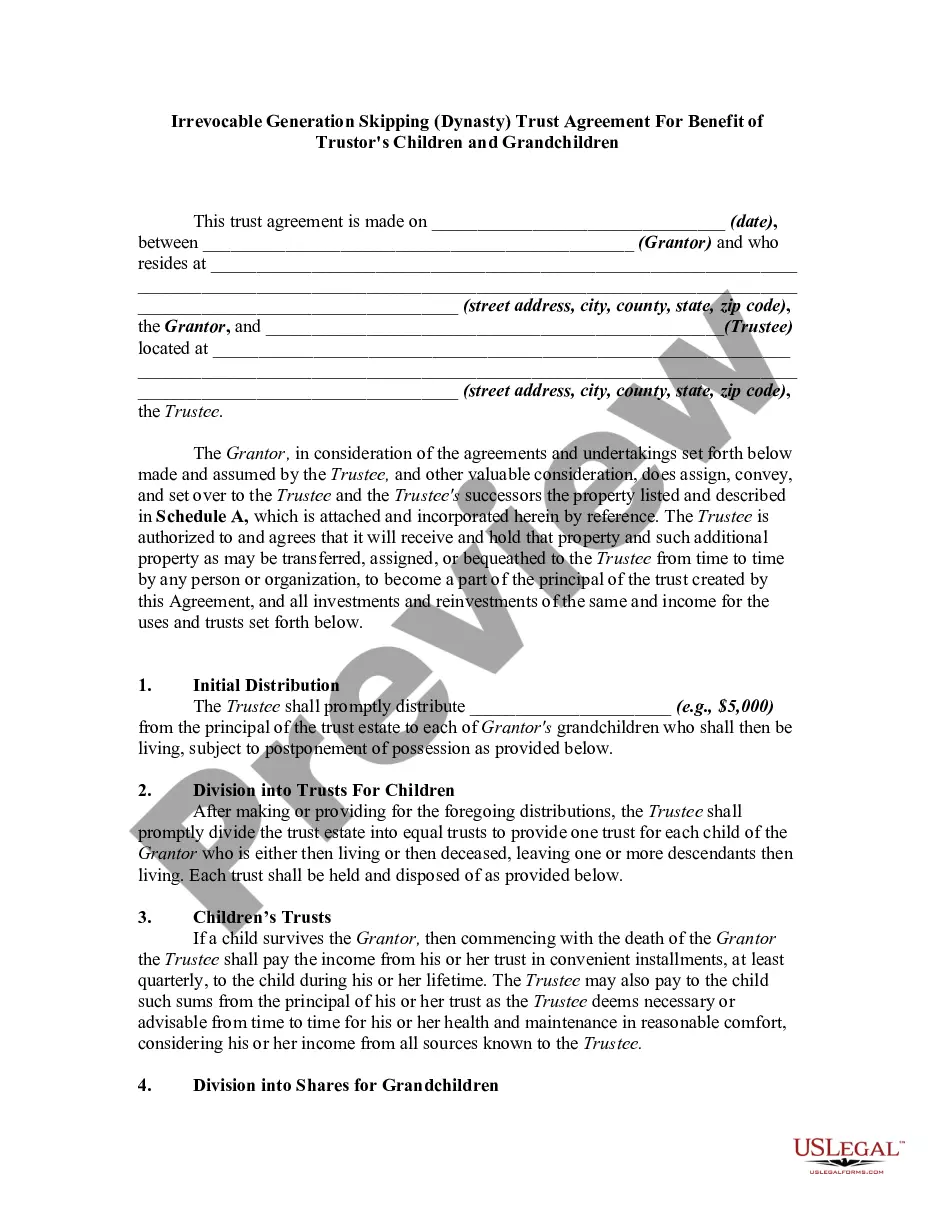
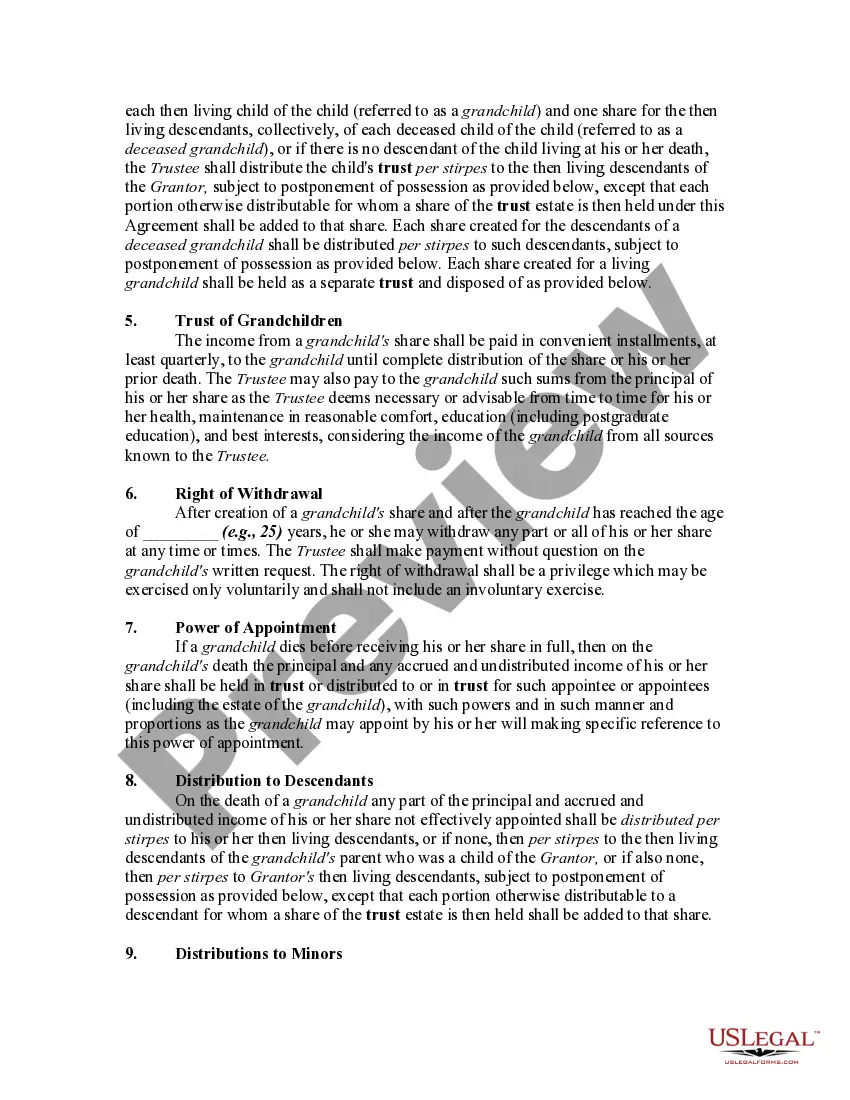
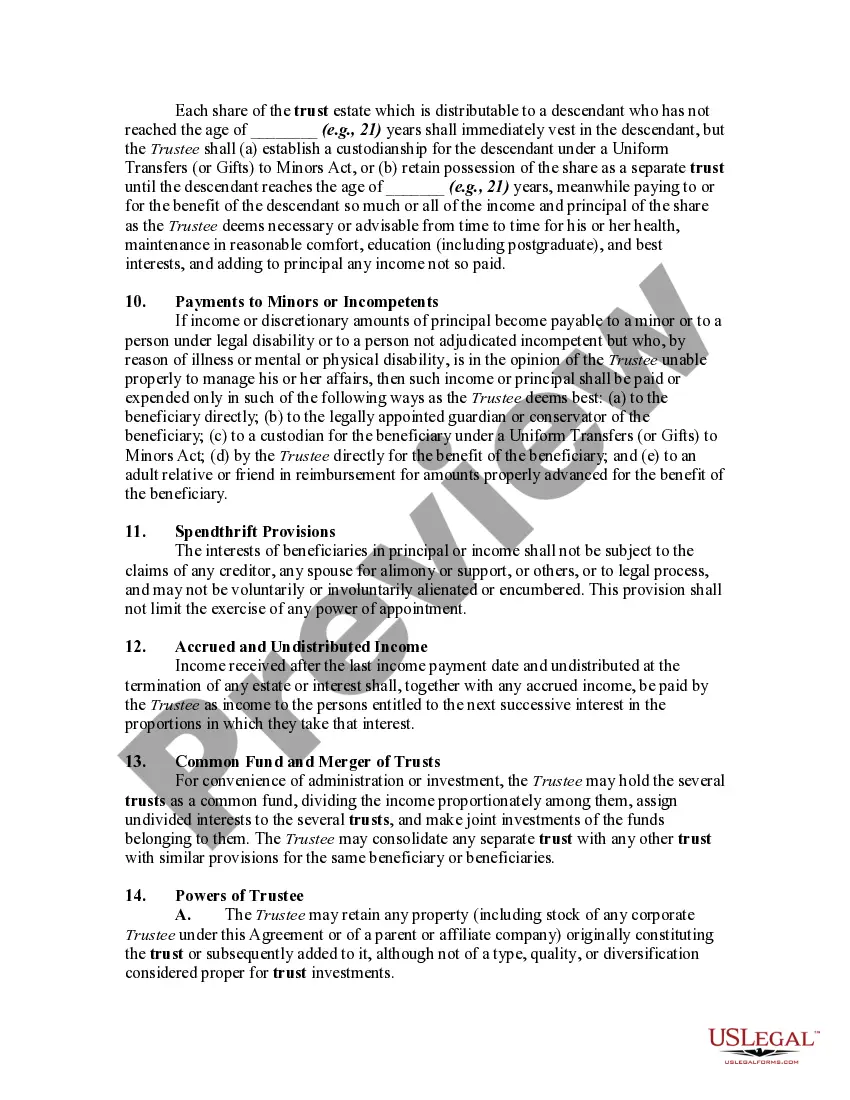
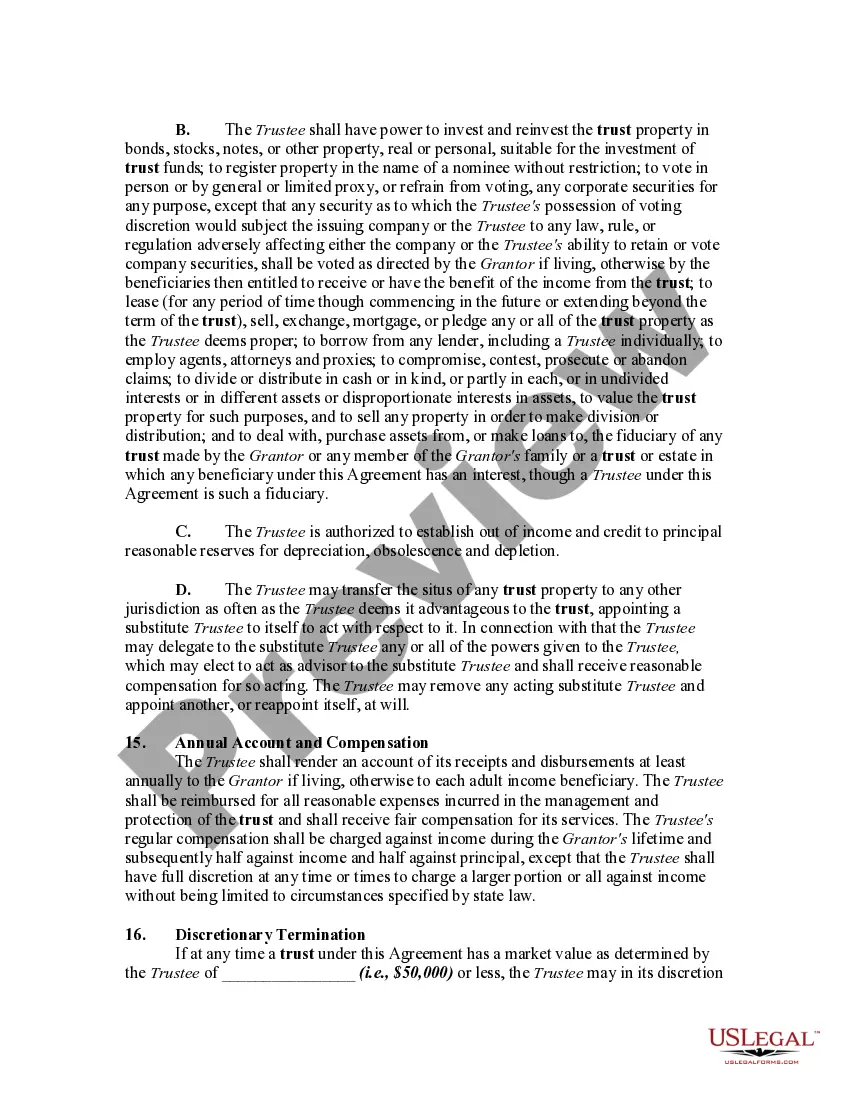
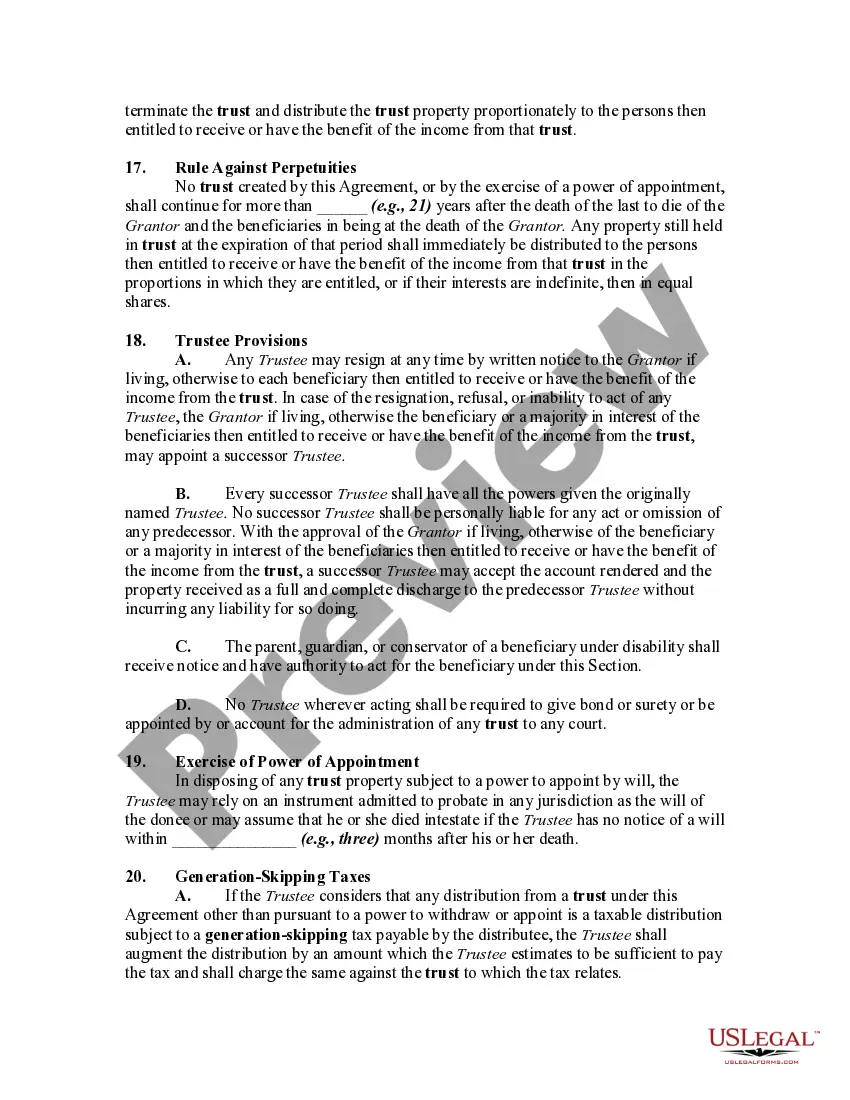
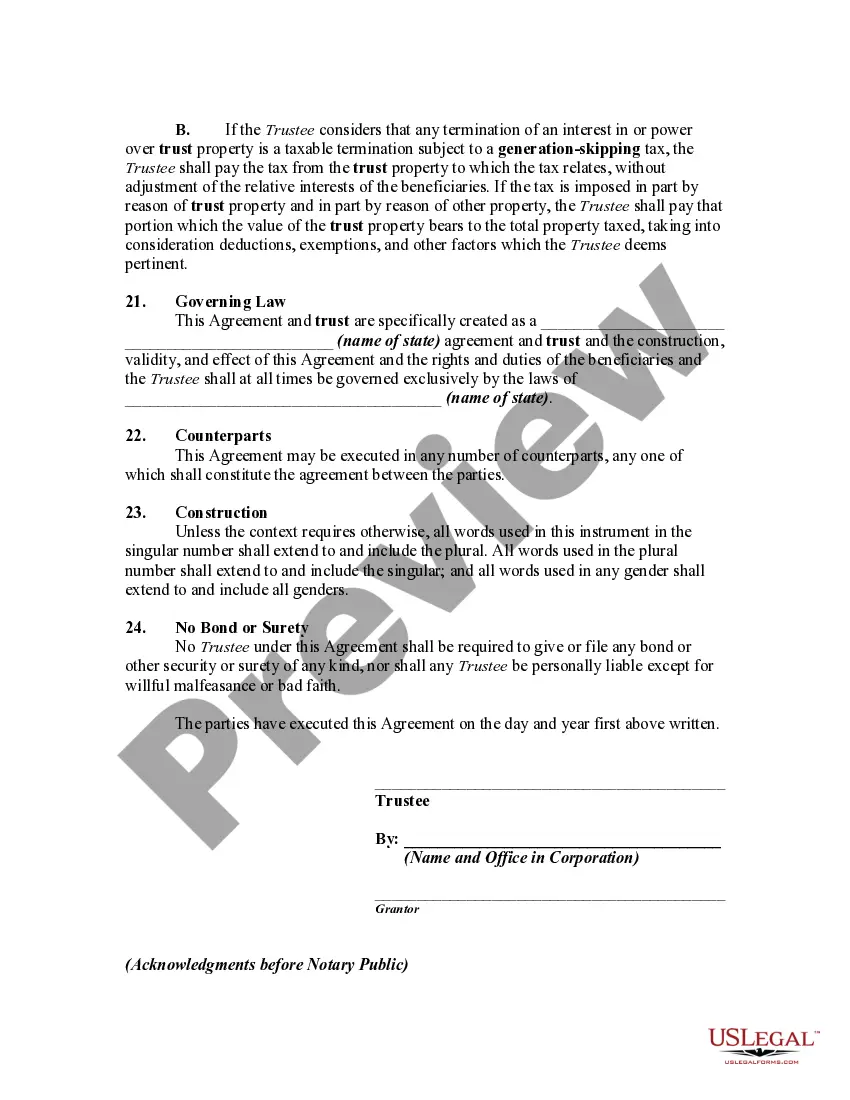

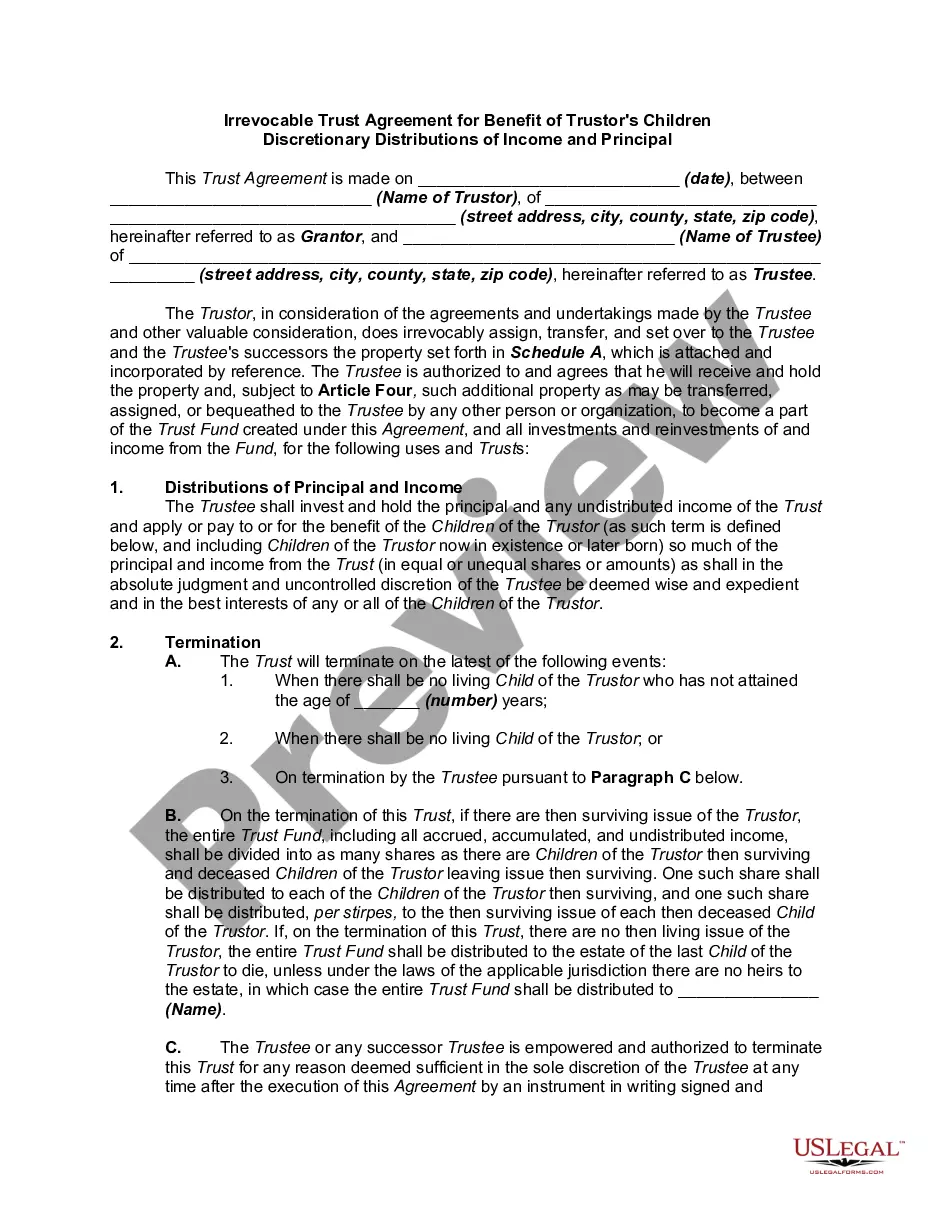


Get your form ready online
Our built-in tools help you complete, sign, share, and store your documents in one place.
Make edits, fill in missing information, and update formatting in US Legal Forms—just like you would in MS Word.
Download a copy, print it, send it by email, or mail it via USPS—whatever works best for your next step.
Sign and collect signatures with our SignNow integration. Send to multiple recipients, set reminders, and more. Go Premium to unlock E-Sign.
If this form requires notarization, complete it online through a secure video call—no need to meet a notary in person or wait for an appointment.
We protect your documents and personal data by following strict security and privacy standards.

Make edits, fill in missing information, and update formatting in US Legal Forms—just like you would in MS Word.

Download a copy, print it, send it by email, or mail it via USPS—whatever works best for your next step.

Sign and collect signatures with our SignNow integration. Send to multiple recipients, set reminders, and more. Go Premium to unlock E-Sign.

If this form requires notarization, complete it online through a secure video call—no need to meet a notary in person or wait for an appointment.

We protect your documents and personal data by following strict security and privacy standards.
Looking for another form?
How to fill out Irrevocable Generation Skipping Or Dynasty Trust Agreement For Benefit Of Trustor's Children And Grandchildren?
- Begin by logging into your US Legal Forms account if you are a returning user. Ensure your subscription is active; renew if necessary.
- For first-time users, check the preview mode and form description to find a dynasty trust form that meets your requirements.
- If you don't find the right form, use the search feature at the top to explore other options until you locate a suitable template.
- Once you have found the correct document, click the 'Buy Now' button and select your desired subscription plan.
- Proceed to checkout by entering your payment information, either via credit card or PayPal, to finalize the purchase.
- After payment, download your dynasty trust form with the dead and save it on your device for completion, also accessible later via 'My Forms' in your profile.
In conclusion, using US Legal Forms provides an extensive library and expert support, facilitating the process of creating a dynasty trust with the dead. With more than 85,000 editable forms, you're empowered to navigate estate planning effectively.
Start your journey to secure your family’s future today by visiting US Legal Forms and accessing the resources you need.
Form popularity
FAQ
For a trust, such as a dynasty trust with the dead, a specialized trust account is often the best option. These accounts typically offer appropriate features for managing trust assets and ensure legal compliance with fiduciary duties. It’s crucial to choose a bank that understands trust accounts and offers ongoing support. Platforms like UsLegalForms can assist in identifying the right banking solutions to maintain your trust effectively.
Creating a trust after someone's death is possible, but it comes with limitations. Typically, trusts are established during the individual's lifetime to manage their assets effectively. However, if proper estate planning was not done, one may still set up a posthumous trust with the guidance of an attorney. A dynasty trust with the dead can serve as an effective tool in managing and distributing assets, achieving long-term financial goals for the beneficiaries.
Setting up a trust account after a death involves specific legal procedures that can depend on state laws. First, you will need to gather necessary documents, including the deceased’s will and asset information. It's advisable to consult an attorney familiar with dynasty trusts with the dead to ensure the trust is structured correctly and manages assets according to the deceased’s wishes. This process helps protect the estate and ensures that beneficiaries receive their intended benefits.
When considering a dynasty trust with the dead, it is essential to recognize potential drawbacks. Trust accounts may incur higher administrative costs, which can eat away at the eventual benefits for beneficiaries. Additionally, trust accounts can be complex, requiring careful management and understanding of legal requirements. If not properly established or funded, a dynasty trust might not operate effectively, limiting your financial objectives.
A key downside to a dynasty trust is the potential for increased scrutiny and legal challenges from beneficiaries. Additionally, the complexity of managing the trust and complying with local tax laws can be daunting. It's also important to note that a dynasty trust with the dead can require ongoing maintenance and management. Consider using services from US Legal Forms to simplify the process and ensure effective management.
Yes, dynasty trusts are still legal in many states. Recent legislative changes have supported their use, allowing families to preserve wealth across generations. By leveraging a dynasty trust with the dead, you can ensure a tax-efficient transfer of assets to your descendants. However, it is vital to stay informed about the laws in your jurisdiction.
While dynasty trusts have advantages, they also come with potential issues. These may include complexity in management, potential legal challenges from disgruntled heirs, and the risk of conflicting interests among beneficiaries. Understanding the implications upfront can make a significant difference. Platforms like US Legal Forms can provide resources to help you create a well-structured dynasty trust with the dead.
An example of a dynasty trust could be a trust set up by a grandparent, with assets allocated to their children, grandchildren, and beyond. The trust distributes income to beneficiaries while preserving the trust principal for future generations. Establishing a dynasty trust with the dead allows for this seamless transfer of wealth, ensuring that your loved ones benefit for years to come. Consider speaking with a professional to draft an appropriate structure.
A dynasty trust can last for many generations, often up to 100 years or longer, depending on state laws. This feature allows you to leave a lasting legacy for your descendants. With a dynasty trust with the dead, you create a financial vehicle that benefits your family long after you're gone. It's essential to understand your state's regulations when setting the duration of your trust.
Certain assets are typically best left out of a living trust, especially if you are considering a dynasty trust with the dead. For instance, retirement accounts, like 401(k)s or IRAs, usually have designated beneficiaries that should stay outside the trust to avoid taxation issues. Furthermore, personal property that holds sentimental value may not be ideal for inclusion, as it might lead to disputes among family members. Always consult with a professional to tailor your estate plan effectively.