Dynasty Trust With A Trust
Description
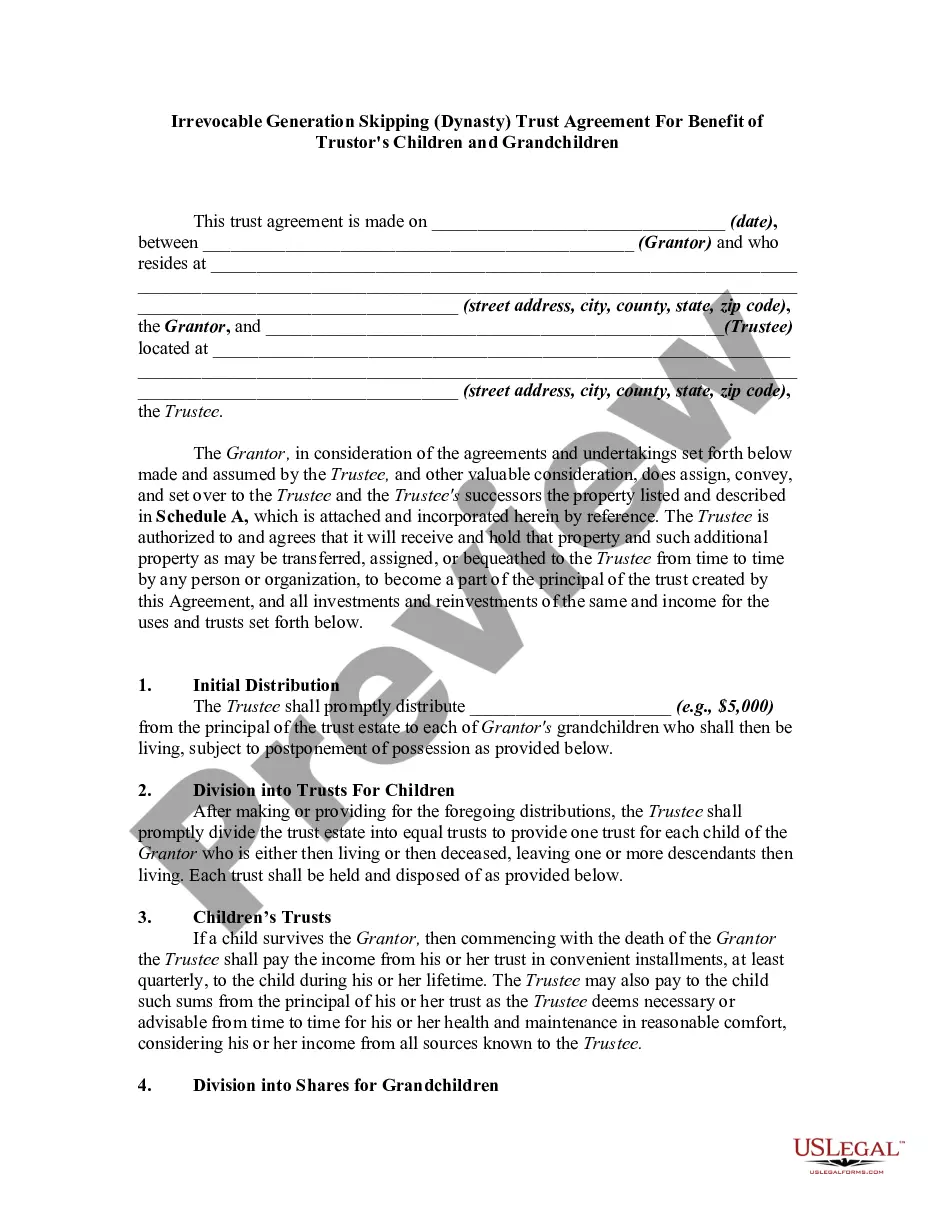
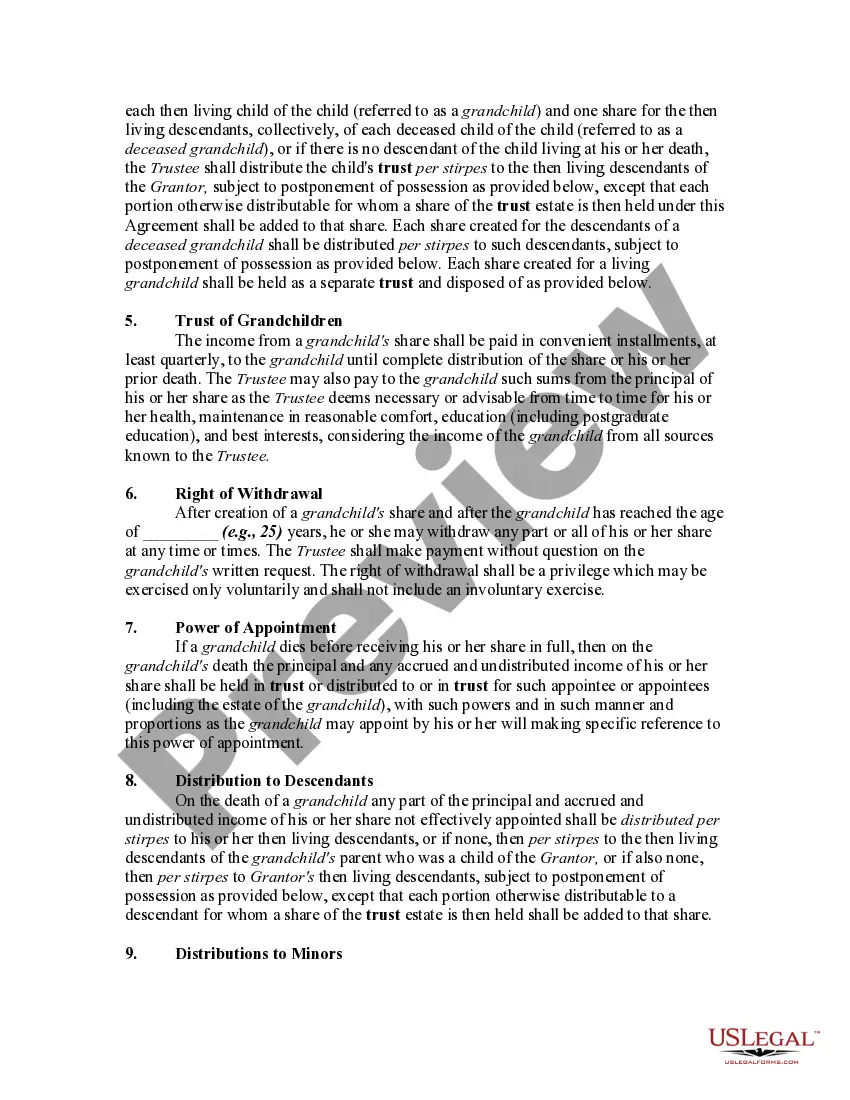
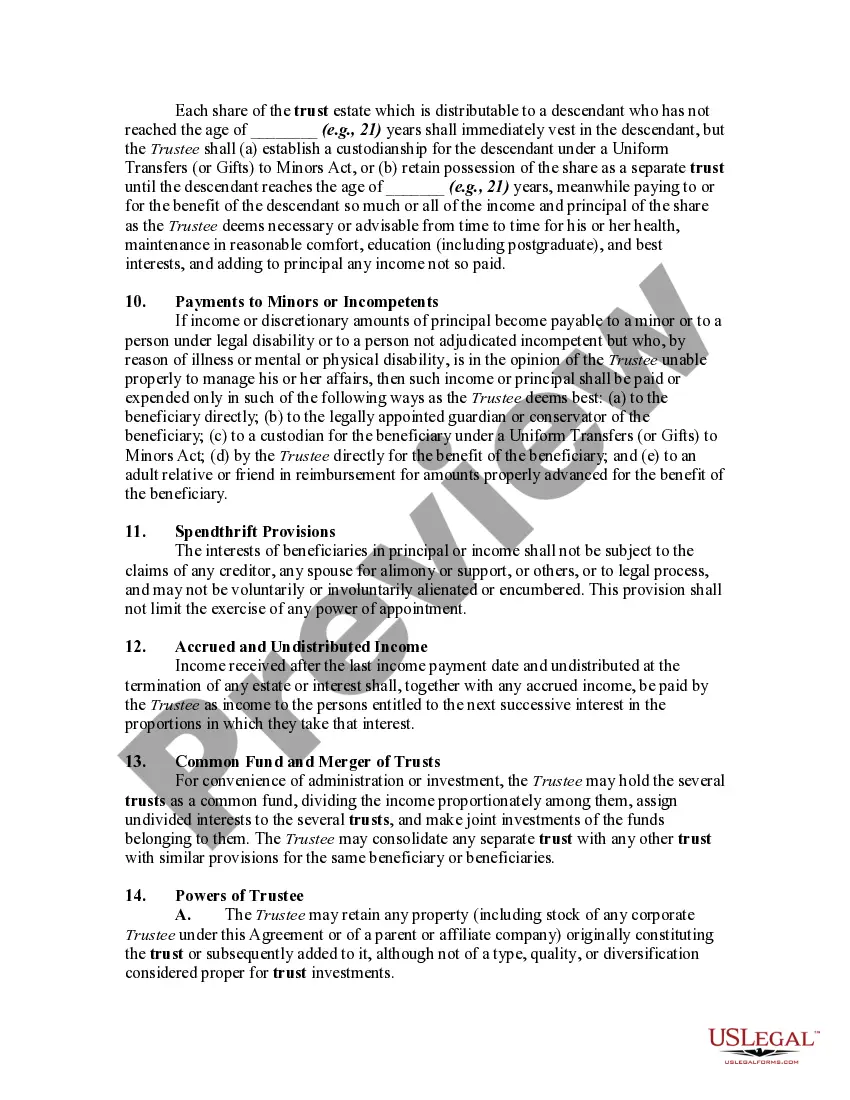
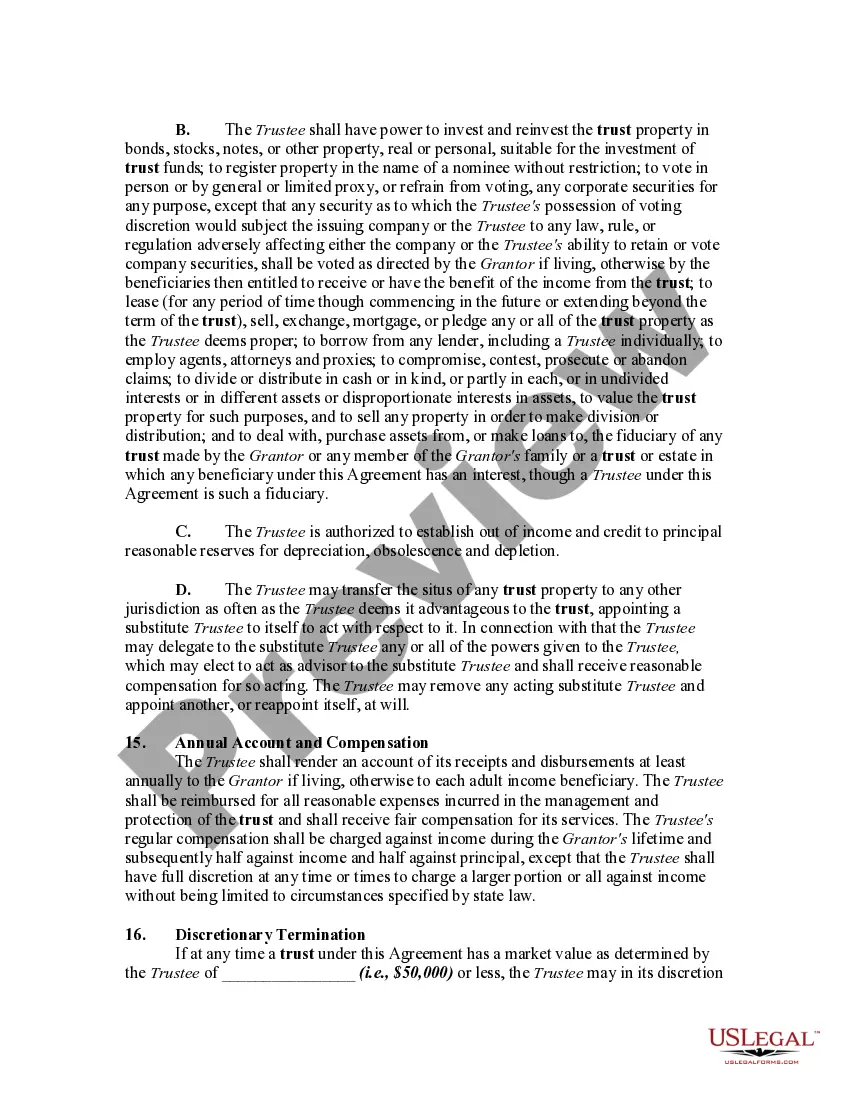
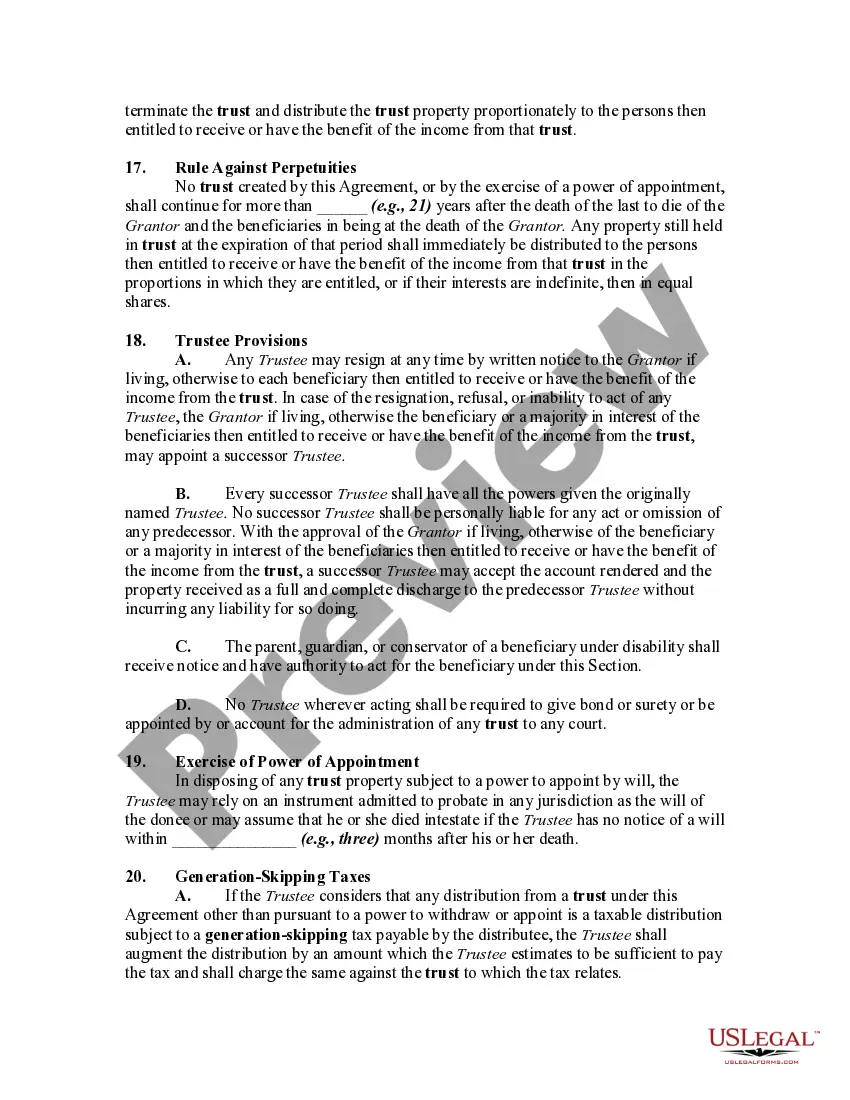
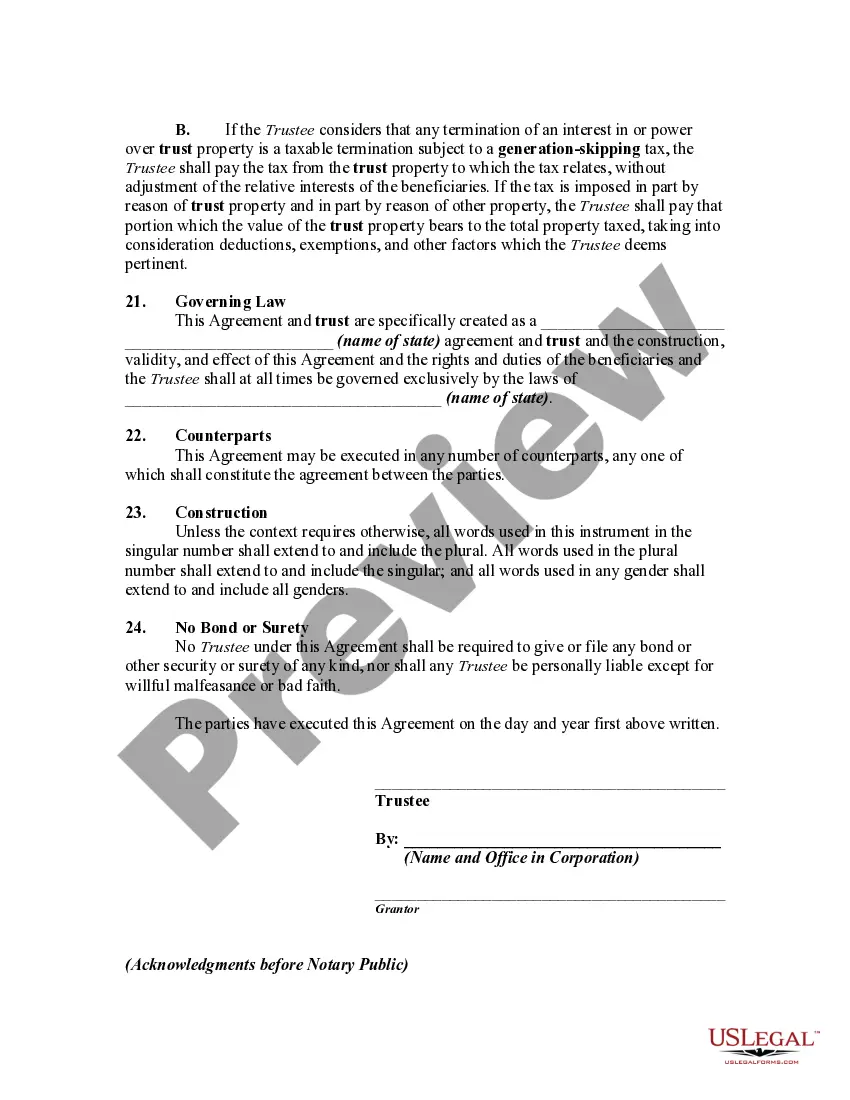

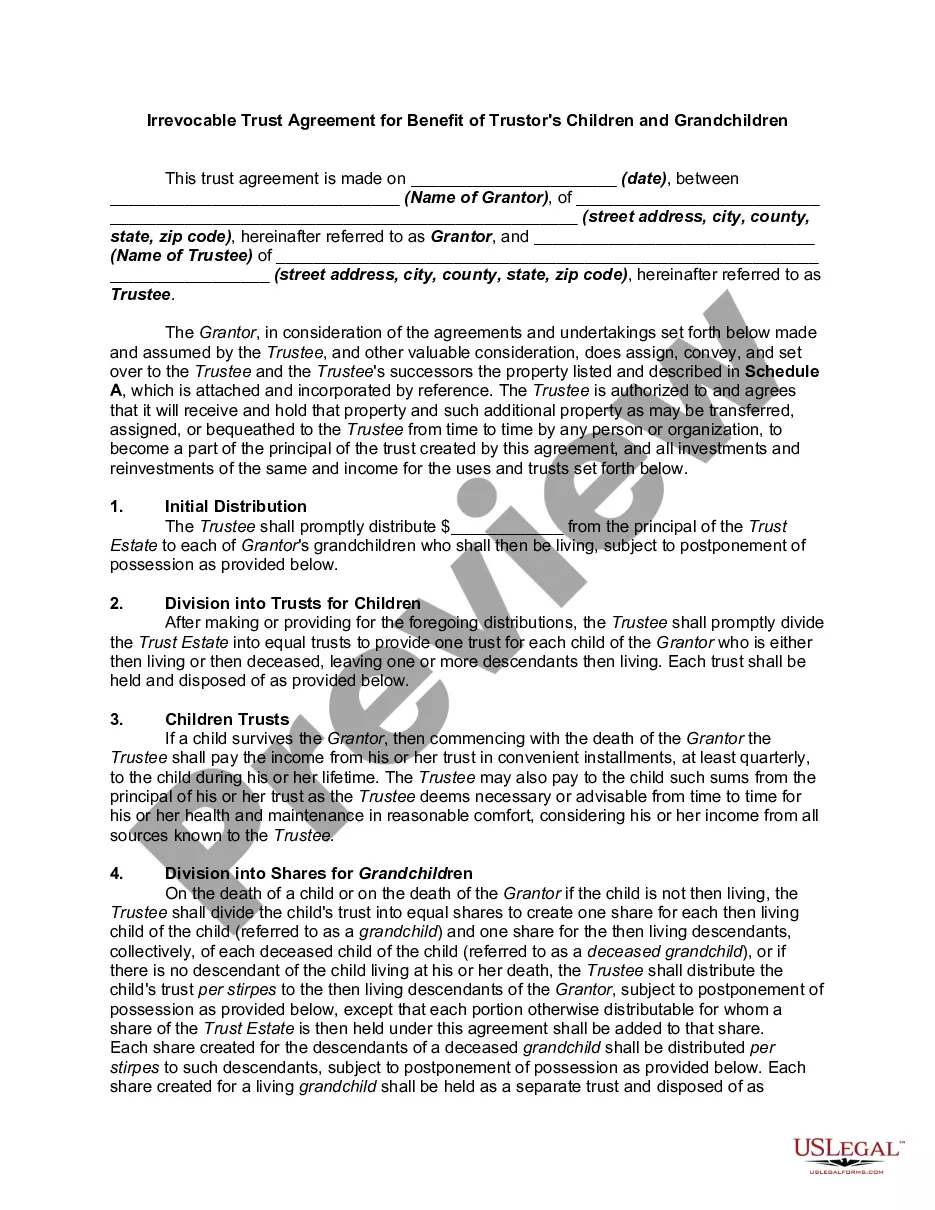
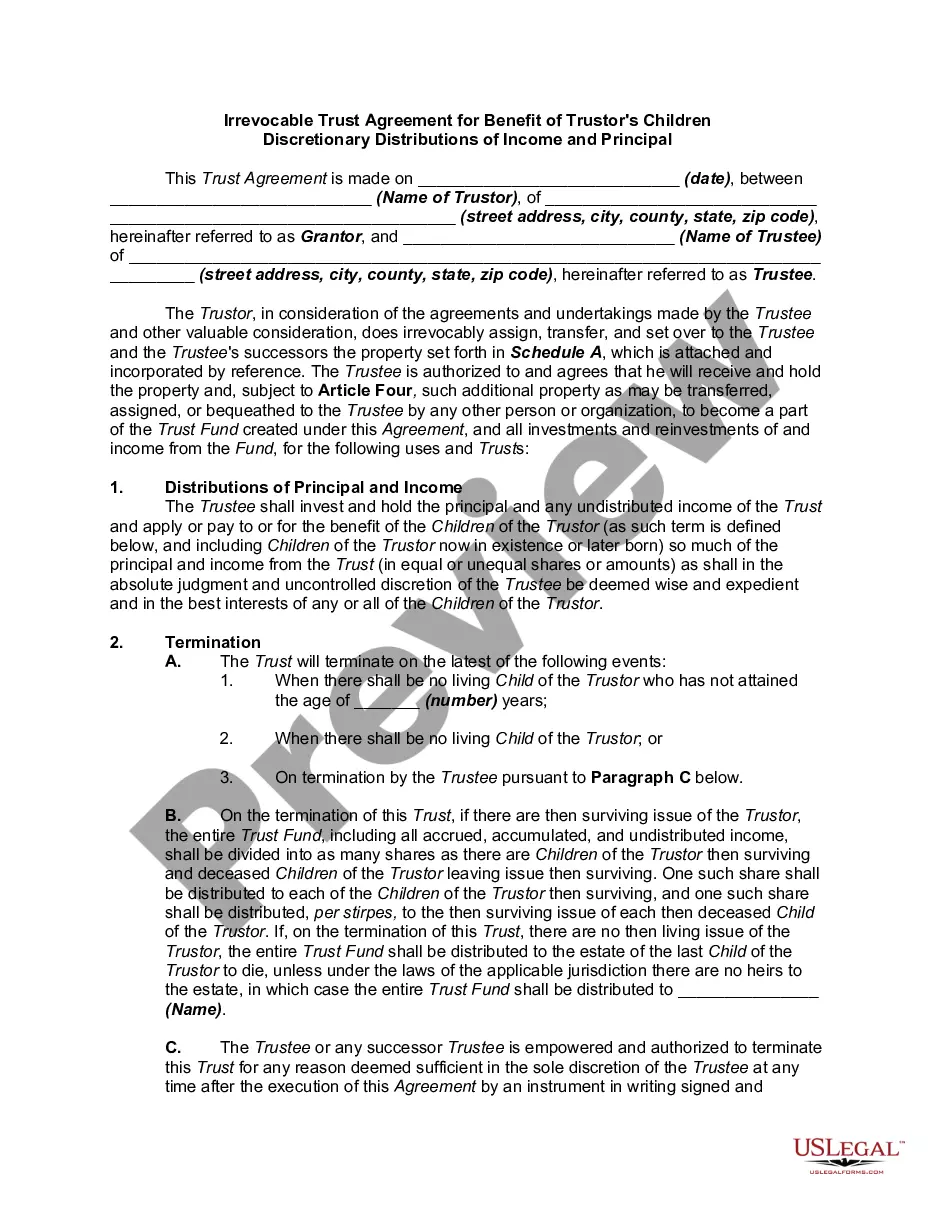
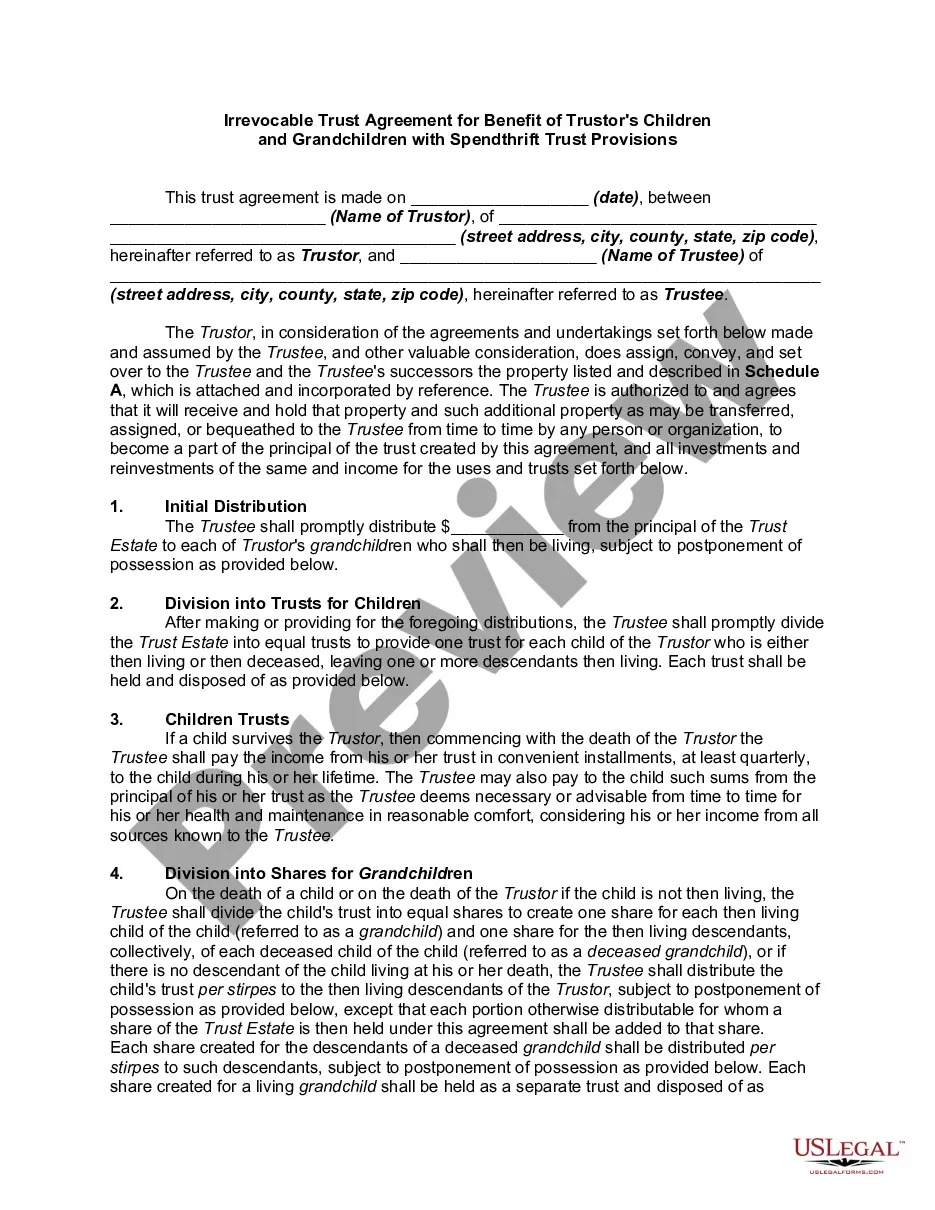
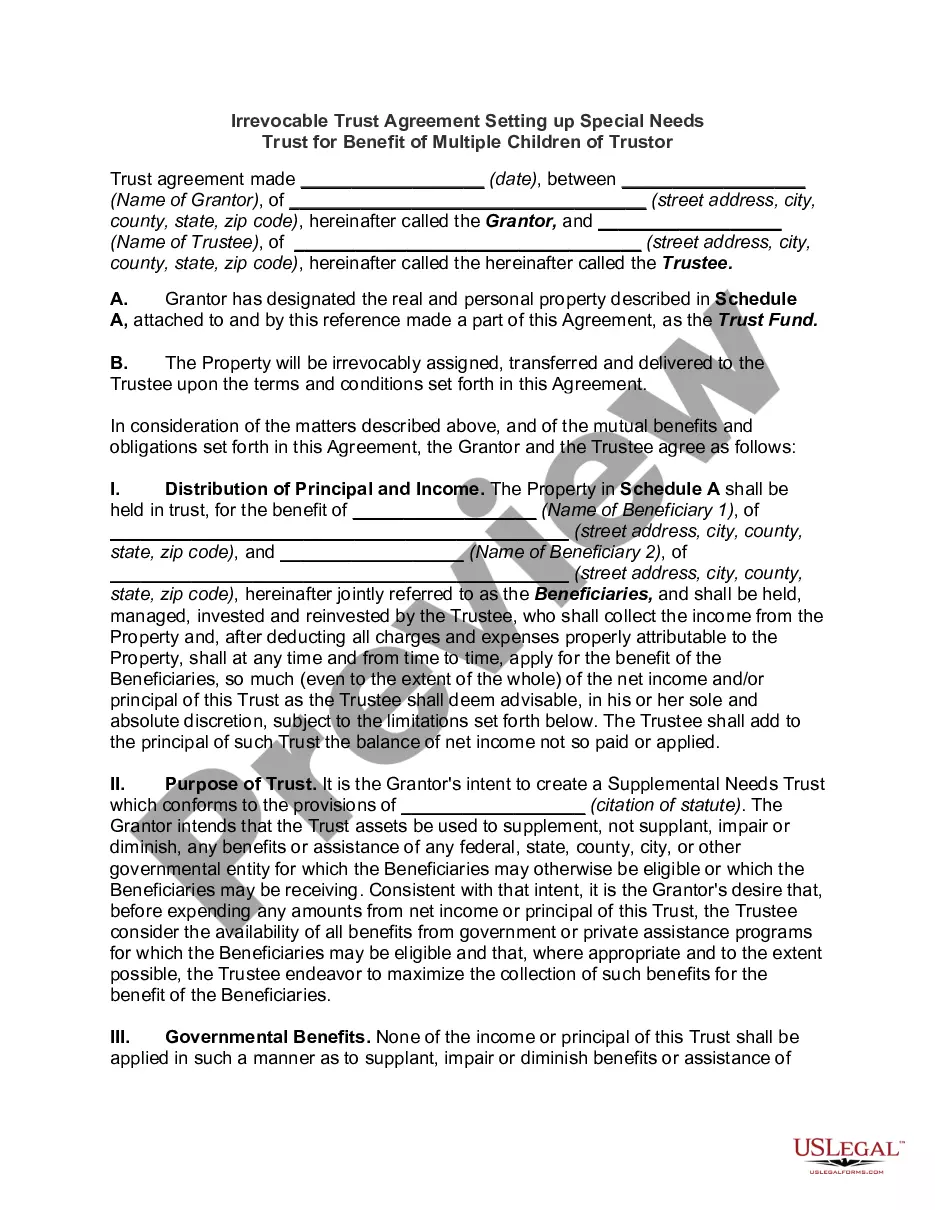
Get your form ready online
Our built-in tools help you complete, sign, share, and store your documents in one place.
Make edits, fill in missing information, and update formatting in US Legal Forms—just like you would in MS Word.
Download a copy, print it, send it by email, or mail it via USPS—whatever works best for your next step.
Sign and collect signatures with our SignNow integration. Send to multiple recipients, set reminders, and more. Go Premium to unlock E-Sign.
If this form requires notarization, complete it online through a secure video call—no need to meet a notary in person or wait for an appointment.
We protect your documents and personal data by following strict security and privacy standards.

Make edits, fill in missing information, and update formatting in US Legal Forms—just like you would in MS Word.

Download a copy, print it, send it by email, or mail it via USPS—whatever works best for your next step.

Sign and collect signatures with our SignNow integration. Send to multiple recipients, set reminders, and more. Go Premium to unlock E-Sign.

If this form requires notarization, complete it online through a secure video call—no need to meet a notary in person or wait for an appointment.

We protect your documents and personal data by following strict security and privacy standards.
Looking for another form?
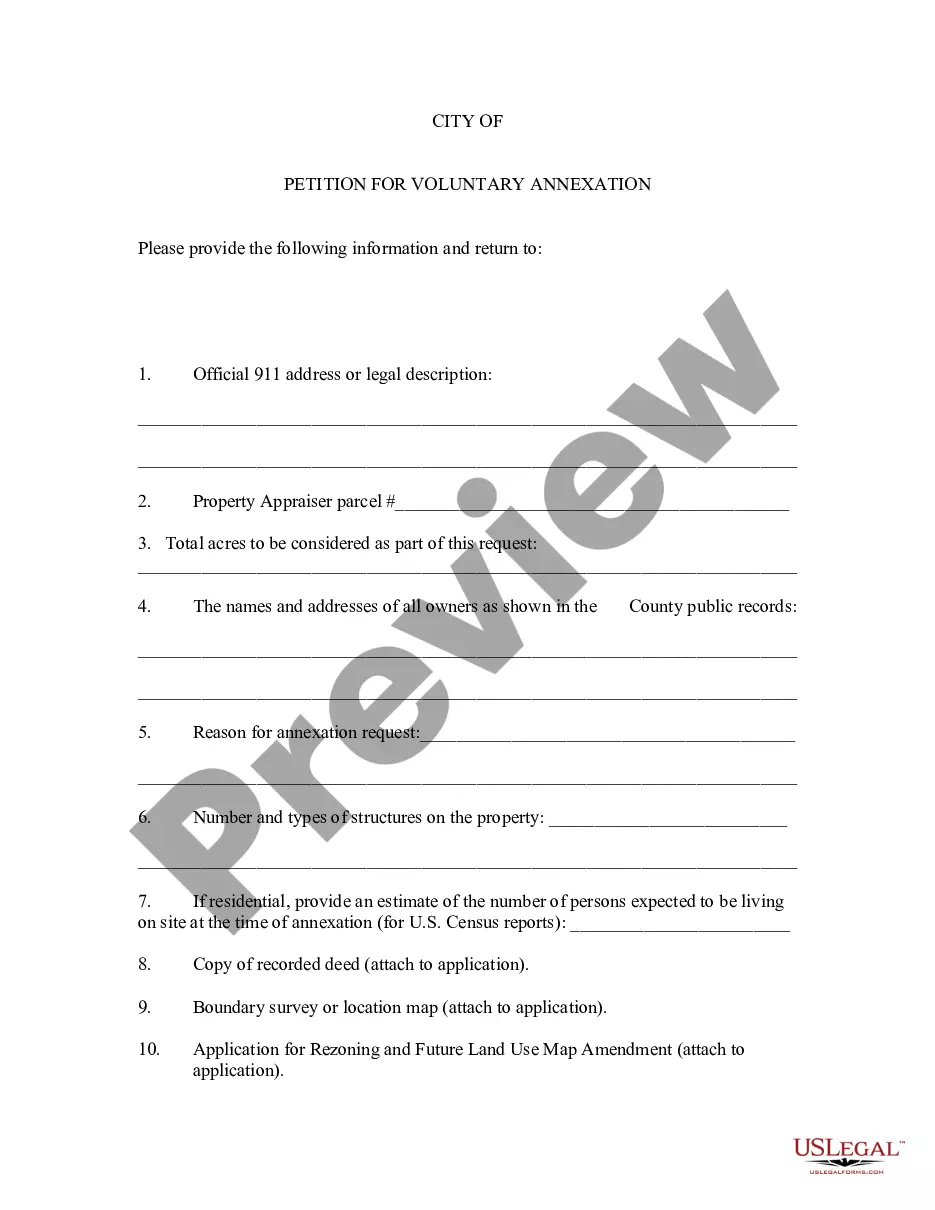

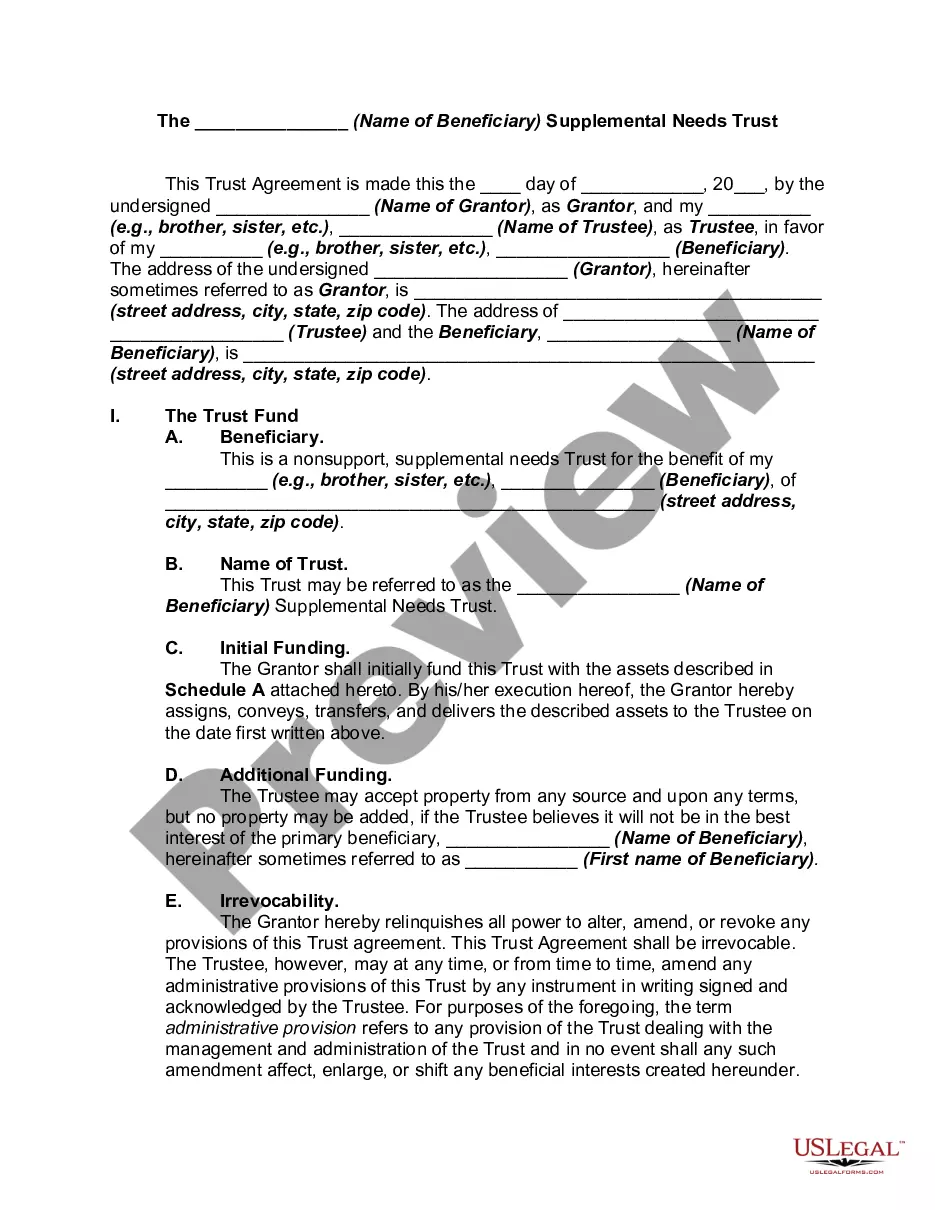
How to fill out Irrevocable Generation Skipping Or Dynasty Trust Agreement For Benefit Of Trustor's Children And Grandchildren?
- If you're an existing user, log into your account to access and download the required form template by clicking the Download button. Verify that your subscription is active; if not, renew it based on your selected payment plan.
- If you're new to US Legal Forms, start by reviewing the Preview mode and form descriptions to find the correct document that meets your local jurisdiction requirements.
- If necessary, utilize the Search tab to explore additional templates until you identify one that aligns with your needs.
- Click the Buy Now button to purchase your chosen document, selecting the subscription plan that works best for you. You'll need to register an account to access the extensive library.
- Enter your payment information, either using a credit card or PayPal, to complete your subscription purchase.
- Once purchased, download the form to your device for completion, and access it anytime through the My Forms section of your account.
Overall, US Legal Forms empowers individuals and attorneys alike to navigate the complexities of legal documentation seamlessly. With an extensive library housing over 85,000 fillable forms, you can be confident in obtaining precise and legally compliant documents.
Start your journey toward effective estate planning with ease by exploring US Legal Forms today!
Form popularity
FAQ
Yes, dynasty trusts are legal in many states and can provide considerable benefits for estate planning. However, each state has its own laws governing trust duration and taxation, making it vital to understand your local regulations. By creating a dynasty trust with a trust setup, you can ensure your family's legacy is preserved while making the most of the legal framework available. Professional guidance can simplify this process.
Some common problems with dynasty trusts include potential tax implications and administrative burdens. Maintaining compliance with evolving tax laws can be challenging, and this complexity may affect family dynamics. Furthermore, beneficiaries may feel constrained by the trust's terms, leading to tension among family members. It's beneficial to work with experts through platforms like uslegalforms to navigate these challenges effectively.
While dynasty trusts offer long-term benefits, they do come with some drawbacks. One downside is the complexity involved in setting them up, which may require ongoing management and legal costs. Additionally, beneficiaries might have limited access to funds, which could lead to frustration. Balancing control and flexibility is crucial when you opt for a dynasty trust with a trust approach.
Yes, dynasty trusts are still legal in several states, provided they comply with specific laws. Many regions have removed the rule against perpetuities, allowing these trusts to exist beyond the traditional time limits. By utilizing a dynasty trust with a trust, you can secure your family's financial future while navigating estate tax challenges. It’s essential to consult with a legal expert to ensure compliance with your state’s regulations.
A dynasty trust is designed to last for multiple generations, allowing you to pass wealth down with minimal tax implications. In contrast, a regular trust typically has a shorter duration or specific purpose, such as providing for a beneficiary's needs. With a dynasty trust, you can maintain control over assets and protect them from creditors and taxes over a long time. This makes it an attractive choice for families looking to preserve their wealth.
Structuring a dynasty trust involves careful planning and guidance to effectively meet your family's needs. Typically, you start by defining the purpose of the trust, selecting beneficiaries, and appointing a trustee. It's recommended to outline specific terms regarding distributions, ensuring that the trust remains in compliance with state laws. For a streamlined approach, consider using platforms like US Legal Forms, which provides templates and guidance tailored for establishing a dynasty trust with a trust.
A standard trust often has a limited duration, while a dynasty trust can last for several generations, making it uniquely advantageous. The primary difference lies in the duration and tax benefits; a dynasty trust can minimize estate taxes over generations, ensuring that your heirs receive more of their inheritance. While both types of trust serve to manage assets, the dynasty trust allows for long-term wealth preservation and control, fulfilling legacy goals effectively.
The three common types of trust include revocable trusts, irrevocable trusts, and dynasty trusts. Revocable trusts allow the creator to modify or cancel the trust during their lifetime. Irrevocable trusts, on the other hand, cannot be easily changed once established, providing asset protection. Lastly, a dynasty trust is designed to last for multiple generations, which allows assets to grow without incurring estate taxes, making it an effective way to preserve wealth.
Setting up a dynasty trust involves a few essential steps. First, you should consult with an estate planning attorney to understand your specific needs and goals. Next, you will choose a trustee who will manage the trust, and then, you will draft the trust document, clearly outlining its terms. Finally, fund your dynasty trust with assets to ensure it operates effectively for your beneficiaries.
A trust becomes a dynasty trust primarily by its purpose and duration. It must be structured to endure for many generations and designed to avoid estate taxes at each generational transfer. Typically, a dynasty trust with a trust includes specific provisions that allow for ongoing management and oversight of assets, benefiting descendants for years to come.