Dynasty Trust For The Future
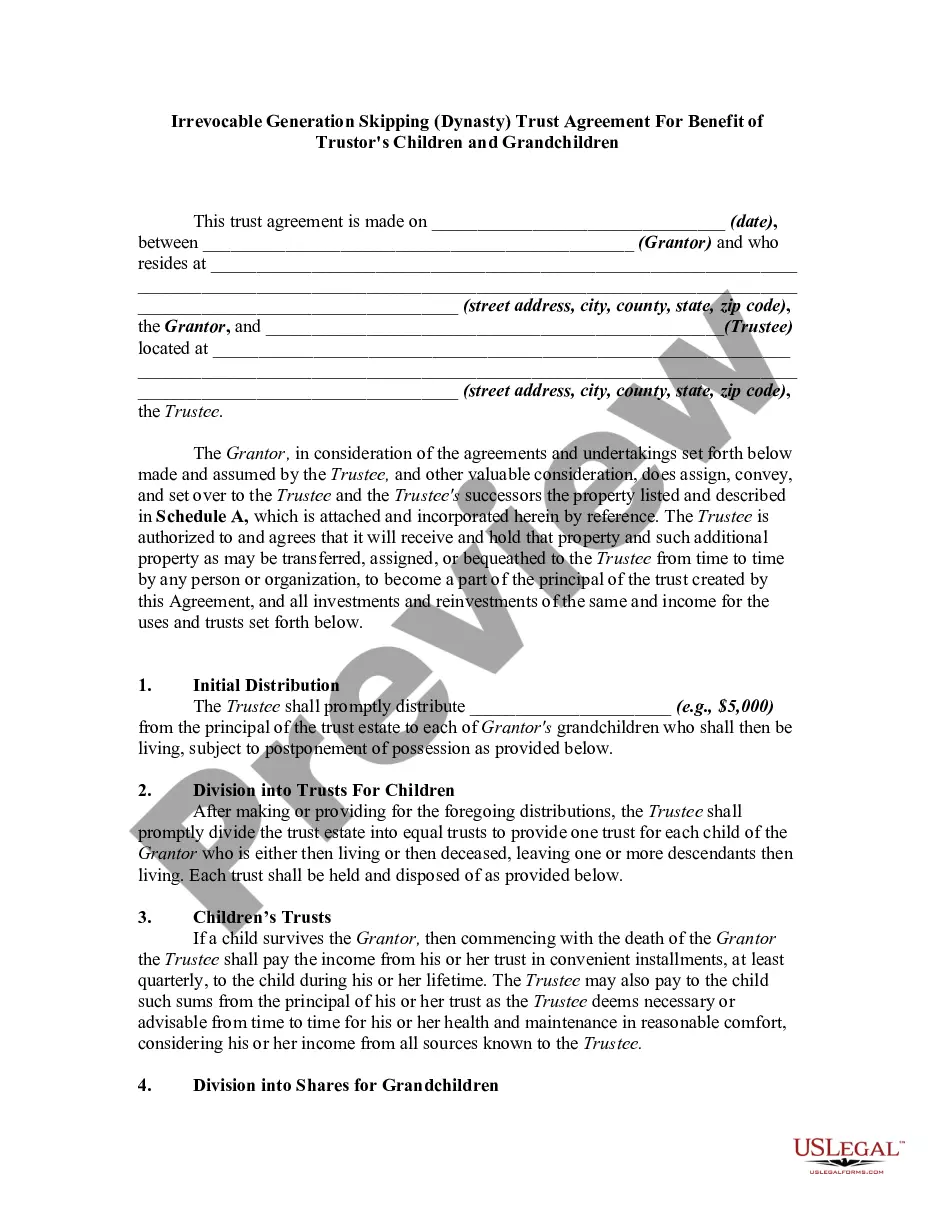
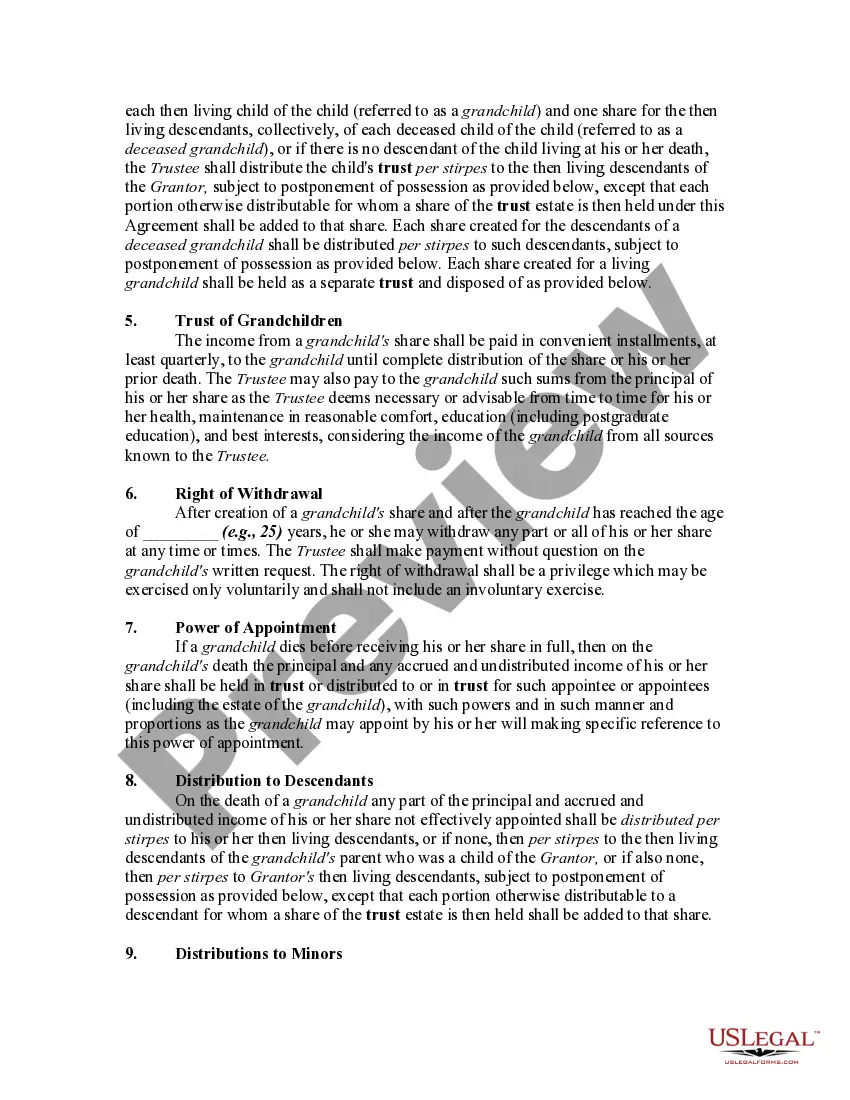
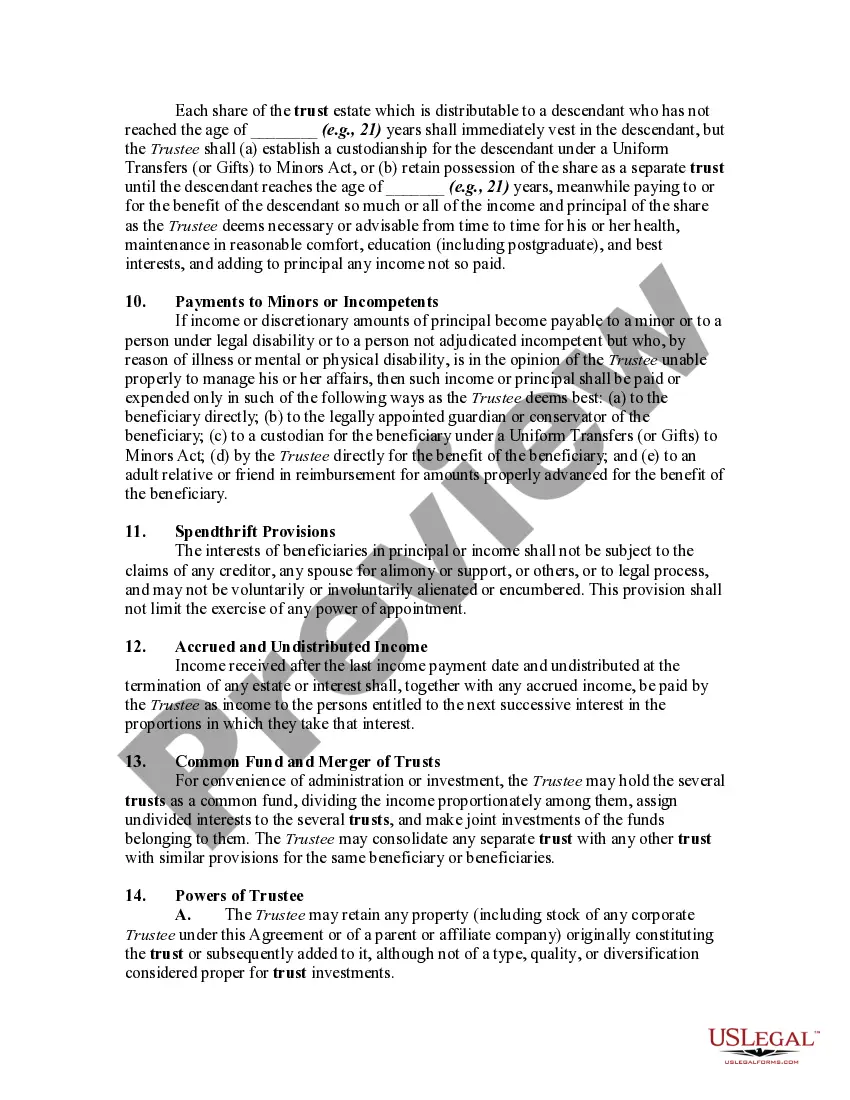
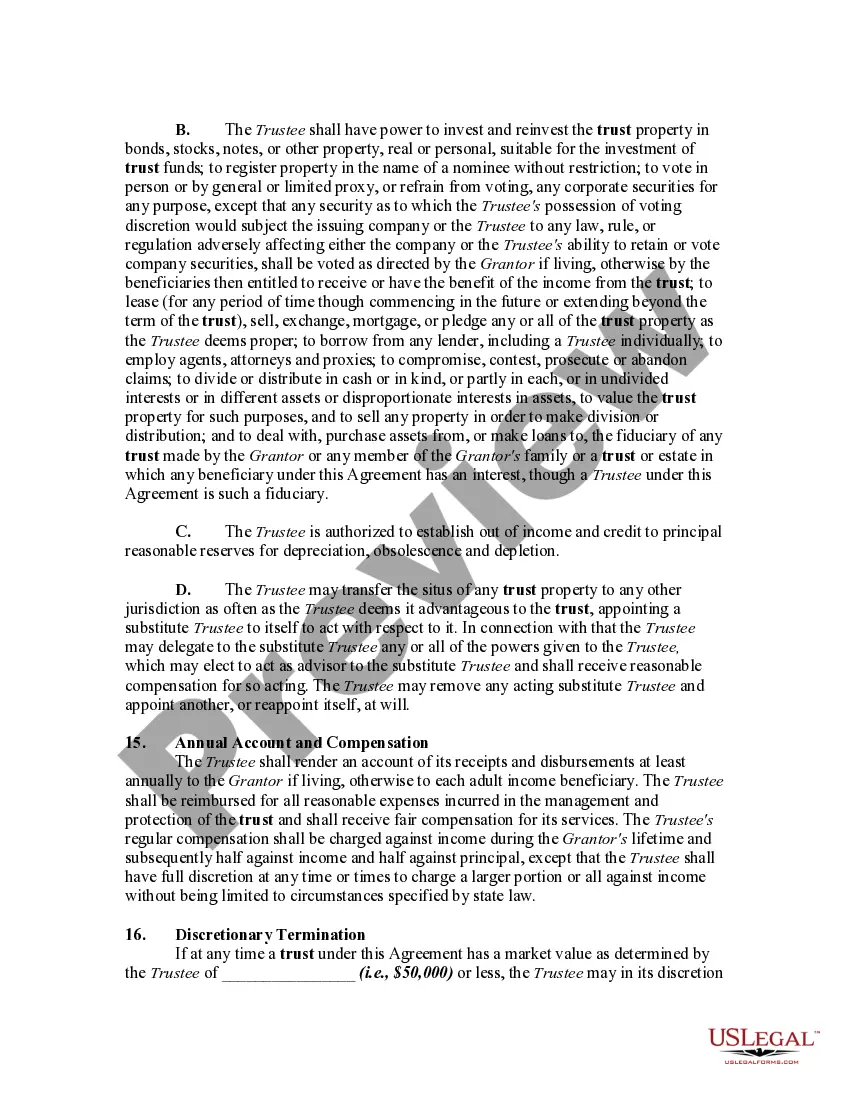
Description




Get your form ready online
Our built-in tools help you complete, sign, share, and store your documents in one place.
Make edits, fill in missing information, and update formatting in US Legal Forms—just like you would in MS Word.
Download a copy, print it, send it by email, or mail it via USPS—whatever works best for your next step.
Sign and collect signatures with our SignNow integration. Send to multiple recipients, set reminders, and more. Go Premium to unlock E-Sign.
If this form requires notarization, complete it online through a secure video call—no need to meet a notary in person or wait for an appointment.
We protect your documents and personal data by following strict security and privacy standards.

Make edits, fill in missing information, and update formatting in US Legal Forms—just like you would in MS Word.

Download a copy, print it, send it by email, or mail it via USPS—whatever works best for your next step.

Sign and collect signatures with our SignNow integration. Send to multiple recipients, set reminders, and more. Go Premium to unlock E-Sign.

If this form requires notarization, complete it online through a secure video call—no need to meet a notary in person or wait for an appointment.

We protect your documents and personal data by following strict security and privacy standards.
Looking for another form?
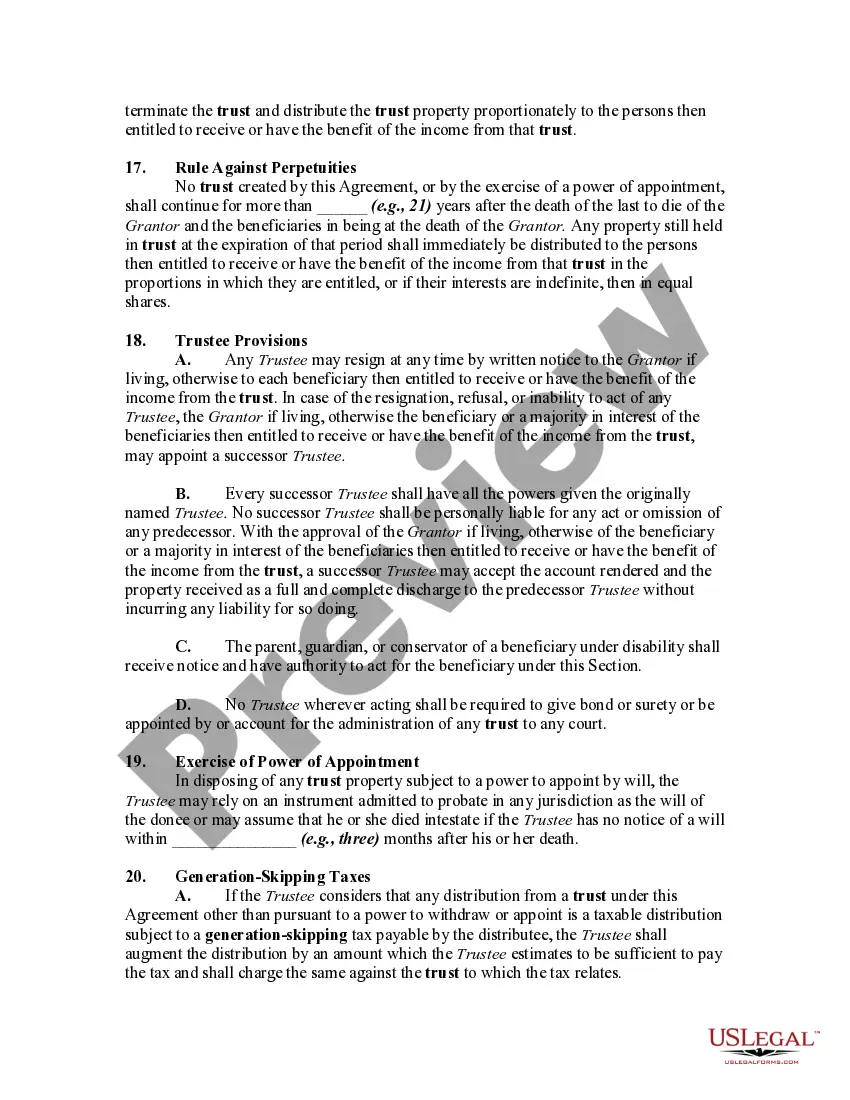
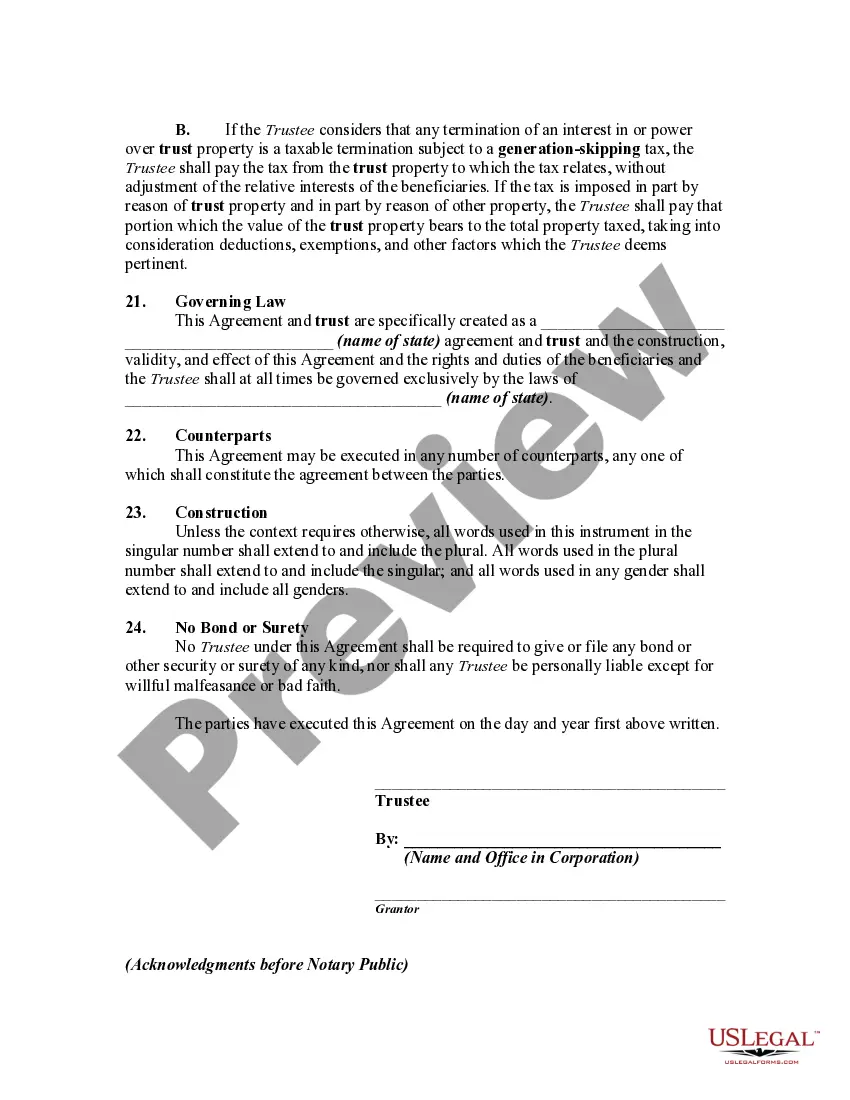
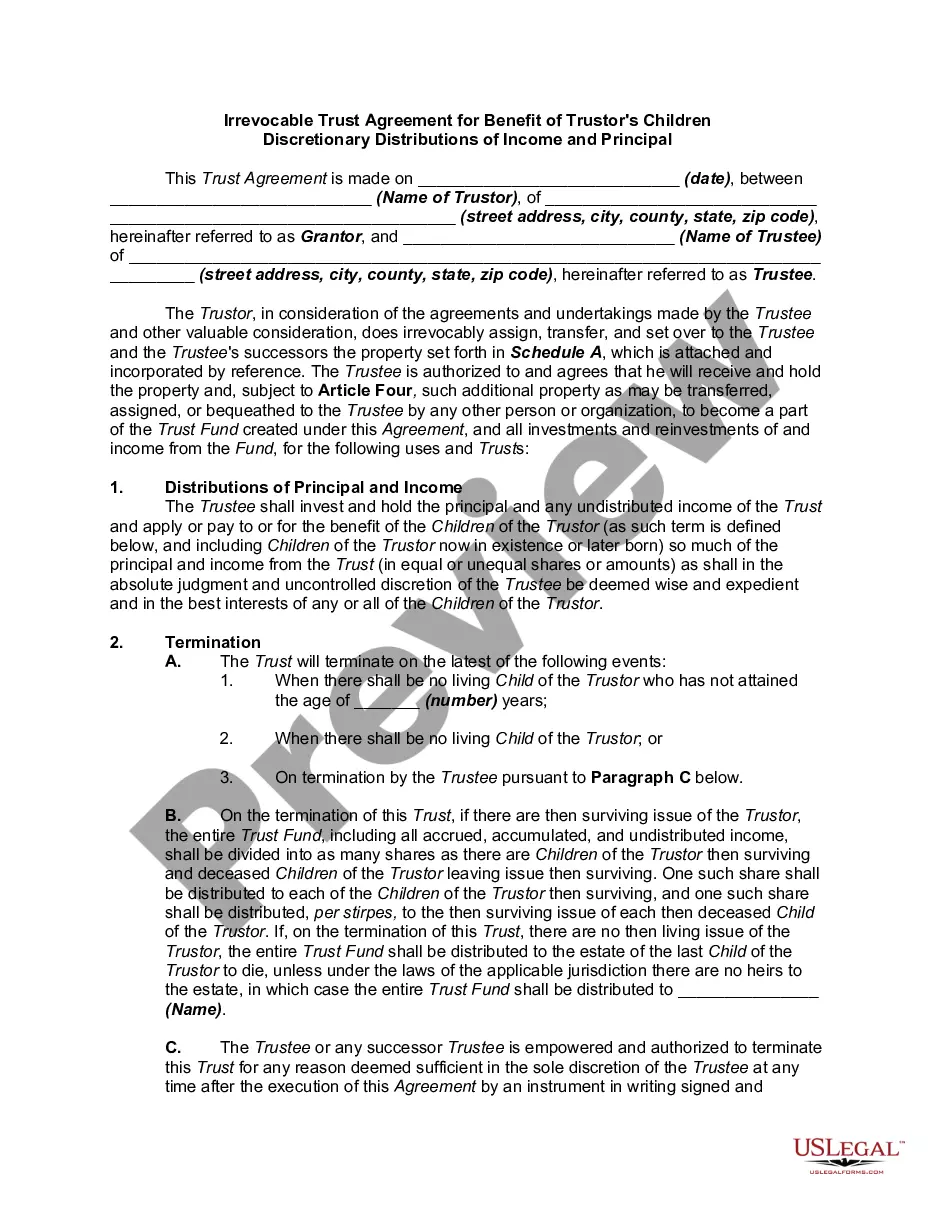
How to fill out Irrevocable Generation Skipping Or Dynasty Trust Agreement For Benefit Of Trustor's Children And Grandchildren?
- Log in to your US Legal Forms account or create a new one if you are a first-time user.
- Explore the extensive library and use the Preview mode to ensure you select the dynasty trust template that fits your needs and complies with local laws.
- If necessary, utilize the Search feature to locate more relevant templates tailored to your specific situation.
- Select the appropriate plan and click on the Buy Now button to proceed.
- Fill in your payment information or choose to pay through your PayPal account for your subscription.
- Download the completed form to your device and access it anytime through the My Forms section in your profile.
US Legal Forms provides you with a comprehensive array of over 85,000 editable documents, ensuring you have the resources to create legally sound trusts. Their user-friendly platform allows swift navigation and assistance from premium experts, enhancing the accuracy of your estate planning.
In conclusion, setting up a dynasty trust can safeguard your family's wealth for generations to come. Take advantage of US Legal Forms today to make the process easier and more efficient. Start securing your legacy now!
Form popularity
FAQ
When creating a living trust, it is generally advised to exclude certain assets such as retirement accounts and life insurance policies. Instead, these assets can be managed using beneficiary designations, which often simplify estate planning. Always consider including assets that will benefit from long-term management through structures like a dynasty trust for the future, ensuring those assets are protected and well-preserved.
While a dynasty trust for the future offers long-term benefits, it can have some downsides. One potential issue is the complexity of managing the trust, which can lead to higher administrative costs. Additionally, if the trust does not have a clear distribution plan, it may cause family disputes over the assets, potentially reducing harmony among beneficiaries.
The best state to set up a dynasty trust for the future often depends on your specific needs. States like South Dakota, Nevada, and Alaska have favorable laws that allow for longer trust durations and offer strong asset protection. It is crucial to consider both the tax implications and the legal environment, so consulting with a legal expert can help you make the best choice.
To structure a dynasty trust for the future, start by defining the beneficiaries, which often include multiple generations. Next, select a trustee to manage the assets, ensuring they have the authority and skills required for long-term management. Additionally, create detailed guidelines outlining how funds can be distributed among beneficiaries to support their needs while preserving the trust for future generations.
A dynasty trust typically ends when the terms specified in the trust agreement are fulfilled, or when the maximum duration is reached, which is up to 1,000 years in New York. If the trust is invalidated for any legal reason, it can also terminate prematurely. Understanding how a dynasty trust for the future may come to an end is essential for effective long-term planning.
While dynasty trusts offer many advantages, they also come with some downsides. They can be complex to set up and maintain, and there may be ongoing administrative costs. Additionally, improper management can lead to tax consequences, so seeking help from professionals is crucial when considering a dynasty trust for the future.
Yes, New York does permit the establishment of dynasty trusts. These trusts provide a structured way to manage and distribute assets over a long period, making them particularly attractive. By using a dynasty trust for the future, you can ensure that your assets are protected and utilized according to your wishes for many generations.
A dynasty trust is designed to last for generations, making it a flexible and enduring estate planning option. The trust remains effective as long as it adheres to legal requirements, like the Rule Against Perpetuities, which is modified in New York. This makes a dynasty trust for the future an excellent tool for those looking to leave a lasting legacy.
Generally, trusts in New York can last until the purpose of the trust is fulfilled, or until the stipulated termination date, which may vary based on the type of trust created. A dynasty trust for the future, however, is specifically designed to outlast typical trusts, providing benefits for many generations. This long-lasting feature makes it an attractive option for wealth preservation.
In New York, a dynasty trust can last for a maximum of 1,000 years. This duration supports the idea of preserving family wealth across generations. By establishing a dynasty trust for the future, you ensure that your heirs benefit from the assets long after you are gone.