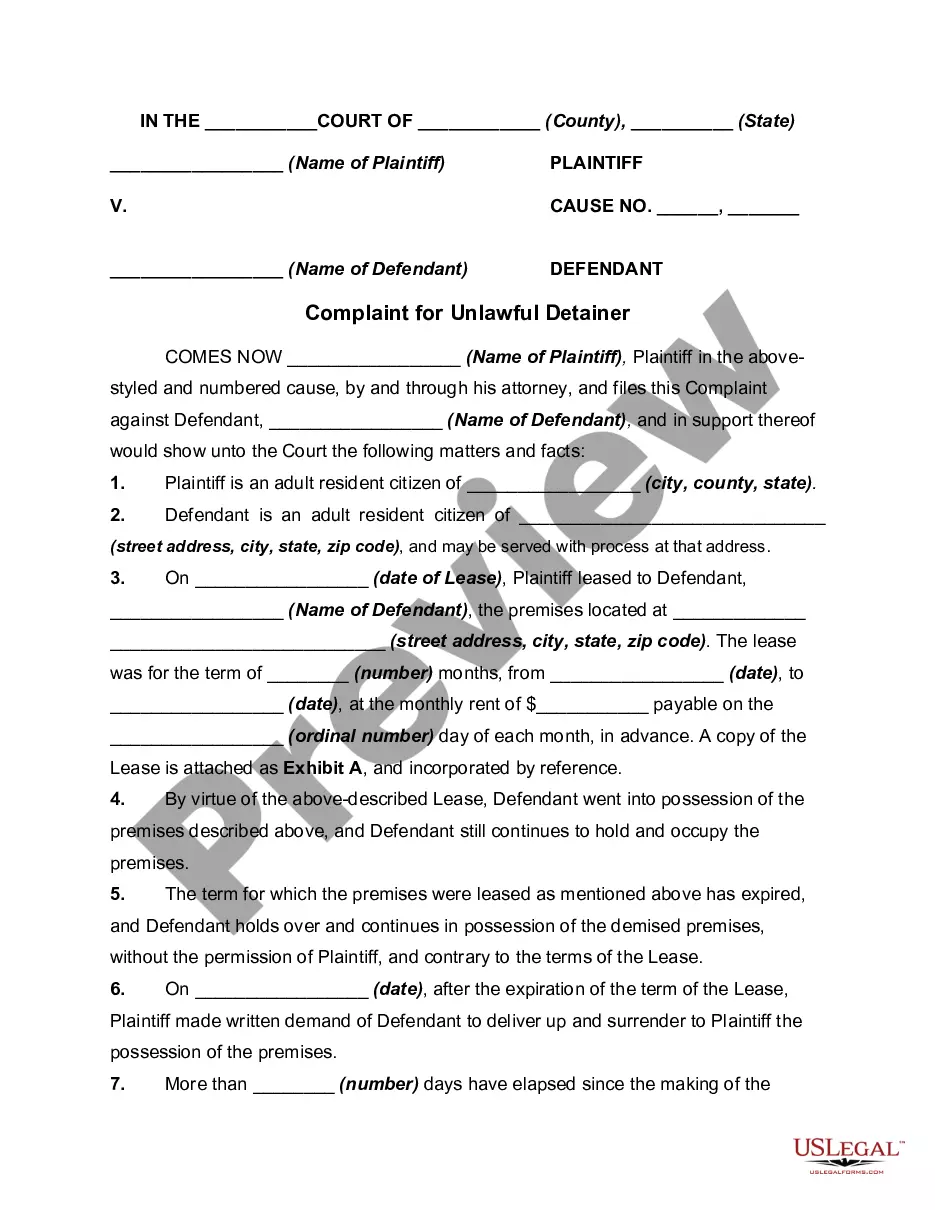
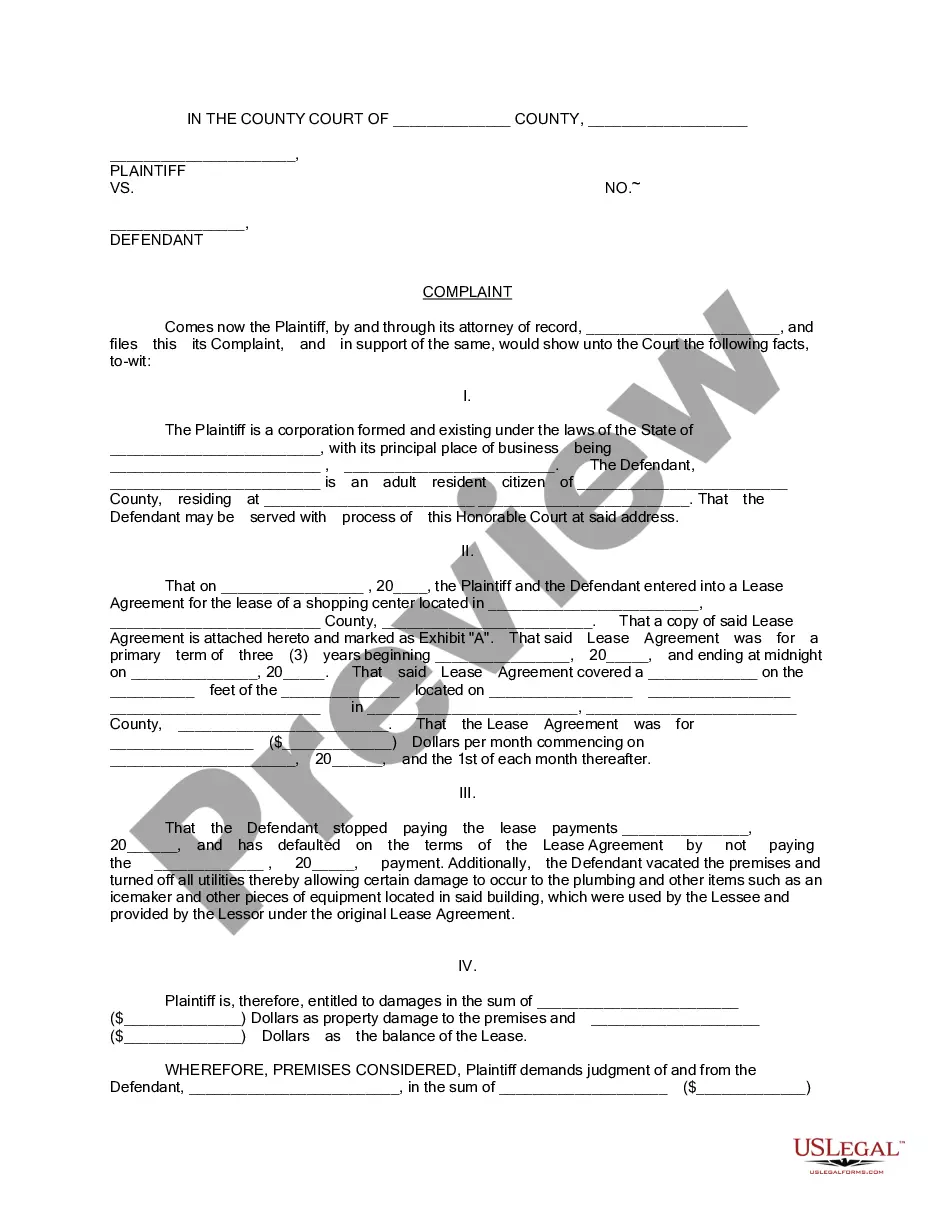
Holding Over By Tenant
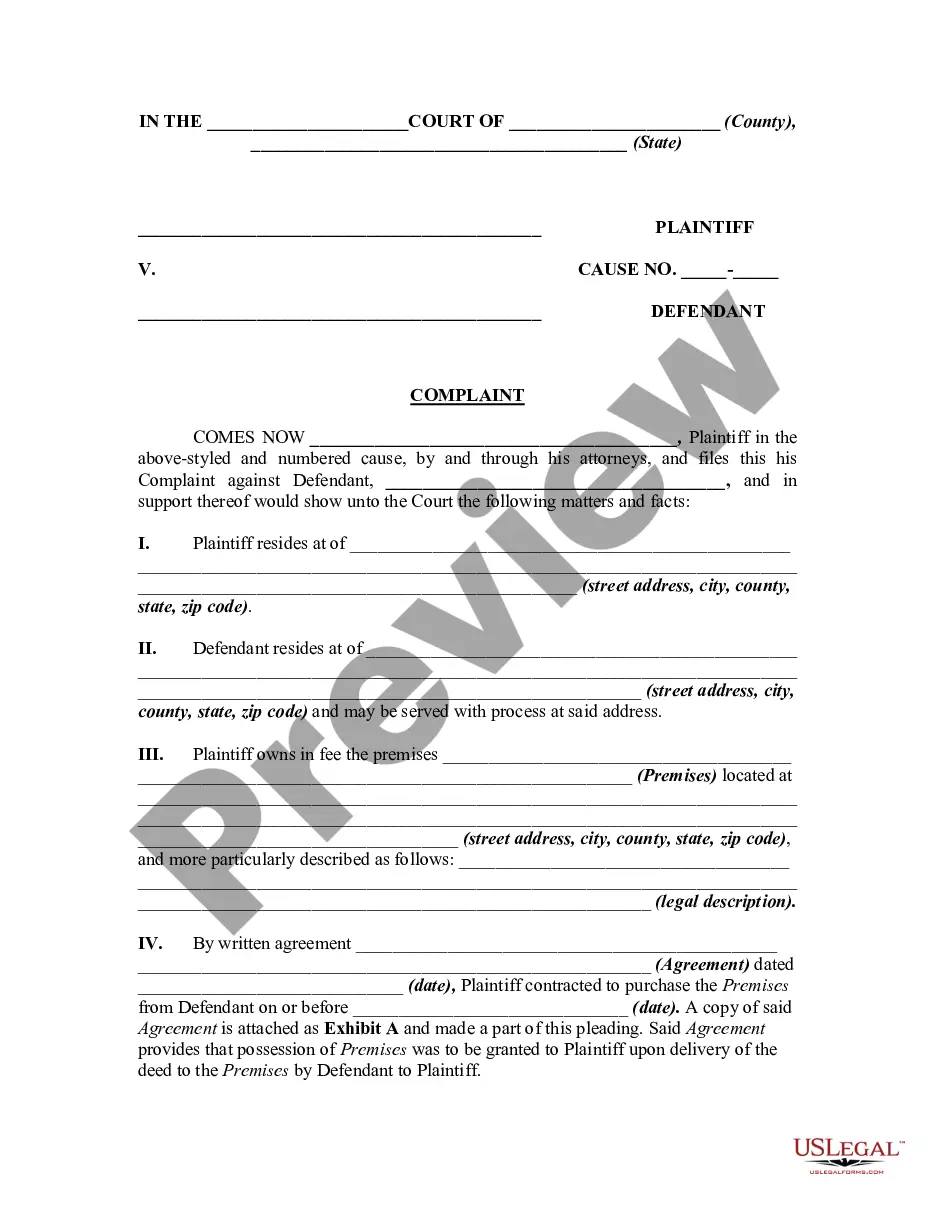
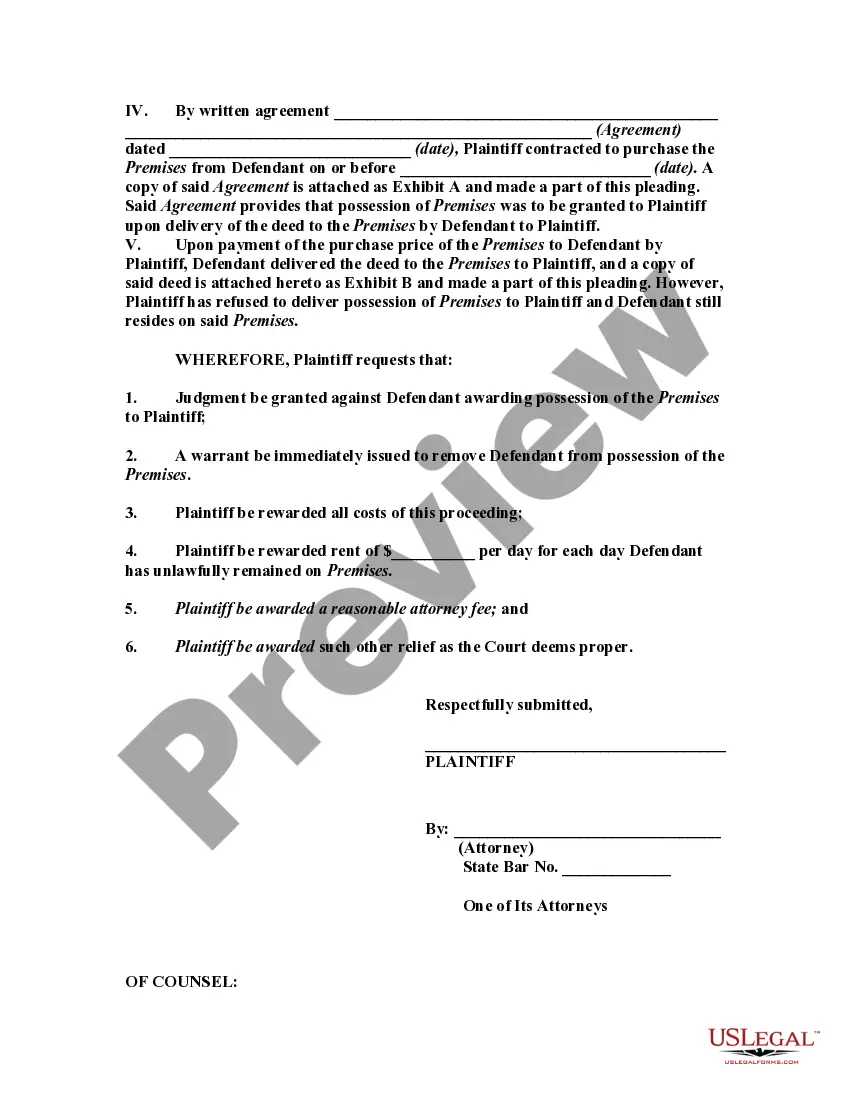
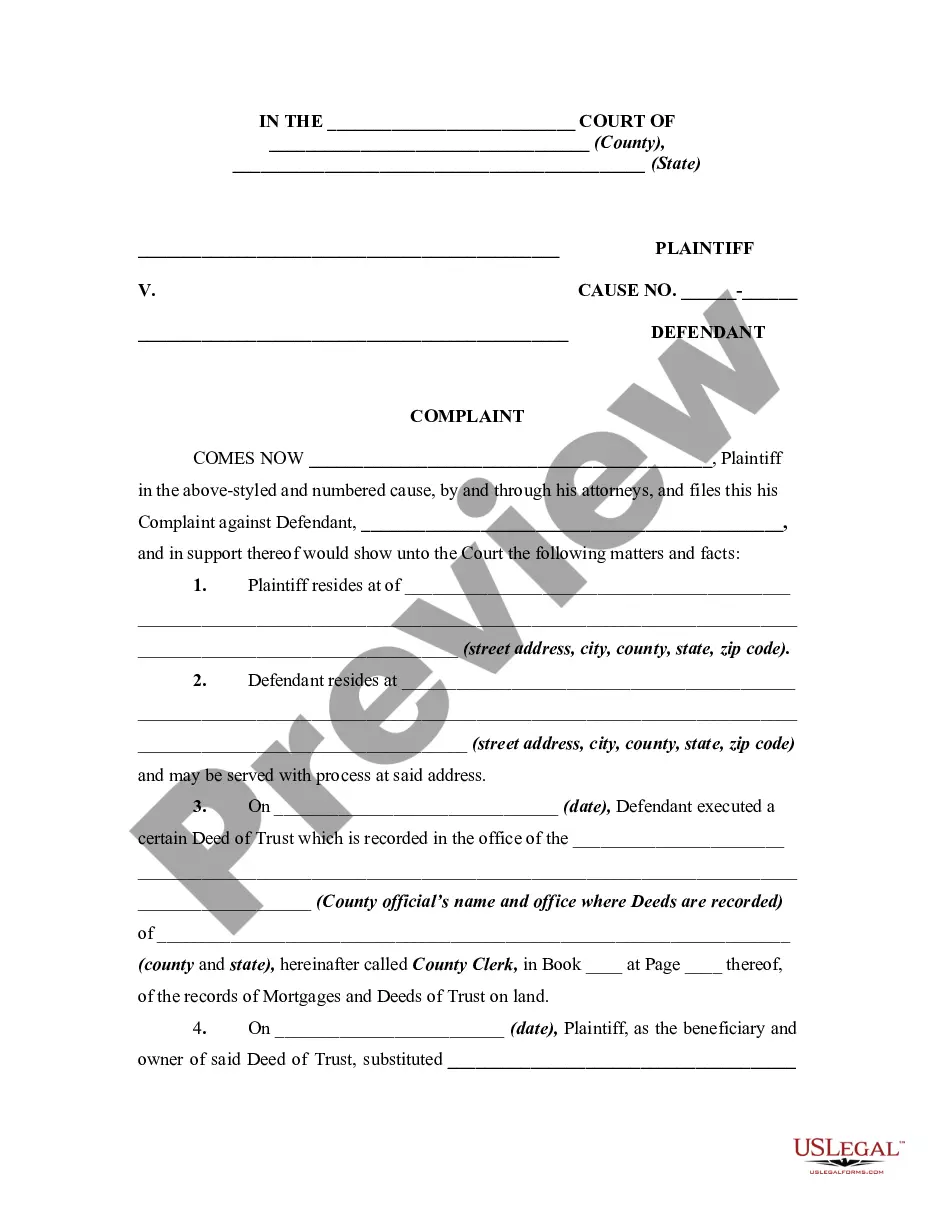
Description
Get your form ready online
Our built-in tools help you complete, sign, share, and store your documents in one place.
Make edits, fill in missing information, and update formatting in US Legal Forms—just like you would in MS Word.
Download a copy, print it, send it by email, or mail it via USPS—whatever works best for your next step.
Sign and collect signatures with our SignNow integration. Send to multiple recipients, set reminders, and more. Go Premium to unlock E-Sign.
If this form requires notarization, complete it online through a secure video call—no need to meet a notary in person or wait for an appointment.
We protect your documents and personal data by following strict security and privacy standards.

Make edits, fill in missing information, and update formatting in US Legal Forms—just like you would in MS Word.

Download a copy, print it, send it by email, or mail it via USPS—whatever works best for your next step.

Sign and collect signatures with our SignNow integration. Send to multiple recipients, set reminders, and more. Go Premium to unlock E-Sign.

If this form requires notarization, complete it online through a secure video call—no need to meet a notary in person or wait for an appointment.

We protect your documents and personal data by following strict security and privacy standards.
Looking for another form?







Form popularity
FAQ
An overholding tenant is someone who remains in a rental unit after their lease term has ended without the landlord's permission. This status often leads to disputes and can result in eviction proceedings initiated by the landlord. It's essential for both tenants and landlords to be aware of legal implications associated with overholding arrangements. Platforms like US Legal Forms offer documentation and guidance to assist in resolving these disputes effectively.
When a tenant holds over, it means they continue to occupy the rented property after the lease has expired. This situation may occur involuntarily, as in a misunderstanding about move-out dates, or voluntarily, in an effort to stay longer. It is important for both landlords and tenants to understand the implications of holding over, as it can affect lease renewals and security deposits. US Legal Forms can help you understand the legal ramifications in these scenarios.
The duration a tenant can remain as a holdover tenant largely depends on state laws and the specifics of the rental agreement. Generally, a tenant may stay beyond their lease only if the landlord allows it, otherwise, eviction proceedings can commence fairly quickly. It's crucial for tenants to be aware of their rights and obligations during this period. Utilizing US Legal Forms can provide essential legal documents to clarify these rights.
A tenant holding over case arises when a tenant stays in a rental property beyond their lease term without the landlord's consent. This situation can create legal and financial challenges for both parties. The landlord has the right to seek legal action to recover possession, thereby potentially impacting the tenant's future housing options. To handle such cases, using resources like US Legal Forms can streamline the process and help ensure compliance with local regulations.
In a holdover case, the landlord seeks to evict a tenant who has not vacated the property after the lease term has ended. The process usually begins with the landlord serving a notice to the tenant, informing them to leave the premises. If the tenant fails to comply, the landlord may file for eviction in court. Understanding the legal steps involved can prevent complications, and platforms like US Legal Forms can provide you with valuable tools to manage these situations.
A proceeding against a tenant holding over involves legal action initiated by a landlord to remove a tenant who remains in possession of the rental property after the lease has expired. This process typically requires the landlord to file an eviction notice and may lead to a court hearing. The goal is to regain possession of the property and ensure a smooth transition for new tenants. Legal resources, such as those provided by US Legal Forms, can help you navigate these proceedings effectively.
When a tenant is in holdover, it means they continue to occupy the rental property after their lease has expired. This situation can occur if the tenant has not vacated the premises or if there is some disagreement about the lease's terms. Typically, the landlord must decide how to handle this situation, which may include negotiation or legal action. Understanding the implications of holding over by a tenant is crucial for both parties to protect their rights and interests.
Holdover is not exactly the same as month-to-month tenancy, although they share similarities. A month-to-month rental agreement allows tenants and landlords flexibility to change terms, while holding over by tenant occurs when the lease automatically extends without a formal agreement. It is essential to clarify these terms in your lease to avoid confusion. Always consult a legal expert or a reliable platform like US Legal Forms for clear guidance.
To calculate the holdover rent, start by reviewing the original lease terms. Typically, holdover rent is a percentage of the last agreed rent or can be set at a market rate. Additionally, the specific state laws may influence the holdover rent calculation, so it’s important to be aware of those rules. Always ensure you stay informed about the guidelines surrounding holding over by tenant situations to avoid disputes.
Legally, holding over refers to the condition in which a tenant continues to occupy a rental property after the lease term has expired, without the landlord's agreement for renewal. This status can complicate the rental relationship, potentially affecting the tenant's rights and the landlord's ability to reclaim the property. It’s advisable for tenants to be familiar with the legal aspects of holding over by tenant to avoid misunderstandings.
