Posting A Bond For Injunctive Relief
Description
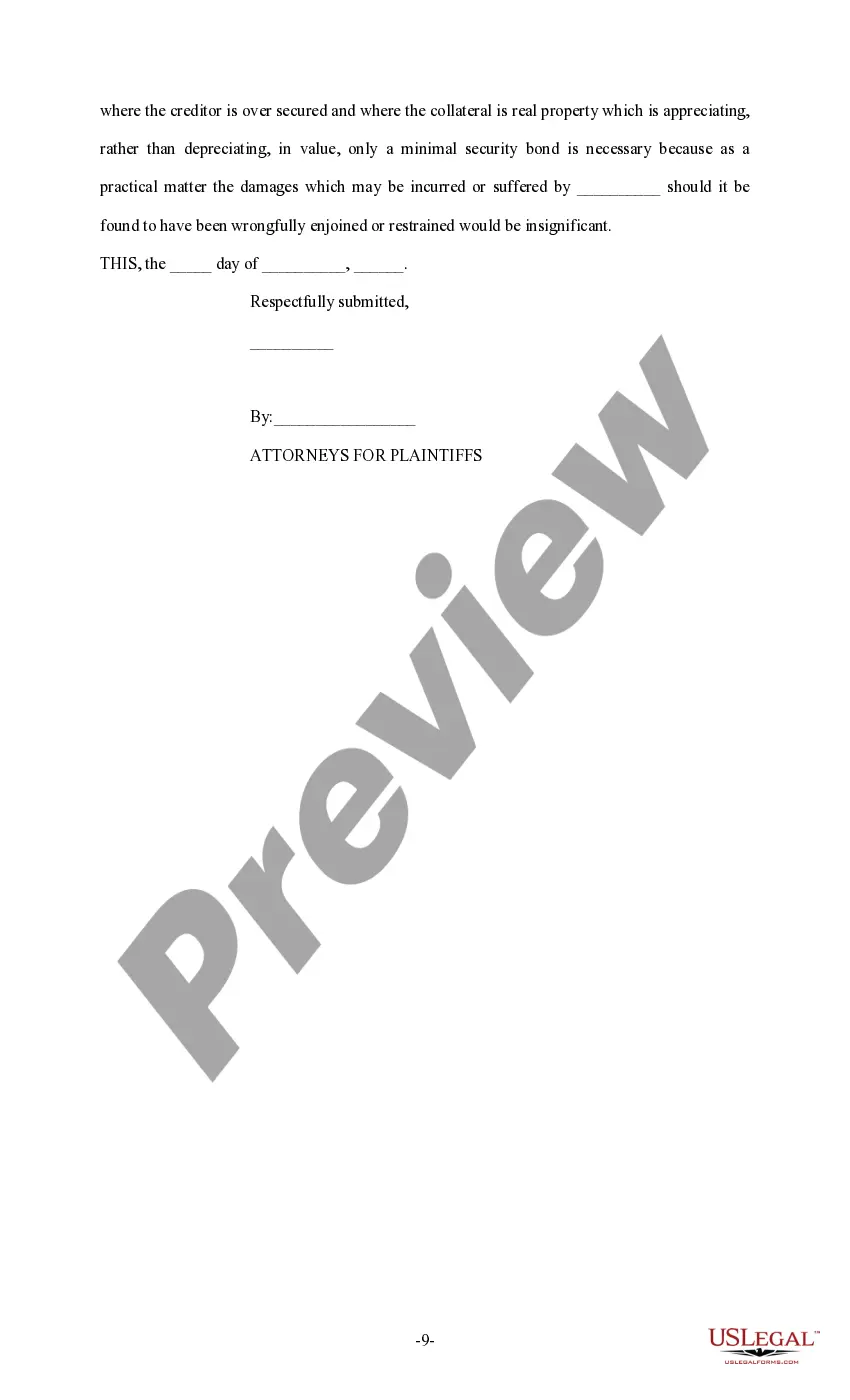
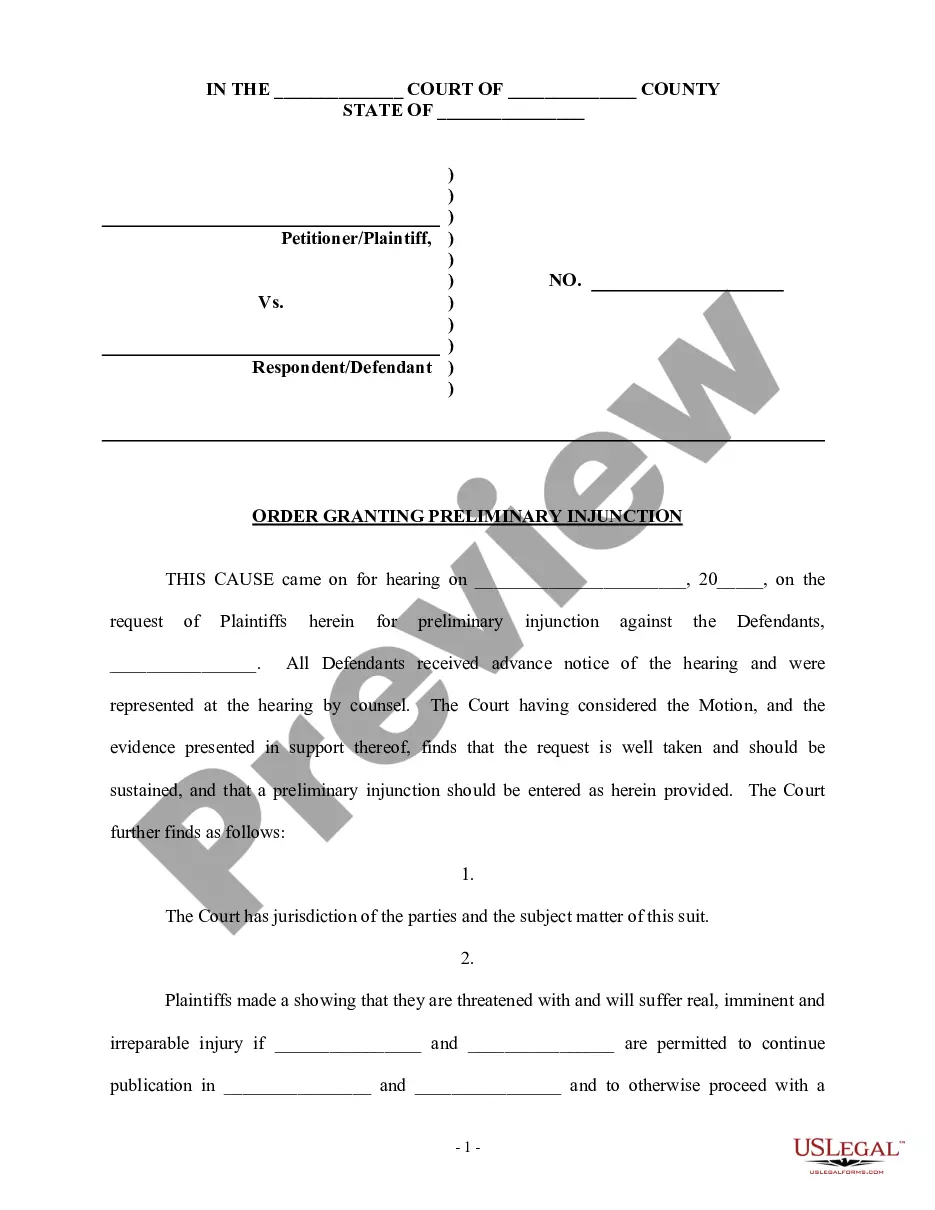
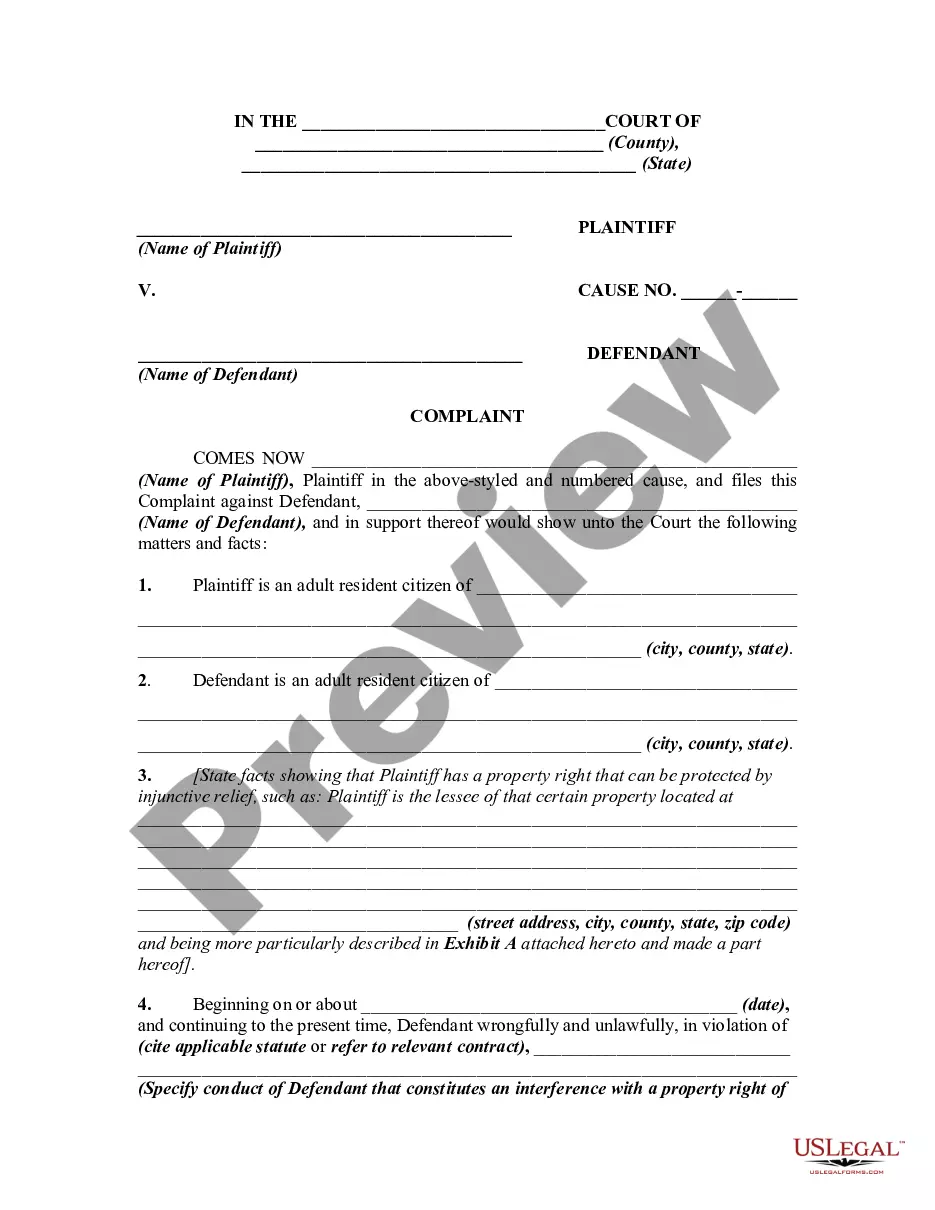
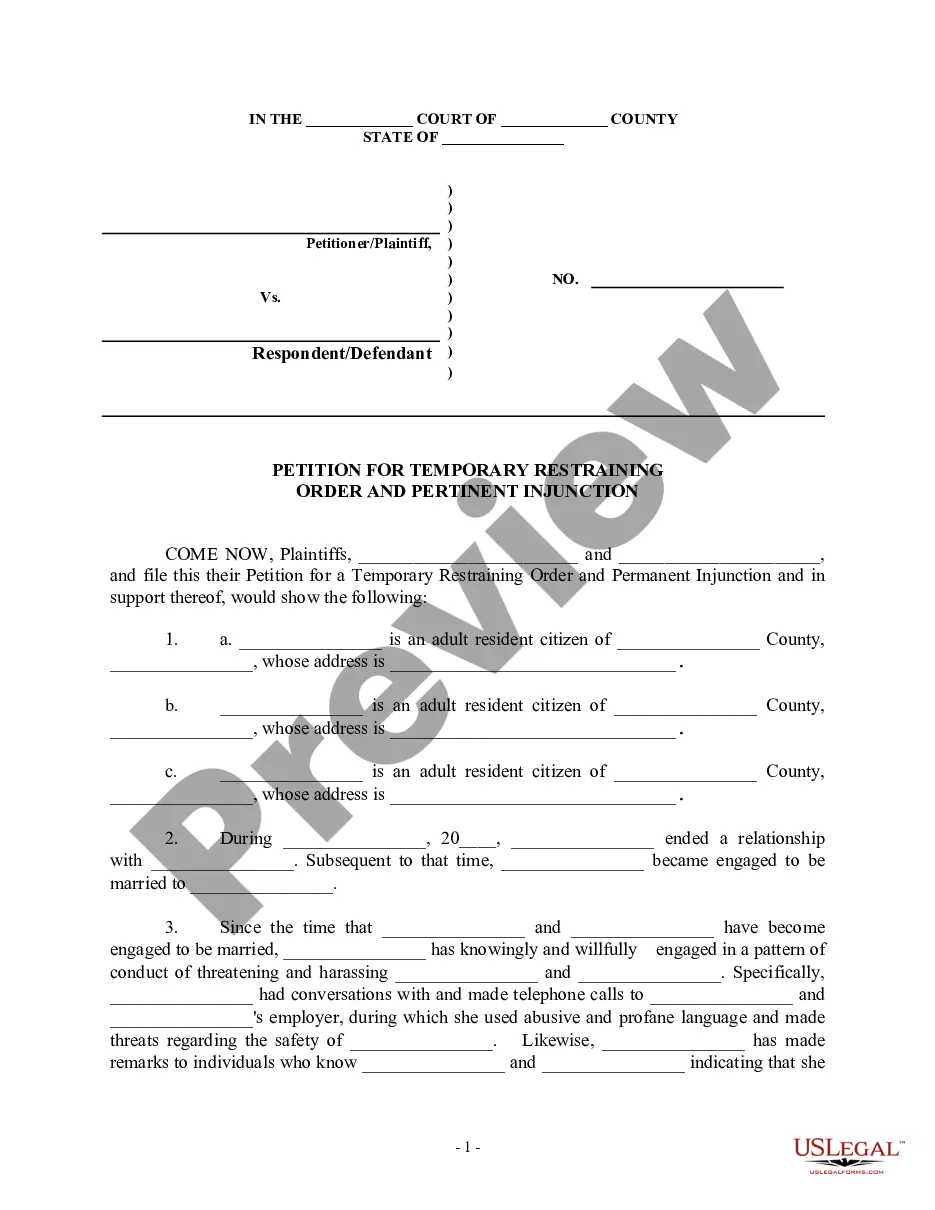

Get your form ready online
Our built-in tools help you complete, sign, share, and store your documents in one place.
Make edits, fill in missing information, and update formatting in US Legal Forms—just like you would in MS Word.
Download a copy, print it, send it by email, or mail it via USPS—whatever works best for your next step.
Sign and collect signatures with our SignNow integration. Send to multiple recipients, set reminders, and more. Go Premium to unlock E-Sign.
If this form requires notarization, complete it online through a secure video call—no need to meet a notary in person or wait for an appointment.
We protect your documents and personal data by following strict security and privacy standards.

Make edits, fill in missing information, and update formatting in US Legal Forms—just like you would in MS Word.

Download a copy, print it, send it by email, or mail it via USPS—whatever works best for your next step.

Sign and collect signatures with our SignNow integration. Send to multiple recipients, set reminders, and more. Go Premium to unlock E-Sign.

If this form requires notarization, complete it online through a secure video call—no need to meet a notary in person or wait for an appointment.

We protect your documents and personal data by following strict security and privacy standards.
Looking for another form?

How to fill out Sample Brief - Injunction?
Acquiring legal document samples that comply with federal and state laws is essential, and the internet provides numerous choices to explore.
However, what is the use of spending time searching for the appropriate Posting A Bond For Injunctive Relief sample online if the US Legal Forms digital library has already compiled such templates in one location.
US Legal Forms is the largest online legal repository featuring more than 85,000 fillable documents created by attorneys for various business and personal situations. They are easy to navigate with all documents categorized by state and intended use.
Utilize the search option at the top of the page to look for alternative samples if needed. Once you find the correct form, click Buy Now and select a subscription plan. Create an account or sign in and process payment via PayPal or a credit card. Choose the best format for your Posting A Bond For Injunctive Relief and download it. All templates available through US Legal Forms are reusable. To redownload and complete previously acquired forms, access the My documents section in your profile. Take advantage of the most extensive and user-friendly legal documentation service!
- Our team stays updated with legal modifications, ensuring that your form remains current and meets compliance standards when you obtain a Posting A Bond For Injunctive Relief from our platform.
- Acquiring a Posting A Bond For Injunctive Relief is straightforward and quick for both existing and new users.
- If you already possess an account with an active subscription, Log In and retrieve the document sample you need in the appropriate format.
- If you are new to our website, follow the instructions outlined below.
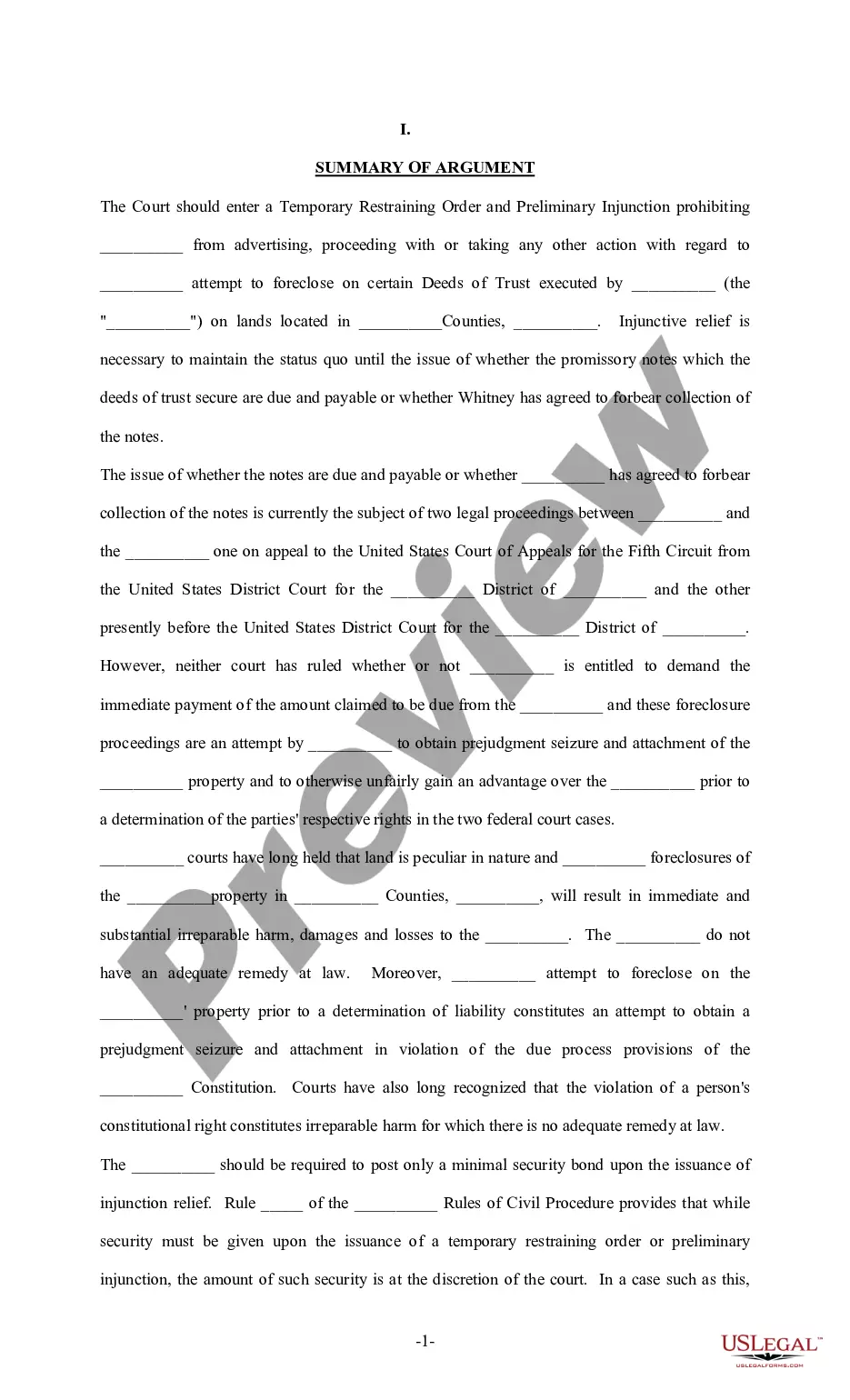
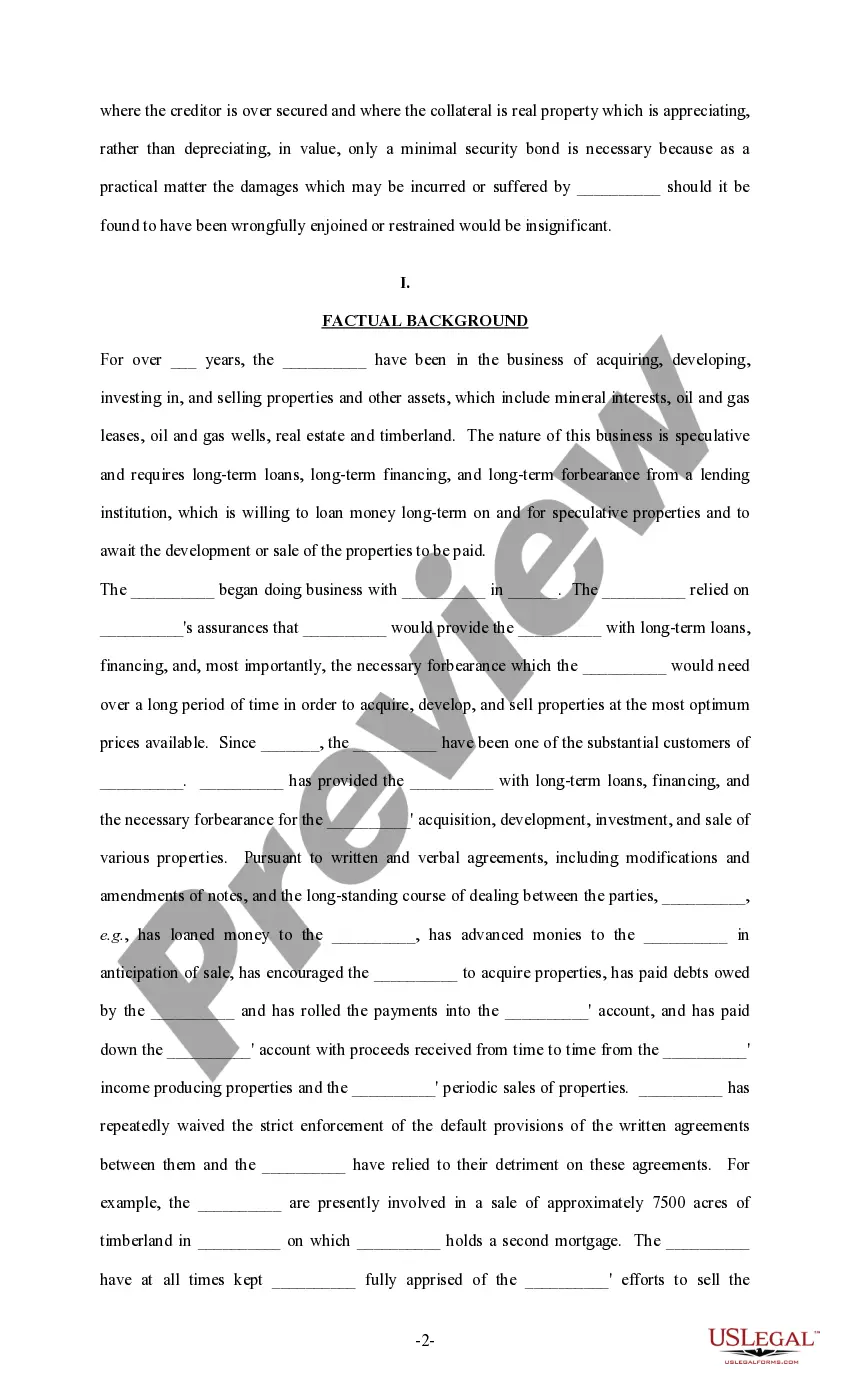
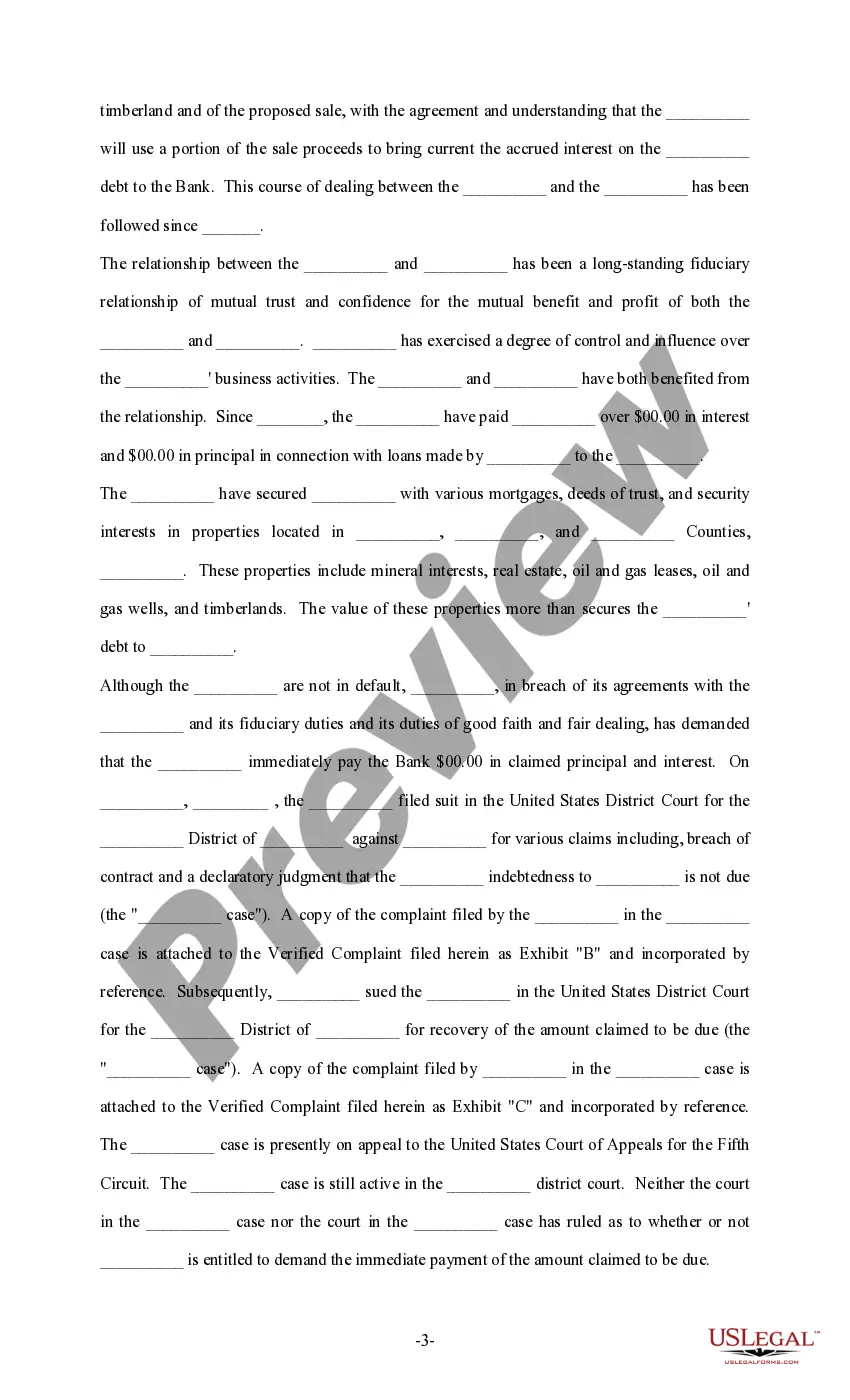
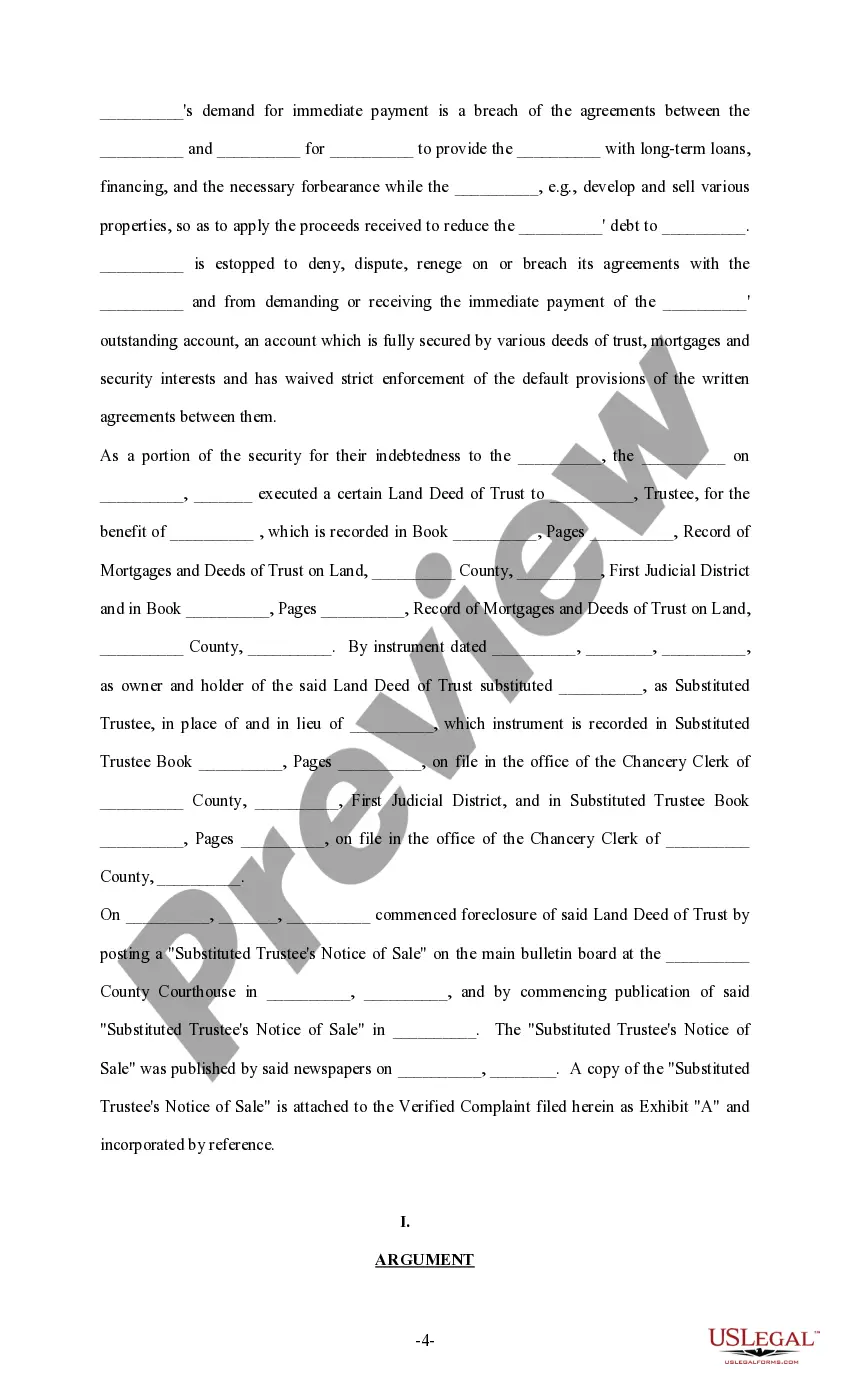
- View the template using the Preview feature or through the text description to ensure it meets your requirements.
Form popularity
FAQ
Posting a bond for injunctive relief involves providing a monetary guarantee to the court that you will uphold the terms of the injunction. This bond protects the opposing party from potential losses if the court later determines that the injunction should not have been granted. By facilitating this process, US Legal Forms simplifies the steps needed to ensure compliance with legal requirements. Engaging with our platform can help you efficiently navigate the complexities of posting a bond for injunctive relief.
The purpose of an injunction bond is to protect the party that may be harmed by an injunction. When you post a bond for injunctive relief, it ensures that if the court later decides the injunction was inappropriate, the affected party can receive compensation for any damages incurred. This bond acts as a financial guarantee and provides a safety net for those involved in the legal process. Essentially, it balances the interests of both parties and promotes fairness.
Posting a bond for injunctive relief is a legal requirement to ensure that the party benefiting from the injunction can cover any damages if the injunction is later found to be unjustified. This bond acts as a safety net for the opposing party, providing them with financial protection. It demonstrates your commitment to take responsibility for the consequences of the injunction. You can find assistance with this process through platforms like US Legal Forms, which offers resources and guidance tailored to your needs.
To obtain an injunction, you generally need to demonstrate three key elements: a likelihood of success on the merits of the case, a risk of irreparable harm without the injunction, and that the balance of equities favors granting the injunction. Meeting these requirements is essential for a court to consider your request. If you are navigating this process, platforms like USLegalForms can provide valuable resources and guidance for posting a bond for injunctive relief.
Injunction bonds are typically required, but regulations can vary by state. The court will often mandate this bond to ensure that the party seeking the injunction is serious about their request and understands the potential financial implications. When considering posting a bond for injunctive relief, it's important to consult with legal professionals who can guide you through the requirements specific to your case.
Yes, an injunction often requires a bond. This bond acts as a financial guarantee that protects the party being enjoined from potential damages if the injunction is found to have been improperly granted. In many jurisdictions, posting a bond for injunctive relief is a standard practice, ensuring that the court's decision does not inadvertently harm the other party.
To fill out a bond request form for posting a bond for injunctive relief, first, gather all necessary information, including the details of the case and the parties involved. Then, accurately complete each section of the form, ensuring that you provide clear and precise information. It's essential to review the form for any errors before submission to avoid delays. If you need assistance, consider using US Legal Forms, which offers helpful resources and templates to simplify the process.