Difference Between Civil Ceremony And Marriage
Description
Get your form ready online
Our built-in tools help you complete, sign, share, and store your documents in one place.
Make edits, fill in missing information, and update formatting in US Legal Forms—just like you would in MS Word.
Download a copy, print it, send it by email, or mail it via USPS—whatever works best for your next step.
Sign and collect signatures with our SignNow integration. Send to multiple recipients, set reminders, and more. Go Premium to unlock E-Sign.
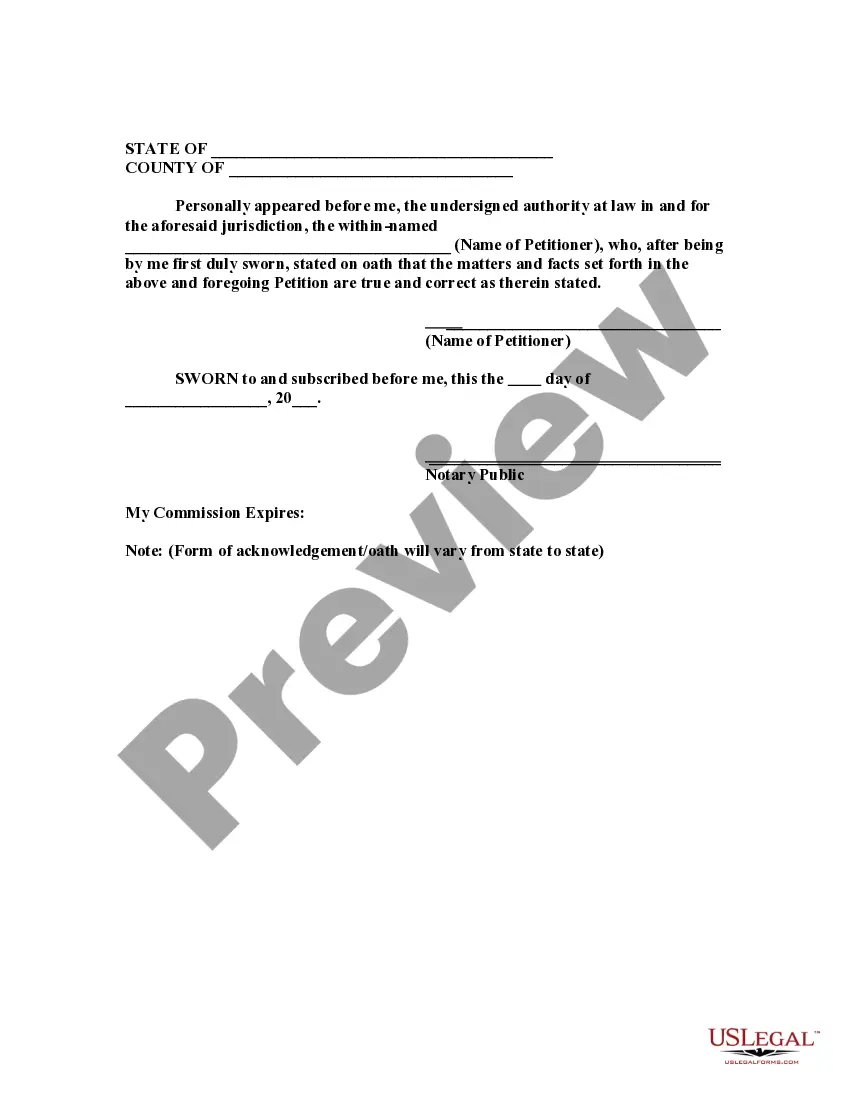
If this form requires notarization, complete it online through a secure video call—no need to meet a notary in person or wait for an appointment.
We protect your documents and personal data by following strict security and privacy standards.

Make edits, fill in missing information, and update formatting in US Legal Forms—just like you would in MS Word.

Download a copy, print it, send it by email, or mail it via USPS—whatever works best for your next step.

Sign and collect signatures with our SignNow integration. Send to multiple recipients, set reminders, and more. Go Premium to unlock E-Sign.

If this form requires notarization, complete it online through a secure video call—no need to meet a notary in person or wait for an appointment.

We protect your documents and personal data by following strict security and privacy standards.
Looking for another form?








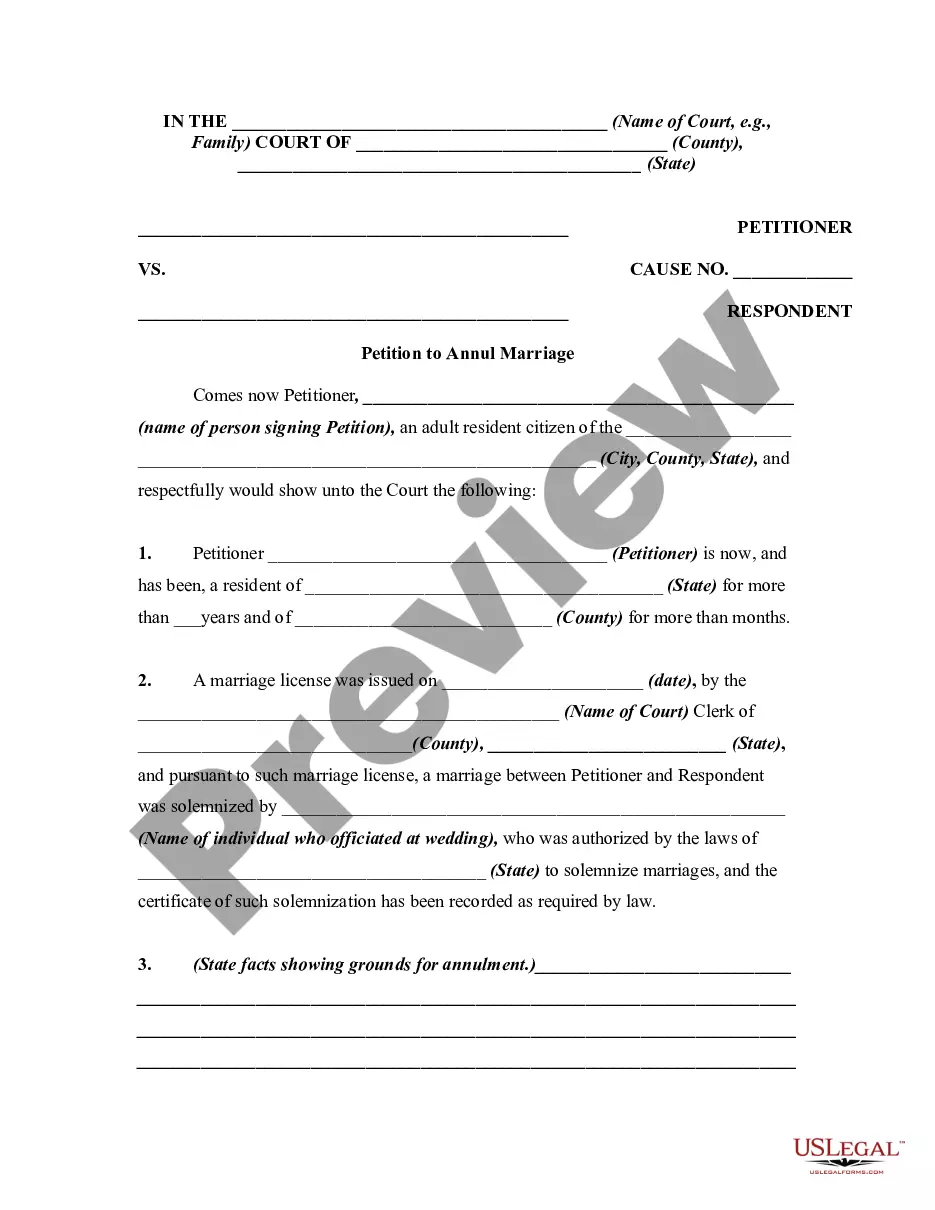
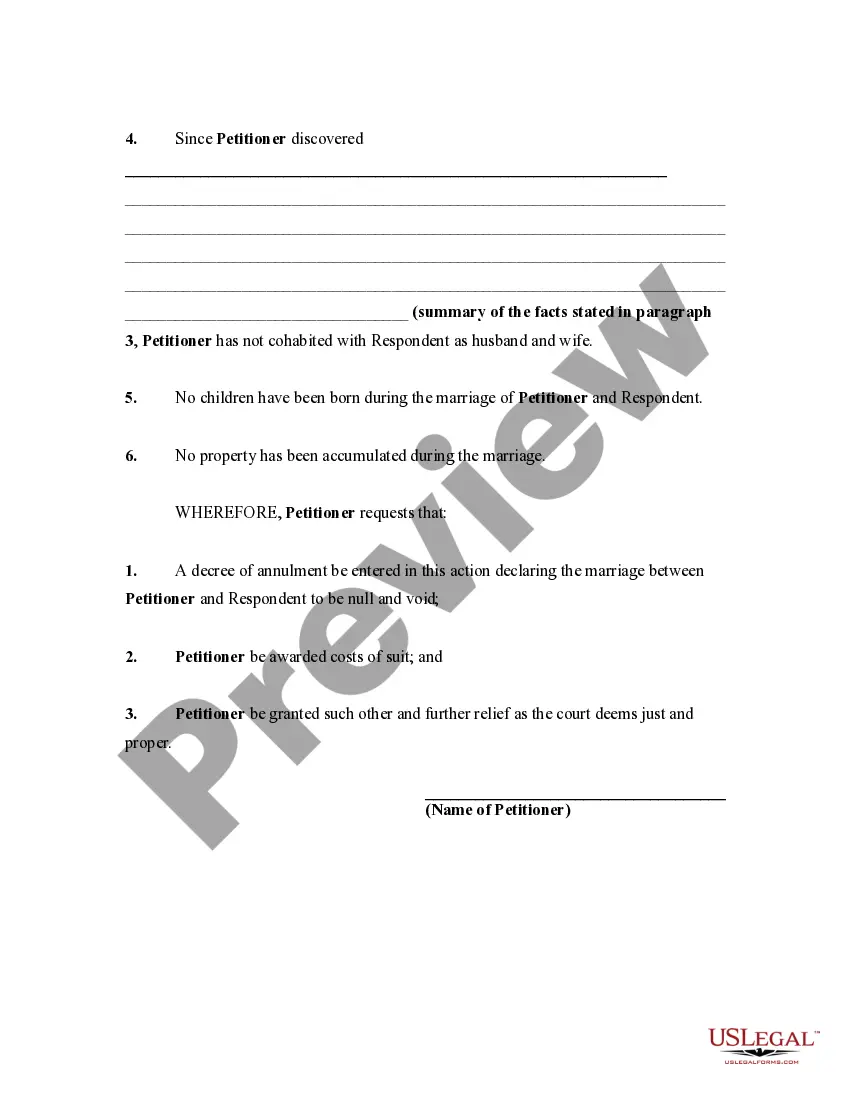
How to fill out Petition To Annul Marriage With No Children Or Property?
Creating legal documents from the beginning can frequently be intimidating.
Certain situations may require extensive research and significant financial investment.
If you’re looking for a simpler and more economical method of generating Difference Between Civil Ceremony And Marriage or other documents without unnecessary complications, US Legal Forms is always at your service.
Our online repository of over 85,000 current legal forms encompasses nearly every aspect of your financial, legal, and personal matters.
Examine the form preview and descriptions to confirm that you are selecting the correct form. Verify that the template you choose complies with the regulations of your state and county. Select the appropriate subscription plan to acquire the Difference Between Civil Ceremony And Marriage. Download the form, then fill it out, sign it, and print it. US Legal Forms boasts a flawless reputation and more than 25 years of experience. Join us today and make document completion a straightforward and efficient process!
- With just a few clicks, you can quickly access state- and county-specific templates meticulously crafted for you by our legal experts.
- Utilize our platform whenever you require dependable and trustworthy services to swiftly find and download the Difference Between Civil Ceremony And Marriage.
- If you're familiar with our site and have previously registered an account, simply Log In to your account, select the template, and download it or re-download it anytime from the My documents section.
- Don’t have an account? No worries. Setting it up and browsing the catalog takes minimal time.
- But before proceeding directly to downloading the Difference Between Civil Ceremony And Marriage, consider these suggestions.
Form popularity
FAQ
Civil marriage is the standard wedding ceremony between two people without the assistance of a court, whereas court marriage permits couples to get married with approval from a court of law. A court must approve the marriage in order for it to take place, which is known as a court marriage.
A civil ceremony wedding is defined as a nonreligious, legal marriage ceremony presided over by a legal officiant.
The main difference between marrying in a religious or civil ceremony is that a religious ceremony is about being wed in the eyes of God (or whichever deity you believe in), while a civil ceremony is about being wed in the eyes of the law.
Civil Ceremonies Since faith-based ceremonies are likely out of the question, the bride and groom are left with two options: a civil ceremony or a spiritual ceremony. In a civil ceremony, a bride and groom get married under the law instead of under God.
A civil marriage is a marriage performed, recorded, and recognized by a government official. Such a marriage may be performed by a religious body and recognized by the state, or it may be entirely secular.