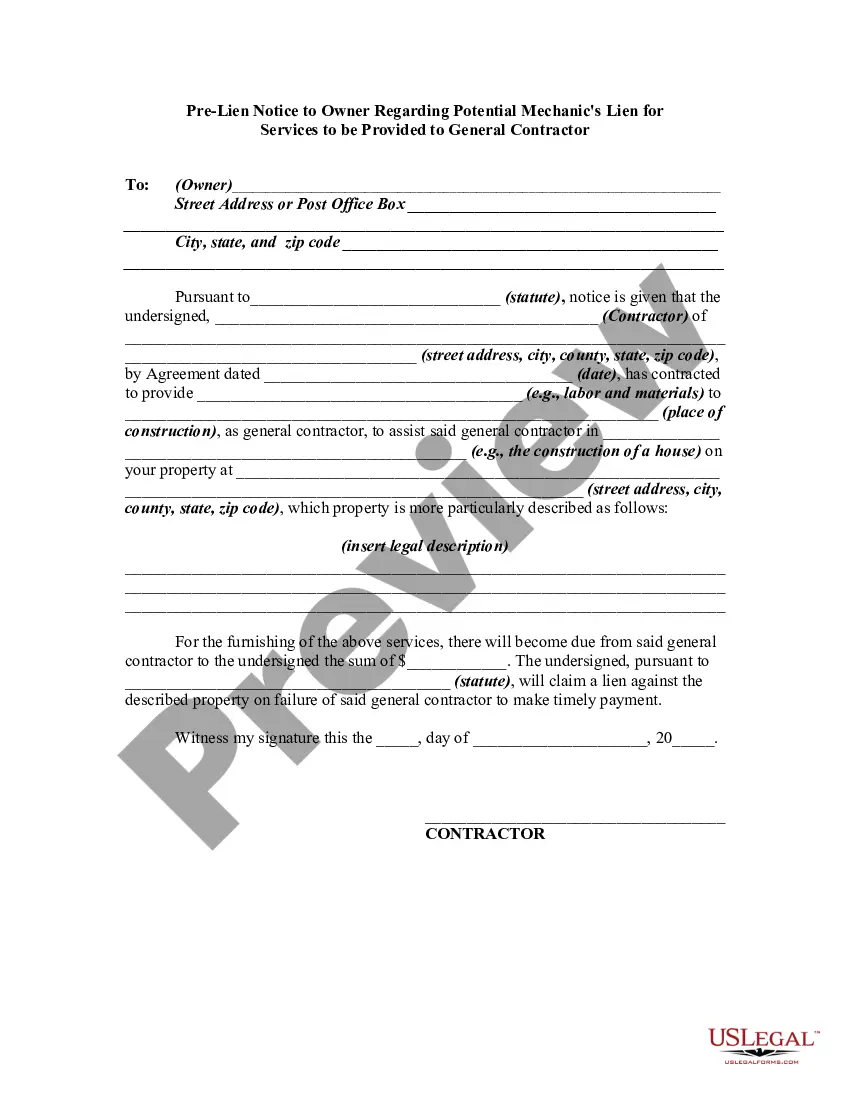
Notice Lien Contractor With Lien
Description
Get your form ready online
Our built-in tools help you complete, sign, share, and store your documents in one place.
Make edits, fill in missing information, and update formatting in US Legal Forms—just like you would in MS Word.
Download a copy, print it, send it by email, or mail it via USPS—whatever works best for your next step.
Sign and collect signatures with our SignNow integration. Send to multiple recipients, set reminders, and more. Go Premium to unlock E-Sign.
If this form requires notarization, complete it online through a secure video call—no need to meet a notary in person or wait for an appointment.
We protect your documents and personal data by following strict security and privacy standards.

Make edits, fill in missing information, and update formatting in US Legal Forms—just like you would in MS Word.

Download a copy, print it, send it by email, or mail it via USPS—whatever works best for your next step.

Sign and collect signatures with our SignNow integration. Send to multiple recipients, set reminders, and more. Go Premium to unlock E-Sign.

If this form requires notarization, complete it online through a secure video call—no need to meet a notary in person or wait for an appointment.

We protect your documents and personal data by following strict security and privacy standards.
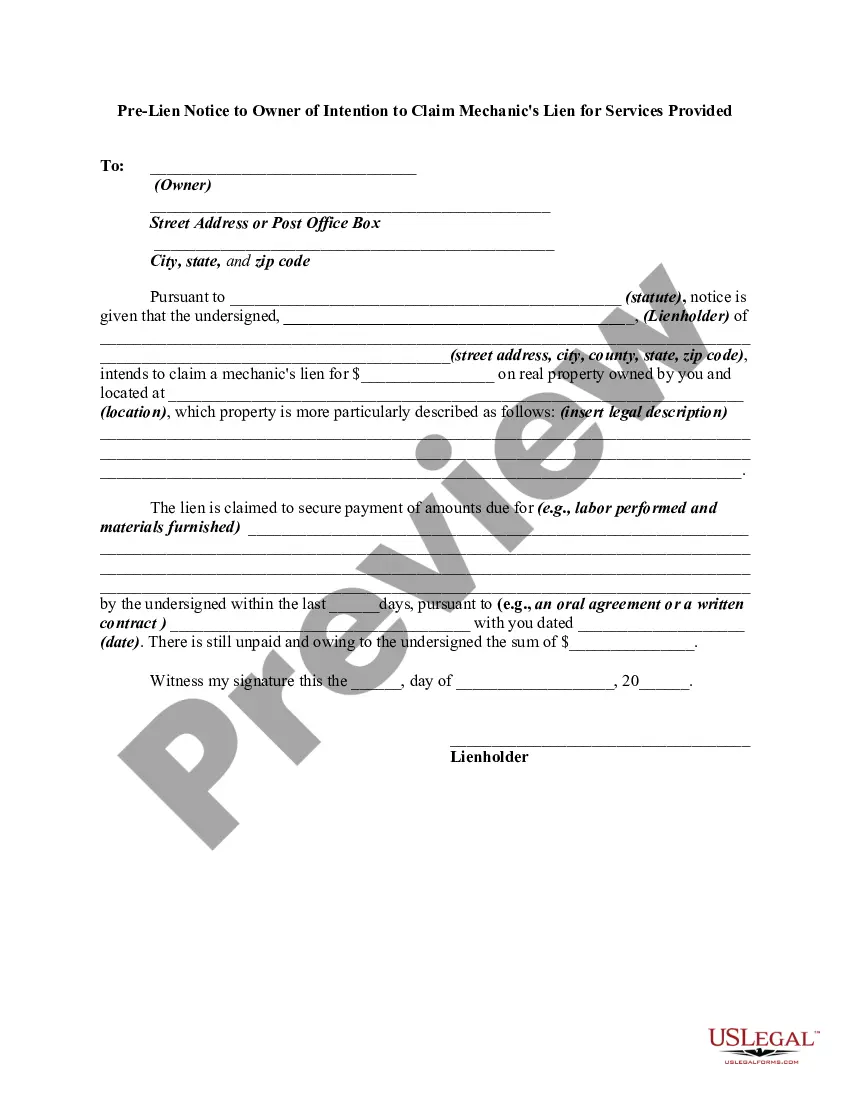
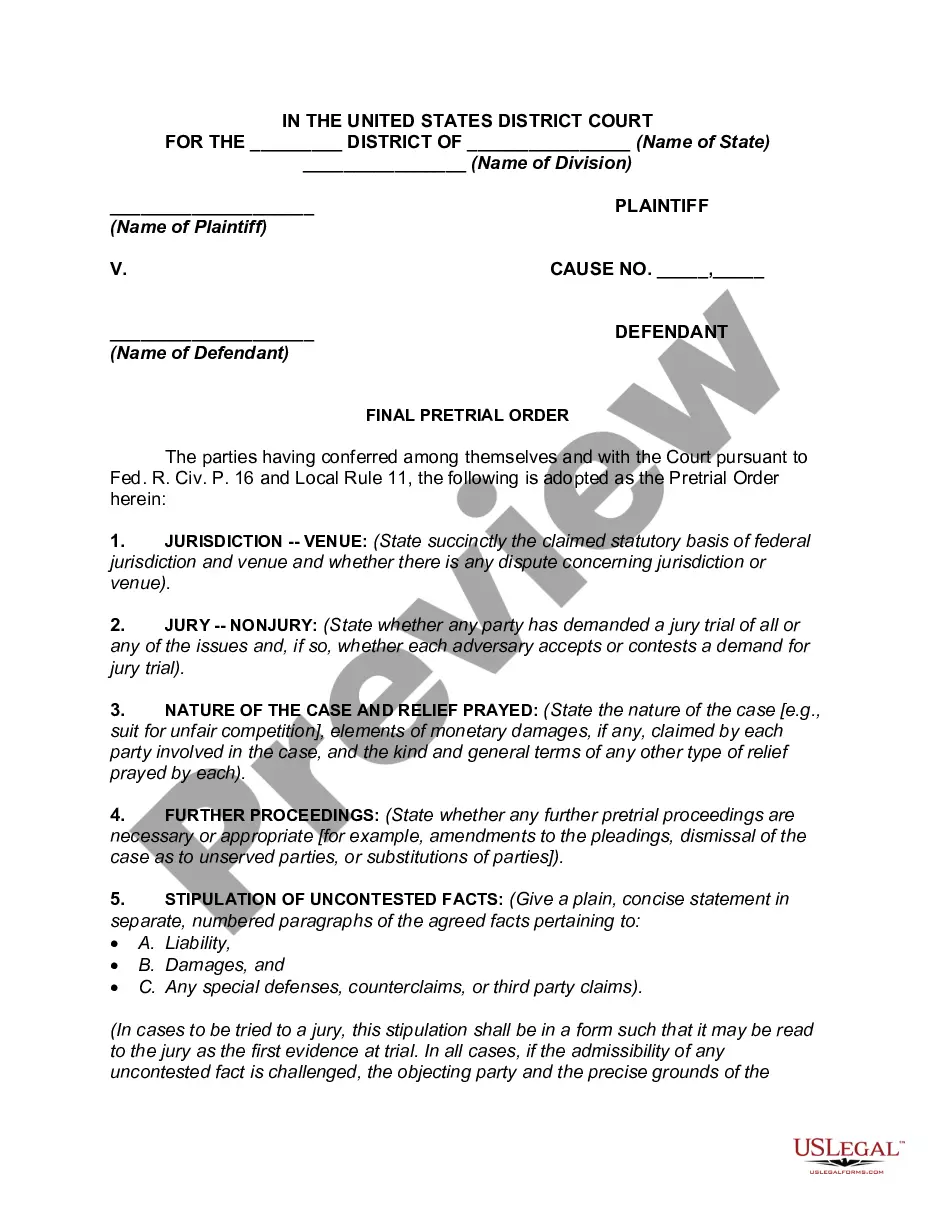
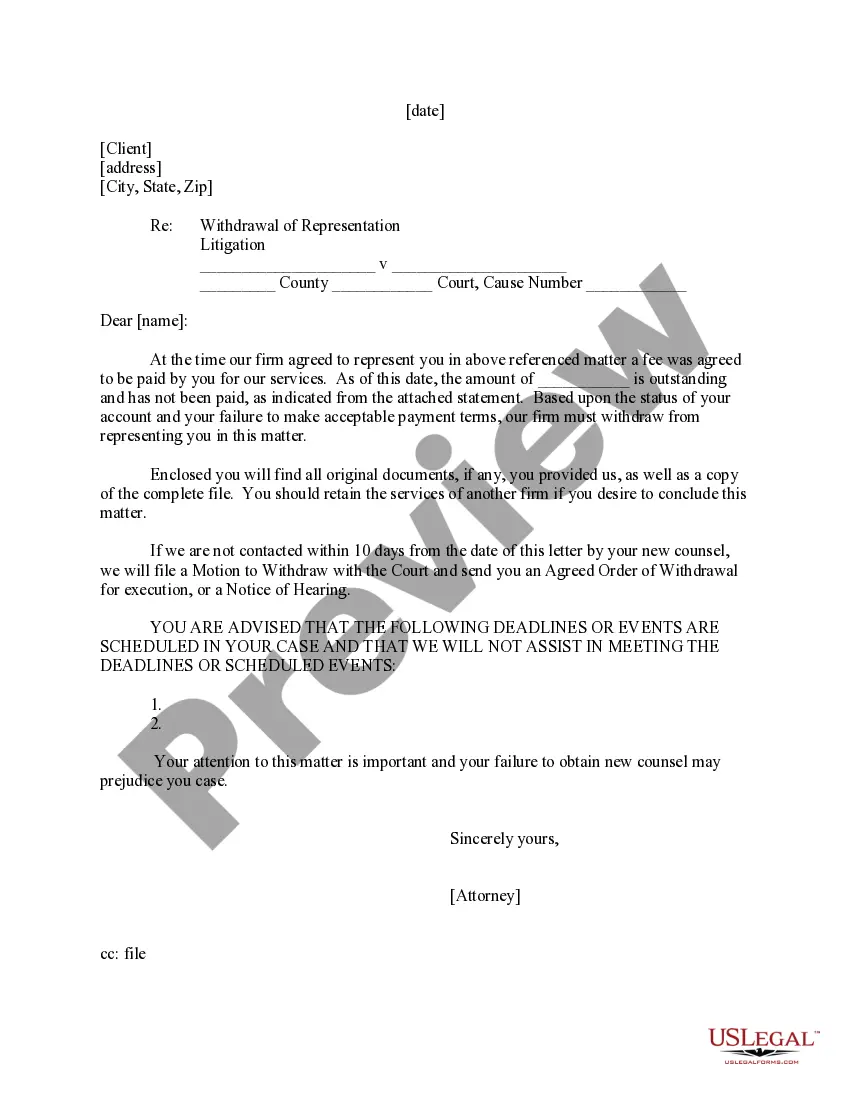
Looking for another form?







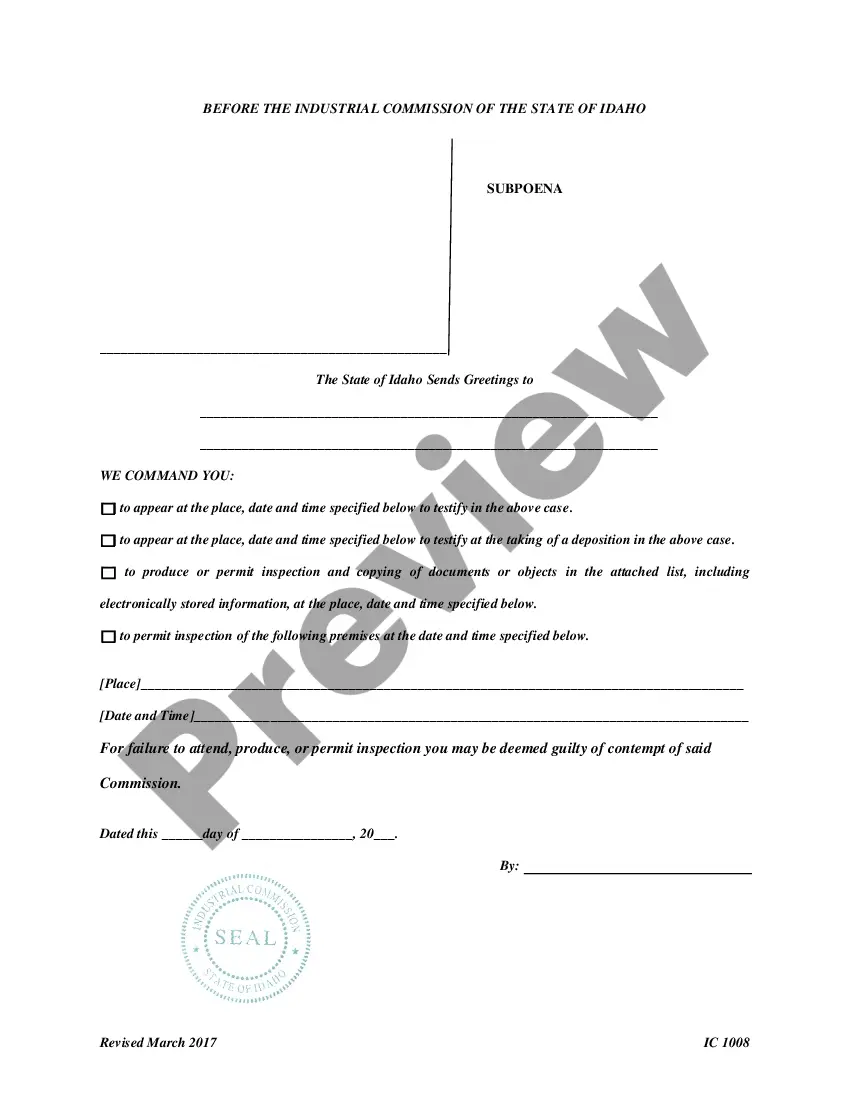
How to fill out Pre-Lien Notice To Owner Regarding Potential Mechanic's Lien For Services To Be Provided To General Contractor?
- Log into your existing US Legal Forms account to access the forms you need. If your subscription is expired, remember to renew it.
- Review the form description and preview mode to ensure you have selected the correct template that complies with your jurisdiction's requirements.
- If you can't find the right template, utilize the search functionality to locate the desired form.
- Once you find the necessary document, click on the Buy Now button. Choose a subscription plan that fits your needs and create an account to gain access.
- Complete your purchase using a credit card or PayPal. Ensure your payment is successful for uninterrupted access to the form library.
- Download your form and save it on your device. You can also find it anytime in the My Forms section of your profile.
By following these steps, you can efficiently manage your legal documentation with US Legal Forms. The service offers an extensive collection of over 85,000 forms, far surpassing competitors at a similar cost.
Take action now and simplify your legal needs with US Legal Forms. Start your journey towards hassle-free document management today!
Form popularity
FAQ
Filling out a lien affidavit requires you to provide detailed information about the job completed, the amounts owed, and your relationship to the property. You must sign the affidavit in the presence of a notary to verify its authenticity. Make sure all details are accurate to avoid issues later on. For assistance in creating a lien affidavit, explore the resources offered by USLegalForms.
Yes, lien waivers are legal documents that validate the release of a contractor's right to place a lien on a property for unpaid services and materials. They serve as an agreement between parties regarding payments and work performed. It is essential to use the correct form that complies with local laws to ensure the waiver’s effectiveness. USLegalForms can assist you in obtaining legally sound lien waiver documents.
A waiver of lien to date is a legal document stating that a contractor has received payment and waives their right to file a lien for work completed up until a specific date. This, combined with a contractor's affidavit, serves as sworn testimony about the work performed and any payments received. Together, they offer security to property owners and ensure transparency. For more reliable forms, visit USLegalForms.
A lien notice in construction is a formal document that informs property owners and other interested parties about a contractor's right to file a lien due to unpaid work. This notice acts as a warning regarding outstanding payments and can prompt resolution before further actions are taken. Protecting your interests as a contractor is essential, and using USLegalForms can streamline this process.
Filling out a construction lien waiver involves specifying the payment received, the project details, and the parties involved. It's crucial to include clear statements waiving the right to file a lien for the work performed. Carefully review the form for any specific state requirements that may need to be met. If needed, USLegalForms can provide templates to guide you in completing your lien waiver correctly.
To put a contractor lien on your business, you must first ensure the contractor has fulfilled their right to file under state law. Then, you should prepare the lien document, including details about the contracted work, amounts owed, and property information. Once completed, file the lien with the appropriate local government office. For clarity and accuracy, check out the resources at USLegalForms.
In Pennsylvania, a contractor has 6 months from the date of the last work done to file a lien against the property. It's vital for contractors to keep track of dates and ensure timely filing. Failing to file within this period can result in the loss of their right to claim the lien. If you need assistance, consider using USLegalForms to help navigate lien filing in Pennsylvania.
In New York, the lien waiver law allows contractors and subcontractors to waive their rights to file a lien for payment on construction projects. This process ensures that once payment is made, the contractor cannot later place a lien on the property for the same work. Contractors must follow specific procedures outlined in the law to ensure compliance. Utilizing resources like USLegalForms can simplify understanding lien waivers in New York.
Yes, it is possible for someone to put a lien on your property without your immediate awareness. Often, a notice lien contractor with lien is required, but some types of liens can be filed without prior notice. This can happen with tax liens or court judgments. To safeguard yourself, consider regularly checking public records to stay informed about any liens filed against your property.
To find out if you have a judgment or lien against you, check public records in your county or state. You can search legal databases for a notice lien contractor with lien, or visit the local courthouse. Additionally, you may receive a notice if a lien is placed, but it’s wise to proactively check for any claims. Keeping informed helps you address issues before they escalate.