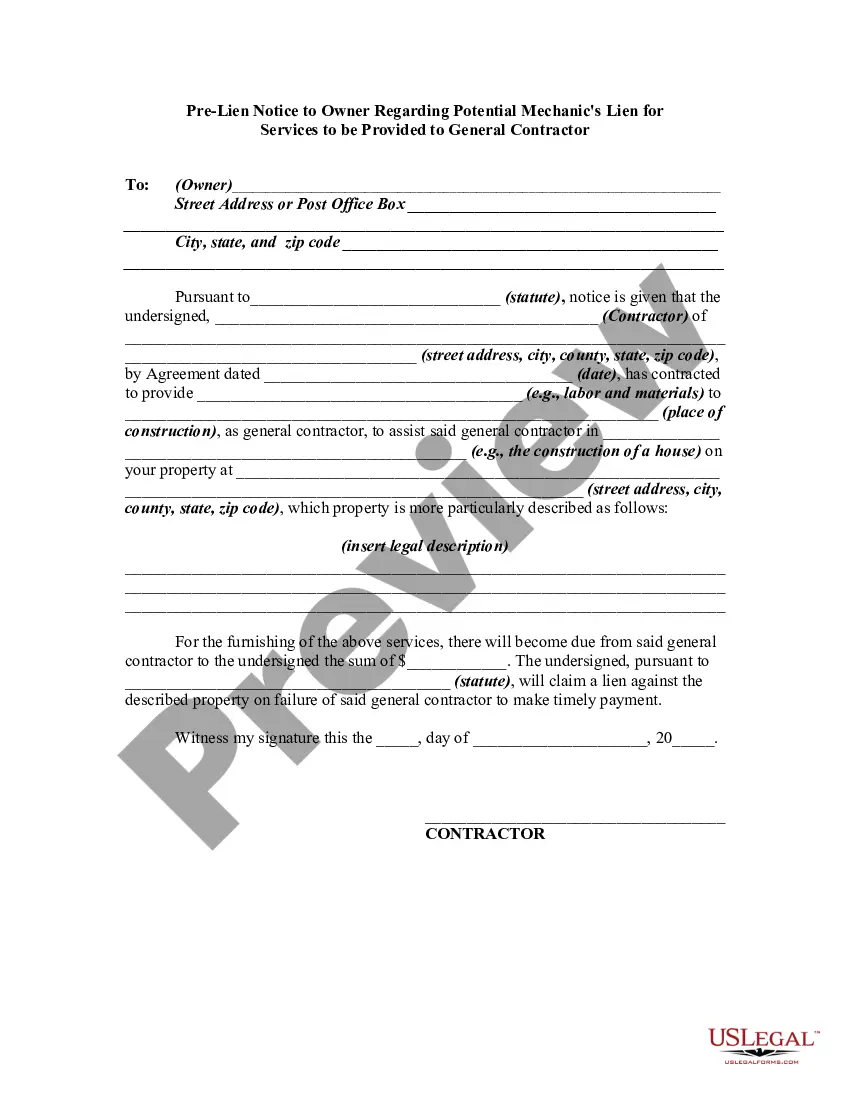
Lien Provided Contractor For The Future
Description
Get your form ready online
Our built-in tools help you complete, sign, share, and store your documents in one place.
Make edits, fill in missing information, and update formatting in US Legal Forms—just like you would in MS Word.
Download a copy, print it, send it by email, or mail it via USPS—whatever works best for your next step.
Sign and collect signatures with our SignNow integration. Send to multiple recipients, set reminders, and more. Go Premium to unlock E-Sign.
If this form requires notarization, complete it online through a secure video call—no need to meet a notary in person or wait for an appointment.
We protect your documents and personal data by following strict security and privacy standards.

Make edits, fill in missing information, and update formatting in US Legal Forms—just like you would in MS Word.

Download a copy, print it, send it by email, or mail it via USPS—whatever works best for your next step.

Sign and collect signatures with our SignNow integration. Send to multiple recipients, set reminders, and more. Go Premium to unlock E-Sign.

If this form requires notarization, complete it online through a secure video call—no need to meet a notary in person or wait for an appointment.

We protect your documents and personal data by following strict security and privacy standards.
Looking for another form?






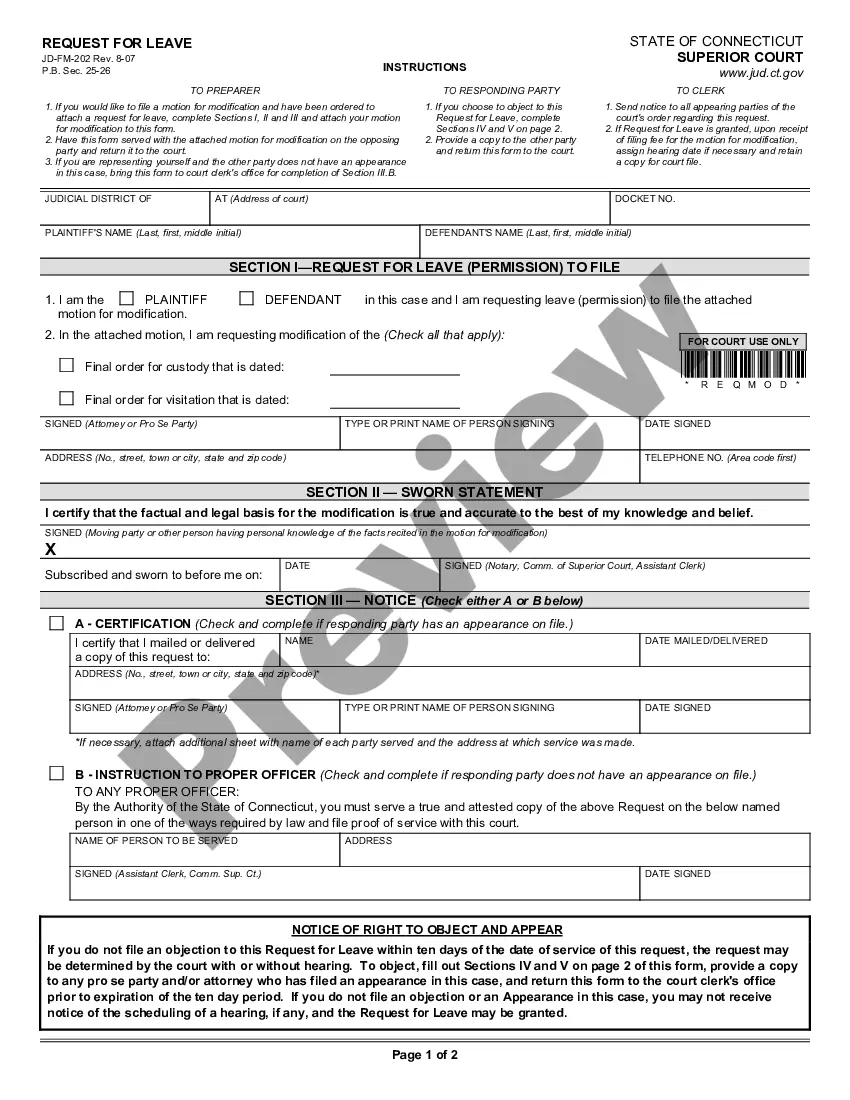

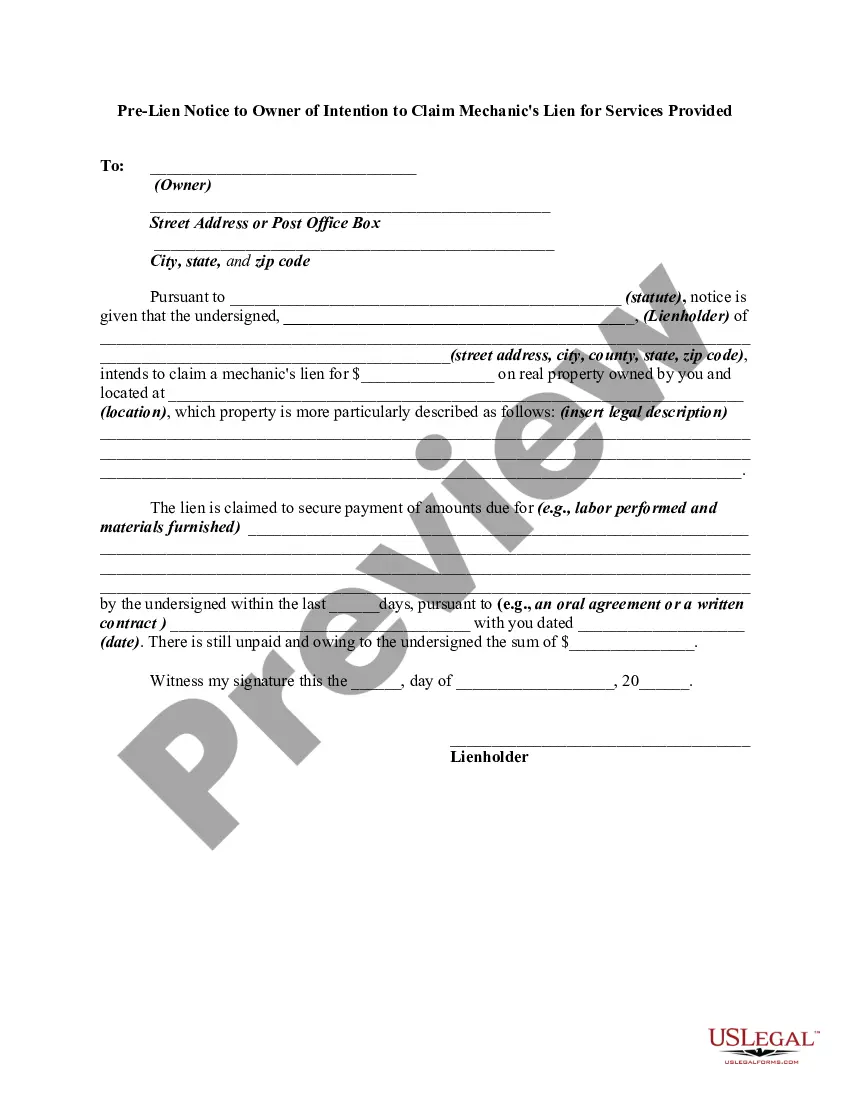
How to fill out Pre-Lien Notice To Owner Regarding Potential Mechanic's Lien For Services To Be Provided To General Contractor?
- Log in to your existing account, ensuring your subscription is current. If it needs renewal, follow the instructions based on your payment plan.
- For new users, begin by checking the Preview mode to confirm the form's relevance to your situation and jurisdiction.
- If the form does not meet your needs, utilize the Search tab to find alternative templates that may be more suitable.
- Once you identify the correct document, click on the Buy Now button and choose your desired subscription plan. You will need to create an account to access the additional benefits.
- Proceed to checkout by entering your payment details, whether via credit card or PayPal.
- After purchasing, download the form to your device and access it anytime in the My Forms menu of your profile.
In conclusion, US Legal Forms simplifies the process of obtaining legal documents, offering a robust collection that caters to various needs. With expert assistance available, users can be confident that their documents will be precise and compliant.
Begin your journey with US Legal Forms today and empower yourself with the legal tools necessary for success!
Form popularity
FAQ
To fill out a lien affidavit, start by providing your personal information, including your role in the project. Clearly list all relevant details about the lien, such as the property description and the amount claimed. After reviewing the affidavit for accuracy, sign and date it in front of a notary to ensure its legality. Platforms like USLegalForms can assist you in this process, making it easier to manage lien provided contractor for the future.
Filling out a waiver of lien requires you to enter the project's information, including the parties involved and the payment details. Clearly state the reasons for the waiver and confirm that you are relinquishing any rights to enforce a lien for the stated amount. Always remember to sign and date the document to make it legally binding. To avoid confusion, you might want to use USLegalForms for a straightforward template to process the lien provided contractor for the future.
A final lien waiver in construction signifies that the contractor has received full payment for their work and waives any future claims against the property. This document provides peace of mind to property owners by ensuring that no further liens can be placed on the property for the completed project. Understanding the implications of a final waiver helps protect both parties and clarifies the financial arrangement. For detailed assistance, visit USLegalForms to access tools for lien provided contractor for the future.
To fill out a construction lien waiver, you need to include essential details such as the project name, property address, and a concise statement of the amount being waived. Be sure to sign and date the document, as this acknowledges the waiver's validity. It is crucial to keep a copy for your records to avoid any disputes in the future. For help in navigating this process, consider utilizing USLegalForms, which offers templates and resources for managing lien provided contractor for the future.
A waiver of lien by the contractor releases their right to claim a lien against the property for unpaid services. This means that once a waiver is provided, the contractor cannot hold the property owner liable for any past due payments related to the project. This waiver is significant for the property owner, as it protects them from future claims, ensuring a smoother transaction as they move forward with their project. By understanding this process, you can better manage your agreements and commits in regard to the lien provided by the contractor for the future.
A construction lien does not directly affect your credit score, but it can lead to complications that might indirectly impact your finances. If a lien is placed on your property and goes unpaid, it could result in foreclosure, which would have serious consequences for your credit. To prevent such situations, consider utilizing a lien provided contractor for the future, who can help ensure that your projects are completed without financial disputes.
In Minnesota, the rules for liens dictate that contractors must file a notice of lien within 120 days after the last labor or materials are provided. This is essential for securing their right to payment. It’s important for property owners to be aware of these timelines, as they can affect their ability to sell or refinance their home. Partnering with a lien provided contractor for the future can help navigate these regulations and safeguard your interests.
Yes, a lien can be placed on your property without direct notification to you, especially in the case of mechanics liens. Contractors or suppliers may file a lien as a means to secure payment, and you might only discover it when it impacts your property. To protect yourself, it's beneficial to work with a lien provided contractor for the future, ensuring that all parties are on the same page regarding payments and agreements.
Yes, a lien can be placed on your house without your immediate knowledge. In many cases, contractors or suppliers can file a lien if they do not receive payment for their work or materials. While this process is typically transparent, you might not be aware of it until you attempt to sell your property or refinance. To avoid such surprises, consider using a lien provided contractor for the future, who will keep you informed throughout the project.
A lien release in construction is a document that confirms the removal of a lien from a property once payment has been made. This serves as a safeguard for property owners, ensuring that contractors and suppliers receive the payment they deserve. By obtaining a lien release, you secure the title of your property, allowing you to move forward without any legal encumbrances. Using a lien provided contractor for the future can help you establish clear contractual relationships and prevent complications.