Easement County My For Property
Description
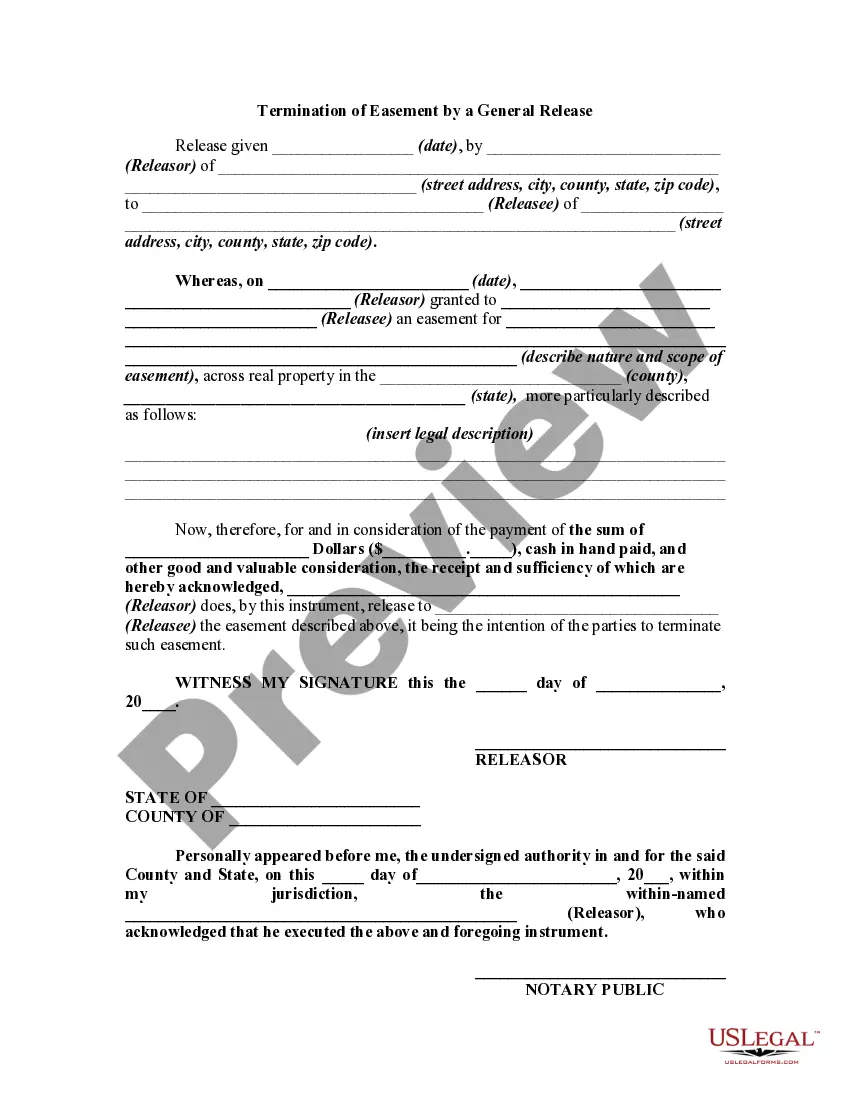

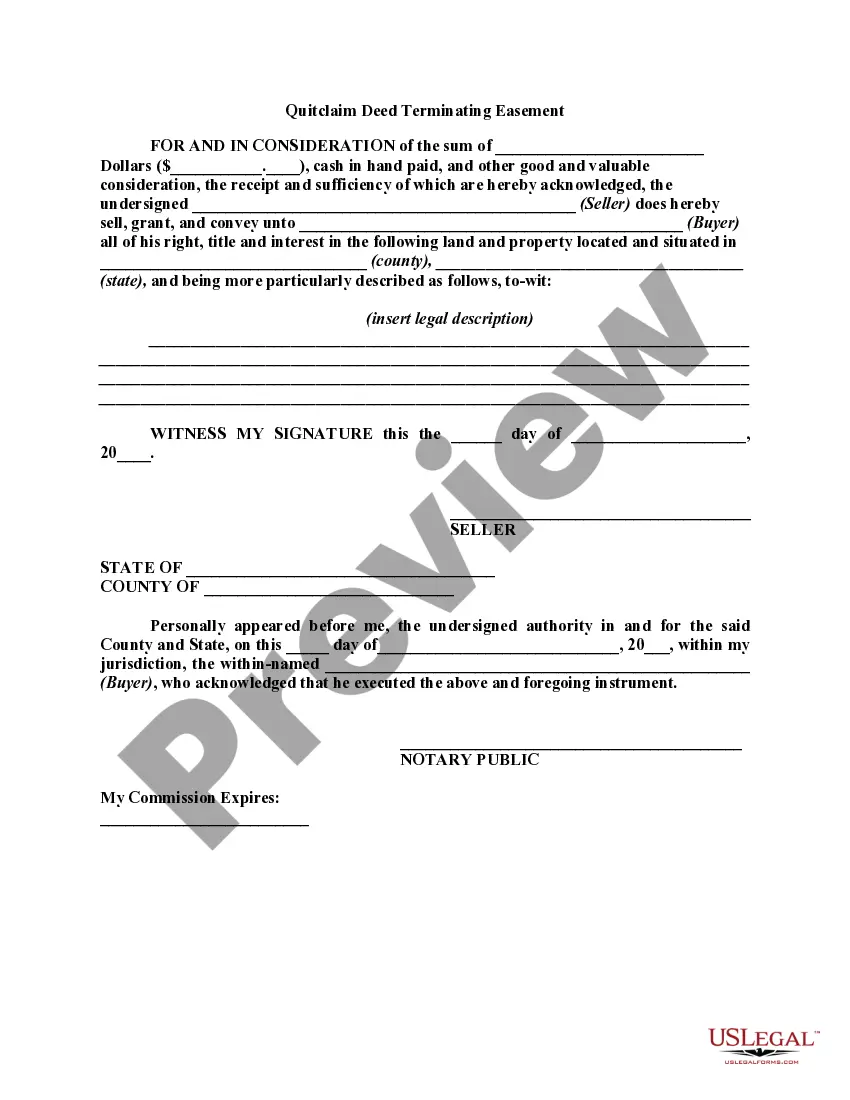

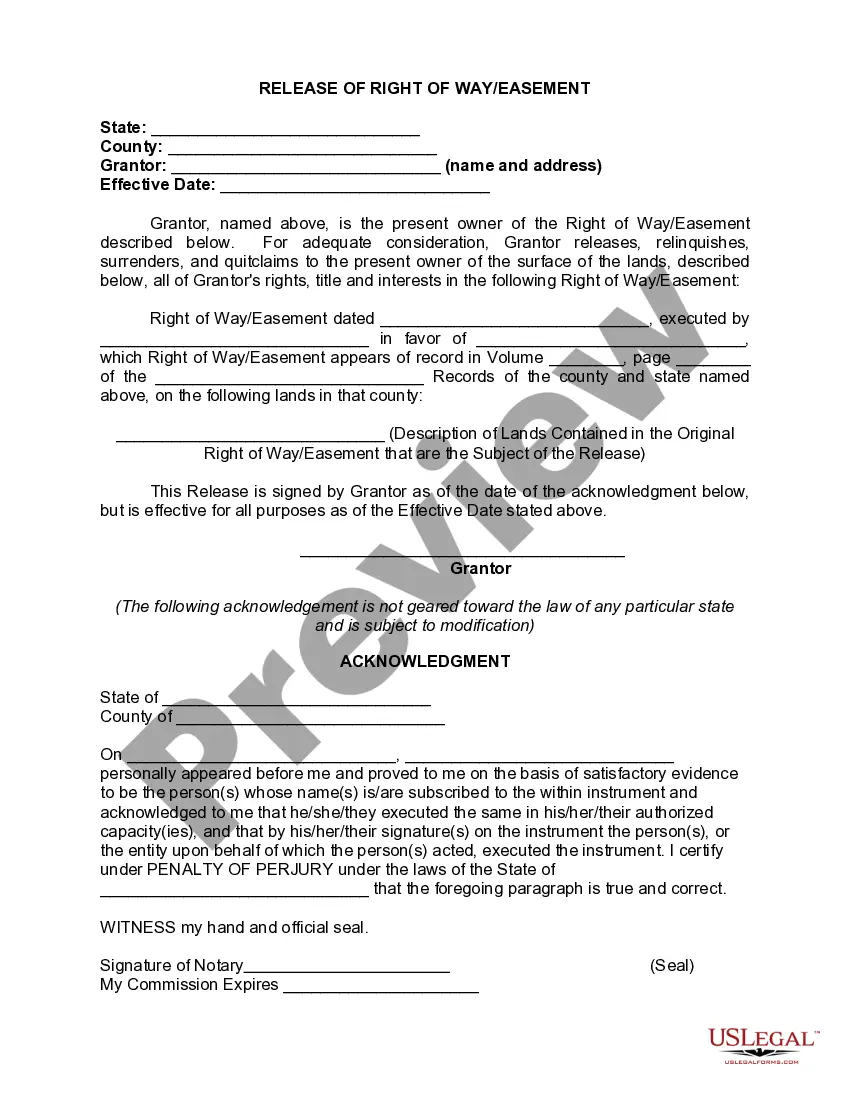
Get your form ready online
Our built-in tools help you complete, sign, share, and store your documents in one place.
Make edits, fill in missing information, and update formatting in US Legal Forms—just like you would in MS Word.
Download a copy, print it, send it by email, or mail it via USPS—whatever works best for your next step.
Sign and collect signatures with our SignNow integration. Send to multiple recipients, set reminders, and more. Go Premium to unlock E-Sign.
If this form requires notarization, complete it online through a secure video call—no need to meet a notary in person or wait for an appointment.
We protect your documents and personal data by following strict security and privacy standards.

Make edits, fill in missing information, and update formatting in US Legal Forms—just like you would in MS Word.

Download a copy, print it, send it by email, or mail it via USPS—whatever works best for your next step.

Sign and collect signatures with our SignNow integration. Send to multiple recipients, set reminders, and more. Go Premium to unlock E-Sign.

If this form requires notarization, complete it online through a secure video call—no need to meet a notary in person or wait for an appointment.

We protect your documents and personal data by following strict security and privacy standards.
Looking for another form?








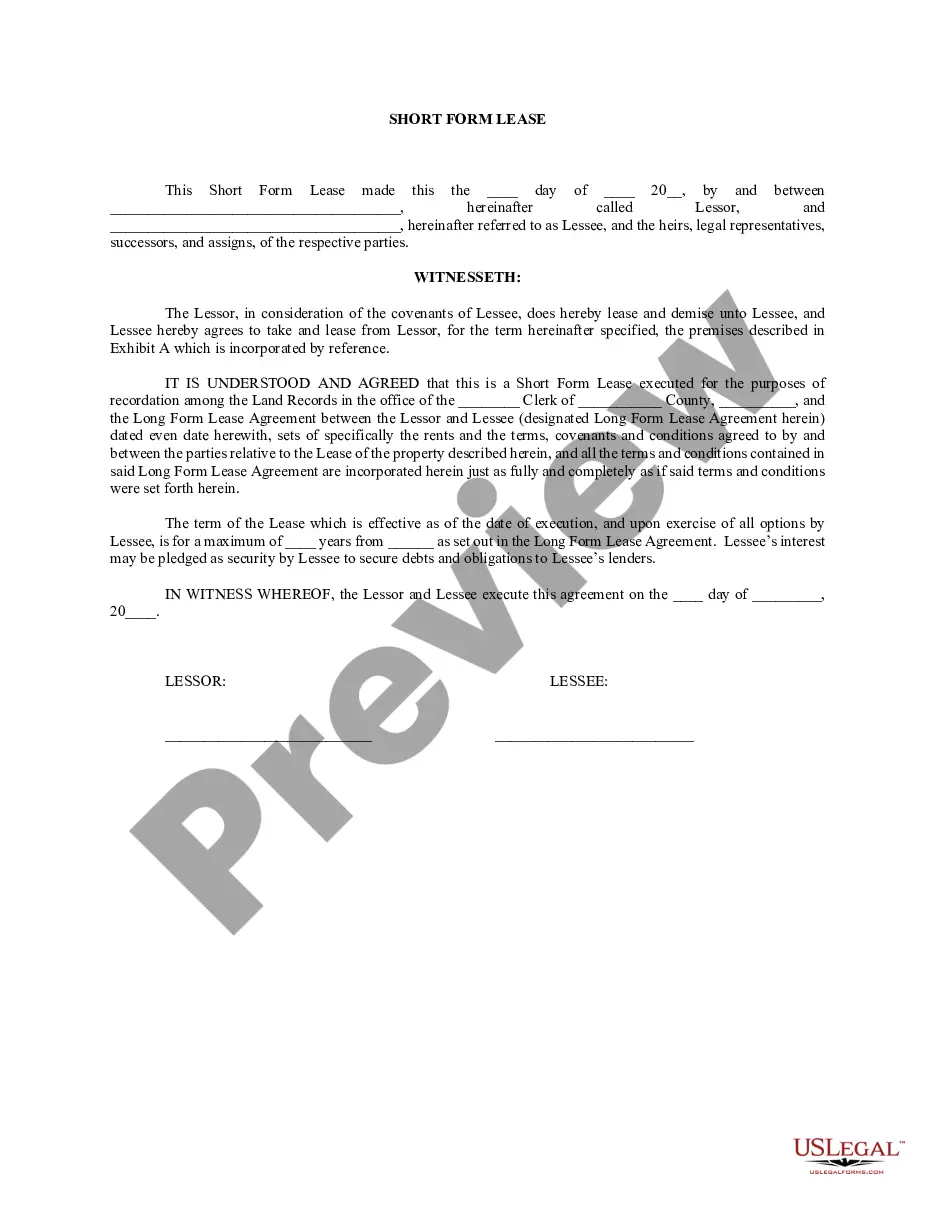
How to fill out Terminating Or Termination Of Easement By A General Release?
Dealing with legal documents and procedures can be an arduous addition to your schedule. Easement County My For Property and similar forms typically necessitate that you locate them and grasp the optimal method to fill them out accurately.
Consequently, if you are managing financial, legal, or personal issues, having a comprehensive and accessible online repository of forms readily available will be immensely beneficial.
US Legal Forms is the premier online resource for legal templates, featuring over 85,000 state-specific documents and a variety of tools that will assist you in completing your paperwork effortlessly.
Discover the collection of pertinent documents available to you with just one click.
Then, follow the steps below to complete your form: Ensure you have located the appropriate form by using the Review option and examining the form description. Choose Buy Now when ready, and select the subscription plan that suits your requirements. Click Download then fill out, eSign, and print the form. US Legal Forms has a quarter-century of experience aiding clients in managing their legal documents. Acquire the form you need today and streamline any process effortlessly.
- US Legal Forms provides you with state- and county-specific documents that are ready for download at any time.
- Safeguard your document management processes by utilizing a top-notch service that enables you to create any form in minutes without any additional or concealed fees.
- Simply Log In to your account, search for Easement County My For Property and obtain it immediately from the My documents section.
- You can also retrieve previously saved forms.
- Is this your first time using US Legal Forms? Sign up and create an account in just a few minutes and you’ll gain access to the form library and Easement County My For Property.
Form popularity
FAQ
In Tennessee, easement laws govern the creation, use, and termination of easements. Generally, easements can be created through express agreements, implied necessity, or long-term use. Understanding these laws is vital, and using a platform like USLegalForms can help you navigate the complexities of easement county my for property, ensuring you comply with state regulations.
Yes, you can place an easement on your own property, often referred to as a personal easement. This allows you to grant access to a specific area, such as a pathway or utility line, to another party. However, it's crucial to document the easement properly and consider how it may affect your property rights in the long term.
Easements can potentially lower property value, as they may restrict how you can use your land. Buyers might view an easement as a drawback, particularly if it affects their privacy or access. However, the impact on value largely depends on the type and extent of the easement in relation to the property's overall desirability.
While easements can benefit property owners, they also come with downsides. For instance, granting an easement may limit your ability to use your land freely, as others may have a right to access it. Moreover, easements can lead to disputes over boundaries or usage, which can be time-consuming and costly to resolve.
To establish an easement county my for property, you typically need a clear purpose, a defined area, and consent from the property owner. Documentation, such as a written agreement, is often essential to outline the terms and conditions. Additionally, the easement must be recorded with the local government to ensure it is legally recognized and enforceable.
To request an easement in your county for your property, you should start by identifying the property that needs access. Next, contact the property owner to discuss your intentions and negotiate terms. Once both parties agree, you can draft a formal easement agreement, ensuring it includes essential details such as the purpose and duration of the easement. Finally, file the agreement with your local county office to make it legally binding, which helps secure your rights regarding the easement in your county for your property.
An easement may be recorded in the public real estate records or other regulatory agency records; however, an easement may exist without recordation.
Sometimes homeowners want to understand if they can remove an easement from their property or can a property owner block an easement. If the intent is to prevent or obstruct the use of the easement, the answer is probably no.
Instead, the law will imply an easement exists. In order to obtain an implied easement, the party seeking the easement is required to go to court, prove each of the required elements for the type of implied easement sought, obtain a court order granting the easement, and file the court order in the county deed records.
The written document creating an easement need not be recorded to be effective. However, to give construc- tive notice to subsequent purchasers as described in Section 13.002 of the Texas Property Code, easements normally are recorded. Without a written document, an easement may be created three ways.