Farm Land For Rent Texas
Description

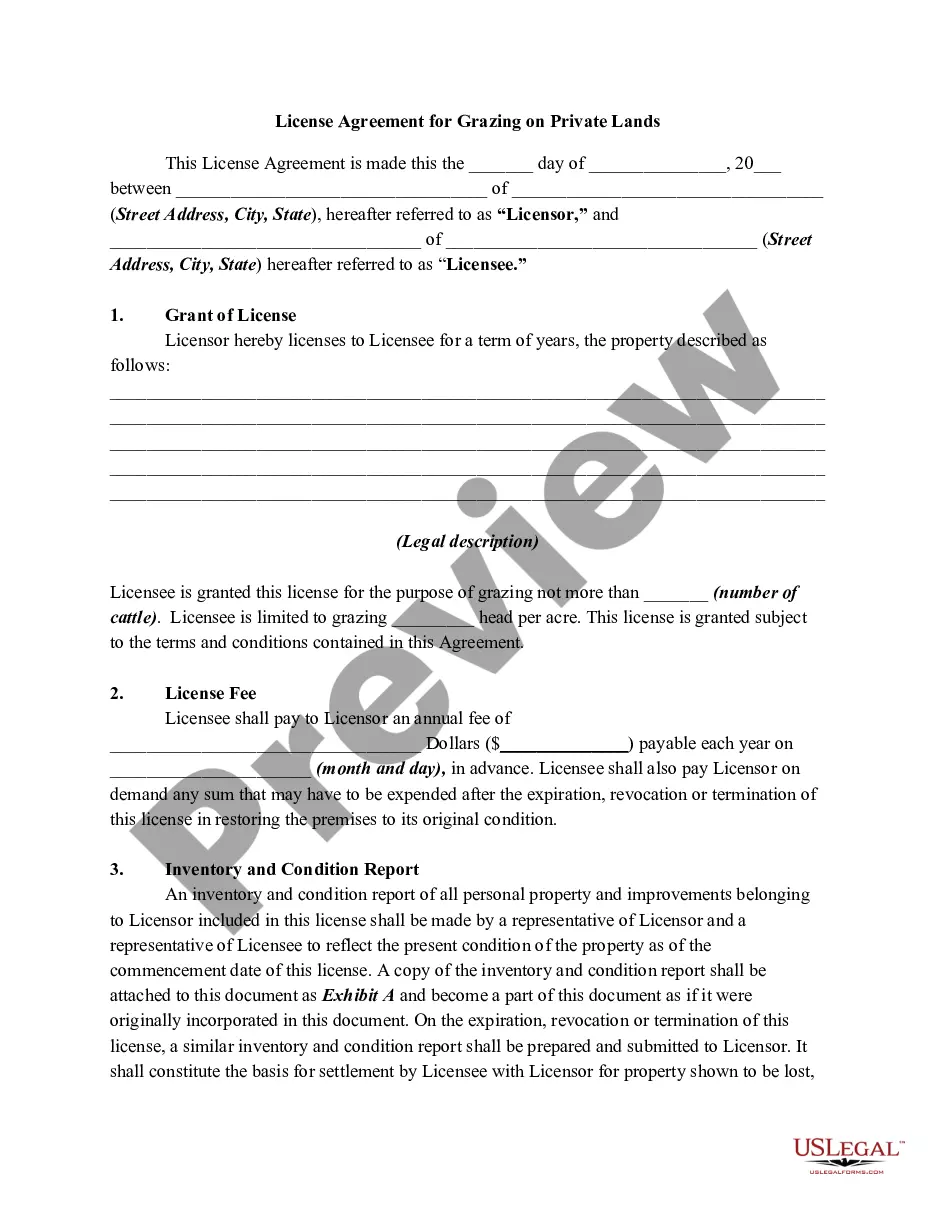
Get your form ready online
Our built-in tools help you complete, sign, share, and store your documents in one place.
Make edits, fill in missing information, and update formatting in US Legal Forms—just like you would in MS Word.
Download a copy, print it, send it by email, or mail it via USPS—whatever works best for your next step.
Sign and collect signatures with our SignNow integration. Send to multiple recipients, set reminders, and more. Go Premium to unlock E-Sign.
If this form requires notarization, complete it online through a secure video call—no need to meet a notary in person or wait for an appointment.
We protect your documents and personal data by following strict security and privacy standards.

Make edits, fill in missing information, and update formatting in US Legal Forms—just like you would in MS Word.

Download a copy, print it, send it by email, or mail it via USPS—whatever works best for your next step.

Sign and collect signatures with our SignNow integration. Send to multiple recipients, set reminders, and more. Go Premium to unlock E-Sign.

If this form requires notarization, complete it online through a secure video call—no need to meet a notary in person or wait for an appointment.

We protect your documents and personal data by following strict security and privacy standards.
Looking for another form?

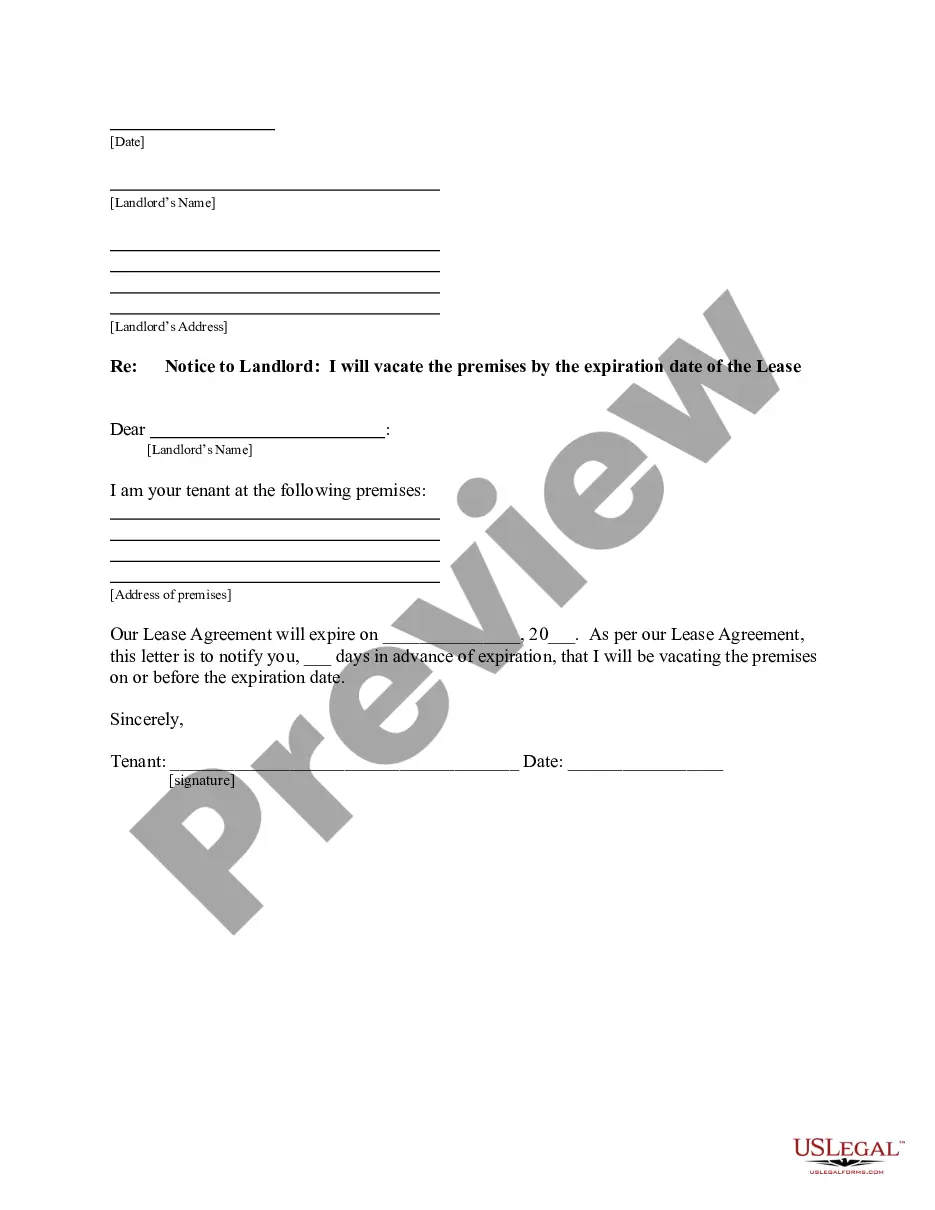
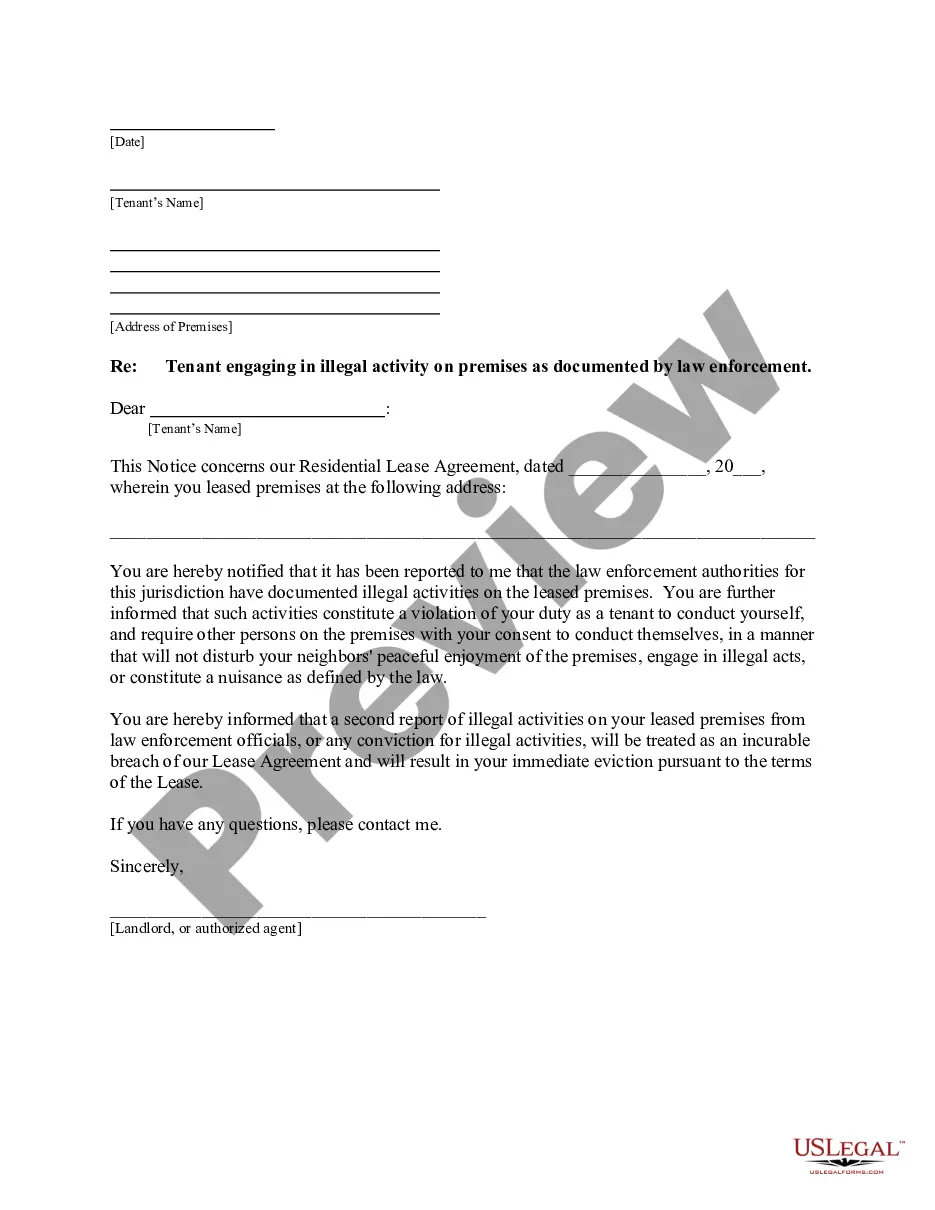
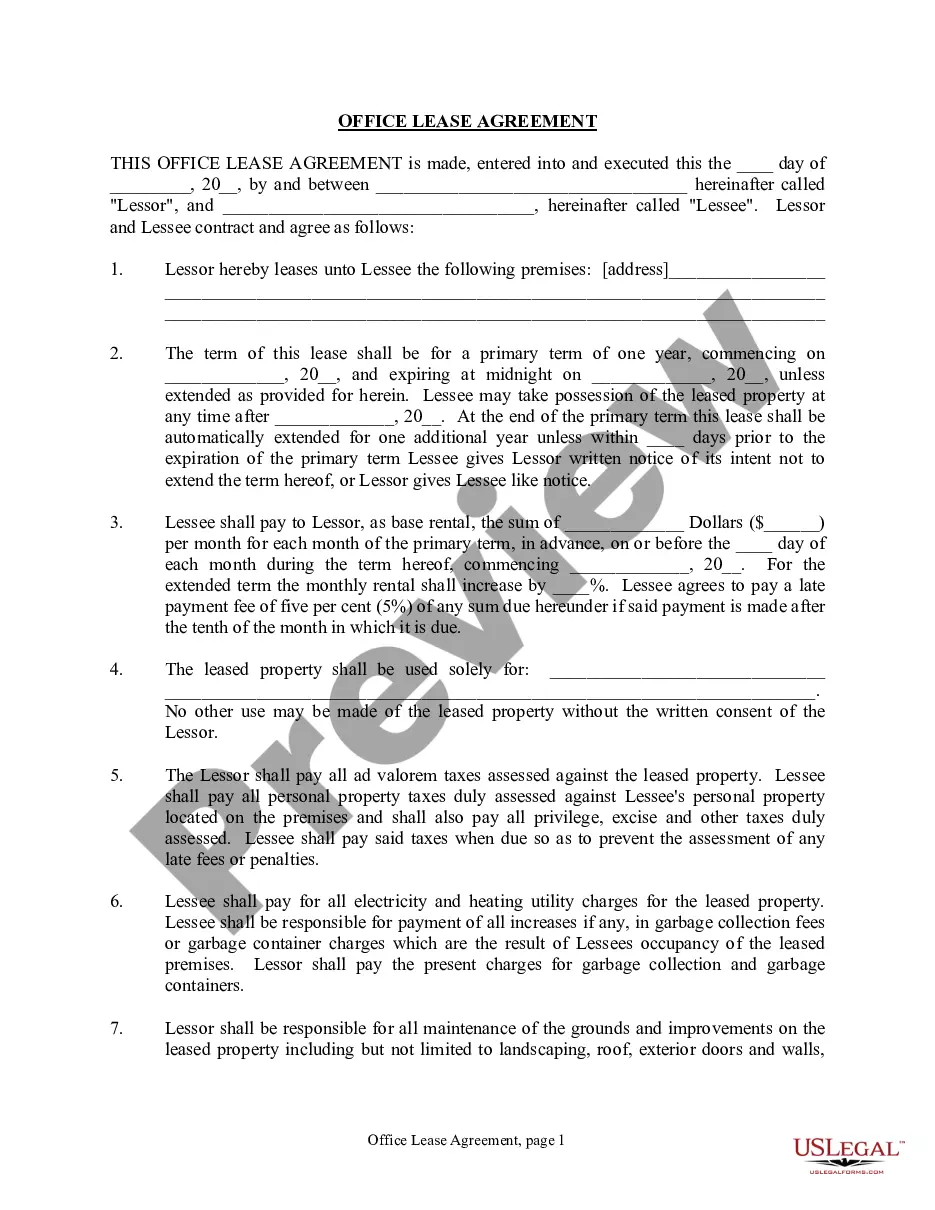
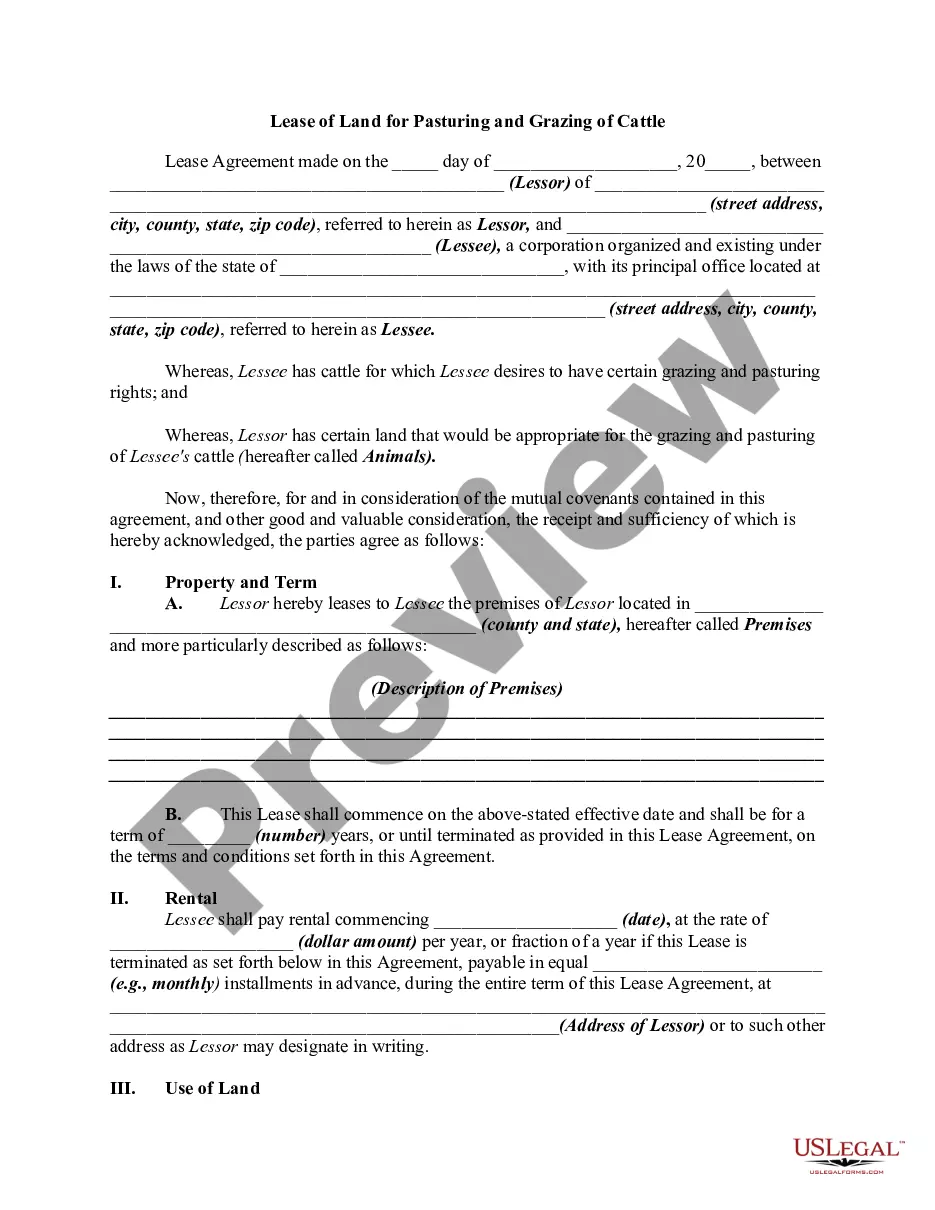
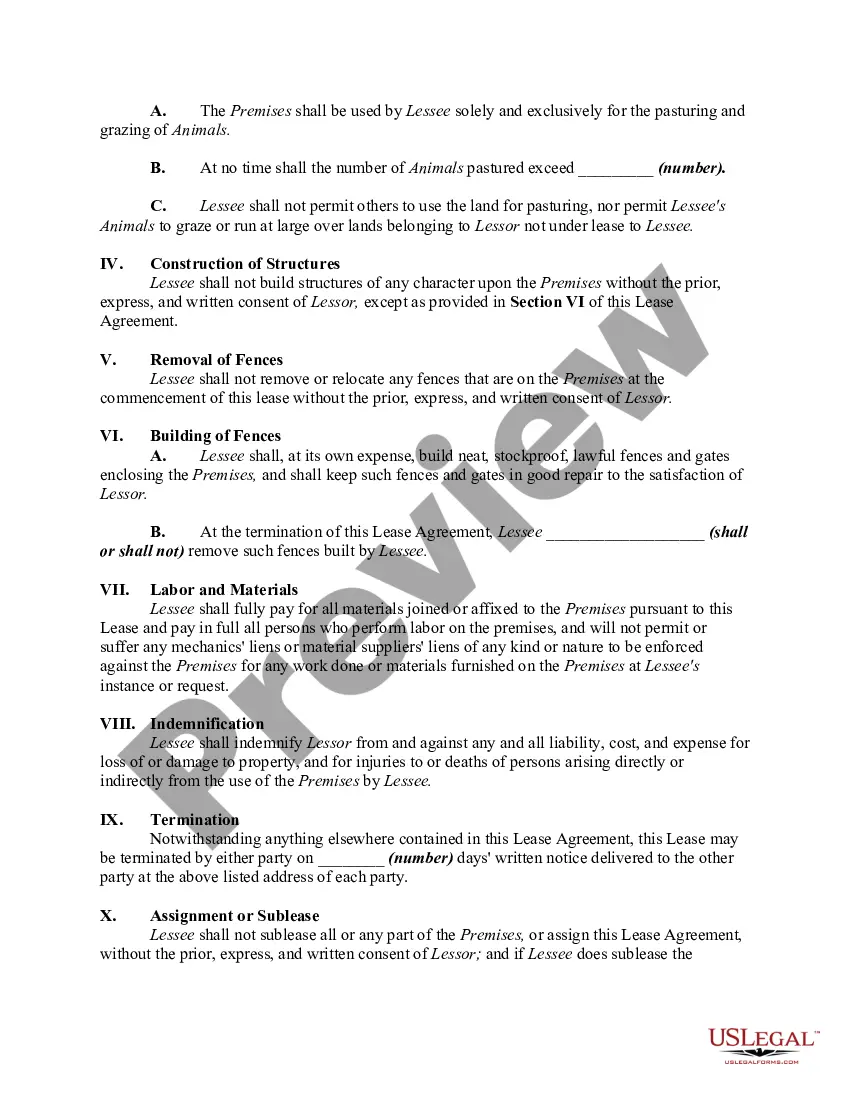
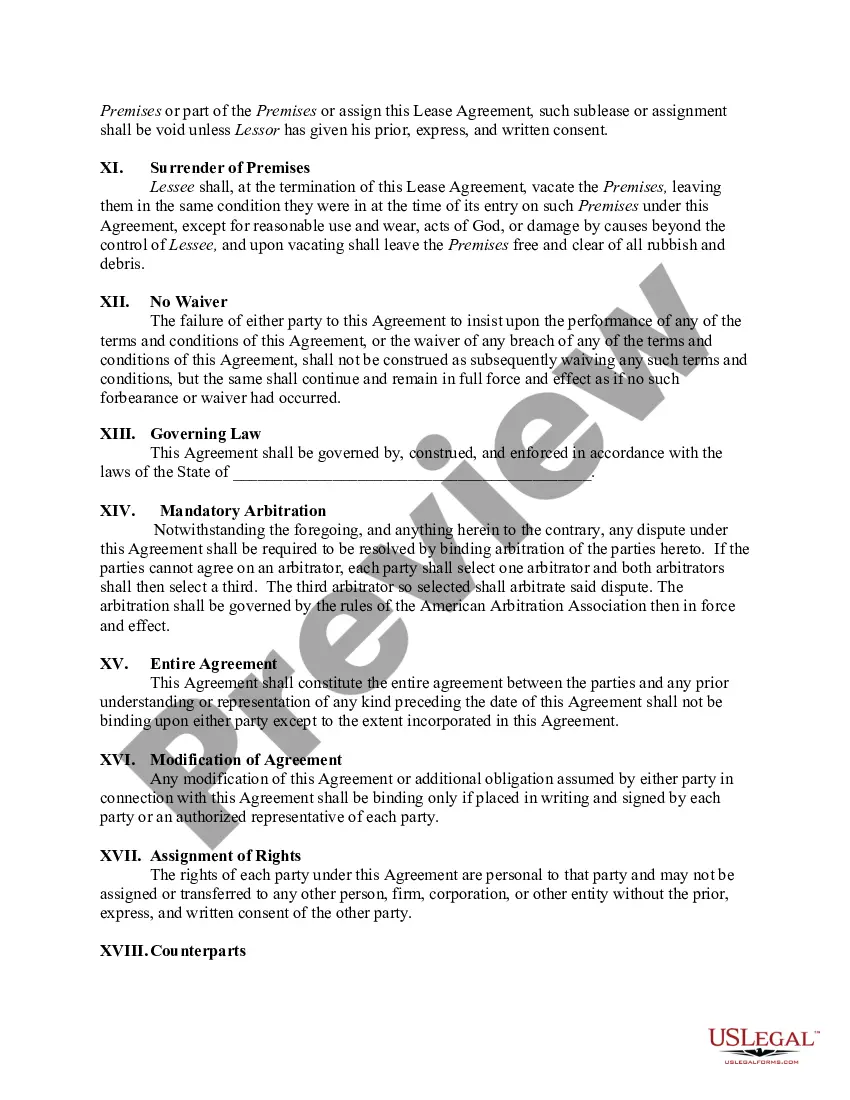
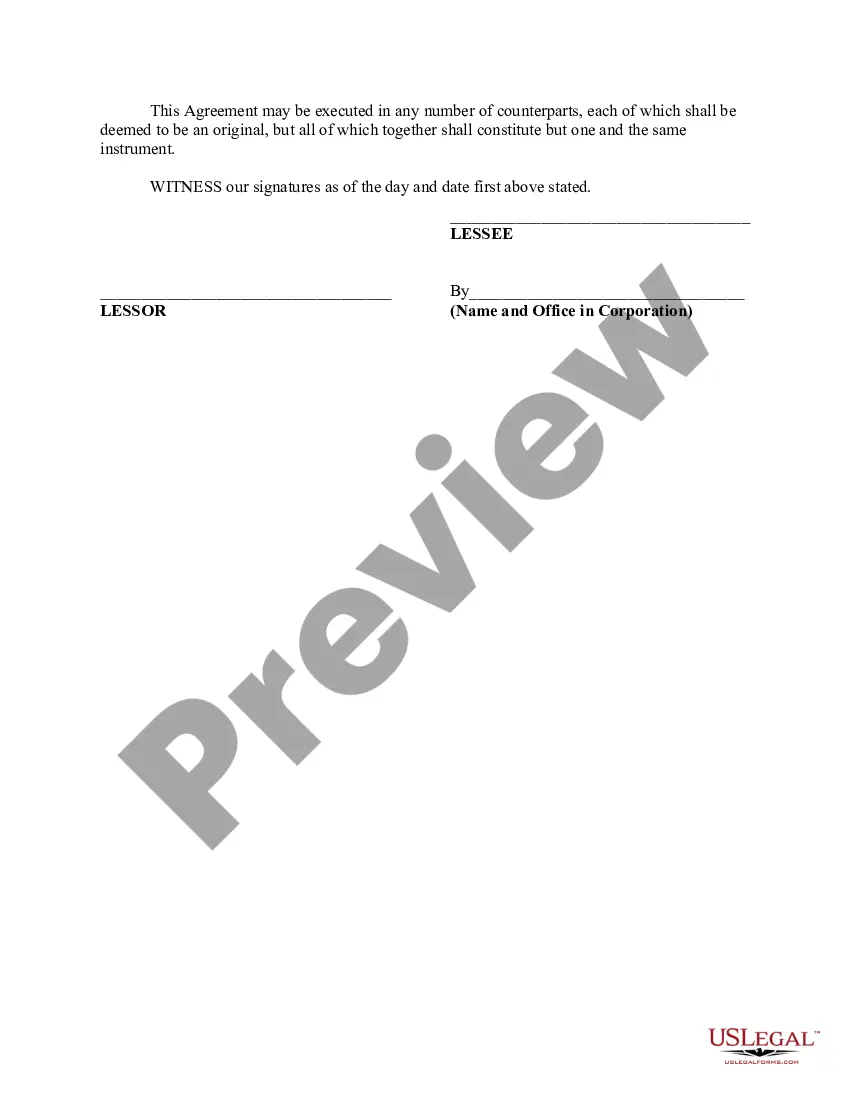
How to fill out Lease Of Land For Pasturing And Grazing Of Cattle?
Whether for corporate objectives or personal affairs, everyone has to deal with legal circumstances at some point in their life.
Filling out legal documents requires precise attention, starting with choosing the appropriate form template.
With a comprehensive US Legal Forms library available, you never have to waste time searching for the right template on the internet. Utilize the library’s easy navigation to find the suitable template for any circumstance.
- For instance, if you select an incorrect version of the Farm Land For Rent Texas, it will be denied once you submit it.
- It is therefore essential to obtain a reliable source of legal documents like US Legal Forms.
- If you wish to acquire a Farm Land For Rent Texas template, adhere to these straightforward steps.
- Locate the template you need by using the search box or catalog browsing.
- Review the form’s details to ensure it fits your situation, state, and county.
- Click on the form’s preview to examine it.
- If it is not the correct form, return to the search tool to find the Farm Land For Rent Texas sample you need.
- Download the template when it aligns with your requirements.
- If you already possess a US Legal Forms account, simply click Log in to access previously saved templates in My documents.
- If you don’t have an account yet, you may acquire the form by clicking Buy now.
- Select the appropriate pricing option.
- Complete the account registration form.
- Choose your payment method: you can utilize a credit card or PayPal account.
- Select the document format you want and download the Farm Land For Rent Texas.
- Once downloaded, you are able to fill out the form using editing software or print it and complete it by hand.
Form popularity
FAQ
Finding farm land to lease involves researching local classifieds, agricultural publications, and online listings that focus on farm land for rent Texas. Networking with local farmers and agricultural organizations can also provide leads on available rental properties. Using platforms like US Legal Forms can assist you in drafting lease agreements once you find the right land.
Yes, you can deduct property taxes related to the farm land that you rent out on your tax return. This deduction allows you to reduce your taxable income, thereby lowering your tax liability. For clear guidance and helpful documents, consider exploring resources available at US Legal Forms to better manage your farm land for rent Texas.
To report farm land rental income, complete Schedule E on your personal tax return. Include all income received along with any deductible expenses related to the rental property. If you need guidance or resources, US Legal Forms offers tools to help you navigate farm land for rent Texas and accurately report your income.
Renting out farmland typically involves signing a lease agreement with a tenant who intends to use the land for agricultural purposes. The agreement outlines rental terms, duration, and payment methods. To explore options for farm land for rent Texas, you can leverage online platforms and local resources that list available properties.
Farm income is reported to the IRS using Schedule F, which accounts for all income, including rental income from farm land for rent Texas. This form allows you to deduct necessary expenses related to your farming operation. For accurate reporting, maintaining organized records is crucial, and you may find helpful templates on US Legal Forms.
You report farmland rental income by including it on Schedule E of your tax return. It's essential to keep detailed records of all rental income received. If you need assistance with the paperwork, consider using platforms like US Legal Forms to simplify the process and ensure compliance with tax laws related to farm land for rent Texas.
The number of acres you need for a farm in Texas varies based on your goals and the type of farming you plan to pursue. Generally, a minimum of 10-20 acres is suitable for small-scale farming, while larger operations may need 100 acres or more. If you're considering farm land for rent in Texas, it's essential to assess your needs, such as crop types, livestock, or recreational use.
To report farm rental income, include the earnings on Schedule F (Profit or Loss from Farming) of your IRS Form 1040. Ensure you document any expenses related to the farm rental, as they may be deductible. Keep accurate records of all transactions, including rental agreements and receipts. If you seek a straightforward method for managing these records, US Legal Forms offers resources that can assist you in preparing necessary documents and following reporting guidelines.
Yes, rental income from farmland in Texas is generally taxable. As a landowner, you must report this income on your tax return, as it contributes to your overall income. Some expenses related to managing the farmland can be deducted, which may help reduce your tax liability. Consulting with a tax professional can provide you with tailored advice on how best to manage your farmland for rent in Texas from a tax perspective.
To rent out your farmland in Texas, start by advertising your property through online listings and local agricultural networks. Ensure you provide details about the land's condition, available resources, and any specific crops suited for cultivation. Connecting with a local real estate agent specializing in agricultural properties can streamline the process. Consider using platforms like US Legal Forms to create legal rental agreements that protect both you and your tenant.